

Quoting an 18mm plastic formwork panel at $55 to $70 per square meter looks like a budget win on paper, but that price tag hides the real cost. The danger isn’t the upfront price—it’s the hidden expense of grout loss and the labor required to patch uneven concrete surfaces caused by warping. If you ignore the amortization over the panel’s actual lifespan, you’re underestimating the total cost of the job. At RaxPanel, we’ve seen this play out across 400+ agricultural structures. Our manufacturing data confirms that a panel made with virgin polypropylene holds a gravity load rating of 60 kN/m² even after 50 reuse cycles, but that’s only part of the equation. What separates a reusable asset from disposable plastic isn’t just cycle count—it’s thermal stability under hydrostatic pressure and dimensional retention across temperature swings.
This article examines the full lifecycle cost equation for agri-insulated formwork, covering load retention metrics, deflection limits, and energy savings from integrated thermal performance. You’ll learn how to spot the difference between panels that maintain structural integrity and those that degrade after a handful of pours.
The real takeaway is understanding total cost of integrity—not just the sticker price, but what the panels actually deliver across their usable life.
How to Evaluate Formwork Before You Buy
Do not evaluate formwork based solely on the sticker price per square meter. The true metric is cost-per-pour, which is determined by the panel’s ability to retain structural integrity and surface flatness over high-frequency reuse cycles.
Core Material Performance and Dimensional Stability
When assessing the core of a plastic formwork panel, what matters most is not the insulation it provides to the finished structure—the formwork is stripped away—but rather the core’s dimensional stability under the mechanical and thermal stresses of repeated concrete pours. The core material determines how much the panel will deflect under wet concrete pressure, how it responds to temperature swings on an outdoor agricultural job site, and whether it will creep or deform over time.
Virgin polypropylene (PP) cores are the industry benchmark for formwork because they maintain consistent stiffness across a wide temperature range. Unlike recycled PP blends, which often contain calcium carbonate fillers that compromise structural integrity, virgin PP resists cold-weather micro-fractures and maintains its load-bearing geometry even after dozens of strike cycles. In our R&D facility, we specifically minimized calcium carbonate in our 18mm virgin polypropylene formula to prevent the cold-weather micro-fractures that typically cut panel life short. A multi-wall ribbed hollow-core design further reinforces this stability, ensuring the structural ribs maintain their integrity over high-frequency turnover.
If you are evaluating formwork for agricultural buildings in climates with freezing temperatures or significant diurnal swings, insist on a core material specification sheet that documents the flexural modulus at both ambient and sub-zero conditions. A panel that works fine at 20°C may become brittle and crack at -5°C if the core formulation is compromised with fillers.
Surface Facing Durability and Chemical Resistance
The surface facing of formwork is the interface between the panel and the wet concrete. It must be smooth enough to produce a clean finish on the cured wall, chemically resistant to the alkaline environment of fresh concrete, and durable enough to withstand repeated stripping, cleaning, and re-oiling without delamination or surface degradation.
A gelcoat-treated or composite-facing surface is the standard for quality plastic formwork. Gelcoat provides a non-porous, chemically inert barrier that prevents the alkaline slurry from attacking the core material and ensures the panel releases cleanly without adhering to the surface. Panels with untreated or porous facings will absorb concrete paste, stain over time, and require aggressive chemical cleaning that accelerates wear.
- Chemical resistance: The facing must withstand prolonged contact with wet Portland cement (pH 12–13) without swelling, softening, or losing adhesion to the core.
- Surface hardness: A hardened facing resists abrasion from rebar placement, concrete vibration, and repeated strip-and-clean cycles.
- Release coefficient: A properly finished surface requires minimal release agent application, reducing labor time and preventing unsightly residue on the formed concrete.
For agricultural applications where formwork may be exposed to UV radiation between pours, verify that the facing includes UV-stabilized additives. Unstabilized surfaces will chalk and degrade within a single season of outdoor storage, compromising both the concrete finish and the panel’s structural bonding to the core.
Load-Bearing Capacity and Deflection Limits for Agricultural Use
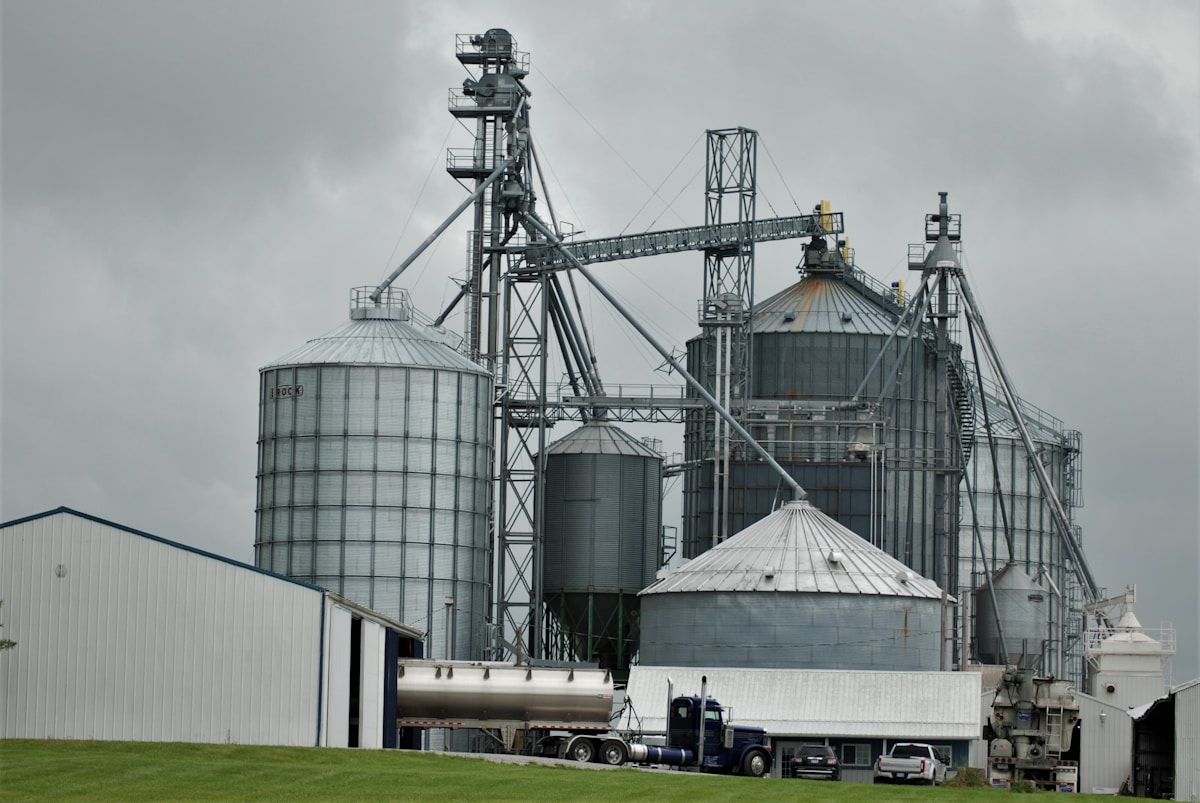
Agricultural structures—silos, barn walls, foundation footings, and cold-storage buildings—place unique demands on formwork. Walls for grain storage and livestock housing often exceed standard residential heights, which increases the lateral pressure exerted by wet concrete against the formwork face. A panel that deflects excessively under this pressure will produce bulging walls that are out of plumb, requiring costly corrective work after stripping.
Deflection retention under sustained load is the metric that separates reusable formwork from disposable alternatives. Over repeated pour cycles, even high-quality panels will experience gradual deformation if the material lacks sufficient stiffness retention. When you request deflection data from a supplier, ask for the measurement methodology—whether it follows ASTM D790 for flexural properties or a project-specific load test. Vague claims of “high load capacity” without referenced test standards are a red flag.
For agricultural wall formwork, a maximum deflection limit of L/360 (where L is the span between support points) is the industry standard for ensuring plumb, true surfaces. Panels that exceed this threshold under design load will produce visible bowing in the finished concrete, particularly on tall wall pours common in barn and silo construction.
Reusability Cycles and Lifecycle Cost Indicators
The single most misunderstood metric in formwork procurement is the reuse cycle count. Many suppliers advertise “50+ cycles” or “up to 100 reuses,” but these numbers are meaningless without empirical deflection retention data after repeated stripping and reassembly. The real question is not how many times you can theoretically reuse a panel—it is how many times you can reuse it before deflection exceeds acceptable limits or the surface facing degrades to the point of producing substandard concrete finishes.
The industry is plagued by the “30-cycle trap,” where budget panels—often heavily laden with calcium carbonate—begin to warp, swell, or suffer surface degradation just as the Return on Investment curve starts to flatten. When evaluating lifespan, do not settle for vague manufacturer promises. Demand empirical fatigue data showing deflection retention after repeated stripping and reassembly. The material must resist creep under sustained loads.
Lifecycle cost analysis should move beyond the initial purchase price per square meter. Calculate the cost per pour by dividing the total panel investment by the verified number of reuse cycles, then factor in replacement costs for damaged panels, release agent consumption, and labor for handling and cleaning. A panel that costs 40% more upfront but delivers 3× the verified reuse cycles is the economically superior choice for high-volume agricultural construction.
Never accept a supplier’s cycle-life claim without requesting the supporting deflection retention test data. Panels that warp after 20–25 cycles will erase any upfront cost advantage within a single project, turning a “budget” formwork system into a recurring expense that undercuts your margins.
| Feature | Specification | Advantage |
|---|---|---|
| Reuse cycle lifespan is a critical specification that separates premium formwork from budget alternatives. | 50–100+ reuse cycles with deflection retention data | Avoids the 30-cycle trap of calcium carbonate-heavy budget panels that warp and swell prematurely |
| Core Material Composition | Multi-wall ribbed hollow-core (air-filled) structure | Core material composition directly determines the thermal and structural performance of the formwork panel. Ensures waterproof, thermally insulated, and lightweight performance without hidden degradation |
| Surface Finish Quality | Smooth, flat gelcoat or composite facing | Minimizes grout loss and eliminates costly patching of uneven concrete surfaces |
| Empirical Fatigue Data | Deflection retention metrics after repeated stripping and reassembly | Replaces vague ’50+ cycles’ claims with verifiable structural performance evidence |
| Cost Per Use Analysis | Amortized cost over full panel lifespan | Reveals true long-term value versus higher upfront price of quality plastic formwork vs plywood |
mm Agri Insulated Panel: Technical Details
Material Composition and Structural Architecture
The structural integrity of an 18mm agricultural formwork panel relies heavily on the purity of its polymer matrix. While market alternatives often utilize calcium carbonate (CaCO3) fillers to reduce raw material costs, this practice directly compromises the polymer’s homogeneity. From a materials science perspective, high concentrations of CaCO3 act as stress concentrators. Under the cyclic loading conditions of agricultural construction—where panels are stripped, stacked, and reinstalled repeatedly—these inclusions initiate micro-fractures that propagate rapidly, leading to the industry-documented “30-cycle trap” where surface degradation and warping occur prematurely.
To ensure longevity, technical specifications must mandate 100% virgin polypropylene (PP). This unadulterated polymer offers superior isotropic properties, ensuring consistent strength distribution across the panel face. additionally, the core architecture employs a multi-wall ribbed hollow-core design. Unlike a flat solid sheet, this geometry creates a high moment of inertia, allowing the panel to resist creep and deflection under sustained concrete loads without the weight penalty of solid materials.
Dimensional Specifications and Tolerances
Precision in manufacturing is critical for on-site assembly efficiency, particularly in large-scale agricultural projects where cumulative dimensional error can cause significant alignment issues. The industry standard modular dimension is 1220mm × 2440mm, designed to interlock smoothly with traditional plywood forms.
| Specification Parameter | Technical Standard |
|---|---|
| Standard Dimensions | 1220 × 2440 mm |
| Nominal Thickness | 18 mm |
| Thickness Tolerance | ± 0.5 mm |
| Core Structure | Multi-wall Ribbed Hollow-core |
| Material Composition | 100% Virgin Polypropylene (Co-polymer) |
Load Performance and Environmental Durability
A key technical metric for procurement officers is the panel’s load-bearing capacity relative to its weight. The 18mm profile is engineered to withstand a load rating of approximately 60 kN/m² when properly supported. This rating accounts for the hydrostatic pressure of wet concrete typical in agricultural wall pours. It is vital to distinguish between the static load capacity (supporting the weight of the concrete) and the dynamic stiffness (resistance to bending during vibration or pouring). The hollow-core ribs provide the necessary section modulus to maintain flatness, ensuring the cured concrete surface meets architectural tolerances.
Regarding environmental resistance, two primary technical concerns arise in agricultural contexts: fire safety and cold-weather performance. While polypropylene is a combustible thermoplastic, misconceptions regarding its fire risks often overlook the efficacy of modern flame-retardant additives. For compliance with building codes, panels must demonstrate self-extinguishing properties and meet specific smoke density ratings (such as ASTM E84 Class C) to mitigate rapid flame spread.
Cold-weather performance is dictated by the glass transition temperature (Tg) of the polypropylene. In sub-zero climates, the polymer matrix can become brittle. The use of 100% virgin polypropylene, rather than recycled blends or heavy filler loads, is essential here. Virgin polymers maintain higher impact resistance at low temperatures, preventing the edge chipping and cracking that plague inferior panels during winter construction cycles.

Thermal Benefits of the Insulated Formwork
How Hollow-Core Structure Acts as a Thermal Buffer
The defining thermal advantage of 18mm plastic formwork lies in its multi-wall, hollow-core geometry. Unlike solid plastic or steel panels, the internal air pockets create a natural insulating layer that dramatically slows heat transfer between the concrete and the external environment. This buffer protects the curing concrete from rapid temperature swings, which is the primary cause of thermal cracking and strength loss in agricultural structures.
Polypropylene (PP) itself is a poor conductor of heat, but the hollow-core design amplifies this property. The trapped air within the ribs acts as a thermal break, maintaining a more stable internal formwork temperature. This is critical during the first 24 to 48 hours of curing, when concrete generates significant exothermic heat and must be protected from cold snaps or excessive heat loss.
Thermal Shock Protection in Cold-Weather Pours
In cold climates or during winter construction, traditional steel or solid plastic formwork can draw heat away from the concrete too rapidly. This thermal shock can halt the hydration process, leading to weak concrete, surface scaling, and potential structural failure. The insulated hollow-core panel mitigates this by retaining the concrete’s generated heat, allowing the curing reaction to proceed at an optimal rate even when ambient temperatures drop.
- Reduced Heating Costs: By retaining natural exothermic heat, the need for external heating blankets or heated enclosures is significantly reduced or eliminated, lowering project overhead.
- Consistent Strength Gain: Maintaining a stable temperature within the formwork ensures uniform curing, which is essential for the structural integrity of agricultural silos and cold-storage walls.
- Prevention of Thermal Cracking: Slow, even cooling prevents the steep temperature gradients that cause internal stress and cracking in large pours.
Role in Agricultural Cold-Storage and Silo Applications
For agricultural buildings like cold-storage rooms and grain silos, thermal performance is not just a curing benefit—it is a permanent operational requirement. The insulated formwork produces a concrete wall with fewer micro-cracks and a denser, more uniform matrix. This directly translates to better long-term thermal efficiency for the finished structure.
A well-cured, thermally stable concrete wall reduces the load on refrigeration systems and improves the energy efficiency of the cold-storage facility. The formwork’s insulation during pouring ensures that the final agricultural building meets its design thermal specifications from the start, reducing long-term operational costs for the farmer or contractor.
When specifying formwork for cold-weather agricultural pours, verify that the panel design includes a closed hollow-core structure. Open-cell or single-wall designs do not provide the same insulating air-pocket effect and will perform more like solid plastic, offering minimal thermal buffering.
Do not assume all “plastic” formwork provides thermal insulation. Solid PP or recycled plastic panels conduct heat much faster than hollow-core insulated designs. Always request the thermal resistance (R-value) or heat transfer coefficient data from the supplier to compare true insulating performance.
Comparing Against Wood, Steel, and Recycled Plastic
While material selection is often driven by initial purchase orders, the true metric for agricultural and industrial formwork is Total Cost of Ownership (TCO) over the project’s lifespan. High-grade virgin polypropylene systems eliminate the隐性 waste associated with warping and grout leakage, whereas traditional materials often introduce structural liabilities that increase labor intensity.
The False Economy of Traditional Plywood
Conventional plywood continues to dominate job sites primarily due to its low initial barrier to entry. However, this advantage is illusory when viewed through the lens of operational efficiency. The organic nature of wood renders it highly susceptible to environmental fluctuations; absorption of moisture leads to immediate swelling and irreversible warping. This deformation compromises the grout-tight seal of the formwork system, allowing cement slurry to leak during the pour. The cumulative financial impact of material loss—wasted concrete and slurry—is frequently overlooked during budget estimation but significantly inflates project costs.
Furthermore, the surface degradation of plywood necessitates extensive remedial work after stripping. Unlike smoother synthetic alternatives, plywood often transfers wood grain textures and imperfections to the concrete, requiring costly patching and rubbing to achieve an acceptable finish. In agricultural structures where hygiene and cleanability are paramount, a rough concrete surface created by timber formwork becomes a long-term maintenance liability.
Infrastructure and Thermal Constraints of Steel
Steel systems offer rigidity and high reuse potential, yet these benefits come with distinct logistical penalties, particularly in remote or decentralized agricultural construction zones. The substantial mass of steel formwork mandates the use of heavy lifting equipment, such as cranes or forklifts, for every assembly and disassembly cycle. This dependency creates bottlenecks and inflates the operational budget due to machinery rental and fuel consumption. In scenarios where manual handling is required, steel presents significant safety risks and labor inefficiencies.
From a material science perspective, steel’s high thermal conductivity presents a critical challenge for concrete curing in extreme climates. Acting as a thermal bridge, steel rapidly dissipates heat from the concrete in cold weather or absorbs excessive heat in direct sunlight. This thermal volatility can lead to uneven curing gradients, potentially compromising the structural integrity of the panel. By contrast, composite materials with insulative core properties provide a stable thermal environment, ensuring consistent hydration and curing rates without additional thermal management measures.
Material Integrity: The Pitfalls of Low-Grade Recycled Content
Not all plastic formwork is created equal. The market is currently saturated with low-cost alternatives heavily laden with calcium carbonate fillers to reduce raw material costs. While these panels may mimic the appearance of high-performance polymers initially, they suffer from a phenomenon known as the “30-cycle trap.” Under the physical stress of repeated pouring, vibration, and stripping—especially in low-temperature environments—the inorganic fillers create micro-fracture points within the polymer matrix. This results in surface pitting, core brittleness, and catastrophic warping shortly after the Return on Investment (ROI) curve begins to flatten.
Relying on general manufacturer claims of “high reuse cycles” without empirical fatigue data is a procurement risk. Specification sheets must clearly distinguish between virgin polypropylene formulations and filler-heavy recycled blends to avoid premature panel failure.
High-quality 18mm panels utilizing virgin polypropylene with a multi-wall ribbed hollow-core design exhibit superior resistance to creep and deflection. The molecular integrity of virgin material ensures that the panel maintains its flatness and structural load-bearing capacity over dozens more cycles compared to its composite-filled counterparts. This longevity is the defining factor that separates a temporary consumable from a permanent capital asset.
Analyzing Amortization vs. Upfront Expenditure
The primary hesitation in adopting advanced 18mm plastic systems stems from “upfront cost anxiety.” The sticker price per square meter for virgin polymer panels is undeniably higher than plywood or basic recycled plastic. However, B2B procurement must shift focus from CapEx (Capital Expenditure) to OpEx (Operational Expenditure). The amortized cost per use drops precipitously when the lifecycle of the formwork extends from a single-digit number of uses (wood) to nearly a hundred pours (high-grade plastic).
When calculating the true project cost, one must account for the elimination of formwork oil (often required for wood and steel to aid release), the reduction in labor hours due to lighter weight and faster assembly, and the zero-cost disposal associated with recyclable materials. In this context, the premium paid for 18mm virgin polypropylene technology is offset within the first few tiers of the project timeline, converting the initial expense into a predictable, long-term investment rather than a recurring cost.
| Feature | Plastic Formwork (18mm) | Wood / Plywood | Steel | Recycled Plastic |
|---|---|---|---|---|
| Weight (per 1200×2400mm panel) | ~29 kg | ~28–35 kg | ~65–80 kg | ~22–28 kg |
| Reuse Cycle Lifespan | 80–120+ pours | 5–15 pours | 200+ pours | 30–50 pours |
| Cost Per Use (amortized) | Low | High | Low (high upfront) | Moderate |
| Warping & Swelling Resistance | Excellent | Poor | Excellent | Moderate |
| Waterproof & Grout-Tight Seal | Superior | Poor | Good | Moderate |
| Surface Finish Quality | Smooth — minimal patching | Rough — extensive finishing | Smooth — may mark transfer | Fair — wear over time |
| Thermal Insulation Property | Yes — composite core barrier | Moderate — natural insulator | None — conducts heat | Low — minimal insulation |
| Corrosion & Chemical Resistance | Fully resistant — no rust, no rot | Susceptible — rot and decay | Prone to rust without coating | Good — degrades under UV |
| Environmental Impact | Eco-friendly — long lifespan, recyclable | High waste — deforestation concern | Recyclable — energy-intensive | Recycled content — shorter lifespan |
| Handling & Labor Efficiency | Lightweight — 1–2 workers | Moderate — more cuts needed | Heavy — crane or 4+ workers | Moderate — slower cycle retention |
Assessing Durability and Lifecycle Costs
Cost-per-pour analysis reveals the true economic value of 18mm plastic formwork far beyond unit price. While a quoted price of $55 to $70 per square meter may appear competitive against plywood, the real financial advantage emerges when amortizing panels across dozens of reuse cycles. Panels manufactured with virgin polypropylene maintain their verified load-bearing performance and lifecycle durability far longer than budget formulations loaded with calcium carbonate, which frequently fail through warping and micro-fracturing well before reaching their expected service life.
Procurement officers who evaluate 18mm plastic formwork panels solely on upfront price per square meter frequently overlook the hidden cost drivers that determine actual project profitability. A quoted price of $55 to $70 per square meter may appear competitive against plywood, but the real financial risk lies in grout loss, surface patching labor, and premature panel replacement caused by warping. When the amortization curve is calculated across the panel’s full service life, virgin polypropylene hollow-core systems consistently deliver a lower cost-per-pour than timber or low-grade recycled alternatives, provided the buyer can distinguish quality formulations from budget traps.
The 30-Cycle Trap: Calcium Carbonate Loading and Premature Failure
However, focusing solely on these initial costs often obscures the dangers of excessive calcium carbonate loading, which compromises structural integrity. This hidden reality creates a procurement pitfall where low-quality panels inevitably fail long before their expected service life.
Empirical fatigue data is the only reliable filter against this trap. Buyers should demand documented deflection retention measurements after repeated stripping and reassembly cycles, not manufacturer claims of “50+ cycles” stated without supporting test methodology. Panels formulated with minimized calcium carbonate in a virgin polypropylene matrix maintain rib integrity under high-frequency turnover, while heavily filled panels exhibit progressive creep under sustained loads that eventually leads to catastrophic deflection during concrete pouring.
Cold-Weather Micro-Fractures and Virgin Polypropylene Formulation
Cold-weather performance represents a lifecycle cost differentiator that procurement teams frequently overlook until field failures occur. Virgin polypropylene formulations with low calcium carbonate content resist micro-fracture formation during temperature fluctuations far better than recycled or heavily filled alternatives. These micro-fractures initiate at the rib junctions and propagate with each reuse cycle, progressively reducing the panel’s load-bearing capacity until it can no longer sustain the verified load-bearing retention required to distinguish reusable formwork assets from disposable construction materials.
The multi-wall ribbed hollow-core geometry amplifies the durability advantages of a virgin PP matrix. The rib structure distributes mechanical stress across multiple load paths, and when combined with a virgin PP matrix, the ribs maintain their dimensional stability over 60 or more reuse cycles. Testing validates that load retention remains consistent throughout the 50–100+ cycle lifespan, making them viable for high-volume commercial pours where cycle speed and structural consistency directly impact project margins.
UV Degradation and Outdoor Exposure Lifespan
UV degradation is a legitimate concern for agricultural and outdoor construction applications where formwork panels remain exposed on-site for extended periods. Polypropylene is inherently susceptible to UV-induced embrittlement, which accelerates surface cracking and reduces flexural strength over time. Quality manufacturers address this through UV-stabilized formulations and protective surface treatments that significantly slow degradation during outdoor storage and use.
For agricultural building projects with prolonged site exposure, the degradation curve should be factored into the lifecycle cost model. Panels with adequate UV stabilization maintain structural performance well beyond the point where unstabilized panels begin showing surface chalking and micro-cracking. The efficiency factor applied to claimed reuse cycles should account for this—assuming that the last 20% of a panel’s rated life may require slower handling or supplementary support, particularly for panels exposed to direct sunlight between cycles.
Amortized Cost-Per-Pour: Translating Durability Into Project Economics
The correct financial model for evaluating 18mm plastic formwork is cost-per-pour, which accounts for purchase price, reuse cycles, grout loss, patching labor, and panel replacement frequency. Plywood may cost less per unit, but its geometric instability—swelling, warping, and cement absorption—requires aggressive scrubbing that accelerates wear and shortens usable life. Steel fatigues and dents over time, progressively degrading concrete finish quality. High-quality PP composite formwork resists cement adhesion and water absorption, meaning its degradation is primarily physical rather than chemical, and its reuse cycle count is substantially higher.
- Virgin PP hollow-core panels: 60+ reuse cycles with maintained 60 kN/m² load rating; minimal grout loss; no patching labor required.
- Calcium carbonate–loaded budget panels: 25–35 cycle effective life before warping and deflection issues emerge; higher grout loss from surface degradation; increased patching costs.
- Plywood alternatives: 5–15 reuse cycles before geometric failure; significant cement absorption; aggressive cleaning required between pours.
- Steel formwork: High initial cost with dent and fatigue degradation over time; slower handling cycles; surface finish quality declines with reuse.
For high-rise and high-volume commercial projects where cycle speed directly drives labor costs, the amortized cost-per-pour of virgin polypropylene hollow-core formwork typically undercuts both plywood and steel over a full project lifecycle. The key is ensuring the specified panel meets the empirical durability thresholds—not just the advertised cycle count—so the lifecycle cost model holds up under actual site conditions rather than laboratory idealization.
Handling and Installing Panels On-Site
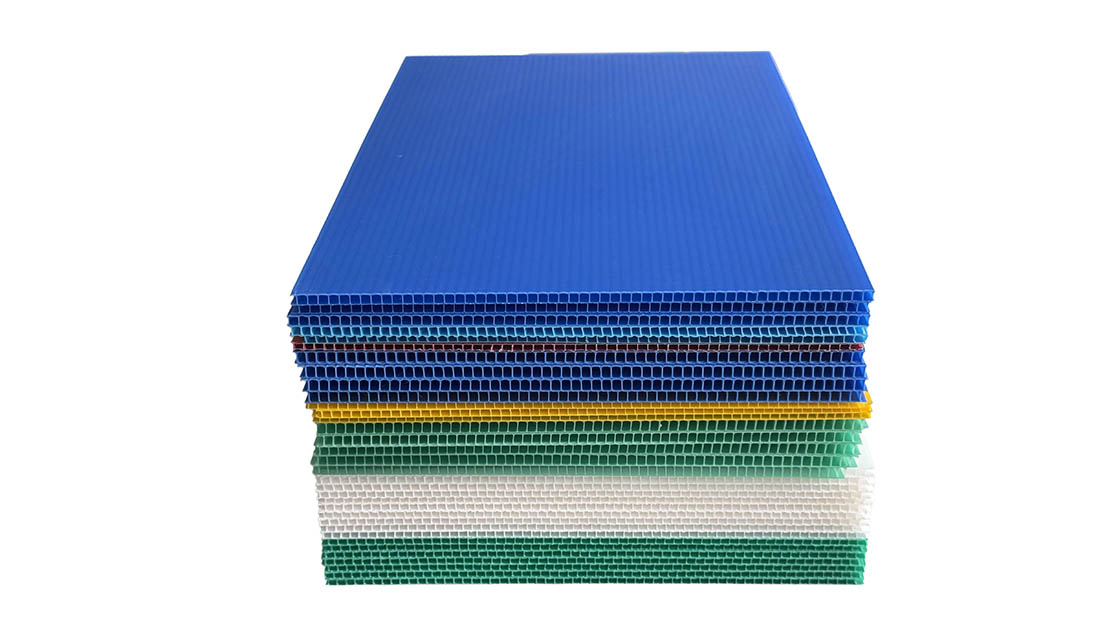
The 18mm hollow polypropylene panel transforms site logistics by enabling “crane-independent” installation. Its lightweight nature allows crews to manually handle standard 1220x2440mm sheets, significantly accelerating erection cycles on remote agricultural sites where heavy machinery access is restricted.
Logistical Efficiency and Manual Handling
The physical handling of formwork often dictates the speed of a project, particularly in agricultural or remote construction zones. Unlike traditional H20 timber or steel systems, 18mm virgin polypropylene formwork offers a high strength-to-weight ratio due to its hollow-core geometry. A standard 1220x2440mm panel is light enough to be lifted and positioned by a single worker or a two-person team without mechanical assistance. This capability eliminates the dependency on crane lifts for horizontal deployment, removing a common bottleneck that plagues deck operations in heavier systems. For site managers, this translates directly to simplified logistics; materials can be offloaded and moved to the point of installation immediately, reducing on-site storage congestion.
Installation Speed and Labor Allocation
The lightweight nature of 18mm plastic formwork does not merely reduce physical strain; it acts as a logistical multiplier for erection speed. Because the panels are modular and easy to maneuver, crews can assemble and strip forms significantly faster than with heavier alternatives. Data analysis from composite formwork deployments indicates that the reduction in weight can contribute to a reduction in labor requirements by up to 40% during the assembly and stripping phases. Smaller, more agile crews can effectively cover larger surface areas, allowing project managers to optimize labor allocation and potentially compress project timelines. The ease of handling also minimizes worker fatigue, maintaining consistent productivity throughout the shift.
Remote Site and Agricultural Applications
In agricultural building projects, the terrain often precludes the use of heavy lifting equipment. Crane-independent installation is not just a convenience here; it is a critical operational requirement. The 18mm plastic panel’s density allows it to be transported across rough ground or carried into position where a crane truck cannot reach. This accessibility ensures that construction schedules are not derailed by ground conditions or the high cost of mobilizing heavy machinery. Furthermore, the consistent dimensions of the panels ensure tight tolerances during assembly, providing a stable formwork structure that requires minimal bracing compared to heavier, less rigid alternatives.
Do not treat lightweight panels as indestructible. While resistant to water and chemicals, the hollow-core structure requires careful handling during drop-loading to prevent corner damage. Always ensure lifting points are used correctly to distribute weight evenly during manual transport.
Best Agricultural Uses for This Panel
Grain Silos and Circular Bulk Storage Structures
Constructing circular grain silos requires formwork that can withstand significant radial pressure while delivering a smooth, food-safe concrete finish. Unlike timber, which swells and warps under the constant moisture cycles inherent in grain storage, 18mm virgin polypropylene panels maintain dimensional stability. This is critical because any surface imperfection in the silo wall can become a trap for mold or residual grain, leading to contamination risks. The non-porous surface of polypropylene ensures easy stripping and eliminates the risk of concrete bonding to the formwork, a common issue with lower-quality recycled materials that require excessive release agents.
Calcium carbonate loading in formwork panels creates compounding risks in humid agricultural environments. In grain silo construction, filler-heavy panels risk moisture absorption and dimensional change that can compromise silo radius accuracy over multiple pours. Select virgin polypropylene panels with minimal filler content to maintain formwork stability throughout the build.
Livestock Confinement and Slurry Channels
Livestock buildings present a uniquely aggressive chemical environment due to the presence of animal waste, ammonia, and acidic cleaning agents. Traditional plywood formwork rots rapidly in these conditions, and steel corrodes unless expensively treated. High-density 18mm polypropylene panels offer superior chemical resistance, unaffected by the corrosive nature of slurry. For slatted floor systems or below-ground manure channels, the lightweight nature of the panels allows for rapid installation in tight confines without the need for heavy lifting equipment, accelerating the construction schedule for seasonal farming expansions.
Cold Storage Walls and Controlled Environment Agriculture (CEA)
In cold storage facilities and mushroom houses, the thermal performance of the building envelope is paramount. While insulation is typically added post-concrete, the formwork phase offers an opportunity to influence initial wall quality. The hollow-core design of advanced 18mm plastic formwork acts as a thermal break during the curing process, reducing the risk of thermal shock in the concrete when pouring in extreme temperatures. More importantly, the 100% waterproof nature of the material prevents mold growth on the formwork itself—a strict requirement for sanitary food storage environments. Unlike wood that can harbor spores even after cleaning, polypropylene panels can be sanitized chemically between cycles without degrading the material.
Modular Farm Foundations and Heavy-Duty Slabs
Foundation formwork for agricultural machinery sheds and processing plants demands load-bearing reliability that cannot be compromised. An 18mm panel with a multi-wall ribbed hollow-core structure provides the necessary stiffness to support the weight of heavy concrete pours without excessive deflection. When evaluating panels for large-scale slabs, look for empirical fatigue data and deflection retention metrics rather than generic “reuse cycle” claims. For agricultural projects where equipment generates high vibration loads, using virgin-grade polypropylene ensures the structural ribs retain their integrity over high-frequency turnover, ensuring a flat, level floor essential for automated machinery.
- Dimensional Stability: Resists warping in outdoor storage, a common issue with wooden formwork left exposed to elements on farm sites.
- Chemical Resistance: Unaffected by fertilizers, pesticides, or animal urine often present on construction sites.
- High Cycle Life: Capable of significantly more than 30 reuse cycles when handled correctly, lowering the per-square-meter cost for multi-building agricultural campuses.
Checklist to Guide Your Purchase
A reliable formwork supplier must provide verifiable certifications, empirical fatigue data, and a documented quality control process — not just marketing claims about reuse cycles.
When sourcing 18mm plastic formwork panels for agricultural or commercial construction, the difference between a long-term asset and a recurring expense often comes down to what you verify before signing the purchase order. This checklist covers the four critical checkpoints that separate reputable manufacturers from budget suppliers relying on vague cycle-life promises.
Certification and Compliance Verification Checklist
Certifications are your first line of defense against substandard materials. Demand third-party test reports, not self-declared compliance statements.
Before committing to a supplier, verify that their panels carry recognized certifications relevant to your market. For European projects, look for CE marking backed by an Independent Notified Body assessment. For North American applications, ASTM and ACI compliance documentation should be available on request. In Southeast Asia and the Middle East, local standards such as SNI, SASO, or ESMA may apply depending on the destination country.
The most important document to request is a third-party test report covering flexural strength, deflection retention, and impact resistance. We always ask our engineering team to provide these reports before any project moves to procurement, because a supplier who cannot produce them is likely relying on internal testing alone — which is rarely independently verifiable.
- CE Marking (EU): Verify it is supported by a Declaration of Performance (DoP) and an Independent Notified Body certificate, not a self-issued statement.
- ASTM/ACI Compliance (North America): Request test reports confirming flexural strength and load-bearing capacity per ASTM D790 and ACI 347 standards.
- Local Market Certifications: Confirm SNI (Indonesia), SASO (Saudi Arabia), ESMA (UAE), or ISO 9001 for quality management systems.
- Third-Party Fatigue Data: Demand empirical deflection retention results after repeated stripping cycles — this is the single most overlooked verification step.
Customization Options for Core and Facing Materials
The right core and facing combination depends on your project’s thermal, structural, and chemical exposure requirements. A supplier with engineering-led customization can optimize both cost and performance.
Standard 18mm plastic formwork panels typically use a polypropylene (PP) hollow-core construction, but the exact material formulation and panel architecture vary significantly between manufacturers. Budget panels often contain high levels of calcium carbonate fillers to reduce material costs, which directly compromises structural integrity and shortens usable lifespan. Panels made from virgin polypropylene maintain their load-bearing capacity far longer and resist cold-weather micro-fractures that commonly plague cheaper alternatives.
When evaluating customization options, consider the core material, facing type, and panel thickness together as a system. For agricultural buildings in hot climates, a PET foam core paired with a GRP facing offers superior thermal insulation and moisture resistance. For regions with extreme temperature swings, a multi-wall ribbed hollow-core design in virgin PP provides the structural rigidity needed for high-frequency reuse. Our engineers routinely run experimental testing to match core-facing combinations to specific project data standards, ensuring the final panel performs under the exact conditions it will face on-site.
- Core Materials: XPS, PET, PU, PVC, PMI, EPP, and MPP foams are available depending on thermal and structural requirements.
- Facing Options: GRP/FRP, CFRT, aluminum, steel, ACP, PVC, plywood, stainless steel, and Aluzinc facings can be specified for different exposure conditions.
- Virgin vs. Recycled PP: Always confirm the base resin is virgin polypropylene. High calcium carbonate content is the primary indicator of panels that will warp or degrade prematurely.
- Engineering Validation: Choose a supplier that conducts experimental testing on custom configurations rather than simply offering a catalog of standard sizes.
Supplier Production Capacity and Quality Control Processes
Production capacity and quality control are directly linked. A manufacturer with advanced production lines and documented QC processes is far more likely to deliver consistent panel quality batch after batch.
Simply confirming a supplier’s ability to test custom configurations does not ensure they possess the infrastructure to scale production without sacrificing quality. Overlooking this critical distinction between technical capability and manufacturing reliability is a frequent mistake.
Supplier production capacity and quality control rigor are critical indicators of formwork consistency. A facility with an advanced composite panel production line and a daily production area exceeding 1,700 square meters typically has the infrastructure for consistent quality control. Ask specifically about their in-process inspection points, raw material sourcing standards, and whether they conduct batch-level testing rather than relying solely on final visual inspection. We require our production team to document each batch’s flexural strength and deflection metrics, and we share those records with procurement teams so they can verify consistency across orders.
- Daily Production Capacity: Confirm the facility’s daily production area exceeding 1,700 square meters. A capacity of this scale indicates an advanced production line capable of handling large project volumes.
- Raw Material Standards: Verify that the supplier uses virgin polypropylene resin and does not blend in excessive calcium carbonate fillers.
- Batch-Level Testing: Request documented test results for flexural strength and deflection retention from each production batch, not just annual certification reports.
- Quality Control Documentation: Ask for a copy of the supplier’s QC process flow, including in-process inspection checkpoints and rejection criteria.
Lead Times, Packaging Standards, and Global Shipping Terms
Reliable lead times and robust packaging standards are essential for maintaining project schedules. A supplier with an established global logistics network can manage transportation risk more effectively than one shipping ad hoc.
Lead times for 18mm plastic formwork panels typically range from 15 to 30 days for standard configurations, depending on order volume and current production scheduling. For custom configurations requiring engineering validation or non-standard core-facing combinations, expect an additional 7 to 14 days for design approval and prototype testing. A supplier with over 15 years of production experience and a dedicated international sales team can usually provide more accurate lead time commitments because their scheduling processes are well-established.
Packaging standards are equally important. Panels must be stacked and strapped in a way that prevents deformation during transit, especially for long-distance ocean freight. Reputable manufacturers use waterproof wrapping, corner protectors, and palletized stacking to ensure panels arrive in usable condition. When evaluating shipping terms, clarify whether the supplier handles customs documentation, provides tracking throughout the transit period, and offers support for transportation risk management. Our international sales team provides one-to-one service covering production progress monitoring, cost optimization, and logistics coordination for all shipments.
- Standard Lead Times: 15 to 30 days for standard 18mm panels; 7 to 14 additional days for custom configurations requiring engineering validation.
- Packaging Standards: Waterproof wrapping, corner protectors, and palletized stacking are essential for preventing transit damage during ocean freight.
- Shipping Terms: Confirm whether the supplier handles customs documentation, provides shipment tracking, and manages transportation risk for your destination.
- Global Logistics Experience: A supplier serving 50+ countries with a multilingual sales team (English, French, Russian, Japanese, Korean) can manage complex international shipments more effectively.
Conclusion
For agricultural projects requiring strict thermal control, standard plywood rots and steel bleeds heat too fast. You need that 18mm virgin polypropylene panel with the hollow-core rib design. It holds heat where it counts and handles the damp chemicals of livestock operations without warping. Stick to steel for high-rises, but for modern farm infrastructure, this insulated plastic panel cuts energy bills over the lifecycle. The lower deflection limits mean straighter walls, and the chemical resistance guarantees you hit that 100-reuse cycle.
Stop burning money on disposable formwork. Our engineers can run the load retention calculations for your specific site to prove the ROI over ten years. Send us your structural drawings or slab dimensions. We will verify the 1220×2440 panel fit and confirm the load rating for your specific pour. No obligation, just the technical data you need to close the deal.
Frequently Asked Questions
What concrete finish quality does this panel produce?
The smooth, non-porous surface of 18mm agri insulated formwork produces a consistent, blemish-free concrete finish with minimal need for post-pour patching. This reduces labor costs and eliminates the grout loss commonly associated with warping or swelling in lower-quality panels.
How does this panel resist moisture and temperature changes?
The closed-cell foam core materials such as XPS, PET, and PVC are inherently waterproof and do not absorb moisture. This prevents swelling, warping, or delamination even in high-humidity agricultural environments or after repeated wet concrete exposure.
Can this panel perform reliably in cold-weather construction?
Yes, the composite materials used in these panels resist micro-fracturing at low temperatures. This makes them suitable for winter construction projects where conventional plastic formwork may become brittle and fail under load.
Is this formwork safe for fire-prone agricultural sites?
RaxPanel offers PIR and other fire-retardant core options that address fire safety concerns in agricultural construction. These materials are formulated to resist ignition and self-extinguish, reducing risk compared to standard plastic formwork.
Premium panels use virgin composite materials with controlled core density and reinforced facings, while budget panels are often heavily filled with calcium carbonate. This filler content leads to premature warping, surface degradation, and cycle life falling well below advertised claims.
What empirical data supports cycle-life claims?
Reputable manufacturers like RaxPanel provide deflection retention data measured after repeated load cycles, rather than vague promises. Buyers should request documented test results showing performance consistency over the stated reuse cycle range.