
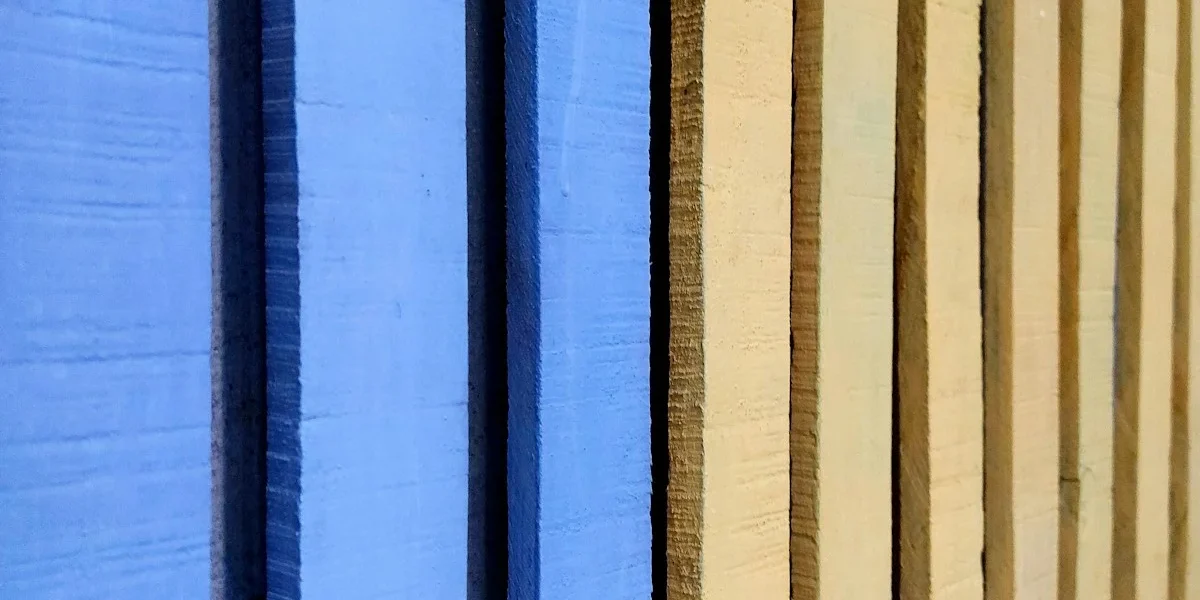
Walk past any commercial job site and you will see stacks of rigid foam board in distinct colors like blue, pink, or green. Most facility planners recognize XPS Extruded Polystyrene by sight, yet few realize the critical difference between a standard board and one rated for heavy-duty industrial demands. Unlike expanded polystyrene (EPS), the extrusion process forces molten resin through a die, creating a uniform closed-cell structure that delivers a consistent R-5 per inch of thickness. That thermal resistance is the baseline for high-performance cold storage and below-grade insulation where you cannot afford thermal drift.
We break down the manufacturing mechanics behind that closed-cell density, how compressive strength holds up under concrete slabs, and why water absorption rates make or break a cold storage facility. Selecting the right grade means the difference between a structure that maintains integrity for decades and one that fails at the first deep freeze. You need the hard specs on thermal conductivity and moisture control to make that call.

What Is Extruded Polystyrene (XPS)?
Extruded Polystyrene (XPS) is a rigid thermoplastic foam insulation manufactured through a continuous extrusion process, resulting in a homogeneous closed-cell structure with high compressive strength and moisture resistance.
Defining Extruded Polystyrene Foam Structure
To understand the value of XPS, you must look at its cellular architecture. Unlike expanded polystyrene (EPS), which is created by fusing separate beads together, XPS consists of a continuous, interconnected matrix of cells. Think of it like a dense block of uniform bubbles rather than a pile of glued-together ping-pong balls. This homogenous structure means there are no gaps between the cells for air or water to travel through freely.
For industrial facility planners, this structural distinction is the primary driver for long-term performance. The material begins as a solid polystyrene resin or crystal, which is then liquefied and mixed with additives before being expanded. This process creates a material that is not just an insulator, but a structural component capable of bearing significant loads without crushing.
The Continuous Extrusion Manufacturing Process
Transforming polystyrene granules into a uniform foam board requires precise thermal control and continuous extrusion technology. The process begins with polystyrene resin being fed into an extruder, where intense heat and screw friction melt the material into a liquid state. At this critical juncture, a blowing agent is injected into the mix under high pressure to facilitate expansion.
This liquefied mixture is then forced through a die—a shaping tool at the end of the extruder. As it exits the die, the pressure drop causes the material to expand rapidly, forming the foam structure. The friction of the screw and the electrical heating source must be perfectly calibrated to ensure the cell walls form correctly.
We monitor these parameters closely in our production because variations in temperature or pressure can lead to inconsistencies in density. The resulting board exits the extruder as a continuous ribbon, which is then cooled and cut to the exact dimensions required for specific panel profiles.
Closed-Cell Density and Structural Integrity
The defining characteristic of XPS is its closed-cell composition. Each individual cell is completely enclosed by a polymer wall, trapping the blowing agent gas inside. This design is what grants XPS its renowned resistance to water absorption; liquid water cannot penetrate the cell walls, and water vapor diffusion is significantly slowed compared to open-cell or porous materials.
Cellular density serves as the primary indicator of a foam board’s load-bearing capacity in demanding industrial environments. The engineering correlation between cell density and compressive strength is critical for applications such as refrigerated truck bodies or cold storage flooring, where materials must withstand heavy traffic and static loads without permanent deformation.
High-density XPS boards, typically ranging from 300 to 700 kPa, provide the necessary structural rigidity to prevent facings from buckling when integrated into composite panels. This ensures that sandwich panels maintain their flatness and thermal efficiency over their lifespan.
Validating moisture resistance is essential when selecting materials for environments requiring stringent industrial hygiene standards. Verify the long-term water absorption percentage by volume, as standard testing often shows XPS absorbing less than 0.3% water even after immersion.
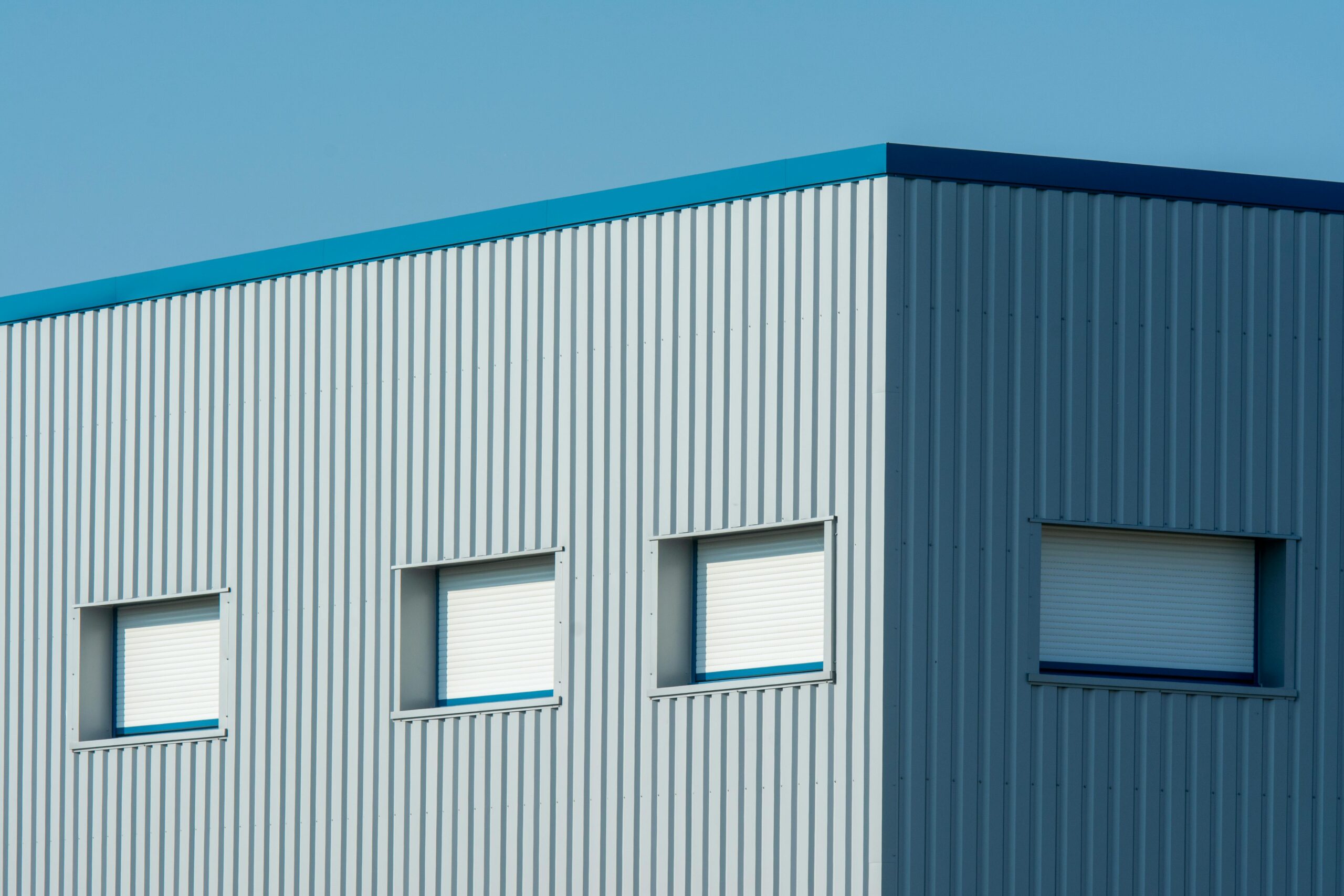
Key Physical Properties of XPS
This factor has a direct bearing on project performance and long-term cost. Addressing it with specific data rather than general assumptions leads to better outcomes.
What Is Thermal Resistance Standards?
How to Get the Most from thermal efficiency within vehicle walls and mobile structures demands a material with proven, consistent resistance ratings. For Extruded Polystyrene (XPS), industry standards consistently cite a thermal resistance rating of approximately R-5 per inch of thickness. This value serves as the reliable benchmark for calculating wall thickness requirements to maintain desired internal temperatures. Unlike reflective foil layers that offer minimal actual insulation value, XPS provides genuine conductive resistance based on its solid physical mass.
Achieving long-term thermal stability relies on the uniformity of the cell structure and the prevention of gas migration. It is critical to evaluate long-term thermal performance rather than relying solely on initial laboratory tests. High-quality XPS formulations are designed to prevent the migration of blowing agents out of the cell structure, thereby maintaining their insulating power effectively across decades of service in demanding transit or housing applications.
Compressive Strength and Load-Bearing Capabilities
Compared to expanded polystyrene (EPS) and other foam cores, XPS offers superior load-bearing characteristics due to its rigid, homogenous formation. This enhanced crush resistance allows the XPS core to function as a structural stabilizer in sandwich panels, effectively supporting outer skins against external impacts and internal weight distribution without deforming.
Beyond mere load-bearing capacity, the material’s long-term performance is equally dependent on its resilience against environmental elements.
While structural integrity defines its performance under load, the material’s resistance to environmental degradation is equally critical for long-term durability. This inherent stability is further enhanced by its unique cellular structure, which prevents water absorption and maintains strength in wet conditions.
This inherent structural rigidity is complemented by its exceptional resistance to water absorption, ensuring that mechanical performance remains stable even in wet conditions.
Moisture Resistance in Below-Grade and Marine Use
High-humidity and marine settings necessitate insulation materials that effectively repel water to preserve their thermal properties. XPS features a closed-cell matrix that renders it highly impermeable to liquid water absorption, preventing the material from acting as a sponge and ensuring stable performance in damp conditions.
By eliminating moisture retention, the material naturally curbs the proliferation of mold and mildew within enclosed structural cavities. This is particularly critical in tight spaces like RVs or compact housing units, where trapped humidity can compromise both indoor air quality and the integrity of structural adhesives.
How XPS Compares to Other Insulation
XPS is the superior choice for high-moisture and heavy-load environments due to its closed-cell structure, but higher upfront costs are offset by long-term durability.
Insulation selection is a classic engineering trade-off between raw thermal efficiency, physical strength, and cost. While many alternative insulation materials boast higher initial R-values, XPS remains the preferred core for demanding structural applications because of its consistent thermal retention and excellent resistance to water and compression.
Buyers frequently get trapped in an “R-value war,” looking for the highest possible number per inch of thickness. It is true that some materials offer slightly higher initial thermal resistance. However, R-value is not a static property; it fluctuates based on environmental exposure.
XPS maintains a steady performance because its tightly bound, closed-cell structure prevents moisture from penetrating the material. When standard foam boards absorb water, their ability to resist heat transfer degrades rapidly. XPS does not suffer from this failure mode, ensuring that the insulation provides consistent energy savings over decades rather than just during the first year of installation.
Thermal Conductivity and Structural Integrity
Beyond simple thermal ratings, how the material behaves under physical stress is what separates industrial-grade panels from basic building blocks. The difference is most stark when comparing XPS to Expanded Polystyrene (EPS), which is widely used as a cheaper alternative. EPS has an open-cell structure that makes it susceptible to shrinking over time and losing its insulating capability if exposed to humidity.
Conversely, the closed-cell nature of XPS gives it exceptional dimensional stability. It will not shrink, warp, or lose rigidity when subjected to extreme freeze-thaw cycles. This makes it fundamentally safer and more reliable for below-grade foundations, cold storage warehouses, and RV flooring where structural integrity directly impacts safety and lifespan.
There is often widespread anxiety regarding the off-gassing of synthetic foams, particularly when considering interior spaces like mobile homes or converted trucks. It is important to differentiate between the manufacturing process and the final installed product. During production, blowing agents are used to create the rigid cells.
Once the panel is manufactured and cooled, these gases are locked inside the cellular matrix. Industry standards and independent testing confirm that finished XPS panels emit negligible volatile organic compounds (VOCs). When encased within composite skins—such as fiberglass, aluminum, or wood—the material poses zero health risk to occupants while providing a strong thermal barrier.
The Cost-Benefit Analysis of XPS
While XPS is undeniably more expensive to manufacture than EPS, viewing it purely as a “cost” ignores the operational savings it generates. XPS acts as both an insulator and an integrated vapor barrier. By stopping water ingress, it protects the structural facings of the panel from rot, mold, and corrosion. For applications in cold climates or marine environments, the premium paid for XPS is quickly recovered by eliminating the high costs associated with premature insulation replacement and facility maintenance.
| Feature | Specification | Advantage |
|---|---|---|
| Thermal Conductivity (Lambda) | XPS: 0.028–0.034 W/m·K | EPS: 0.032–0.037 W/m·K | Superior heat resistance in XPS ensures consistent R-value retention, critical for cold storage and energy efficiency. |
| Moisture Absorption | XPS: <1% by volume | EPS: 2–4% by volume | Closed-cell structure prevents water ingress, eliminating R-value loss and mold risk in high-humidity environments. |
| Compressive Strength | XPS: 200–700 kPa | EPS: 70–200 kPa | High structural integrity supports heavy loads without deformation, preventing failure in below-grade or industrial applications. |
| Dimensional Stability | XPS: High stability | EPS: Prone to shrinkage when wet | Maintains thermal barrier continuity over time; resists degradation during freeze/thaw cycles compared to EPS. |
| Vapor Permeance | XPS: ~1 perm (1″ board) | EPS: 2.5–5 perms | Acts as an effective vapor barrier, protecting facility structures from condensation-related hygiene failures. |
Common Uses in Construction
Suitability depends on environmental exposure, hygiene requirements, and structural loading. Matching the panel specification to these three factors prevents premature degradation in service.
Beneath the Surface: Below-Grade and Foundation Applications
Foundation walls and below-grade installations require an insulation barrier capable of withstanding constant hydrostatic pressure. While impermeability is a baseline requirement, the specific challenge of direct soil contact demands a material that resists moisture ingress to prevent structural compromise.
XPS achieves this with a closed-cell structure that yields less than 0.3% water absorption by volume, effectively halting capillary action. This low absorption rate is critical because saturated insulation loses thermal resistance and introduces severe freeze-thaw risks to the building envelope itself.
Unlike permeable alternatives, XPS leverages this water resistance to provide superior protection in vertical applications as well. Beyond the foundation, the material’s durability makes it an ideal component for above-ground building envelopes.
This resistance to moisture absorption remains critical when XPS is deployed in vertical assemblies, where it must withstand different hydrostatic pressures. The material’s performance below grade directly informs its effectiveness in protecting the building envelope from the elements above.
This inherent resistance to moisture penetration makes XPS equally effective in vertical assemblies, where it must withstand hydrostatic pressure and weather exposure. Consequently, its performance extends smoothly from the foundation up through the building envelope.
The Vertical Shield: Exterior Wall Cladding Systems
In exterior wall assemblies using Continuous Insulation (CI), XPS functions as a secondary moisture management plane behind the cladding. Unlike general waterproofing membranes, this system relies on specific wall assembly dynamics to manage water penetration, directing moisture out through weep holes at the base of the wall rather than relying solely on impermeability. This active drainage strategy is critical for preventing internal condensation, thereby protecting structural framing from the damaging effects of wood rot and steel corrosion.
Dimensional stability across extreme temperature gradients prevents gaps that could compromise the envelope’s air-tightness. XPS does not contract or expand significantly whether in a freezing northern climate or a humid tropical environment, ensuring the insulation system lasts as long as the building itself.
Roofing Assemblies: Protecting Against the Elements
Roof assemblies demand insulation that can endure standing water, UV exposure, and significant snow loads without degradation. XPS is widely preferred for both protected and inverted roof assemblies because of its high compressive strength and exceptional resistance to moisture absorption. Even if a roof membrane fails, allowing standing water to pool on the surface, XPS retains its structural integrity and insulation value.
This resilience extends beyond residential roofing into demanding industrial environments where thermal efficiency and structural durability are paramount. Consequently, the material’s ability to withstand extreme conditions makes it an ideal choice for specialized applications such as cold storage facilities.
Beyond these exterior applications, the material’s proven durability against environmental stressors makes it equally suitable for the rigorous demands of industrial and cold storage facilities.
Beyond exterior protection, the material’s moisture resistance and high compressive strength make it equally essential for demanding industrial environments.
Industrial and Cold Storage Applications
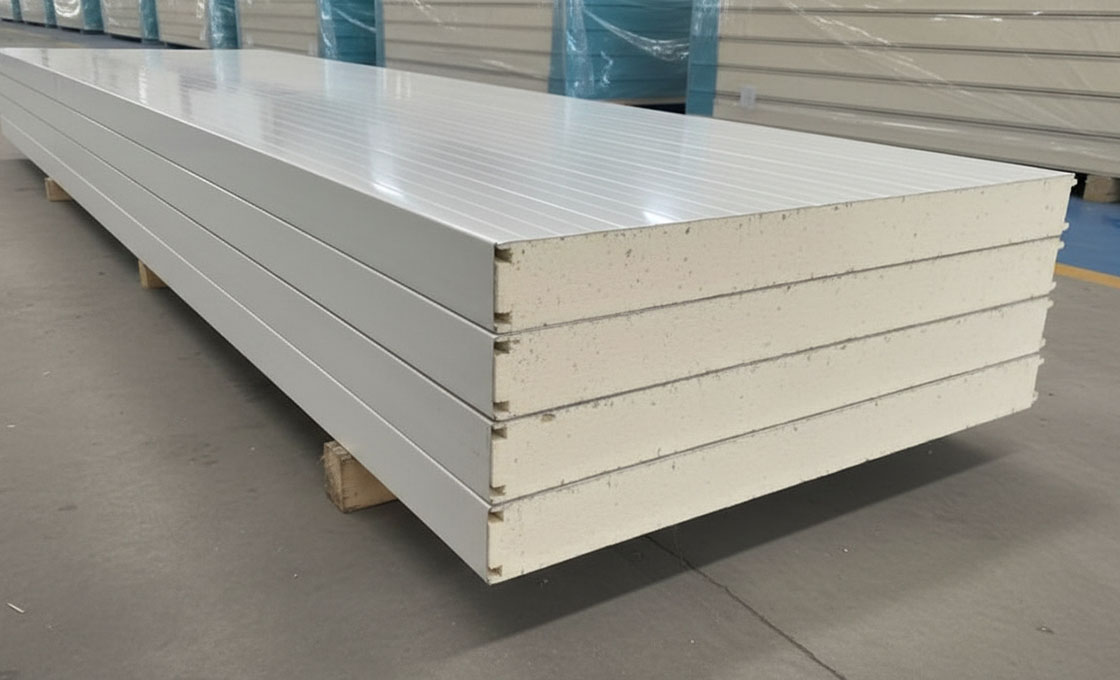
Cold chain logistics infrastructure requires composite panels capable of resisting thermal bridging and heavy static loads simultaneously. Standard materials often fail to maintain structural integrity in sub-zero environments.
For facility engineers, the critical risk in sub-zero environments extends beyond cooling costs to the catastrophic failure of the building envelope. The physics of this degradation manifest through three distinct mechanisms: frost heave destabilizes foundations as trapped water expands; thermal bridging creates conductive pathways that bypass insulation layers; and moisture absorption accelerates the structural decay of materials that lack a closed-cell barrier.
High-density XPS composite panels provide a distinct advantage over expanded polystyrene (EPS) by acting as a near-impermeable vapor barrier. With water absorption rates below 0.3%, these closed-cell structures effectively prevent moisture ingress in high-humidity refrigerated zones, thereby eliminating the risk of internal freezing and subsequent material expansion that compromises structural integrity.
Refrigerated Flooring and Slabs
Refrigerated flooring faces a dual threat: supporting immense static inventory weight while resisting the upward pressure of frost heave. If the insulation layer absorbs moisture, it loses its R-value, forcing HVAC systems to work overtime and leading to uneven settling of the concrete slab—a critical inefficiency that undermines the significant energy savings potential identified in Golden Data analyses.
Specialized high-density foam cores distribute these heavy static loads across a broad surface area to prevent structural buckling. Engineered with compressive strength capabilities ranging from 300 to 700 kPa, these panels offer vastly superior performance compared to standard building boards. This enhanced density effectively prevents the “denting” or crushing of the insulation layer that typically leads to failure in conventional flooring systems.
While the flooring manages these structural and thermal demands, the vertical surfaces must simultaneously address the critical need for superior sanitation.
Hygienic Wall and Ceiling Linings
In hygienic environments, traditional wall substrates like drywall or concrete pose a contamination risk due to their microscopic porosity. In food processing plants and pharmaceutical storage, walls are not just thermal barriers; they are active hygiene tools. Standard materials trap bacteria and fluids in ways that are impossible to sanitize effectively, leading to costly mold infestations and compliance failures with health standards.
Non-porous composite panels with gel-coated FRP or CFRT facings eliminate these sanitation risks by creating a smooth, washable surface. This glass-like finish withstands high-pressure steam cleaning and harsh chemical sanitizers without degrading, ensuring the environment remains compliant with strict hygiene standards for food processing and pharmaceutical storage.
Freezer Storage Enclosures
Operating in deep-freeze environments below -25°C drastically alters the physical properties of many common construction materials. Many standard plastics lose their ductility and become brittle, risking shatter upon impact, while metal facings create severe thermal bridges that allow heat to bleed out of the enclosure.
Advanced composite sandwich panels utilize specialized foam cores that retain their insulating properties even in sub-zero conditions. Additionally, the composite nature of the panel—bonding a lightweight core between rigid facings—eliminates the thermal bridging associated with all-metal construction. For a logistics operator, this translates directly into reduced electricity bills and fewer compressor breakdowns.
Foundation and Below-Grade Insulation
Below-grade applications expose materials to constant hydrostatic pressure and relentless soil moisture. Traditional insulation materials struggle here because they lack the dimensional stability to handle the soil pushing against them, especially when saturated with water over decades.
Waterproof XPS core insulation is designed to survive this abuse. It maintains its shape and R-value even when fully submerged, ensuring that the structural integrity of the cold storage foundation remains uncompromised for the lifespan of the building. This resilience is critical for facilities built on unstable or highly saturated soil.
Cold Chain Logistics and Dock Doors
The loading dock is the most vulnerable point in any cold chain infrastructure. Every time a truck backs up and the door opens, warm, humid air rushes in. The resulting condensation freezes instantly on surfaces, creating layers of ice that degrade the building and create dangerous slip hazards.
Lightweight XPS composite solutions used in dock doors and truck bodies address this by being incredibly durable yet easy to handle. The optimized strength-to-weight ratio allows for thicker insulation layers without adding excessive weight to moving parts or vehicles. This ensures that high-traffic zones remain impact-resistant against forklift collisions while minimizing thermal transfer during rapid loading and unloading cycles.
| Application_Zone | Rax_Panel_Solution | Technical_Specification | Operational_Benefit |
|---|---|---|---|
| Refrigerated Flooring & Slabs | High-Density XPS Foam Core Panels | Compressive Strength: 300-500 kPa | Prevents structural failure under heavy static loads and inhibits frost heave. |
| Hygienic Wall & Ceiling Linings | GRP/FRP Sandwich Panels (Gelcoat Finish) | Water Absorption: <0.5% (Vol) | Provides a non-porous, easy-to-clean surface that meets strict food safety standards. |
| Freezer Storage Enclosure | CFRT or Metal-Faced XPS Panels | Thermal Conductivity: ~0.033 W/m·K | Ensures consistent R-value retention and minimizes thermal bridging in sub-zero environments. |
| Foundation & Below-Grade Insulation | Waterproof XPS Core Insulation | Dimensional Stability: <1% (at 70°C/90% RH) | Maintains panel integrity against ground moisture and soil pressure over long lifecycles. |
| Cold Chain Logistics & Dock Doors | Lightweight XPS Composite Solutions | Strength-to-Weight Ratio: Optimized for Impact Resistance | Optimizes vehicle fuel efficiency while ensuring impact resistance for high-traffic zones. |
Key Takeaways
XPS isn’t just another insulation board; it’s a structural moisture barrier. The closed-cell extrusion process locks in the high density and thermal consistency you need for cold storage and foundations. EPS might cost less upfront, but it absorbs water and loses R-value over time.
XPS holds its ground under heavy loads. When you spec a job, ignore the initial price tag and look at the compressive strength numbers. The long-term savings come from zero maintenance and zero failure in high-humidity zones.
- Calculate the total lifecycle cost based on moisture exposure, not just material cost.
- Confirm the compressive strength rating matches your floor traffic requirements.
- Our engineers can review your blueprints to verify thermal bridging and load specs. We focus purely on the technical performance data so you bid with absolute confidence.
Frequently Asked Questions
This factor has a direct bearing on project performance and long-term cost. Addressing it with specific data rather than general assumptions leads to better outcomes.
What is XPS thermal R-value per inch?
XPS typically provides an R-value of approximately 5 per inch of thickness. This consistent thermal resistance makes it highly efficient for industrial applications requiring strict temperature control. Unlike some materials that degrade over time, closed-cell XPS maintains its insulating performance throughout its lifespan.
Is XPS waterproof or just water-resistant?
XPS is effectively waterproof due to its closed-cell structure which prevents liquid water absorption. It absorbs less than 1% of its volume in water even after prolonged exposure. This property ensures that the material retains its structural integrity and thermal performance in wet environments.
Does XPS lose insulating value over time?
XPS retains its insulating value because its cells are filled with air rather than blowing agents that diffuse out. The thermal conductivity remains stable throughout the material’s service life. This longevity reduces the need for frequent replacements in industrial infrastructure.
What is XPS compressive strength kPa?
Standard XPS boards typically offer compressive strengths ranging from 150 to 700 kPa depending on density. High-density variants can exceed 1000 kPa for heavy-load applications. This strength allows XPS to support significant structural loads without deformation.
Can XPS be used as a vapor barrier?
Yes, XPS acts as an effective vapor retarder due to its low permeability rating. It restricts moisture migration through walls and roofs, protecting internal structures from condensation. This makes it ideal for cold storage and hygienic facilities where moisture control is critical.