
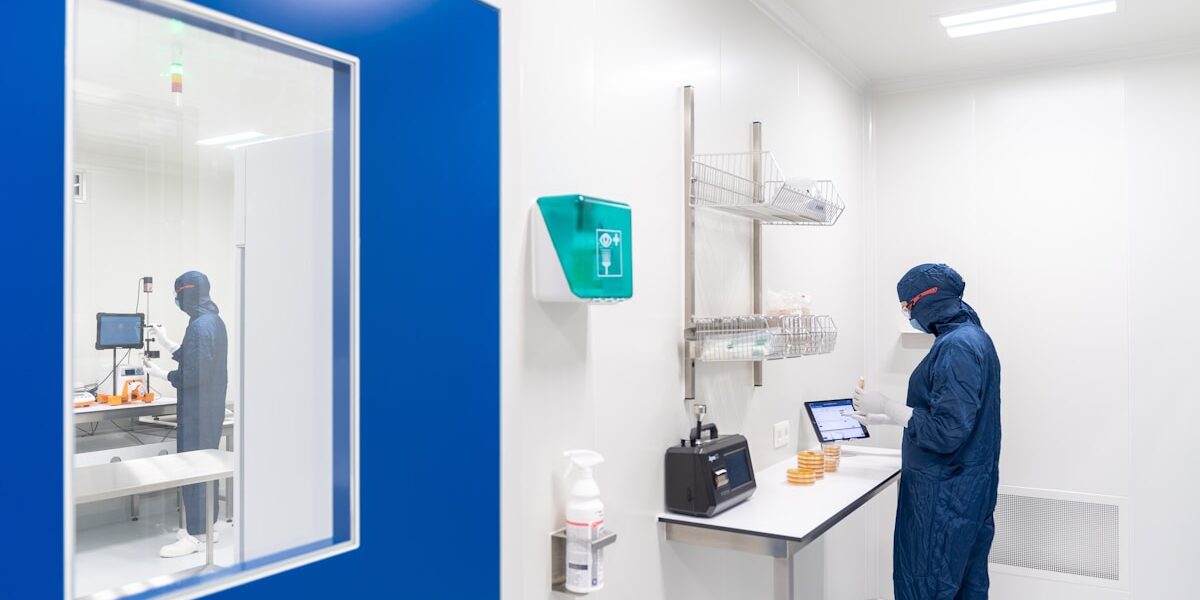
A clean room door with a mismatched frame depth is the fastest path to condensation damage inside a controlled environment. When the profile diverges from the wall system, air leakage and thermal bridging combine to flood the cavity with moisture. Condensation behind that gap kills your ISO class before the seal ever fails. We specify 50mm, 75mm, or 100mm frame profiles to mate exactly with sandwich panels because mismatched insulation turns the assembly into a humidity leak.
You will know how to pick hinged versus sliding configurations for ISO 5 through 8 suites without over-engineering access points that invite cross-contamination. Material choices matter less than you think until you hit a washdown schedule.
We compare 304 stainless steel, HPL, and coated steel, then rank gasket compounds by their survival rate under chlorine and VHP exposure. The payoff lands in the quoting phase: you force suppliers to price against actual ISO and washdown requirements instead of pushing catalog units that fail audit.
What Is a Clean Room Door?
A short quarterly inspection catches most problems early. Check sealant joints, fastener tightness, and surface condition—small fixes now prevent panel replacement later.
Composite Panel Construction and Core Material Options
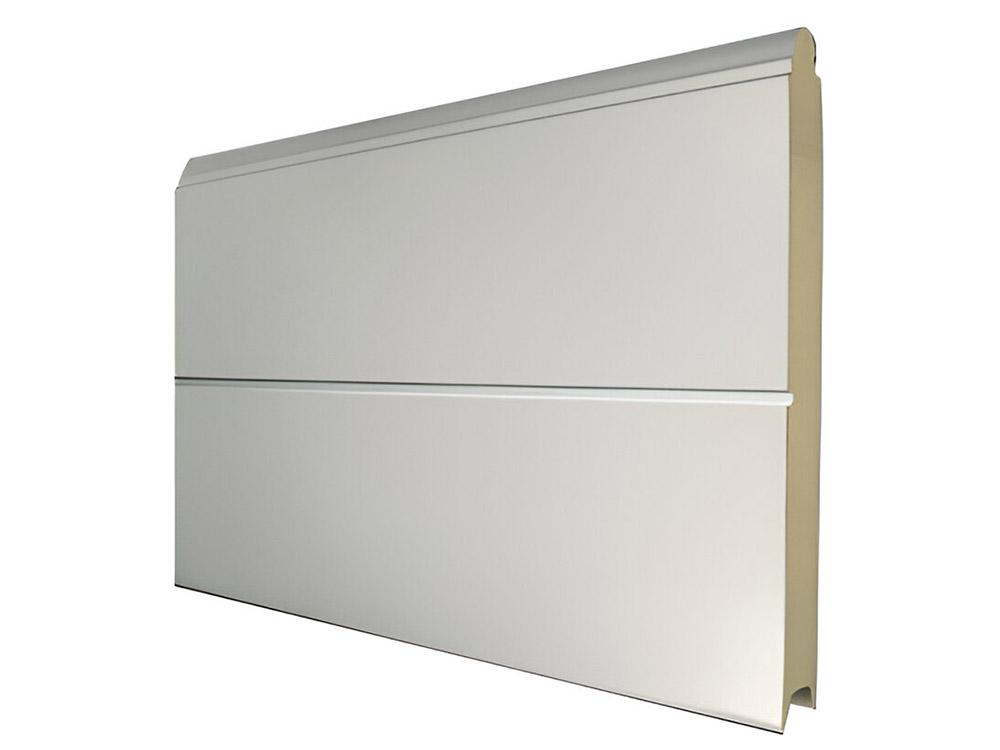
A clean room door functions as a specialized barrier, typically constructed using a sandwich panel architecture designed to minimize particulate generation while maximizing structural rigidity. The assembly consists of two rigid facings bonded to a core material. The core provides thermal insulation and impact resistance, often using materials like PU (Polyurethane), PIR (Polyisocyanurate), or rock wool depending on the fire-rating requirements of the facility. However, the facing material is the critical factor for hygiene compliance.
While steel is common, washdown compatible clean room door materials increasingly favor Glass Fiber Reinforced Polymer (GRP) or FRP skins. As a specialist in composite materials, we focus on the surface integrity of these panels. We manufacture GRP facings with a gel-coat finish that creates a non-porous, monolithic surface.
This is crucial for pharmaceutical environments because, unlike painted steel that can chip and rust, our GRP surfaces withstand aggressive chemical cleaning agents without degrading, ensuring the door remains a valid part of the containment system over its lifecycle.
Airtight Sealing Mechanisms for Particle Containment
To maintain specific ISO cleanliness classes, a door must manage pressure differentials effectively. Standard residential seals are insufficient; clean room doors utilize specialized gasket systems, often made of EPDM or silicone, designed to handle high compression cycles without permanent set. The sealing mechanism usually involves a double-lip gasket compression system that creates a physical barrier against air leakage.
In high-grade facilities (ISO 5 or higher), doors may employ pneumatic drop-bars or inflatable seals that actively press the door leaf against the frame upon closing. This ensures that the pharmaceutical clean room door pressure differential rating is maintained, preventing the migration of contaminants from uncontrolled areas into the critical zone. The goal is zero leakage, which is verified through rigorous air leakage testing at rated pressures to satisfy ISO 14644 clean room door sealing requirements.
Swinging versus Sliding Cleanroom Door Configurations
The choice between swinging and sliding configurations depends heavily on the spatial constraints and workflow of the facility. Swinging doors, or hinged doors, are the industry standard for most entry points. They offer superior sealing capabilities due to the mechanical advantage of the latch pulling the door tightly against the gaskets. They are generally easier to automate for hermetic sealing and are preferred in smaller rooms where space permits the arc of the door swing.
Sliding clean room doors are utilized where floor space is at a premium, such as in narrow corridors or between equipment arrays. While they offer operational convenience, sliding systems face a stricter engineering challenge: sealing the bottom edge effectively.
Because the door moves horizontally, the threshold seal must be designed to maintain contact without creating friction that wears out the gasket or generates particles. Whether sliding or swinging, the underlying composite panel must remain dimensionally stable to ensure these seals continue to align correctly after years of operation.

Why Standard Doors Fail in Clean Rooms
Standard industrial or commercial doors are engineered for utility, security, and basic durability, but they lack the non-porous and non-shedding properties required for contamination control. In a cleanroom environment, the primary enemy is the particle. Ordinary doors act as contamination reservoirs. They fail to maintain the “cleanability” and air-tight integrity necessary to sustain ISO classifications, specifically due to the materials used in their construction and surface finishes.
Dust Accumulation on Textured or Porous Surfaces
The most immediate failure mode of standard doors is their surface texture. Commercial doors often feature wood grains, painted finishes with microscopic peaks and valleys, or porous materials like Medium Density Fiberboard (MDF) or unsealed steel. In a cleanroom, surface roughness is a critical defect. Textured surfaces act like Velcro for airborne particulates. During cleaning cycles, a rag or mop often smears particles into these microscopic crevices rather than removing them.
- Micro-particle Trapping: Even visually smooth painted steel can have imperfections that harbor bacteria and dust, leading to “outgassing” or particle release when air currents move over the surface.
- Shedding Risks: Porous materials like wood or low-grade laminates degrade over time, shedding fibers and microscopic debris into the airflow, which compromises the room’s particulate count.
Structural Warping Under Repeated Cleaning Cycles
Cleanroom maintenance requires rigorous, frequent washdowns using water and disinfectants. Standard door cores—often made of honeycomb cardboard, wood stiles, or untreated steel frames—are hygroscopic, meaning they absorb moisture. When a standard door absorbs water from aggressive cleaning, it undergoes physical expansion. As it dries, it contracts. This constant cycle of expansion and contraction causes the door leaf to warp, twist, or bow.
Warping is catastrophic for cleanroom integrity because it destroys the seal between the door and the frame. Once a door warps, even high-quality gaskets cannot maintain an airtight closure. This leads to “pressure leakage,” where the positive pressure essential for keeping contaminants out is lost, and unfiltered air infiltrates the controlled environment.
Think of dimensional stability like a sponge versus a ceramic plate. Standard doors behave like sponges; they change shape when wet. Cleanroom-certified doors utilize composite materials or metals that possess zero water absorption, ensuring the door geometry remains identical whether it is dry or saturated with cleaning fluid.
Surface Degradation from Harsh Disinfectant Chemicals
To maintain sterility, cleanrooms are routinely sanitized with aggressive chemicals, including isopropyl alcohol, bleach (sodium hypochlorite), peroxide solutions, and quaternary ammonium compounds. Standard commercial paints and powder coatings are not chemically resistant enough to withstand this assault. Over time, these harsh disinfectants chemically react with the door’s finish, causing chipping, peeling, oxidation, and blistering.
- Rust and Corrosion: Once the protective paint layer is compromised, the underlying metal (usually steel) is exposed to moisture and chemicals, leading to rust. Rust flakes are ferrous particles that are strictly forbidden in many cleanroom environments, particularly those involved in semiconductor or aerospace manufacturing.
- Cross-Contamination: Peeling paint creates physical debris that can directly fall onto products or work surfaces, resulting in costly batch failures and violating Good Manufacturing Practice (GMP) regulations.

Hinged, Sliding, and Hermetic Door Options
Each option differs in material composition, thermal resistance, and load-bearing capacity. The right choice depends on your climate zone, building use, and whether the priority is energy efficiency or structural span.
Hinged (Swing) Door Configurations
In the context of cleanroom applications, the hinged door remains the workhorse of the industry due to its superior sealing capabilities compared to standard sliding alternatives. The primary mechanism relies on a multi-point latching system, often using cam-lift handles that compress the gasket against the frame when closed. While effective for airtightness, the swinging action introduces a specific buyer pain point: air turbulence.
Rapid operation of a hinged door creates a piston effect that can stir up particulates and disrupt pressure cascades. To mitigate this cross-contamination risk, swing doors in critical environments are frequently equipped with door closers that regulate opening speed, ensuring laminar airflow is not aggressively disturbed by personnel movement.
Structural integrity is critical for these units to prevent warping, which instantly compromises seals. High-performance swing doors typically use composite construction to maintain flatness over decades of use. For instance, a door panel might feature a GRP (Glass Reinforced Plastic) skin bonded to a PP Honeycomb core.
This combination offers a high strength-to-weight ratio, ensuring the door does not sag under the weight of heavy-duty hardware or the force of air pressure differentials. Unlike solid wood or metal, which can deform under thermal cycling, these composite materials provide the dimensional stability required for ISO-classified environments.
Sliding Door Mechanisms
When floor real estate is at a premium, sliding doors become the necessary choice, particularly in corridors or where equipment carts require wide unobstructed openings. However, achieving an airtight seal with a sliding mechanism is physically more challenging than with a hinged system because the door leaf must remain parallel to the frame to glide.
A standard sliding door inherently leaves a gap; therefore, cleanroom variants employ specific lifting mechanisms. Upon opening, the door lifts slightly off the floor track to roll freely, and upon closing, it drops down to compress the floor gasket and seal the perimeter.
From a materials perspective, the lightweight nature of composite panels is a significant advantage here. Heavier doors put immense strain on the top-hanging carriage systems, leading to track wear and eventual misalignment.
By using lightweight core materials such as XPS (Extruded Polystyrene) or PET foam sandwiched between aluminum or fiberglass facings, the load on the rolling hardware is significantly reduced. This reduction in mass extends the lifespan of the rollers and ensures the door maintains its alignment, which is critical for the seal to engage correctly every time.
Hermetic Sealing Solutions
For pharmaceutical, biotech, and electronic manufacturing where the slightest contamination breach is catastrophic, hermetic doors are the gold standard. These are not merely doors that close tightly; they are active pressure barriers.
Hermetic doors use automated systems—often pneumatic or electric—to physically squeeze the door leaf against the frame after the door is in the closed position. This active compression ensures a seal that is virtually impermeable to air and microbes, capable of withstanding high pressure differentials (e.g., maintaining a negative pressure in an isolation room).
When specifying hermetic doors, pay close attention to the surface material’s “outgassing” properties. Materials like CFRT (Continuous Fiber Reinforced Thermoplastic) or Stainless Steel sandwich panels are preferred because they do not release volatile organic compounds (VOCs) that could contaminate a sensitive process, a common issue with lower-grade painted surfaces.
The ultimate defense against cross-contamination lies not just in the door’s seal, but in its integration with the room’s logic. Hermetic systems are almost always paired with interlocks. These systems prevent two doors from opening simultaneously (e.g., an airlock), ensuring that the “clean” side is never exposed to the “dirty” side. By combining the rigid, non-porous surfaces of composite panels with automated hermetic interlocking, facility managers can effectively eliminate the migration of airborne particulates through their most vulnerable access points.
Door Materials, Surfaces, and Sealing Systems
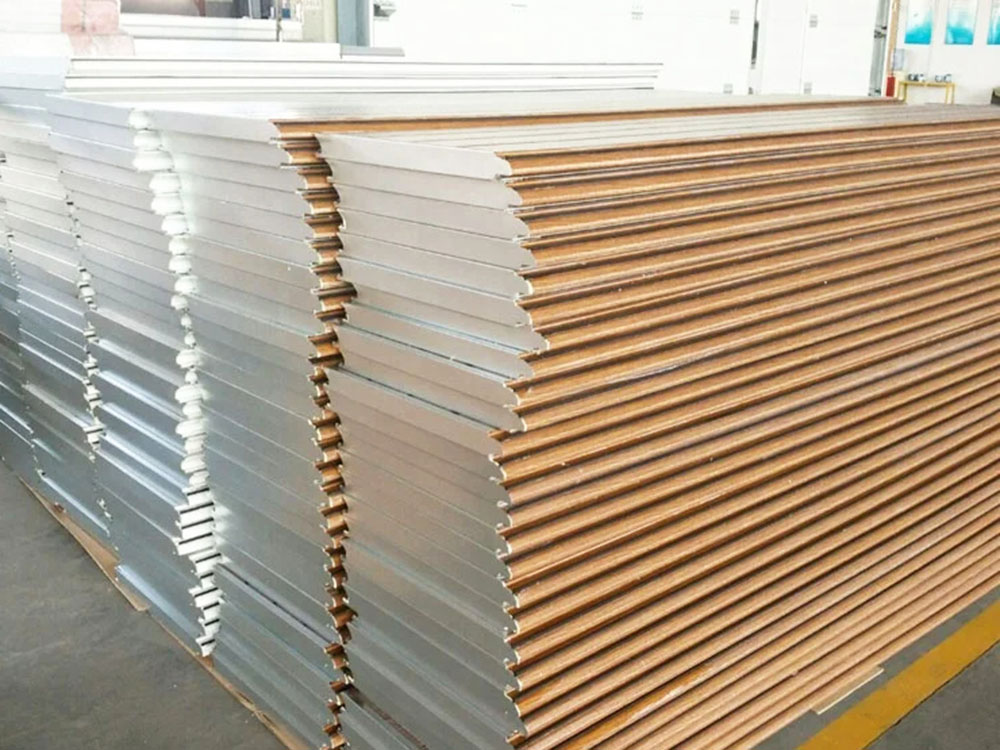
Door performance hinges on matching facing chemistry to washdown agents, sealing compression to pressure class, and surface topology to particle shed rates.
The biggest procurement trap in cleanroom door specification is treating all metal facings as interchangeable. They are not. The choice between standard austenitic grades and composite laminates dictates how the assembly handles repeated chemical exposure, thermal cycling, and structural flex without delaminating or warping.
Austenitic stainless steels remain the default for aseptic suites because they offer inherent corrosion resistance without requiring protective coatings that can chip or peel over time. However, grade selection matters significantly. Lower-grade alloys can suffer from chloride stress corrosion cracking when exposed to hypochlorite-based sanitizers, especially in warm, humid environments. Upgrading the alloy family eliminates this vulnerability and extends service life under aggressive washdown protocols.
Composite facings such as fiberglass-reinforced thermosets or continuous fiber-reinforced thermoplastics serve a different engineering purpose. They prioritize weight reduction and moisture impermeability while maintaining a non-corroding surface. These materials absorb mechanical vibration better than rigid metals, which reduces fatigue at hinge and latch mounting points. The trade-off usually involves impact resistance and perceived rigidity, making them better suited for controlled access zones rather than high-traffic industrial interfaces.
- Chemical Exposure Profile: Match facing alloy or polymer chemistry to the facility’s documented sanitizer inventory before ordering.
- Structural Load Path: Heavier metal facings require reinforced frames and commercial-grade pivot hardware to prevent sagging.
- Lifecycle Cost vs. Capex: Premium composites lower shipping and handling costs but may carry higher upfront material pricing.
Surface Finish and Particulate Control
A cleanroom door surface is not merely a barrier; it is an active contamination management zone. The finish chemistry determines how easily operators can remove biofilm, how quickly solvents evaporate, and whether microscopic scratches become permanent bacterial reservoirs.
Smooth gelcoated panels and polished metal surfaces minimize contact area for dust and aerosolized particles. When the surface tension is properly calibrated, routine wipe-downs remove residues without leaving behind micro-abrasions that accumulate grime over time. Textured or ribbed finishes, even when marketed as durable, create hidden valleys where cleaning agents pool and particulates settle, complicating validation protocols.
Facility engineers should also consider how surface degradation appears under UV or white lighting during routine inspections. Fading, chalkiness, or micro-cracking on composite sheets often signals polymer chain breakdown from oxidizing cleaners. Once the protective matrix degrades, the underlying reinforcement becomes vulnerable to moisture wicking, which can compromise core insulation and promote internal mold growth.
Sealing Architecture and Pressure Cascade Integrity
The perimeter seal is where most cleanroom doors quietly fail compliance. A door can have perfect panel chemistry and a flawless surface finish, but if the gasket system cannot maintain consistent compression across the full operating temperature range, pressure differentials collapse and unidirectional airflow reverses.
Elastomer selection drives long-term seal reliability. Medical-grade EPDM, silicone, and specialized PVC compounds each respond differently to humidity, ozone, and solvent exposure. Silicone generally offers broader temperature tolerance, while EPDM provides stronger resistance to steam and polar chemicals. PVC-based gaskets can be more cost-effective but may stiffen or shrink when exposed to certain organic solvents used in pharmaceutical cleaning regimes.
Installation precision is equally critical. Gaskets must compress uniformly against the frame stop without gaps, wrinkles, or over-compression that causes premature flat-spotting. During commissioning, operators should verify that the door latches fully engage before pressurization tests begin. A partially seated seal creates localized turbulence that pulls unfiltered corridor air into the classified space.
- Compression Set Resistance: Select gaskets rated for repeated opening cycles to prevent permanent deformation.
- Chemical Compatibility Matrix: Cross-reference seal formulations against actual facility disinfectants, not theoretical standards.
- Frame Interface Tolerance: Maintain consistent gap dimensions to ensure uniform gasket squeeze across the entire perimeter.
Do not assume a single seal compound works for every zone. Mixing silicone and EPDM components in the same facility can cause cross-contamination reactions during cleaning, leading to swelling, tackiness, and sudden loss of pressure retention.
| Material Category | Construction & Specs | Hygiene & Surface Properties | Chemical & Washdown Resistance | Ideal Application |
|---|---|---|---|---|
| GRP / FRP Panel Facing | Fiberglass-reinforced thermoset composite with smooth gelcoat finish | Non-porous, flat surface minimizes particulate adhesion and supports routine visual inspections | Resistant to water and standard non-caustic cleaning agents; avoids degradation under mild washdown cycles | Pharmaceutical clean rooms, food processing zones, and general hygienic partitions |
| CFRT Sheet Facing | Continuous fiber-reinforced thermoplastic composite sheet | Lightweight, impact-resistant surface that maintains integrity without chipping or cracking | High resistance to industrial solvents and thermal cycling without delamination | High-traffic clean room doors, dynamic access points, and vehicle interface zones |
| Stainless Steel Facing | 304 or 316L grade steel sheets | Aseptic-grade metal surface; fully weldable and crevice-free when fabricated correctly | 316L provides superior chloride resistance and withstands aggressive acidic disinfectants | Sterile manufacturing suites, laboratories, and facilities requiring aggressive washdown protocols |
| Perimeter Sealing Systems | Medical-grade EPDM, silicone, or PVC compression gaskets | Low compression set maintains continuous contact to block air infiltration and contaminant ingress | Gasket formulation selected to resist swelling or degradation from facility-specific cleaning chemicals | ISO classified clean rooms requiring maintained pressure differentials and cascade control |
| Insulating Core Materials | Closed-cell PU, PET, or XPS foam cores sandwiched between structural facings | Sealed cellular structure prevents internal moisture accumulation and eliminates bacterial harborage points | Optimized for thermal stability and condensation resistance under sustained temperature differentials | Cold storage doors, climate-controlled pass-throughs, and energy-efficient thermal envelopes |
Matching Door Specs to ISO 5 Through 8
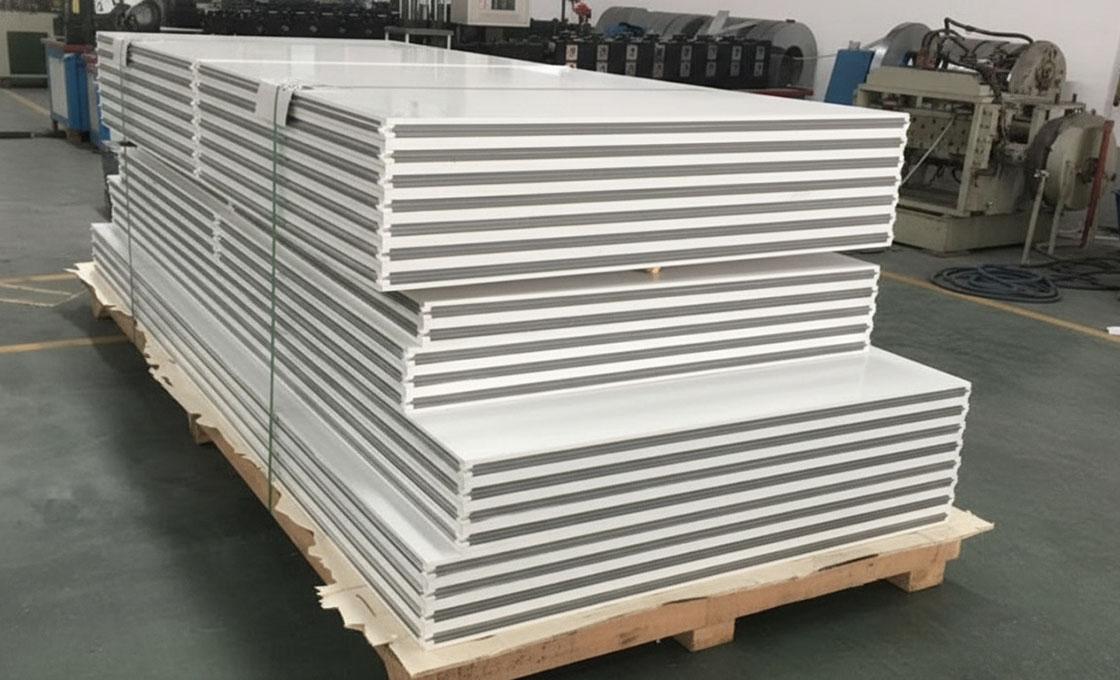
Specifying a cleanroom door outside its validated ISO range invites audit failures and HVAC instability. Match leakage ratings, pressure differentials, and surface chemistry directly to the target cleanliness class.
ISO 5 Through 8: What the Grade Actually Demands from the Door
Cleanroom classifications are defined by airborne particle counts per cubic meter, not by how finished the entrance looks. ISO 8 permits up to 3,520,000 particles ≥0.5 µm, while ISO 5 drops that limit to 3,520 particles. That massive gap changes the door specification significantly.
For ISO 8 and 7, a standard industrial-grade composite sandwich door with a closed-cell foam core typically suffices, provided the frame gaskets maintain a consistent seal under normal traffic. For ISO 6 and 5, the same door family requires upgraded perimeter sealing, higher pressure-differential ratings, and surfaces that can endure frequent chemical washdown without micro-cracking.
Think of the door as a controlled breach point in the facility envelope. Every open-close cycle introduces turbulence. The tighter the ISO class, the less the door can tolerate air bypass. A door rated for a 15 Pa differential might perform acceptably in ISO 8, but it will struggle to hold the pressurization needed for ISO 5 without constant HVAC compensation.
- ISO 8 / 7: Focus on basic airtightness, smooth non-porous facings, and standard chemical resistance. Composite panels with XPS, PET, or PVC foam cores meet thermal and hygiene baselines here.
- ISO 6: Requires verified pressure-differential performance, reinforced hinge hardware, and gasket compression testing under repeated cycles.
- ISO 5: Demands near-hermetic sealing behavior, higher-grade surface finishes that resist aggressive disinfectants, and documented air-leakage test reports tied to the final installed unit.
Air Leakage and Pressure Differential Matching
Procurement teams often overlook the pressure differential column on a door datasheet. In a cleanroom, the HVAC system maintains directional airflow by keeping the room slightly pressurized relative to adjacent zones. If the door leaks air faster than the air handling unit can replace it, the room drops out of class overnight.
When evaluating specs, look for the door’s tested air permeability under a specified pressure difference, usually measured in m³/h per meter of joint or L/s per m². A door suitable for ISO 8 might tolerate 0.5 to 1.0 m³/h·m at 10 Pa. For ISO 5, you should expect values below 0.2 m³/h·m at the same pressure, often achieved through double-seal gasket systems and tighter frame tolerances.
Do not assume a door’s “airtight” marketing claim equals ISO compliance. Always request third-party test data referenced to ISO 14644-3 or EN 12207. Verbal guarantees do not survive a GMP audit.
Surface Chemistry and Washdown Compatibility
Higher ISO classes correlate with stricter cleaning regimes. ISO 5 and 6 facilities frequently use hydrogen peroxide vapor, quaternary ammonium compounds, or chlorine-based agents. Standard aluminum skins or uncoated steel doors can corrode, pit, or shed particles under these conditions.
Composite panel construction solves this by allowing the outer skin to be selected independently of the core. Gelcoat-finished fiberglass reinforced panels provide a non-porous, chemically resistant barrier that can be smoothly welded at seams. Alternatively, stainless steel or powder-coated aluminum facings offer comparable durability when paired with a sealed foam or honeycomb core. The key metric is not just the material name, but the published resistance rating against the specific biocides your facility deploys.
- Gelcoat FRP panels: Waterproof, insulating, flat, and smooth. Ideal for high-humidity ISO 5/6 zones where corrosion is a primary failure mode.
- CFRT or LWRT sheets: Lighter, thinner, and more resilient thermoplastic composites that reduce overall door weight while maintaining impact resistance.
- Honeycomb cores (PP, aramid, PC): Provide high stiffness-to-weight ratios, reducing stress on hinges and actuators during rapid open-close cycles.
Thermal Insulation and Condensation Control
Cleanroom doors are not just particle barriers; they are thermal breaks. If a door slab conducts heat too readily, condensation forms on the interior face during rapid temperature shifts. Moisture on the door surface becomes a microbial growth site and can disrupt laminar airflow patterns near the threshold.
U-value and R-value are often confused in purchasing discussions. U-value measures heat transfer rate (W/m²K); lower is better. R-value measures thermal resistance; higher is better. For ISO 5 through 8 doors, the practical target is usually a U-value between 1.0 and 1.8 W/m²K, depending on whether the cleanroom interfaces with a non-conditioned corridor or an outdoor exposure.
Core selection drives this number. PMI foam offers the highest thermal resistance and structural stability for premium ISO 5 applications. PET and XPS foams provide cost-effective insulation for ISO 7 and 8. PU foam sits in the middle but requires careful fire-rating validation. Matching the core to the climate zone prevents the HVAC system from overcompensating, which directly protects the cleanroom classification.
Certification Verification and Audit Readiness
Facility managers lose sleep over audit findings. A failed GMP or FDA inspection due to non-compliant infrastructure can halt production lines for weeks. The door specification package should arrive with traceable documentation, not just a sales brochure.
Verify the following before purchase:
- ISO 14644-3 compatibility report: Confirms the installed door system meets leakage and pressure test thresholds for the claimed cleanroom class.
- CE marking and EN standard references: Validates European mechanical and fire-safety compliance.
- Material Safety Data Sheets (MSDS): Prove that facings, cores, and adhesives do not outgas or shed particles under sterilization conditions.
- Fire rating certificates: Required even in pharmaceutical and biotech zones where egress codes apply.
Third-party certification bodies issue these documents. If a supplier claims “ISO certified” without providing the certificate number and testing lab, treat it as a red flag. Independent verification eliminates supply chain risk and ensures the door will pass regulatory scrutiny during annual audits.
Picking Doors for Traffic, Chemicals, and Durability
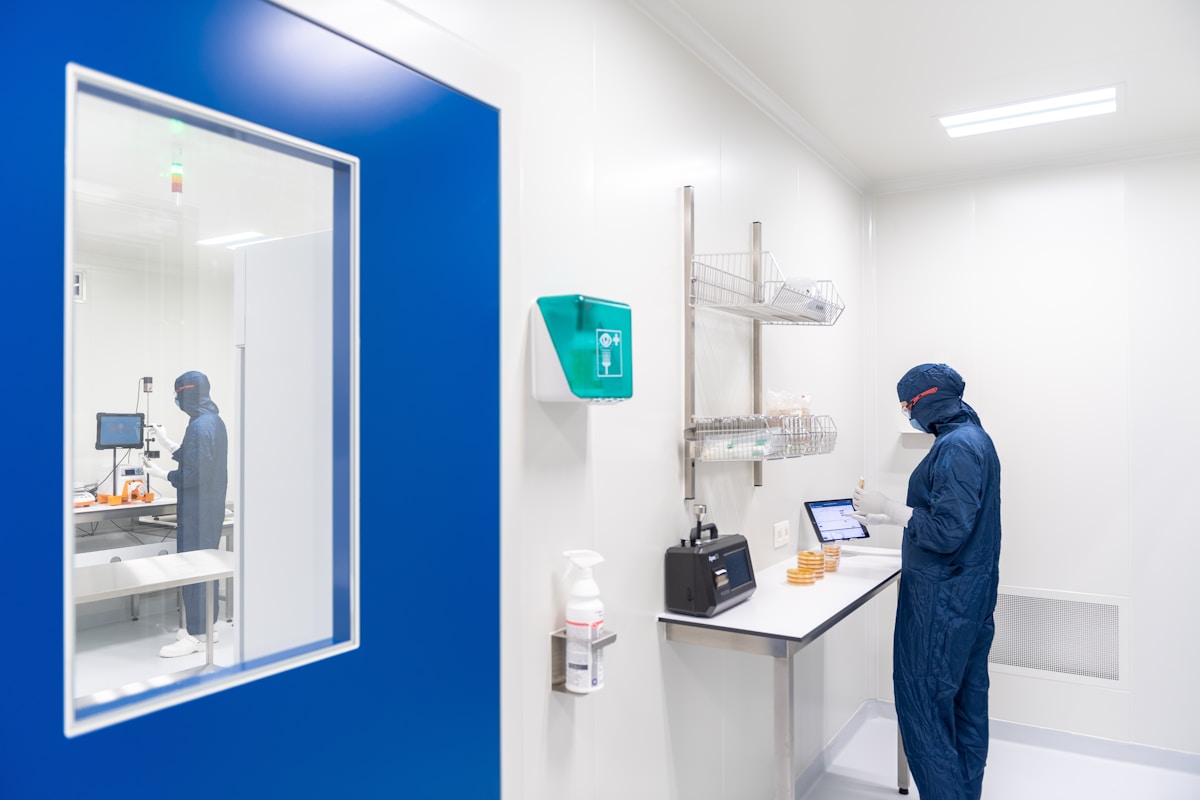
How to Choose a cleanroom door for high traffic, aggressive chemicals, and long service life requires matching the panel core to mechanical stress and the facing material to the washdown regime. Low-density engineered cores absorb impact while preserving pressure cascades, whereas fully cured gelcoat facings resist corrosive sanitizers without adding dead weight. For chloride-heavy zones, 316L stainless outperforms standard 304 grades, though it demands heavier-duty hinges and tighter frame tolerances.
Evaluating Repeated Impact and Operational Cycles
High-traffic cleanrooms treat doors like moving walls. Forklift bumpers, mop handles, and rolling equipment racks strike the same panel hundreds of times daily. The door core must recover its shape after compression rather than permanently deforming.
Closed-cell polyurethane or polyisocyanurate foams act as structural springs, distributing impact loads across the full panel face instead of letting a single hit crack the skin. PET foam offers higher compressive strength for heavy-duty zones, while polypropylene honeycomb structures excel at energy absorption because their geometric cells collapse gradually under force, much like the foam in a running shoe dissipates ground impact.
Frequent opening also shifts mechanical demand from the panel to the hardware. Lightweight thermoplastic facings made from continuous fiberglass reinforcement reduce hinge fatigue because the door mass stays low without sacrificing stiffness.
Maintaining stable pressure differentials between ±15 Pa and ±25 Pa depends heavily on consistent panel geometry, which means the core must resist warping under repeated thermal and mechanical cycling. When a facility runs multiple shift operations, switching to a resin-rich surface finish or reinforcing high-contact zones with non-slip thermoplastic treads prevents edge chipping that would otherwise breach hygiene seals.
- Impact Recovery: Choose closed-cell foam or honeycomb cores when cart traffic exceeds 200 cycles per shift, as rigid cores transmit shock directly to the facing and frame.
- Hardware Sizing: Heavier facings like stainless steel or steel-reinforced composites require commercial-grade piano hinges or overhead pivots rated above standard residential loads.
- Edge Protection: Apply reinforced border strips or thermoplastic corner guards at wheel-bump height to stop localized delamination before it spreads.
Matching Disinfectant Formulations to Surface Chemistry
Cleanroom sanitation programs rotate between quaternary ammonium compounds, alcohol-based sanitizers, and peracetic acid washdowns. Each chemical family attacks polymers differently. Alcohol wipes can dehydrate certain thermoplastics, making them brittle over time, while peracetic acid oxidizes unprotected resin matrices and weakens fiber-to-resin bonds. A properly cross-linked gelcoat surface blocks liquid penetration because it forms a continuous, non-porous barrier that lets chemicals slide off rather than soak into the panel layers.
Hydrophobic thermoplastic facings also repel moisture-driven degradation during continuous washdown cycles. Instead of absorbing water like a sponge, these sheets maintain dimensional stability, which keeps the door frame gap consistent and prevents air leakage. When selecting a facing for chemical exposure, verify that the resin system has been tested against the exact sanitizer concentration used in the facility, not just a diluted household version.
- Surface Continuity: Smooth gelcoat or fully cured thermoplastic layups prevent washdown fluid from migrating into the core, which eliminates hidden microbial growth behind the finish.
- Washdown Frequency: Doors subject to daily high-pressure rinsing require hydrophobic cores that reject water ingress to prevent internal swelling or thermal drift.
Buyers often default to stainless steel when durability is the priority, but not all grades perform equally in wet, chemical-rich environments. Standard 304 stainless resists rust in dry or mildly damp spaces, yet it begins to pit when exposed to chlorides found in bleach-based cleaners, coastal facilities, or certain pharmaceutical processing streams. Upgrading to 316L adds molybdenum to the alloy, which dramatically improves resistance to chloride-induced corrosion and extends service life where harsh sanitizers meet the door surface repeatedly.
The trade-off is mass. Stainless facings deliver maximum impact resistance but shift the entire load onto the hinges and frame channel. A 316L-clad composite panel must be paired with certified welding to eliminate crevice contamination risks, and the mounting hardware must be rated for the increased weight. If the facility prioritizes corrosion resistance without the heavy hardware penalty, fiberglass-reinforced polymer panels with a certified gelcoat finish offer a similarly non-porous, washable surface at a fraction of the weight.
- Chloride Exposure: Specify 316L over 304 whenever bleach, quats with chloride salts, or humid washdown conditions are part of the routine.
- Maintenance Reality: Polished stainless shows scratches and water spots immediately, requiring stricter inspection schedules to confirm the surface remains free of micro-cracks that harbor contaminants.
Assuming a door material passes a single wipe test means it will survive years of rotating chemical programs. Sanitizer formulations change, concentration levels spike during outbreak protocols, and high-pressure hoses force fluids into seams. Always validate the full panel assembly, including edge bands and gasket interfaces, against the strongest planned cleaning regimen before procurement.
Frequently Asked Questions
This factor has a direct bearing on project performance and long-term cost. Addressing it with specific data rather than general assumptions leads to better outcomes.
Which facing material handles the highest washdown frequency?
Fully cured gelcoat-finished fiberglass reinforced polymer panels and continuous fiberglass-reinforced thermoplastic sheets both withstand daily high-pressure washdowns without absorbing moisture. The key factor is surface density and resin cure quality, not simply the base material name. Verify that the finish has no pinholes or thin spots near edges, as those are where fluid intrusion begins.
Can a lightweight composite door replace a solid metal door in heavy cart traffic?
Composite door cores engineered for compression recovery, such as PET foam and polypropylene honeycomb structures, absorb impact energy locally to prevent frame shock transfer and reduce swing inertia. This localized energy absorption protects adjacent walls and equipment from bounce-back damage during high-traffic cycles. Furthermore, the reduced mass of composite panels lowers overall swing inertia, allowing automated actuators and manual push plates to operate smoothly while minimizing accelerated hinge wear over repeated operational cycles.
What causes premature failure in cleanroom doors exposed to peracetic acid?
Peracetic acid accelerates oxidation in poorly cured resin matrices and can degrade the bond between fiberglass strands and the surrounding polymer. Over time, this manifests as surface whitening, micro-cracking along high-contact edges, and eventual core saturation. Using a chemically inert thermoplastic facing or a fully cross-linked gelcoat minimizes oxidative attack and keeps the panel structurally intact through repeated flush cycles.
| Door Material / Core | Traffic & Impact Performance | Chemical & Washdown Resistance | Hygiene & Durability Profile |
|---|---|---|---|
| GRP/FRP Sandwich Panel with Gelcoat | High impact resistance to cart traffic; non-corrosive surface prevents chipping and cracking under mechanical stress. | Resists degradation from quaternary ammonium compounds, alcohol-based sanitizers, and peracetic acid washdown protocols. | Non-porous gelcoat surface inhibits microbial harborage; maintains ISO 14644 cleanliness standards. |
| CFRT Thermoplastic Facing | High strength-to-weight ratio reduces hinge stress; resilient against deformation in high-traffic zones. | Hydrophobic thermoplastic matrix resists moisture ingress and degradation during continuous washdown cycles. | Thin, smooth facing enables tight frame sealing to minimize air leakage and maintain pressure cascades. |
| PU/PIR Foam Core Integration | Closed-cell structure provides structural integrity for frequent operational cycles without fatigue. | Water-impermeable core prevents internal delamination, mold growth, and thermal drift. | Minimizes thermal bridging and condensation at thresholds, mitigating primary microbial growth risks. |
| PET Foam Core Option | High compressive strength supports heavy-duty industrial applications; maintains form under load. | Chemically inert matrix ensures stability against aggressive cleaning agents and solvents. | Dimensional stability preserves pressure differential ratings (±15 Pa to ±25 Pa) over the door lifecycle. |
| PP Honeycomb Core Structure | Superior impact absorption and lightweight properties reduce structural load and operator fatigue. | Water-repellent core structure compatible with high-frequency washdown and humidity exposure. | Reduced panel mass decreases wear on hinges and hardware, extending maintenance intervals. |
| Stainless Steel 304/316L Facing | Maximum impact resistance for heavy-traffic zones; high material density requires strong hardware support. | High corrosion resistance; 316L specified for chloride-rich environments to prevent pitting. | Non-porous surface meets GMP standards; requires certified welding to eliminate crevice contamination risks. |
Cleaning Routines and Gasket Checks for Longevity
Routine cleaning and scheduled gasket inspections prevent microbial buildup in seams and preserve the pressure differentials required for ISO classification.
Establishing a documented cleaning protocol and a recurring gasket inspection schedule is the most reliable way to extend cleanroom door service life. Weekly surface maintenance removes particulate reservoirs before they mature into biofilm, while monthly seal assessments catch compression failure early enough to avoid audit observations. This approach keeps the door perimeter leak-free, protects composite facings from chemical degradation, and maintains the sterile environment required for pharmaceutical and medical device manufacturing.
Standardized Surface Cleaning Protocols
Cleanroom doors are exposed to rotating disinfectant chemistries, including quaternary ammonium compounds, hydrogen peroxide, and phenolics. Repeated washdowns can degrade surface finishes if abrasion is introduced or if residues are allowed to dry. The objective is complete particulate removal without compromising the smooth, non-porous coating that prevents microbial adhesion.
- Cleaning Agent Rotation: Alternate between two incompatible disinfectant classes every 14 days to prevent microbial resistance while avoiding prolonged exposure to a single harsh chemical.
- Wipe Direction: Use a single-pass, top-to-bottom motion with lint-free wipes. Overlapping circular motions trap particles instead of removing them.
- Residue Management: Rinse or dry surfaces immediately after application. Dried disinfectant film acts as a nucleation site for new contamination during subsequent shifts.
Gasket Inspection and Compression Monitoring
- Visual Channel Check: Inspect the gasket groove monthly for embedded debris, hardened sealant squeeze-out, or edge lifting that breaks the compressive seal.
- Compression Set Test: Pinch a gasket segment and release. If the material does not return to its original profile within three seconds, replacement is mandatory.
- Tissue Pull Verification: Close the door on a single sheet of tissue paper. Dragging the paper should require consistent resistance around the entire perimeter; slack spots indicate seal failure.
Documentation and Audit Readiness
Facilities managers frequently lose audit confidence not because maintenance is absent, but because it is undocumented. Regulators and quality auditors expect a traceable record linking cleaning schedules, gasket condition ratings, and replacement events to specific calendar dates. A gap in the logbook is often treated as a gap in control, regardless of actual field conditions.
- Maintenance Log Structure: Record cleaning agent lot numbers, gasket visual ratings, tissue pull results, and any corrective actions taken during each inspection cycle.
- Replacement Trigger Thresholds: Replace seals when surface crazing appears, compression set fails the three-second recovery test, or the tissue pull test shows breakthrough at any perimeter segment.
- Audit Retrieval Protocol: Store logs digitally with date-stamped entries. Auditors prioritize systems where historical trend data demonstrates proactive management rather than reactive repair.
Key Takeaways
Standard doors fail cleanrooms because they trap particles, warp under disinfectants, or cannot hold pressure. Proper thermal performance and sealing density depend on composite cores, gasket compression, and surface hardness. We recommend matching the door configuration to your actual traffic load and washdown frequency. Initial unit cost rarely predicts maintenance spend over a five-year cycle. Durability drives repeat orders.
- Verify gasket compression ratings, panel surface smoothness, and chemical compatibility charts against your exact ISO class requirements.
- Confirm pressure differential limits and acoustic insulation needs before selecting hinged versus sliding mechanisms.
- Treat our engineering team as a direct technical reference for early design reviews, seal compatibility questions, or complex facility layouts.
Frequently Asked Questions
This factor has a direct bearing on project performance and long-term cost. Addressing it with specific data rather than general assumptions leads to better outcomes.
Which materials suit washdown compatible clean room doors?
Stainless steel grades 304 and 316L are preferred for washdown areas due to their corrosion resistance against aggressive sanitizers and high-pressure water jets. Fiberglass reinforced polymer panels with gelcoat finishes offer an alternative where chemical resistance and lightweight properties are prioritized over metallic aesthetics. The selected surface material must remain non-porous after repeated cleaning cycles to prevent microbial ingress and maintain GMP audit compliance.
What certifications verify clean room door compliance?
Compliance is typically verified through thermal conductivity test reports, air leakage measurements at rated pressure, and fire rating certificates such as EN 13501 or BS 476. For pharmaceutical facilities, documentation must demonstrate adherence to ISO 14644 cleanliness classes and GMP Annex 1 requirements for particle control. Buyers should request English-language test reports from accredited laboratories to ensure international regulatory teams can validate the supplier’s performance claims.
How do clean room doors prevent thermal bridging?
Thermal bridging is prevented by selecting door cores with low lambda values, such as polyurethane or phenolic foam, that match the insulation performance of adjacent wall panels. The frame design should incorporate thermal breaks or insulated profiles to stop conductive heat transfer at the metal-to-panel junction. Continuous insulation across the entire panel edge eliminates localized condensation, which is a primary cause of microbial growth at door thresholds in pharma facilities.
Why do we need cleanroom anti-panic doors?
Anti-panic doors are required in clean rooms with high occupant density or emergency egress paths to ensure rapid, unobstructed evacuation during alarms. These doors feature horizontal push bars that open the leaf immediately upon contact, preventing bottlenecks in corridors designed for controlled airflow. The hardware must also maintain the room’s pressure integrity when closed, so panic mechanisms are integrated with self-latching seals that re-pressurize automatically.
Do clean room doors include view windows?
Yes, many clean room doors incorporate insulated view windows to allow visual monitoring without compromising the sealed envelope. These windows typically use double or triple-pane glass with desiccant-filled cavities to prevent fogging under rapid temperature or humidity changes. The window seal must meet the same ISO 14644 cleanliness class requirements as the door panel itself to avoid microbial accumulation at the perimeter.