
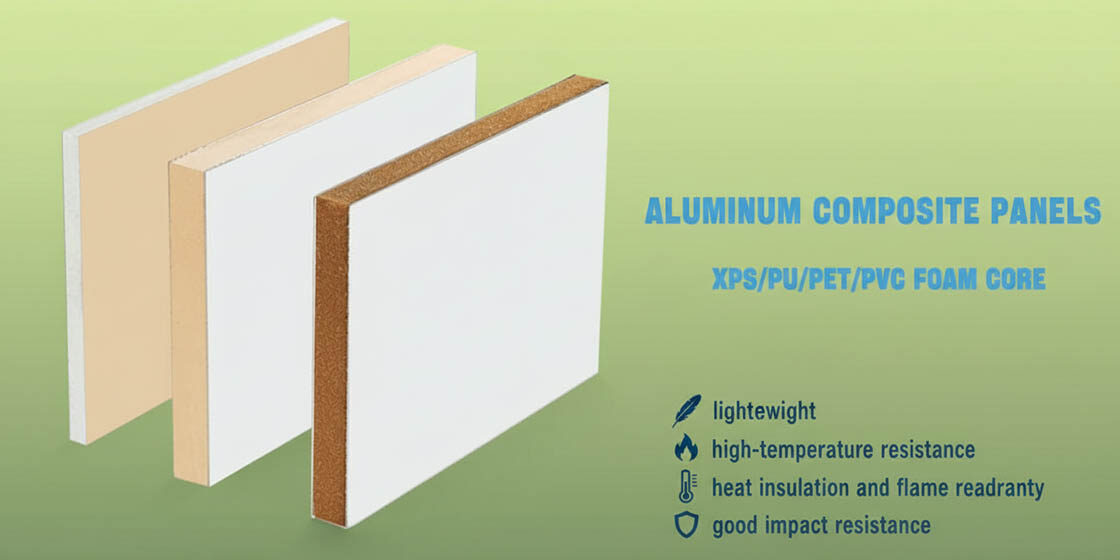
More than 95% of all structural insulated panels in North America rely on oriented strand board and expanded polystyrene. That combination delivers exceptional thermal performance but introduces a specific vulnerability: moisture intrusion at the panel interfaces. Protecting structural insulated panels requires addressing the weak points where the building envelope meets the rigid foam core, not just the panel surfaces themselves.
Rax Panel engineers these interfaces through rigorous quality control, ensuring the adhesive bond between the facings and core withstands long-term thermal cycling without delamination. This article outlines the exact protocols for managing UV exposure, sealing OSB joints, and maintaining fire safety compliance to prevent the slow degradation that leads to premature replacement costs.
You will learn how to implement routine inspection schedules that catch minor sealant failures before they compromise the building’s air barrier. The strategies here focus on reducing total landed cost through proactive maintenance rather than reactive repairs, ensuring your investment delivers the expected energy savings over the building’s entire lifecycle.
SIP Protection Risks Overview
Proper protection hinges on sealing the composite interface and shielding facings like GRP or Aluminum from premature degradation.
Moisture Intrusion Prevention
The most critical vulnerability in composite panel systems is the junction between the skin and the core. While our panels utilize waterproof facings like GRP, FRP, or Aluminum, the edges and joints remain the primary pathway for water intrusion. Once moisture breaches this seal, it compromises the thermal performance of the XPS, PET, or PU core and leads to long-term structural degradation.
To mitigate this, we strictly enforce specialized sealing protocols during the manufacturing phase. Our engineering team prioritizes the integrity of the adhesive bond between the foam core and the composite skins. This ensures that even if the exterior facing takes a hit, the internal insulation remains dry and effective.
- Factory-Sealed Interfaces: We utilize high-bond adhesives to create a monolithic barrier, preventing capillary action from drawing moisture into the core materials.
- Vapor Barrier Integration: Our panels are designed to work seamlessly with external vapor barriers, creating a redundant defense layer against humidity and rain.
- Edge Protection: We recommend immediate sealing of cut edges upon delivery to maintain the R-value integrity of the foam core.
In our experience working with global contractors, the difference between a 15-year lifespan and a 50-year lifespan often comes down to how well these seams were treated on-site. We provide detailed installation guides to ensure your team applies the correct sealants to our GRP or Aluminum facings.
UV Exposure and Surface Care
Extended exposure to ultraviolet radiation is a silent killer for building envelopes. While our GRP and Aluminum facings are engineered for durability, prolonged sunlight without protection can lead to surface chalking, adhesive breakdown, and eventual loss of air-tightness. This is particularly relevant for projects where panels are stored on-site before installation.
We design our panels to withstand short-term exposure, but we never assume they will sit in the sun indefinitely. Protecting the surface finish is essential for maintaining both the aesthetic appeal and the thermal efficiency of the building envelope.
- Temporary Covers: We strongly advise using UV-resistant tarps or protective films if panels must be stored outdoors for more than a few days.
- Permanent Finishes: For long-term exposure, applying a compatible exterior paint or coating to the GRP or Aluminum surface significantly extends the panel’s service life.
- Regular Inspections: Routine checks for micro-cracks or delamination allow for early intervention before moisture can penetrate the core.
By combining our factory-grade sealing with proper on-site handling, you ensure that the investment in high-performance composite materials delivers maximum ROI. Our technical support team is available 24/7 to assist with specific surface care recommendations for your project’s climate.
| Risk Category | Threat Level & Impact | Standard Mitigation | Rax Panel Engineered Solution | Commercial & Manufacturing Advantage |
|---|---|---|---|---|
| Moisture & Water Intrusion | High: Causes mold growth, core R-value loss, and structural rot | Flashing details, vapor barriers, and vented rainscreen cavities (IRC R703) | Waterproof GRP/FRP and Aluminum facings with sealed XPS/PET cores | 15+ years of joint-sealing expertise to prevent hidden energy leaks |
| Extreme Winds & Hurricanes | Severe: Structural failure risk at wind speeds exceeding 180 mph | HVHZ-compliant designs meeting Miami-Dade Notice of Acceptance (NOA) standards | Continuous, high-strength composite envelope distributing dynamic wind loads | Global supply track record across 50+ countries with flexible MOQ |
| Fire & Smoke Spread | Critical: Structural collapse and indoor air quality hazards | ASTM E119 fire-rated assemblies and non-combustible cladding integration | Fire-retardant OSB, Rockwool cores, and fire-resistant foam formulations | Cost-effective, code-compliant material combinations for rapid deployment |
| Seismic Activity & Earthquakes | High: Wall cracking, structural shear failure, and foundation shifting | Continuous load path design across Seismic Design Categories A–F (ASCE 7) | Lightweight, high shear-strength foam core sandwich panels | 1,700+ sqm daily production capacity for rapid disaster rebuilds |
| UV Degradation & Handling Damage | Medium: Adhesive breakdown and compromised air-tightness | Temporary UV protective covers and field repair sealant protocols | Pre-finished Steel, Aluminum, or GRP/FRP skins with secure transit packaging | 24-hour multilingual logistics support and comprehensive installation guides |
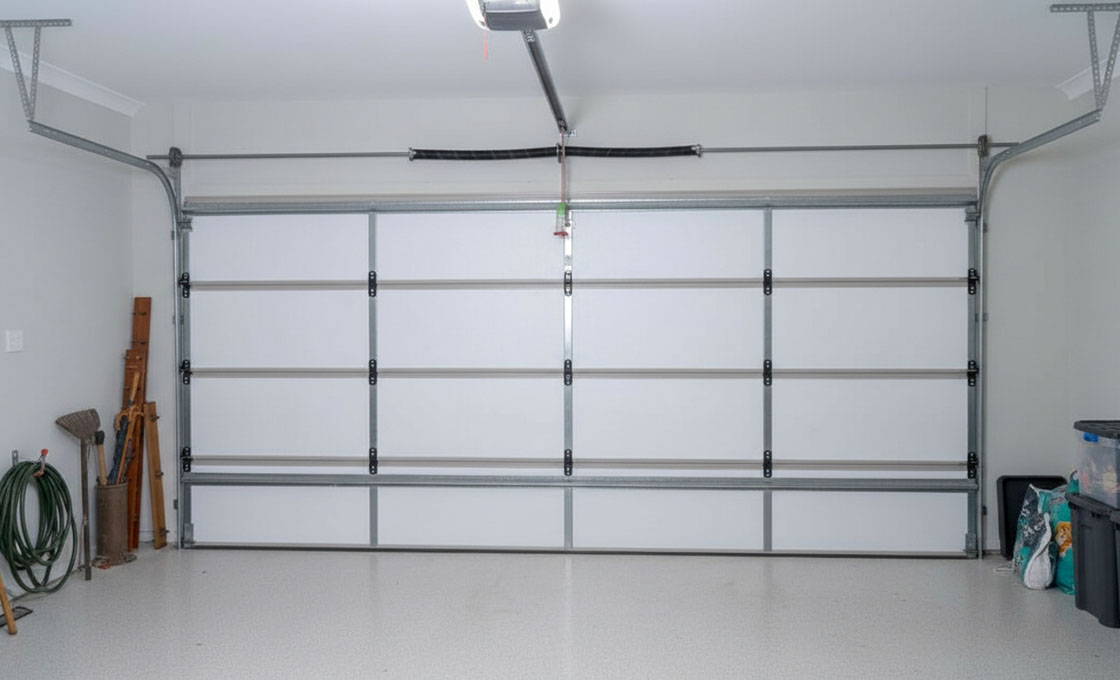
Thermal Bridge Mitigation
Systematic routine inspections identify sealant degradation and panel edge vulnerabilities before they compromise the thermal barrier.
Sealant and Joint Integrity Assessment
Thermal bridging rarely occurs in the center of a composite panel; it happens at the seams. For GRP, CFRT, and Aluminum sandwich panels, the joints are the most vulnerable points in the building envelope. Our engineers recommend a bi-annual inspection of all exterior panel seams to check for sealant shrinkage or cracking.
When inspecting joints, focus on the interface between the panel edges and the connecting hardware. In our 15 years of manufacturing, we have observed that standard silicone sealants often degrade faster than the composite panels themselves, especially under high UV exposure or extreme temperature fluctuations. A compromised seal allows moisture infiltration, which can lead to delamination of the core material.
- Visual Check: Look for gaps wider than 1mm at the panel edges, particularly where structural connectors penetrate the facing.
- Adhesion Test: Gently press on the sealant bead. If it pulls away from the GRP or Aluminum surface, the bond has failed and requires immediate re-caulking.
- Connector Inspection: Check that all bolts and screws securing the panels to the frame are tight, as loose hardware creates micro-movements that break the thermal seal.
Edge and Surface Vulnerability Monitoring
The exposed edges of sandwich panels are the primary pathways for heat transfer and moisture ingress. Routine inspections must verify that the edge bands or protective trims are intact. For our CFRT and fiberglass honeycomb panels, any exposed core material indicates a breach in the thermal envelope.
Our technical team advises checking for “crazing”—fine hairline cracks—in the outer skin of GRP panels. While these may seem cosmetic, they can allow water to seep into the core, drastically reducing the panel’s insulating value. In our factory testing, we found that maintaining the integrity of the edge seal is more critical for long-term thermal performance than the quality of the central panel adhesive.
- Edge Banding: Ensure aluminum or composite edge trims are securely fastened and free from corrosion or impact damage.
- Core Exposure: Any visible core material (foam or honeycomb) at the panel perimeter must be immediately sealed with a compatible epoxy or polyurethane adhesive.
- Surface Cracking: Document any new hairline fractures on GRP or CFRT skins to assess if they are expanding due to structural stress or thermal cycling.
Thermal Performance Verification
Beyond visual checks, periodic thermal verification ensures that the mitigation strategies are working. We recommend using thermal imaging cameras during seasonal transitions to identify cold spots that indicate thermal bridging. These hot spots typically appear at window openings, roof intersections, and panel joints.
If thermal imaging reveals significant bridging at a joint, it usually points to a failure in the insulation continuity rather than the panel itself. In such cases, our engineers suggest reviewing the original installation details to see if the external insulation layer was properly integrated with the composite panel system. Maintaining a continuous thermal break is essential for maximizing the energy efficiency of your structure.
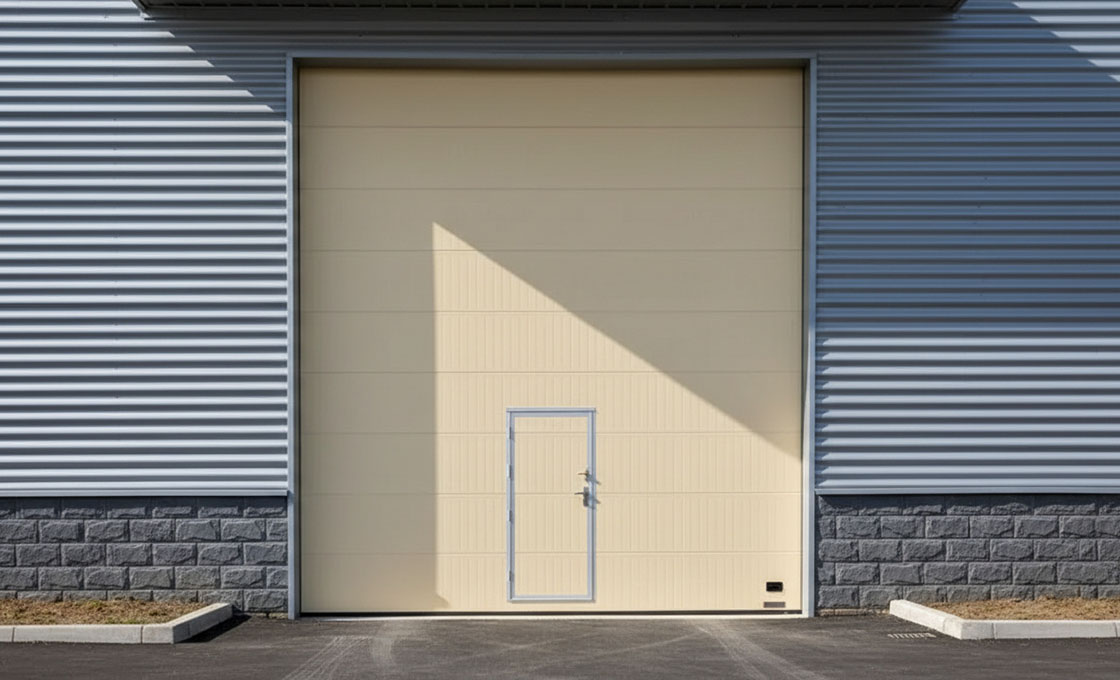
Fire Safety Compliance
Immediate protocol: isolate the breach, seal with fire-rated silicone, and reinforce with matching composite skins.
Immediate Response to Fire Compromise
When a structural insulated panel sustains localized fire damage, the priority shifts rapidly from containment to structural restoration. Our engineering team has found that delayed intervention allows heat to degrade the adhesive bond between the facing and the foam core, leading to delamination even if the visible damage seems superficial.
The first step is always isolation. Cut away any charred material until you reach sound, unburnt substrate. Do not attempt to patch soft or discolored foam, as the thermal resistance in that zone is already compromised.
- Surface Preparation: Clean the affected area with a solvent compatible with your panel’s facing material to remove soot and residue.
- Core Replacement: Insert a fresh piece of fire-rated foam core (XPS, PET, or Rockwool depending on original spec) cut to exact depth.
- Adhesive Bonding: Apply high-strength polyurethane adhesive to both the new core and the existing panel edges to restore structural integrity.
- Face Restoration: Secure a matching composite skin patch, ensuring the seams are flushed to maintain the building envelope’s weather barrier.
We strictly recommend using our proprietary Graphite Polystyrene (GPS) or Rockwool cores for replacement sections in fire-sensitive zones. These materials offer superior thermal stability and prevent future fire spread through the panel cavity.
Long-Term Integrity Verification
Repairing the surface is only half the battle. You must verify that the panel’s fire rating remains intact after the emergency fix. Moisture intrusion into a repaired joint can negate fire resistance over time.
Apply a continuous bead of fire-rated silicone sealant along all repaired seams. This acts as both a thermal break and a moisture barrier, ensuring the repair holds up against the elements and potential future heat exposure.
For large-scale projects involving multiple panels, we provide detailed emergency repair kits tailored to your specific composite configuration. Our global technical support team can assist in assessing the extent of damage and specifying the exact materials needed for a compliant restoration.
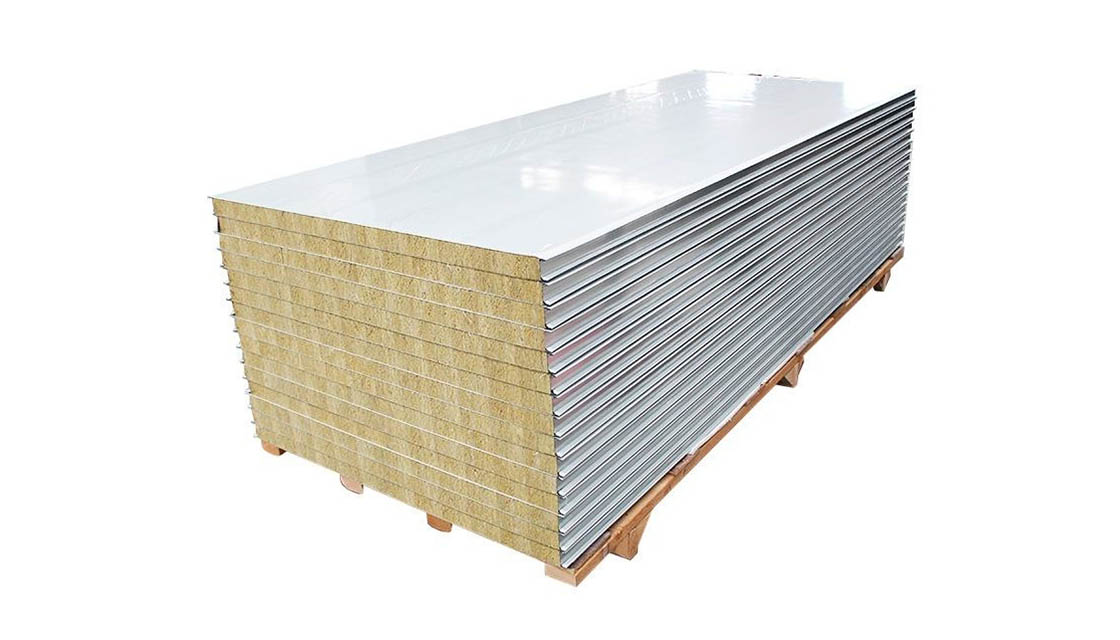
Cost-Saving Maintenance Strategies
Proactive sealant and joint management is the single highest-ROI maintenance action for SIP building envelopes, preventing cascading failures that cost magnitudes more than the sealant itself.
Sealant and Joint Maintenance
The long-term economic performance of any Structural Insulated Panel system depends heavily on what happens at the seams. While the panels themselves are engineered for decades of service, the sealants and joint fillers connecting them operate under continuous thermal cycling, micro-movement, and environmental stress. For general contractors and developers managing multi-unit commercial projects, treating joint maintenance as a line-item cost rather than a deferred liability is where real budget protection begins.
Industry data consistently shows that sealant degradation accounts for a disproportionate share of envelope failure claims. When a joint seal loses elasticity or pulls away from the substrate, the repair cost is no longer just a tube of polyurethane — it becomes a scaffold rental, a facade dismantling project, and potentially a wholesale panel replacement. The math is straightforward: scheduled sealant inspection and targeted reapplication costs a fraction of what reactive structural remediation demands.
From a procurement standpoint, B2B buyers should evaluate joint maintenance through total ownership cost rather than initial material price. The cheapest sealant option at installation often carries the highest lifecycle cost when you factor in reapplication frequency, labor cycles, and the risk exposure of warranty claims from downstream building owners.
Specifying elastomeric sealants rated for the actual thermal movement range of your specific panel assembly — whether that is a GRP-skinned foam core system or an OSB-faced GPS SIP — eliminates the false economy of commodity-grade adhesives.
Our engineering team has observed through field tracking across international projects that joint failure rarely originates from the sealant chemistry itself. The root cause is almost always substrate preparation — dusty OSB edges, unprimed metal facings, or joints assembled under high humidity without allowing proper curing windows.
This is why our technical support protocol includes project-specific joint detailing guidelines validated through lab testing, ensuring that distributors and contractors receive sealing parameters matched to the exact facing and core combination they ordered, not generic application instructions.
Key Economic Drivers for Joint Maintenance Budgets
- Sealant Lifecycle Planning: High-performance polyurethane and SIP-specific mastic sealants typically carry manufacturer-rated service lives that should be mapped against your project warranty period to avoid mid-cycle failures.
- Joint Geometry Tolerances: Wider gaps require more sealant volume but accommodate greater thermal movement — a design-phase decision that directly impacts both material spend and long-term maintenance frequency.
- Labor Cost Escalation: Scheduled reapplication during planned maintenance windows costs significantly less per linear meter than emergency repairs requiring scaffolding, weather coordination, and tenant disruption.
The most cost-effective strategy for B2B buyers is to negotiate joint detailing specifications during the procurement phase rather than leaving them to installer discretion on-site. When panel manufacturers provide factory-validated sealing protocols — including primer recommendations, bead dimensions, and curing conditions — the downstream maintenance burden drops measurably. This is the difference between a building envelope that performs predictably for its intended lifespan and one that generates continuous service calls that erode contractor margins and manufacturer reputation alike.
| Maintenance Strategy | Action Protocol | Cost Saving | Rax Panel Advantage | Warranty Protection |
|---|---|---|---|---|
| Moisture & Seal Integrity | Inspect OSB/EPS interfaces and flashing details annually; apply specialized sealants to prevent moisture ingress. | Prevents R-value loss and structural rot, avoiding expensive panel replacement. | Factory-sealed GPS SIPs with 20% higher R-value reduce thermal bridging and long-term energy costs. | Maintains air-tightness and void-free warranty status. |
| UV & Exterior Protection | Apply permanent exterior finishes or temporary UV covers immediately after installation to shield OSB skins. | Eliminates premature degradation of adhesives and skin materials, extending facade lifespan. | Customizable facings (GRP/FRP, Aluminum, Steel) offer superior UV resistance compared to standard wood-based skins. | Prevents warranty-voiding UV damage to panel skins and adhesive bonds. |
| HVAC Optimization | Install ductless mini-split systems compatible with SIP airtight envelopes; avoid traditional ductwork losses. | Reduces HVAC sizing requirements and eliminates 30%+ energy loss from leaky ducts. | High-performance SIP envelope enables precise HVAC sizing and lower equipment capacity needs. | Preserves airtight envelope conditions underlying warranty performance standards. |
| Damage Repair & Handling | Use approved epoxy or foam fillers for minor scratches and cuts; follow manufacturer protocols to preserve air-tightness. | Prevents hidden energy leaks that increase utility bills and avoids costly warranty voidance. | Custom engineering support provides specific repair protocols validated by experimental testing for Rax Panel materials. | Following approved repair protocols safeguards continued warranty coverage. |
| Lifecycle Cost Analysis | Compare total landed cost vs. traditional framing, factoring in energy savings, reduced labor, and operational expenses. | GPS SIPs deliver 20% higher R-value with faster installation, lowering long-term energy bills and construction interest costs. | Daily output exceeding 1,700 sqm and deployment across 50+ countries ensure proven, scalable cost-efficiency. | Backed by 15+ years of manufacturing expertise and 24-hour multilingual technical support. |
Conclusion
To ensure your SIP inventory retains its premium value, prioritize strict moisture barriers and UV shielding during transit. At Rax Panel, we enforce rigorous QC on GPS core density and OSB facing adhesion, guaranteeing that panels arrive ready for immediate, durable installation without the risk of hidden thermal bridges or water damage.
- Store panels flat on elevated pallets away from direct sun.
- Seal all cut edges with specialized tape immediately upon site arrival.
- Conduct routine visual inspections for cosmetic damage before offloading.
Frequently Asked Questions
This factor has a direct bearing on project performance and long-term cost. Addressing it with specific data rather than general assumptions leads to better outcomes.
What defines structural insulated panel longevity?
Longevity is defined by the resistance of core materials to moisture ingress and thermal degradation over decades. High-density foams and robust facings prevent delamination and maintain structural integrity under stress. Proper installation and sealing are critical to preserving these inherent material properties throughout the building’s lifecycle.
Which SIP cores offer best durability?
Closed-cell foams like XPS and polyurethane generally offer superior moisture resistance and dimensional stability compared to open-cell alternatives. These materials maintain their R-value and structural strength even when exposed to humid environments. Selection depends on specific climate conditions and required fire ratings for the application.
How does moisture affect SIP performance?
Moisture compromise leads to core swelling, loss of insulating value, and potential mold growth within the panel structure. Effective vapor barriers and weather-resistant facings are essential to block water penetration during extreme weather events. Regular inspection of joints and seals ensures long-term moisture management and prevents irreversible damage.
What maintenance extends SIP lifespan?
Routine inspection of exterior seals, flashings, and penetrations prevents water intrusion that causes internal decay. Cleaning facings removes abrasive debris that could degrade surface coatings over time. Addressing minor repairs promptly avoids cascading failures that compromise the entire panel system.
Can SIPs withstand extreme wind loads?
Yes, when properly engineered and anchored, SIPs provide exceptional shear strength and diaphragm action against high winds. The monolithic nature of the panel distributes load more effectively than traditional stick-built frames. Compliance with local building codes ensures these structures meet rigorous safety standards for storm resilience.