
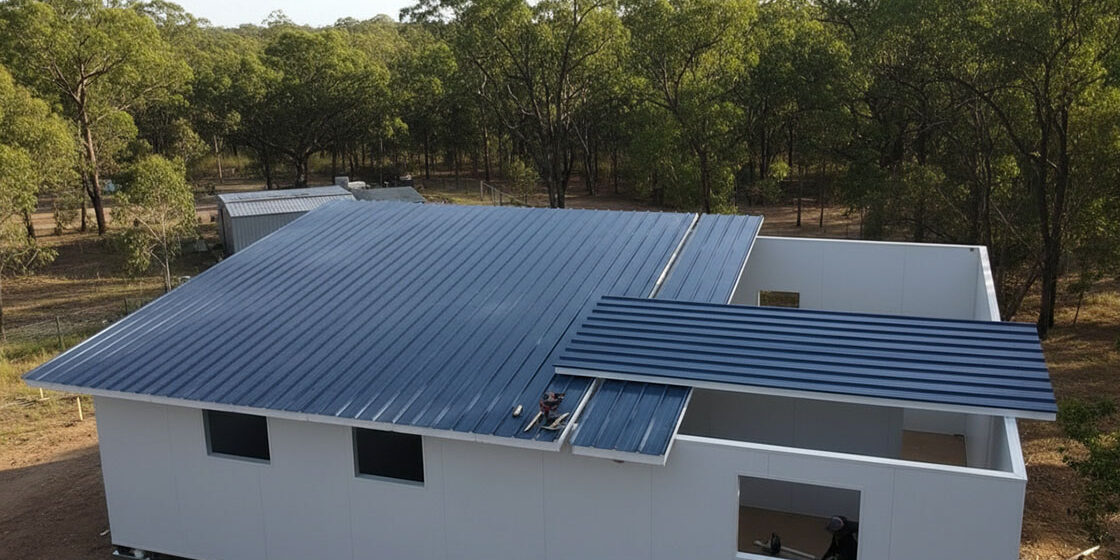
Most spec sheets for insulated roof panels obsess over initial R-value while ignoring the exterior metal skin. That is a costly mistake. In hot climates, roof surface temperatures regularly exceed 75°C. If you specify SMP coatings instead of PVDF for those environments, expect severe chalking and fading within three years.
Over the last 15 years manufacturing composite panels, our team at Rax Panel has watched buyers lose money on warranty claims simply because they matched the wrong coating system to their local weather.
This guide breaks down the exact technical specifications you need to verify before approving a bulk order. We will compare the structural differences between PIR and Rockwool cores, detail the real performance metrics of metal roof coating systems, and explain how joint design dictates your success with low slope roof sealing. Use this framework to calculate total cost of ownership and eliminate structural callbacks on your next commercial project.
Understanding Insulated Roof Panels
The core material inside an insulated roof panel dictates its R-value, fire rating, weight, and maximum structural span. Specifying the wrong foam or honeycomb core for your climate zone will compromise the entire building envelope.
Core Material Basics
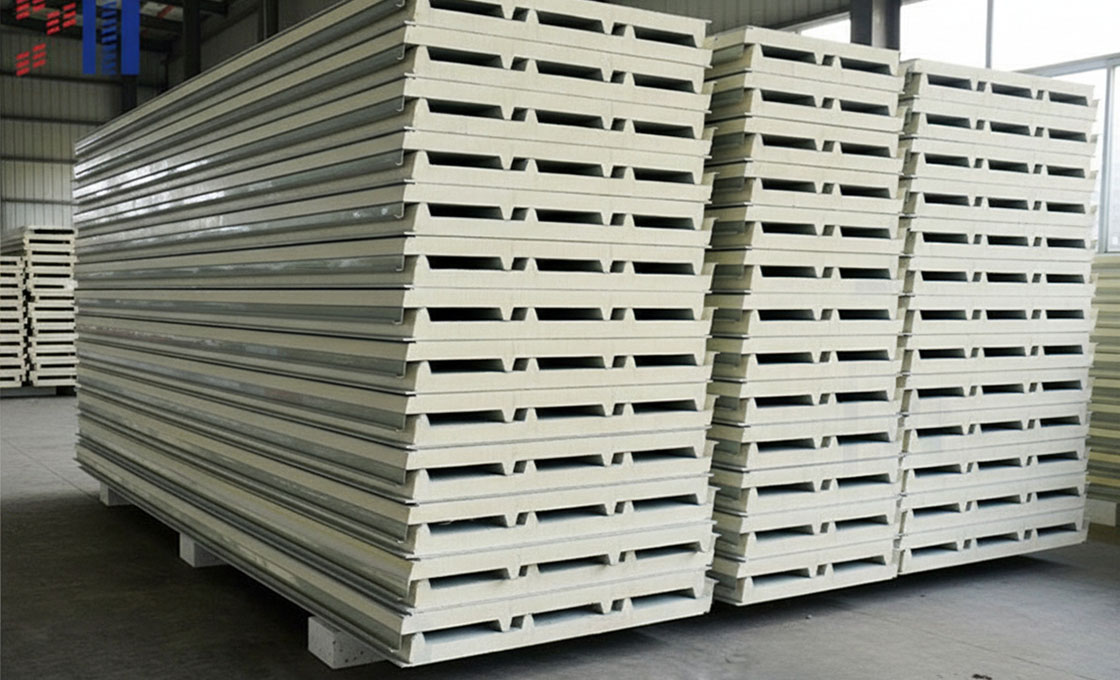
Insulated roof panels rely on a sandwich construction: two rigid facings bonded to an internal core that resists heat transfer. The facing materials we work with at Rax Panel include GRP/FRP, CFRT, aluminum, steel, ACP, stainless steel, and Aluzinc. But the core is where the real thermal performance lives. Selecting the correct core is not a cosmetic choice. It determines whether your roof meets local energy codes, fire standards, and structural load requirements.
Foam cores dominate the insulated roofing market because they deliver high R-values per inch of thickness while keeping weight low. At Rax Panel, we manufacture panels using XPS (extruded polystyrene), PET (polyethylene terephthalate), PU (polyurethane), PVC, PMI, EPP, and MPP foams. Each has distinct thermal, fire, and cost profiles that suit different project constraints.
- PU/PUR Foam: R-value approximately 6.5–7.0 per inch. The workhorse for refrigerated truck bodies and cold-storage roofing. Excellent thermal resistance, moderate fire performance.
- PIR Foam: R-value approximately 6.0–6.5 per inch. A modified polyurethane with superior fire resistance compared to PUR. Commonly specified for commercial building envelopes that must meet stricter fire codes.
- XPS Foam: R-value approximately 5.0 per inch. High compressive strength and low moisture absorption make it suitable for roofing assemblies exposed to sustained loads.
- PET Foam: R-value approximately 3.8–4.0 per inch. A recycled-content option gaining traction in markets where LEED certification and environmental product declarations carry procurement weight.
- PVC Foam: Closed-cell structure with good chemical resistance. Often specified in marine vessel roofing and industrial environments where corrosion from airborne chemicals is a concern.
- PMI Foam: The premium aerospace-grade core. Highest specific strength and temperature resistance among foam options. Used in applications where weight reduction is critical and budgets allow.
For projects where fire compliance is non-negotiable, such as warehouses, public buildings, and industrial facilities, rockwool (mineral wool) cores provide A1 or A2 fire ratings. The trade-off is weight: rockwool panels are significantly heavier than foam-core equivalents, which increases structural steel requirements and handling costs during installation. Our engineering team runs experimental testing on every core combination to verify it meets the specific data standards your project demands before production begins.
Honeycomb cores offer a different value proposition. PP honeycomb, fiberglass honeycomb, and aramid honeycomb deliver exceptional strength-to-weight ratios but lower thermal resistance compared to foam. We specify these in RV roofing, truck bodies, and vessel applications where structural stiffness matters more than peak insulation values.
Commercial vs Residential Applications
The performance requirements for insulated roof panels diverge sharply between commercial and residential projects. Misapplying a residential-grade panel in a commercial setting, or over-engineering a residential roof with industrial specifications, creates either compliance failures or wasted budget.
Commercial construction procurement teams focus on four metrics: fire rating compliance, verified R-value thickness, wind uplift resistance, and long-term weathering performance of the exterior coating system. In hot climates like the Middle East and Australia, roof surface temperatures routinely exceed 60–75°C. The exterior facing must resist thermal degradation under sustained UV exposure.
This is where coating selection, PVDF versus SMP, becomes a critical specification decision. PVDF coatings retain color and gloss significantly longer under harsh UV conditions, which matters for buildings where aesthetic longevity is tied to brand image or lease terms.
Commercial projects also demand higher span capabilities. Insulated roof panels in warehouses and industrial facilities often need to span 3 to 5 meters without intermediate purlins to reduce structural steel costs. Span capacity depends on facing gauge, core density, and panel profile depth. Our engineers calculate deflection limits based on the specific dead load, live load, wind uplift, and snow load combinations of your project to ensure the panel configuration meets structural requirements without over-specifying material.
Wind uplift is another critical factor for commercial flat and low-slope roofs. Improperly sealed panel joints under negative wind pressure create entry points for water infiltration. For low slope roof sealing, joint design and sealant compatibility with the facing material determine long-term weathertightness. We provide installation guides that specify sealant systems tested for adhesion and durability on each facing type we produce.
Residential and light-commercial applications such as mobile homes, RVs, patio enclosures, and carports prioritize different criteria. Weight is the primary constraint. RV and mobile home roof panels must minimize kilograms per square meter to stay within chassis load limits while still delivering adequate insulation. Our CFRT and GRP foam core panels using PET or XPS cores address this directly: the fiberglass-reinforced thermoplastic facings are lighter and thinner than traditional metal facings while maintaining impact resistance and waterproofing.
Roof condensation solutions are critical in residential applications where interior humidity levels are higher and ventilation is often inadequate. When warm, moist interior air contacts a cold roof panel underside, condensation forms, leading to mold, material degradation, and occupant health concerns.
The fix requires panels with sufficient R-value to keep the interior facing above the dew point, combined with continuous vapor barrier detailing at panel joints. Our engineering team evaluates the specific interior temperature and humidity conditions of your project to recommend the minimum panel thickness that prevents condensation under design conditions.
For distributors supplying both markets, the practical approach is stocking a tiered catalog: PIR or rockwool core panels with metal facings for commercial construction, and lighter GRP or CFRT foam core panels for residential and mobile structure applications. Our production line outputs over 1,700 square meters daily, which allows us to fulfill mixed container loads with multiple panel configurations in a single production cycle, giving distributors flexibility without committing to separate minimum orders for each product type.
Key Factors for Selecting Roof Panels
Selecting a roof panel comes down to three non-negotiable metrics: thermal resistance, fire classification, and load-bearing capacity. Miss any one of these, and the project fails at commissioning.
Thermal Performance and R-Values
In hot climate zones such as the Middle East, North Africa, and Australia, roof surface temperatures routinely hit 60–75°C during summer. If your panel has a weak thermal resistance rating, that heat transfers directly into the building envelope, and HVAC energy consumption skyrockets. The R-value is your single most important metric here.
R-value measures thermal resistance per unit thickness. Higher numbers mean better insulation. But here is the catch: the core material determines the R-value far more than panel thickness alone. At Rax Panel, we engineer foam core sandwich panels using XPS, PET, PU, PVC, PMI, EPP, and MPP foams. Each core has a distinct thermal conductivity (K-value), which directly sets the R-value per millimeter of thickness.
- PU and PUR cores: K-value of approximately 0.022–0.026 W/m·K. Best thermal performance per millimeter. Ideal for refrigerated truck bodies and cold-chain facilities.
- PIR cores: Slightly better fire resistance than PU while maintaining similar K-values around 0.023 W/m·K. Our PIR Sandwich Panels are a strong choice for commercial roofing in hot climates.
- XPS cores: K-value around 0.028–0.034 W/m·K. Cost-effective, moisture-resistant, and widely used in building wall cladding panels.
- Rockwool cores: K-value around 0.038–0.040 W/m·K. Lower thermal performance but unmatched fire resistance for compliance-heavy projects.
For context, a 100mm PU foam core panel delivers an R-value roughly between 3.8 and 4.5 m²·K/W, while a 100mm Rockwool panel sits closer to 2.5 m²·K/W. If your project prioritizes energy efficiency over fire rating, foam cores outperform mineral wool every time. Our engineers run experimental testing on every custom order to confirm the R-value meets your project’s exact data standards before mass production begins.
Fire Safety Ratings
Fire compliance is a binary pass/fail gate. If the local building code mandates a specific fire classification, no amount of thermal efficiency or structural strength will get the panel approved. You must select the core material and facing combination that meets the required standard from day one.
Sandwich panel fire performance is typically classified under standards such as EN 13501-1 (Europe), ASTM E84 (North America), or GB 8624 (China). The classification ranges from A1 (non-combustible) down to F (no performance determined). Rockwool Sandwich Panels achieve A1 or A2 ratings because the mineral wool core does not burn.
PU and PUR foam cores typically achieve B or C ratings: they char and self-extinguish but do not achieve non-combustible status. PIR performs better than PUR in fire tests, often reaching B-s1,d0 under EN 13501-1, with lower smoke production.
The facing material also matters. Our GRP/FRP Sheets with gelcoat provide an additional layer of surface protection. For maximum fire compliance on industrial or commercial roofs, we recommend pairing Rockwool cores with steel, stainless steel, or Aluzinc facings. This combination gives you the highest fire rating without compromising structural rigidity. For projects where B-class fire rating is acceptable, such as RV roofing or mobile home solutions, PIR or PU cores with aluminum or GRP facings offer a lighter, more cost-effective solution.
Structural Integrity and Thickness
Panel thickness is not just an insulation number. It is a structural calculation. The span capability of an insulated roof panel, how far it can bridge between supports without deflecting, depends on the interaction between core density, facing gauge, and total panel depth. Specifying a panel too thin for the span invites deflection, fastener failure, and ultimately water ingress at joints.
Sandwich panel mechanics work on a simple principle: the facings carry bending loads (tension and compression), while the core resists shear and keeps the facings separated. A thicker core increases the distance between facings, which exponentially raises the moment of inertia and stiffness. Doubling core thickness more than doubles the panel’s bending strength. This is why our foam core sandwich panels and honeycomb panels are engineered with precise thickness tolerances: structural performance is not linear with thickness.
For roof applications subject to wind uplift, such as large commercial roofs in coastal or cyclone-prone regions, the facing material and fastening system become critical. Aluminum facings are lighter but have lower pull-out strength than steel or stainless steel.
Our Aluminum Sandwich Panels (including ACP honeycomb and ACP foam core variants) are excellent for weight-sensitive applications like mobile homes and vessel roofing, but for industrial facilities with high wind loads, steel or Aluzinc facings paired with PU or PIR foam cores provide the structural margin you need.
We manufacture these panels on an advanced composite panel production line with a daily output exceeding 1,700 square meters. Consistent thickness control across the entire sheet is what prevents thermal bridging and structural weak spots. Inconsistent panel thickness from low-grade suppliers creates gaps at joints, leading to roof condensation and thermal leaks, problems that are extremely expensive to fix after installation.
Comparing Insulated Panel Core Materials
Core material selection dictates 70% of a panel’s thermal, fire, and structural performance. Specifying the wrong core isn’t just a design flaw. It’s a long-term liability.
PIR and PUR Foam Panels
Polyurethane (PUR) and Polyisocyanurate (PIR) foams are the industry standard for applications demanding high thermal resistance within limited wall or roof thicknesses. Both are closed-cell thermoset polymers, but they behave very differently under fire and heat exposure, a distinction that directly impacts building code compliance and insurance premiums.
PUR foam offers excellent initial insulation values, typically achieving thermal conductivity (K-value) between 0.022 and 0.026 W/m·K. It is widely used in refrigerated truck bodies and cold chain applications where consistent temperature retention is critical. However, PUR begins to soften and char at around 200°C. In a sustained fire scenario, it contributes to fuel load.
PIR foam is essentially a modified PUR formulation with a higher isocyanate ratio. This chemical shift creates a rigid, cross-linked structure that forms a protective char layer when exposed to flame. PIR typically achieves a Euroclass B-s2,d0 fire rating, making it acceptable for buildings requiring stricter fire performance. Its limiting oxygen index (LOI) is significantly higher than PUR, meaning it requires more oxygen to sustain combustion.
For distributors quoting projects in the Middle East or Australia, regions where roof surface temperatures routinely hit 60–75°C, PIR is usually the safer specification. It maintains dimensional stability better at elevated temperatures, reducing the risk of core-core delamination or panel bowing over a 15 to 20-year service life.
At Rax Panel, we manufacture both PUR and PIR sandwich panels in-house. Our standard PIR panels are available with Aluminum, Steel, Stainless Steel, or Aluzinc facings, and can be customized to meet specific project R-values and fire rating requirements. For refrigerated truck solutions requiring maximum thermal efficiency, our PUR core panels remain the go-to specification.
- K-Value Range: 0.022–0.026 W/m·K (PUR), 0.023–0.028 W/m·K (PIR)
- Fire Performance: PIR achieves Euroclass B-s2,d0; PUR typically achieves Euroclass C or D
- Operating Temperature Limit: PUR stable to ~200°C; PIR stable to ~250°C before charring
- Best Use Case: PIR for building envelopes and fire-rated walls; PUR for cold chain and refrigerated transport
EPS Core Panels
Expanded Polystyrene (EPS) core panels occupy the cost-sensitive end of the insulated panel market. EPS is a lightweight, closed-cell thermoplastic foam made from expanded polystyrene beads. Its primary advantage is simple: it is significantly cheaper to produce than PUR, PIR, or mineral wool cores.
The thermal conductivity of standard EPS sits between 0.033 and 0.038 W/m·K, noticeably higher than PUR or PIR. To achieve the same R-value, an EPS-cored panel must be roughly 30–50% thicker. For a commercial construction procurement manager calculating roof R-value per unit of thickness, this trade-off matters. Thicker panels mean heavier loads, wider structural framing, and higher shipping costs per square meter of coverage.
Fire performance is where EPS faces the most scrutiny. Standard EPS is a thermoplastic: it melts and drips when exposed to high heat, and it will burn if ignition is sustained. Flame-retardant grades (FR-EPS) exist and contain self-extinguishing additives, but they still do not achieve the fire resistance of PIR or mineral wool. For projects requiring strict fire compartmentalization, EPS is rarely the approved choice.
However, EPS still holds relevance in specific applications. Temporary structures, agricultural buildings, and low-budget industrial facilities in regions with moderate fire codes often use EPS core panels. The material is also 100% recyclable, which can contribute to LEED credit categories for material reuse and recycled content, though this is rarely the primary reason it gets specified.
Rax Panel does not position EPS as a flagship core material, but we recognize its role in price-sensitive markets. Our engineering team can advise when EPS is an acceptable specification versus when upgrading to PIR or PET foam cores is the more responsible long-term decision for total cost of ownership.
- K-Value Range: 0.033–0.038 W/m·K
- Density Range: 10–30 kg/m³ standard grades
- Fire Rating: Euroclass E (standard); Euroclass D achievable with FR additives
- Cost Advantage: 20–40% lower core material cost compared to PUR/PIR
Mineral Wool Cores
Mineral wool (also called rock wool or stone wool) is the specifying engineer’s answer when fire performance is non-negotiable. Made from volcanic basalt rock spun into fibers at temperatures above 1,600°C, mineral wool is inherently non-combustible. It achieves a Euroclass A1 or A2 fire rating, the highest classifications possible for building materials.
In practical terms, a mineral wool core panel can withstand direct fire exposure for 60 to 240 minutes depending on panel thickness and facing specification. This makes it the default choice for fire-rated compartment walls in industrial facilities, power plants, chemical processing plants, and high-rise buildings where fire compartmentalization is a life-safety requirement.
The trade-off is weight and thermal efficiency. Mineral wool has a K-value between 0.034 and 0.040 W/m·K, comparable to EPS and significantly worse than PUR or PIR. Mineral wool panels are also substantially heavier. A 100mm thick rock wool sandwich panel can weigh 18–25 kg/m², compared to 10–14 kg/m² for an equivalent PIR panel. For specialized vehicle manufacturers calculating every kilogram, this weight penalty is a serious consideration.
What mineral wool does uniquely well, beyond fire resistance, is acoustic insulation. Its fibrous structure absorbs sound energy far more effectively than closed-cell foams. In industrial facilities where machinery noise is a concern, or in commercial buildings requiring acoustic separation between zones, mineral wool core panels serve a dual function that foam cores cannot match. This acoustic performance is one of those information-gap factors that often gets overlooked in initial specification but becomes a critical occupant satisfaction metric post-construction.
Rax Panel produces Rockwool Sandwich Panels as part of our building solutions portfolio. These panels are available with steel, aluminum, or stainless steel facings, tailored for projects where fire compliance and acoustic performance take priority over weight savings. Our engineers work with distributors and procurement teams to ensure the specified panel achieves the required fire rating certification while maintaining practical thermal efficiency for the application.
- Fire Rating: Euroclass A1 or A2 (non-combustible); up to 240 minutes fire resistance
- K-Value Range: 0.034–0.040 W/m·K
- Density Range: 80–200 kg/m³ depending on grade
- Weight Penalty: 40–80% heavier than equivalent PIR panels
- Acoustic Performance: Excellent sound absorption (Rw 30–45 dB achievable depending on build-up)
| Core Material | Thermal & Fire Performance | Key Properties | Best Applications |
|---|---|---|---|
| PIR Foam | Excellent R-value; superior fire resistance (UL 790 Class 1) | Hot climate optimized; low smoke emission; dimensional stability | Insulated roof panels, exterior wall cladding, hot climate buildings |
| PU/PUR Foam | High R-value per inch; moderate fire rating with facing protection | Excellent thermal insulation; moisture resistant; strong adhesion to metal skins | Refrigerated truck bodies, cold storage, mobile homes |
| XPS Foam | Good R-value; requires fire-rated facing for compliance | Waterproof; closed-cell structure; lightweight; cost-effective | RV walls and roofing, truck bodies, general building panels |
| PET Foam | Good thermal resistance; self-extinguishing; recyclable | Eco-friendly; high compressive strength; easy to process | Transportation, vessel solutions, green building projects |
| PVC Foam | Good insulation; inherent flame retardant properties | Waterproof; rot-resistant; lightweight; excellent chemical resistance | Marine vessel panels, wet environments, chemical plants |
| PMI Foam | Highest R-value among foams; excellent fire performance | Ultra-lightweight; superior strength-to-weight; high temperature tolerance | Aviation, high-performance sports equipment, advanced industrial |
| Rockwool | Good R-value; A1 non-combustible fire rating; acoustic insulation | Fireproof; sound absorbing; temperature retention; corrosion resistant | Industrial facilities, fire-rated walls, commercial construction |
| PP Honeycomb | Moderate insulation; fire retardant additives available | Extremely lightweight; high compressive strength; strong when composited with fiberglass | Truck flooring, RV furniture panels, public transit interiors |
| EPS Foam | Basic R-value; requires fire-rated facing; lowest cost option | Budget-friendly; lightweight; easy to cut and shape; widely available | Low-budget construction, temporary structures, basic insulation needs |
| EPP Foam | Good thermal insulation; energy absorbing; self-extinguishing | Shock absorbent; reusable; excellent impact resistance; recyclable | Automotive parts, sports goods, packaging, protective structures |
Roof Panel Profiles and Joint Systems
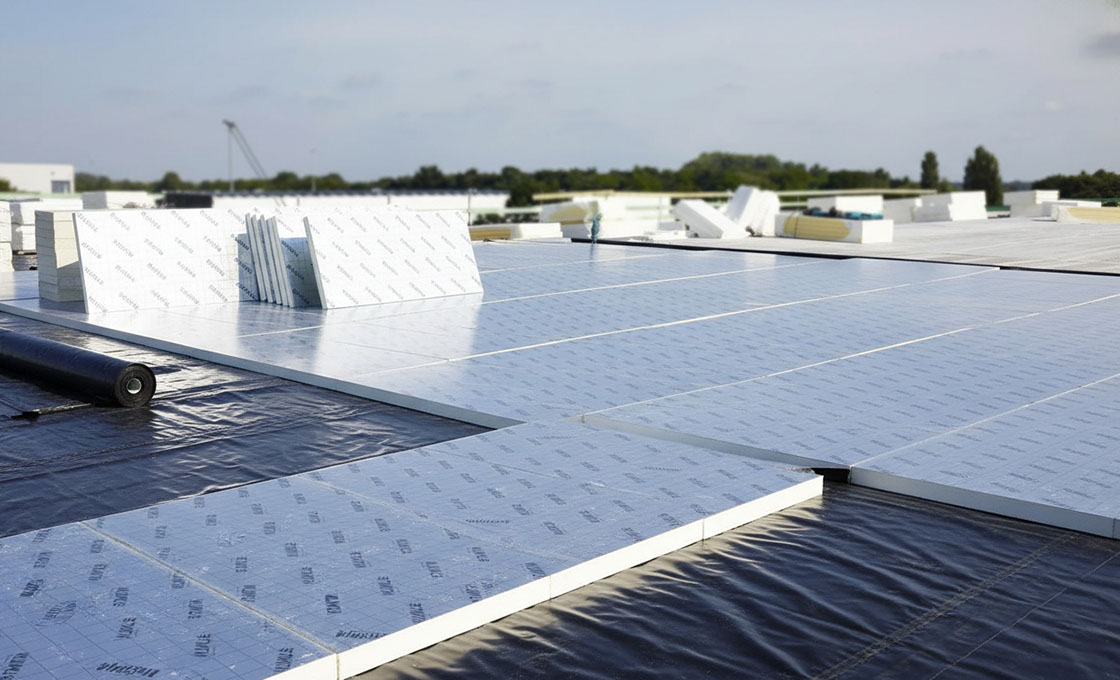
Joint design dictates whether an insulated roof lasts 5 years or 30. The fastener system you select directly controls leak risk, thermal bridging, and long-term maintenance costs.
Standing Seam vs Exposed Fasteners
When we engineer insulated roof panels for vehicle and building applications, the fastener decision comes down to one question: do you want the mechanical hardware inside the weather envelope, or outside of it? Standing seam systems conceal fasteners beneath interlocking panel ribs. Exposed fastener systems drive screws directly through the panel face into the structural substrate. Both have valid use cases, but they behave very differently over a 20-year lifecycle.
Standing seam profiles use a concealed clip that snaps or mechanically seams the panel ribs together. Because no screw penetrates the top skin, the primary water barrier stays intact. This matters enormously on low-slope applications below 3:12 pitch, where water doesn’t shed quickly and instead sits on seams looking for any opening.
For refrigerated truck bodies and mobile homes where roof pitches are nearly flat, standing seam logic applies even if the actual profile differs. We engineer overlapping joints on our GRP/FRP and aluminum foam core panels with the same principle: keep the mechanical connection out of the water path.
Exposed fastener systems are faster to install and reduce material cost. For steep-slope applications where gravity evacuates water rapidly, screws with neoprene washers perform acceptably. But every penetration is a potential failure point. Thermal cycling expands and contracts the metal or composite skin, working those washers loose over thousands of cycles. In markets with extreme heat, where roof surface temperatures exceed 70°C, neoprene degradation accelerates dramatically.
- Standing Seam Advantages: Zero face penetrations, superior wind uplift resistance (clip systems allow thermal movement without stressing fasteners), ideal for pitches below 3:12.
- Standing Seam Trade-offs: Higher material and labor cost, requires specialized seaming equipment or precision-formed profiles from the factory.
- Exposed Fastener Advantages: Lower installed cost, faster assembly, simpler for field modifications, which is relevant for RV and truck body builders doing custom one-off configurations.
- Exposed Fastener Trade-offs: Every screw is a leak candidate over time, washer degradation under UV and thermal stress, reduced wind uplift performance at panel edges.
For our international distributors supplying construction projects in the Middle East and Africa, we consistently recommend standing seam or concealed-fastener joint configurations. The marginal cost increase at the factory is negligible compared to the callback and liability exposure of a leaking commercial roof in Riyadh or Dubai.
For vehicle manufacturers building refrigerated truck bodies at scale, the joint system is engineered into the panel profile itself during production: our engineering team works with the buyer to specify the overlap, sealant channel, and mechanical interlock specific to their frame geometry.
Weatherproofing and Water Resistance
Weatherproofing an insulated roof panel system requires three barriers working simultaneously: the panel skin itself, the joint seal, and the thermal insulation core acting as a secondary moisture buffer. Fail at any layer, and water finds the path of least resistance into the building envelope or vehicle interior.
Joint sealing strategy depends entirely on the panel facing material and the expected thermal movement range. Aluminum and steel skins expand at roughly 0.023 mm/m/°C and 0.012 mm/m/°C respectively. On a 6-meter panel experiencing a 50°C temperature swing, common in desert climates, that translates to 6.9mm of aluminum expansion.
If the joint cannot accommodate that movement, the sealant either tears or separates from the substrate. We specify high-performance sealants with elongation ratings exceeding 300% for exactly this reason. Butyl tape works well as a primary seal between overlapping panel ribs, while gun-applied polyurethane or silicone handles the perimeter details and penetrations.
Condensation is the hidden enemy in insulated roof systems, and it is frequently misdiagnosed as a roof leak. When warm, moisture-laden interior air reaches the cold underside of an exterior metal skin, water condenses. This happens inside the panel if the joint system allows vapor transmission through unsealed gaps.
Our GRP/FRP sandwich panels with gelcoat facings provide an inherent advantage here: the gelcoat creates a continuous, non-porous vapor barrier on both panel skins, blocking moisture ingress at the surface level rather than relying solely on joint sealants to manage the entire vapor load.
- Low-Slope Sealing (under 3:12 pitch): Use standing seam or mechanically interlocked profiles with continuous internal sealant beads. Exposed fasteners are a liability at these pitches: water pools at seam intersections and migrates through screw holes over time.
- Wind Uplift Resistance: Panel clips must be engineered to match the substrate pull-out strength. In high-wind zones, clip spacing tightens to 12 inches on center at panel edges and 24 inches in the field. We test joint configurations to verify performance before shipping custom profiles.
- End Lap Detailing: For panel runs exceeding transport length (typically 12 meters), end laps require a two-stage seal: primary sealant between the overlapping skins plus a secondary weather block on the exterior. Stagger end laps between adjacent rows to prevent a continuous horizontal weak line.
- Penetration Flashing: Every pipe, vent, or structural attachment penetrating the roof skin needs a custom boot or flashing engineered for the specific panel profile. Generic pipe boots rarely seal correctly on ribbed sandwich panels.
The practical reality we communicate to buyers: no joint system is maintenance-free indefinitely. Standing seam systems stretch the maintenance interval to 15–25 years in moderate climates. Exposed fastener systems demand inspection and washer replacement at the 8–12 year mark.
When procurement teams evaluate total cost of ownership, the labor cost of re-sealing an exposed fastener roof across a 5,000 square meter facility dwarfs the initial premium paid for a concealed-fastener system. We help buyers calculate that spread during the specification phase so the decision is driven by data rather than first cost alone.
Climate Considerations for Panel Selection
In extreme climates, panel failure is rarely a material defect. It is almost always a specification mismatch. Selecting the correct facing, core, and coating combination determines whether a panel lasts 5 years or 30.
Hot Climate UV Resistance
In regions like the Middle East, North Africa, and Australia, roof surface temperatures routinely exceed 70°C during peak summer months. At these temperatures, standard paint systems degrade rapidly, leading to chalking, color fade, and eventual substrate corrosion. The coating system you specify is your first and most critical line of defense.
For metal-faced panels, the debate typically centers on PVDF (polyvinylidene fluoride) versus SMP (silicone modified polyester). PVDF coatings retain color and gloss significantly longer under intense UV exposure, making them the standard for projects requiring 20+ year aesthetic lifespans. SMP coatings are more cost-effective but will show visible fading within 5 to 7 years in high-UV environments. For applications where appearance drives resale value, such as mobile homes or commercial building facades, PVDF is the safer specification.
For fiberglass-based panels, the approach shifts entirely. GRP/FRP sheets with a high-quality gelcoat surface layer provide inherent UV resistance without relying on paint systems. The gelcoat cures into a dense, cross-linked polymer that blocks UV penetration while delivering a smooth, waterproof finish. Rax Panel manufactures GRP sheets both with and without gelcoat, and we consistently advise clients in hot climates to opt for the gelcoat variant. The marginal cost increase pays for itself in reduced maintenance callbacks.
Core material selection also matters in sustained heat. PIR foam cores offer superior dimensional stability at elevated temperatures compared to standard PUR (PU) or XPS cores. PIR begins to soften around 150°C, while standard PUR can start to deform at temperatures as low as 100°C. For refrigerated truck bodies operating in desert climates where ambient temperatures hit 50°C and roof surfaces climb much higher, PIR cores provide a necessary thermal safety margin.
- High-UV Coating Hierarchy: PVDF (best) > Gelcoat on GRP (excellent) > SMP (adequate, shorter lifespan)
- Hot Climate Core Stability: PIR > PET > PU/PUR > XPS
- Recommended Minimum R-Value: R-25 to R-30 for roofing in zones where cooling degree days exceed 3000 annually
Cold Climate Condensation Control
Condensation is the silent killer of insulated panel systems in cold climates. When warm interior air migrates through panel joints or thermal bridges and contacts a surface at or below the dew point, liquid water forms inside the wall or roof assembly. Over time, this moisture saturates the core material, destroys thermal performance, and cultivates mold. Misdiagnosing condensation as an external roof leak is a common and costly error that leads to unnecessary replacement.
Preventing condensation requires addressing two factors simultaneously: the thermal resistance of the panel and the air tightness of the installation. Panel thickness directly governs the R-value, and the R-value determines where the dew point falls within the assembly.
If the dew point lands inside the panel core rather than on the interior facing surface, condensation will not occur. For cold climate applications in Northern Europe and North America, we typically recommend foam core thicknesses that deliver a minimum R-25 for walls and R-35 for roofs, ensuring the dew point remains safely within the insulation layer.
Core material selection also influences condensation risk. Closed-cell foam cores, such as PVC, PET, and PU, absorb virtually no moisture even if micro-gaps exist in the panel joints. XPS cores offer the lowest water absorption rates among rigid foams, typically below 0.3% by volume.
Rockwool cores, while excellent for fire resistance, can hold moisture if exposed to sustained condensation, which degrades their thermal performance over time. For cold storage and refrigerated truck applications where interior temperatures are actively held below ambient, a vapor barrier on the warm side of the panel assembly is mandatory.
- Moisture-Resistant Cores: XPS (lowest absorption) < PVC < PET < PU < Rockwool (highest absorption risk)
- Cold Climate Roof R-Value: Minimum R-35 to push dew point into core layer
- Joint Sealing: Continuous sealant beads at all panel-to-panel joints, combined with thermal break fasteners, eliminate the primary condensation pathways
At Rax Panel, our engineering team conducts thermal modeling during the specification phase to map the dew point location within the panel cross-section for your specific climate zone and interior operating temperature. This is not guesswork.
We provide the data before production begins, ensuring the panel thickness and facing combination you order will perform as required in real-world conditions. For refrigerated truck and cold storage clients, this service is standard. We build the thermal profile into the solution, not as an afterthought.

Evaluating Panel Manufacturers
Evaluating a panel manufacturer requires looking past the marketing brochure. Real reliability comes down to in-house testing protocols, transparent load capacities, and the factory’s actual daily output capacity.
Quality Certifications and Testing
When sourcing insulated roof panels or structural composites for commercial construction and specialized vehicles, standard spec sheets are rarely enough. Compliance is the baseline, but the real differentiator is how a manufacturer validates their material claims before the panels leave the factory floor. You need a supplier who subjects their materials to stringent experimental testing to guarantee performance under demanding field conditions.
At Rax Panel, we rely on over 15 years of production experience and a dedicated team of engineers to continuously verify structural and thermal data. We test our GRP, CFRT, and foam core sandwich panels to guarantee specific weight-to-strength ratios and precise thermal resistance. This rigor is vital for commercial builders and industrial planners who require exact roof R-value thickness calculations and guaranteed fire ratings without the risk of on-site failures.
Custom Sizes and Lead Times
Off-the-shelf panels rarely fit the precise requirements of mobile home solutions, truck body assembly, or complex vessel designs without creating unnecessary material waste. Custom sizing is essential, but at many factories, it triggers massive delays due to a lack of in-house engineering or inflexible production lines. International distributors and vehicle manufacturers need predictable turnaround times to keep their own assembly operations running smoothly.
We mitigate these supply chain bottlenecks by utilizing our advanced composite panel production line, which outputs over 1,700 square meters daily. Our engineers work directly with your project data to customize cost-effective solutions, optimizing the core materials and facing skins to fit your exact dimensions. For our global clients, we structure custom cuts and packaging to maximize container space, significantly reducing your total landed cost per square meter.
Conclusion
If you’re supplying hot-climate markets such as the Middle East, Australia, and North Africa, spec PIR-core panels with PVDF-coated steel. PIR delivers higher thermal resistance at thinner profiles than PUR or EPS, and PVDF holds its color integrity three times longer than SMP. That pairing slashes your after-sales complaints and drives repeat orders.
Before you commit to any supplier, demand three documents: thermal conductivity certificates at 75mm thickness, 10,000-hour salt spray test results for the coating, and span tables rated for local wind uplift requirements. Compare those numbers across your shortlist side by side. The manufacturer who provides all three without hesitation is the one worth your container space.
Frequently Asked Questions
What metrics indicate a panel’s thermal performance?
Thermal resistance, measured by R-Value or K-Value, is the primary metric used to evaluate how effectively the panel prevents heat transfer.
Where are insulated metal panels typically applied?
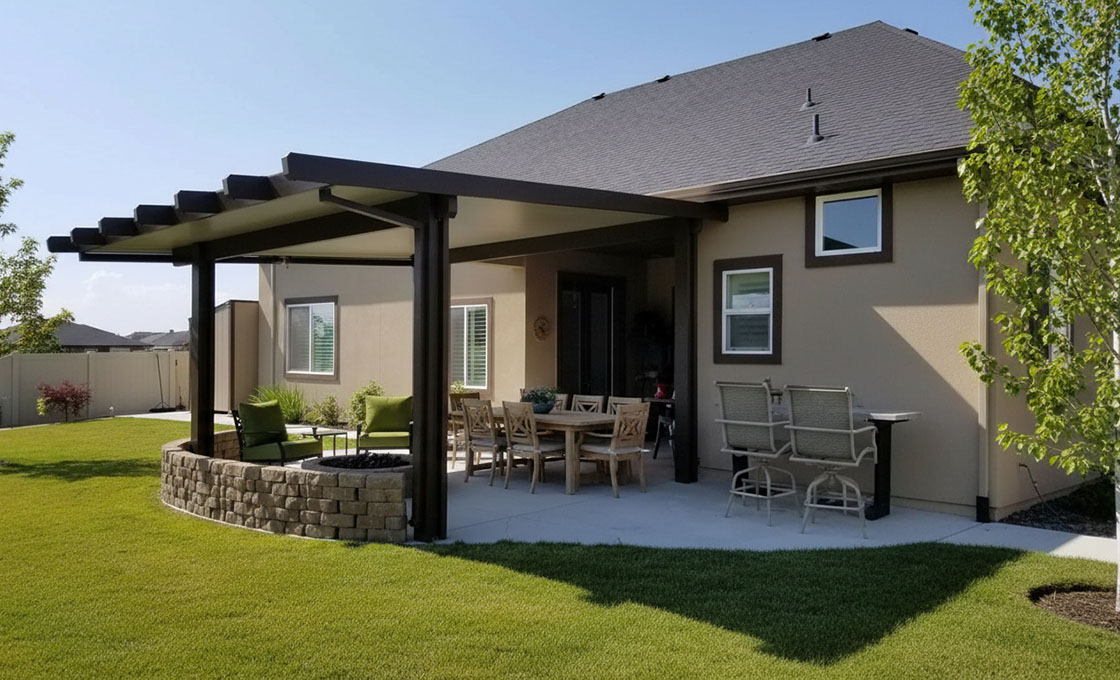
They are widely used in commercial, industrial, and refrigerated buildings, as well as outdoor residential structures like patios and carports.
How do insulated panels improve roof lifespan?
By protecting the building structure from extreme heat and reducing thermal load, insulated panels prevent rapid degradation and extend the roof’s lifespan.
How much does selecting right insulated typically cost?
The cost of selecting right insulated varies based on material grade, thickness, panel dimensions, and order volume. Requesting a detailed quote with your project specifications is the most reliable way to get an accurate figure. Bulk orders typically reduce per-unit pricing significantly.
What factors affect the price of selecting right insulated?
The cost of selecting right insulated varies based on material grade, thickness, panel dimensions, and order volume. Requesting a detailed quote with your project specifications is the most reliable way to get an accurate figure. Bulk orders typically reduce per-unit pricing significantly.