
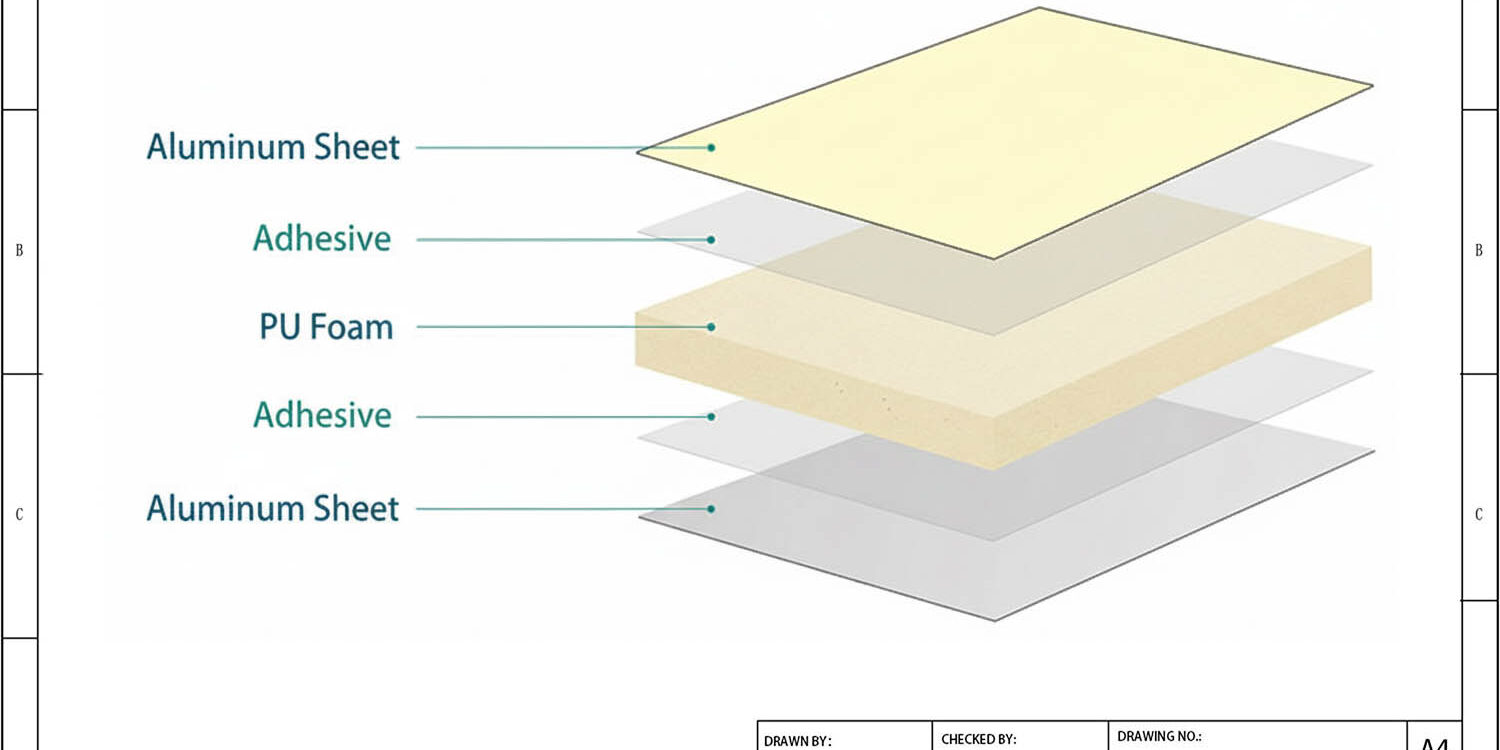
A shipment of skins that varies in thickness by over a millimeter can snap the fasteners on automated routing tools and shut an assembly line for days. When you spec an aluminum sandwich panel for specialized vehicle builds, hitting that ±0.5mm tolerance is the difference between a smooth production run and a very expensive hard stop. Most procurement managers focus strictly on the quoted unit cost per square meter, only to get burned later by delaminating foam cores, hidden freight fees, and load edges crushed during ocean transport.
Here is a breakdown of exactly where your money actually goes, from the production floor to the shipping manifest. This breakdown covers the real manufacturing expenses, comparing standard polyurethane cores against aluminum honeycomb, to show why upgrading to high-end coatings pays for itself on exterior rigs. We will walk through the exact formula for calculating your true cost per usable square meter by subtracting the overlap from the gross dimensions. If you want to calculate your total landed costs accurately and eliminate assembly defects, this is the math you need.
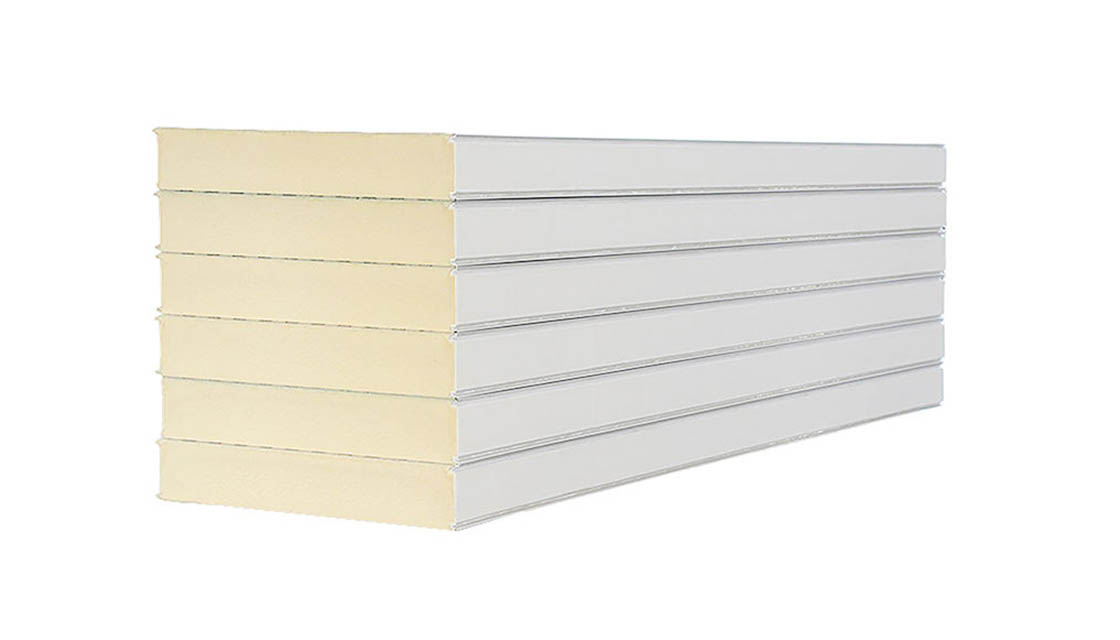
Aluminum Sandwich Panel Market 2026
The global aluminum sandwich panel market is projected to reach USD 13.4 billion by 2035. For OEM buyers, this growth demands a strict focus on total landed costs and supply chain resilience rather than raw material prices alone.
Projected Market Trajectory: The 6.2% CAGR Reality
Current market valuations sit the global aluminum sandwich panel sector at approximately USD 7.9 billion in 2026. Projected growth to USD 13.4 billion by 2035 reflects a steady 6.2% Compound Annual Growth Rate (CAGR). This expansion is not driven by general construction alone. The primary catalyst is the specialized vehicle manufacturing sector, where the ROI of weight reduction is becoming impossible to ignore.
Our analysis shows that while specialized alloy foam panels can cost 2-3 times higher than traditional steel sheets upfront, they reduce overall structural costs by up to 15%. For truck and RV manufacturers, this weight reduction translates directly into fuel savings and higher payload capacities over the vehicle’s lifecycle. High-quality PVDF coatings, which extend panel lifespan to 15-20 years, further solidify the long-term economic argument for international building materials distributors upgrading their inventories.
Supply Chain Consolidation and OEM Pricing Impacts
As demand accelerates, the supply chain is consolidating. Raw material suppliers and coating lines are merging to stabilize output, which fundamentally alters how OEM pricing is structured. For specialized vehicle manufacturers, this consolidation means less volatility in raw aluminum pricing, but stricter negotiations on custom aluminum composite panels for RVs and marine applications.
Veteran buyers are recalculating their Total Cost of Ownership (TCO). They look far beyond the initial FOB vs CIF aluminum panel cost. Why? Because evaluating quotes requires identifying hidden fees, specifically in packaging and yield. Competitors often highlight low per-square-meter rates while ignoring the calculation gap: the difference between gross panel price and actual cost per usable square meter after overlapping joints are cut. Factories that provide precise CNC routed aluminum panel tolerances (strictly maintaining ±0.5mm thickness variation) eliminate the assembly defects that plague production lines.
- Freight Packaging: Consolidated suppliers are standardizing export packaging. Without proper steel strapping and edge protection, flat panels suffer edge damage during ocean freight, driving up actual landed costs.
- Material Yields: Accurate cost calculation formulas require subtracting overlapping areas from gross panel dimensions to find the true usable yield.
- Core Density Pricing: Pricing tiers are heavily dictated by core structures. Expect distinct cost brackets when comparing polyurethane (30-40 kg/m³) against aluminum honeycomb (50-70 kg/m³).
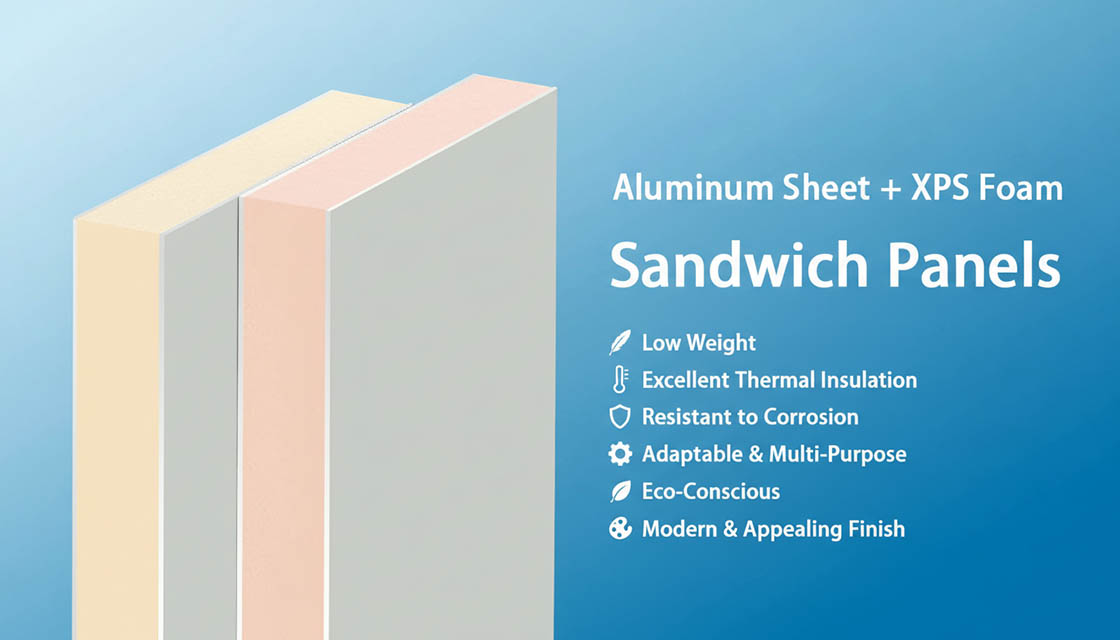
Raw Material Cost Drivers
Core material selection drives up to 70% of your panel’s Total Cost of Ownership. Weighing density against structural ROI is the most critical factor for specialized vehicle manufacturing.
Core Cost Discrepancies: PU Foam vs. PP Honeycomb vs. Aluminum Honeycomb
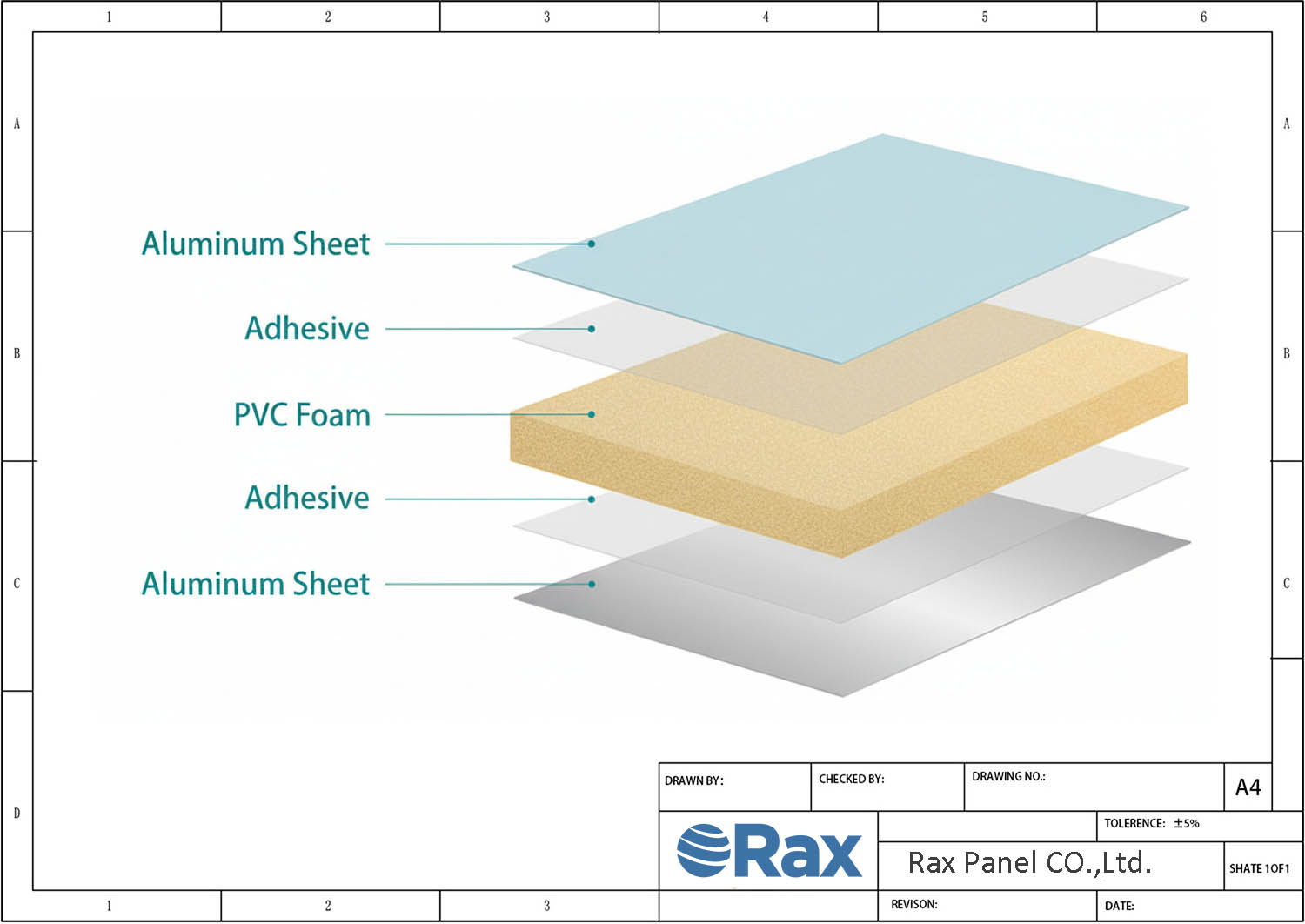
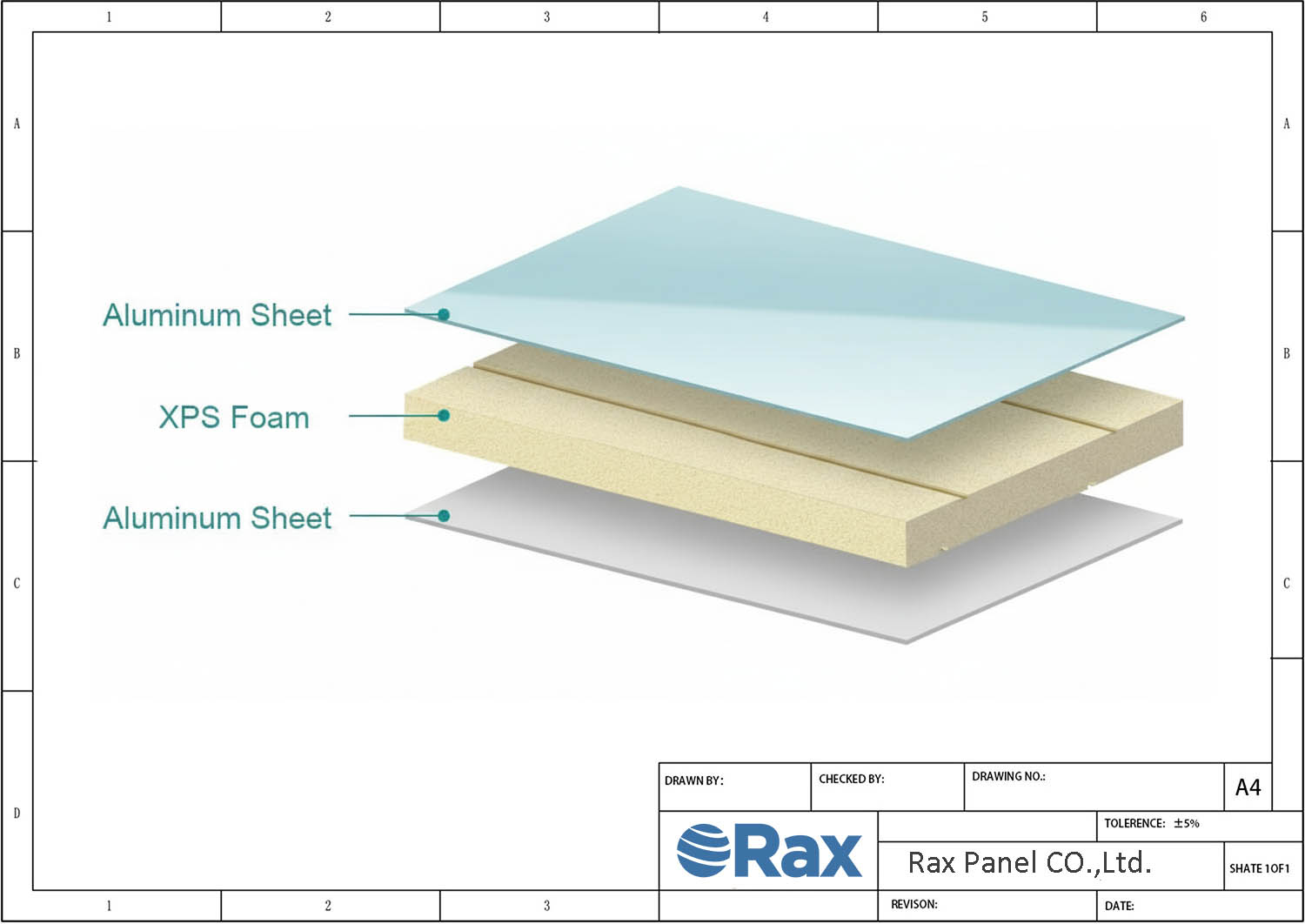
When calculating your aluminum sandwich panel factory cost, the core material dictates the baseline price. Polyurethane (PU) foam is the budget-friendly standard for basic thermal insulation, but it lacks the sheer rigidity required for high-impact vehicle applications. PP honeycomb offers a middle ground, but aluminum honeycomb remains the undisputed standard for weight-to-strength ratio, despite its higher raw material price.
Our analysis shows that while aluminum honeycomb cores carry a premium, they trigger secondary ROI that PU foam simply cannot match. Lightweight core designs can reduce overall structural framing costs by up to 15%. For long-haul truck bodies, this weight reduction translates directly into massive fuel savings over the vehicle’s lifecycle. We advise OEM buyers to evaluate these specific density and cost trade-offs:
- Polyurethane (PU) Foam: Lowest material cost. Core density sits at 30-40 kg/m³. Ideal for static construction or dry freight where sheer structural weight-bearing is less critical.
- PP Honeycomb: Mid-range cost. Offers excellent chemical resistance and moisture immunity, but often requires specialized tooling for custom CNC routed aluminum panel tolerances.
- Aluminum Honeycomb: Highest core cost with a density of 50-70 kg/m³. Provides maximum crush resistance and sheer strength for marine grade aluminum sandwich panel specs, easily justifying the upfront expense through vehicle weight reduction.
Surface Coating ROI: PVDF vs. Polyester (PE)
Never let a lower unit price on Polyester (PE) coatings compromise your final product. PE finishes are standard for interior dry freight applications or temporary site offices. However, PE chalks and degrades rapidly under harsh UV exposure or corrosive marine environments. If you are manufacturing RVs or truck bodies that face constant weather exposure, PE is a false economy that will trigger warranty claims.
High-quality PVDF (Polyvinylidene Fluoride) coatings cost more upfront, but they extend the aluminum composite panel lifespan to 15-20 years. PVDF actively resists UV degradation, color fading, and chemical corrosion from road salts. Veteran OEM buyers calculating Total Cost of Ownership know that specifying PVDF protects their brand reputation and drastically lowers long-term maintenance costs for their fleet customers.
| Cost Driver | Material Options | Cost Impact | Strategic Value |
|---|---|---|---|
| Core Structure Material | Aluminum Honeycomb (50-70 kg/m³) vs, PU Foam (30-40 kg/m³) | Specialized cores cost 2-3x more than traditional steel sheets. | Reduces structural costs by up to 15% and lowers vehicle fuel consumption. |
| Surface Coating Application | High-Quality PVDF vs. Standard PE Finishes | Premium PVDF coatings require a higher initial material investment. | Extends panel lifespan to 15-20 years, lowering long-term Total Cost of Ownership (TCO). |
| Base Aluminum Alloy | Marine Grade vs. Standard Commercial Alloys | High-grade alloys drive up the base cost per square meter. | Guarantees precise tolerances (±0.5mm) and prevents assembly halts due to inconsistent thickness. |
| Protective Packaging Materials | Specialized Edge Protection for Flat Panels | Adds a necessary margin to FOB and CIF pricing. | Prevents hidden fees and production delays caused by edge damage during ocean freight. |
| Fabrication and Material Yields | Custom CNC Routed Cuts vs. Gross Standard Dimensions | Requires precise calculation to subtract overlapping areas from gross dimensions. | Closes the calculation gap, ensuring an accurate cost per usable square meter. |
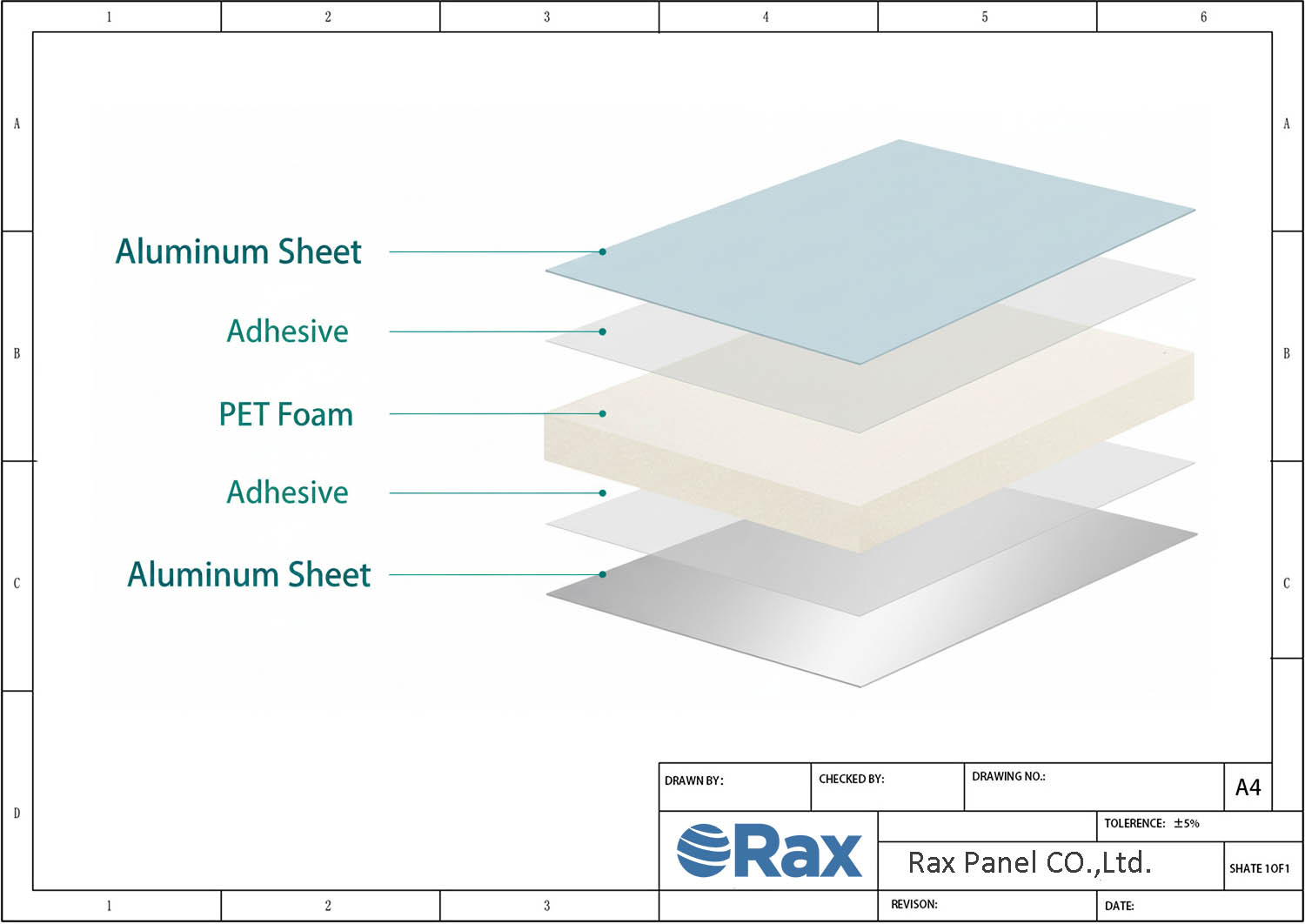
Factory Pricing: FOB vs CIF Calculations
OEM buyers frequently get trapped paying for gross dimensions, completely ignoring the math of overlapping joints. True cost per square meter requires calculating the actual usable footprint.
Calculating Total Area: Useful Dimensions vs. Gross Dimensions
When quoting an aluminum sandwich panel, factories typically price the sheet based on its gross rectangular size. For specialized vehicle manufacturing, you are paying for the entire sheet but only utilizing the net footprint after seams overlap during assembly.
If you are ordering custom CNC routed aluminum panel profiles with a strict ±0.5mm tolerance, the overlap zones effectively become expensive waste material. To establish an accurate baseline for comparing FOB vs CIF aluminum panel costs, you must calculate the total area using useful dimensions rather than the gross dimensions listed on the commercial invoice.
Our analysis shows that ignoring this calculation gap artificially lowers the perceived unit price while drastically inflating the Total Cost of Ownership. Veteran buyers strictly enforce a cost calculation formula that subtracts overlapping areas from gross panel dimensions before committing to a bulk MOQ.
Negotiating Hidden Tooling and Mold Fees for Custom Profiles
When transitioning from standard marine grade aluminum sandwich panels to highly customized profiles for lightweight truck bodies, tooling costs inevitably enter the equation. The initial FOB price rarely includes the capital investment required for custom extrusion or press molds.
We recommend isolating these tooling fees immediately during the negotiation phase. Some suppliers amortize the mold cost into your first bulk aluminum sandwich panel MOQ, which completely skews your initial unit cost metrics. You must request a transparent breakdown separating the one-time tooling fee from the recurring per-square-meter panel cost.
- Ownership: Ensure you retain full ownership of the custom molds if you paid for the tooling in full.
- Storage and Maintenance: Clarify exact terms regarding liability for mold wear and tear over extended production runs.
- Tolerance Guarantees: Bind the tooling fee to the strict delivery of ±0.5mm thickness variation tolerances required for seamless OEM assembly.
Managing these specific variables ensures your landed CIF calculations remain accurate and free of surprise surcharges that destroy projected margins.
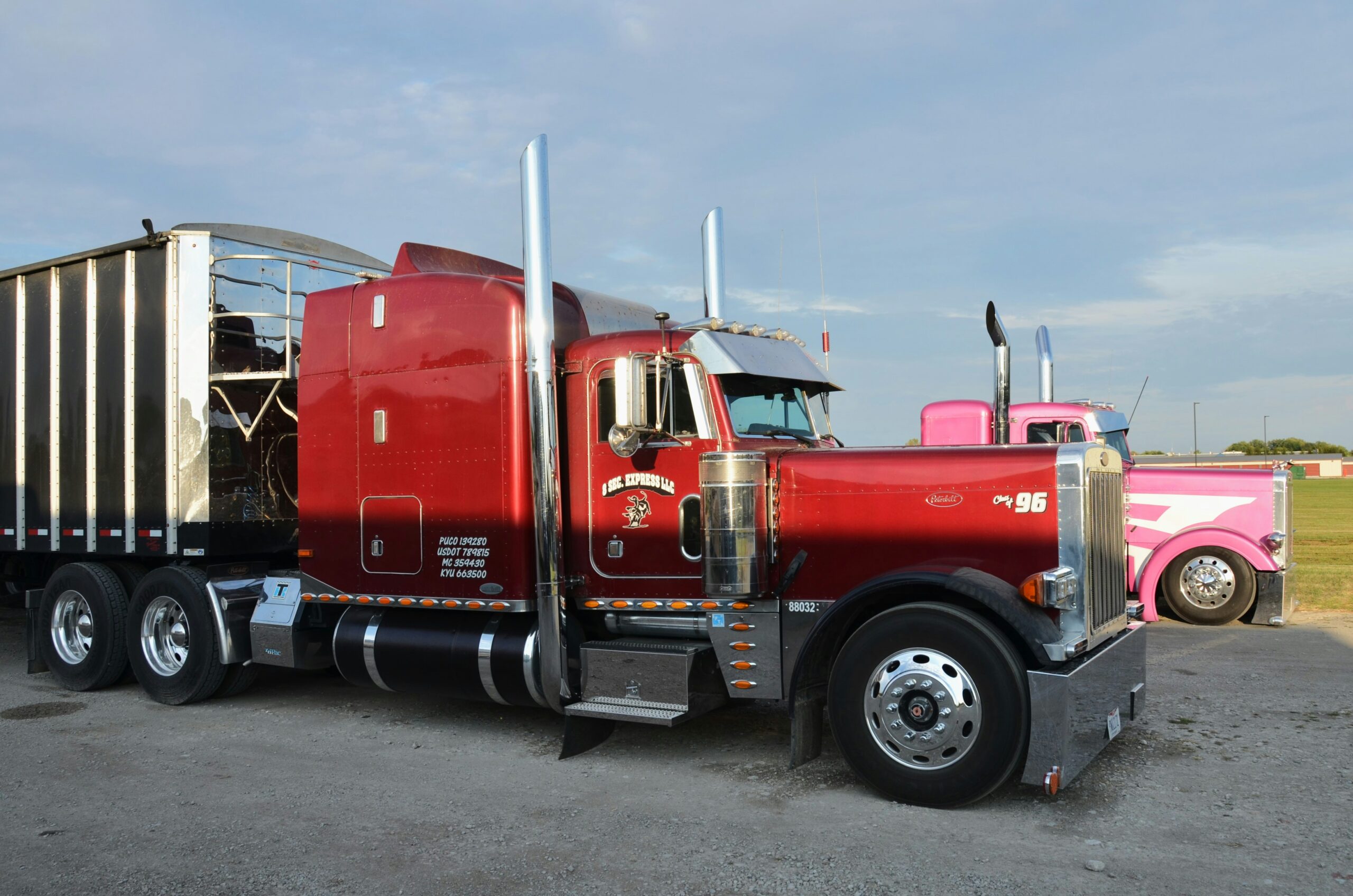
Weight-to-Strength ROI for Vehicles
Switching from traditional plywood to aluminum sandwich panels drastically reduces vehicle tare weight, driving down lifecycle costs and increasing payload capacity over the vehicle’s operational lifespan.
Plywood vs. Aluminum Composites: Lifecycle Cost Analysis
When outfitting truck bodies or marine vessels, the initial price per square meter of marine-grade plywood looks attractive. Yet, plywood absorbs moisture over time, increasing its dead weight and degrading structural integrity. Aluminum sandwich panels, featuring cores like aluminum honeycomb (50-70 kg/m³) or polyurethane foam (30-40 kg/m³), remain dimensionally stable throughout the vehicle’s life. This stability eliminates the hidden replacement costs associated with rotting wood substrates.
Veteran OEM buyers calculate Total Cost of Ownership (TCO) rather than reacting to the raw FOB price. A custom aluminum composite panel for an RV or truck body carries a higher upfront cost than wood, but its structural lifespan easily exceeds 15-20 years when protected with high-quality PVDF coatings. This longevity drastically reduces the frequency of fleet overhauls, while maintaining strict CNC routed tolerances (±0.5mm) for seamless, defect-free assembly on the production line.
Secondary ROI: Chassis Downgauging and Fuel Efficiency
Shedding kilos from the body shell creates a domino effect of financial savings for specialized vehicle manufacturers. By integrating lightweight core materials, engineers can safely specify lighter chassis components and suspension systems to support the overall structure. Our engineering analysis indicates that optimized lightweight core designs can reduce secondary structural costs by up to 15%, directly offsetting the premium paid for advanced composite materials.
The operational mathematics for the end-user are straightforward. A lighter vehicle requires less fuel to move the same distance, or conversely, allows for a higher legal payload per trip. When evaluating bulk aluminum sandwich panel MOQs, procurement teams must factor in these lifetime fuel savings to justify the initial material investment.
- Fuel economy: A lower tare weight decreases engine strain, yielding measurable fuel savings over a standard commercial lifecycle.
- Payload maximization: Operators generate more revenue per trip by legally carrying heavier cargo within gross vehicle weight restrictions.
- Chassis optimization: Lighter superstructures allow for the specification of narrower chassis rails and smaller brake assemblies.
Quality Control & Tolerances
Inconsistent thickness does not just ruin a single panel; it halts automated assembly lines and destroys your per-unit margins. Maintaining strict ±0.5mm tolerances is a prerequisite for controlling Total Cost of Ownership (TCO).
The Hidden Line-Item Cost of Thickness Variation
When specialized vehicle manufacturers feed materials into CNC routing machines, even a 1mm variance triggers a cascading failure. A panel that is too thick jams automated tool paths, while an under-thickness panel leaves gaps in sealant joints, compromising the thermal insulation of the vehicle structure. This inconsistency forces line supervisors to halt production, manually measure batches, and recalculate tool offsets.
- Adhesive Waste: Structural bonding fails when joint gaps fluctuate, leading to expensive adhesive over-application or complete joint failure.
- Hardware Misalignment: Pre-punched holes for fasteners rely on exact CNC routed aluminum panel tolerances. Warped or out-of-spec panels strip screws and snap hardware during truck body assembly.
- Line Downtime: Re-routing misaligned marine grade aluminum sandwich panels costs specialized vehicle manufacturers more in lost labor time than the raw material itself.
How Precise Factory Tolerances Protect Your Margins
Our analysis shows that strict adherence to a ±0.5mm thickness variation limit eliminates the “fit-up” phase on the factory floor. When you order custom aluminum composite panels for RV or truck bodies, consistency allows your procurement team to calculate the exact cost per usable square meter without factoring in a waste ratio for rejected parts. It ensures that the aluminum honeycomb or foam core density remains uniform across the entire batch, guaranteeing predictable weight reduction metrics.
- Reduced Rework Costs: Exact tolerances mean panels fit into jigs on the first attempt, dropping your assembly defect rate to near zero.
- Packaging Efficiency: Uniform panels allow for dense, secure palletization, significantly lowering FOB vs CIF aluminum panel freight costs by preventing dead space.
- Predictable Lifecycle: Consistent surface thickness ensures uniform application of high-quality PVDF coatings, directly contributing to the stated 15-20 year aluminum composite panel lifespan without premature edge corrosion.
We recommend verifying a supplier’s ISO 9001 and CE certifications, but more importantly, demand actual batch reports. Verifiable data from factory testing ensures you are paying for structural integrity and predictable assembly, not just raw materials.
International Shipping & Packaging Costs
Freight damage destroys margins instantly. Custom reinforced crating is a mandatory line item to protect flat aluminum sandwich panels from edge bending and core compression during ocean transit.
Preventing Edge Damage and Bending Using Reinforced Crating
When shipping flat aluminum sandwich panels, the edges and corners act as structural Achilles’ heels. A minor forklift impact during loading or container shifts at sea will bend the aluminum skins and compress the honeycomb or foam core. For specialized vehicle manufacturers, a dented edge means the panel will fail to align during CNC assembly, directly driving up your assembly defect rate and halting production lines.
We mandate reinforced steel-and-plywood crating for all FOB and CIF shipments. Standard wooden pallets warp under the sheer weight of stacked panels, transferring stress to the bottom units. Reinforced crates distribute vertical load forces evenly across the entire panel face, maintaining the strict ±0.5mm thickness tolerance required for OEM assembly.
- Edge Protection: Heavy-duty corrugated cardboard and steel strapping seals panel perimeters.
- Moisture Barrier: VCI anti-corrosion paper prevents oxidation on marine-grade aluminum skins during transit.
- Load Distribution: Horizontal separators prevent surface scratching and friction between stacked panels.
Container Loading Optimization: Flat-Pack vs. Palletized Loading
Ocean freight operates on volume (CBM) and weight limits. How you configure the load inside a 40HC container dictates your final landed cost per square meter. RAX Panel engineers assess the panel dimensions to recommend the highest-yield packing method before production begins.
Flat-pack loading (horizontal stacking) is the default method for full container loads of truck body and RV panels. By stacking panels directly onto the container floor and bracing them against the walls, you eliminate the dead space occupied by pallets. This approach maximizes the payload, often yielding 10-15% more usable square footage per container compared to palletized loads. It directly lowers your freight cost per panel.
Palletized loading is reserved for mixed orders, such as LCL (Less than Container Load) shipments or fulfillment to local building materials distributors who require rapid forklift unloading. While pallets reduce unloading time at the destination port, they consume valuable volume. We use custom-sized pallets that match the exact width of the panels to minimize wasted space and prevent shifting.
| Cost Factor | Specification | ROI Benefit |
|---|---|---|
| Freight Packaging | Export wooden pallets, steel strapping, edge protectors | Prevents edge damage during ocean freight, eliminating hidden replacement costs |
| Incoterm Structure | FOB (Factory) vs. CIF (Delivered) options | Clarifies Total Cost of Ownership (TCO) and prevents unexpected hidden fees |
| Container Load Optimization | High-density loading in 40ft HC containers | Maximizes panel volume per shipment to reduce freight cost per square meter |
| Lightweight Core Utilization | PU Foam (30-40 kg/m³) vs Aluminum Honeycomb (50-70 kg/m³) | Stays under maximum payload limits, saving up to 15% on structural & freight costs |
| Pre-Shipment Tolerances | Quality control checks for ±0.5mm thickness variation | Ensures panels fit CNC profiles exactly, mitigating damage-related assembly defects |
Conclusion
Stop chasing the lowest raw sheet price. The math is simple: aluminum sandwich panels with honeycomb cores cost more upfront than standard foam, but they drop structural weight by up to 15%. That specific weight reduction directly lowers fuel consumption and boosts payload capacity for your truck bodies across the entire fleet lifecycle.
Before you place an order, ask your supplier for a physical sample of a CNC-routed joint. Measure that cut edge with calipers to verify the ±0.5mm thickness tolerance, because any deviation will halt your assembly line. You also need to mandate custom crating for ocean freight to protect those vulnerable panel edges from dents and hidden shipping damage.
Frequently Asked Questions
What is the cost of a sandwich panel?
Cost varies by core material. Polyurethane foam cores range $10-$25/sqm, while high-strength aluminum honeycomb cores range $35-$80/sqm, excluding shipping and custom cutting fees.
How to calculate sandwich panel?
Divide the total surface area by the useful dimensions of the sandwich panels (discounting the overlapping areas). Example: If the useful length is 1 meter and you need to cover 10 meters, you need 10 panels.
What is the market for aluminum composite panels?
The market is estimated at USD 7.9 billion in 2026 and is projected to reach USD 9.14 billion in 2026, growing at a 6.2% CAGR, driven by construction and transportation sectors.
What is the lifespan of aluminum composite panels?
Standard aluminum composite panels last about 10 years, but high-quality panels with PVDF coating can exceed 15-20 years with minimal maintenance.
How do I calculate my panel size for shipping?
Calculate the total area by multiplying length by width, then account for a 5-10% waste factor for overlapping joints. For container shipping, prioritize standard panel widths to optimize pallet loading.