
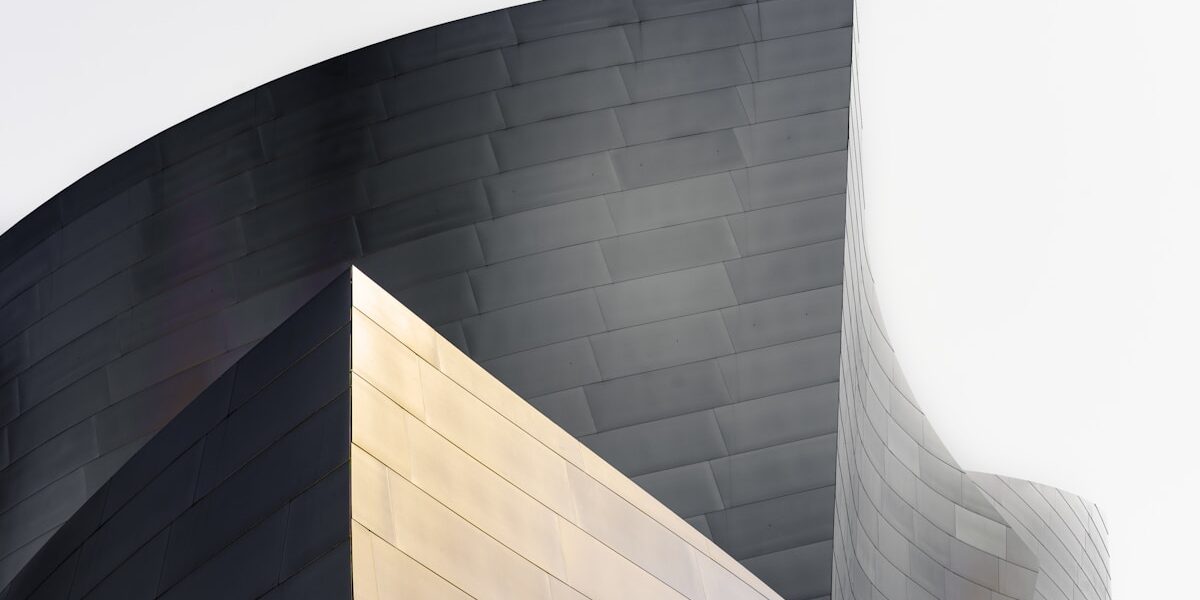
If you have spent any time specifying facade cladding, you have run into the name ALPOLIC. It appears in architect drawings, tender documents and material schedules — often written as if it were a material rather than a brand. So what exactly is an ALPOLIC panel, how does it relate to the ACP panels most factories produce, and when does the brand name matter for your project?
ALPOLIC is a brand of aluminum composite panel
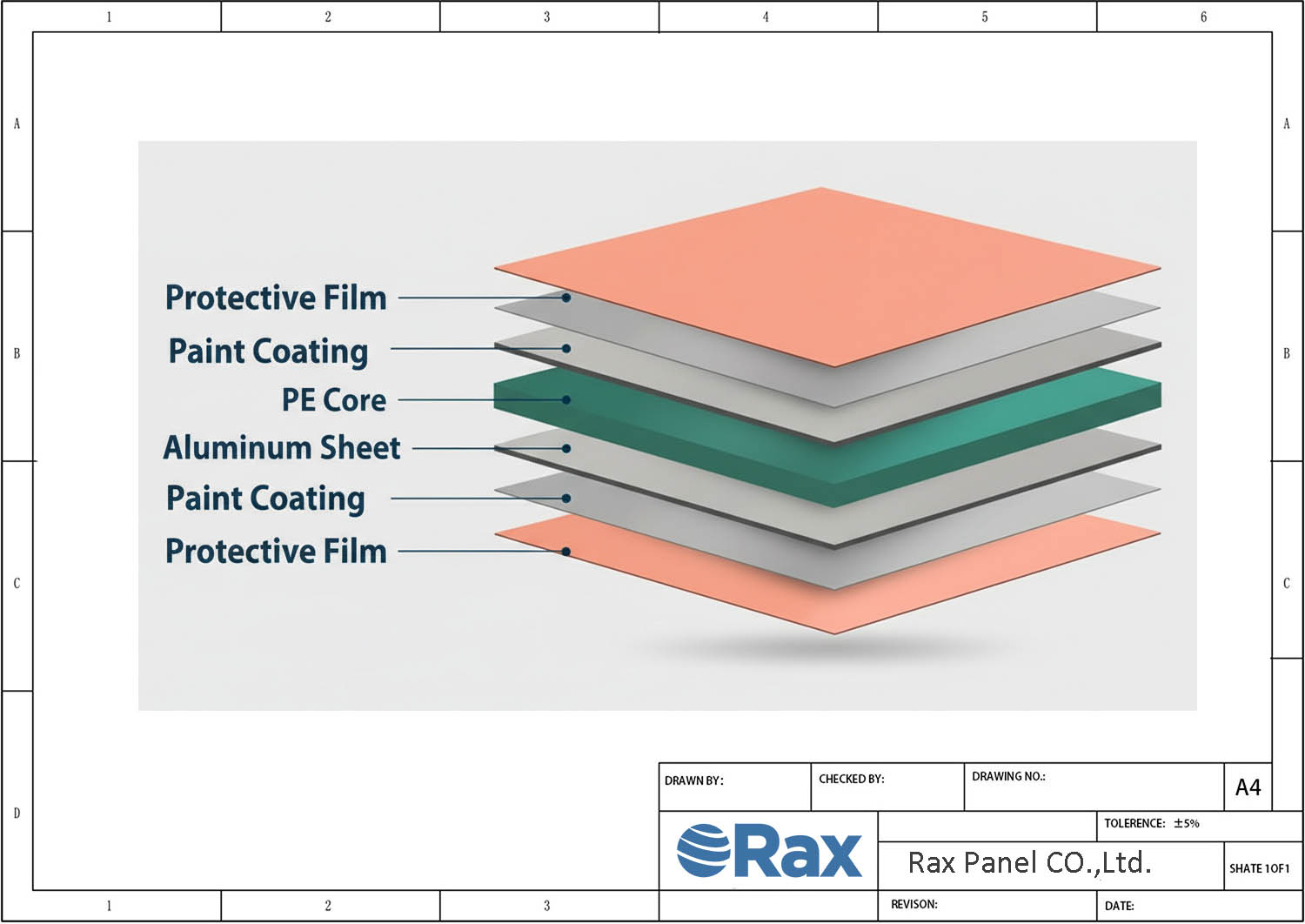
ALPOLIC is a registered trademark for aluminum composite panels — the same product category buyers usually call ACP or ACM panels. The structure is the familiar sandwich: two aluminum skins bonded to a thermoplastic or mineral-filled core. The name has become so common in specifications that many people say “ALPOLIC panel” the way they say “mini cooper” for a class of car.
This matters commercially: when a tender lists “ALPOLIC” it is usually asking for that class of product and its documentation standards, not necessarily restricting the supplier to one brand. Contractors and developers regularly substitute equivalent ACP products during procurement, provided the substitute meets the specified performance requirements — core type, thickness, coating system and fire classification.
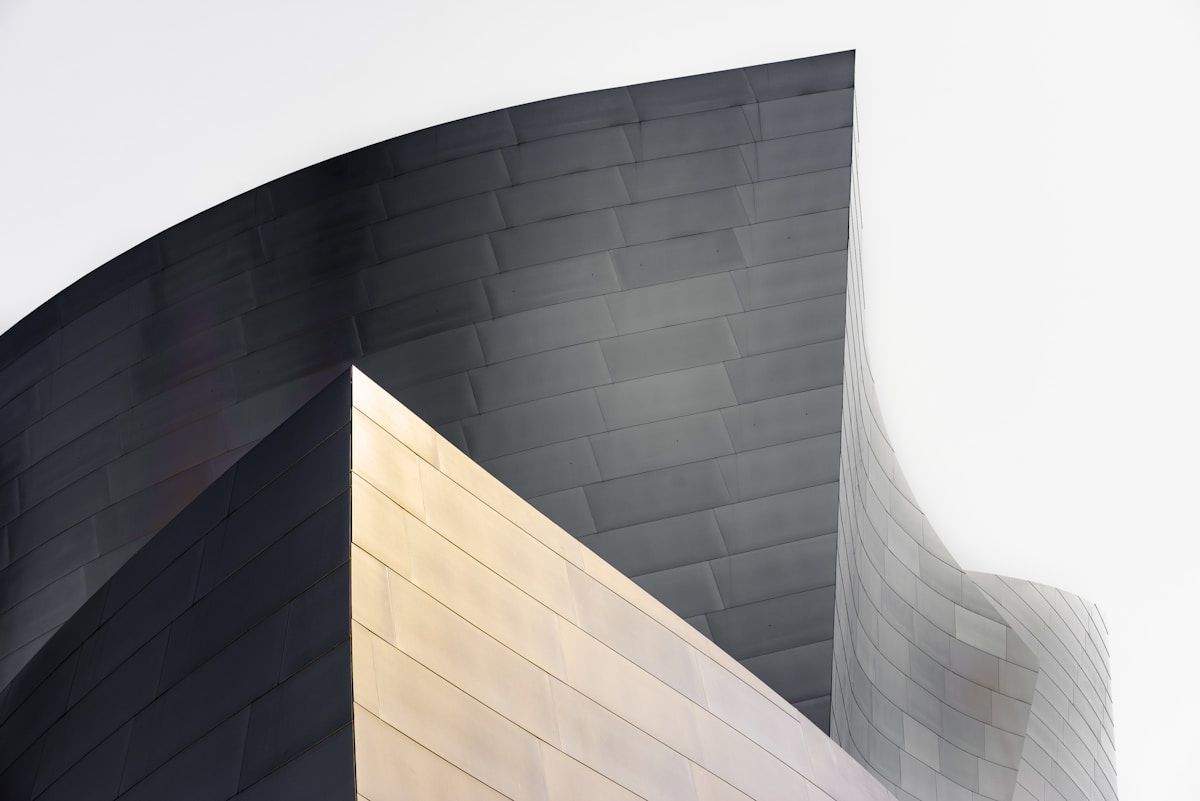
What the category offers: the typical ALPOLIC-type panel
Whatever the brand name on the label, a quality aluminum composite panel in this class shares the same defining characteristics:
- Flatness: the composite structure resists the oil-canning and waviness that affect single-skin aluminum sheet, which is why facades made from it look so clean.
- Lightweight rigidity: a 4mm panel weighs only a few kilograms per square meter, yet spans framing like a much heavier sheet.
- Coating quality: factory-applied PVDF-class finishes hold color on exterior facades for years.
- Workability: panels route, fold and curve on standard fabrication equipment, enabling cassettes, columns and curved features.
- Core options: polyethylene cores for interior and low-rise use, mineral-filled flame-retardant cores for facades with fire-code requirements.
Where brands genuinely differ
Brand-name panels and equivalent ACP products can differ in three practical areas, and these are the ones to compare rather than the name itself:
- Core chemistry: the difference between a PE core and a mineral-filled FR core is the single biggest performance variable in this product category, bigger than any branding. Compare cores like-for-like.
- Skin thickness: two “4mm” panels can carry different aluminum content. Skin thickness drives dent resistance and long-term flatness.
- Coating system and warranty: finish quality decides how the facade looks in year ten, so compare coating type and the warranty behind it.
If you are weighing this category against alternatives, our comparison of aluminum composite and phenolic panels covers how the different facade sheet materials trade off fire behavior, weight and cost.
How buyers actually use this
In practice, the smartest procurement route is specification by performance rather than by brand. Write the requirement as: aluminum composite panel, Xmm total thickness, Ymm aluminum skins, mineral-filled FR core (for facade use), PVDF-class coating, with the fire classification your local code requires. Then compare suppliers who can document all of it.
That is the route most of our customers take. RaxPanel manufactures aluminum composite panels and the wider family of composite sandwich panels — supplying manufacturers and distributors in 30+ countries with custom core, skin and dimension combinations. If your project references a brand-name panel and you want an equivalent documented to the same performance points, send us the specification; our engineers respond within 24 hours with a like-for-like proposal.