
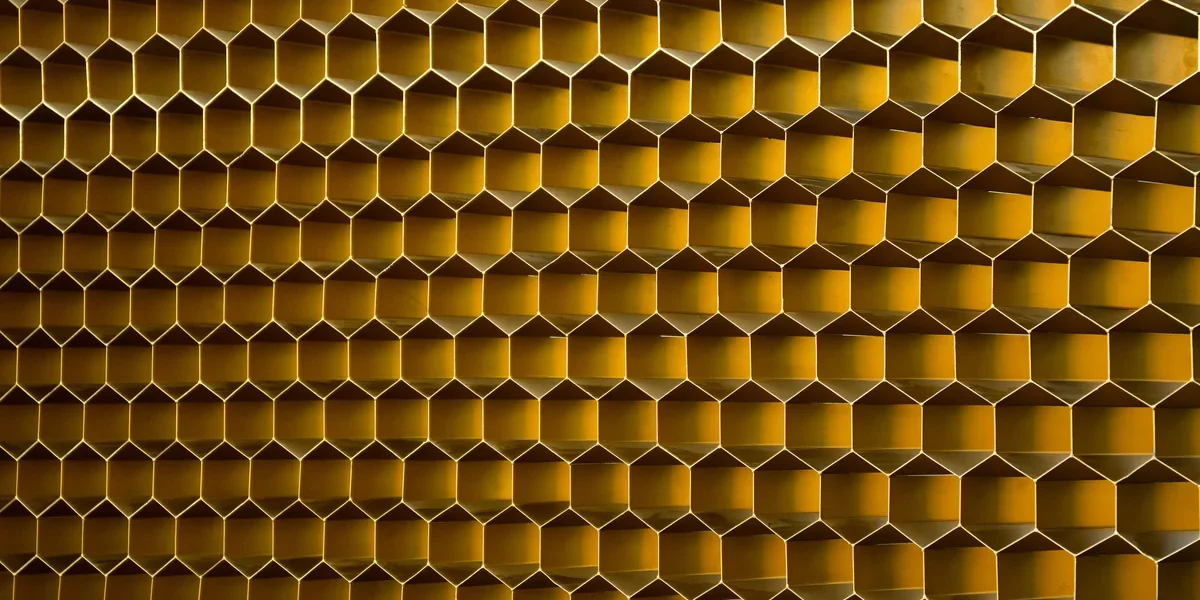
Facade quotations arrive looking identical until the wind arrives, and then the panel with real stiffness stays flat while its cheaper twin ripples. That difference traces to six verifiable properties, and the ranking below scores each one. Read it before the next aluminum honeycomb panel performance advantages debate reaches your inbox.
RaxPanel laminates aluminum honeycomb panels on its own press lines, and the same six properties open every quotation we write. Each advantage below carries its number or its named standard, because an advantage that cannot be printed on a datasheet is marketing. Buyers who hold suppliers to this scorecard stop comparing photographs.
Six Advantages, One Honest Scorecard
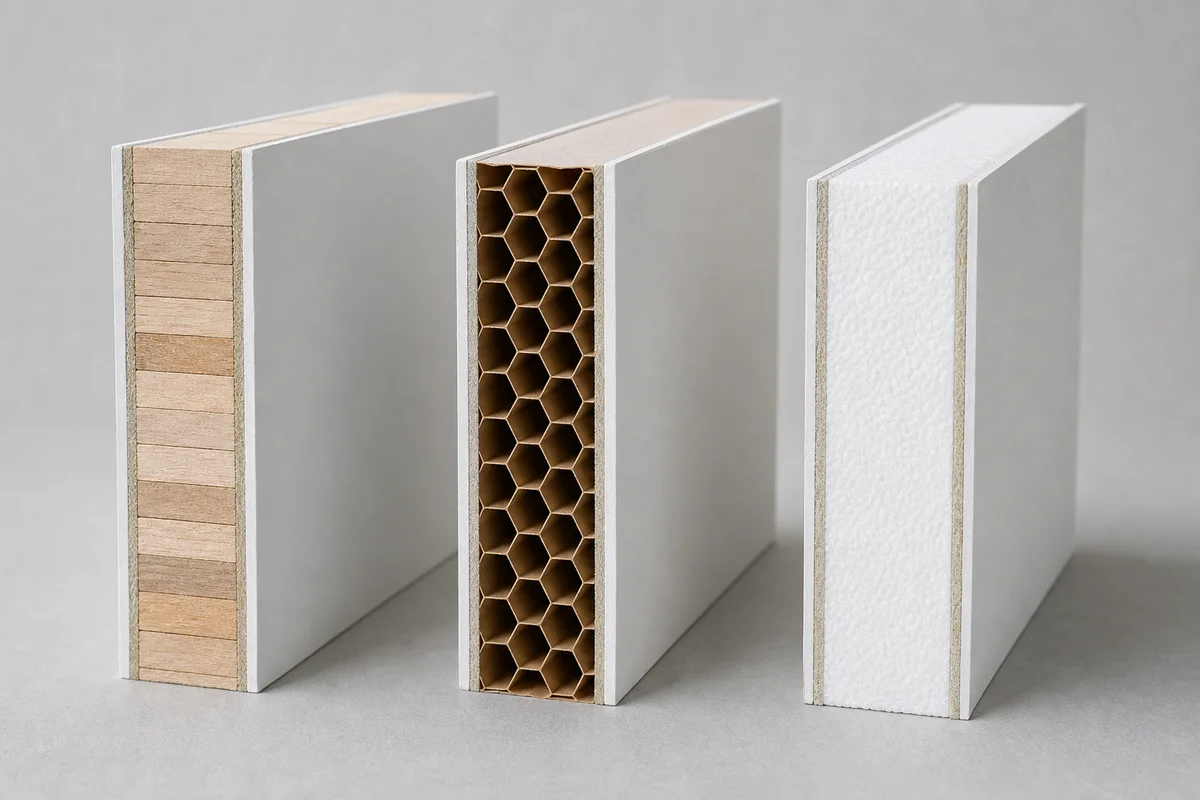
The ranking follows buying consequence, not brochure order. A property earns its position by how often it changes a purchase decision in the real market.
- Stiffness to weight – the structural reason the panel exists.
- Flatness at size – what the facade shows at sunset.
- An all-metal build – a fire story told without a polymer core.
- Alloy and finish life – decades, not seasons.
- Recyclability – end-of-life without separation cost.
- Verifiable bond strength – the number with a standard attached.
The first two come from geometry, the middle two from material choice, and the last two from process discipline. These six lines are where the aluminum honeycomb panel performance advantages actually live – and together they explain most of the price gap between a honeycomb panel and ordinary sheet.
Read the ranking as a purchasing instrument rather than a compliment. Each entry names the number that proves it, because advantages that cannot be printed cannot be enforced. Suppliers who fill the whole scorecard in writing have already separated themselves from the suppliers who send photographs.
Stiffness to Weight Beats Solid Plate
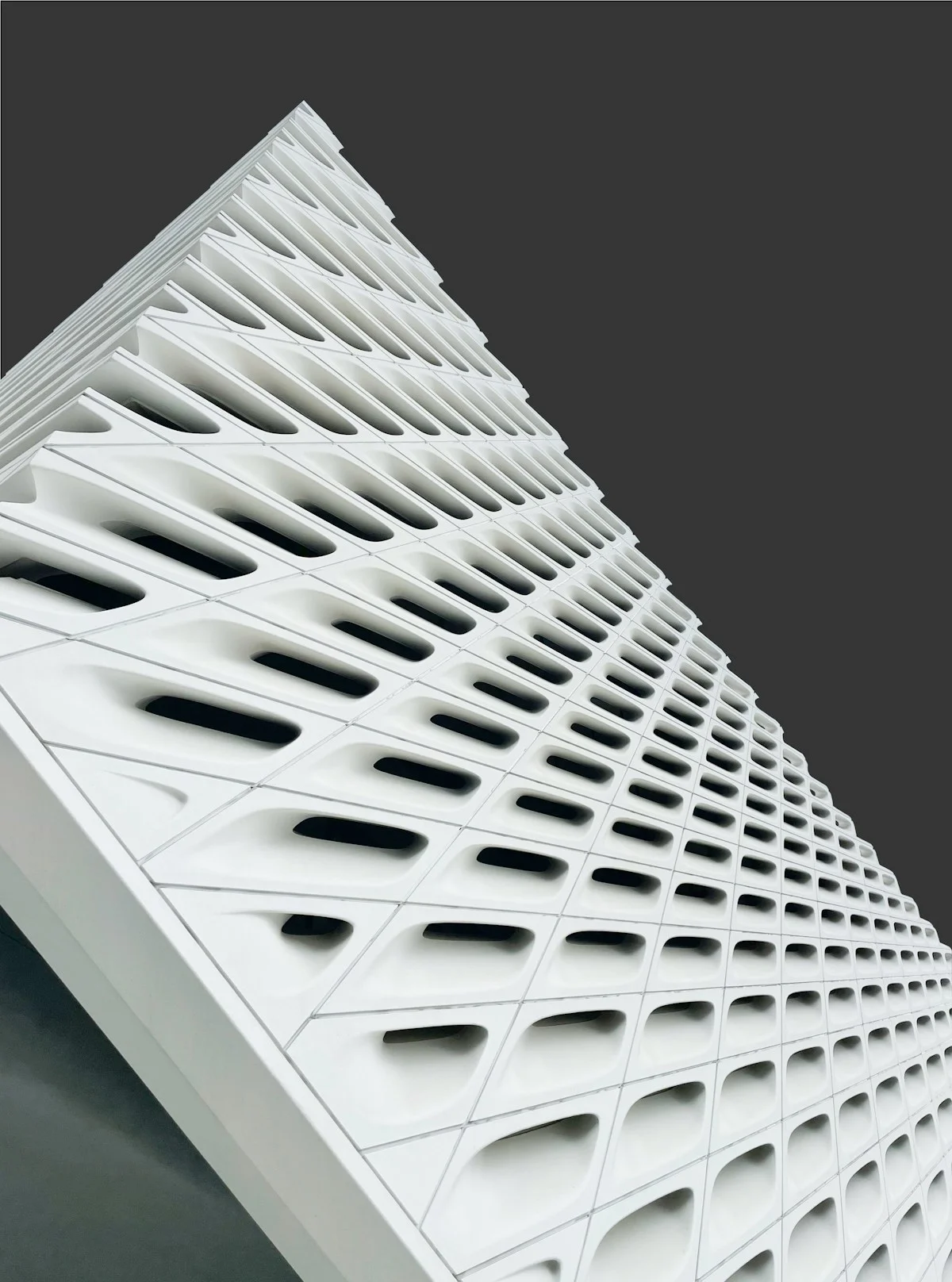
Separate two thin skins with a honeycomb core and the section suddenly works like a deep beam. The mechanics are settled: in-plane stiffness scales with the cube of the thickness-to-cell ratio, which is why a few millimetres of core outperform far heavier solid sheet on a span. The full scaling law sits in the engineering guide.
The payoff lands in three places at once. Subframes tighten less, freight shrinks per square meter, and installers handle panels without a crew of four. Transport applications feel it hardest in a good way: a truck body panel that spans a chassis cutout holds road pressure that would oil-can a thinner sheet. How strong the panel is depends on load type, but on bending across a span, the geometry wins before the alloy enters the conversation.
Ask the supplier to express the advantage as a span table instead of a slogan. A panel quoted with a deflection figure at your real span has already done the engineering. A panel quoted with only weight per square meter is asking you to do it after delivery. The difference in paperwork is small. The difference in handover scenes is not.
Flatness That Survives Oversized Panels
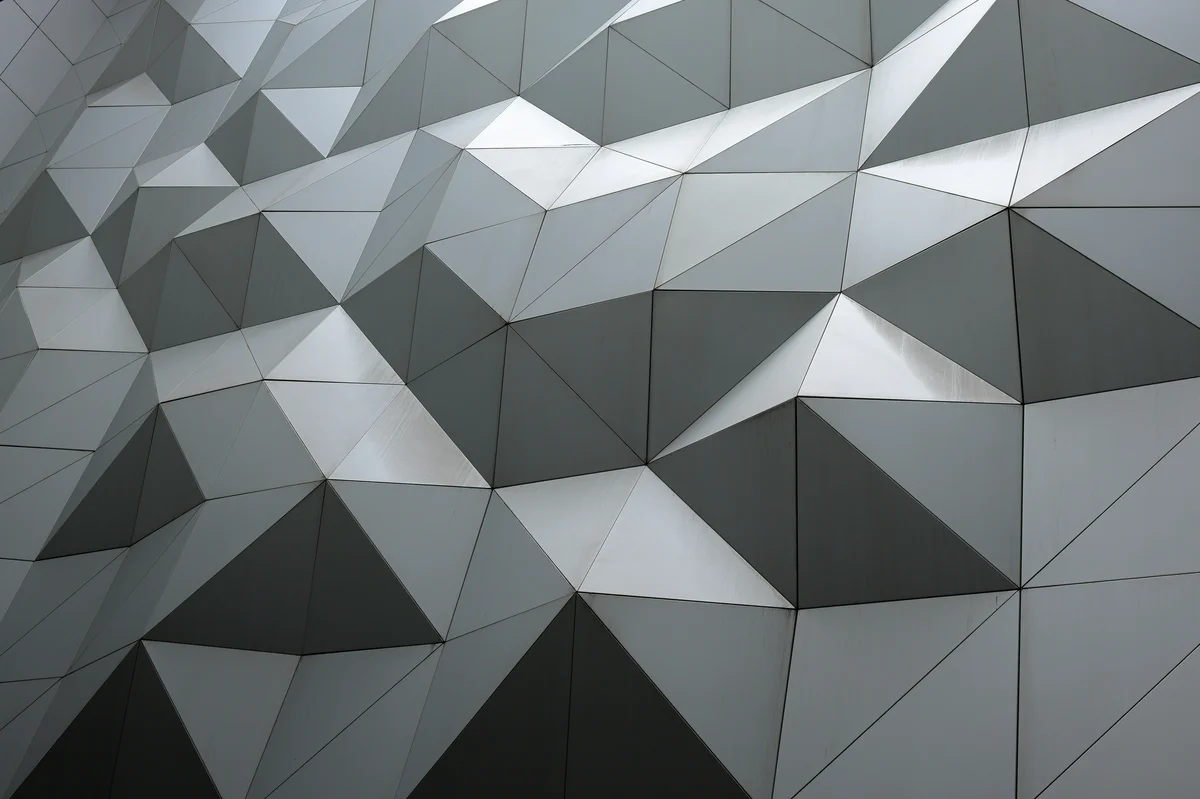
Flatness is where honeycomb quietly takes jobs from every other facade material. Because the core itself is the stiffener, large panels hold plane without intermediate ribs or backup structure. RaxPanel laminates panels up to 1,500 by 4,000 mm that stay flat edge to edge.
Anyone who has judged a facade at sunset knows the test. Low light exaggerates every wave, and a panel that looked flat at noon reads like water at six in the evening. Honeycomb holds its line under that audit, which is why prestige facades keep specifying it. Flatness is one of those aluminum honeycomb panel performance advantages that only shows up in raking light – and only disappears in complaints.
The same flatness pays indoors, where lobby ceilings and lift cores put large panels at eye level. Backlit transits and reflective finishes exaggerate substrate waves even more than facade stone does. One core property covers both exposures, which simplifies the specification on mixed projects.
Flatness is also the advantage with the cheapest verification. Stand at the finished elevation with the sun low and look for broken reflections; a flat panel shows one continuous sheen. The test needs no instruments, which is exactly why suppliers who trust their line invite it.
An All-Metal Build Changes the Fire Story

The fire conversation on cladding is really a conversation about cores. Industry guidance summarized after the Grenfell inquiry caps PE-core sheet near ten metres, admits FR cores to roughly thirty, and pushes A2 mineral cores higher still. An aluminum honeycomb panel has no polymer core at all – skins and core are metal – so the material that fire codes target is absent by construction.
That advantage never replaces the project fire strategy. Local codes still govern, attachments and cavities still matter, and honest suppliers say so. What the all-metal build removes is the specific risk that turned PE-core cladding into a global recall.
Warning: all-metal construction is not a certificate. Confirm the panel against the project fire specification and keep the named standard in the file.
Corrosion and Finish Life in Alloys
The alloys do quiet work here. RaxPanel honeycomb panels run 3003-H18 foil in the core with 3003-H14 or 5005-H34 skins, temper choices that hold strength and finish at the same time. Coatings then set the calendar: PVDF fluoropolymer finishes are the trade-typical choice for decades of exterior exposure, while polyester serves interior and short-cycle work.
Moisture, salt and sun all spend the finish before they spend the metal. Specifying the coating to the environment – coastal, industrial, high UV – is the cheapest longevity decision in the whole quotation. Write the resin name and the intended service life into the order, and the finish stops being a color conversation.
Alloy tempers deserve the same treatment on the datasheet. Tempers look like catalog trivia until a panel meets wind or a fixing torque, and the letters are what make two identical-looking sheets behave differently. A quotation that names tempers is a quotation from a factory that knows its own product.
Recyclability Without a Separation Fee
End-of-life is where all-metal builds close the sale. An aluminum honeycomb panel enters the aluminum scrap stream whole – no polymer separation step, no mixed-material disposal fee. For buyers with sustainability reporting, that simplicity is worth a line in the tender. Demolition contractors price clean aluminum separately for a reason, and a panel that keeps that pricing intact never inherits a separation problem at demolition.
RaxPanel laminates aluminum honeycomb panels up to 1,500 by 4,000 mm with 3003-H18 cores and peel acceptance to named standards. Send the application and get the six advantages expressed as checkable specs within 24 hours, one to one.
Bond Strength You Can Verify
The sixth advantage is process, not product. Every strength above depends on the bond line holding skins to core, and honest factories put that bond under a standard. That also makes it the easiest of the aluminum honeycomb panel performance advantages to verify. Chinese curtain-wall practice accepts composite-faced sheet against GB/T 17748-2016. The written bar is an average roller peel of at least 180 N.mm/mm with no single value below 150, measured by the climbing drum method of ASTM D1781.
180 N.mm/mm average – 150 minimum – per batch, not per brochure
The GB/T 17748-2016 acceptance pair, verified by the ASTM D1781 climbing drum method on production material.
Batch discipline is what turns a standard into a property. Plants that cure under controlled windows and log every batch can print the same peel value year after year; plants that cannot will send certificates from their best historic run. The question costs one email and answers most of the quality audit at once.
Turning Advantages Into Purchase Lines
Each of the aluminum honeycomb panel performance advantages converts into one specification line. Stiffness becomes a span-and-deflection requirement, flatness becomes the panel envelope, fire becomes the named code clause, finish becomes the coating system, recyclability becomes the end-of-life clause. The bond becomes the peel acceptance with batch records. An aluminum honeycomb panel quoted against those six lines can be audited; one quoted against a photograph cannot.
The aluminum honeycomb panel range page shows the six lines expressed as orderable formats, and the selection guide walks them into an order. Send the application to RaxPanel and the datasheet comes back with each advantage already filled in.
Frequently Asked Questions About Honeycomb Advantages
What is the biggest advantage of an aluminum honeycomb panel?
Stiffness to weight. Sandwich geometry moves bending stiffness off weight budgets entirely, which shrinks subframes, freight and installation crews at the same time.
Is an aluminum honeycomb panel better than solid plate?
On spans, yes – equal stiffness at a fraction of the weight. Solid plate still wins where thickness is needed for edge details or impact at small scale.
Are aluminum honeycomb panels fire safe?
The all-metal build contains no polymer core, which removes the material fire codes target in PE-core cladding. Project fire strategy and named standards still govern.
How flat can a honeycomb panel be guaranteed?
Panels up to 1,500 by 4,000 mm hold plane edge to edge without intermediate stiffeners, because the core itself carries the section. Confirm the envelope on the drawing.
What should I demand in writing before ordering?
The peel acceptance – 180 N.mm/mm average and 150 minimum under GB/T 17748-2016 – tied to the shipping batch, plus alloy tempers and the coating system by name.