
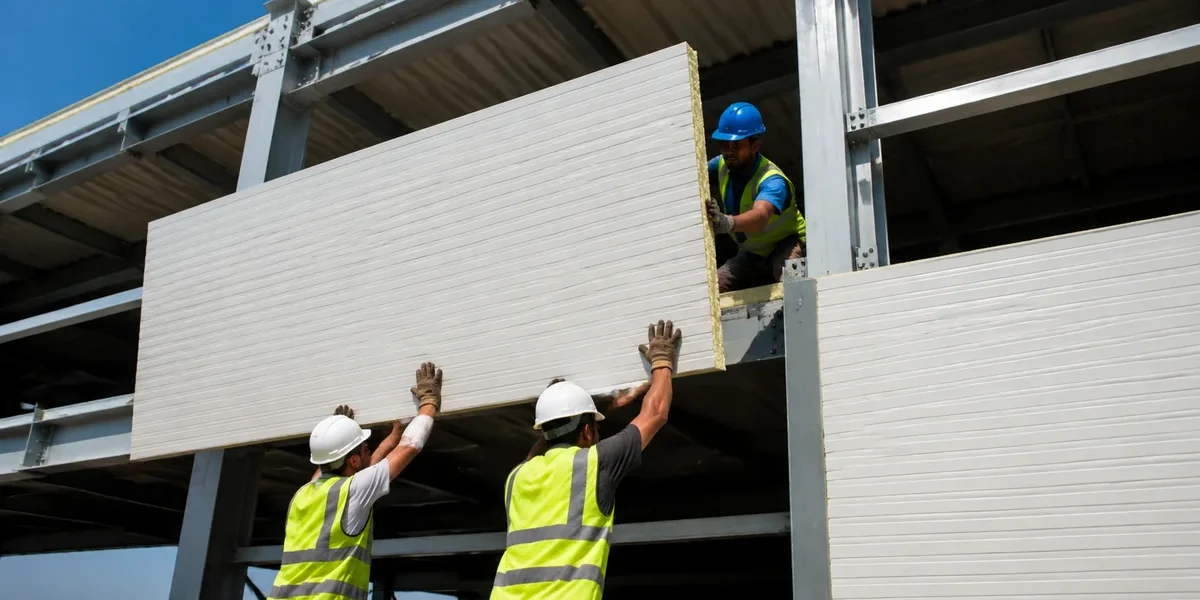
The costliest ACP cladding disadvantage is decided before panels are ordered. A core grade or wall assembly that fails compliance review after the purchase order means rectification, refused occupancy or legal liability. The six that follow, ranked by project risk, are fire compliance failure, impact dents, thermal movement with noise, joint leaks, coating fade and galvanic corrosion.
But the panel itself is rarely the main culprit in the field. Field failures trace back to joint detailing, sealing and flashing far more often than to the sheet. The panel side still matters, though. RaxPanel laminates ACP and its honeycomb-core and foam-core variants on its own line, and the layer decisions below separate those builds. Read the next eight sections as a pre-order inspection list.
How ACP Cladding Fails in Real Projects
Ask a claims adjuster where cladding disputes actually start, and the answer is almost never a broken panel. Investigations keep returning to the same three suspects: joint detailing, sealing and flashing. A perfectly certified sheet installed on a badly detailed joint is a leak waiting for rain. The sheet gets blamed anyway, because it is the only part anyone can point at. Treat the wall as a system, and most of this article reorders itself.
Most ACP cladding failures are system failures: the sheet was certified, the joint was not.
The ranking below weighs three things: what happens when a failure occurs, what repair costs once panels are installed, and how foreseeable the problem was at specification time. Fire sits first because the consequence is regulatory, not cosmetic. Dents outrank corrosion because the realistic outcome is replacement, not repair. Noise ranks third for complaint volume even when the wall stays structurally sound. Every card ends with one verification you can run before the purchase order.
Fire Compliance Is the Most Expensive Mistake
Fire ranks first because the failure is regulatory before it is physical. The core ladder runs from combustible PE to FR cores at EN 13501-1 class B-s1,d0, and up to A2 cores with roughly 90% mineral content. Those codes mean limited smoke and no flaming droplets. On the North American side, ASTM E84 Class A means a flame spread index of 25 or less and a smoke developed index of 450 or less. None of those numbers describes the assembled wall.
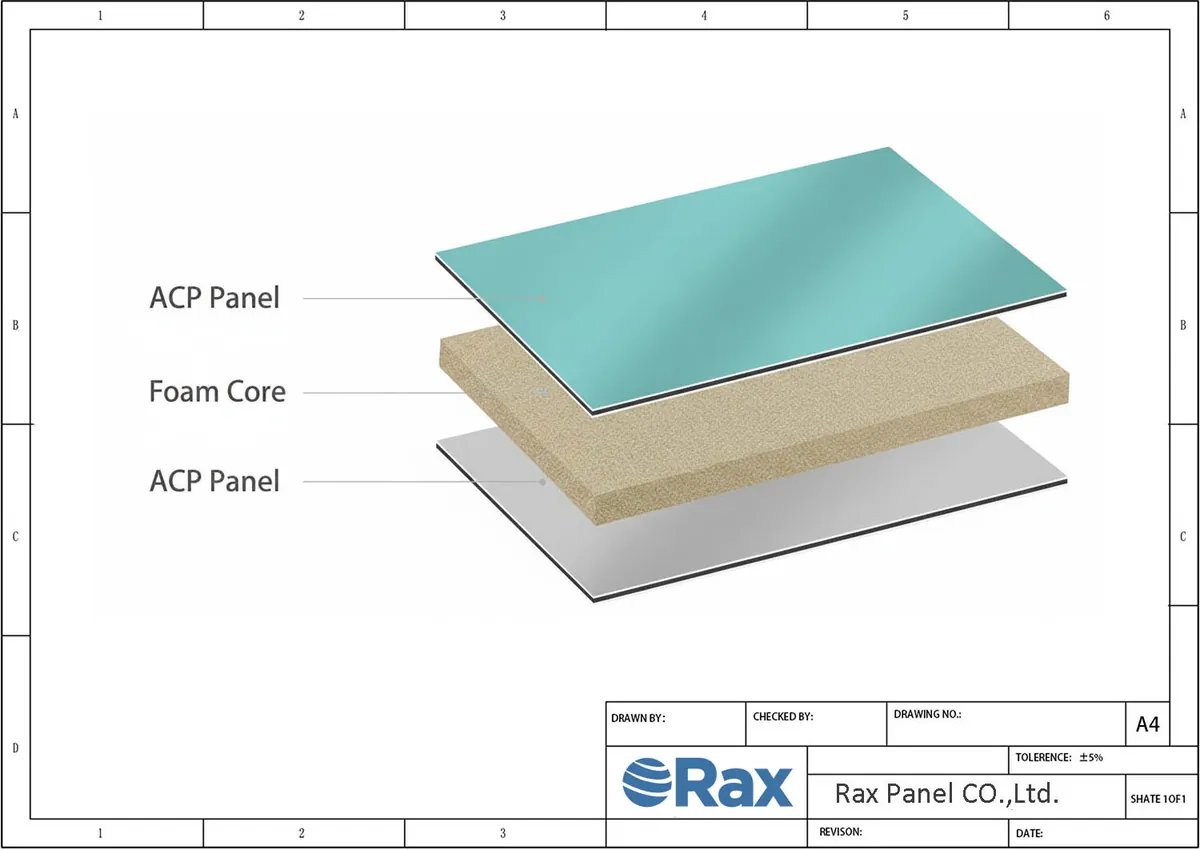
That gap is why NFPA 285 exists: it tests how fire propagates through the exterior wall assembly, not a panel coupon. Pair a combustible core with XPS or EPS insulation and the combination will not meet the test. Spec errors like these surface at permit review or during shop drawing submissions, and the schedule stalls while somebody redesigns the wall.
Warning: non-compliant cladding ends three ways, and none is cheap: costly rectification, refused occupancy, or legal liability. Compliance gets confirmed at specification stage, before fabrication, not at occupancy inspection.
Before signing, demand the core grade certificate plus an assembly-level test report for the exact build-up specified. A panel datasheet alone proves the coupon, not your wall. The chain behind fire-rated panel certification is walked through in our dedicated guide.
Thin Skins Dent Under Real-World Impact
Hail, flying stones, hand carts and window-washing rigs all find aluminium skins eventually. Thinner material with lower dynamic yield strength takes deeper dents, and the market sells skins down to about 0.06 mm for signage and interior grades. Architectural facades should hold a 0.21 mm minimum skin, with 0.21 to 0.50 mm the working range and 4 mm total thickness the facade standard.
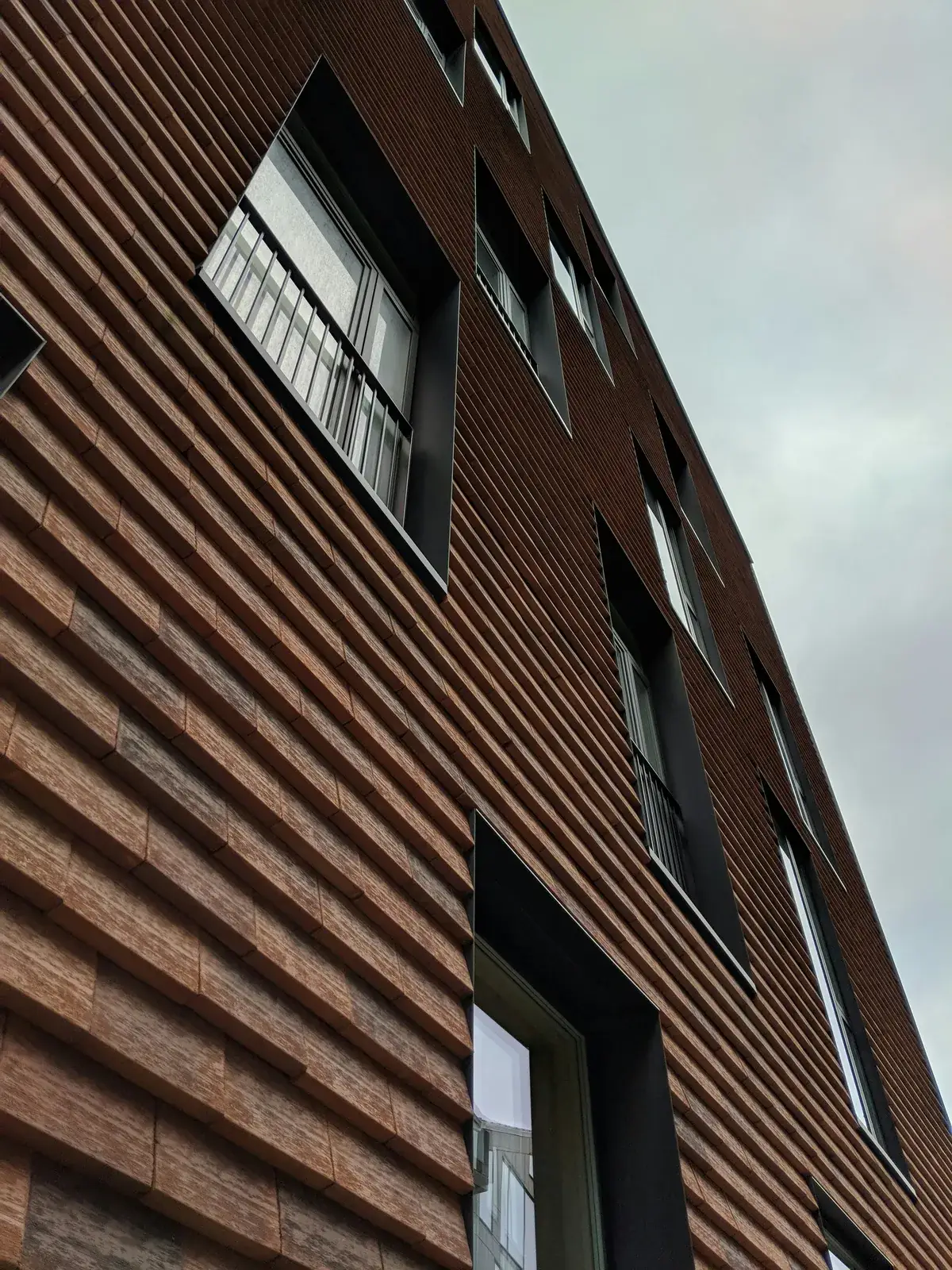
The repair math is what makes dents rank second. A deep dent that cracks the coating means professional repair or full panel replacement, because a factory-coated sheet cannot be filler-and-sprayed in place. On a visible elevation, one new panel rarely matches weathered neighbours, so owners sometimes replace an entire bank of panels over a single impact. Near ground level and loading docks, multiply that scenario by daily traffic. Small dents may not affect performance, but small dents are not what owners complain about.
Pre-order, read the skin gauge directly off the datasheet and reject anything under the architectural floor. Then design the impact zones, not just the elevation. Protective bases or heavier skins belong at loading docks, service yards and ground-level bands before the layout freezes.
Thermal Movement Warps Panels and Creates Noise
Aluminium moves. Its linear thermal expansion is roughly 23 micrometres per metre for every degree Celsius, about twice the rate of steel, so a sun-facing elevation works its fixings every single day. Skins too thin for their span show the strain as oil canning, a wavy rippling whose layer logic is broken down in this ACP panel structure guide. Thin skins plus wide spans plus daily temperature swings is the entire causal chain.
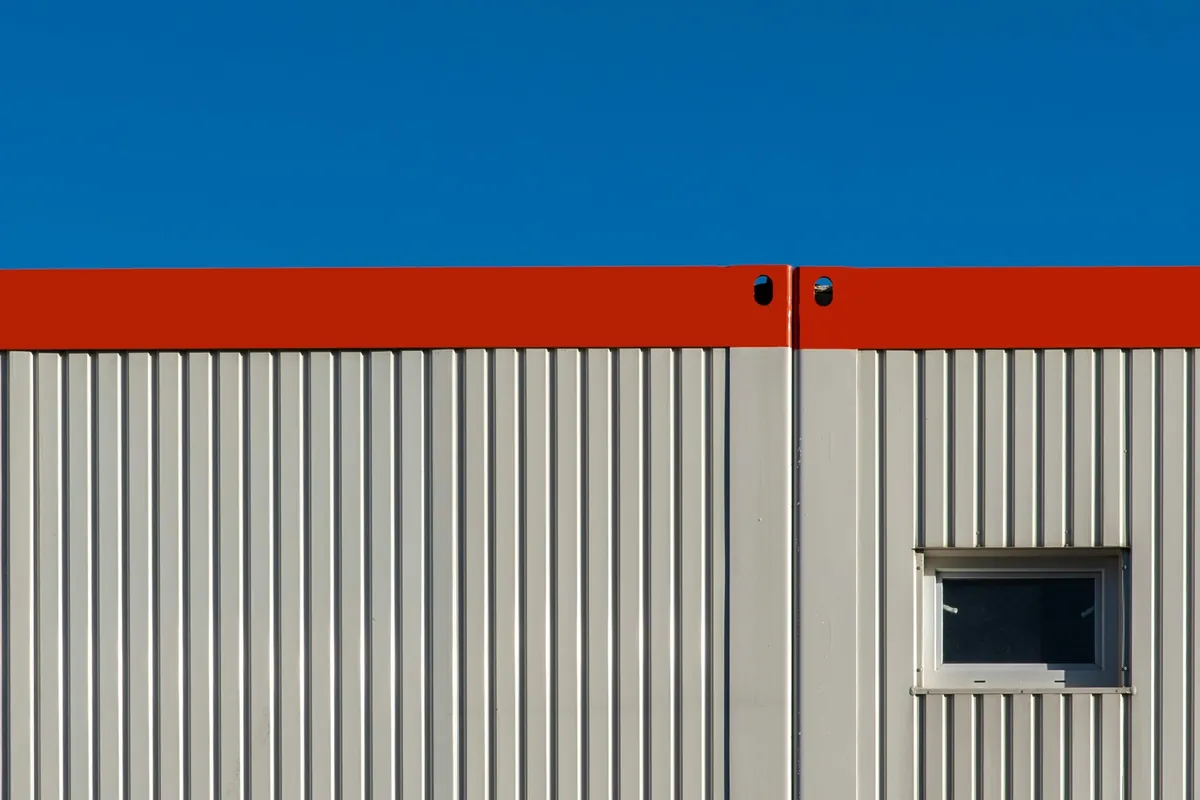
The same physics is audible. Rain and hail striking thin metal skins can be loud inside the building, and expansion and contraction can add popping noises as panels work against their fixings. Neither sound signals structural failure, but both generate complaints that outlast the warranty period.
Oil canning has no onsite cure. It is prevented at design stage, or lived with.
Before fabrication, require the shop drawings to state skin gauge and maximum span together. If those two numbers are not matched, expect visible wave within the first summer. Thicker skins, tighter spans and movement joints fix flatness at almost no cost during design.
Water Damage Starts at the Joints
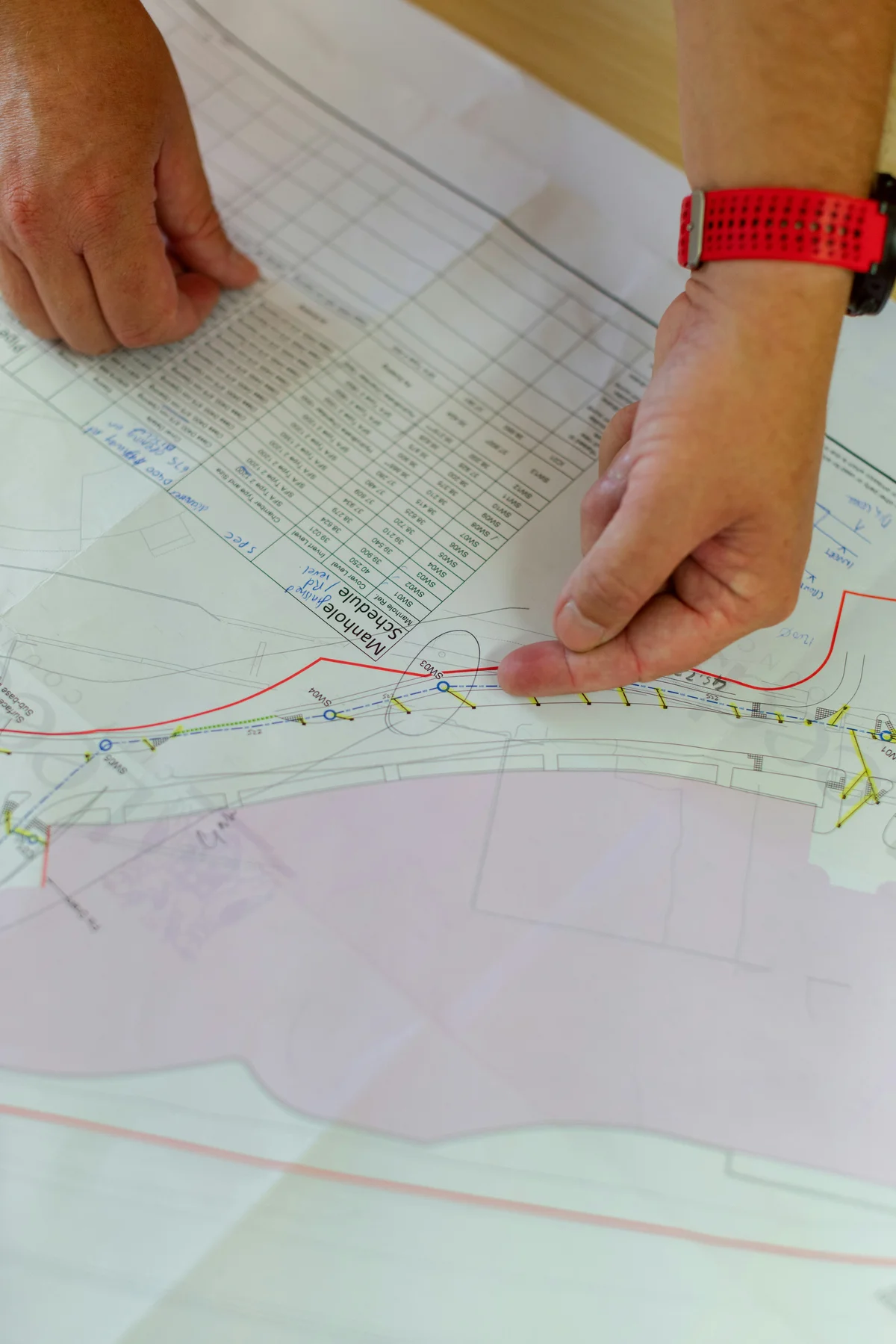
Leak complaints almost never indict the panel itself, which surprises everyone the first time a warranty claim lands. Water enters through poorly detailed joints, bad sealing and weak flashing, which is why two towers wearing identical sheets can age completely differently over one decade. The panel is a skin; the system is the weatherproofing. Buyers who internalize that split negotiate better contracts.
Keep the responsibility split straight when water shows up. The sheet supplier answers for bond, coating and core; the installer answers for every metre of the joint line. On the sealing side, the toolkit is specific: UV-stable caulking, elastomeric coatings and vapor retarders behind the assembly to control condensation. Well-sealed joints stop air and water movement even in extreme cold, which makes sealing a materials decision rather than a touch-up item.
Moisture that gets past the joints attacks more than interior finishes. Prolonged wetting of the bond line is a documented cause of delamination, so bond data belongs in the submission. GB/T 17748 requires curtain-wall panels to hold climbing-drum peel strength of 180 N.mm/mm on average, with 150 as the single-value minimum. Put the joint drawings and the peel report into the acceptance checklist before the first panel ships, beside the core certificates from the fire section.
Spec the Panels That Avoid These Traps
RaxPanel laminates ACP on its own line alongside honeycomb-core and foam-core builds, and engineers test designs against the data standard each project agrees on. Send your facade requirements and get numbers back within 24 hours, one to one.
Cheap Coatings Fade Within a Few Years
Polyester paint is the quiet downgrade in this market. It looks nearly identical to PVDF when the crate opens, then fades, chalks and cracks within a few years outdoors. Enough PE gets sold as exterior grade that early fading remains a standard complaint. PE is priced for interior budgets; PVDF is the actual exterior-grade coating. The gap only shows after the second summer on a sun-facing elevation.
Verification here is written, not visual. Genuine architectural PVDF carries 70% PVDF resin to AAMA 2605, proven by 10-year South Florida exposure with fade held to Delta E 5 or less. Both values appear on a proper coating datasheet; neither appears on a bargain one. If a supplier will not state both, assume the cheaper resin is inside.
For contrast, a properly specified PVDF finish serves roughly 15 to 20 years outdoors. Big price gaps between identical-looking sheets are usually resin chemistry, not margin. Before ordering, hold a coating datasheet stating resin share and dry film thickness in hand.
Galvanic Corrosion Creeps at Contact Points
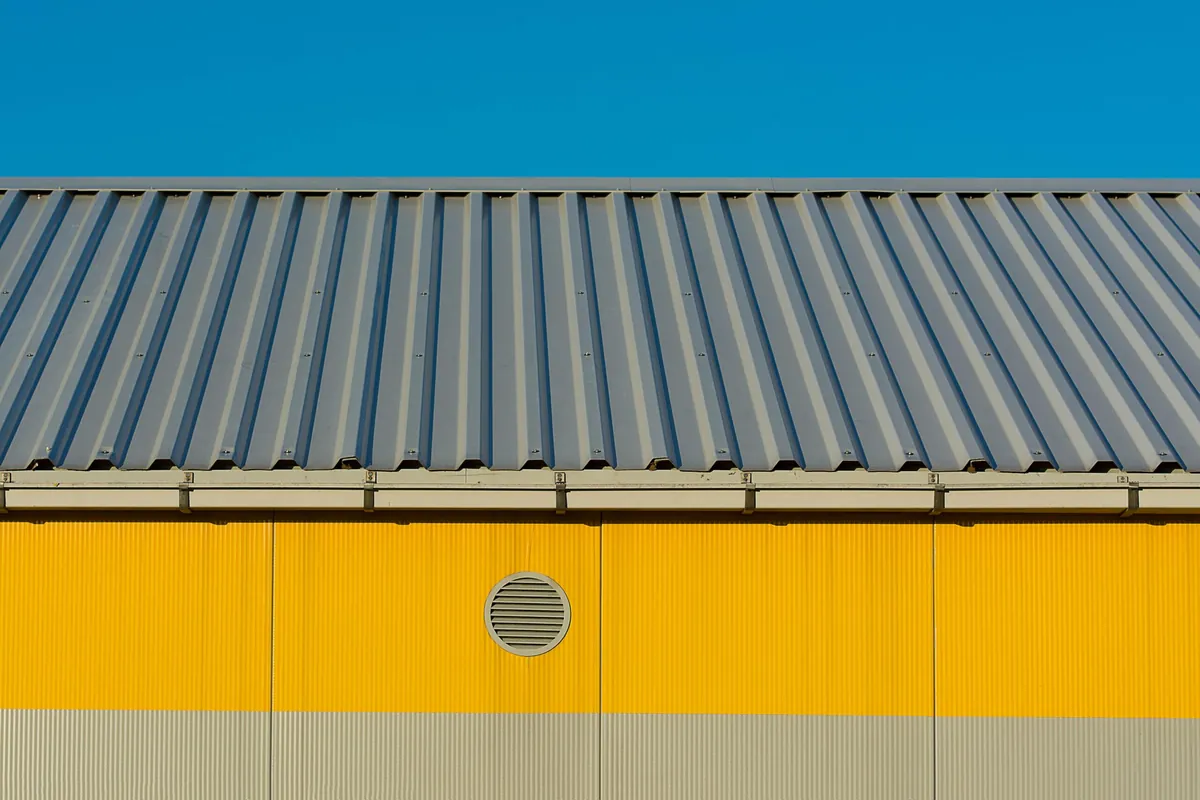
Galvanic corrosion is the slowest entry on this list and the simplest to prevent. Where a more noble metal touches aluminium and moisture completes the circuit, the aluminium becomes the sacrificial side: staining first, pitting later. Nothing shows until a stain blooms under a fastener head. A PVDF finish is engineered for 15 to 20 years of outdoor service, but a bare steel fixing resting on a wet skin does not respect that schedule.
The attack concentrates where metals meet and water lingers. Moisture held in a pocket turns an occasional splash into a permanent cell. Audit these contact points before the order is placed.
- Steel or galvanized fasteners in direct contact with the aluminium skin
- Flashings and trim of a different metal lapping panel edges
- Sub-framing members in mixed-metal contact with panel returns
- Pockets that hold water against any of the above
The fix is unglamorous: same-metal fixings, or isolation washers and coatings that break the electrical path. Walk the four points above during shop drawing review rather than after stains appear. Before ordering, require a method statement that shows how every fixing and penetration is isolated.
Which Disadvantages Should Actually Stop Your Project
Some projects should walk away from this material, and pretending otherwise is how composite cladding earns a bad name. A high-rise budget that cannot fund FR or A2 cores is reason one, because no coating repairs a core grade. Hail-prone regions unwilling to specify thicker skins or protective bases are reason two. Heritage boards wanting stone or brick authenticity are reason three, since painted aluminium reads wrong beside weathered masonry.
| Disadvantage | Root cause | Pre-order verification |
|---|---|---|
| Fire compliance failure | Combustible core or insulation pairing | Core certificate plus assembly test report for the build-up |
| Impact dents | Skins below the 0.21 mm architectural floor | Datasheet gauge check plus protective bases in traffic zones |
| Oil canning and noise | Thermal movement across wide spans | Skin gauge and maximum span matched on shop drawings |
| Joint leaks | Detailing and sealing, not the sheet | Joint drawings plus peel report in the acceptance checklist |
| Coating fade | PE paint sold as exterior grade | Spec sheet showing 70% PVDF resin to AAMA 2605 |
| Galvanic corrosion | Dissimilar metals holding moisture | Isolation method stated for every fixing |
Where those checks pass, the six disadvantages turn from dealbreakers into specification line items. The table above is the whole decision, one row per disadvantage. With the spec settled, ACP cladding remains one of the strongest value cases in facade construction, which is why we laminate it beside honeycomb and foam-core builds. Weigh it against the alternatives in the aluminium sandwich panel vs traditional cladding comparison, then review the ACP line and request data sheets.
Frequently Asked Questions About ACP Cladding Drawbacks
Is ACP cladding banned?
No. Regulations restrict specific core grades and wall assemblies in many jurisdictions, not the material category itself. Compliant FR and A2 builds are specified on high-rise projects routinely, which is why the core certificate matters more than the brochure.
How long does an ACP facade last?
PVDF-coated panels serve roughly 15 to 20 years outdoors, and premium systems carry warranties up to 25 years. Service life follows coating grade first, then the details that keep water out.
Can dented ACP panels be repaired?
Shallow dents that leave the coating intact often need no repair at all. Deep dents that crack the coating require professional repair or panel replacement, so match skin gauge to the impact exposure.
Does ACP cladding leak?
The sheet itself does not; most leaks trace to joint detailing, sealing and flashing in the installed system. Well-sealed joints stop air and water movement even in extreme cold.
Is aluminium composite cladding recyclable?
Yes. Recycling aluminium consumes only about 5% of the energy needed to produce virgin metal. Separated skins and cores form clean recyclable streams, so end of life is a credit when the facade is handled properly.