
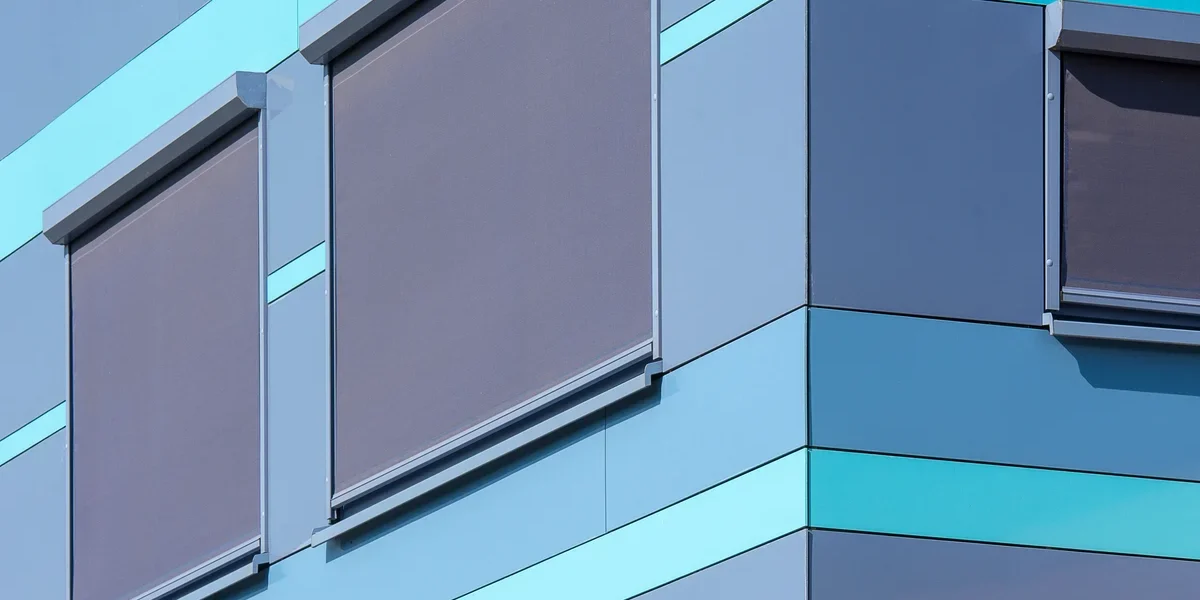
The fundamental engineering distinction between MCM and ACM is architectural taxonomy: ACM (Aluminum Composite Material) is a specific sub-category of the broader MCM (Metal Composite Material) family. While ACM exclusively utilizes aluminum skins (5.5 kg/m²), MCM encompasses panels faced with exotic architectural metals including architectural zinc (EN 988), copper (C11000), stainless steel (SS316), and titanium (9.5–11.5 kg/m²) tested under rigorous ASTM B117 salt spray standards.
Across our 15+ years of fabricating custom MCM and ACM composite systems at RaxPanel, our engineering team frequently assists architects and facade consultants who confuse these specification terms. Choosing between standard coil-coated ACM and exotic natural metal MCM dictates not only material procurement cost ($45–$75/m² vs. $160–$320/m²) but also structural dead-load calculations, CNC tooling protocols, and 100-year building lifecycle durability.
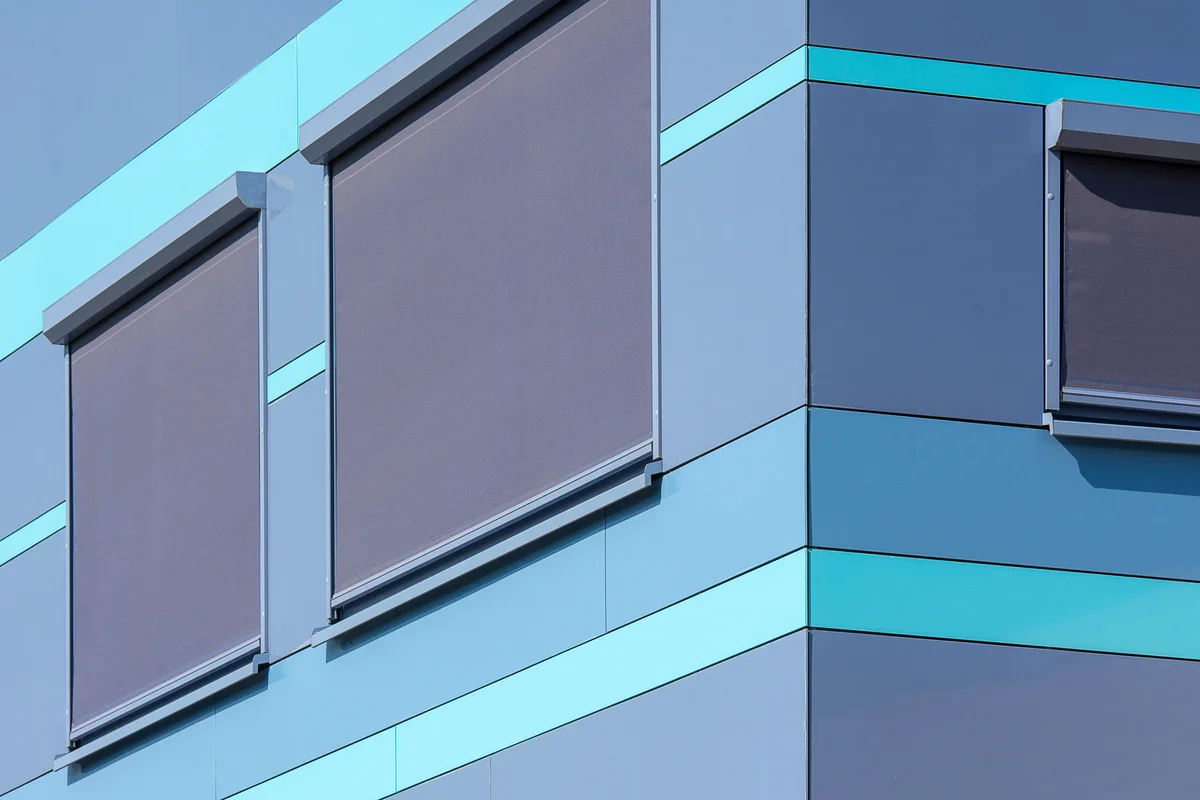
Figure 1: Architectural metal composite panels: Comparing lightweight ACM with natural titanium zinc, copper, and stainless steel MCM options.
MCM vs. ACM: Understanding the Terminology
In master architectural specifications (such as MasterFormat Section 07 42 43), confusion often arises between the terms ACM and MCM. The overarching rule of thumb in metallurgical facade design is straightforward: All ACM is MCM, but not all MCM is ACM.
MCM (Metal Composite Material) is the universal parent category defined by the Metal Construction Association (MCA). It describes any continuous sandwich composite consisting of two metal skins (of identical or dissimilar metallurgical composition) thermo-bonded to a solid extruded polymer or mineral-filled fire-retardant core.
ACM (Aluminum Composite Material) is the most common, cost-effective, and widely deployed variant within the MCM parent umbrella, specifically restricted to aluminum alloy skins (typically AA3003-H24 or AA5005-H34). For a deeper look at ACM applications, see our guide on why ACM panels are gaining popularity.
Aluminum Composite (ACM)
Utilizes 0.5 mm pre-painted aluminum skins. Delivers the lowest areal weight (5.5 kg/m²) and highest cost efficiency for commercial envelopes.
Titanium Zinc Composite
Faced with 0.5 mm to 0.7 mm EN 988 pre-weathered zinc. Develops a self-healing zinc carbonate patina lasting 80 to 100 years.
Architectural Copper Composite
Faced with natural C11000 copper. Naturally transitions from bright bronze to rich chocolate brown and permanent green verdigris.
SS304 / SS316 Marine Composite
Faced with 0.3 mm to 0.5 mm austenitic stainless steel. Delivers extreme chemical immunity in marine splash and heavy industrial zones.
Exotic Metal Composite Skins Beyond Aluminum
While the manufacturing process of continuous roll-lamination is mechanically similar across composite types, the metallurgy of non-aluminum MCM skins introduces unique physical behaviors that specifiers must accommodate during design.
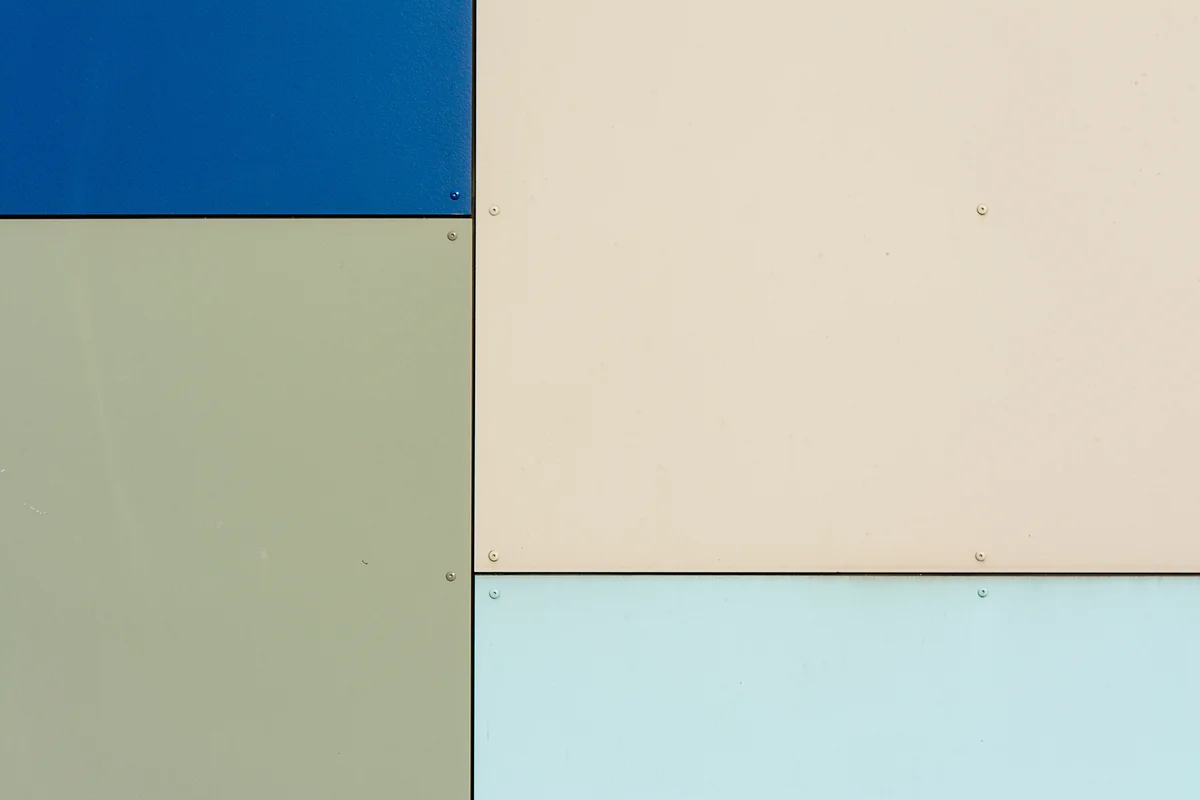
Figure 2: Multi-layer engineering cross-section showing structural adhesive film bonding natural metal skins to a mineral fire-retardant core.
1. Titanium Zinc MCM Metallurgy (EN 988 Alloy)
Zinc MCM uses a specialized architectural alloy containing 99.995% pure electrolytic zinc micro-alloyed with precise percentages of titanium (0.06–0.20%) and copper (0.08–1.0%). Titanium reduces the creep rate under permanent load, while copper increases tensile strength (≥ 150 MPa), allowing zinc skins to be folded without grain boundary cracking.
2. Architectural Copper MCM (UNS C11000)
Copper composite skins utilize 99.90% pure electrolytic tough pitch copper. Because copper possesses high ductility (elongation ≥ 30%), it accommodates complex curved facades. When exposed to outdoor carbon dioxide and moisture, it forms an insoluble cuprous oxide layer that arrests further corrosion.
3. Marine Grade SS316 Stainless Steel MCM
Stainless steel MCM incorporates 16–18% chromium, 10–14% nickel, and 2–3% molybdenum. The molybdenum addition significantly enhances resistance to chloride pitting, making SS316 MCM the premier composite choice for coastal ports, desalination facilities, and heavy acid-gas industrial complexes.
4. Grade 1 Commercially Pure Titanium MCM (ASTM B265)
For iconic coastal monuments subject to severe tidal spray and marine atmospheric erosion, titanium composite panels utilize 0.3 mm Grade 1 CP-Ti skins. Titanium exhibits a near-zero corrosion rate (< 0.001 mm/year in seawater) and an exceptionally low thermal expansion coefficient ($8.6 imes 10^{-6} ext{ /K}$). Because titanium does not react with sulfur dioxide or chloride aerosols, it provides a maintenance-free architectural envelope designed for 100+ year service life.
For high-rise non-combustible compliance, review our technical breakdown on ACCP aluminum core composite panel engineering.
Head-to-Head Comparison Across Key Metals
The following engineering matrix provides a multi-parameter comparison across all primary metal composite options:
| Technical Metric | Standard ACM (4.0 mm) | Titanium Zinc MCM (4.0 mm) | Copper MCM (4.0 mm) | SS316 Stainless MCM (4.0 mm) |
|---|---|---|---|---|
| Skin Metal Alloy | AA3003 / AA5005 Aluminum | EN 988 Titanium Zinc | UNS C11000 Pure Copper | AISI 316 Austenitic Steel |
| Areal Weight (kg/m²) | 5.5 kg/m² (Lowest) | 9.8 kg/m² | 11.2 kg/m² | 10.4 kg/m² |
| Thermal Expansion (10^-6/K) | 23.6 | 22.0 | 16.8 | 16.0 |
| Surface Protection Mode | Factory PVDF/FEVE Paint | Self-Healing Zinc Patina | Self-Healing Verdigris | Passive Chromium Oxide |
| Expected Service Life | 25–30 Years | 80–100 Years | 100+ Years | 60–80 Years |
| CNC Routing Spindle Speed | 18,000–24,000 RPM | 10,000–14,000 RPM | 8,000–12,000 RPM | 4,000–8,000 RPM (Mist Lube) |
| Raw Material Cost ($/m²) | $45–$75 (Economical) | $160–$220 (Premium) | $200–$320 (Luxury) | $180–$260 (Industrial) |
| Primary Application Fit | Commercial / Retail / Hospitals | Museums / Civic Landmarks | Heritage / Luxury Facades | Marine / Chemical Enclosures |
Self-Healing Patina vs. Painted Finishes
The primary performance differentiator between standard ACM and natural MCM is how the surface weathers over decades:
When an exterior skin of zinc or copper is scratched on site, atmospheric moisture and carbon dioxide trigger an immediate chemical oxidation process. Within months, basic zinc carbonate ($2 ext{ZnCO}_3 \cdot 3 ext{Zn(OH)}_2$) or basic copper carbonate fills the micro-scratch, restoring a continuous protective barrier that heals physical blemishes naturally without touch-up paint.
A critical engineering consideration when deploying diverse MCM skins is the Galvanic Anodic Index. Fastening dissimilar metals without dielectric isolation creates severe electrochemical cell degradation:
- Architectural Zinc Skin (-1.25 V): Highly anodic. Must be isolated from copper and bare steel using EPDM or neoprene barrier washers.
- AA3003 Aluminum Skin (-0.90 V): Moderately anodic. Compatible with stainless steel fasteners and anodized aluminum subframing.
- C11000 Copper Skin (-0.35 V): Highly cathodic. Runoff water from copper roofs will severely corrode downstream aluminum or zinc cladding if routed through shared gutters.
- AISI 316 Stainless Steel (-0.08 V): Cathodically passive. Highly compatible with structural fasteners but requires isolation when fastened directly to raw aluminum tracks in coastal environments.
In contrast, ACM relies on a 28 μm barrier of coil-coated 70% Kynar 500 PVDF. While PVDF provides exceptional 20-year color fastness under ASTM B117 salt fog testing, severe mechanical gouges that penetrate the paint layer expose the raw aluminum, which will develop localized white aluminum oxide chalking rather than an aesthetic patina.
Structural Weight and Framing Load Impacts
The choice between ACM and heavier natural metal MCM impacts secondary steel subframe sizing and anchor engineering:
Figure 3: Evaluating cladding weight: 4.0 mm ACM generates 5.5 kg/m² dead load vs. 10.4 kg/m² for stainless steel MCM.
In high-rise structural design, cladding dead load directly influences seismic lateral acceleration forces ($F = m \cdot a$). A standard 4.0 mm ACM panel imposes a dead load of only 5.5 kg/m² (0.054 kN/m²), minimizing lateral shear moments on structural core walls.
When specifying 4.0 mm Copper (11.2 kg/m²) or Stainless Steel MCM (10.4 kg/m²), the dead load more than doubles. For a 10,000 m² facade, this introduces over 57 metric tons of added mass. Structural engineers must specify heavier secondary framing extrusions (increasing vertical mullion wall thickness from 2.5 mm to 3.5 mm) and increase expansion anchor bolt embedment depth into concrete floor slabs from 75 mm to 120 mm.
A 4.0 mm ACM panel imposes a dead load of only 5.5 kg/m². When specifying 4.0 mm Copper or Stainless Steel MCM, the areal weight increases to 10.4–11.2 kg/m². On a 10,000 m² high-rise curtain wall, switching from ACM to Copper MCM adds 57 metric tons of permanent dead load to the structural brackets, requiring heavier aluminum extrusions and higher-capacity masonry anchors.
Machining Zinc, Copper, and Stainless Steel
Fabricating exotic MCM requires specific adjustments to CNC routing tooling, cutter geometry, and spindle parameters to prevent catastrophic tool wear and edge work-hardening:
- Cutter Geometry and Rake Angles: When machining austenitic stainless steel (SS316) MCM, fabricators must specify solid tungsten carbide end mills with a positive rake angle of 10° to 12° and a clearance relief angle of 8°. This sharp shearing geometry cuts through the tough chrome-nickel skin without generating excessive frictional heat.
- Coolant and Lubrication Regimes: Unlike dry routing of aluminum ACM, stainless steel MCM requires continuous flood coolant or air-oil micro-lubrication using chlorine-free synthetic emulsions. Cutting dry accelerates thermal edge discoloration and induces micro-burrs along the metal skin.
- Spindle Speed & Feed Rate: While ACM is routed at high spindle speeds (18,000–24,000 RPM at 12 m/min), Stainless Steel MCM requires low-speed, high-torque CNC milling (4,000–8,000 RPM at 3–5 m/min) with continuous mist air cooling to prevent carbide tool overheating and work-hardening.
- V-Groove Cutter Geometry: Zinc MCM is sensitive to sharp notch stress. Fabricators must use a specialized cylindrical-flat bottom V-groove bit (leaving a 1.5–2.0 mm flat root) rather than a sharp V-point to prevent cracking along the zinc bend line during cold weather.
- Minimum Bending Temperature for Zinc: Titanium zinc becomes brittle below 10°C (50°F). Fabricators must pre-warm zinc MCM sheets to ≥ 15°C before mechanical cassette folding.
How to Choose Between ACM and MCM
To guide procurement decisions, our engineering team utilizes the following specification decision tree:
Figure 4: Strategic decision matrix: Matching architectural budget and environmental severity with the correct composite metal skin.
Specify ACM When:
Project budget prioritizes cost efficiency ($45–$75/m² panel cost), requires lightweight structural framing, demands vibrant corporate identity colors (gloss, metallic, or custom RAL/Pantone), and is designed for a standard 25 to 30 year commercial building lifecycle.
Specify Titanium Zinc MCM When:
The facade is a landmark civic building, museum, or university designed for an 80+ year lifespan where architects demand a dynamic, self-healing pre-weathered matte gray aesthetic that never requires repainting.
Specify Stainless Steel (SS316) MCM When:
The building envelope is situated within 500 meters of open marine coastlines, salt-spray splash zones, chemical refineries, or heavy transit tunnels requiring extreme impact armor and chemical washdown resistance.
Specify Copper MCM When:
High-end historical restoration, luxury residential, or bespoke cultural institutions demand the living prestige of natural bronze-to-verdigris oxidation over a century-long service life.
Top Material Selection Mistakes to Avoid
Avoid these critical engineering and procurement errors during project submittals:
1. Over-Specifying Exotic MCM on Low-Rise Standard Retail: Specifying Copper or Zinc MCM on fast-food chains or retail canopies inflates facade budgets by 300% without adding functional value over standard PVDF-coated ACM.
2. Galvanic Corrosion via Incompatible Subframing: Fastening Copper MCM directly onto galvanized steel or aluminum framing causes rapid galvanic destruction. Mandate 300-series stainless steel brackets and EPDM isolation barriers.
3. Folding Zinc MCM in Cold Field Conditions: Attempting to fold zinc cassettes in unheated job sites below 10°C causes brittle fracturing along corner return flanges.
4. Under-Estimating Structural Bracket Loads for Stainless MCM: Using standard lightweight ACM extrusion anchor schedules for 11 kg/m² SS316 MCM panels leads to anchor pull-out under negative wind gusts.
5. Using High-Speed Woodworking Routers on Stainless Steel: Standard 20,000 RPM handheld routers will destroy carbide bits and work-harden stainless steel skins within seconds. Always mandate CNC variable-speed milling with coolant mist.
6. Unsealed Exposed Core Edges in Marine Environments: Leaving raw core edges exposed along open rainscreen perimeter joints allows airborne salt moisture to wick into polymer adhesive interfaces over decades. Mandate continuous return-edge cassette folds or 100% perimeter silicone edge-capping across all non-folded cuts.
For custom engineering and high-precision fabrication submittals, explore RaxPanel’s certified commercial metal composite panel systems manufactured to strict international building envelope standards.
Frequently Asked Questions About MCM
Is ACM different from MCM, or are they the same material?
ACM is a specific subcategory within the broader MCM family. MCM (Metal Composite Material) is the umbrella term encompassing composite panels faced with any metal (zinc, copper, stainless steel, titanium, or aluminum). ACM (Aluminum Composite Material) specifically refers to panels where both outer skins are aluminum.
Why is Zinc or Copper MCM so much more expensive than ACM?
Raw natural metals like architectural titanium zinc and copper cost significantly more per pound than commodity aluminum alloys. Additionally, continuous composite roll-lamination and low-speed CNC machining for heavy metals require specialized tooling, slower line speeds, and stricter fabrication tolerances.
Can you paint Zinc or Copper MCM panels?
While technically possible, natural metals are specified specifically for their authentic self-healing patina over 80+ years. Applying paint defeats their primary architectural purpose. If a specific solid or metallic color is required, coil-coated PVDF ACM is the recommended and far more cost-effective choice.
Which panel is better for high-salinity coastal environments: ACM or SS316 MCM?
While high-grade marine-anodized or 3-coat PVDF ACM performs exceptionally well, SS316 Stainless Steel MCM provides unmatched long-term immunity against airborne chloride pitting in direct marine splash zones and industrial chemical washdowns.
Do Zinc and Copper MCM panels require special fire cores?
Yes. Just like ACM, building codes mandate that natural metal MCM panels installed on high-rise commercial structures incorporate mineral-filled fire-retardant (FR) cores meeting EN 13501-1 Class A2/B1 or ASTM E84 Class A to prevent fire propagation.