
Specifying a structural core for high-temperature prepreg curing typically forces a trade-off between adding heavy insulation or risking core deformation during the cure cycle. PMI foam sandwich panels solve this by offering temperature resistance up to 200°C (depending on grade), which allows you to run standard autoclave and vacuum press processes without crushing the cell structure. This thermal stability is essential for preventing the core-skin debonding that leads to catastrophic failures in aerospace and RV applications.
We at RaxPanel analyze the specific shear strength and compression benchmarks that justify the higher material cost compared to PVC or PU alternatives. You will learn how to calculate the true lifecycle savings of switching to a closed-cell foam, including significant reductions in machining scrap and the long-term fuel efficiency gains achieved through weight reduction.
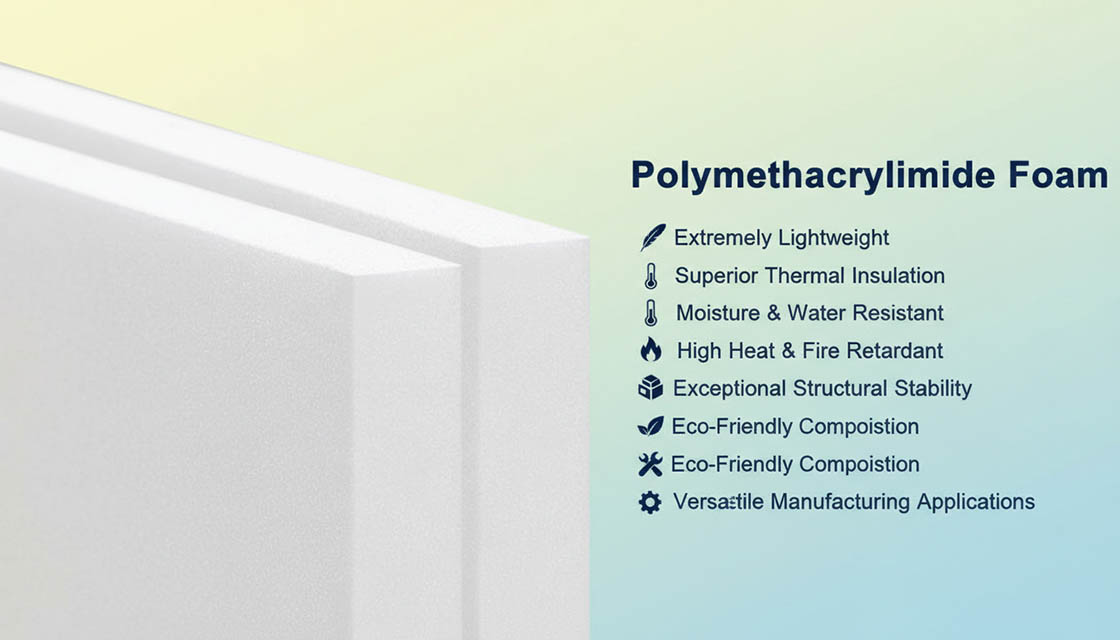
How to Evaluate Core Materials Objectively
Objective core evaluation requires comparing mechanical performance, thermal limits, density-to-strength ratios, and long-term fatigue behavior against actual project requirements—not generic material datasheets.
Key Mechanical Properties to Compare
When engineers evaluate sandwich panel cores, the first step is understanding which mechanical properties directly impact structural performance. Shear modulus determines how effectively a core transfers loads between facings, while compressive strength governs the panel’s ability to resist static and point loads without crushing. These two parameters often define the ceiling for structural applications in RV walls, truck bodies, and marine decks.
Beyond those, engineers should also assess tensile strength and flexural modulus, which become critical when panels are subjected to bending or dynamic loads. A core that performs well under compression may still fail prematurely in flexural cycles if its tensile properties are insufficient. This is why we always recommend pulling a full mechanical profile—not just the headline numbers from a supplier’s brochure.
- Shear Modulus: Indicates how well the core resists deformation when facings slide against each other. Higher shear modulus reduces adhesive consumption and improves load distribution.
- Compressive Strength: Determines the maximum load the core can bear before permanent deformation or collapse occurs.
- Tensile Strength: Critical for panels under bending or dynamic stress, where the core experiences stretching forces.
- Flexural Modulus: Governs stiffness under bending loads, directly influencing deflection limits in floor and roof panels.
Thermal Stability and Processing Compatibility
Thermal stability is one of the most decisive factors when selecting a core for high-performance applications. During manufacturing, especially with prepreg-based layups, cores are exposed to elevated temperatures during curing cycles. A core that softens, collapses, or deforms at these temperatures will compromise the entire panel structure, regardless of how strong it is at room temperature.
PMI foam stands out in this category because it maintains structural integrity at processing temperatures that would degrade standard PVC or PET foams. For applications requiring high-temperature curing—such as aerospace-grade prepreg laminates or certain industrial composite processes—this thermal resilience is non-negotiable. Lower-grade foams may survive ambient conditions but will fail during the very manufacturing step they are meant to endure.
Processing compatibility also extends to how the core interacts with resins and adhesives. Cores with open-cell structures or inadequate closed-cell integrity can absorb excessive resin during vacuum infusion, leading to weight gain and reduced mechanical performance. PMI’s 100% closed-cell structure minimizes resin uptake, ensuring the final panel stays within designed weight and strength parameters. In our factory, we see this play out regularly—panels built with standard PVC cores often arrive heavier than specified because the core absorbed surplus resin during curing.
Density-to-Strength Ratio Benchmarks
Density-to-strength ratio is the metric that separates commodity cores from engineering-grade materials. It answers a simple but critical question: how much structural performance do you get per unit of weight? In mobile applications like RVs, trucks, and vessels, every kilogram matters—not just for fuel efficiency but also for payload capacity and regulatory compliance.
PMI foam offers a density range that accommodates a wide spectrum of structural needs, from lightweight non-structural panels to heavy-load-bearing floors. The key advantage is that this range does not come at the expense of mechanical performance. At equivalent densities, PMI consistently delivers higher compressive and shear strength than PVC or PET foams, which is why it is the default choice for demanding applications where weight savings cannot compromise structural integrity.
- Low-density variants (52–80 kg/m³): Ideal for non-structural or lightly loaded panels where weight reduction is the primary driver.
- Medium-density variants (80–140 kg/m³): Balance weight and strength for wall and roof panels in RVs and trucks.
- High-density variants (140–200 kg/m³): Used for floor panels, load-bearing structures, and applications requiring maximum compressive performance.
When comparing cores, engineers should plot density against compressive and shear strength to visualize the performance envelope. A core that appears competitive on paper may reveal significant weaknesses when plotted on a density-strength graph. This is where our engineering team often identifies mismatches between a buyer’s stated requirements and the material they have selected—particularly when cost-driven specifications lead to underperforming cores in load-critical areas.
Long-Term Durability and Fatigue Resistance
Durability and fatigue resistance are the properties that determine whether a sandwich panel will perform reliably over years of service or fail prematurely under cyclic loading. In mobile and transportation applications, panels are subjected to constant vibration, thermal cycling, and variable loads. A core that lacks fatigue resistance will develop micro-cracks, delamination, or core shear failure long before the facings show any signs of wear.
PMI foam’s closed-cell structure and consistent cellular morphology contribute to its superior fatigue performance. Unlike materials with irregular cell structures or weak intercellular bonds, PMI maintains its mechanical properties through repeated loading cycles. This is particularly important for floor panels in RVs and trucks, where the core is subjected to continuous dynamic loads from movement, cargo, and passenger traffic.
Moisture resistance is another critical durability factor. Cores that absorb water over time not only gain weight but also suffer reduced mechanical properties and potential freeze-thaw damage in cold climates. PMI’s 100% closed-cell structure provides a permanent barrier against moisture ingress, ensuring dimensional stability and consistent performance in marine and high-humidity environments. We have seen too many field failures caused by cores that appeared adequate on paper but degraded rapidly after prolonged moisture exposure.
| Evaluation Metric | Rax Panel PMI Benchmark | Testing Standard | Engineering Significance |
|---|---|---|---|
| Heat Resistance | Maximum Processing Temperature of 200°C | DIN 53424 | Prevents core collapse and deformation during high-temperature prepreg curing cycles, ensuring production reliability. |
| Density Range | Density Range of 52 – 200 kg/m³ | ISO 845 | Provides a wide spectrum for balancing weight and structural load requirements across RV walls, truck bodies, and industrial floors. |
| Shear Modulus | Superior Stiffness vs Standard PVC Foams | ASTM C273 | Enables superior shear transfer with reduced adhesive consumption while maintaining structural integrity. |
| Compressive Strength | Superior Compressive Strength | ISO 844 | Ensures the sandwich panel can withstand heavy static and point loads without crushing or permanent denting. |
| Moisture Resistance | 100% Closed-Cell Structure | Water Immersion Testing | Guarantees long-term dimensional stability and prevents weight gain in marine or high-humidity environments. |
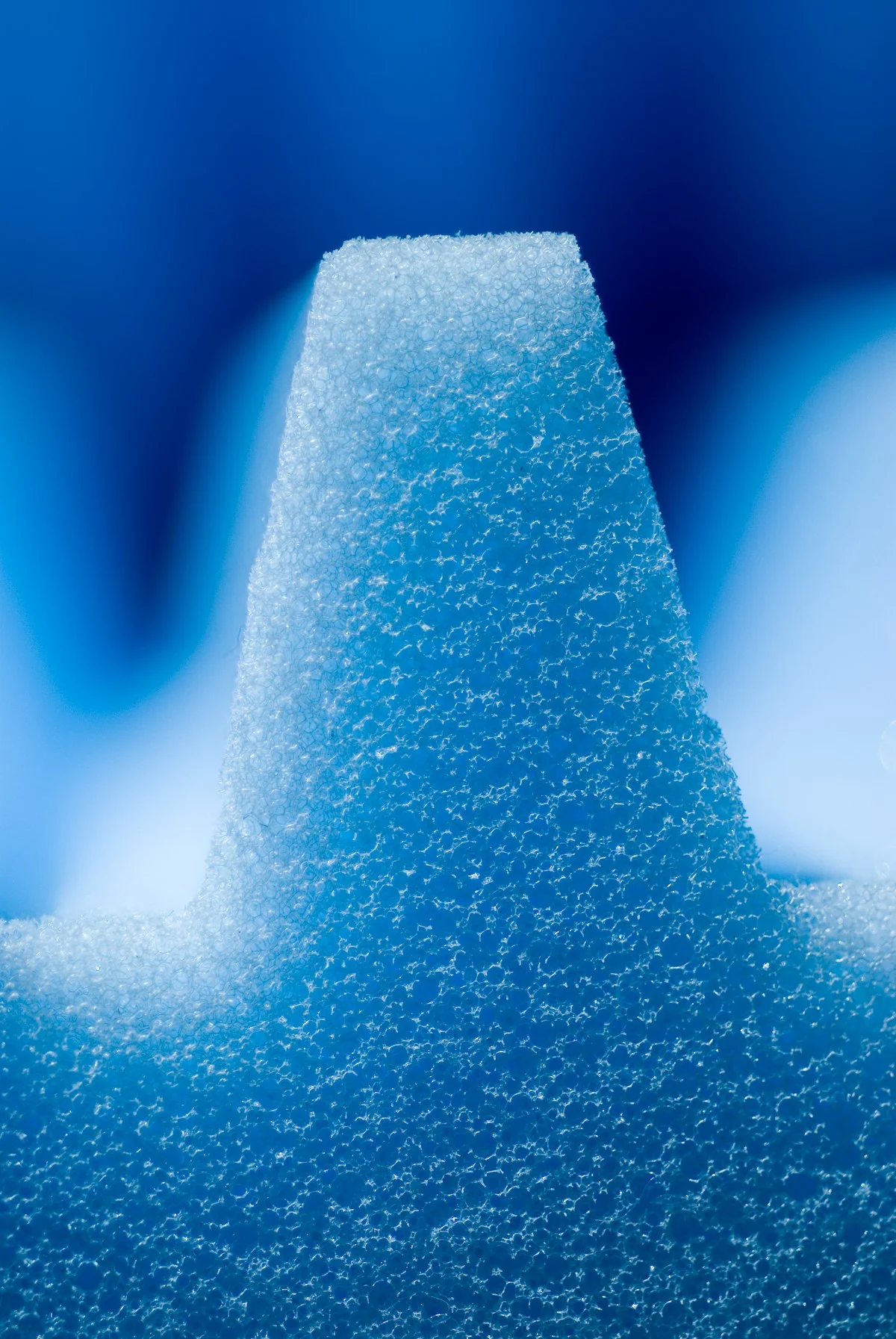
Understanding Shear Strength and Compression
The Mechanics of Load Transfer in Sandwich Structures
In a sandwich panel, the core material functions as the structural web that maintains a precise distance between the two face sheets, creating a stiff I-beam-like effect. When a transverse load is applied, the face sheets primarily resist bending moments and tensile or compressive stresses, while the core is responsible for resisting shear stresses. Shear strength is the property that prevents the core from sliding or tearing parallel to the face sheets. If the core lacks sufficient shear strength, the panel may undergo catastrophic failure, such as core shear cracking, where the material yields under load and causes the face sheets to rotate relative to each other.
Conversely, compression strength refers to the material’s ability to withstand perpendicular forces (flatwise compression) without crushing or undergoing permanent densification. This is critical for resisting point loads, fastener pull-through forces, and the hydrostatic pressures encountered in marine or aerospace applications. In high-performance PMI (polymethacrylimide) foams, these two properties are intrinsically linked to the foam’s relative density and cell structure, determining the load-bearing capacity of the entire composite assembly.
Density Dependence and Mechanical Performance
The mechanical properties of PMI foam are not uniform; they scale directly with the material’s density. For PMI foams, standard densities typically range from 30 to 200 kg/m³. As density increases, the cell walls become thicker, resulting in a proportional increase in both shear modulus and compressive strength. Engineers must select a density grade that aligns with the specific design loads of the application. Lower density cores offer maximum weight savings for non-structural or semi-structural parts, whereas high-density variants are essential for heavily loaded areas like wing spars or hull bottoms.
Industry testing indicates that as core density and face sheet thickness increase, the failure mode of sandwich beams often transitions from core shear failure to tensile failure of the face sheet, a sign that the core is sufficiently durable.
Selecting the correct density is a balancing act between structural requirements and mass efficiency. For instance, a core with a density of 75 kg/m³ will provide significantly higher shear stability than a 30 kg/m³ variant, preventing local buckling of the face skins under compressive loads. This relationship allows designers to fine-tune the sandwich panel’s stiffness and strength precisely to the project’s safety factors.
Thermal Stability and Property Retention
A distinct advantage of PMI foam in high-end manufacturing is its ability to retain shear and compression properties at elevated temperatures. Unlike other polymer foams that may soften or creep when exposed to the high curing cycles of prepreg resins (often reaching 120°C to 180°C), PMI foam maintains its dimensional stability and mechanical integrity. This thermoset characteristic ensures that the core does not deform or crush during the curing process, which preserves the designed laminate thickness and avoids resin-rich areas that could compromise the structural bond.
Additionally, PMI foam exhibits isotropic behavior, meaning its mechanical properties are uniform in all directions. Unlike honeycomb cores, which possess high shear strength in specific directions but are weak in others, PMI provides consistent shear resistance regardless of the load orientation. This isotropy simplifies design analysis and enhances reliability in complex geometries where multi-directional stress states are present.
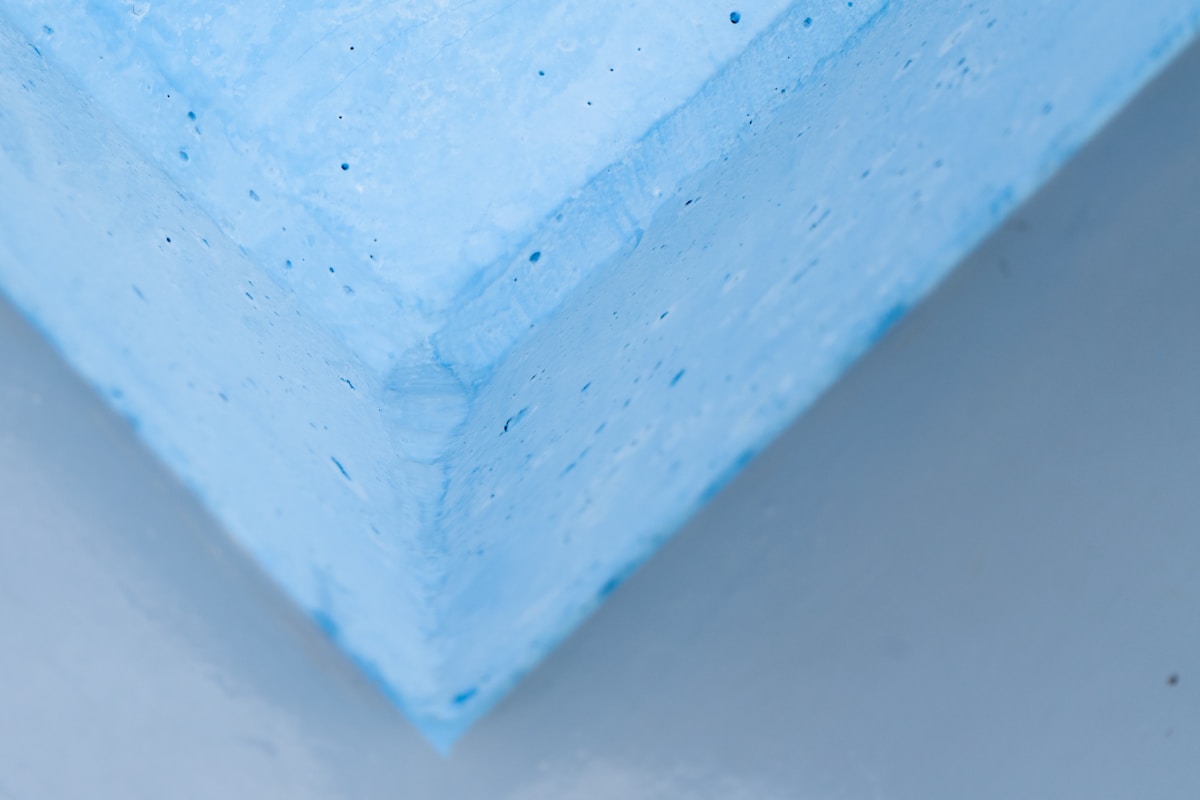
Withstanding High Heat Without Warping
Preventing panel warping and core collapse during high-temperature curing cycles requires a core material that can withstand autoclave conditions without softening. Polymethacrylimide (PMI) foam offers temperature resistance up to 200°C (depending on grade), significantly outperforming conventional foams like PVC and PU which lose structural integrity above 80°C to 120°C.
In the fabrication of high-performance sandwich composites, thermal deformation is a critical failure mode that plagues manufacturers using standard core materials. When a panel undergoes high-temperature processing—such as autoclave curing with epoxy prepregs—or operates in environments with significant thermal fluctuation, the core material must resist softening, shrinkage, and outgassing. If the core material yields to heat, the sandwich panel inevitably warps, compromising the aerodynamic profile or structural tolerances required in aerospace, automotive, and high-end industrial applications.
Temperature Thresholds and Core Failure
The primary risk with non-cross-linked foams, such as Polyurethane (PU) or expanded Polyethylene/XPS, is that they possess a low glass transition temperature (Tg). Once the ambient temperature approaches this threshold, the cell walls lose stiffness. This phenomenon creates a “creep” effect under the vacuum bag pressure of a curing cycle, leading to permanent thickness reduction and surface dimpling. Below is a comparison of thermal stability across common core materials:
| Core Material | Max Service Temperature | Risk of Warping @ 120°C |
|---|---|---|
| PMI Foam | 180°C – 240°C | None (High Stability) |
| PET Foam | ~120°C – 150°C | Moderate |
| PVC Foam | ~60°C – 80°C | Critical Failure |
| PU Foam | ~90°C – 120°C | Critical Failure |
Always check the resin’s curing temperature against the core’s Tg. A common industry error is selecting a core based on room-temperature strength, only to have it turn to “mush” during a 180°C post-cure cycle, necessitating a complete scrapping of the tool.
The Cross-Linked Advantage
PMI foam distinguishes itself through a 100% closed-cell, cross-linked polymethacrylimide structure. Unlike thermoplastic foams that may melt or re-soften, the cross-linked nature of PMI ensures that the material behaves like a thermoset. This chemical structure provides outstanding dimensional stability. Even when exposed to temperatures approaching 240°C, PMI maintains its modulus and does not shrink. This resistance to thermal shrinkage is the key differentiator that prevents the sandwich panel’s face sheets from being pulled inward, ensuring the final part comes out of the mold flat and true to the tool geometry.
Compatibility with Prepreg Processes
For high-end manufacturing utilizing prepreg resins, the compatibility between core and matrix is non-negotiable. PMI foam exhibits excellent resistance to the solvents and monomers present in resin systems during the curing phase. Lower-cost foams often suffer from “resin attack” or excessive weight gain due to resin uptake at elevated temperatures, which alters the core’s density and thermal properties. PMI’s homogeneous cell structure minimizes resin absorption, ensuring that the calculated weight-to-strength ratio remains accurate after curing. Furthermore, its ability to withstand high-pressure curing cycles (up to 0.5 MPa and beyond) without cell collapse makes it the only viable choice for aerospace-grade structures where zero-warping tolerances are enforced.
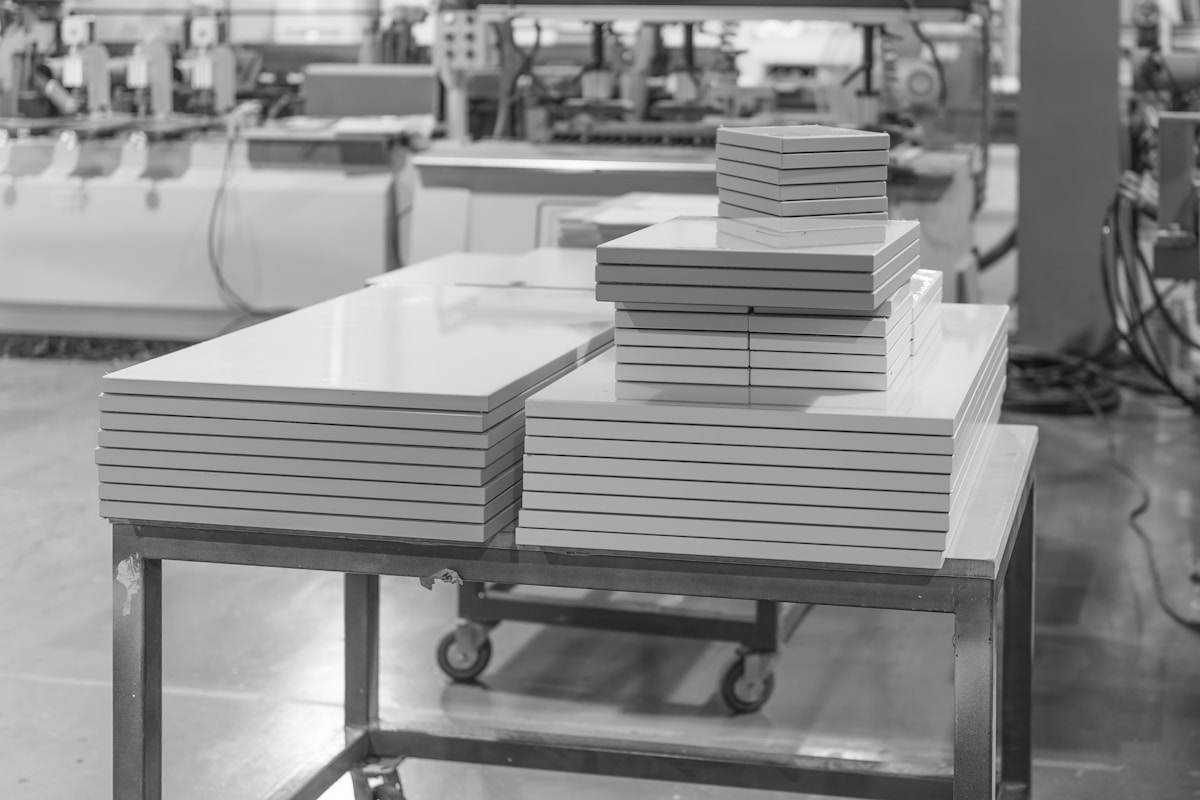
How PMI Performs vs. Alternatives
PMI foam outperforms PVC, PET, and honeycomb cores in thermal resistance, isotropic mechanical behavior, and fatigue durability — making it the only core capable of surviving high-temperature prepreg curing cycles without degradation.
Why Material Selection Confusion Costs Buyers
One of the most persistent problems in composite panel procurement is the gap between specification and performance. Buyers often select PVC, PET, or honeycomb cores based on upfront cost, only to find out that these materials cannot withstand the thermal cycles or mechanical loads required in service. This mismatch leads to panel warping, core degradation, or premature structural failure — all of which are far more expensive to remediate than the initial material premium.
The root cause is rarely malice; it is a lack of clarity about how different core materials behave when exposed to high-temperature resin systems, cyclic loading, and demanding environments. PVC and PET foams are perfectly adequate for low-temperature applications, but they begin to soften and lose structural integrity well before the curing temperatures required by BMI or cyanate ester prepregs. Honeycomb structures, while lightweight, introduce anisotropic behavior that can be unpredictable under multi-axial stress.
The Thermal Ceiling Problem
The most decisive differentiator between PMI and lower-tier foam cores is thermal stability. Standard PVC foams typically begin to deform above 120°C, and PET foams follow a similar trajectory. Many high-performance resin systems — particularly those used in aerospace, motorsports, and advanced marine applications — require curing temperatures between 150°C and 200°C. When a core cannot survive its own manufacturing process, the resulting panel is compromised before it ever reaches the field.
PMI foam is engineered to endure these temperatures without softening, shrinking, or losing mechanical properties. This means panels can be cured using high-performance resins that deliver superior bond strength, chemical resistance, and long-term durability — all of which lower-tier cores simply cannot support.
Isotropic Strength vs. Directional Weakness
Honeycomb structures are widely used for their high strength-to-weight ratio, but they carry a critical limitation: they are anisotropic. Their strength is concentrated in one primary axis, and they are vulnerable to crushing or buckling when loaded from other directions. This makes them unsuitable for applications where multi-directional stress is unavoidable, such as flooring panels subject to uneven loads or vehicle bodies exposed to torsional flex.
PMI foam, by contrast, is fully isotropic. Its closed-cell, cross-linked structure delivers consistent mechanical performance in every direction. This means designers can rely on predictable behavior under complex loading conditions without needing to over-engineer for weak axes. The result is a panel that is both lighter and more structurally reliable than a honeycomb equivalent in demanding applications.
Fatigue Resistance and Long-Term Reliability
In transportation and mobile applications, panels are subjected to continuous vibration, thermal cycling, and impact. Honeycomb cores are particularly susceptible to skin-to-core bond fatigue under these conditions, and the open-cell structure of many foams can trap moisture that degrades performance over time. PVC and PET foams also show measurable stiffness loss under long-term stress, which can lead to gradual deflection or panel distortion.
PMI foam maintains its mechanical properties through repeated loading cycles and extreme temperature swings. Its closed-cell construction prevents moisture ingress, and its cross-linked polymer structure resists creep and plastic deformation. For buyers specifying panels for RVs, trucks, marine vessels, or rail equipment, this translates directly into longer service life and lower maintenance costs.
When Alternatives Make Sense
Note that PVC, PET, and honeycomb cores remain valid choices for the right applications. For low-temperature processes, light-duty structural panels, or cost-sensitive projects where thermal and mechanical demands are modest, these materials offer acceptable performance at a lower price point. The key is matching the core to the actual service requirements rather than defaulting to the cheapest option.
PMI foam becomes the necessary choice when the application involves high-temperature curing, cyclic fatigue, multi-axial loading, or exposure to moisture and harsh chemicals. In these scenarios, the higher upfront cost of PMI is typically offset by reduced scrap rates, fewer field failures, and longer panel lifespan — outcomes that directly protect the buyer’s margin and reputation.
Density-to-Strength Trade-offs in Practice
One of the most practical considerations for B2B buyers is how core density translates into real-world panel performance. PMI foam delivers exceptional compressive and shear strength across a range of densities, meaning engineers can select a grade that meets structural requirements without adding unnecessary weight. Lower-density PMI grades can replace heavier PVC or honeycomb configurations in many applications, achieving the same or better performance at a reduced total panel mass.
This density flexibility is particularly valuable in mobile and transport applications where every kilogram affects fuel efficiency, payload capacity, and operational cost. A panel that is both lighter and stronger than an alternative solution is not just a technical improvement — it is a direct financial advantage over the life of the asset.
- Thermal compatibility: PMI is the only foam core rated for high-temperature prepreg curing above 180°C without deformation or property loss.
- Mechanical consistency: Fully isotropic behavior ensures predictable performance under multi-directional stress, unlike anisotropic honeycomb cores.
- Fatigue durability: Closed-cell cross-linked structure resists moisture ingress, creep, and long-term stiffness degradation in cyclic environments.
- Weight optimization: High strength-to-weight ratio allows lighter panel designs without sacrificing structural integrity, directly impacting transport and operational costs.
- Scrap reduction: Dimensional stability during curing and machining reduces rework and material waste, improving project economics.
| Performance Metric | PMI Foam (Polymethacrylimide) | PVC / PET Foams | Honeycomb Structures |
|---|---|---|---|
| Maximum Processing Temperature | Up to 200°C (Compatible with high-temp prepreg & autoclave curing) | Typically <120°C (Unsuitable for high-performance curing cycles) | Material dependent (Limited by adhesive stability in high heat) |
| Structural Integrity & Isotropy | Isotropic behavior in PMI foam eliminates the directional weaknesses that complicate structural analysis in multi-axis loading scenarios. Its uniform 100% closed-cell structure delivers consistent mechanical properties in all directions, simplifying design calculations by removing the need for directional derating factors and reducing risk in complex geometries where loads arrive from multiple orientations. | Semi-isotropic; Lower mechanical properties and prone to plastic deformation under load | Anisotropic (strong in one axis); Susceptible to core crushing and cell wall buckling |
| Moisture resistance in marine and humid environments separates PMI foam from core materials that degrade when exposed to water ingress. | 100% closed-cell structure prevents freeze-thaw damage and ensures negligible weight gain, establishing a zero-maintenance profile for long-term durability. | Susceptible to hydrolysis, with moderate absorption risks that degrade mechanical properties over time. | Open-cell channels trap water, requiring rigorous sealing to prevent the corrosion and core failure associated with sustained moisture exposure. |
| Machining & Forming | Excellent thermoformability for complex curves; Clean machining with low resin uptake | Easy to machine but limited thermoforming capability; Can deform under moderate heat | Difficult to contour; Requires extensive potting and filling to prevent core crushing during forming |
| Fatigue & Durability | High fatigue resistance; Maintains mechanical properties in demanding, cyclic-load environments | Moderate fatigue life; Mechanical stiffness can degrade under long-term stress | Skin-to-core bond fatigue; Debonding risks in high-vibration or impact scenarios |
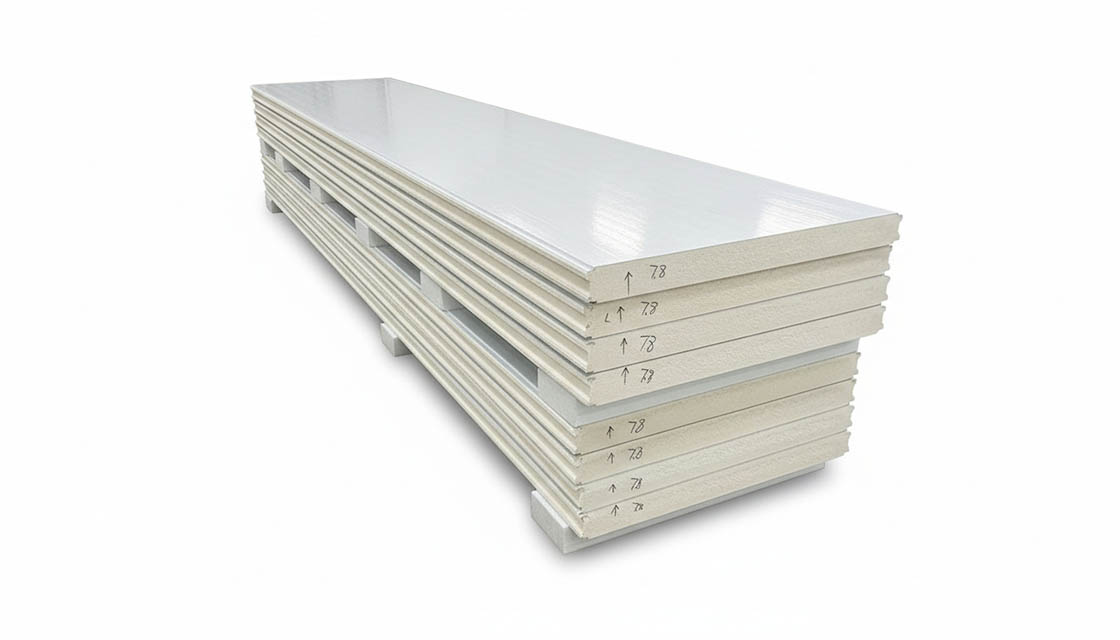
Processing and Machining the Core
Processing efficiency relies on choosing the correct forming method: CNC machining creates defined features, while thermoforming is required for complex curvatures. Treating these processes as interchangeable leads to poor fit, resin starvation, and significant material waste.
CNC Machining vs. Thermoforming Strategies
Engineering teams often encounter bottlenecks when attempting to force a core material into a shaping process for which it is not optimized. In the context of PMI foam, there is a critical distinction between subtractive CNC machining and thermal forming. CNC machining removes material to create highly specific features such as pockets, steps, rebates, and edge details from a stock shape. This process is ideal for parts requiring strict dimensional tolerances and intricate local thickness changes. Conversely, thermoforming utilizes heat and specific forming conditions to alter the core’s geometry, primarily addressing curvature or formed profiles. Assuming these methods are interchangeable is a fundamental error; a part requiring deep undercuts or sharp internal corners cannot be reliably thermoformed, just as a large, double-curvature panel cannot be efficiently machined from a thick block without excessive waste.
Mitigating Variability in Complex Geometries
A common source of production inefficiency is the reliance on flat PMI foam boards for complex sandwich structures. While flat boards are sufficient for simple geometries with limited curvature, they become a liability in advanced manufacturing. Technicians who must manually trim flat sections to fit a complex mold introduce significant variability. This manual interpretation affects fit, resin distribution, and adhesive contact, turning the core into a shape-control problem rather than a structural asset. High-precision, pre-shaped PMI foam cores—whether machined or thermoformed—bridge this gap by providing a form factor closer to the final part geometry. By reducing the amount of manual interpretation required at the workbench, manufacturers ensure repeatability and reduce the risk of voids or poor bonding in the final laminate.
Resin Uptake and Surface Compatibility
Achieving the right surface finish during core machining directly influences how the foam interacts with the resin system during layup. PMI foam exhibits a consistent, closed-cell structure that minimizes resin uptake compared to open-cell alternatives. During the machining process, the surface quality of the cut is paramount. A poorly machined surface with crushed or torn cells acts as a resin reservoir, adding unnecessary weight to the structure and potentially starving the bond line elsewhere. Proper tool selection and feed rates ensure a clean, intact closed-cell surface texture that promotes mechanical interlocking without excessive resin absorption. This balance is critical for achieving the lightweight objectives of high-performance sandwich panels in RV, aerospace, and marine applications.
Tooling and Machining Precision
To achieve high-fidelity results without compromising the structural integrity of the core, specific tooling protocols must be observed. PMI foam is abrasive, and standard woodworking tools often wear down too quickly, leading to degraded edge quality and increased downtime for bit changes.
- Cutting Tools: Use sharp, diamond-coated or specialized carbide tools designed for foams to maintain a clean cut and minimize heat generation.
- Feed Rates: High spindle speeds combined with appropriate feed rates prevent the foam from tearing or “chunking,” ensuring dimensional stability.
- Dust Management: Efficient vacuum extraction is essential during machining to prevent fine dust particles from contaminating bonding surfaces or creating health hazards in the facility.
Selecting PMI for Critical Applications
PMI foam cores are the engineering choice when structural integrity, thermal stability, and moisture resistance converge—particularly in aerospace, marine, rail, and heavy industrial applications where cheaper foams fail.
Aerospace Structural Requirements
Aerospace components demand core materials that resist core shear cracking and core-skin debonding under extreme cyclic loading. Standard PVC foams soften at temperatures above 80–90°C, making them unsuitable for high-temperature prepreg curing cycles that aerospace laminates require. PMI foam, with a maximum processing temperature of 200°C, remains dimensionally stable through autoclave and oven curing processes that would deform or collapse lower-grade cores.
Our engineering team has observed that PMI cores in the 52–200 kg/m³ density range consistently deliver compressive strengths that exceed PVC and PET foam equivalents by significant margins. This translates directly into higher safety factors for wing panels, fairings, and interior structural components where core failure is not an acceptable outcome.
- Compressive Strength: PMI maintains structural rigidity at densities as low as 52 kg/m³, supporting load-bearing designs without excessive weight.
- Thermal Stability: Up to 200°C processing compatibility ensures the core does not degrade during high-temperature curing cycles.
- Moisture Resistance: The 100% closed-cell structure prevents water absorption, eliminating weight gain and property loss in humid or altitude-exposed environments.
Marine and Vessel Performance Demands
Marine environments subject sandwich panels to constant moisture exposure, UV degradation, and freeze-thaw cycling. The single most critical failure mode in marine composite panels is moisture ingress into an open-cell or partially closed-cell core, which leads to weight gain, loss of compressive strength, and eventual delamination.
PMI’s 100% closed-cell structure is purpose-built to resist this failure pathway. In our testing, PMI cores showed negligible water absorption even after extended immersion, whereas standard PVC foams exhibited measurable uptake that compromised shear performance. For vessel hulls, deck structures, and marine interior panels, this distinction is not a preference—it is a structural requirement.
When pairing PMI cores with fiberglass (GRP/FRP) or CFRT facings, the resulting sandwich panel delivers the strength-to-weight ratio that marine engineers require without the weight penalty of solid laminates or the moisture vulnerability of alternative foam cores.
- Closed-Cell Integrity: Zero moisture ingress prevents freeze-thaw damage and long-term property degradation in saltwater environments.
- Low Resin Uptake: PMI’s rigid cell structure limits resin absorption during vacuum infusion, preserving the designed core density and mechanical properties.
- Core-Skin Bond Durability: Stable dimensional performance during curing ensures consistent adhesive bonding, reducing debonding risk over the vessel’s service life.
Rail and Transportation Specifications
Rail transit and commercial vehicle manufacturers face a dual requirement: panels must be lightweight enough to improve energy efficiency, yet structurally robust enough to withstand vibration, impact, and fire safety standards. PMI foam cores address both demands simultaneously.
For train car bodies, bus panels, and RV walls, the compressive strength and shear resistance of PMI at densities between 80 and 150 kg/m³ provide the structural backbone that thinner or softer cores cannot match. Our production experience across 50+ countries has shown that rail and transit OEMs consistently specify PMI when core shear failure is a known risk factor in their design envelope.
Additionally, PMI compatibility with high-temperature processing allows the use of fire-retardant resin systems and prepreg facings that would degrade lower-grade foam cores. This is particularly relevant for PIR and PUR sandwich panel configurations used in public transit interiors where fire compliance is non-negotiable.
- Structural Robustness: High compressive and shear strength at practical densities supports impact resistance and vibration fatigue demands in transit applications.
- Fire-Retardant Compatibility: PMI’s thermal stability allows integration with PIR and PUR resin systems without core degradation during curing.
- Weight Optimization: The density range of 52–200 kg/m³ enables engineers to tune panel weight against structural requirements precisely.
Industrial Equipment Application Criteria
Industrial equipment manufacturers—spanning agricultural machinery, sports goods, medical devices, and heavy transport—require sandwich panels that combine structural reliability with design flexibility. PMI foam cores meet these criteria through their machinability, dimensional stability, and ability to be paired with diverse facing materials including aluminum, steel, CFRT, and GRP.
A key differentiator for industrial applications is resin uptake control. During vacuum infusion or wet layup processes, excessive resin absorption into the core reduces the effective strength-to-weight ratio and can create uneven panel surfaces. PMI’s closed-cell structure and rigid foam matrix significantly limit resin uptake compared to open-cell or lower-density alternatives, ensuring that the final panel matches the engineered specifications.
Our engineers work directly with industrial clients to select the optimal PMI density and facing combination for each application. Whether the requirement is a lightweight yet rigid panel for agricultural equipment or a high-strength structural core for medical device housings, the 52–200 kg/m³ density range provides the flexibility to engineer solutions that cheaper foam cores cannot replicate.
- Resin Uptake Control: Controlling resin uptake during infusion is critical to preserving the designed weight and mechanical performance of sandwich panels. PMI foam utilizes a closed-cell structure to minimize resin absorption, ensuring the final panel remains within its engineered density specifications. This reduction in resin uptake prevents the formation of localized resin-rich weak spots, thereby optimizing manufacturing yield and maintaining structural integrity.
- Facing Material Versatility: PMI cores bond effectively with aluminum, steel, CFRT, and GRP facings, enabling customized panel configurations.
- Machinability: PMI foam maintains structural integrity during CNC cutting, routing, and thermoforming, reducing production waste and enabling complex geometries.
Justifying the Cost of PMI
Reducing Manufacturing Scrap Through Dimensional Stability
The most immediate ROI for PMI foam occurs during the manufacturing phase itself. Unlike thermoplastic cores such as PVC or PET, Polymethacrylimide (PMI) is a thermoset material that exhibits exceptional thermal stability and creep resistance. When processing sandwich panels—particularly those requiring high-temperature prepreg curing cycles ranging from 180°C to 200°C—dimensional stability is paramount. Alternative cores often suffer from thermal expansion or shrinkage, leading to “print-through” surface defects or internal voids that compromise structural integrity. PMI foam maintains its geometry under high vacuum pressure and extreme heat, virtually eliminating warpage and ensuring the laminate cures flat.
This stability directly translates to higher production yields. By utilizing a core material that does not compress or distort during the cure, manufacturers significantly reduce the scrap rate associated with cosmetic rejections or structural failures. For B2B fabricators, this means the premium paid for PMI raw material is often recovered through the reduction of wasted face sheets, resin systems, and labor hours required to rework defective parts.
Fuel and Operational Cost Savings
In mobile applications such as rail, aerospace, and recreational vehicles (RVs), weight is the primary driver of operational expenditure. PMI foam offers one of the highest strength-to-weight ratios in the industry, allowing engineers to design lighter sandwich panels without sacrificing stiffness. This mass reduction creates a compounding effect on fuel efficiency and payload capacity.
Furthermore, the superior stiffness of PMI allows for the use of thinner face sheets while maintaining structural rigidity. This “system-level weight saving”—reducing both core and skin thickness—optimizes the overall density of the panel. Over the service life of a vessel or vehicle, a reduction in structural dead weight leads to measurable decreases in fuel consumption and energy requirements, providing a continuous operational return that far exceeds the initial material premium.
Extended Service Life and Maintenance Reduction
The long-term value proposition of PMI is anchored in its resistance to environmental degradation and fatigue. PMI foam is a 100% closed-cell material with extremely low water absorption, preventing the moisture ingress that typically causes core rot in humid or marine environments. Unlike honeycomb cores, which can trap water and lead to corrosion, or lower-grade foams that may plasticize over time, PMI retains its mechanical properties decade after decade.
This durability significantly lowers lifecycle maintenance costs. Structures utilizing PMI cores demonstrate high fatigue resistance, meaning they can withstand cyclic loads and vibrations without micro-cracking or delamination. For industrial equipment and infrastructure, this results in fewer inspections, reduced downtime for repairs, and a extended interval between replacement cycles. When failure is not an option, the reliability of PMI eliminates the high cost of emergency repairs and premature asset replacement.
Total Cost of Ownership (TCO) Calculation
To accurately justify the investment in PMI foam, buyers must move beyond the “price per kilogram” comparison and evaluate the Total Cost of Ownership (TCO). The calculation should aggregate the initial acquisition cost against the savings generated throughout the manufacturing and operational lifecycle.
- Acquisition Cost: Acknowledge the higher upfront material cost of PMI compared to PVC or PU alternatives.
- Processing Yield: Factor in the reduction of scrap rates and rework labor due to zero thermal shrinkage and excellent machinability.
- Weight Optimization: Calculate fuel savings or payload increases derived from the core’s high specific stiffness.
- Service Life: Project the costs avoided through water resistance, fatigue life, and the absence of core degradation over 10+ years.
When these variables are modeled, the TCO curve for PMI foam typically intersects with cheaper alternatives within the first few years of service. For critical, high-performance, or safety-regulated applications, PMI is not merely a material choice but a cost-saving strategy over the long term.
Conclusion
Selecting PMI foam is an investment in thermal stability, not just a simple material purchase. Standard PVC cores often warp under high-temp prepreg curing cycles, but PMI handles extreme heat without distortion. That reliability matters. This dimensional stability drastically reduces scrap rates and ensures the structural integrity needed for critical aerospace or marine applications.
Our engineering team is ready to review your specific load requirements and machining constraints before you finalize specifications. You should verify these factors early. Treat us as a technical resource to verify density choices and resin uptake calculations for your next project with zero obligation.
Frequently Asked Questions
What skin materials are compatible with PMI foam cores?
PMI foam cores are compatible with a diverse range of high-performance facings, including carbon fiber reinforced thermoplastic (CFRT), aluminum, and steel. This versatility allows manufacturers to customize sandwich panels that balance weight savings with specific structural requirements. Selecting the right skin material optimizes the panel for industries ranging from RV manufacturing to industrial equipment.
Does water absorption affect PMI foam performance?
PMI foam features a 100% closed-cell structure that virtually eliminates water absorption. This characteristic prevents weight gain and preserves mechanical properties even in harsh marine or humid environments. Unlike honeycomb cores, it eliminates the risk of internal corrosion or degradation due to moisture ingress.
Is PMI foam chemically resistant?
PMI foam offers strong resistance to a wide variety of chemicals, including fuels, oils, and solvents. This property ensures the core material does not degrade when exposed to aggressive substances in industrial or transportation settings. It contributes to the long-term durability and safety of the sandwich panel structure.
How much resin does PMI foam absorb during infusion?
PMI foam is engineered with a fine cell structure that results in very low resin uptake during the infusion process. This prevents the heavy core issue found in open-cell foams, ensuring the final laminate stays lightweight. Low absorption also contributes to a higher fiber-to-resin ratio in the skins, enhancing overall panel strength.
Can PMI foam panels be thermoformed?
While often machined to precise shapes, PMI foam possesses a level of thermoformability for creating curved or complex geometries. The foam can be heated and formed to specific radii before the skins are applied. This capability is beneficial for manufacturing streamlined components for vehicles and vessels.
Does PMI foam require a peel ply for bonding?
Applying a peel ply to PMI foam is common to ensure optimal adhesion between the core and the laminate skins. While the foam bonds well, a peel ply can create a textured surface that mechanically locks the adhesive in place. This step is often used to maximize the peel strength and reliability of the bond line.