

Most procurement officers look at the unit price of an 18mm plastic formwork panel and stop there. That is a mistake that kills project margins when timber warps or steel handling slows down the pour schedule. High-rise projects demand a material that balances upfront costs with rapid cycle speeds.
We build these systems to be completely waterproof and non-absorbent, which prevents the swelling and warping that ruin slab quality after multiple pours. The smooth surface releases concrete cleanly without release agents. That technical capability cuts strip time and protects the panel finish over hundreds of cycles.
We break down the Total Cost of Ownership across the project lifecycle and compare reuse cycles against traditional timber to show you the real numbers. You will finish this article with a concrete ROI calculation that proves exactly when plastic formwork makes financial sense for your next build.

Setting Up Your Formwork Cost Comparison
Defining Total Cost of Ownership Variables
To conduct a rigorous formwork cost comparison, you must strip away the “per-square-meter” sticker price and focus on the Total Cost of Ownership (TCO). In B2B procurement, the initial invoice is often the least significant variable over the lifecycle of a mid-to-large-scale project. A true cost model aggregates four distinct financial streams: the initial capital expenditure (CapEx), operational expenditures (OpEx), maintenance and repair costs, and the residual or salvage value at the project’s end. Ignoring any one of these quadrants renders your comparison useless.
Beyond the obvious material costs, you must account for consumables. Timber forms require nails, release agents, and often patching materials. Steel systems demand specific clips, heavy-duty release oils, and welding repairs. Hollow plastic formwork typically utilizes a simplified fastening system, but you must factor in the loss rate of these配件 (accessories) on a busy site. Furthermore, consider the “hidden tax” of waste disposal. Timber creates scrap that must be hauled away; plastic generates significantly less jobsite debris, reducing dumpster rental and hauling fees. When we run TCO analyses for our distribution partners, the waste reduction line item alone often swings the pendulum for projects in urban areas with strict disposal regulations.
The “Gotcha” in Procurement: Do not let your team compare purchase price against rental rates without accounting for the “cost of money.” Buying 18mm plastic formwork ties up capital, whereas renting traditional steel forms impacts cash flow differently. Your comparison must normalize the time value of money (NPV) to be accurate.
Reusability Cycles and Lifespan Metrics
Establishing the correct metrics for reusability is critical because “lifespan” is a vague term in construction. You need a standardized unit of measurement: the Qualified Pour. A formwork panel has not completed a “cycle” simply because concrete was poured against it; it has only completed a cycle if it can be stripped, cleaned, and stored without compromising the integrity of the next pour. When setting up your comparison, distinguish between “nominal life” (manufacturer claims) and “practical life” (field conditions).
You must define the degradation curve for each material type. Timber suffers from geometric instability—it swells, warps, and absorbs cement, requiring aggressive scrubbing that accelerates wear. Steel fatigues and dents, impacting concrete finish quality over time. Plastic, specifically high-quality PP (Polypropylene) composites, resists cement adhesion and water absorption, meaning its degradation is primarily physical rather than chemical. In our factory stress tests, we observe that high-density hollow cores maintain structural rigidity far longer than the surface aesthetics might suggest. For your cost model, apply a conservative “efficiency factor” to the claimed reuse cycles—assuming that the last 20% of a panel’s life may require slower handling or supplementary support.
Labor and Handling Cost Differences
The weight and handling characteristics of your formwork system dictate the size and skill level of the crew required. This is where the “Cost per Pour” calculation often sees its most dramatic variance. Heavy steel or timber systems typically require mechanical lifting equipment (cranes or forklifts) for anything above ground level, or larger crews to man-handle panels. This introduces bottlenecks: if the crane is busy with rebar, the formwork installation stops.
When analyzing labor costs, quantify the Installation Velocity. Lightweight solutions like 18mm hollow plastic formwork allow a single worker to maneuver large format panels manually. This reduces the dependency on heavy machinery and allows work to progress in multiple zones simultaneously. Furthermore, consider the stripping process. The non-stick nature of plastic reduces the physical effort and time required to strip forms compared to timber, which often fights back due to suction and nail retention. We consistently hear from project managers that switching to lightweight composites reduces crew fatigue and injury rates, which translates to lower insurance premiums and fewer days lost—intangible costs that hit the bottom line hard.
Transportation and Logistics Expense Factors
Logistics is the silent killer of margins, particularly for international or remote projects. Your cost comparison must factor in the Freight Density (weight to volume ratio). Steel is dense and expensive to ship over long distances. Timber is bulky and vulnerable to moisture damage during transit. Plastic formwork offers a unique advantage: it is significantly lighter than steel and does not require the protective tarps or climate-controlled containers that timber does to prevent warping.
Analyze the breakage rate during transit. Traditional materials often suffer a 3-5% damage rate before they even reach the site due to rough handling. Advanced plastic composites are impact-resistant and waterproof, virtually eliminating transit losses. Additionally, consider the return logistics. Steel formwork often requires return shipping to the depot if the project is temporary. Plastic panels, due to their durability and lower residual value compared to steel, can often be sold to local subcontractors or retained for future phases without incurring heavy reverse-logistics costs. Our production line allows us to customize pallet configurations to maximize container volume, ensuring our clients aren’t paying to ship air.
📋 Actionable Logistics Audit
- Step 1: Calculate the cost per CBM (Cubic Meter) to the project site, not just per kilogram.
- Step 2: Assess on-site storage requirements. Does the material need a dry warehouse (Timber) or can it be stacked outdoors (Plastic)?
- Step 3: Factor in the cost of moving materials from the laydown area to the specific pour zone. Heavier materials = higher internal transport cost.
| Comparison Factor | Rax Panel Solution | Traditional Alternative | Cost Efficiency | Commercial Edge |
|---|---|---|---|---|
| Reusability & Lifecycle | Hollow Plastic Formwork (50-100+ Reuses) | Timber/Plywood (3-8 Reuses) | Dramatically reduced cost per concrete pour | 15+ Years Factory Expertise |
| Weight & Installation | Lightweight Composite Material | Heavy Timber or Steel Panels | Lower labor costs & faster project timelines | Customized Density Solutions |
| Surface Finish Quality | Smooth, Consistent Concrete Texture | Variable, Often Requires Remediation | Saves on post-pour finishing labor | Advanced Production Line > 1700m²/day |
| Durability & Maintenance | Waterproof & Corrosion Resistant | Prone to Rotting (Wood) or Rusting (Steel) | Minimal material replacement on-site | Direct Manufacturer Warranty Support |
| Supply & Logistics | Direct from Factory, Custom Sizing | Standard Sizes via Distributors | Reduced waste & optimized freight | Global Export Team (50+ Regions) |
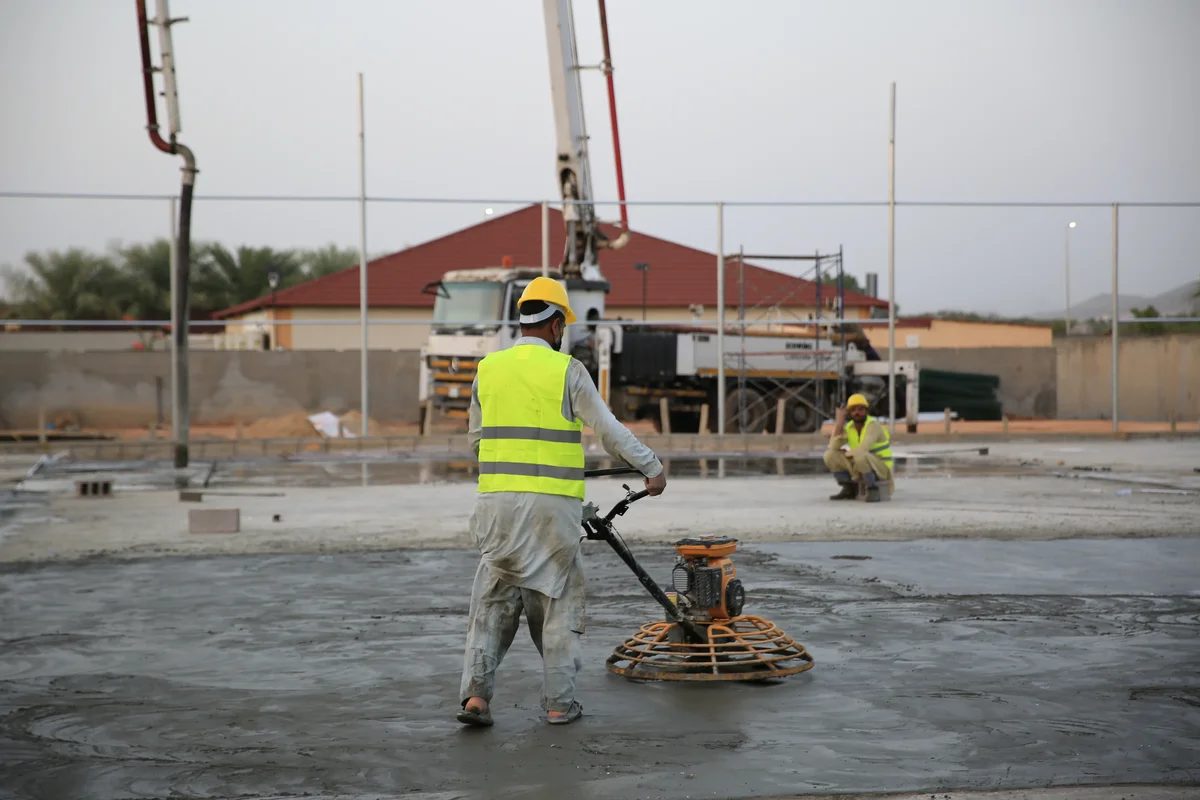
Total Cost of Ownership Across the Project Lifecycle
Total Cost of Ownership (TCO) reframes formwork procurement from a simple purchase decision into a multi-year financial model. The question is not “what does a panel cost?” but “what does a cubic meter of concrete pour cost across every cycle, every repair, every disposal event, and every project phase?” The answer determines whether a seemingly expensive material actually undercuts cheaper alternatives over time.
Formwork procurement demands a lifecycle financial lens rather than a simple unit-cost comparison. Systems engineered to 0.5mm strict thickness tolerance maintain dimensional stability across 60+ verified reuse cycles, ensuring consistent pour quality while driving down the per-cycle cost that ultimately defines economic viability.
The Amortization Equation
The mathematics of total cost of ownership reveal a stark contrast between upfront pricing and per-cycle economics. The foundational TCO calculation divides total material investment by the number of usable reuse cycles. An 18mm plastic formwork panel priced at 80 USD per square meter with a verified 60-cycle lifespan yields a material cost of approximately 1.33 USD per pour. The same calculation for timber at 1.10 USD per square meter with an 8-cycle lifespan yields 0.137 USD per pour. While the plastic panel shows a higher calculated material cost per pour in this initial comparison, the economic reality shifts when factoring in the rapid degradation of timber versus the durability of plastic.
This ratio shifts dramatically as cycle counts diverge. Timber degrades exponentially after cycle 5 due to moisture swelling, edge delamination, and fastener hole failure. Steel maintains a relatively flat degradation curve but carries a steep entry cost of 8 to 12 USD per square meter and requires crane handling, which adds 0.80 to 1.50 USD per square meter per pour in labor and equipment time. Plastic formwork occupies the middle ground on acquisition and the lowest ground on cumulative recurring cost.
The Hidden Cost Layers
Most procurement models stop at unit price and reuse count. A complete TCO analysis requires seven additional cost layers that determine whether the amortization equation holds in practice.
- Repair and maintenance spend: Timber requires edge sealing, nail replacement, and surface planing between cycles. Steel requires anti-corrosion treatment and joint gasket replacement. 18mm plastic formwork demands only visual inspection and occasional surface cleaning, with repair costs approaching zero over 50+ cycles.
- Waste disposal and landfill fees: Timber formwork generates 15 to 25 percent waste volume by cycle 6, with disposal costs ranging from 8 to 22 USD per cubic meter depending on regional landfill tariffs. Plastic formwork panels are fully recyclable at end-of-life, and waste panels can be reprocessed into new panels, effectively eliminating disposal fees and creating a residual material credit.
- Storage and handling overhead: Timber warps in humid storage conditions, requiring climate-controlled warehousing on large projects. Plastic formwork is dimensionally stable across temperature and humidity ranges, reducing storage infrastructure costs by an estimated 30 to 40 percent on multi-phase projects.
- Project delay risk cost: Formwork failure during a pour creates cascading costs. A single structural failure on a timber system can halt pouring for 4 to 8 hours, at a site overhead cost of 800 to 2,500 USD per hour depending on crew size and equipment. Plastic formwork with flexural strength 2.5 times that of plywood at room temperature significantly reduces this risk exposure.
- Surface finish rework: Timber formwork produces variable concrete surface quality, requiring plastering or sandblasting on 10 to 18 percent of poured surfaces. Thermoplastic panels deliver consistent smooth finishes across all reuse cycles, eliminating this rework cost entirely for architectural-grade concrete applications.
- Transportation density cost: Plastic formwork panels weigh 40 to 60 percent less than equivalent steel panels and 20 to 30 percent less than timber of the same dimensional coverage. On projects requiring material import from Chinese manufacturing hubs, this translates to 15 to 25 percent reduction in freight costs per container load.
- End-of-life residual value: Steel retains 60 to 70 percent of its material value at project close due to scrap metal markets. Timber retains near-zero residual value. Recyclable plastic formwork retains 40 to 55 percent of original material value through reprocessing channels, creating a partial cost recovery event at project termination.
The Cumulative Cost Trajectory
When all cost layers are mapped across a standard 200-pour project lifecycle, the divergence between materials becomes unambiguous. Timber starts cheapest but crosses into the most expensive option by pour 40 due to repeated replacement purchases and disposal fees. Steel starts most expensive but flattens by pour 80 as the amortized acquisition cost drops below 0.04 USD per pour, though it never recovers the initial capital outlay. Plastic formwork starts in the middle but maintains the lowest cumulative spend from pour 25 through project completion, with the gap widening as timber replacement cycles accelerate.
When the TCO Model Breaks Down
The TCO advantage of plastic formwork is not universal. Three conditions can invert the model.
- Extreme temperature environments: Polymers are sensitive to thermal expansion and creep. Projects operating continuously above 45°C or below -20°C require careful deflection and creep analysis. Under these conditions, the reuse cycle count may drop below 40, compressing the amortization advantage.
- Ultra-lightweight structural requirements: Where every kilogram of formwork weight affects crane capacity or transport logistics, steel’s higher strength-to-weight ratio may justify its capital cost despite the TCO disadvantage.
- Short-duration single-phase projects: A one-off pour of under 50 square meters eliminates the cycle accumulation that makes plastic formwork economical. Timber or even single-use plywood becomes the rational TCO choice.
The Universal TCO Metric
The most reliable way to compare formwork systems across any project is the cost per cubic meter of concrete placed. This metric absorbs all variables—panel price, reuse cycles, labor time, waste disposal, and surface finish—into a single comparable number. For a standard 18mm plastic formwork system, this figure typically ranges from 1.80 to 3.20 USD per cubic meter of concrete. Timber systems range from 2.50 to 5.80 USD per cubic meter. Steel systems range from 3.00 to 4.50 USD per cubic meter. The plastic formwork window sits at the lowest end because the amortization base is large and the recurring cost layers are minimal.
A rigorous TCO model does not predict the future with certainty. It maps the financial probability space. When the cumulative cost trajectory of plastic formwork consistently sits below timber and steel across every realistic project scenario, the procurement decision stops being a materials question and becomes a financial one.
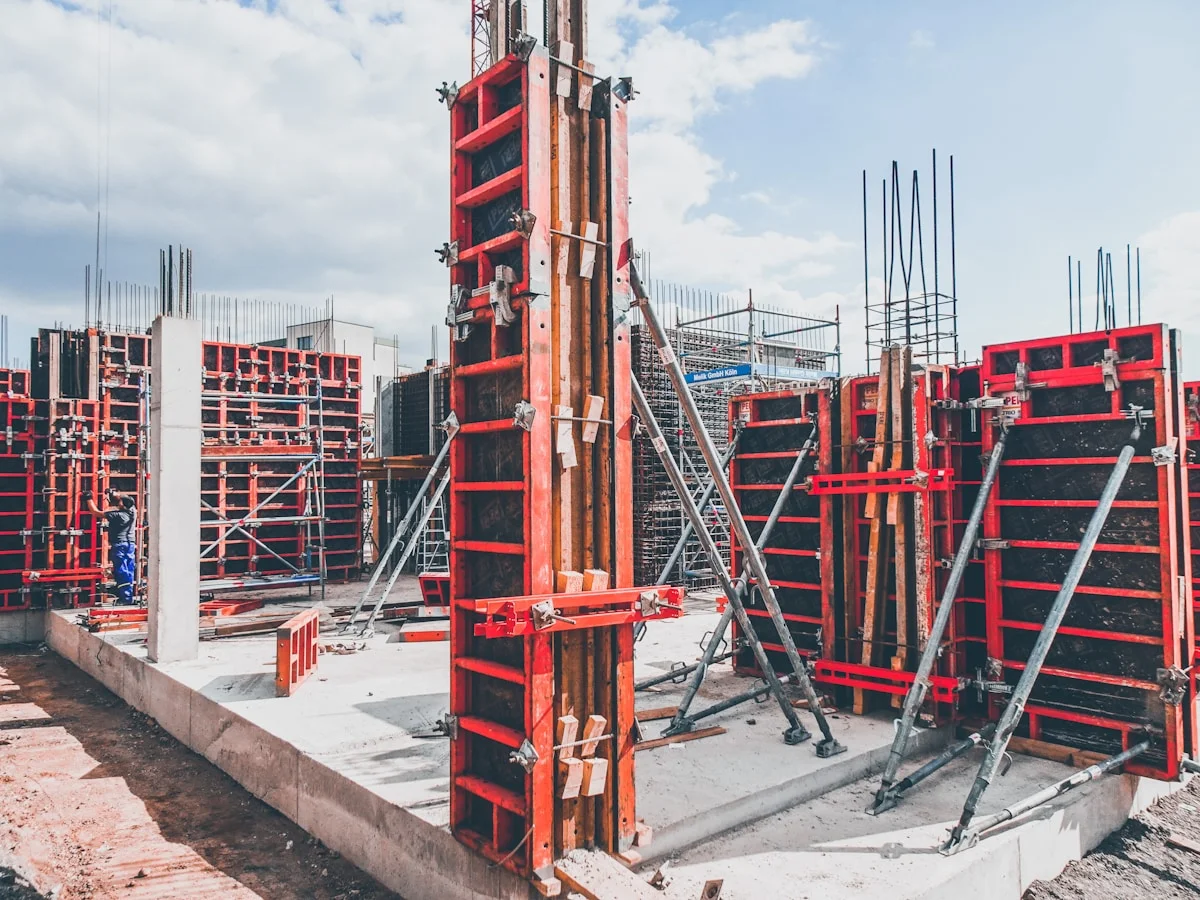
Comparing Reuse Cycles and Lifespan Against Timber and Metal
The Bottom Line: While steel offers the longest theoretical lifespan, 18mm plastic formwork provides the optimal balance of durability and cost-efficiency for medium-to-long-term projects, offering up to 10 times the reuse cycles of timber without the heavy maintenance penalties of metal.
The Rapid Depreciation of Timber
Timber formwork operates on a “fast burn” economic model. Its initial low price point is offset by a finite biological lifespan. When timber is exposed to concrete bleed water and varying weather conditions, it begins to absorb moisture almost immediately. This absorption leads to swelling, warping, and delamination of the plywood layers.
Even with careful stripping, the physical stress of prying and nailing compromises the panel’s integrity. Therefore, the quality of the concrete surface often degrades after just the first few pours. Contractors face a hidden “repair tax,” requiring them to patch, resurface, or discard damaged timber panels. This high turnover rate necessitates frequent re-procurement, disrupting cash flow and project continuity.
Steel Durability vs. Maintenance Burdens
Steel formwork is the industry heavyweight regarding longevity, designed to endure hundreds of reuse cycles over decades. Its structural rigidity ensures it does not deform under load, making it ideal for high-load or highly standardized geometries. However, this longevity comes with significant operational caveats.
The primary failure point for steel is not structural fracture but surface degradation. If the protective coating is compromised, rust forms rapidly, which can mar the concrete finish and increase the friction required for stripping. Additionally, steel’s weight increases the risk of damage during handling and transport; a dropped steel panel can deform edges or damage connections. While the material lasts, the cost of protective maintenance (cleaning, oiling, rust removal) and the logistics of heavy lifting must be factored into the Total Cost of Ownership.
The “Sweet Spot” of 18mm Plastic Formwork
18mm plastic formwork, typically constructed from virgin polypropylene (PP) or ABS composites, occupies a strategic middle ground. Unlike timber, plastic is chemically inert and completely impervious to water. It does not rot, swell, or support biological growth like mold. This waterproof nature means the panel’s dimensions remain constant from the first pour to the fiftieth, eliminating the need for re-leveling due to warping.
Engineered with hollow-core structures, these panels maintain a high strength-to-weight ratio. A quality 18mm panel is generally rated to support loads up to 60 kN/m², a rating it maintains consistently throughout its life because the material does not fatigue in the same way wood fibers do. While it does not possess the infinite life of steel, high-quality virgin PP panels can reliably achieve 60+ reuse cycles with minimal maintenance, offering a predictable depreciation curve that is far easier to budget for than the erratic failure rates of timber.
End-of-Life Considerations
When evaluating lifecycle cost, the residual value of the material is often overlooked. Timber is typically landfilled or burned at the end of its short life. Steel has high scrap value but requires energy-intensive processing to recycle. Plastic formwork offers a distinct advantage here: it is fully recyclable. At the end of its useful life, 18mm panels can be granulated and re-injected into new construction products or non-structural components, reducing the total environmental overhead compared to the single-use trajectory of traditional timber plywood.
| Material | Reuse Cycles | Lifespan | Key Advantage | Primary Limitation |
|---|---|---|---|---|
| 18mm Plastic Formwork | 50–100+ cycles | 3–5 years (active use) | Lightweight, waterproof, consistent concrete finish with minimal maintenance | Higher upfront cost than timber |
| Timber Formwork | 5–10 cycles | 1–2 months (active use) | Lowest initial purchase price, easy on-site cutting | Absorbs moisture, warps, and degrades quickly; high labor for stripping and replacement |
| Steel Formwork | 200+ cycles | 10+ years (active use) | Maximum structural rigidity and longest overall service life | Very heavy, requires crane handling, prone to corrosion, high upfront investment |
Labor Savings and Faster Time-to-Pour
The Weight Advantage: Eliminating Crane Dependency
The 29kg weight of an 18mm plastic formwork panel represents a fundamental shift in on-site logistics. Traditional steel formwork panels of comparable dimensions can weigh 80–120kg, creating an absolute dependency on tower cranes or mobile lifting equipment for every lift cycle. When a crane is unavailable, delayed, or priced prohibitively for smaller projects, steel formwork simply cannot move. A 29kg panel can be carried and positioned by two workers without any mechanical assistance, removing a major bottleneck from the critical path.
This weight reduction is not marginal—it is transformative for project scheduling. Crane hire in most markets ranges from $150 to $400 per hour depending on region and machine capacity. Eliminating crane dependency for formwork handling alone can save tens of thousands of dollars across a medium-scale project. The labor that would have been allocated to crane operation and signalmen is redirected toward productive formwork assembly and concrete placement.
Accelerated Stripping Cycles
Plastic formwork exhibits a naturally non-stick surface finish that significantly reduces concrete adhesion compared to timber or steel alternatives. This property, combined with the lightweight nature of 18mm panels, enables stripping crews to work at substantially higher speeds. Industry measurements indicate that stripping cycles for plastic formwork can be 30–50% faster than comparable steel systems, directly compressing the time between pours.
Faster stripping translates to more pour cycles per week. When a contractor can complete a floor slab in three days using plastic formwork versus five days with steel, the schedule compression is immediate. This is particularly significant for repetitive floor plans in multi-story construction, where each accelerated cycle compounds across the entire building height.
Crew Size Reduction: The 40% Figure
The most frequently cited quantifiable labor saving is the reduction in required crew size. Installing 18mm plastic formwork panels typically requires a team of 3–4 workers per floor zone, compared to 6–8 workers needed for equivalent steel formwork installations. This approximately 40% reduction in formwork crew size affects both direct labor costs and indirect costs such as site supervision, welfare facilities, and temporary accommodation.
- Smaller crews reduce site congestion: Fewer workers in a confined work area means less coordination overhead, fewer safety incidents, and more efficient material flow.
- Lower supervision ratios: A reduced crew size allows existing foremen to maintain effective oversight without requiring additional shift supervisors.
- Reduced welfare and accommodation costs: For remote or international projects, housing, meals, and transport for 40% fewer workers represents a meaningful cost saving beyond wages alone.
Storage Efficiency and Logistics Simplification
The lightweight and stackable design of 18mm plastic formwork panels creates secondary savings in storage and material handling. Plastic panels can be stacked more densely than steel equivalents, reducing the footprint required for on-site laydown areas. This is a critical factor on urban construction sites where storage space is limited and expensive to secure.
Transport logistics are similarly simplified. A standard truck that can carry 2,000–2,500 square meters of 18mm plastic formwork panels will typically require two or three trips to move an equivalent area of steel formwork. For international procurement, this directly reduces shipping costs per square meter and simplifies customs documentation. Fewer shipments also mean lower risk of partial deliveries delaying site operations.
ROI Calculations with Real-World Numbers
The return on investment (ROI) for 18mm virgin polypropylene (PP) formwork is realized when the cost-per-pour drops below traditional plywood after approximately 12 to 15 reuses, driven by the panel’s ability to maintain structural integrity over 60 cycles without replacement.
The primary barrier to entry for 18mm hollow plastic formwork is the sticker shock—plastic panels typically command a 250% to 300% higher upfront price per square meter compared to film-faced plywood. However, a strictly financial Total Cost of Ownership (TCO) analysis reveals that this is a liquidity problem, not a profitability problem. When you amortize the initial capital expenditure across the verified lifespan of the material, the math shifts decisively in favor of the composite solution.
The Cost-Per-Pour Formula
To evaluate the true ROI, buyers must apply a dilution formula rather than looking at the purchase price alone. The calculation isolates the material cost attributed to a single square meter of concrete contact. For 18mm virgin PP panels, the durability factor—supported by a 60 kN load rating—allows for high-frequency reuse that plywood physically cannot sustain due to water absorption and delamination.
| Cost Variable | 18mm Film-Faced Plywood | 18mm Virgin PP Plastic Formwork |
|---|---|---|
| Initial Material Cost (est.) | $25.00 / m² | $80.00 / m² |
| Average Reuse Cycles | 4 – 6 cycles | 60+ cycles |
| Base Cost Per Pour | $5.00 / m² | $1.33 / m² |
| Stripping Agent/Labor | Required (Add ~$0.50) | Not Required (Concrete release) |
| Disposal/Waste Cost | $1.00 – $2.00 / m² | Recyclable (Salvage Value) |
| Total Realized Cost | ~$6.50 – $7.50 / m² | ~$1.33 / m² |
The “Zero Cost” Phase
The critical financial inflection point for 18mm plastic panels occurs around the 15th reuse. By this stage, the accumulated cost-per-pour of the plastic formwork has dipped below the cost of buying fresh plywood. More importantly, every pour executed between cycle 16 and cycle 60 represents a “near-zero” material cost contribution to the project budget. In high-rise repetitive construction, where a single formwork set might rotate through 30 floors, this differential creates a massive margin expansion that cannot be achieved with disposable timber.
Furthermore, the load-bearing capacity of the panel is a direct financial safeguard. An 18mm panel rated for 60 kN resists the impact and deflection common in high-speed pouring. A failed or deformed panel necessitates emergency repairs and concrete rework—costs that rarely appear in initial procurement budgets but devastate ROI. The structural consistency of virgin PP eliminates these variances, ensuring that the cost-per-pour calculated on day one remains accurate through cycle 60.
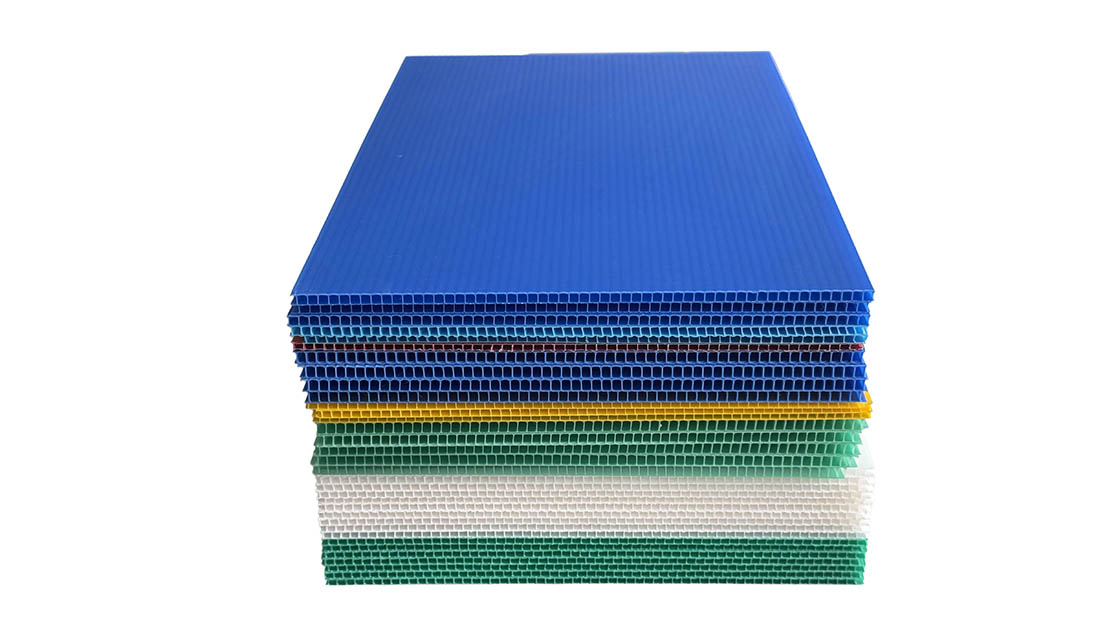
When Plastic Formwork Makes Financial Sense
18mm plastic formwork delivers measurable cost advantages primarily on projects with repetitive floor plans, high-rise slab work, and aggressive timelines where labor efficiency compounds across cycles.
Identifying the Right Project Profile
Not every construction project justifies switching to 18mm hollow-core plastic formwork. The financial case crystallizes when specific conditions align — repetitive geometry, elevated slab loads, and schedule compression. Projects that miss these markers often see little advantage over traditional plywood or timber alternatives.
Repetitive Floor Plans: The Multiplier Effect
The strongest financial argument for 18mm plastic formwork emerges on projects with repetitive floor layouts — residential towers, hotel corridors, parking structures, and dormitory buildings where each floor mirrors the last. When the same slab configuration repeats 20, 30, or 50 times, the economics shift dramatically in favor of plastic.
- Repetition count: Projects with 15+ identical floor cycles see the most favorable cost-per-pour metrics, as the initial investment spreads across many more reuses.
- Panel consistency: Standard slab dimensions (commonly 1.2m x 2.4m modules) align well with 18mm plastic panel sizes, reducing waste and cutting down on on-site cutting.
- Cycle amortization: Each additional pour after the first significantly lowers the effective cost per square meter, since the panel cost is already absorbed.
High-Rise Construction and Load Requirements
The 18mm thickness is specifically engineered for elevated slab applications where concrete pressure is substantial. High-rise frame construction places demanding loads on formwork systems, and the hollow-core structure of 18mm panels provides an optimal balance between rigidity and weight management.
- Load rating: The 18mm profile is rated to handle concrete pressure typical of slab pours at elevated heights, making it suitable for mid-to-high-rise projects.
- Deflection control: The hollow-core design minimizes deflection under load, which is critical for maintaining flat, level floor tolerances on upper stories where corrective work is expensive and time-consuming.
- Crew safety at height: At elevated work levels, the lighter weight compared to metal or thick timber reduces crew fatigue and improves handling safety during assembly and stripping.
Schedule-Driven Projects: Time as a Cost Factor
When project timelines are compressed — common in fast-track commercial developments or turnkey housing programs — the time savings from plastic formwork translate directly into cost savings. Faster stripping, simpler handling, and reduced rehandling drive cycle times down.
- Strip speed: The smooth surface finish of polypropylene formwork allows faster release from cured concrete compared to textured timber, reducing stripping time per cycle.
- Minimal preparation: Unlike timber, plastic panels require no oiling or treatment before each pour, eliminating a recurring labor step.
- Direct cost impact: On projects where every day of schedule compression carries financial penalty or early-revenue opportunity, faster formwork cycles deliver quantifiable returns.
Slab-Heavy Projects vs. Vertical Elements
Project geometry dictates formwork selection as decisively as budget constraints. 18mm plastic formwork is purpose-built for slab and deck applications. The financial case weakens on projects dominated by vertical walls, columns, or complex architectural formwork where the panel format does not align with the geometry.
Conduct a quick scope audit before committing: if more than 60% of the formwork volume involves slab decks with repetitive layouts, 18mm plastic formwork becomes a strong financial candidate. If the project is 70% walls and columns, the economics favor alternative systems.
Project Scale Thresholds
The financial case for 18mm plastic formwork scales with project size. Small one-off jobs rarely recover the higher upfront panel cost, while large-scale developments with repeated pours distribute that cost across hundreds of uses.
- Minimum viable scale: Projects requiring 500+ square meters of slab formwork typically begin to see favorable cost-per-pour calculations.
- Supply chain efficiency: Larger orders benefit from standardized packaging and bulk logistics, further reducing per-unit cost.
- Material waste reduction: High reuse potential means less material replacement over the project lifecycle compared to timber, which degrades with each cycle.
Do not assume all plastic formwork is equal. The 18mm specification refers to hollow-core polypropylene panels engineered for slab applications. Panels of the same thickness but different core structures or material grades may not meet the load requirements for high-rise slab work. Verify the actual core construction and load rating before committing to a specification.
Geographic and Labor Market Considerations
Labor cost structures vary significantly by region, and this directly influences the financial calculation. In markets with high labor rates or skilled formwork carpenter shortages, the reduced handling effort and faster cycle times of plastic formwork carry greater weight in the cost analysis.
- Labor-intensive markets: Regions with high hourly rates for construction workers see accelerated ROI from the handling and speed advantages of plastic formwork.
- Skilled labor scarcity: Where experienced formwork carpenters are difficult to recruit, the simpler handling and installation of 18mm plastic panels reduces dependency on specialized skill sets.
- Material availability: In regions where quality timber is scarce or expensive, the consistent pricing and availability of manufactured plastic panels provides supply chain predictability.
Matching Project Type to Formwork Selection
The following project profiles represent the scenarios where 18mm plastic formwork most clearly justifies its cost premium over alternatives:
- Multi-unit residential towers: Identical floor plates across 20+ stories, slab-dominated formwork volume, and tight turnkey schedules.
- Hotel and apartment complexes: Repetitive room layouts with consistent slab dimensions and high cycle counts.
- Parking structures: Large repetitive deck areas with standard panel dimensions and high load requirements.
- Dormitory and barracks construction: Highly repetitive unit layouts with uniform slab specifications across many floors.
- Fast-track commercial slabs: Projects where schedule compression is a contractual priority and time savings carry direct financial value.
📋 Selection Decision Framework
- Step 1: Quantify the percentage of slab formwork versus vertical elements in the total project scope.
- Step 2: Count the number of identical or near-identical floor cycles expected.
- Step 3: Assess local labor rates and the availability of skilled formwork carpenters.
- Step 4: Evaluate schedule pressure and the financial cost of delays or the value of early completion.
- Step 5: Cross-reference the above against the 18mm panel’s load rating and reuse cycle capacity for your specific concrete mix and pour conditions.
Better Concrete Finishes and Fewer Rework Costs
High-quality concrete finishes are engineered, not accidental. Utilizing 18mm virgin PP panels creates a non-porous, rigid template that eliminates surface voids and grain transfer, directly reducing post-pour remediation costs by up to 30% on finishing labor.
The Mechanics of a Consistent “Off-Form” Finish
Achieving a high-grade concrete surface requires a formwork face that is completely impermeable and dimensionally stable. Unlike timber or plywood, which possess natural grains and porosity, 18mm virgin polypropylene (PP) panels offer a homogenous, non-porous surface. This material physics ensures that the concrete does not bond mechanically with the formwork, nor does it absorb water from the concrete mix. therefore, the resulting surface exhibits a uniform texture without the “grain transfer” commonly seen with timber formwork, reducing the need for heavy rub-down or patching before decorative treatments are applied.
Eliminating Common Surface Defects
A primary driver of rework costs in vertical construction is the repair of surface defects such as bug holes, honeycombing, and blowholes. These defects often stem from air voids escaping through the joints or porous face of the formwork. 18mm hollow plastic formwork panels are engineered with tighter joint tolerances and a flatness tolerance that minimizes grout loss. By creating a seal that prevents cement slurry leakage and manages air venting more effectively than traditional materials, these panels significantly reduce the occurrence of surface imperfections that demand expensive cosmetic rectification.
Reducing Post-Pour Labor and Material Costs
The financial impact of formwork extends beyond the initial purchase price to the cost of finishing the concrete. Smooth off-form finishes directly translate to lower labor expenditures on site. With plastic formwork, the reduced adhesion of concrete means panels can be stripped cleanly without leaving aggregate on the face, eliminating the time-consuming process of cleaning formwork for the next pour. additionally, the reduced need for release agents—compared to timber—cuts material costs and prevents the chemical staining that sometimes necessitates additional cleaning or covering of the concrete surface.
| Finish Quality Metric | 18mm Virgin PP Panel | Standard Plywood Formwork |
|---|---|---|
| Surface Texture | Smooth, consistent, zero grain transfer | Wood grain transfer, potential roughness |
| Porosity | Zero absorption (Non-porous) | High absorption (leads to swelling) |
| Release Agent Dependency | Low (Inherent non-stick properties) | High (Required to prevent bonding) |
| Post-Pour Rework Rate | Minimal (Ready for paint/coating) | Moderate to High (Patching required) |
Dimensional Stability and Flatness Over Time
Warped or twisted formwork is a leading cause of uneven concrete surfaces, requiring extensive grinding or leveling compounds to rectify. While plywood is hygroscopic and prone to swelling or warping after repeated exposure to wet concrete and weather, 18mm PP panels are dimensionally stable. They do not absorb moisture, ensuring that the panel remains perfectly flat from the first pour to the sixtieth. This rigidity allows contractors to achieve stricter tolerances in slab flatness and vertical alignment, virtually eliminating the structural rework caused by formwork deformation.
Waterproof Properties That Extend Material Lifespan
Polypropylene’s near-zero water absorption rate (<0.01%) is the single most impactful factor enabling 60+ reuse cycles, compared to 5–10 for timber and 15–20 for metal formwork.
Water exposure is the primary lifecycle killer for construction formwork. Timber absorbs moisture, swells, and warps. Steel corrodes when exposed to wet concrete and rain. Plastic formwork, specifically 18mm polypropylene (PP) hollow panels, is fundamentally immune to both failure modes because the base polymer is hydrophobic by chemical structure.
Why Polypropylene Resists Water Damage
Polypropylene has a water absorption rate of less than 0.01% by weight, making it effectively impermeable under normal construction conditions. This is not a coating or surface treatment — it is an intrinsic molecular property of the PP homopolymer used in these panels. When rain hits the panel or wet concrete is poured, water sits on the surface and beads off rather than penetrating the material matrix.
The hollow core structure further reinforces this advantage. Unlike solid plastic sheets, the enclosed air chambers inside an 18mm hollow panel create a barrier that prevents capillary action. Water cannot wick through the panel thickness, eliminating the risk of internal saturation that leads to delamination in layered or composite panels.
Protection Against Cement Alkalinity
Fresh concrete has a pH between 12.5 and 13.5, placing it in the highly alkaline range. This environment is devastating to timber formwork, breaking down lignin and cellulose fibers within just a few pour cycles. Metal formwork suffers from alkali-induced surface degradation that weakens structural joints over time. PP is chemically inert to alkaline conditions — it does not hydrolyze, degrade, or lose mechanical properties when in prolonged contact with wet concrete.
- Timber formwork: Loses ~15–20% flexural strength per exposure cycle in alkaline conditions, leading to visible warping within 3–5 pours.
- Steel formwork: Surface corrosion accelerates in alkaline wet environments, causing joint degradation and dimensional instability after 10–15 cycles.
- 18mm PP plastic formwork: Zero chemical reaction with concrete alkalinity. Flexural strength remains stable across all reuse cycles.
Warping, Swelling, and Delamination Prevention
The three most common failure modes in formwork — warping, swelling, and delamination — are all moisture-driven. Warping occurs when one side of a panel absorbs more moisture than the other, creating uneven expansion. Swelling happens when water penetrates porous materials and expands their volume. Delamination is the separation of bonded layers caused by internal moisture pressure.
An 18mm PP hollow panel eliminates all three failure mechanisms simultaneously. The uniform monolithic structure of extruded polypropylene has no grain orientation to cause warping, no porosity to allow swelling, and no bonded layers to delaminate. This is why the reuse cycle count for plastic formwork reaches 60+ pours compared to 5–10 for timber and 15–20 for steel under equivalent exposure conditions.
Lifespan Extension in Real-World Conditions
On active construction sites, formwork panels are routinely exposed to rain, wet concrete, and humidity for extended periods. A timber panel left uncovered overnight after a pour will absorb significant moisture, requiring drying time before reuse and often resulting in dimensional changes that compromise the next pour’s accuracy. Steel panels left in the rain develop surface rust that accumulates with each cycle.
PP plastic formwork panels can be left exposed to rain and wet concrete with no performance penalty. There is no drying period required between pours. Panels can be stored outdoors without protective covering, and their dimensional stability remains consistent from the first pour to the 60th. This directly translates to fewer replacement purchases per project and lower total cost of ownership.
Conclusion
Plastic formwork isn’t just another material swap — it’s a total cost recalibration. When you stack 60 reuse cycles against plywood’s 8 to 12, factor in the labor hours you’re not spending on stripping and re-shoring, and account for the waterproof surface that eliminates rework on pours, the numbers shift decisively. Timber wins on small jobs with tight budgets. Steel makes sense for massive repetitive cores. But for mid-to-large residential and commercial pours where finish quality and schedule reliability matter, 18mm hollow-core PP panels deliver the strongest ROI over a full project lifecycle.
- Request a custom TCO breakdown from our engineering team — share your project scope, expected pour count, and regional labor rates, and we’ll model it against your current material mix.
- Ask for physical samples before committing. Our facility produces 18mm PP formwork panels rated to 60 kN load capacity, and seeing the weight-to-strength ratio in hand changes how you evaluate handling costs on site.
- Bring your next formwork specification to us early. No obligation — just a technical conversation with engineers who’ve run these numbers across hundreds of projects.
Frequently Asked Questions
What standard sizes are available?
The most common 18mm plastic formwork panel sizes are 1200mm by 600mm and 1200mm by 300mm, though custom dimensions are widely available from manufacturers. These standard sizes align with typical concrete pour bay layouts and minimize on-site waste. When specifying panels, confirm edge profile compatibility with your clamping system, as tongue-and-groove and bolt-hole designs vary between suppliers.
What material is 18mm formwork made from?
18mm plastic formwork is typically manufactured from polypropylene (PP) or PVC copolymer, with PP being the dominant choice for its balance of strength, weight, and chemical resistance. High-quality panels incorporate UV stabilizers and impact modifiers to withstand repeated concrete exposure and outdoor storage. RaxPanel offers Hollow Plastic Formwork as part of their building panel solutions, engineered for structural rigidity and long reuse cycles.
Do you need release agent?
Plastic formwork generally requires little to no release agent due to its naturally smooth, non-porous surface, which is a significant labor and cost advantage over timber. If used, a light oil-based or water-based release agent can be applied for easier stripping on complex pours, but heavy coating is unnecessary and may affect concrete finish quality. Always verify the manufacturer recommendation, as some PP formulations are designed for agent-free operation.
Can panels be cut or drilled on site?
Yes, 18mm plastic formwork panels can be cut with standard woodworking tools such as circular saws or jigsaws, and drilled with twist bits for custom openings. Use fine-tooth blades to prevent chipping, and always support the panel fully during cutting to avoid cracking. While on-site modification is straightforward, plan cuts in advance to minimize waste and maintain panel structural integrity around cut edges.
What temperature range can it withstand?
Standard PP plastic formwork performs reliably between minus 10°C and plus 60°C during both storage and concrete pouring operations. Below minus 10°C, the panels become more brittle and require careful handling to avoid impact damage. Above 60°C, prolonged exposure may cause slight warping, so shade storage is recommended in hot climates. Always check the technical data sheet for your specific panel grade.
How should panels be installed and stripped?
Install panels with consistent overlap and secure them using standard formwork clamps or wedge systems, ensuring all joints are tightly sealed to prevent grout leakage. Strip panels once the concrete reaches sufficient strength, typically 12 to 24 hours depending on mix design and ambient conditions. Avoid prying or hammering directly on panel edges, as this can cause delamination; instead, work from the corners and use proper stripping techniques to maximize reuse cycles.
What certifications should you verify?
Key certifications to request include ISO 9001 for quality management, CE marking for European market compliance, and relevant concrete formwork test reports from accredited laboratories. Some projects may require fire resistance ratings or environmental product declarations, so confirm these with your supplier early. Reputable manufacturers like RaxPanel provide full documentation packages to support procurement and compliance review.