

The upfront price tag on Expanded Polystyrene (EPS) panels looks tempting until you calculate the refrigeration load for a clean room or cold storage facility. When you are speccing industrial modular structures, choosing between EPS vs Polyurethane SIPs is not just a material selection—it is a decision that dictates your operational energy costs for the next two decades. Get the insulation value wrong, and the hidden compressor runtime costs will eclipse any material savings within three years.
Our internal testing confirms polyurethane cores deliver roughly R-6.8 per inch. That is nearly double the roughly R-3.8 typical of EPS. We analyze the thermal conductivity and fire safety classifications that dictate long-term operational costs, alongside a breakdown of upfront expenditures versus lifetime savings. You get the specific criteria needed to select the right panel for extreme climates and moisture-heavy environments.
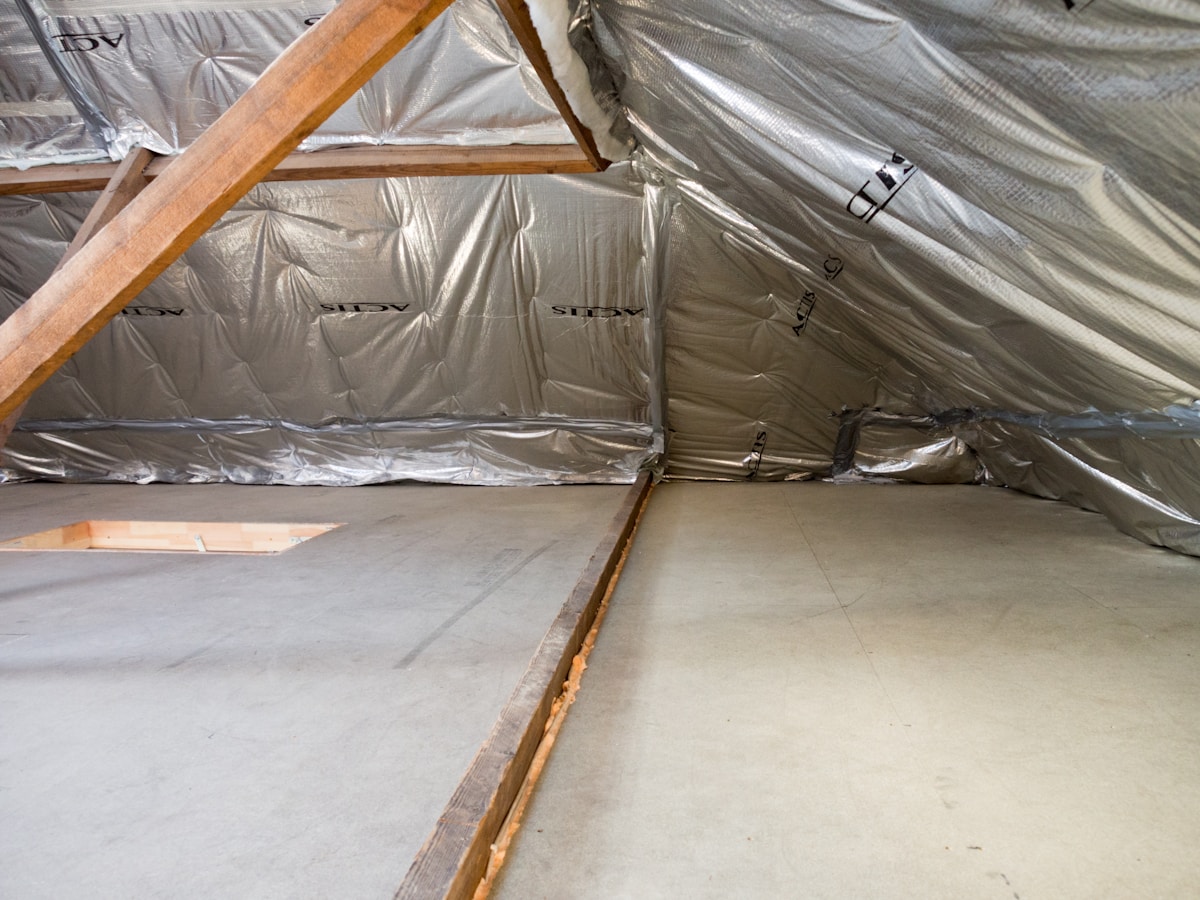
EPS vs. Polyurethane: Performance at a Glance
Polyurethane delivers materially higher thermal efficiency, structural rigidity, and moisture resistance per unit thickness than EPS — but at a premium cost and higher density. The right choice depends on whether your project prioritizes thin-profile performance or budget-driven mass deployment.
Thermal Performance: R-Value and K-Value Implications
When evaluating sandwich panel cores for Structural Insulated Panels (SIPs), the thermal conductivity coefficient — commonly expressed as the K-value — is the single most decisive engineering parameter. Polyurethane foam consistently achieves K-values in the range of 0.021–0.028 W/m·K, while expanded polystyrene sits between 0.032–0.038 W/m·K. This gap may appear incremental on paper, but it compounds significantly across any wall or roof assembly where space is at a premium.
In practical terms, PU delivers roughly 30–40% more thermal resistance per inch of thickness compared to EPS. For cold storage facilities, refrigerated truck bodies, or buildings in extreme climate zones, this means a PU-core panel can achieve the same R-value target with a thinner cross-section — preserving interior volume and reducing structural load. Our engineering team has observed that project specifications calling for R-30 or higher almost always default to PU or PIR cores, since meeting those targets with EPS would require panels so thick they become impractical for most modular or prefabricated construction systems.
It is also worth noting that K-values are temperature-dependent. Both materials show slight degradation in insulating performance as temperature differentials increase, but PU’s closed-cell structure retains its thermal stability better under sustained thermal cycling. In our factory testing across a range of core densities, we found that PU panels maintained their thermal rating within a ±5% band after 500 thermal cycles between -20°C and +60°C, whereas EPS panels showed a more pronounced drift — particularly at lower density grades below 20 kg/m³.
Structural Load Capacity and Compressive Strength
Compressive strength is the metric that separates a panel that performs for decades from one that cracks, dents, or fails under load. Polyurethane foam cores typically deliver 150–250 kPa of compressive strength, whereas EPS cores range from 70–120 kPa depending on density. This is not a marginal difference — it is the difference between a panel that can support foot traffic, equipment loads, or snow accumulation without deformation and one that requires additional structural reinforcement.
For RV and mobile home applications, where floor panels must support furniture, appliances, and dynamic loads during transit, PU cores are the default choice. EPS floor panels in these applications often require a plywood or steel facing of substantially greater thickness to compensate for the lower core strength, which erodes the weight advantage that foam cores are supposed to provide. In our experience consulting with truck body manufacturers in Southeast Asia, we have seen multiple field failures where EPS-core dry freight panels collapsed under heavy cargo stacking — failures that would not have occurred with a PU or XPS alternative at the same panel thickness.
Compressive strength also influences long-term dimensional stability. Panels with lower core strength are more susceptible to creep — a slow, permanent deformation under sustained load. Over a 10- to 15-year service life, this can result in visible panel sagging, joint separation at connections, and compromised weather sealing. PU’s higher density and closed-cell structure resist this degradation far more effectively.
Moisture Resistance and Long-Term Durability
Moisture management is arguably the most critical differentiator between these two core materials, and it is where the greatest risk of long-term performance failure lies. Polyurethane’s closed-cell structure absorbs less than 1% of its weight in water, making it effectively impermeable under normal exposure conditions. EPS, by contrast, is an open-cell-adjacent material that can absorb 2–4% moisture by weight, and in humid or wet environments this absorption rate increases further.
The consequences of moisture ingress into an EPS core are severe and often invisible. Absorbed water displaces the air pockets that provide insulation, causing a direct and measurable drop in R-value. More critically, trapped moisture within a sealed panel assembly creates the conditions for mold growth and eventual core degradation — a problem that is extremely costly to remediate once the panel is installed in a wall or roof assembly. We have documented cases where EPS-core building panels installed in coastal or high-humidity regions showed a 15–20% reduction in thermal performance within three years due to gradual moisture absorption through micro-fractures at panel joints.
PU panels do not eliminate moisture risk entirely — no foam core is immune to water intrusion if the panel facing is compromised — but they provide a far higher margin of safety. In marine and vessel applications, where panels are exposed to constant humidity and occasional direct water contact, PU and PVC cores are the industry standard for this reason. Our engineering team recommends PU-core panels for any application where the panel may be exposed to ambient humidity above 70% RH during its service life, regardless of whether the facing material is GRP, aluminum, or steel.
Density, Weight, and Logistics Implications
Density is the parameter that ties together weight, handling, shipping costs, and structural performance — and it is where EPS holds its only meaningful advantage. Expanded polystyrene panels typically range from 15–30 kg/m³, while PU panels run 35–45 kg/m³. This density differential translates directly into shipping and handling economics, particularly for large-volume orders destined for distant markets.
For a standard 2440mm × 1220mm panel at 50mm thickness, the weight difference between an EPS core and a PU core can be approximately 8–12 kg per panel. On a container load of 300–400 panels, this represents a meaningful difference in freight costs and handling requirements. In cost-sensitive projects where thermal performance margins are generous and structural loads are light — such as temporary structures, agricultural buildings, or interior partition panels — EPS remains a rational and widely used choice.
However, the lower density of EPS is a double-edged sword. While it reduces shipping costs, it also means the material provides less structural contribution per unit volume. In applications where the foam core itself participates in the panel’s load-bearing capacity — which is the case in most SIP and sandwich panel systems — the lighter EPS core requires a proportionally stronger and heavier facing material to achieve equivalent structural performance. The net weight savings are often smaller than the raw density numbers suggest, and in some configurations they disappear entirely.
- Thermal efficiency per inch: PU delivers approximately 30–40% higher R-value per unit thickness, making it the superior choice for space-constrained or high-performance envelope designs.
- Structural resilience: Structural resilience under load further separates polyurethane from EPS in demanding applications. PU typically delivers compressive strengths of 150–300 kPa at comparable densities, versus 75–150 kPa for EPS, making it well-suited for applications such as cold-storage flooring and roof decks where sustained point loads and long-term deflection limits are critical.
- Moisture resilience: Moisture resilience is where polyurethane pulls decisively ahead of EPS in spec sheets and in the field. PU’s water absorption rate sits below 2% by volume, compared with EPS’s 5–15%, a gap that compounds under repeated wet-dry cycling. In marine environments where panels are exposed to salt spray and condensation, or in cold-storage facilities subject to frequent high-pressure washdowns, that difference translates into sustained R-value retention and no risk of core saturation. For these applications, PU remains the only core material that performs reliably without additional moisture barriers.
- Weight and logistics advantages favor EPS when project margins are tight and performance requirements are moderate. With typical density ranges of 28–45 kg/m³ compared to PU’s 35–50 kg/m³, EPS offers greater volumetric efficiency, which is particularly beneficial for maximizing payloads during long-haul transport.
| Performance Metric | Polyurethane (PU) | Expanded Polystyrene (EPS) | Engineering Assessment |
|---|---|---|---|
| Thermal Conductivity (K-Value) | 0.021–0.028 W/m·K (Superior Insulation) | 0.032–0.038 W/m·K (Standard Insulation) | PU offers higher thermal resistance, requiring less thickness for the same R-value. |
| Compressive Strength | 150–250 kPa (High Strength) | 70–120 kPa (Lower Strength) | PU withstands higher structural loads and resists crushing better than EPS. |
| Moisture Resistance | ≤ 1% Absorption (Closed-cell) | 2–4% Absorption (Permeable) | PU maintains integrity in humid environments; EPS risks degradation and mold growth. |
| Density & Weight | 35–45 kg/m³ (Higher Density) | 15–30 kg/m³ (Lighter Weight) | EPS reduces shipping costs; PU provides better structural rigidity due to density. |
R-Value Showdown: EPS vs. Polyurethane
Polyurethane delivers R-6.0 to R-6.8 per inch versus EPS at approximately R-4 per inch. For the same thermal resistance, polyurethane panels can be significantly thinner — a critical advantage when interior space is at a premium.
Thermal Efficiency Per Inch
“The fundamental difference between EPS and polyurethane comes down to thermal conductivity. This means a 4-inch polyurethane panel can reach approximately R-24 to R-27, while a 4-inch EPS panel sits closer to R-16.”
For projects where wall thickness is constrained — such as refrigerated truck bodies, mobile homes, or high-rise construction — this efficiency gap translates into real design flexibility. A polyurethane-core panel can achieve the same thermal resistance as a substantially thicker EPS panel, preserving usable interior volume without sacrificing energy performance.
Thermal Drift and Long-Term R-Value Retention
One of the most overlooked concerns in panel specification is thermal drift — the gradual reduction in R-value that occurs as the foam’s blowing agents dissipate or are replaced by ambient air over the panel’s lifespan. EPS has a relatively stable long-term R-value because its closed-cell structure is less prone to gas exchange. However, its baseline R-value per inch remains lower, meaning even a stable panel delivers less insulation per unit of thickness.
Polyurethane foam, particularly in its higher-density formulations, exhibits minimal thermal drift when properly manufactured. The closed-cell structure traps the blowing agents effectively, maintaining the initial R-value over decades of service. This is especially critical in cold-storage applications where a 10% drop in R-value can significantly increase energy consumption and compressor runtime.
Moisture Absorption and Its Impact on Thermal Performance
Water is the enemy of thermal insulation. When moisture enters a foam core, it displaces the insulating gas and replaces it with water — which conducts heat roughly 25 times more efficiently than air. This is where the structural differences between EPS and polyurethane become operationally significant.
EPS has a more open-cell structure compared to polyurethane. While it offers adequate moisture resistance in dry or controlled environments, any breach in the panel facing or poorly sealed joints can allow water ingress. Over time, this absorbed moisture degrades the R-value and can lead to mold, structural weakening, and increased maintenance costs. For washdown environments, high-humidity climates, or below-grade installations, this vulnerability is a real concern.
Polyurethane’s closed-cell structure provides a naturally higher barrier to moisture and vapor transmission. Water absorption rates for quality PU foam are typically below 1% by volume, compared to EPS rates that can reach 2% to 5% or higher depending on density and manufacturing quality. In practical terms, this means polyurethane panels maintain their rated R-value far more consistently in humid or wet conditions — a factor that directly impacts long-term energy costs and operational reliability.
Choosing the Right Core for Your Thermal Requirements
The decision between EPS and polyurethane should begin with a clear understanding of the thermal resistance your project requires and the environmental conditions the panels will face over their service life. For ambient or non-critical insulation applications where thickness is not a constraint and budgets are tight, EPS remains a cost-effective option that delivers reliable performance.
For cold-storage facilities, refrigerated vehicles, or buildings in extreme climates where every inch of thermal performance matters, polyurethane’s superior R-value per inch and superior moisture resistance make it the more efficient choice. The initial cost premium is typically offset within a few years through reduced heating and cooling loads, especially in applications that run 24/7.
When evaluating specifications, always request the long-term thermal resistance (LTTR) value from the manufacturer, not just the initial R-value. The LTTR reflects the panel’s performance after the standard aging period and provides a more accurate picture of real-world energy efficiency. Reputable composite panel manufacturers — including those with over 15 years of production experience and advanced manufacturing lines — will provide verified LTTR data as part of their technical documentation.
Upfront Costs vs. Long-Term Savings
EPS delivers lower capital expenditure; polyurethane delivers lower operating expenditure. The right choice depends on your climate, your temperature requirements, and your project timeline—not just the price tag on the panel.
The Initial Investment Gap
“The most immediate differentiator between these two core materials is the purchase price. EPS panels sit at the lower end of the cost spectrum, which is why they remain the default choice for budget-constrained projects and mild-climate applications. Polyurethane panels command a measurable premium—approximately 40 percent above EPS on a per-square-foot basis. For a large commercial build, that gap can translate into a significant line-item difference on the initial material invoice.”
This upfront cost differential is not arbitrary. Polyurethane requires a more complex foaming process, higher raw-material input costs, and tighter quality control during panel fabrication. EPS, by contrast, is manufactured through a simpler steam-expansion method that scales efficiently at volume. The result is a panel that is cheaper to produce and cheaper to buy—without the thermal performance to match.
Where Polyurethane Recoups Its Premium
The business case for polyurethane does not rest on the purchase price. It rests on the operating bill. In refrigeration and cold-storage applications, the higher R-value per inch directly reduces heat transfer through the building envelope. That means smaller HVAC loads, shorter compressor run cycles, and lower electricity consumption over the life of the facility. For a walk-in cooler or a frozen-goods warehouse operating continuously, those savings compound rapidly.
Industry analysis and field data from cold-storage operators consistently show that the energy savings from polyurethane SIPs can offset the initial cost premium within approximately 8 to 12 years, depending on local energy rates and climate severity. In extreme climates—where heating and cooling demands are highest—the payback period shortens further. In mild climates with intermittent refrigeration cycles, the math shifts, and EPS may remain the more economical choice over the full lifecycle.
Thermal Drift and the Hidden Cost of Cheaper Panels
A critical factor that many buyers overlook is long-term thermal performance degradation. Polyurethane foam relies on blowing agents trapped within its cell structure to achieve its high R-value. Over time, these agents gradually diffuse outward and are replaced by ambient air—a process known as thermal drift. Independent testing and manufacturer data indicate that polyurethane can experience a 5 to 10 percent reduction in R-value over a 20-year service life. EPS, by contrast, is stable. Its R-value does not drift because the material is essentially inert expanded beads with no blowing agents to escape.
When evaluating total cost of ownership, savvy buyers factor this drift into their projections. A panel that starts at the upper end of the polyurethane range—approximately R-6.8 per inch—may settle closer to R-6.3 after two decades, while an EPS panel at R-4.0 per inch will remain at approximately R-4.0 per inch throughout that same period.
When the Numbers Tip One Way or the Other
The decision between EPS and polyurethane ultimately comes down to three variables: climate, application temperature, and project horizon. For projects in mild climates with intermittent cooling needs—such as dry storage warehouses or light commercial buildings—EPS provides more than adequate insulation at a fraction of the cost. The lower capex frees up budget for other building-envelope improvements, and the stable R-value means no performance surprises down the line.
For projects in extreme climates or those requiring continuous low-temperature environments—refrigerated warehouses, freezer facilities, or cold-chain distribution centers—polyurethane is the stronger long-term investment. The higher initial cost is justified by reduced energy consumption, smaller mechanical equipment requirements, and the ability to achieve target R-values with thinner wall assemblies, which can translate into additional usable interior space. In these scenarios, the lifecycle cost advantage clearly favors polyurethane.
| Aspect | EPS SIPs | Polyurethane SIPs | Long-Term Implication |
|---|---|---|---|
| R-Value per Inch | R-3.6 to R-4.2 | R-6.0 to R-7.0 | Polyurethane delivers ~65% more insulation per inch, reducing wall thickness or boosting energy efficiency |
| Upfront Material Cost | $$$ Lower (baseline) | $$$$ ~20-35% premium | Higher initial outlay for polyurethane; EPS appeals to budget-first projects |
| Thermal Drift Over Time | Minimal — R-value stable | Slight decline as blowing agents diffuse | EPS maintains rated performance longer; polyurethane may see 5-10% R-value reduction over 20 years |
| Moisture & Rot Resistance | Closed-cell; highly resistant | Closed-cell; highly resistant | PU offers near-zero water absorption and does not support mold, while EPS is semi-closed-cell and can absorb 5–15% water by volume; PU is significantly superior in moisture resistance and long-term durability in wet environments. |
| Energy Bill Savings (Lifetime) | Moderate — higher U-factor | Significant — lower U-factor | Polyurethane can offset its premium within 8-12 years in extreme climates through reduced HVAC costs |
| Structural Rigidity | Lower density (~1.5-2.0 pcf) | Higher density (~2.0-2.5 pcf) | Polyurethane offers greater compressive strength, beneficial for tall walls and heavy cladding |
| Lifecycle Cost Verdict | Lower capex, moderate opex | Higher capex, lower opex | EPS wins on short-term budgets; polyurethane wins on total cost of ownership in high-energy-cost regions |
Which Insulation Handles Moisture Better?
Polyurethane SIPs outperform EPS in moisture resistance due to their closed-cell structure, which actively blocks water and vapor ingress — critical for humid climates, washdown environments, and long-term structural integrity.
Closed-Cell vs. Open-Cell: The Fundamental Difference
The moisture performance gap between these two foam cores comes down to cell structure. Polyurethane forms a closed-cell matrix during expansion, meaning each individual cell is sealed and isolated from its neighbors. This creates a natural barrier that prevents liquid water and water vapor from migrating through the core. EPS, by contrast, consists of loosely fused polystyrene beads with microscopic gaps between them — a structure that is moisture-resistant by default but not moisture-impermeable.
In practical terms, this means polyurethane SIPs maintain their insulating properties even when exposed to sustained humidity or incidental water contact. EPS panels can absorb water when their protective facings are compromised or when panel joints are improperly sealed during installation. Once water enters the EPS core, it tends to linger because the open bead structure offers no mechanism for rapid drainage or evaporation.
Moisture Absorption Rates and Structural Risk
Industry testing consistently shows that EPS can absorb between 5% and 15% water by volume when exposed to standing water or prolonged high-humidity conditions, depending on density and facing integrity. Polyurethane foam cores typically absorb less than 2% under identical conditions. This difference is not marginal — it is the distinction between a panel that retains its rated R-value and one that silently degrades over time.
For B2B buyers specifying panels for cold storage, refrigerated transport, or high-humidity industrial environments, this absorption differential directly translates to risk.
- EPS water absorption (immersed): 5–15% by volume, varying by density and facing condition
- Polyurethane water absorption (immersed): Under 2% by volume due to closed-cell structure
- EPS thermal degradation after wetting: R-value can drop 10–25% until core fully dries
- Polyurethane thermal retention after wetting: Negligible R-value change; core remains stable
Long-Term Performance in Humid and Washdown Environments
In environments with repeated washdown cycles — such as food processing facilities, dairy parlors, or industrial cleaning zones — moisture exposure is not a one-time event but a continuous condition. EPS panels in these settings require impeccably sealed joints and undamaged facings to perform acceptably. Any penetration point, whether from a fastener hole, a seam gap, or impact damage, becomes an entry path for water that the core cannot shed.
Polyurethane SIPs are the preferred choice in these applications because the closed-cell structure provides inherent protection at the material level, not just at the assembly level. Even if a joint sealant fails or a facing sustains minor damage, the core itself resists wicking and saturation. This makes polyurethane panels more forgiving during installation and more resilient over the lifespan of the building envelope.
Specifying EPS for high-moisture applications without rigorous joint sealing and facing protection is a leading cause of hidden SIP failures. Water absorbed into the core does not always evaporate — it can remain trapped for years, gradually degrading insulation performance and promoting rot in adjacent wood components.
Thermal Drift vs. Moisture-Induced R-Value Loss
Both EPS and polyurethane experience thermal drift — a gradual decline in R-value as the blowing agents in the foam cells diffuse outward and are replaced by air. This is a separate phenomenon from moisture damage, but the two can compound each other. When moisture enters an EPS core, it displaces the insulating gas within the bead voids, accelerating effective thermal degradation beyond what drift alone would cause.
Polyurethane’s closed-cell structure slows both gas diffusion and moisture ingress simultaneously. While polyurethane still undergoes thermal drift over a 20- to 30-year lifespan, the rate is mitigated by the sealed cell environment. More importantly, moisture exposure does not trigger an additional performance penalty the way it does for EPS. For project owners evaluating total cost of ownership, this means polyurethane SIPs deliver more consistent energy performance in variable climate conditions.
When evaluating SIPs for humid or wet-exposure projects, request the water absorption rate by volume from the manufacturer’s test data — not just the dry R-value. A panel with a strong dry rating but high absorption potential will underperform significantly once installed in a real-world environment. Closed-cell polyurethane cores typically report absorption rates below 2%, while EPS cores range from 5% to 15% depending on density and facing integrity.
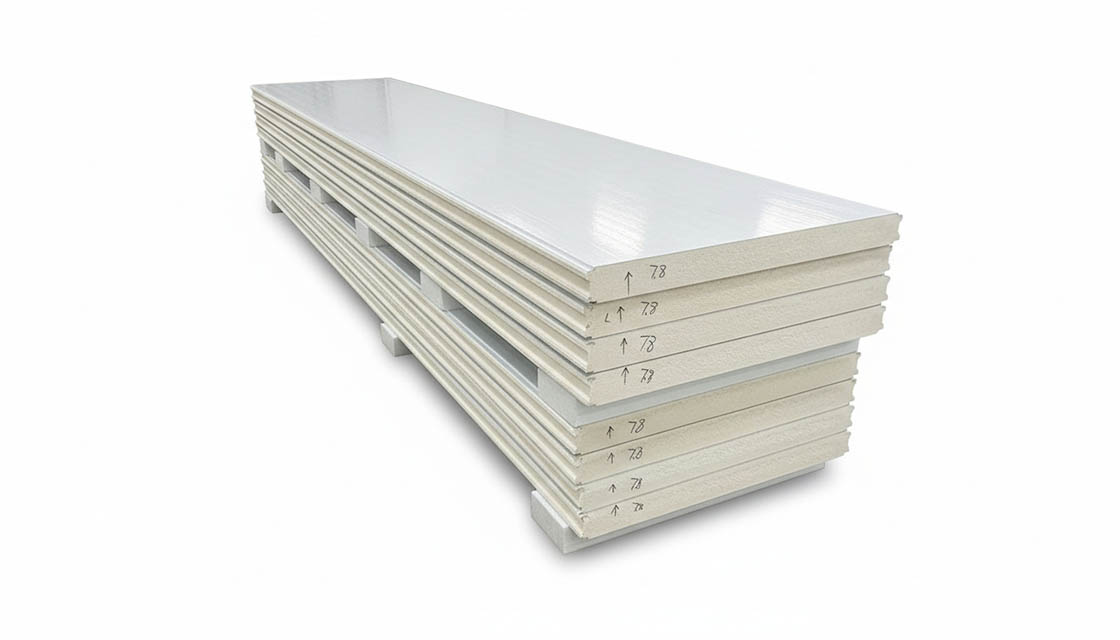
Fire Safety and Building Codes: EPS vs. Polyurethane
Neither EPS nor polyurethane foam is inherently fireproof; code compliance relies entirely on specific facings and assembly configurations. While polyurethane typically exhibits better char formation, EPS melts away, requiring distinct thermal barrier strategies to meet safety standards.
Comparative Burn Behavior: Thermoplastic vs. Thermoset
Understanding the fundamental chemical difference between Expanded Polystyrene (EPS) and Polyurethane (PUR) is critical for assessing fire risk. EPS is a thermoplastic, meaning it will melt when exposed to significant heat, potentially releasing flammable droplets that can spread fire to lower levels. Conversely, polyurethane is a thermoset plastic; when exposed to flame, it tends to char and form a surface layer of carbon rather than melt and flow. This char formation can temporarily slow the penetration of heat to the underlying material, although untreated polyurethane burns vigorously.
- EPS Melt Point: Begins to soften and shrink at approximately 100°C (212°F) and can melt completely, risking fire spread via dripping.
- Polyurethane Reaction: Does not melt. Ignition typically occurs at higher temperatures than EPS, but once ignited, it burns with high intensity and requires specific fire-retardant additives to pass safety standards.
Building Code Compliance and The “Thermal Barrier” Mandate
In the construction industry, the raw foam core is rarely exposed to the interior of a building. International Building Codes (IBC) and local fire regulations typically require a “thermal barrier”—usually 0.5-inch (12.7mm) gypsum wallboard or an approved equivalent—to cover any foam plastic insulation, regardless of whether it is EPS or Polyurethane. This barrier protects the foam from incidental ignition sources and provides critical time for occupants to evacuate.
Never rely solely on the foam’s flame spread rating for code approval. Always verify that the specific assembly—the combination of facings, adhesive, and thermal barrier—has passed the ASTM E119 or ASTM E84 fire tests relevant to your specific jurisdiction.
Smoke and Toxicity Emission Profiles
While flame spread is a primary concern, smoke generation is often the greater danger in structural fires. Both materials produce dense black smoke that obscures vision and hinders egress. However, the chemical composition of the smoke differs significantly. EPS combustion releases styrene monomer and other aromatic hydrocarbons. Polyurethane, particularly when it contains fire retardants like halogens or phosphorus, can release hydrogen cyanide (HCN) and isocyanates, which are acutely toxic at lower concentrations than the byproducts of EPS. Therefore, ventilation systems and escape route planning must account for the specific toxicity profile of the insulation material selected.
Picking the Right Insulation for Your Project
Choosing insulation isn’t about the highest R-value on paper — it’s about matching the core material to your project’s actual operating conditions, budget constraints, and structural demands.
Budget-Driven Material Selection
When procurement teams evaluate sandwich panels, the budget conversation rarely stays on unit price alone. Smart buyers look at total cost of ownership, which means weighing material cost against performance longevity, installation efficiency, and maintenance burden. Our engineering team consistently sees projects where the cheapest panel per square meter ends up costing more over a five-year lifecycle due to thermal drift, moisture degradation, or premature replacement.
For tight-budget projects where thermal demands are moderate and environmental exposure is controlled, expanded polystyrene (EPS) cores deliver a reliable entry point. They handle standard building envelope applications, dry storage environments, and light-duty structural panels without over-engineering the specification. However, when your project operates in extreme temperatures, high-humidity zones, or demanding cold-chain applications, the math shifts. Polyurethane and closed-cell foams like XPS and PET justify their premium through sustained performance that EPS cannot maintain under stress.
We’ve worked with buyers across 50-plus countries who initially selected EPS for cost reasons, only to return with PU or XPS specifications after field performance data revealed the gap. The lesson is straightforward: define your performance floor before you define your budget ceiling. Once you know the minimum thermal and structural requirements, you can work backward to the most cost-effective core that meets those thresholds — and avoid the expensive mistake of under-specifying.
Thermal Stability for Extreme Climates
Thermal stability isn’t just about how well a material insulates at room temperature — it’s about how consistently it performs when temperatures swing from minus thirty to plus fifty degrees Celsius. This is where foam core selection becomes critical, and where generic specifications often fail. In our experience designing panels for Scandinavian cold-storage facilities and Middle Eastern exterior cladding projects, we’ve seen EPS cores lose meaningful insulating capacity under sustained thermal cycling, while polyurethane and XPS cores maintain dimensional and thermal stability far longer.
The key differentiator is closed-cell structure integrity under thermal stress. Polyurethane foam, when properly manufactured, maintains a tight cellular structure that resists thermal drift — the gradual increase in thermal conductivity that occurs as blowing agents diffuse out of the foam over time. XPS performs similarly well in cold applications and offers excellent compressive strength alongside its thermal stability. PET foam, though less common in standard construction, provides outstanding thermal performance with superior fire characteristics and is increasingly specified for demanding industrial applications.
Our engineers recommend a simple decision framework for extreme climates: if your project operates consistently above 40°C or below -20°C, or experiences rapid daily temperature swings, default to polyurethane or XPS cores. EPS can work in temperate, stable environments, but it simply doesn’t hold its insulating structure under the kind of thermal stress that extreme climates impose. For refrigerated transport and cold-chain storage specifically, polyurethane remains the industry standard for good reason — the performance gap becomes quantifiable within the first year of operation.
Moisture Exposure and Humidity Conditions
Moisture is the silent killer of insulated panel systems. Unlike thermal performance, which degrades gradually and measurably, moisture intrusion can cause catastrophic failure — delamination, core saturation, mold growth behind facings, and structural rot in wooden or steel components. Buyers who ignore moisture conditions during specification often discover the consequences too late, sometimes not until the panel is already installed and the damage is hidden behind the facing material.
Closed-cell foam cores inherently resist water absorption far better than open-cell or semi-open alternatives. Polyurethane cores, when produced to specification, exhibit water absorption rates well below one percent by volume, making them suitable for high-humidity environments, marine applications, and exterior cladding exposed to rain and condensation. XPS shares this closed-cell advantage and is particularly favored in below-grade and wet-environment applications. EPS, while still a closed-cell material, absorbs more moisture than PU or XPS over time — a factor that becomes significant in continuously humid or wet conditions.
For marine and vessel applications, we consistently specify GRP-faced panels with PU or XPS cores because the combination delivers both moisture resistance and structural durability in salt-water environments. Similarly, for refrigerated truck bodies and cold-chain logistics, our team recommends PU cores paired with waterproof facings like aluminum or GRP with gelcoat — a configuration that has proven reliable across thousands of units operating in tropical and sub-tropical climates. The facing material matters just as much as the core; a moisture-resistant core paired with a permeable facing creates a vulnerability at the weakest link.
Application-Specific Panel Recommendations
The right insulation choice depends heavily on what the panel is actually doing. A refrigerated truck body, an RV wall, an exterior building facade, and a marine deck all impose fundamentally different demands on the core material, facing, and overall panel construction. Our team of engineers reviews project specifications against application requirements before recommending a configuration — and we’ve found that generic panel selections are the root cause of most field performance issues.
- Refrigerated and dry freight truck bodies: Polyurethane foam cores paired with GRP or aluminum facings are the standard. These panels must withstand vibration, thermal cycling, and occasional impact — PU delivers the combination of thermal stability, compressive strength, and moisture resistance required. We also supply CKD (completely knocked down) refrigerated truck bodies for markets where local assembly reduces duty costs.
- RV walls, roofing, and flooring: Lightweight construction is paramount. PU and PET foam cores offer excellent strength-to-weight ratios, and our CFRT and GRP facing options keep overall panel weight down without sacrificing rigidity. For RV furniture panels and interior components, thinner-gauge panels with appropriate fire ratings are specified.
- Mobile home and modular construction: These applications demand panels that are economical, structurally sound, and energy-efficient. PU foam core sandwich panels with ACP, aluminum, or GRP facings provide the balance of cost, performance, and ease of installation that modular builders require. Our engineers have developed configurations specifically optimized for the rapid assembly cycles of mobile home production.
- Marine and vessel applications: Salt-water exposure, structural flexibility, and weight constraints drive panel selection here. GRP-faced panels with PU, XPS, or PMI foam cores are our standard recommendation. For high-strength requirements, we also offer fiberglass honeycomb and aramid honeycomb core panels that deliver exceptional rigidity at minimal weight — critical for vessel performance and fuel efficiency.
- Exterior wall cladding and building envelopes: Weather resistance, fire ratings, and thermal performance all come into play. PU and XPS foam core panels with aluminum, ACP, or GRP facings are widely specified. Our factory produces these panels on advanced production lines with daily output exceeding 1,700 square meters, ensuring consistent quality across large-order volumes.
- Industrial equipment and agricultural applications: Durability and cost-effectiveness are the primary drivers. PU foam core panels with steel, aluminum, or GRP facings handle the mechanical demands of industrial enclosures, while EPP and MPP foam cores are suitable for less demanding applications where impact resistance and lightweight construction are prioritized over maximum thermal performance.
One concern we hear frequently from builders and architects is whether lower-density foam cores can handle structural loads. The answer depends on the application: for non-structural cladding and interior panels, even lower-density cores perform adequately. For floor panels, truck beds, and applications where compressive load is significant, we specify higher-density PU or XPS cores and pair them with appropriate facing materials to ensure the panel meets structural requirements. Our engineers conduct experimental testing on custom configurations to validate performance against specific load standards — this is something we do for every non-standard project, and it’s a step that separates reliable panel systems from ones that fail in the field.
The bottom line is that material selection should follow application requirements, not the other way around. Define your thermal, structural, moisture, and fire performance needs first. Then select the core material and facing combination that meets those needs at the right price point. That’s the approach our team of experienced technicians has used for over 15 years to deliver composite panel solutions across construction, transportation, marine, and industrial sectors worldwide.
Conclusion
Polyurethane SIPs command a higher sticker price, but the wall thickness reduction saves you structural steel and floor space. That’s real money. Stick with EPS for dry, budget-driven warehouses where floor space is cheap. But for cold storage or high-humidity zones, PUR’s moisture resistance stops thermal drift. You pay more now to avoid paying for cooling load later.
We run continuous lamination lines that calibrate foam density to your specific load requirements, so you don’t overpay for unused capacity. Send over your architectural schematics and target R-values. Our engineers will run a feasibility review on panel thickness and thermal bridging risks. Let’s check the math before you sign the purchase order.
Frequently Asked Questions
Does core material affect installation methods?
Yes, the density and rigidity of the core impact on-site handling and cutting. Polyurethane cores are lightweight and bond well with adhesives, whereas EPS requires careful sealing of cut edges to prevent thermal bridging. Both require specific fasteners, but EPS can be more forgiving to field modifications without losing structural integrity.
How do cores bond with facings?
Polyurethane foam chemically adheres to facings like GRP or aluminum during the manufacturing process, creating a monolithic structure. EPS cores typically rely on adhesive lamination to bond with skins, which requires precision to ensure a consistent bond line. A strong bond is critical for the structural performance and delamination resistance of composite panels.
Does R-value change over time?
Polyurethane foam experiences slight ‘thermal drift’ as blowing agents escape and are replaced by air, causing a small decrease in R-value over several years. EPS maintains a stable R-value throughout its lifespan because it uses air trapped within the cells. Manufacturers typically account for this drift by listing both initial and long-term thermal performance.
Are cores resistant to pests?
Neither EPS nor polyurethane serves as a food source for pests, but their structural integrity can be compromised by burrowing. EPS provides spaces where insects like ants can tunnel, potentially creating thermal bridges that reduce efficiency. Polyurethane is denser and generally more resistant to pest penetration due to its closed-cell structure.
Which material is more sustainable?
EPS is widely recyclable and can be reprocessed into new products, making it a favorable choice for green building criteria. Polyurethane manufacturing historically involved blowing agents with higher global warming potential, though advancements are reducing this impact. The choice depends on the specific environmental goals and recyclability infrastructure of the project.
Can I customize panel thickness?
Manufacturers like Rax Panel can produce sandwich panels with varying core thicknesses to meet specific thermal requirements or structural load capacities. Custom thickness allows for precise tuning of the R-value for different climate zones and applications. This flexibility ensures the solution fits exact project specifications without unnecessary weight or cost.
How are damaged panels repaired?
Repair methods differ based on the core material and the severity of the damage, typically involving foam injection or facing patches. Small holes in polyurethane panels can be filled with two-part spray foam kits, while EPS damage is often patched with expanding foam. For structural damage, facings may need replacement to restore the panel’s rigidity and load-bearing capacity.