
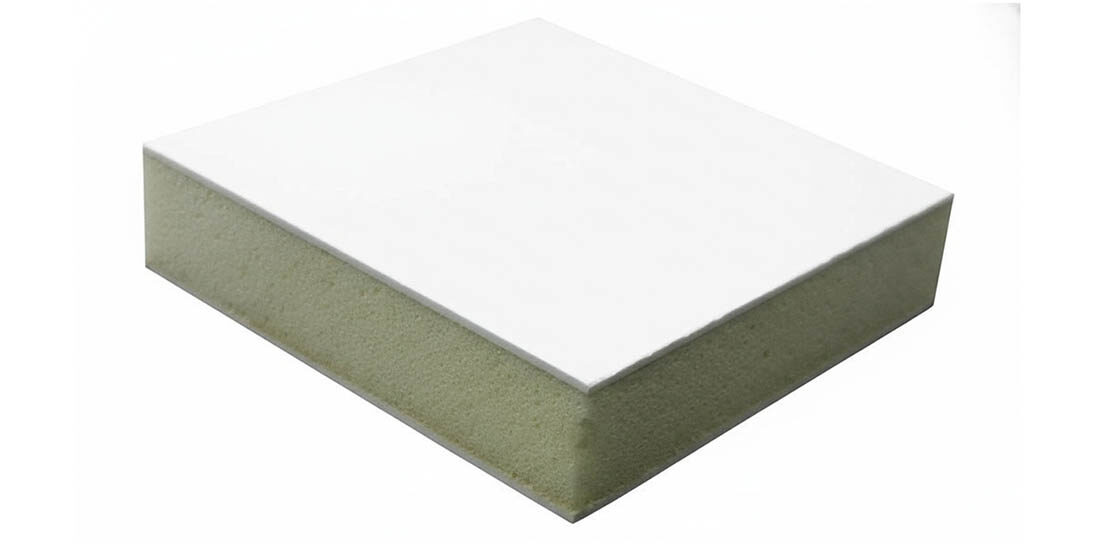
Aluminum honeycomb still dominates most spec sheets for sandwich panels. That’s changing. After 15 years in composite manufacturing, I’ve watched PP honeycomb panel applications steadily claim market share in automotive, marine, and logistics because the cost-to-performance ratio is difficult to ignore.
PP honeycomb core weighs roughly 1/32 of solid aluminum, resists corrosion and chemical exposure that would degrade metal, and absorbs impact energy effectively. When your project spans hundreds of square meters, those advantages compound into real savings on material cost, freight weight, and long-term maintenance.
This article covers exactly where polypropylene honeycomb works and where it falls short. We walk through specific applications across vehicle manufacturing, building construction, marine interiors, and transit packaging. You’ll also see a head-to-head comparison of FRP-skin versus thermoplastic configurations, plus the three selection criteria that separate a 5-year panel from a 15-year panel: core density, cell size, and fire classification.
What Is a PP Honeycomb Panel
A PP honeycomb panel is a structural sandwich composite where a polypropylene hexagonal core is bonded between two rigid facing skins, creating a high stiffness-to-weight ratio panel engineered for load-bearing applications.
Polypropylene Honeycomb Structure Basics
The term “honeycomb” in panel manufacturing refers to a geometric structure composed of interconnected hexagonal cells. This design is borrowed directly from natural beehives, where hexagons provide maximum enclosed volume using minimal material. In industrial composites, this geometry creates a matrix of vertical columns that resist compressive forces from multiple directions while remaining almost entirely hollow.
Polypropylene (PP), a thermoplastic polymer, serves as the raw material extruded into this cellular grid. The resulting structure achieves densities as low as 0.3 g/cm³ while maintaining structural integrity that rivals solid materials many times its weight.
Polypropylene brings specific mechanical advantages to this cellular architecture. Unlike thermoset plastics, PP is a thermoplastic, meaning it can be heated, formed, and recycled repeatedly without significant chemical degradation. It resists water absorption, most acids, alkalis, and organic solvents. These properties make PP honeycomb core fundamentally different from paper or aluminum alternatives in environments where moisture, chemical exposure, or closed-loop recyclability are deciding factors.
Sandwich Panel Composition Explained
A sandwich panel is a three-layer composite system. The central layer is a lightweight core material, in this case the PP honeycomb. This core is sandwiched between two outer layers called “facings” or “skins.” The three layers are bonded using structural adhesives, or in thermoplastic configurations, through direct thermal bonding.
The fundamental engineering principle is identical to an I-beam: the skins carry bending loads (tension and compression), while the core transfers shear forces between them and prevents the skins from buckling inward or outward under stress.
In our production line at Rax Panel, the specific composition is customized based on the mechanical loads, environmental conditions, and cost parameters of each project. A panel built for a refrigerated truck body will use different skin materials and adhesive systems than one designed for marine interior paneling. The PP honeycomb core remains the constant structural spine, while the surrounding layers are selected to meet precise performance targets.
Core vs Skin Layer Functions
The two primary zones of a sandwich panel perform mechanically distinct roles. Understanding this division is essential for specifying the right panel configuration for a given application. Selecting the wrong core density or skin material leads to either premature failure or wasted budget on over-engineered panels.
- Core Layer Functions: The PP honeycomb core absorbs shear stresses generated when the panel bends under load. It stabilizes the skins against buckling, provides thickness (which increases the moment of inertia and therefore stiffness) without adding proportional weight, and absorbs impact energy by progressively crushing its cellular walls. The core also contributes thermal and acoustic insulation due to the trapped air within the sealed hexagonal cells.
- Skin Layer Functions: The outer facings handle tensile and compressive forces during bending. They provide the panel’s surface durability, weather resistance, and aesthetic finish. The skins also define the panel’s interaction with fasteners, adhesives, and environmental elements like UV radiation or chemical splash.
- Interface Bond: The adhesive or thermal bond between the core and skins is the critical transfer mechanism. If this bond fails, the panel delaminates and the skins act independently, losing 80% or more of the composite’s combined stiffness. This is why surface treatment of the PP core prior to lamination is a non-negotiable quality checkpoint.
The performance of the final sandwich panel depends heavily on the precise matching of skin material to core density. At Rax Panel, our engineers specify configurations using facings ranging from GRP/FRP and CFRT sheets to aluminum, stainless steel, and plywood, depending on whether the priority is impact resistance, weight reduction, fire classification, or cost efficiency. The PP honeycomb core is compatible with all of these skins, but the bonding method and surface preparation protocol differ significantly for each combination.
Key Properties Enabling PP Honeycomb Panel Uses
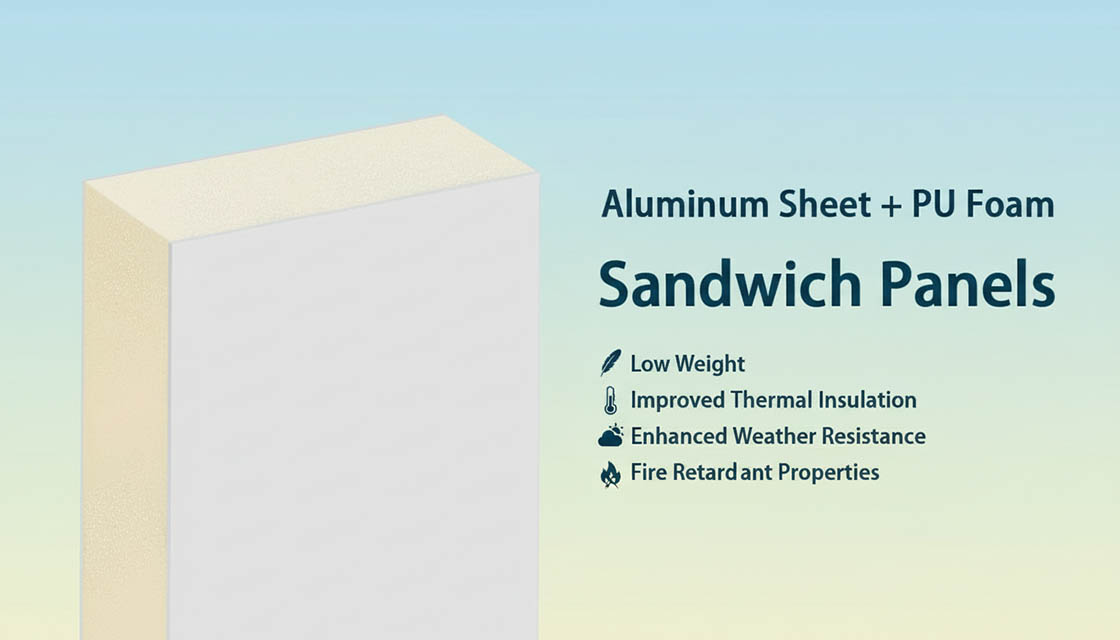
PP honeycomb panels derive their broad industrial utility from three converging property sets: an exceptional strength-to-weight ratio, inherent chemical inertness, and functional insulation performance that aluminum cores cannot replicate.
Lightweight yet High Strength-to-Weight Ratio
The structural logic of a polypropylene honeycomb core is straightforward: the hexagonal cell geometry distributes compressive and shear loads across a wide surface area while using a fraction of the solid material mass. A PP honeycomb core typically registers at roughly 1/12 the density of an equivalent water volume and approximately 1/32 the weight of a comparable aluminum structure. This is not a marginal improvement. It fundamentally changes how engineers approach payload calculations in transportation and weight-sensitive assemblies.
However, it is important to address a common engineering concern directly. Aluminum honeycomb does offer higher absolute compressive strength and superior dimensional stability under sustained static loads. For purely structural aerospace applications demanding maximum stiffness per unit volume, aluminum remains the benchmark.
Where PP honeycomb wins decisively is in applications requiring impact resistance and energy absorption. The thermoplastic nature of polypropylene allows the cell walls to deform under load and recover, rather than permanently crush. This gives PP honeycomb panels a significant advantage in dynamic loading scenarios such as vehicle flooring, cargo containers, and protective packaging, where repeated impact events are expected.
In our production facility, we composite PP honeycomb cores with a range of facing materials including GRP sheets, CFRT skins, aluminum, and plywood. When a PP core is paired with fiberglass-reinforced facing sheets, the resulting sandwich panel achieves a stiffness-to-weight performance that competes directly with aluminum-aluminum sandwich constructions at a substantially lower material cost.
Our engineers routinely test these configurations against customer-specified load standards, and the data consistently shows that for bending stiffness and flatwise compression, properly configured PP honeycomb sandwich panels deliver structural adequacy for well over 80% of commercial applications that currently spec aluminum honeycomb.
Chemical and Moisture Resistance
This is arguably the single most decisive property driving PP honeycomb adoption over aluminum in harsh-environment applications. Polypropylene is inherently resistant to a wide spectrum of acids, alkalis, and salt solutions.
It does not oxidize, it does not corrode, and it does not suffer from galvanic reactions when in contact with dissimilar metals. Aluminum honeycomb, by contrast, is vulnerable to corrosion in marine atmospheres and chemical processing environments unless treated with protective coatings, which add cost and can degrade over time.
The moisture resistance of PP honeycomb is equally significant. The core material has negligible water absorption, which means it does not swell, delaminate, or lose structural integrity when exposed to humidity, rain, or direct water contact. This property alone makes PP honeycomb panels the logical choice for marine interiors, refrigerated truck bodies, and any application where condensation or washdown cycles are routine.
There is a legitimate concern that deserves acknowledgment: weathering resistance. Unprotected polypropylene degrades under prolonged UV exposure. The critical distinction, which is often missed in surface-level comparisons, is that the honeycomb core in a sandwich panel is almost never directly exposed to sunlight.
The facing skins, whether GRP with gelcoat, aluminum, or coated steel, serve as the environmental barrier. When properly laminated, the PP core operates in a sealed, protected environment. Our factory applies strict lamination quality controls to ensure moisture ingress at panel edges is minimized, which is where the vast majority of long-term degradation failures actually originate.
Thermal and Acoustic Insulation
Aluminum honeycomb conducts both heat and electricity efficiently. In certain applications this is advantageous; in many others it is a serious liability. PP honeycomb cores are thermally insulating and electrically non-conductive by nature. This makes them the correct engineering choice for applications where thermal bridging must be minimized: refrigerated transport, building wall partitions, and enclosure panels for temperature-sensitive equipment.
The acoustic performance of PP honeycomb panels stems from two mechanisms. First, the enclosed air cells within the honeycomb structure act as a network of localized sound dampeners, disrupting acoustic transmission. Second, the thermoplastic cell walls provide damped vibration absorption that metallic cores cannot replicate: aluminum transmits vibration efficiently, PP dissipates it. This is why PP honeycomb panels are widely specified for vehicle interiors, passenger cabin partitions, and machinery enclosures where noise reduction is a functional requirement, not a luxury.
One constraint that procurement teams must factor in: PP honeycomb cores are not inherently flame retardant. Finished sandwich panels typically achieve B1 or B2 fire classification depending on the facing material and core density selected. For applications with strict fire safety mandates, such as rail interiors and certain building codes, this limits the usable configurations unless flame-retardant additives are incorporated into the core formulation during production.
We have worked with customers across multiple sectors to engineer solutions that meet specific regulatory fire standards, and in most cases the answer involves selecting the right skin-core combination rather than relying on the PP core alone for fire performance.
PP Honeycomb Panel Applications in Automotive and Transportation
PP honeycomb sandwich panels are replacing traditional plywood and metal sheet in vehicle manufacturing because they cut structural weight by up to 50% while maintaining the rigidity fleet operators demand.
Vehicle Body Panels and Interiors
Automotive OEMs and tier suppliers face relentless pressure to hit payload targets and emissions standards. Every kilogram saved on a vehicle body translates directly into fuel savings or extended battery range for electric platforms. PP honeycomb core laminated with thermoplastic or fiberglass skins gives engineers a structural panel that rivals aluminum honeycomb in stiffness-to-weight performance, but at a significantly lower raw material cost.
In passenger vehicles and commercial fleets, these panels are currently deployed in door modules, trunk liners, load floors, and interior partition walls. The polypropylene core itself is inherently resistant to moisture absorption, road salts, and common automotive fluids. Unlike aluminum honeycomb, which requires corrosion-inhibiting surface treatments and careful edge sealing, PP honeycomb can be cut, routed, and fastened without triggering galvanic reactions when mounted to steel frames.
Our engineering team has worked with commercial vehicle manufacturers who switched from traditional FRP-ply composites to PP honeycomb with CFRT facing sheets. In those projects, the composite wall assemblies held consistent flexural modulus across production runs while reducing finished panel weight. That consistency matters when you are producing hundreds of units per week and cannot afford batch-to-batch variance.
RV and Caravan Structural Construction
Recreational vehicle construction demands a specific balance: wall and roof assemblies must be light enough to keep the vehicle within legal gross weight limits, yet strong enough to withstand wind loads at highway speeds and the constant flexing of travel. PP honeycomb panels laminated with fiberglass or aluminum skins meet both requirements without the delamination issues that plague traditional Styrofoam-and-wood-frame construction.
Rax Panel manufactures RV wall, roofing, and flooring sandwich panels using PP honeycomb core combined with GRP or CFRT facings. The key advantage for RV builders is the thermoformability of the core. Panels can be produced in large, continuous flat sheets and then cut to precise dimensions, reducing material waste on the assembly line. The closed-cell polypropylene structure also provides a natural vapor barrier, preventing the moisture ingress that causes rot in timber-based wall systems.
For caravan and motorhome manufacturers supplying the European and North American markets, compliance with thermal insulation standards is non-negotiable. PP honeycomb panels paired with appropriate skin materials contribute to wall assemblies that meet these regional requirements without adding the weight of dedicated insulation layers. This consolidation of structural and thermal functions into a single panel simplifies the bill of materials and speeds up assembly time.
Truck Trailer Flooring and Walls
In freight and logistics, the economics are straightforward: lighter trailer walls and flooring mean higher legal payload capacity per trip. A dry freight truck body built with PP honeycomb composite panels can save hundreds of kilograms compared to a traditional plywood-and-aluminum structure. Over the service life of a fleet vehicle, that weight saving compounds into meaningful fuel cost reductions or additional revenue per delivery.
For refrigerated truck bodies, PP honeycomb offers an additional advantage. The core material does not absorb water, which means the thermal resistance of the wall assembly remains stable over years of operation. Traditional insulated panels that use non-closed-cell foams can gradually take on moisture at joints and fastener points, degrading their R-value and forcing the refrigeration unit to work harder. Polypropylene’s hydrophobic nature eliminates that degradation pathway.
Rax Panel supplies complete sandwich panel solutions for both dry freight and refrigerated truck bodies, including CKD (completely knocked down) kits for assembly in destination markets. Trailer flooring panels using PP honeycomb core with fiberglass sheet reinforcement deliver the compressive strength required for forklift loading while maintaining a flat, fatigue-resistant surface. From our production floor, we consistently see fleet buyers prioritizing panel-to-panel consistency and flatness tolerances, because uneven walls cause sealing failures and loading inefficiencies downstream.
Building and Construction Uses for PP Honeycomb Panels
PP honeycomb panels are displacing traditional gypsum, MDF, and aluminum honeycomb in non-load-bearing construction, delivering comparable stiffness at a fraction of the installed weight, with zero susceptibility to rot, mold, or moisture damage.
Wall Partitions and Ceiling Systems
Interior wall partitions and ceiling systems account for one of the fastest-growing adoption areas for PP honeycomb panels in commercial construction. The logic is straightforward: these applications rarely require structural load-bearing capacity, but they demand stiffness, flatness, and resistance to ambient moisture. PP honeycomb cores, typically bonded to GRP, aluminum, or HPL facing skins, deliver all three while cutting panel weight by 60–70% compared to equivalent drywall or MDF assemblies.
In partition wall applications, a 20–30mm PP honeycomb sandwich panel provides sufficient rigidity for office dividers, hotel room separators, and hospital privacy walls. The reduced mass translates directly into faster installation cycles and lower structural load on the building frame. Unlike gypsum board, PP honeycomb panels do not crumble on impact and will not support mold growth in humid environments, a critical advantage in tropical or coastal construction projects.
Ceiling systems benefit from the same weight advantage. Large-format ceiling panels must resist sagging under their own weight over time. The honeycomb geometry distributes loads efficiently across the panel surface, maintaining flatness over spans that would cause unsupported gypsum or mineral fiber panels to deflect. Our engineering team has supplied PP honeycomb ceiling panels for commercial projects where the specifier required a panel density below 4 kg/m² while maintaining a deflection limit of L/240 under dead load.
Acoustic performance is another factor. The cellular structure of the PP honeycomb core disrupts sound transmission paths, providing measurable noise reduction. For projects requiring enhanced acoustic isolation, perforated facing skins combined with the honeycomb cavity create a natural sound-absorbing system without adding separate acoustic insulation layers.
Prefabricated Housing Modules
The modular and prefabricated housing sector has embraced PP honeycomb panels for a simple reason: every kilogram saved in the wall and floor panels reduces crane costs, transport costs, and foundation requirements. A standard prefabricated housing module using PP honeycomb sandwich panels for walls, roof, and flooring can weigh 30–40% less than an identical module built with traditional steel-framed insulated panels.
PP honeycomb panels used in modular construction are typically configured as full sandwich assemblies: a PP honeycomb core laminated between facing skins of GRP, aluminum, or pre-coated steel. The resulting panel functions as both the structural envelope and the weather-resistant cladding in a single component. This eliminates the multi-layer assembly of studs, insulation batting, vapor barrier, and exterior sheathing, reducing factory assembly time per module by hours, not minutes.
Thermal performance depends heavily on the core configuration. While PP honeycomb alone has a lower thermal resistance than foam-core panels, the honeycomb cells can be filled with foam insulation, combining the structural efficiency of the honeycomb geometry with the R-value of closed-cell foam. This hybrid approach gives modular builders a single panel that handles both structural span and thermal insulation requirements.
From a supply chain perspective, PP honeycomb panels offer a distinct advantage for export-oriented modular builders: the panels are dimensionally stable, do not compress under stacking, and resist moisture absorption during ocean freight. We have shipped PP honeycomb panels to modular housing fabricators across Southeast Asia and the Middle East, where projects require materials that survive both the transit environment and the local climate without degradation.
Cleanroom and Hygienic Wall Panels
Cleanroom construction in pharmaceutical, food processing, and electronics manufacturing facilities demands wall panels that are non-particle-shedding, chemically inert, and easy to sterilize. PP honeycomb panels, when faced with GRP skins and a gelcoat finish, meet these requirements. The gelcoat surface provides a non-porous, wipe-clean finish that withstands repeated exposure to industrial cleaning agents, including isopropyl alcohol, hydrogen peroxide, and quaternary ammonium compounds.
The chemical resistance of the polypropylene core itself is a decisive advantage over paper-based or aluminum honeycomb cores in environments where chemical exposure is expected. PP is inherently resistant to acids, alkalis, and aqueous solutions. Unlike aluminum honeycomb, which can corrode if the protective coating is breached, PP honeycomb will not oxidize or degrade when exposed to cleaning chemicals or airborne corrosive agents.
Fire classification remains a legitimate concern. Standard PP honeycomb cores achieve a B2 flammability rating, which is insufficient for many cleanroom environments that require B1 or higher classifications. However, flame-retardant additives can be incorporated into the polypropylene during extrusion to improve fire performance.
Our production facility produces FR-grade PP honeycomb cores specifically for customers in the pharmaceutical and food processing sectors who must comply with stricter fire codes. Specifiers should always confirm the fire classification of the complete sandwich panel assembly, core plus facing skins, as the final fire rating depends on the total build-up, not the core alone.
- Surface finish: Gelcoat GRP facing provides a smooth, non-porous surface rated for repeated chemical sterilization.
- Core resistance: PP honeycomb does not absorb moisture, will not support microbial growth, and resists degradation from standard cleaning agents.
- Weight advantage: Cleanroom panels typically range from 15–25mm thickness; PP honeycomb assemblies in this range weigh 3–5 kg/m² versus 8–12 kg/m² for aluminum honeycomb equivalents.
- Fire compliance: FR-grade PP honeycomb cores are available for projects requiring enhanced fire classification beyond standard B2 rating.
Installation speed matters in cleanroom construction because these facilities often operate on aggressive timelines where every day of delay has quantified costs. PP honeycomb panels can be cut, routed, and fastened using standard woodworking tools, with no specialized metal-cutting equipment required. Panels can be joined using adhesive bonding, mechanical fasteners, or aluminum joinery profiles, depending on the cleanroom classification and the project’s validation requirements.
Packaging Logistics and Material Handling Applications
PP honeycomb panels are aggressively replacing wood and solid plastics in logistics because they slash dead weight, survive thousands of shipping cycles, and directly lower freight costs.
Reusable Transit Packaging (RTP)
The logistics sector bleeds profit through single-use crates and heavy wooden pallets that easily warp, splinter, or rot when exposed to standard warehouse conditions. Polypropylene (PP) honeycomb panels eliminate these liabilities by offering a closed-loop transit packaging solution that is structurally sound indefinitely. The inherent moisture resistance of PP prevents fungal growth, making it fully compliant with strict phytosanitary regulations for international shipping without requiring chemical treatments.
We engineer our transit packaging cores to endure repetitive forklift impacts and dynamic stacking loads that would typically crush standard corrugated packaging. Because the material is entirely thermoplastic, RTP containers reaching the end of their lifecycle can be ground up and reprocessed, allowing distributors to hit aggressive corporate sustainability targets while actually improving their unit shipping economics.
Pallet Tops and Layer Pads
When securing heavy or irregularly shaped freight, standard cardboard layer pads fail catastrophically under point loads, leading to crushed goods and rejected shipments. PP honeycomb pallet tops act as a rigid, sheer-resistant platform that evenly distributes vertical weight across the entire pallet footprint. This prevents concentrated loads from punching through the bottom layers of a palletized stack.
- High Compression Strength: Maintains structural stability under heavy top-weight without bending or snapping.
- Moisture Immunity: Retains full stiffness in high-humidity staging areas or during refrigerated transport, unlike hygroscopic materials.
- Weight Reduction: A standard 4×8 foot layer pad weighs a fraction of an equivalent plywood sheet, protecting the payload limit of the transport vehicle.
Shock-Absorbing Protective Packaging
Heavy industrial components, such as automotive powertrains, precision machinery, or aerospace assemblies, require packaging that actively manages impact energy rather than just acting as a physical barrier. The hexagonal cell structure of a polypropylene honeycomb core functions as a highly efficient macro-scale shock absorber. When a crate is dropped or subjected to severe vibration during transit, the honeycomb walls buckle progressively.
This controlled buckling absorbs the kinetic energy that would otherwise transfer directly into the fragile payload, drastically reducing transit damage claims. For international ocean freight and heavy rail transport where vibration is constant, integrating PP honeycomb structural bumpers into crating systems is a proven method to lower insurance premiums and guarantee delivery integrity.
| Application Area | Recommended Panel | Key Specs | Performance Benefits | ROI Advantage |
|---|---|---|---|---|
| Reusable Transit Containers | PP Honeycomb Sandwich Panel | Core density: 60-120 kg/m³; Thickness: 10-50mm | Waterproof, impact-resistant, chemical-resistant | 70% lighter than steel; 5-7 year service life reduces replacement costs |
| Cold Chain Packaging | XPS Foam Core with GRP Facings | Thermal conductivity: ≤0.028 W/mK; Temp range: -40°C to +80°C | Superior insulation, moisture-proof, food-grade compliant | 30-40% energy savings vs traditional insulated containers |
| Pallet Systems | CFRT Faced Foam Core Panel | Load capacity: 1000-2500 kg; Weight: 40-60% lighter than wood | Nail-free, splinter-free, ISPM-15 exempt | Eliminates fumigation costs; reusable 8+ years vs wood pallets 2-3 years |
| Industrial Totes & Bins | HDPE Sandwich Panel | Chemical resistance: acids, alkalis, solvents; UV stabilized | Non-absorbent, hygienic, easy to clean | 60% weight reduction lowers handling labor costs by 25-35% |
| Warehouse Partition Walls | Aluminum Foam Core Panel | Fire rating: Class A; Sound insulation: 25-30 dB | Fireproof, noise-reducing, modular assembly | 50% faster installation vs conventional walls; reconfigurable layout |
| Cargo Protection Liners | PET Foam Core with Fiberglass Facings | Compressive strength: ≥1.5 MPa; Flexural strength: ≥25 MPa | Shock-absorbing, load-distributing, vibration-dampening | Reduces product damage claims by 40-60% during transit |
| Automated Handling Trays | PP Honeycomb with CFRT Sheet Facing | Surface flatness: ≤0.5mm/m; Dimensional stability: ±0.3mm | Precision surface for conveyor systems; anti-static options available | Compatible with RFID tracking; reduces system jamming by 80% |
| Hazardous Material Storage | Stainless Steel Sandwich Panel with Rockwool Core | Fire resistance: 2+ hours; Chemical inert surface | Compliant with OSHA, EPA hazardous storage regulations | Avoids regulatory fines; insurance premium reductions of 15-20% |
| Lightweight Shipping Crates | Plywood Facing PU Foam Core Panel | Drop test: ISTA 3A compliant; Stack test: 6-high stacking | Custom sizes available; nestable design for return logistics | Reduces freight costs 35-50% by weight; foldable for 70% storage savings |
| Pharmaceutical & Cleanroom Packaging | GRP Sheet with PET Core (Gelcoat Finish) | Particle emission: ISO Class 5; Outgassing: <0.1 mg/m²·h | Smooth non-porous surface, sterile-compatible, temperature-stable | Meets GDP & FDA 21 CFR Part 11; eliminates contamination-related product loss |
Marine RV and Specialty Vehicle Applications
PP honeycomb sandwich panels dominate marine and specialty vehicle interiors because they resist water intrusion, rot, and chemical corrosion without the weight penalty of traditional plywood or aluminum honeycomb cores.
Boat Interiors and Bulkheads
Marine environments punish materials relentlessly. Saltwater exposure, constant humidity cycling, and fuel or cleaning chemical spills degrade conventional substrates fast. Plywood rots. Aluminum honeycomb corrodes when its protective coating gets scratched. PP honeycomb cores face none of these failure modes because polypropylene is inherently resistant to salt, acids, alkalis, and moisture absorption.
In vessel construction, these panels serve as structural bulkheads, cabinetry backs, locker liners, headliners, and engine room partitions. When laminated with GRP or FRP skins using isophthalic polyester or vinyl ester resins, the finished sandwich panel achieves the stiffness required for load-bearing bulkheads while keeping weight centered low in the hull, which is critical for stability.
- Core configurations for marine: PP honeycomb with 3.5mm to 8mm cell sizes, densities ranging from 60 to 120 kg/m³ depending on stiffness requirements.
- Typical skin pairings: GRP with gelcoat finish for waterproof flat surfaces; CFRT for areas requiring impact toughness.
- Common marine applications: Hull liners, deck substrates, transom stiffeners, cabin soles, furniture bulkheads, and bait well or live well partitions.
Our engineering team has supplied GRP-skinned PP honeycomb panels for commercial fishing vessel refits where the original aluminum honeycomb bulkheads showed galvanic corrosion at rivet points within 18 months. After switching to PP core panels, the same customer reported zero core degradation at the three-year inspection mark. The initial material cost was marginally higher, but the avoided replacement labor and downtime delivered a clear ROI within the first service cycle.
Camper Van and Motorhome Panels
The camper van and motorhome market has shifted aggressively toward lightweight composite construction over the past five years. Builders face a hard constraint: every kilogram saved on wall, roof, and floor panels translates directly into usable payload capacity or extended range for electric chassis platforms. Traditional lauan plywood or luan-foam-luan sandwich panels weigh 30 to 40% more than equivalent PP honeycomb composites.
For camper van upfitters specifically, panel dimensions and cutability matter as much as weight. PP honeycomb panels scored with CFRT or thin FRP skins can be CNC routed, scored-and-folded, or cut with standard woodworking tools on the shop floor. This eliminates the need for specialized aluminum cutting equipment and speeds up the prototyping phase for custom van layouts.
- Wall and ceiling panels: Typically 10mm to 25mm PP honeycomb core with decorative laminate, aluminum, or thin FRP skins for a finished interior surface.
- Floor substrates: Higher density PP core (80–120 kg/m³) with plywood or GRP facing to handle point loads from cabinetry anchor bolts and foot traffic.
- Furniture panels: 8mm to 15mm thickness with lightweight decorative skins for cabinets, bed platforms, and storage modules.
Thermal bridging is another factor builders overlook until the first winter season. PP honeycomb has a natural thermal break that reduces condensation inside wall cavities compared to aluminum honeycomb, which conducts heat across the cell walls. In motorhomes operating in cold climates, this prevents the hidden moisture buildup that causes mold behind interior walls, a liability issue for OEMs and a warranty expense nobody wants.
Lightweight Furniture Substrates
Furniture weight is a hidden cost center across marine, RV, and specialty vehicle manufacturing. Every cabinet, countertop substrate, shelving unit, and drawer assembly adds up. A typical 6-meter motorhome might carry 80 to 120 kg of furniture substrate material alone. Replacing MDF or particleboard with PP honeycomb composite panels can strip 40 to 60% of that weight without sacrificing screw holding power or surface flatness, provided the skin material is selected correctly.
For visible furniture surfaces, the facing material does the aesthetic work. PP honeycomb serves purely as the structural core. Common pairings include high-pressure laminate (HPL) or compact laminate facings bonded to the PP core with polyurethane adhesive.
The result is a panel that looks identical to traditional cabinetry on the surface but weighs a fraction of the MDF equivalent. Fastener retention depends entirely on the skin; for screw-heavy applications like hinge mounting, a thin plywood or dense foam interlayer between the PP core and the decorative facing provides the necessary bite.
- Marine cabinetry: GRP or CFRT skins with gelcoat or painted finish over 10–20mm PP core for drawer boxes, locker doors, and galley counters.
- RV furniture: HPL-faced PP honeycomb for overhead lockers, dinette bases, and wardrobe partitions where visual finish matters.
- Specialty vehicle interiors: Ambulance and mobile clinic cabinetry using FRP-skinned PP honeycomb for chemical disinfectant resistance combined with easy wipe-down surfaces.
From our production floor, we have observed that furniture panel orders for RV and marine OEMs increasingly specify custom cut-to-size pieces rather than full sheets. Builders want kitted components that go straight to assembly without in-house cutting waste. Our daily output capacity of over 1,700 square meters allows us to run these custom-sized furniture panel kits alongside larger structural panel orders in the same production schedule, which keeps lead times predictable for wholesale buyers managing seasonal build cycles.
FRP vs Thermoplastic PP Honeycomb Panel Applications Compared
FRP-skinned PP honeycomb delivers maximum structural rigidity and impact resistance for heavy-duty applications, while fully thermoplastic PP variants offer superior recyclability and thermoformability for complex manufacturing.
FRP Skin PP Honeycomb Use Cases
Combining a Fiberglass Reinforced Plastic (FRP) face sheet with a polypropylene honeycomb core creates a hybrid panel that bridges the gap between heavy structural materials and ultra-lightweight composites. The FRP skin provides exceptional tensile strength and impact absorption, while the PP honeycomb core stabilizes the structure against shear forces. This configuration is highly resistant to water absorption and chemical corrosion, making it an industry standard for harsh operating environments.
In our experience manufacturing panels for global logistics, FRP skin PP honeycomb is the definitive choice for refrigerated truck bodies and dry freight trailers where high-load bearing capacity and thermal insulation are strictly required. The gel-coated FRP surface ensures long-term UV resistance and is easily maintained, meeting stringent hygiene standards for cold chain logistics and chemical transport.
Thermoplastic Honeycomb Advantages
Fully thermoplastic honeycomb panels, typically utilizing a PP core with advanced facing materials like Continuous Fiber Reinforced Thermoplastic (CFRT) sheets, represent the next generation of lightweight engineering. Unlike traditional thermoset composites, thermoplastics can be heated, reshaped, and fused without degrading the base polymer. This allows for thermal welding instead of chemical adhesive bonding, resulting in faster cycle times and zero volatile organic compound (VOC) emissions during processing.
- Recyclability: 100% recyclable at end-of-life, aligning with global circular economy mandates and reducing disposal costs.
- Weight Reduction: Thermoplastic UD tapes and CFRT facings are lighter than traditional fiberglass, pushing the strength-to-weight ratio even higher.
- Formability: Can be thermoformed into complex 3D geometries, ideal for aerodynamic vehicle components and curved architectural elements.
Application-Specific Material Selection
Selecting between an FRP-over-PP configuration and a fully thermoplastic panel comes down to the specific performance threshold of the project. Engineers often question whether PP honeycomb can match the stiffness of aluminum or traditional composites. While aluminum offers higher absolute dimensional stability, modern PP honeycomb cores, when paired with the correct skin material, provide sufficient shear strength for the vast majority of structural applications at a significantly lower price point.
To determine the right panel configuration, procurement teams must weigh structural load requirements against total lifecycle costs. FRP-faced panels excel in high-impact, high-wear structural applications such as commercial truck flooring and industrial enclosures. Conversely, pure thermoplastic configurations are better suited for high-volume, automated manufacturing environments where weight minimization and end-of-life recyclability are prioritized, such as in passenger vehicle interiors and rapid-transit infrastructure.
How to Select the Right PP Honeycomb Panel Configuration
Selecting a PP honeycomb configuration is a balancing act between compressive strength, weight budget, and lamination compatibility: get the core wrong, and the entire panel underperforms.
Core Density and Cell Size Selection
The polypropylene honeycomb core is the structural backbone of any sandwich panel. Two parameters dictate its mechanical performance: nominal density (typically expressed in kg/m³ or g/cm³) and cell diameter (measured in millimeters). These are not independent variables: smaller cell sizes generally yield higher densities, which in turn raise compressive strength and shear modulus but add weight and cost.
For load-bearing applications such as truck trailer flooring or marine bulkheads, engineers typically specify cores with densities upward of 80–120 kg/m³ paired with smaller cell sizes (8–12 mm range). This configuration resists localized denting and distributes point loads effectively. For non-structural or semi-structural uses such as interior wall partitions, ceiling panels, or packaging inserts, larger cell sizes in the 15–25 mm range at lower densities (40–70 kg/m³) deliver adequate performance at a significantly reduced material cost.
The tradeoff is real. A denser core improves flatwise compressive strength and shear response, but it also increases the panel’s areal weight and reduces the thermal insulation benefit of the trapped air within the honeycomb cells. Procurement teams should request full mechanical data sheets, specifically flatwise compression test results (ASTM C365) and plate shear test results (ASTM C273), from their supplier before committing to a specification.
In our lab, we have observed that two cores labeled at the same nominal density can exhibit a 15–20% variance in compressive strength depending on cell wall uniformity and welding quality, which is why test data matters more than datasheet claims.
Surface Treatment and Lamination Options
A PP honeycomb core delivers no functional value until it is bonded to facing skins. The lamination process and surface treatment of both the core and the skin determine delamination resistance, panel flatness, and long-term durability. This is where many specification errors occur: selecting a core without confirming its compatibility with the intended facing material.
Common facing materials for PP honeycomb panels include GRP/FRP sheets, aluminum skins, CFRT (continuous fiberglass reinforced thermoplastic) sheets, plywood, PVC, and decorative films. Each bonding scenario requires a different adhesive system. Polyurethane-based adhesives work well for most thermoplastic-to-thermoplastic bonds, while epoxy systems are preferred when bonding to metals or cured FRP laminates. The key metric is peel strength: ask your supplier for ASTM D1781 climbing drum peel test data for the exact skin-core-adhesive combination you plan to use.
Surface treatment of the PP core itself also matters. Untreated polypropylene has a naturally low surface energy, which can compromise adhesive wetting and bond strength. Flame treatment, corona discharge, or plasma activation of the core surface prior to lamination significantly improves adhesion.
Some manufacturers, including our facility, apply a continuous surface treatment inline during production to ensure consistent bond quality across the entire panel width. Buyers sourcing from multiple suppliers should verify that each vendor applies comparable surface preparation, as inconsistent bonding is one of the most common failure modes in field installations.
Supplier Quality and Certification Criteria
The PP honeycomb panel market has a wide quality spectrum. On one end, you have commodity-grade packaging boards with minimal quality control. On the other, you have precision-engineered structural cores designed for automotive, marine, and aerospace-adjacent applications. Your supplier selection must match your application’s risk profile and regulatory requirements.
For any structural or semi-structural application, verify that the manufacturer holds ISO 9001 certification at minimum. Fire performance is often specified for PP cores, since polypropylene is not inherently flame retardant. If it is part of your specification, confirm that the finished sandwich panel has been tested to the relevant standard: EN 13501-1 for European building applications, ASTM E84 for the North American market, or IMO FTPC for marine use.
A B1 or B2 classification under EN 13501-1 is achievable with flame-retardant additives in the PP resin, but this must be documented with third-party test reports, not supplier self-declarations.
Beyond certifications, evaluate the supplier’s production consistency. Ask for lot-to-lot density variance data, dimensional tolerance records, and defect rates. A manufacturer running an advanced composite panel production line with real-time process monitoring will consistently outperform a workshop relying on manual layup.
During our own production of PP honeycomb panels, we track core density at multiple points across each batch to ensure the finished panel meets the mechanical specs our engineers designed against. This level of traceability is what separates a reliable long-term supplier from a spot-buy source.
Finally, consider the supplier’s customization capability and technical support. PP honeycomb panels are rarely a catalog item bought off the shelf for B2B buyers. Projects require specific core densities, skin materials, panel thicknesses, and edge detailing. A supplier with an in-house engineering team who can review your load requirements, recommend an optimized configuration, and produce prototype samples for validation testing will save you significant time and cost compared to a vendor who only offers standard sizes with no technical consultation.
Conclusion
PP honeycomb panels deliver the strongest ROI in wet, chemical-heavy, or weight-sensitive applications, with marine interiors, reusable transit packaging, and RV construction the clearest winners. Aluminum honeycomb still owns the structural edge for fire-rated assemblies and extreme load-bearing scenarios. Pick PP when corrosion resistance and cost efficiency drive the spec. Pick aluminum when fire codes and sheer structural demand do.
Our engineering team at Rax Panel has spent over 15 years helping distributors and manufacturers match core density, skin material, and cell geometry to actual field conditions. That selection process determines whether a panel lasts 3 years or 15. Send us your project specifications and load requirements. We will run a configuration review and return a recommendation with realistic cost projections, zero obligation.
Frequently Asked Questions
What industries use PP honeycomb panels?
PP honeycomb panels are widely used in aerospace, automotive, marine, construction, packaging, and furniture industries due to their lightweight and high-strength properties.
How does PP honeycomb weight compare to aluminum?
PP plastic honeycomb weighs approximately 1/32 of the equivalent volume of aluminum material, making it significantly lighter.
Are PP honeycomb panels recyclable?
Yes, PP honeycomb panels are 100% recyclable, contain no VOCs during processing, and produce no odor or formaldehyde, making them an environmentally friendly choice.
Can PP honeycomb panels replace PVC foam board?
Yes, PP honeycomb panels can replace conventional PVC foam boards in applications such as building templates and wall decoration panels due to their low density and high strength.
What is the density of PP honeycomb panels?
PP honeycomb panels can achieve a density as low as 0.3 g/cm³ while maintaining high structural strength.