
Most procurement teams default to aluminum honeycomb for lightweight sandwich panels. They assume plastic cores can’t handle structural loads or meet fire safety requirements. That assumption is costing them money.
PP honeycomb panel applications have expanded into commercial vehicle flooring, marine hull construction, and architectural partitions — and the material weighs roughly 1/32 of solid aluminum while delivering comparable compressive strength in semi-structural roles. The unit price gap between polypropylene and aluminum cores is wide enough to shift project margins on any bulk order.
This article breaks down exactly where PP honeycomb works, where it falls short, and how it compares to aluminum and traditional solid materials in real installations.
We cover specific load-bearing data for vehicle flooring, fire retardant polypropylene panel options that meet B2 and ASTM E648 classifications, and a cost ROI analysis across core types over a 5-year service life. If you’re sourcing structural or semi-structural panels for transportation, construction, or marine projects, these numbers change the math on your next purchase order.
Understanding the PP Honeycomb Panel
PP honeycomb panels derive their performance from a hexagonal thermoplastic core that delivers high stiffness-to-weight ratios while remaining fully recyclable at end-of-life.
Core Structure and Composition
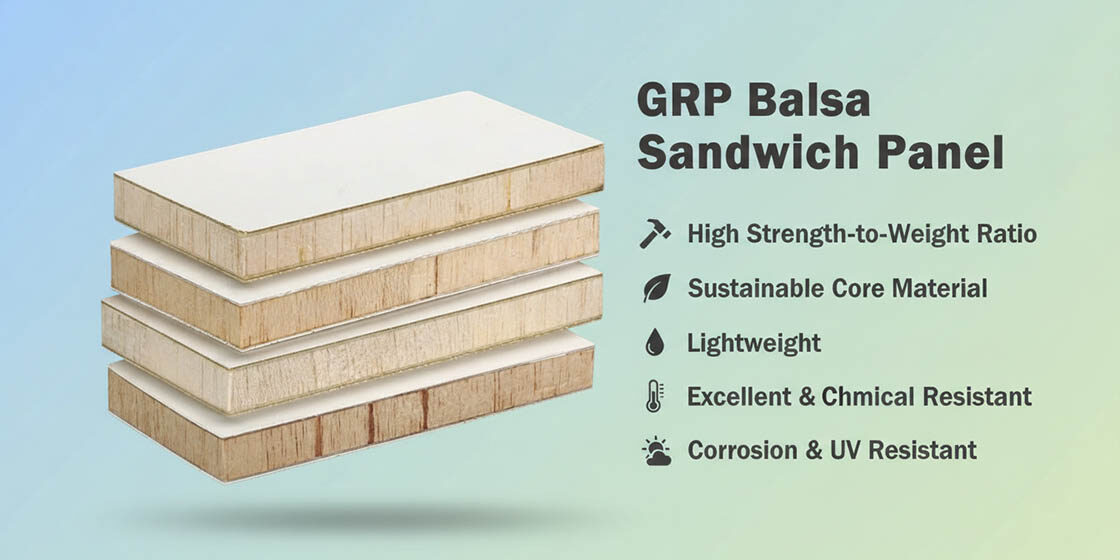
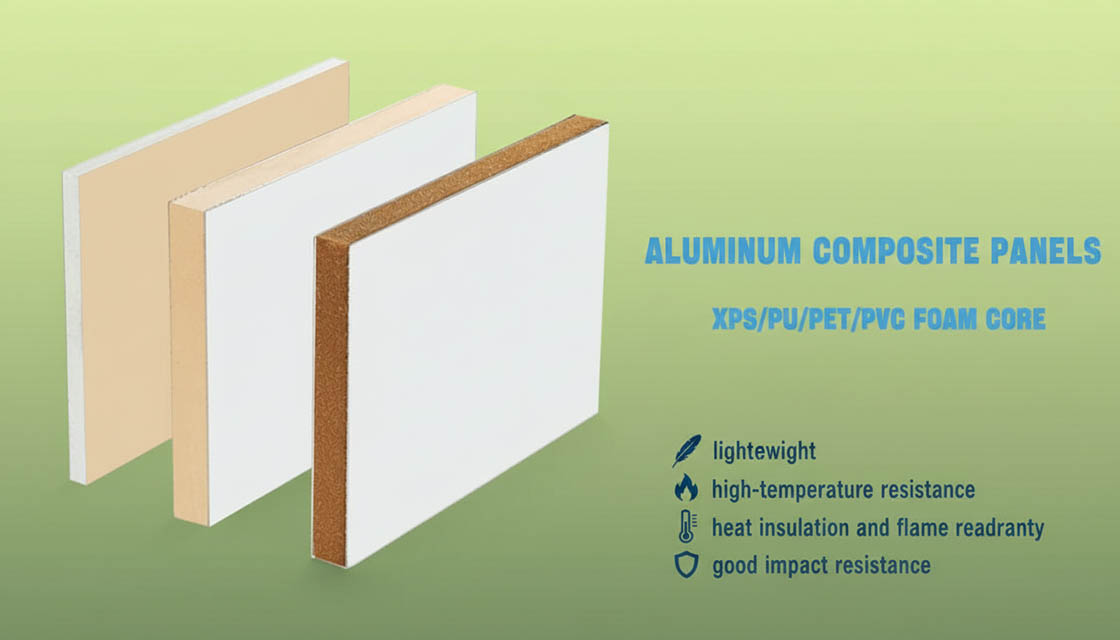
A PP honeycomb panel is a sandwich composite. The core is a matrix of polypropylene cells formed into a hexagonal pattern, bonded between two rigid face sheets. The face sheets can vary depending on the application — GRP/FRP, CFRT, aluminum, or plywood — but the structural principle remains identical: the core absorbs shear stress while the skins handle tensile and compressive loads.
The hexagonal geometry is not arbitrary. A hexagon tessellates with no wasted space between cells, which means the core distributes vertical load evenly across the entire panel surface. This is why honeycomb structures consistently outperform random foam cores in compression and shear tests when weight is held constant.
Our production team manufactures PP honeycomb cores in a range of cell diameters and wall thicknesses. Denser cell configurations yield higher compressive strength but add weight. The selection process is always a trade-off: for vehicle flooring where point loads are concentrated, we specify smaller cell sizes and thicker walls; for interior wall partitions where loads are minimal, larger cells reduce weight and material cost without compromising function.
The Thermoplastic Nature of Polypropylene
Polypropylene is a thermoplastic polymer. This classification has a direct engineering consequence: the material softens when heated and solidifies when cooled, and this process is reversible. Unlike thermoset resins — which undergo an irreversible chemical cure — PP can be reheated, reformed, and recycled multiple times without fundamental degradation of its polymer chains.
This thermoplastic behavior creates three practical advantages on the factory floor and in the field.
- Formability: PP honeycomb cores can be thermoformed into curved shapes during lamination. This is critical for applications like vessel hulls or aerodynamic truck fairings where flat panels are insufficient.
- Thermal and electrical insulation: PP is inherently non-conductive. In environments where heat migration or electrical conductivity poses a risk — battery enclosures for new energy vehicles, for example — PP cores eliminate the need for additional insulation layers that aluminum honeycomb would require.
- End-of-life recycling: PP cores can be ground and reprocessed into new polypropylene products. This is increasingly relevant as manufacturers in Europe and North America face stricter extended producer responsibility regulations.
The operating temperature range of polypropylene is a constraint that engineers must account for. Standard PP grades begin to soften around 100°C, which limits unprotected use in high-heat environments.
However, when the core is encapsulated between appropriate face sheets — particularly FRP skins with proper resin systems — the effective thermal performance of the finished panel improves substantially. For projects requiring higher thermal tolerance, we work with flame-retardant PP formulations that meet B2 or ASTM E648 classifications without sacrificing the recyclability of the core.
The moisture resistance of PP is an inherent property of the material itself. Polypropylene absorbs less than 0.01% moisture by weight. The honeycomb cells do not wick water, and the thermoplastic walls do not degrade when exposed to humidity cycles. This dimensional stability under wet conditions is one of the clearest structural advantages over paper-based or non-sealed metallic cores in demanding environments.
Automotive and Transportation Uses
Polypropylene honeycomb cores are reshaping vehicle manufacturing by cutting dead weight from interior cabin modules and commercial flooring without sacrificing structural rigidity or compliance with strict fire safety standards.
Vehicle interior and exterior panels
Automakers and tier-one suppliers face intense pressure to lower vehicle emissions, which directly correlates to shedding curb weight. Polypropylene honeycomb panels tackle this by replacing dense solid plastics and metals in interior partitions, headliners, and cargo liners.
Because PP is inherently recyclable, it aligns perfectly with modern end-of-life vehicle directives. Non-woven-laminated PP honeycomb variants are particularly effective here; the fabric layer provides an excellent bonding surface for adhesives and decorative films, speeding up assembly lines for RV furniture panels and mobile home walls.
Moving to exterior components like truck body sidewalls or RV roofing, the material must survive constant vibration, thermal cycling, and impact from road debris. PP honeycomb sandwich structures absorb this energy efficiently, preventing permanent deformation. There is a lingering misconception that plastic cores cannot meet stringent passenger safety standards. However, modern flame-retardant PP honeycomb cores easily achieve Class B2 or ASTM E648 classifications, ensuring safe operation in public transit and commercial transport applications.
Commercial vehicle flooring
In commercial transport, flooring takes a relentless beating. Traditional marine-grade plywood or solid aluminum plate adds significant mass and is susceptible to rot, corrosion, or fatigue cracking over time. A high-density PP honeycomb core, faced with fiberglass reinforced plastic (FRP) or aluminum sheeting, provides a superior strength-to-weight ratio. These sandwich panels are engineered to handle high point-loads from forklifts and heavily palletized cargo while remaining completely immune to the moisture and chemical spills that normally degrade wood.
- Static Load Capacity: Engineered to withstand distributed loads exceeding standard solid alternatives, resisting cell wall buckling under heavy cargo.
- Impact Resistance: Thermoplastic elasticity allows the honeycomb core to absorb sudden shocks from dropped cargo without permanent structural failure.
- Lifespan ROI: The moisture-proof nature eliminates costly floor replacement cycles common with organic materials, offering a clear financial return within the first few years of operation.
When we analyze the cost ROI for fleet operators, the math is straightforward. Our engineers routinely design customized truck and dry freight flooring solutions where panel weight is drastically reduced compared to traditional builds. This weight reduction translates directly into increased payload capacity and lower fuel consumption over the vehicle’s active service life, providing a measurable financial return rather than just a structural upgrade.
Construction and Architecture Applications
PP honeycomb sandwich panels are increasingly replacing gypsum board and solid timber in commercial interiors and modular construction, cutting dead weight by up to 70% while maintaining the structural stiffness required for partition walls and prefabricated building modules.
Interior Partition Panels
Commercial and institutional buildings demand interior partitions that are fast to install, dimensionally stable, and capable of meeting strict fire safety regulations. PP honeycomb core panels—laminated with GRP, aluminum, or high-pressure laminate (HPL) facing skins—provide a flat, rigid surface that resists warping in humid environments. Unlike traditional gypsum drywall, which crumbles under impact and absorbs moisture, the closed-cell polypropylene structure is inherently hydrophobic, making it suitable for high-humidity zones such as healthcare facilities, food processing plants, and coastal developments.
A common hesitation among architects centers on flammability: the assumption that thermoplastic cores cannot meet fire codes. This is a misconception. Flame-retardant PP honeycomb cores are available with B2 classifications (DIN 4102) and can achieve ASTM E648 Class 1 ratings for critical radiant flux, limiting flame spread when specified correctly.
In our experience supplying partition systems for commercial projects, engineers who request flame-retardant grades consistently pass local building inspections without issue—provided the composite layup (core plus facing material) is tested as a complete assembly, not just the raw core in isolation.
Acoustic performance is another factor. The honeycomb cell geometry, combined with appropriate facing layers, disrupts sound transmission pathways. For private offices, hotel room dividers, and hospital wards, PP honeycomb partition panels deliver sound transmission class (STC) ratings comparable to stud-and-drywall systems at a fraction of the installed weight. Lighter panels mean smaller framing requirements, reduced foundation loads in multi-story structures, and faster on-site assembly—direct labor cost savings that compound across large-scale developments.
Modular and Temporary Buildings
The modular construction sector has grown significantly, driven by demand for rapidly deployable structures—site offices, worker housing, disaster relief shelters, and pop-up retail units. In these applications, every kilogram matters because panels must be transported to remote sites and assembled by small crews without heavy lifting equipment.
PP honeycomb sandwich panels address this directly: a standard wall panel with PET or XPS foam core and PP honeycomb reinforcement can be handled by two workers, whereas an equivalent steel-framed panel requires mechanical assistance.
Durability in repeated disassembly and relocation cycles is where polypropylene distinguishes itself from alternatives. Aluminum honeycomb cores, while structurally excellent, are susceptible to denting and fatigue cracking under repeated handling impacts.
PP honeycomb absorbs impact energy through controlled cell deformation and recovers elastically, extending the service life of panels that are assembled, disassembled, and reassembled across multiple project sites. Our production team has observed that non-woven-laminated PP honeycomb variants bonded to thermoplastic facing sheets survive drop-test protocols that permanently deform aluminum-cored equivalents of matching thickness.
Sustainability concerns are increasingly influencing procurement decisions for modular projects, particularly in regions with strict construction waste regulations. Polypropylene is fully recyclable and compatible with standard thermoplastic reprocessing streams. At end-of-life, PP honeycomb cores can be shredded and returned to the material cycle, unlike thermoset composites which typically end up in landfill.
This closed-loop potential makes PP honeycomb panels a defensible choice for developers pursuing green building certifications such as LEED or BREEAM, where material recyclability and lifecycle environmental impact are scored criteria.
For exterior-exposed modular structures, UV degradation is a valid engineering concern—but it is the facing skin, not the core, that requires protection. PP honeycomb cores in sandwich constructions are fully encapsulated between opaque facing layers such as GRP with gelcoat, coated aluminum, or UV-stabilized HPL.
When the panel perimeter is properly sealed during manufacturing, the core never sees direct sunlight or weather exposure. Specifiers who conflate “plastic core” with “UV-vulnerable panel” are analyzing the wrong layer; the structural core is shielded by design in any competently manufactured sandwich panel.
Marine and Boat Building Solutions
Marine-grade composite sandwich panels must endure constant saltwater exposure, UV radiation, and dynamic hull stresses while remaining light enough to preserve vessel performance and fuel efficiency.
Hull Construction Materials
Traditional solid fiberglass layups have been the backbone of hull construction for decades, but they come with a significant weight penalty. Modern vessel builders are shifting to sandwich panel construction, where a lightweight core material is bonded between two structural skins.
This geometry dramatically increases flexural rigidity without adding proportional mass. For hulls specifically, the core acts as a neutral-axis spacer—the thicker the core, the higher the moment of inertia, meaning a 20mm foam core panel can outperform a 10mm solid laminate in stiffness while weighing less.
The critical factor in hull applications is the core-to-skin bond under repeated impact loading. A hull panel doesn’t just sit there—it flexes with every wave strike. If the core delaminates from the skin, structural integrity collapses.
This is why GRP (fiberglass reinforced plastic) skins remain the dominant choice for marine hull sandwich panels. The rough surface texture of fiberglass laminates creates a mechanical interlock with adhesive resins, resulting in bond strengths that consistently outperform smooth metal or thermoplastic facings in peel tests.
Our vessel solutions team has observed that PVC foam cores in the range of 60–100 kg/m³ density paired with GRP skins deliver the best balance of impact resistance and weight for hull structures in the 8 to 25-meter vessel class.
PET foam cores are gaining traction as a more environmentally conscious alternative with comparable mechanical performance, particularly when fire-retardancy specifications are involved. For high-performance racing or military craft where every kilogram matters, PMI foam cores provide exceptional shear strength at lower densities, though at a higher material cost.
- GRP/Fiberglass Foam Core Panels: The standard for hull skins—excellent saltwater resistance, proven long-term durability, and superior skin-to-core adhesion.
- PVC Foam Core: Closed-cell structure prevents water ingress even if the skin is punctured; remains the most widely specified core in marine classification society rules.
- PET Foam Core: Higher compressive strength than PVC at equivalent density, fully recyclable, and increasingly accepted by DNV and Lloyd’s Register for marine structural use.
- PMI Foam Core: Highest specific shear strength among commercially available foam cores; used in performance craft where weight savings justify the premium cost.
Marine Wall and Ceiling Panels
Interior marine panels face a different set of demands than hull structures. While they don’t absorb direct hydrodynamic impact, they must withstand constant vibration from engines and propellers, high humidity environments, and stringent fire safety regulations enforced by the International Maritime Organization (IMO) SOLAS requirements. Any panel installed in a vessel’s interior must also resist mold and mildew—closed-cell cores are non-negotiable because open-cell materials absorb moisture over time, leading to hidden rot and weight gain.
For wall and ceiling applications, PP honeycomb core panels have emerged as a compelling alternative to traditional marine plywood. The polypropylene core is inherently resistant to salt, mild acids, and alkalis—substances that would gradually degrade aluminum honeycomb or untreated wood.
When faced with GRP sheets, PP honeycomb panels achieve the flat, smooth surfaces required for interior finishes while maintaining a fraction of the weight of equivalent plywood structures. This weight advantage compounds across an entire vessel: reducing superstructure weight lowers the center of gravity, improving stability and allowing naval architects to allocate more displacement to payload or fuel capacity.
Fire performance remains the primary concern for vessel interior materials. Standard polypropylene is flammable, but flame-retardant grades achieving B2 or ASTM E648 classifications are now available.
When these modified PP honeycomb cores are combined with fire-rated facing materials such as FRP sheets with intumescent gelcoat surfaces, the complete panel assembly can meet the low flame spread and low smoke emission thresholds required by marine safety regulations. In our production facility, we conduct cone calorimeter testing on every new marine panel configuration to verify compliance before shipment.
- GRP/FRP Facing with PP Honeycomb Core: Lightweight interior panels offering excellent chemical resistance and surface flatness; ideal for cabin walls and headliners.
- Aluminum Facing with PET Foam Core: Higher rigidity for structural bulkheads; aluminum skins provide a clean aesthetic finish that can be anodized or powder-coated.
- CFRT Facing Panels: Continuous fiber reinforced thermoplastic sheets offer superior impact resistance for high-traffic areas like ferry gangways and crew corridors.
Installation logistics also matter in marine fitouts. Shipyard crews work in confined spaces with limited equipment access, so panels that can be cut and fastened with standard woodworking tools reduce labor time significantly. GRP-faced foam core panels machine cleanly with standard carbide-tipped saw blades, unlike aluminum sandwich panels which require specialized metalworking equipment. This practical consideration often tips the material selection decision when shipyard managers evaluate total installed cost rather than raw material price alone.
Industrial Machinery and Packaging
Industrial machinery and logistics demand panel materials that absorb repeated mechanical impact, resist aggressive workshop chemicals, and maintain dimensional stability across thousands of handling cycles.
Machine Covers and Casings
Industrial equipment operates in environments filled with cutting fluids, hydraulic oils, metal shavings, and temperature fluctuations. Traditional steel casings corrode. Solid plastic enclosures warp under sustained heat. PP honeycomb core panels paired with GRP or CFRT skins solve both problems simultaneously — delivering a rigid, chemical-inert shell at a fraction of the weight of sheet metal.
The polypropylene core itself is inherently resistant to acids, alkalis, and salt exposure. This matters heavily in chemical processing plants, food production lines, and marine-adjacent manufacturing floors where corrosion-related equipment failure is a documented cost driver. Unlike aluminum honeycomb, PP cores do not pit or oxidize when exposed to moisture trapped inside enclosure seams.
From our production floor, we have supplied GRP-faced PP honeycomb panels for CNC machine housings and industrial pump enclosures where OEMs previously used 2mm powder-coated steel. The composite alternative cuts enclosure weight by approximately 60%, reduces fastener count during assembly, and eliminates the secondary surface-treatment step entirely. Our engineers configure core density and skin thickness based on the specific impact and vibration profile of each machine class.
- Skin options for casings: GRP sheets with gelcoat for smooth chemical-resistant finishes, CFRT sheets for impact-heavy applications, or aluminum facings for thermal dissipation requirements.
- Core density tuning: PP honeycomb cell sizes adjusted from standard structural grades to higher-density configurations for localized load-bearing zones around mounting points.
- Fire compliance: Flame-retardant PP formulations available to meet B2 classification when machinery operates near ignition sources or in enclosed production bays.
Heavy-Duty Returnable Packaging
Automotive tier suppliers, aerospace component manufacturers, and electronics assemblers increasingly mandate returnable packaging to cut per-shipment material waste. PP honeycomb panels excel here because the material absorbs impact energy without permanent deformation, withstands thousands of load-unload cycles, and cleans easily between uses — unlike corrugated cardboard or wooden crates that degrade rapidly.
The thermoplastic nature of polypropylene is a decisive advantage at end of life. When a returnable container eventually reaches the end of its service period, the PP core can be ground and reprocessed directly back into the manufacturing stream. This closed-loop recyclability is something thermoset-based composites and bonded aluminum structures simply cannot match without energy-intensive separation processes.
Our factory has produced custom PP honeycomb divider sets and pallet-layer pads for automotive logistics networks shipping precision machined engine components across international supply chains. In these projects, the core requirement is consistent impact attenuation across repeated cross-border transit — including containerized ocean freight where humidity and temperature swing violently. PP honeycomb’s moisture-proof structure means zero water absorption and no fungal growth, eliminating a contamination vector that plagues wooden dunnage and MDF dividers.
- Typical facing materials: Thermoplastic CFRT sheets for high-abrasion shipping environments; GRP skins for rigid structural pallets; plain PP sheet facings for cost-sensitive divider inserts.
- Weight advantage: A PP honeycomb returnable container system typically weighs 40-55% less than an equivalent-capacity wooden crate, directly reducing per-trip freight costs in volume-limited trucking operations.
- Hygiene compliance: Non-porous surfaces meet pharmaceutical and food-industry cleanability standards where wooden packaging is prohibited outright.
Why PP Core Outperforms Alternatives
PP honeycomb core delivers comparable stiffness-to-weight performance to aluminum at a fraction of the material cost, while completely eliminating risks related to galvanic corrosion, moisture absorption, and electrical conductivity.
PP Honeycomb vs. Aluminum Core: Where Thermoplastics Win
Aluminum honeycomb has long been the default choice in aerospace-grade applications, and for good reason—it delivers exceptional shear strength at minimal weight. However, for semi-structural and commercial applications such as truck bodies, marine interiors, and modular construction, aluminum introduces several costly trade-offs that PP honeycomb fundamentally avoids.
The most immediate difference is material cost. Aluminum core requires energy-intensive manufacturing processes and is subject to volatile commodity pricing. Polypropylene honeycomb, by contrast, is a thermoplastic that can be continuously extruded and produced at scale, resulting in significantly lower unit costs. For distributors and OEMs managing tight project margins, this cost advantage compounds quickly across bulk orders.
Beyond cost, there is the issue of thermal and electrical conductivity. Aluminum honeycomb readily transfers heat and electrical current. In refrigerated transport or enclosed vehicle compartments, this conductivity creates thermal bridging problems that compromise insulation performance. PP honeycomb is inherently thermally insulating and electrically non-conductive, eliminating the need for additional dielectric barrier layers between skins and core.
Another critical advantage is formability. PP honeycomb can be thermoformed into complex curved geometries in a single operation. Aluminum core, being metal, requires mechanical forming processes that can introduce stress fractures or cell wall deformation. In our experience at Rax Panel, thermoforming PP core allows engineers to design contoured interior components—such as RV roof curves or boat hull sections—with fewer joints, reduced assembly labor, and improved structural integrity.
Recyclability also tilts the scale. While aluminum is recyclable, bonded aluminum sandwich panels are notoriously difficult to separate at end-of-life due to adhesive layers. PP honeycomb, being a single-polymer thermoplastic system, can be reground and reprocessed more efficiently, aligning with tightening environmental compliance standards in European and North American markets.
Moisture and Chemical Resistance
One of the most common failure modes we see in field-returned sandwich panels is core degradation caused by moisture ingress and chemical exposure. Aluminum core, when exposed to saltwater or acidic environments without perfect edge sealing, is susceptible to galvanic corrosion and oxidation. Once corrosion starts inside a honeycomb structure, it propagates silently and is virtually impossible to detect until panel failure occurs.
PP honeycomb is chemically inert. It does not absorb moisture, does not corrode, and maintains structural integrity when exposed to salts, weak acids, alkalis, and common industrial solvents. This makes it particularly suited for marine applications where panels face constant saltwater spray and humidity, as well as chemical logistics vehicles where incidental exposure to corrosive substances is expected during loading and unloading operations.
- Saltwater exposure: PP core shows no measurable degradation after prolonged salt spray testing, unlike untreated aluminum which develops surface oxidation within days.
- Acid and alkali contact: Polypropylene resists a broad pH range, making it suitable for chemical transport containers and agricultural equipment panels exposed to fertilizers or cleaning agents.
- Freeze-thaw cycling: Because PP does not absorb water, it avoids the internal ice expansion damage that degrades both metal and paper-based honeycomb cores in cold-climate applications.
- UV and weathering: While raw PP has limited UV resistance, the core in sandwich panel construction is fully encapsulated by facing skins such as FRP, aluminum, or CFRT sheets, which shield it from direct ultraviolet exposure.
For buyers evaluating long-term total cost of ownership, the chemical stability of PP honeycomb translates directly into extended service life and reduced maintenance intervals. Panels that do not corrode or degrade internally do not need early replacement, and this is a measurable advantage when calculating lifecycle costs across fleet or infrastructure projects.
Cost ROI and Lifespan Analysis
PP honeycomb core panels typically outlast solid material equivalents by 15 to 20 years in corrosive or high-moisture environments, driven by polypropylene’s inherent resistance to rot, chemical degradation, and fatigue cycling.
Long-Term Durability Factors
The service life of a PP honeycomb sandwich panel is dictated by three structural variables: cell geometry, facing material bond integrity, and the thermoplastic core’s resistance to environmental stress. Unlike aluminum honeycomb, which can suffer from galvanic corrosion when paired with certain skins in salt-laden air, polypropylene is chemically inert. It does not rust, oxidize, or degrade when exposed to water, most acids, or common alkalis.
Impact resilience is another critical lifespan factor. Solid rigid panels transfer kinetic energy directly through the material, leading to denting or permanent deformation. The hexagonal cell structure of a PP honeycomb core absorbs and distributes impact energy laterally across the panel plane. After the load is removed, the thermoplastic cells recover elastically, maintaining structural flatness where a metal or wooden panel would remain damaged.
In our facility, we have tracked return rates and field performance data across marine and transport applications for over a decade. Panels built with PP honeycomb cores and properly specified fiberglass or aluminum facings show negligible structural degradation after prolonged UV exposure and thermal cycling between -40°C and +80°C, provided the facing skins are selected to match the deployment environment.
- Moisture Resistance: Closed-cell thermoplastic structure absorbs less than 0.5% water by volume, eliminating freeze-thaw delamination risks.
- Fatigue Performance: Repeated dynamic loading in transport flooring applications shows minimal loss of compressive strength over 500,000 cycle benchmarks.
- Chemical Stability: Inherent resistance to salt spray, mild acids, and alkalis reduces surface treatment and repainting requirements over the panel lifecycle.
Lifecycle Cost Savings
Purchase price alone is a flawed metric for evaluating structural panels. Aluminum honeycomb cores carry a higher raw material cost, and when you add machining complexity and scrap rates during fabrication, the unit economics shift heavily. PP honeycomb cores can be thermoformed and cut with simpler tooling, which reduces both processing time and waste during panel assembly.
Weight reduction creates a compounding financial effect in mobile applications. Every kilogram removed from a commercial vehicle or vessel translates directly into increased payload capacity or reduced fuel consumption over the vehicle’s operational life. For fleet operators running refrigerated trucks or dry freight bodies, shaving structural weight from wall and flooring panels often pays for the material upgrade within the first 18 to 24 months of service.
End-of-life disposal is an overlooked cost center. Thermoset composites and contaminated wood panels frequently incur landfill fees or require energy-intensive processing to break down. Polypropylene is a thermoplastic, meaning the core material can be ground, melted, and fed back into the manufacturing cycle. For OEMs tracking sustainability metrics or facing tightening environmental regulations in European and North American markets, this recyclability closes the cost loop in a way that traditional sandwich panel materials simply cannot match.
| Comparison Factor | PP Honeycomb Panel | Traditional Alternative | ROI Impact | Lifespan Advantage |
|---|---|---|---|---|
| Initial Material Cost | 30-50% lower than aluminum honeycomb | Aluminum / Solid Steel (higher base cost) | Significant upfront savings on large-scale projects | Cost-effective without sacrificing structural integrity |
| Weight Reduction | Up to 60-75% lighter than solid materials | Solid steel, aluminum, or plywood | Lower fuel costs, higher payload capacity for vehicles | Reduced wear on supporting structures extends system life |
| Corrosion Resistance | Excellent resistance to acids, alkalis, salts | Aluminum corrodes; steel rusts over time | Minimal replacement and repair expenses | 15-25+ years in harsh chemical environments |
| Recyclability Value | 100% recyclable thermoplastic core | Mixed composites difficult to separate and recycle | Residual value recovery at end-of-life cycle | Supports circular economy and green certifications |
| Fire Safety Compliance | Flame-retardant B2 / ASTM E648 rated options | Untreated plastics pose fire risks | Meets insurance and regulatory requirements avoiding fines | Maintains structural integrity under fire exposure |
| Thermal Insulation | Low thermal conductivity, energy efficient | Metal cores conduct heat rapidly | Reduced HVAC energy costs in refrigerated applications | Stable performance across temperature variations |
| Maintenance Requirements | Virtually maintenance-free surface | Regular painting, coating, or treatment needed | 70-80% reduction in long-term maintenance costs | Consistent appearance and function over decades |
| Installation Efficiency | Lightweight panels enable faster installation | Heavy materials require equipment and more labor | 30-40% labor cost savings during assembly | Precision fit reduces joint failure risks over time |
Conclusion
Stop specifying aluminum for standard transit flooring and wall partitions. Polypropylene honeycomb delivers the same structural rigidity at half the weight, and it will not rot when exposed to road salts or chemical spills. For 90% of commercial vehicle and marine builds, PP is the only mathematically sound choice.
Your clients hate replacing warped plywood or corroded metal cores after three years. A flame-retardant thermoplastic core lasts a full decade in high-moisture environments because it ignores the elements and recycles easily at end-of-life. You sell them a single panel that outlives the vehicle itself.
Send your exact load-bearing requirements to our engineering team. We will cut a custom sample from our production line and ship it to your dock within five days. Test the flex strength yourself before you commit to a full container.
Frequently Asked Questions
This factor has a direct bearing on project performance and long-term cost. Addressing it with specific data rather than general assumptions leads to better outcomes.
What materials can be bonded to the core?
PP honeycomb cores can be integrated with fiberglass, aluminum sheets, thermoplastic composites, plywood, and PVC-based laminates.
Is PP honeycomb material environmentally recyclable?
Yes, polypropylene (PP) is inherently recyclable and aligns perfectly with automotive sustainability and end-of-life recycling requirements.
Can PP honeycomb panels be used in load-bearing structures?
PP honeycomb panels excel as non-structural cladding, partitions, and interior fit-out elements. For load-bearing applications, they work best as part of a composite assembly where a separate frame carries the structural forces. Their high strength-to-weight ratio makes them ideal for reducing dead load without sacrificing rigidity in wall and ceiling systems.
How much does honeycomb panel used typically cost?
The cost of honeycomb panel used varies based on material grade, thickness, panel dimensions, and order volume. Requesting a detailed quote with your project specifications is the most reliable way to get an accurate figure. Bulk orders typically reduce per-unit pricing significantly.
What factors affect the price of honeycomb panel used?
The cost of honeycomb panel used varies based on material grade, thickness, panel dimensions, and order volume. Requesting a detailed quote with your project specifications is the most reliable way to get an accurate figure. Bulk orders typically reduce per-unit pricing significantly.