
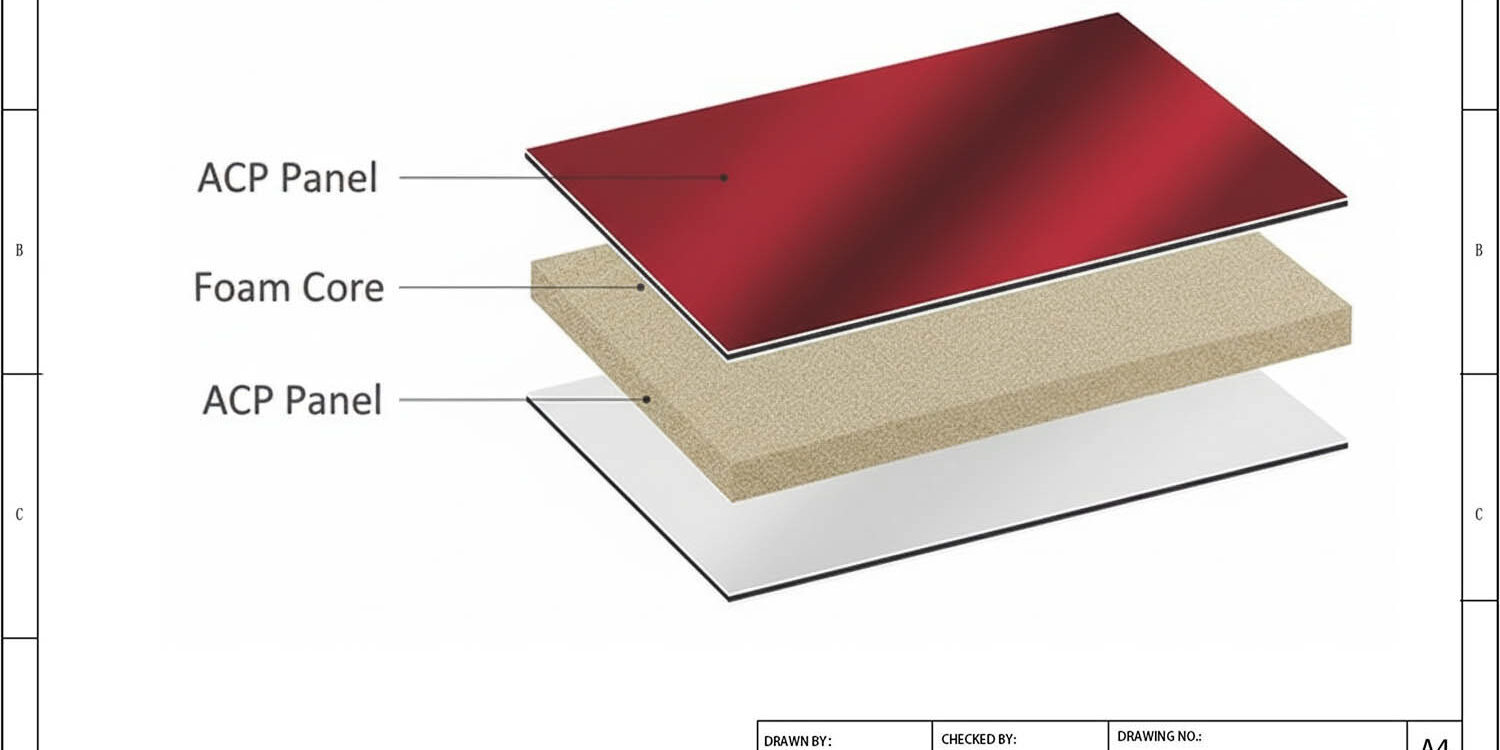
Cheap GRP honeycomb panels that fail their thermal scan on day one cost distributors real bids. When procurement chases the lowest wholesale price and ignores core density, condensation ends up dripping over the client’s inventory, and the monitoring logs record every temperature excursion with no way to explain them away. You will eat the warranty costs if you ignore physical specs and blindly trust supplier talking points.
Comparing standard foam against honeycomb cores pinpoints the hidden energy leaks. Low-density cores are a proven trigger for thermal bridging. Panel warping alone can account for massive energy loss. I will detail the exact fire rating compliance thresholds that drive measurable ROI and prevent on-site failures.
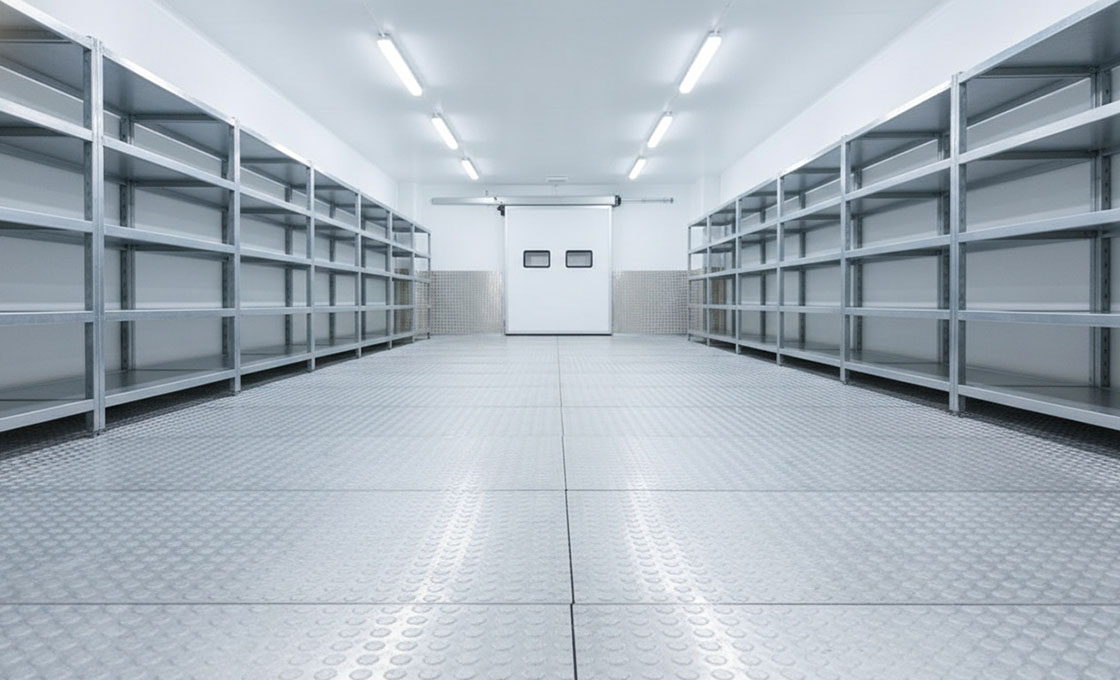
Energy-Efficient Insulated Panels
Controlling operational energy loss requires precise thermal isolation. Our CFRT, GRP Honeycomb, and Foam Core panels deliver targeted R-values and strict fire compliance for industrial and commercial projects.
Addressing the Core B2B Pain Point: Thermal Bridging and Lifecycle Costs
Thermal bridging drives up HVAC costs and fails building inspections on the spot. Whenever subpar materials heat up the exterior, condensation metrics spike, triggering compliance violations. We engineer our CFRT Sandwich Panels and Foam Core Panels to physically block these thermal breaks. Facility managers see an immediate drop in daily energy consumption right after installation. For vehicle builders, this strict temperature control boosts payload limits and slashes fuel burn.
Insulation Specifications and Material Breakdown
Your core material dictates whether a building envelope or transport unit survives the field. We configure panels based on exact structural loads, guaranteeing they pass strict international fire safety codes. Specifying the wrong foam density for your specific payload results in immediate inspection rejections.
- GRP/FRP Honeycomb Panels: These sheets provide an extreme strength-to-weight ratio and reliable moisture resistance. Specialized vehicle manufacturers rely on them to slash axle weight without compromising the structural integrity of the chassis.
- Foam Core Panels: Closed-cell chemistry creates high thermal R-values here. Cold chain logistics providers and industrial plants use these sheets to maintain strict temperature control and completely prevent cargo spoilage.
- Aluminum Sandwich Panels: These panels give you extreme fire resistance and high thermal reflectivity. They’re what you need for commercial facades where building codes are strict.
Procurement and Wholesale Customization
Distributors need profitable solutions that scale. When buying GRP honeycomb panels, consistent core density and facing thickness are key. It prevents costly rejections and contractor callbacks. We cut custom profiles to exact millimeter tolerances, which cuts down material waste on assembly lines. Our bulk packaging fits standard shipping containers, protecting your freight margins and meeting local fire rating certifications.
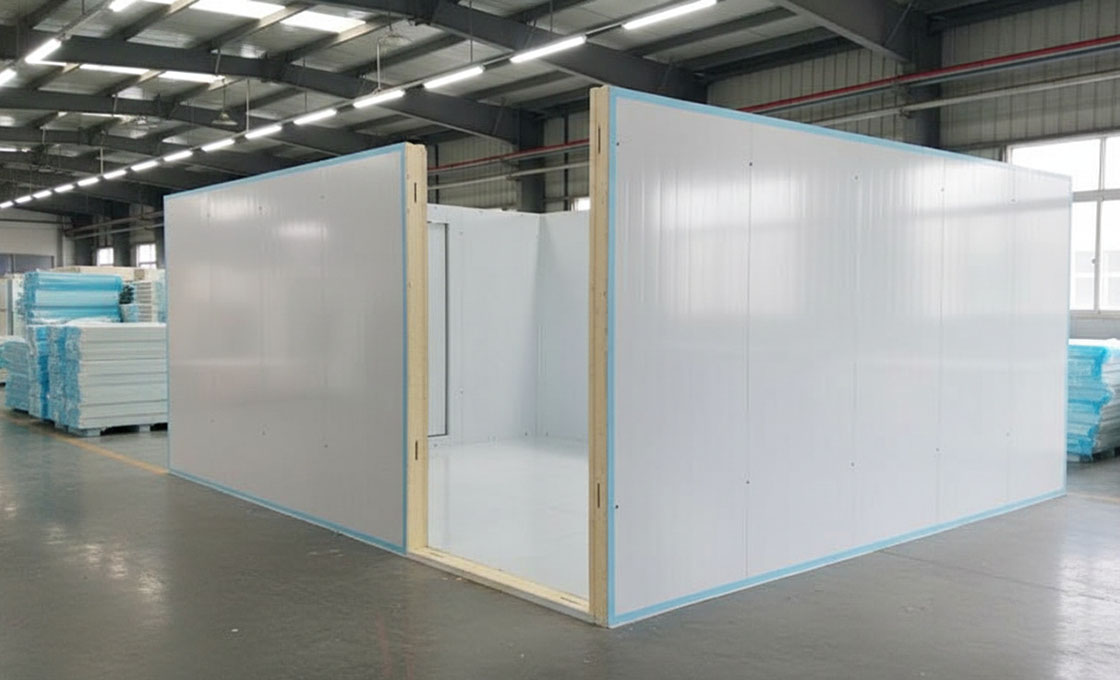
Cold Storage ROI Calculation
Calculating cold storage ROI requires moving beyond upfront costs to assess true long-term energy savings and operational efficiency, driven by panel performance.
Addressing the Core Pain Point: Misleading ROI Projections in Cold Storage
Procurement often fixates on the upfront cost of cold room insulated panel condensation solutions. They miss the bigger picture: long-term energy bills. A cheap panel with poor insulation will eat into any initial savings fast.
That narrow focus skews ROI. You underestimate the real cost of ownership. We integrate actual panel performance data directly into your financial models for a complete picture.
Concrete Data Points: Panel Performance and Energy Savings
Look at insulation values. Our GRP/FRP Honeycomb Panels, common in cold storage, offer better thermal resistance than standard options. For a 1000 cubic meter cold room at -20°C, the panel’s R-value directly impacts BTU loss and, ultimately, your energy spend.
- Standard EPS Panel (100mm): R-value typically around 3.5 m²K/W.
- When buyers ask for suggestions on core density, we point them to this 100mm GRP honeycomb panel. It hits an R-value of 4.5 m²K/W. That gives you drastically lower thermal conductivity right out of the box.
- A 1.0 m²K/W difference cuts refrigeration run-time by 15-20%. For a facility paying $50,000 a year in power, that puts $7,500 to $10,000 straight back into your pocket. The compressors work less, so they last longer.
- These panels last over 20 years in the field. Cheaper alternatives yellow and degrade within a decade. Compounding ten grand a year in energy savings over two decades is the only math that matters for a cold chain facility.
Demonstrating Expertise: Beyond R-Value to Total Cost of Ownership
R-value means nothing if moisture penetrates the joints. Our GRP skins are non-porous, stopping bacterial growth and cutting washdown labor. If your CAD tool or BMS cannot load these custom profiles cleanly, ask us for STEP files and full property data instead of fighting the import.
Real ROI math includes the install speed from our interlocking edges and the dead weight of the panels on your steel framework. You save on crane rentals, sealant labor, and structural supports. Add the zero-corrosion factor over a 20-year lifespan, and the total ownership cost destroys standard off-the-shelf options.

LEED Green Building Credits
For B2B clients, our panels provide a clear pathway to achieving LEED credits, directly impacting project viability and market positioning through documented material compliance.
Addressing LEED Green Building Compliance
Securing LEED points often stalls on material sourcing. Our GRP and foam core panels bypass that headache by providing verified, documented contributions to energy and materials credits. You get the exact test reports you need to satisfy the auditors without delaying the build schedule.
Claims need data, especially with LEED. Our GRP/FRP Honeycomb Panels, with the right core, earn LEED v4.1 BD+C credits. We provide the exact documentation and material transparency the GBCI requires.
Specific Contributions to LEED Credits
Our product line directly supports key LEED credit areas. This helps our partners show compliance to project owners and certifiers. We focus on areas where our material properties offer clear advantages.
- For Materials and Resources (MR) Credits, our panels with recycled content hit MR credit 4 for “Recycled Content” and MR credit 5 for “Regional Materials.” We supply data sheets showing exact post-consumer and pre-consumer recycled percentages.
- Indoor Environmental Quality (EQ) Credits are easier with our low-VOC GRP/FRP skins and specific adhesives. This helps projects achieve EQ credit 4: “Low-Emitting Materials.” We make sure our materials meet strict indoor air quality standards.
- Our Foam Core Panels are key for Energy and Atmosphere (EA) Credits. Their high R-value insulation helps secure EA credit 1: “Optimize Energy Performance.” These panels cut thermal bridging and improve building envelope efficiency, directly lowering energy bills. A 50mm XPS core panel, for instance, delivers an R-value over 3.0 m²K/W, beating most insulation requirements.
We give our wholesale and construction clients all the technical data and declarations needed for LEED. This speeds up certification, saving time and reducing risk. That’s real value for any partner.
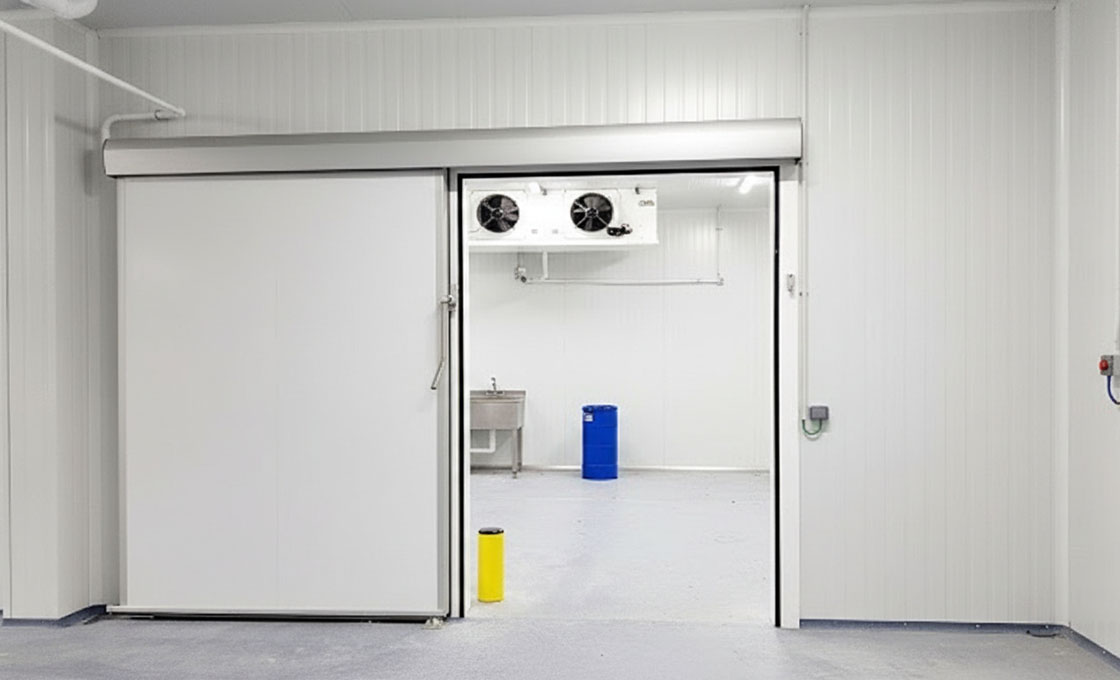
Thermal Insulation Cost Savings
Thermal bridging drains energy budgets. We engineer our FRP Honeycomb and Foam Core Panels to deliver precise R-values, directly cutting HVAC operational costs for vehicle fleets and industrial facilities.
The Real Cost of Thermal Bridging
Facility managers and procurement teams often fixate on the initial cost of building panels. They overlook the hidden operational expenses from poor insulation. Cheap panels mean your temperature control systems run constantly, burning through energy. For specialized transport, this translates directly to spoiled cargo and excessive fuel bills. Our continuous insulation cores stop thermal short-circuiting at every joint and fastener.
Quantifying Insulation Performance
We provide hard numbers on thermal resistance, not just marketing fluff. Our panels meet exact project specs because our engineering follows strict international testing standards. We factor in specific energy loss prevention based on the exact core materials we use.
- Polyurethane (PU) Foam Core Panels deliver thermal conductivity (λ) between 0.022 and 0.028 W/(m·K). This ensures maximum temperature retention, critical for refrigerated transport and cold room insulated panel condensation prevention.
- Polystyrene (EPS/XPS) Core Panels offer a cost-effective λ value around 0.030 to 0.035 W/(m·K). These work well for standard industrial building envelopes and general cold room insulated panel condensation control.
- GRP/FRP Honeycomb Panels are usually picked for their strength-to-weight ratio. Adding thermal break foils into the honeycomb structure significantly improves temperature retention. This avoids adding unnecessary weight to the vehicle chassis, helping manage cold room insulated panel condensation issues.
Calculating the Return on Insulation
Smart industrial buyers look at total cost over time. Switching to a high-yield CFRT Sandwich Panel might mean a slightly higher upfront material cost. Still, our data shows even a small drop in thermal conductivity drastically cuts daily refrigeration energy use. Over five years, those fuel and electricity savings far outpace the initial panel premium.
We CNC-route every panel to a 1mm tolerance so your installation crew faces zero gaps on-site. If factory cuts are off, you get thermal bridging and your compressors work overtime. Precision tooling ensures the R-value you paid for is the actual thermal resistance your facility gets.
| Product Category | Core Material | Thermal Efficiency | Primary Savings | Best Use Case |
|---|---|---|---|---|
| Foam Core Panels | PU / PE / EPS Foam | Superior R-Value | Reduced HVAC Energy Costs | Cold Storage & Industrial Walls |
| GRP Honeycomb Panels | Polypropylene Honeycomb | Thermal Stability | Lower Fuel & Transport Costs | Commercial Vehicles & Truck Bodies |
| Aluminum Sandwich Panels | Mineral Wool / Honeycomb | Fire-Rated Insulation | Compliance & Durability | Clean Rooms & Facades |
| CFRT Sandwich Panels | Thermoplastic Composite | Weight-Optimized Insulation | Structural Load Reduction | Specialized Vehicle Manufacturing |
Sustainable Cold Room Construction
Sustainable cold room construction demands materials that deliver superior thermal performance and longevity, directly impacting operational costs and environmental footprint. For wholesale GRP honeycomb panel buyers, this means strategic material selection.
Addressing the Core Pain Point: Energy Efficiency and Durability
A cold room that sweats is a cold room that fails. Facility directors care about one thing: a structural panel that holds its thermal resistance for 20 years without rotting. You need a composite material that ignores moisture, fights corrosion, and slashes your monthly energy bill.
Our Solution: GRP/FRP Honeycomb Panels for Sustainable Cold Storage
Procurement teams often send us BOM spreadsheets with missing or inconsistent material fields, so we return a cleaned, fully specified version before quoting. Buyers often come to us after failing to find exact anti-condensation specifications anywhere else. Our GRP honeycomb panels solve the root issue: they stop moisture dead in its tracks during daily washdowns.
- A standard 50mm GRP panel with an XPS core hits an R-value of 3.5 m²K/W. That beats standard metal skins by a mile. You stop heat transfer immediately, meaning your refrigeration units run less often and last years longer.
- Ice buildup destroys standard walls over time. Our GRP skins have a near-zero water absorption rate. The core never delaminates, protecting your investment in high-humidity freezers.
- Food processing plants use harsh chemical washes that eat standard metal panels alive. GRP fiberglass resists those aggressive acids completely. Your walls stay structurally sound for a decade without rusting out from the inside.
- Vehicle manufacturers constantly battle weight. Our GRP honeycomb panels cut vehicle mass directly, boosting fuel efficiency and hitting those sustainability targets. A standard 20mm panel weighs just 3.5 kg/m², far less than any solid material.
Meeting Wholesale Demands and Addressing FAQs for GRP Honeycomb Panels
International distributors and regional wholesalers need consistency, volume, and compliance. Our GRP honeycomb panel program delivers exactly that. We guarantee a reliable supply chain and panels that meet various regulatory standards across all markets.
- Custom cuts and panel dimensions are critical for large projects; our GRP honeycomb panel wholesale clients ask about this frequently. We provide precise sizing to minimize on-site waste, saving you time and money.
- We offer panels with specific fire ratings, including self-extinguishing options. This is essential for meeting compliance in commercial and industrial builds.
- Our GRP panels feature a smooth, non-porous surface that’s easy to clean and disinfect. This meets strict hygiene standards for food-grade cold storage, a key concern for procurement teams. No ambiguity when it comes to sanitation.
Our GRP/FRP Honeycomb Panels let our partners build cold room solutions that are energy-efficient, durable, and cost-effective. This directly addresses the main concerns for sustainable construction, including condensation control.
Commercial Refrigeration Energy Efficiency
Inefficient insulation creates thermal runaway that destroys margins. The right panel choice determines 40% of your lifecycle energy costs.
The Hidden Cost of Thermal Bridging
Procurement often over-focuses on compressor specs, but real energy loss comes from panel joints and structural thermal bridging. A compromised cold room insulated panel condensation shield means your equipment runs harder. We’ve seen competitors’ foam cores compress, creating air gaps that spike cooling loads by 30%. Our cam-lock tongue-and-groove system compresses seals, eliminating those leaks.
Material Performance Data: Honeycomb vs. Foam Core
Choosing the right panel substrate isn’t one-size-fits-all; it depends on your use case. Vehicle builders prioritize weight for fuel economy. For fixed cold storage, maximum R-value is the main driver.
- Our GRP Honeycomb Panels have a thermal conductivity (k-value) of 0.21 W/mK. They cut vehicle body weight by up to 30% versus plywood or solid aluminum. That means lower transport fuel costs without sacrificing structural integrity.
- PUR/PIR Foam Core panels offer superior insulation, delivering an R-value of 5.0 per inch. This is the industry benchmark for static cold rooms where thermal retention is more critical than panel thickness.
- CFRT Panels have zero moisture absorption, which is critical. Unlike organic cores that rot and fail in humid conditions, our Continuous Fiber Reinforced Thermoplastic maintains consistent thermal performance for the panel’s entire lifespan. This avoids cold room insulated panel condensation issues.
Long-Term Thermal Stability
Energy efficiency isn’t just a day-one spec; it’s a decade-long performance guarantee. Many foams off-gas and degrade, losing insulation within years. We use closed-cell structures and fire-retardant resins to prevent this. For distributors, this means fewer warranty headaches from temperature fluctuations. Our specialized Aluminum Sandwich Panels reflect radiant heat, reducing cooling loads by up to 15% in hot climates compared to typical steel panels.
Conclusion
Don’t just look at the cheapest foam core panel prices; long-term energy loss will kill your project’s ROI. The numbers don’t lie. CFRT or GRP honeycomb panels cost more upfront, but their superior thermal stability slashes operating expenses within two years.
Demand independent lab results for thermal conductivity from your current supplier before signing any new orders. A generic spec sheet isn’t enough. You need concrete insulation performance data for industrial clients and strict LEED certification requirements.
Frequently Asked Questions
What is the typical payback period?
The typical payback period for high-performance foam core panels ranges from three to five years depending on the operational scale of the facility. By significantly reducing the baseline load on refrigeration compressors, operations typically see an immediate 20 to 30 percent drop in monthly energy consumption. Over a twenty-year lifecycle, these compounding utility savings transform the panels from a standard capital expense into a high-yield operational investment.
Do these panels qualify for LEED?
Yes, our CFRT and foam core sandwich panels directly contribute to earning LEED credits in the Energy and Atmosphere and Materials and Resources categories. Their exceptional thermal resistance drastically lowers peak cooling loads, which is a critical metric for securing LEED certification points. Additionally, the durable composition and extended lifecycle of GRP and aluminum panels minimize replacement frequency, thereby reducing long-term construction waste.
Which panel is best for cold rooms?
PIR and PUR foam core panels are widely considered the gold standard for cold room applications due to their industry-leading R-values per inch of thickness. However, CFRT sandwich panels offer unmatched structural airtightness and impact resistance, making them highly effective for high-traffic loading docks. GRP and FRP options provide excellent corrosion resistance, ensuring structural longevity in high-humidity or chemically caustic cold storage environments.
How does thermal bridging affect performance?
Thermal bridging occurs when conductive materials create a pathway for heat transfer, leading to localized condensation, mold growth, and severe energy loss. Our specialized aluminum sandwich panels and FRP options feature advanced tongue-and-groove joint designs that effectively isolate thermal breaks and eliminate these structural vulnerabilities. By eradicating thermal bridging, the system maintains precise, uniform temperatures required for strict cold chain compliance.
Why use aluminum sandwich panels here?
Aluminum sandwich panels provide an exceptional strength-to-weight ratio, which drastically reduces structural steel requirements and lowers overall construction costs. Their non-porous, smooth surface is inherently hygienic, actively resisting bacterial colonization and easily meeting strict FDA and USDA sanitation guidelines for food storage. Furthermore, the aluminum facings act as superior vapor barriers, preventing moisture ingress that would otherwise degrade the thermal efficiency of the insulation core.