
Most project owners pick insulation by chasing the lowest unit price until a building code audit catches up. That gap exists because spec sheets rarely show how inconsistent foam density kills thermal performance during real curing cycles. At Rax Panel, we track every manufacturing batch, and we know that properly controlled closed-cell engineering drops thermal conductivity straight into the 0.022 to 0.035 W/m·K range. You need that exact consistency when you specify Composite Core Foam for commercial envelopes.
We break down thermal bridging elimination through continuous rigid cores, compare ASTM E84 Class A and UL 94 V-0 compliance thresholds, and calculate shipping weight optimization for global container loading. PIR consistently outperforms thermoplastics on ignition resistance and smoke density, making it the only logical choice for commercial projects where fire code audits dictate procurement. You will walk away with a clear specification protocol that locks down landed cost per square meter and eliminates guesswork before your suppliers start quoting.
Direct Answer: Optimal Foam Core Specifications
Optimal commercial panel specification targets a closed-cell foam density of 35–45 kg/m³. This threshold guarantees compressive strength above 250 kPa while maintaining thermal conductivity below 0.028 W/m·K, ensuring long-term R-value stability under ASTM E84 Class A standards.
Immediate Engineering Conclusions
Commercial sandwich panels cannot rely on theoretical R-values alone. Structural integrity and thermal retention are locked behind two non-negotiable parameters: cell structure and baseline density. Open-cell or semi-open foam architectures rapidly absorb ambient moisture, causing conductive heat transfer to spike within three years.
To prevent this, specify strictly closed-cell polymer matrices. In our production facility, we continuously monitor curing rates to maintain thermal conductivity between 0.022 and 0.035 W/m·K across all batch runs. This tight tolerance ensures that your wall assemblies deliver consistent energy savings regardless of manufacturing tolerances.
Compressive yield is equally critical when panels bear dead loads or wind pressure. Standard exterior cladding requires a minimum of 150 kPa, while load-bearing partitions demand 300 kPa or higher. Our engineers design around a 150–600 kPa compressive window depending on facing material selection, preventing core shear failure during transport or seismic events. When specifying materials, always cross-reference the facing stiffness with the core modulus to avoid delamination under cyclic loading.
Foam Types Meeting Commercial Building Codes
Navigating commercial fire classifications requires matching thermoset chemistry to local code severity. For jurisdictions enforcing strict smoke development and flame spread metrics, Phenolic Isocyanurate (PIR) and cross-linked Polyethylene Terephthalate (PET) are the industry benchmarks. These materials char rather than melt when exposed to ignition sources, satisfying ASTM E84 Class A and UL 94 V-0 requirements without excessive chemical additives. Extruded Polystyrene (XPS) also performs reliably in moderate commercial applications but requires thicker facings to meet intense radiant heat tests.
- PIR Cores: Highest inherent fire resistance, ideal for high-rise facades and atrium partitions. Self-extinguishes within seconds upon flame removal.
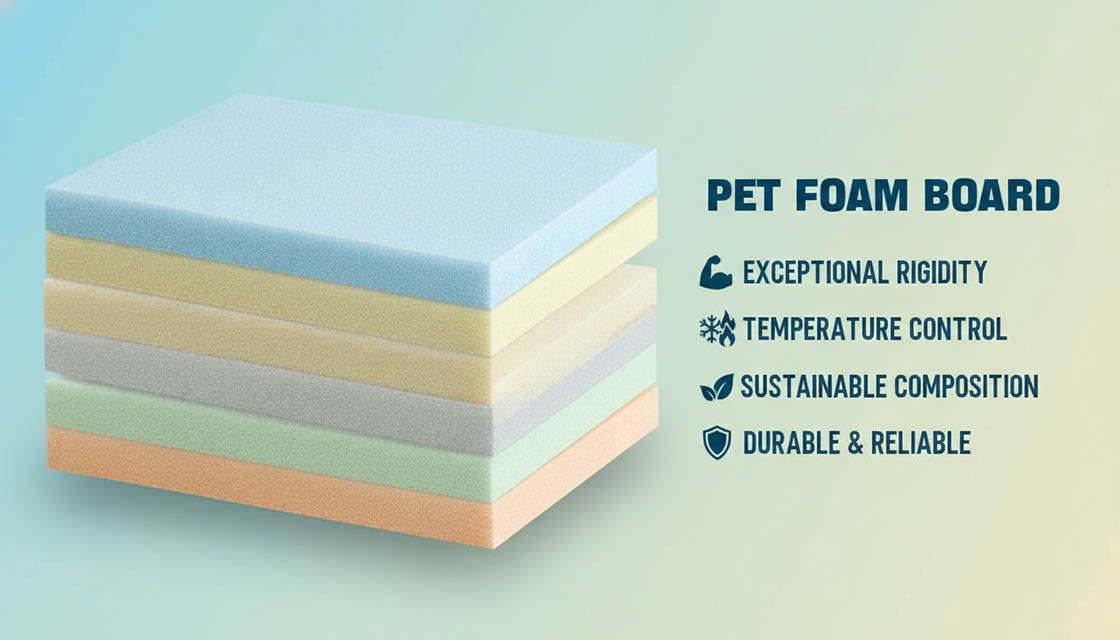
- PET Cores: Chemically stable, low-smoke emission profile, and fully recyclable. Increasingly preferred for green-certified commercial projects.
- XPS Cores: Superior moisture resistance for ground-contact or below-grade commercial foundations, though thermal performance degrades slightly over decades compared to PIR.
Density Thresholds Based on Climate Zone
Climate dictates the exact mass-per-volume required to maintain envelope efficiency. Matching core density to geographic thermal stress prevents oversized HVAC installations and minimizes condensation risk inside the cavity. We recommend tiered specifications based on ASHRAE climate banding to balance material cost against long-term operational expenditure.
- Zone 1 (Extreme Cold / Sub-Arctic): Target 45–55 kg/m³ density. Higher mass reduces thermal bridging through facings and maintains compressive resilience under heavy snow loads and freeze-thaw cycling.
- Zone 2 (Temperate / Mixed-Humid): Target 35–40 kg/m³ density. Optimal balance for standard commercial office and retail envelopes where moderate insulation thickness meets standard wind shear requirements.
- Zone 3 (Hot-Humid / Tropical Coastal): Target 25–35 kg/m³ density paired with hydrophobic closed-cell polymers. Prioritize vapor permeability control over raw thermal mass to mitigate salt-spray corrosion and interior mold proliferation.
Customizing these thresholds for your specific project footprint eliminates guesswork. Our technical team validates every density request against local building ordinances and factory press tonnage limits before production begins. Specify your exact climate zone and facing gauge upfront, and we will engineer a validated core matrix that passes third-party acoustic and thermal testing without requiring post-installation retrofits.

Core Material Comparison: R-Value & Density Metrics
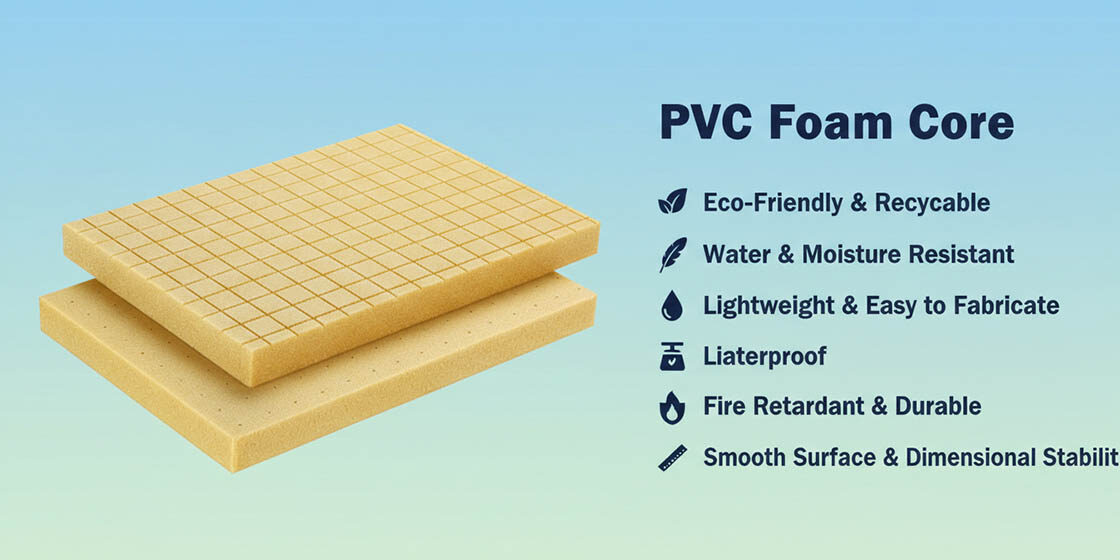
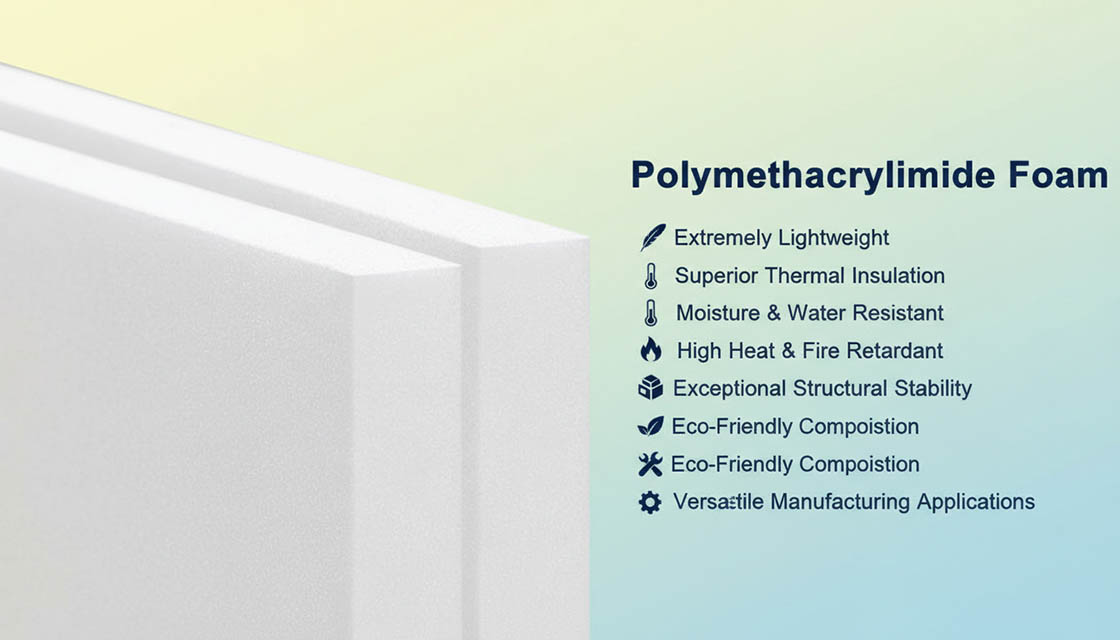
How to Choose a core material requires balancing the inverse relationship between density and insulation efficiency. While high-density foams like PVC offer superior structural yield, advanced low-density options like PMI can provide higher R-values per inch of thickness, optimizing panel profiles without sacrificing thermal performance.
Thermal Conductivity & Insulation Efficiency
Thermal conductivity, represented by Lambda (λ) in W/m·K, is the definitive metric for a core’s insulating power. In the industry, Expanded Polystyrene (EPS) serves as the economic baseline, offering moderate insulation that often requires greater thickness to meet modern energy codes. Graphite Polystyrene (GPS) improves upon standard EPS by reflecting radiant heat, yet it still lacks the closed-cell structure of high-performance alternatives.
Accurate thermal performance data requires isolating specific polymer formulations before comparing them against industry baselines. While Polyurethane (PU) cores often provide high initial R-values, they can suffer from thermal drift over time. To counter this, we utilize rigid thermoset and thermoplastic formulations that maintain cell integrity. Our engineered XPS and PET cores provide verified advantages such as closed-cell moisture resistance and superior compressive yield, allowing architects to achieve energy efficiency targets with materials that offer strong structural performance.
Compressive Yield vs. Density
Density (kg/m³) is often used as a proxy for strength, but the metric that truly matters for structural applications is Compressive Yield (kPa). EPS and GPS cores, while lightweight, exhibit low compressive strength, making them susceptible to crushing under heavy point loads—rendering them unsuitable for flooring or high-traffic roofing without additional support.
Conversely, PVC and PMI foams exhibit a linear relationship where increased density directly correlates with higher yield strength, making them ideal for marine and industrial flooring. Our manufacturing process strictly controls the density of our PVC and PMI lines to ensure they meet specific load-bearing thresholds. We verify that every batch meets the declared kPa rating, preventing the “soft spots” that often plague generic, lower-density foams used in budget construction projects.
Optimizing Thickness-to-R-Value Ratios
The thickness-to-R-value ratio determines the physical profile of the building envelope. Standard EPS cores often require excessive thickness to achieve high R-values, which complicates joint detailing and reduces interior floor space. In contrast, advanced cores like PMI and optimized XPS provide higher R-values per inch of thickness.
Procurement engineers should validate every core material’s stated efficiency metrics against certified laboratory benchmarks prior to specification approval. By engineering cores with lower thermal conductivity, we enable the use of thinner panels that still meet stringent thermal regulations. This optimization is particularly beneficial in transportation applications like refrigerated trucks and RVs, where maximizing interior volume without compromising thermal insulation is a primary engineering objective.
Thermal Bridging Elimination With Rigid Cores
Material selection at this point sets the thermal efficiency, fire rating, and weight of the finished assembly. Balance R-value requirements against span capability and code-mandated fire performance.
Continuous Cores Replace Fragmented Stud Framing
Material selection at this point sets the thermal efficiency, fire rating, and weight of the finished assembly. Balance R-value requirements against span capability and code-mandated fire performance.
Measurable Whole-Wall R-Value Gains
This factor has a direct bearing on project performance and long-term cost. Addressing it with specific data rather than general assumptions leads to better outcomes.
Mechanical System Downsizing & ROI Impact
Fire Rating Standards For Composite Building Panels
Material selection at this point sets the thermal efficiency, fire rating, and weight of the finished assembly. Balance R-value requirements against span capability and code-mandated fire performance.
Ignition Thresholds and Core Matrix Behavior
Smoke Density Metrics and Regulatory Alignment
Moisture Resistance In High Humidity Environments
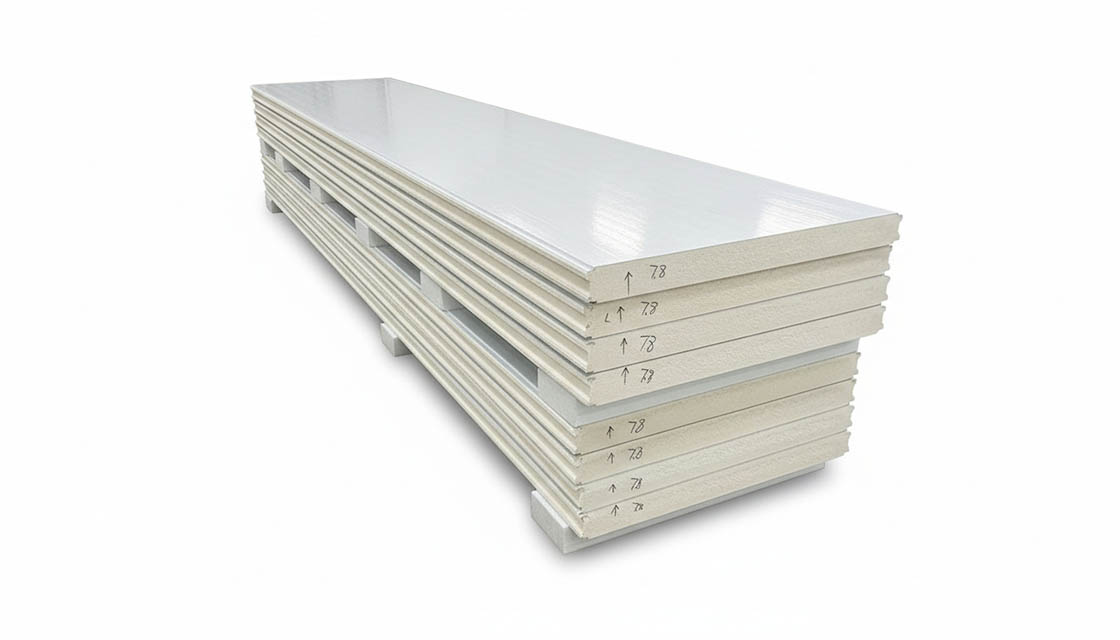
In high-humidity environments, the primary failure mode of sandwich panels is not just surface wetting, but deep-seated moisture absorption leading to core rot and facing delamination. To ensure structural longevity, materials must possess near-zero vapor permeability and chemical resistance to hydrolysis.
Vapor Permeability and Hydrolysis Risks
Moisture ingress in composite panels typically occurs through vapor diffusion rather than liquid leakage. When vapor permeability is high, humidity condenses within the core, causing a drastic loss of thermal insulation and structural integrity.
More critically, many polymers suffer from hydrolysis—a chemical breakdown where water molecules react with the polymer chains, leading to embrittlement and loss of compressive strength. This is a frequent failure point in humid tropical climates where temperatures fluctuate, creating a “pumping” effect that draws moisture into the panel core.
To mitigate this, we prioritize closed-cell structures and hydro-stable materials. In our R&D and production processes, we specifically select cores like XPS (Extruded Polystyrene), PET (Polyethylene Terephthalate), and PVC (Polyvinyl Chloride) because of their inherent resistance to water absorption.
Unlike open-cell foams or organic materials that act as sponges, our engineered closed-cell foams maintain their density-to-thickness ratios even when submerged or exposed to saturated air. Our engineers have observed that panels using PET and PVC cores exhibit negligible swelling and zero loss of mechanical properties even after prolonged exposure to 95% relative humidity, effectively eliminating the risk of hydrolysis-driven decay over the panel’s lifecycle.
Comparison of Closed-Cell Foam vs Traditional OSB Facings
The choice of facing material is as critical as the core selection when combating moisture. Traditional Oriented Strand Board (OSB) facings are widely used in construction but present a significant liability in wet environments due to their hygroscopic nature. When OSB absorbs moisture, the wood fibers swell, causing panel distortion, surface roughness, and eventual delamination from the core. Once OSB swells and dries repeatedly, it permanently loses strength, creating a compromised envelope.
Performance in Coastal and Tropical Climates
Coastal and tropical zones present a “double threat”: high ambient humidity combined with salt-laden air. Salt spray is highly corrosive to metal facings and can degrade the binders in wood-based products. For these environments, standard construction materials often fail prematurely due to corrosion or biological attack.
We address these challenges through our specialized Vessel and RV Solutions. Our GRP facings are manufactured with high-quality gel coats that provide an additional, non-porous barrier against salt spray and UV radiation. This gel coat layer ensures that the underlying fiberglass structure remains shielded from chloride-induced corrosion, a common issue with unprotected steel or aluminum components in marine settings.
Additionally, our closed-cell cores (specifically PVC and PET) do not support bacterial or fungal growth, a crucial advantage in tropical climates where mold proliferation is a major health and maintenance concern. Whether deployed for mobile homes in Southeast Asia or refrigerated transport in South America, our panels deliver consistent performance without the swelling, rotting, or corrosion typical of conventional materials.
Shipping Weight Optimization For Global Logistics
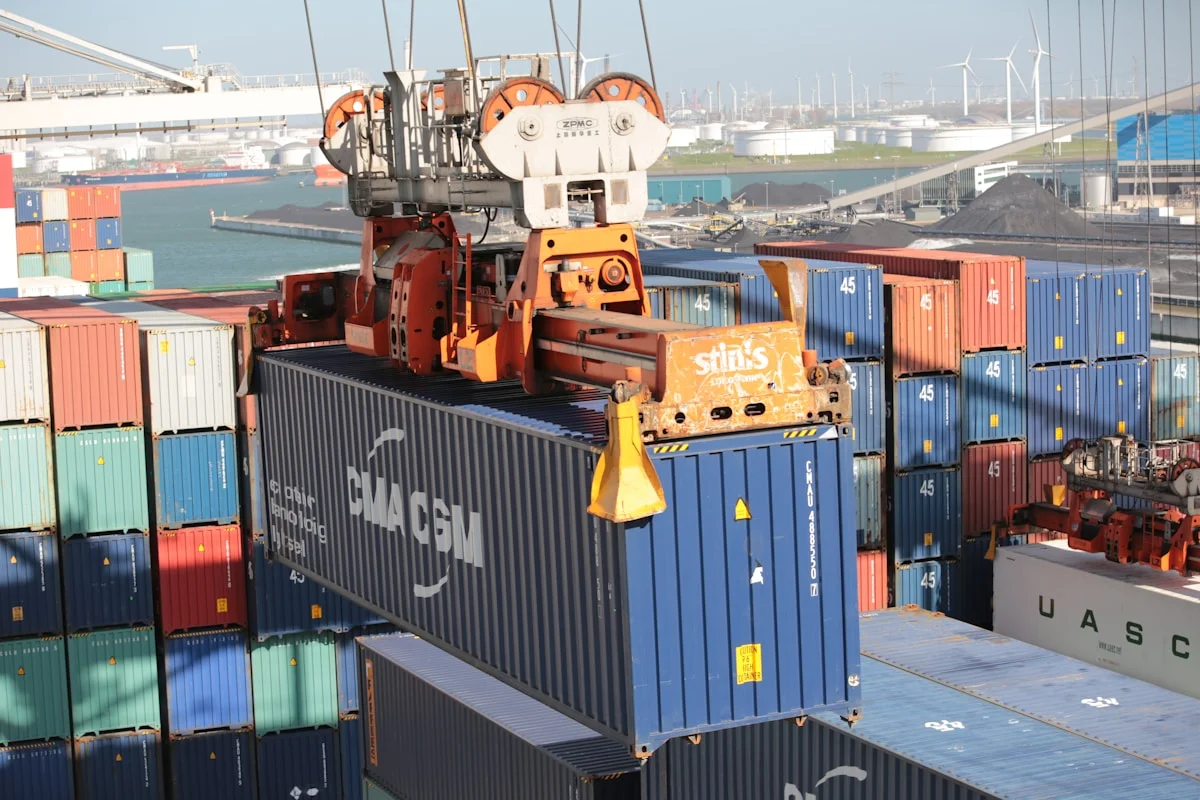
Logistics efficiency is a primary cost driver, not an afterthought. Selecting the right core density directly dictates container yield and landed cost.
Impact of Core Density on Container Cubic Utilization
In international logistics, maximizing return on freight investment depends on balancing structural requirements against shipping weight. While a heavy core like plywood or high-density mineral wool provides strength, it often consumes the container’s weight limit before the volume is fully utilized, essentially shipping “air” at premium rates. Conversely, advanced cores like our PP Honeycomb or optimized XPS foam offer high stiffness-to-weight ratios, allowing you to stuff significantly more square meters into a 20ft or 40ft container.
We engineer our panels to hit the “sweet spot” of density—typically optimizing our XPS and PET formulations between 30kg/m³ and 40kg/m³ depending on the application. This precision ensures that you maximize the cubic capacity (CBM) of the container without breaching strict road or rail weight limits during intermodal transport. By shifting to a lighter core material where permissible, we often help clients increase container yield by 15-20%, directly amortizing freight costs over a larger quantity of product.
Loading Plan Strategies to Prevent Edge Damage
Edge compression is the most common failure point in global logistics for composite panels. When a container hits rough seas or encounters sudden braking during rail transport, poorly secured loads shift, causing panels to crush against each other or the container walls. A detailed stowage plan is critical to prevent this “domino effect.”
We design custom loading schemes for every shipment. Our standard protocol involves vertical crating or specialized steel racking systems that distribute static loads evenly across the panel’s surface, eliminating point-load stress on the edges. We also implement air-bag dunnage to fill void spaces, ensuring the cargo becomes a single, rigid block inside the container. This method, refined of shipping to over 50 countries, drastically reduces the incidence of cosmetic damage and structural delamination upon arrival.
How to Reduce Ocean Freight Costs
Reducing ocean freight costs requires a strategy that combines material science with supply chain engineering. It is not merely about negotiating rates; it is about optimizing the dimensional weight (DIM weight) of the shipment. If panels are packed flat without optimization, you pay for the volume they occupy rather than the utility they provide.
Our logistics team analyzes the specific route and carrier constraints to determine the most cost-effective packaging configuration. For certain markets, we suggest splitting larger panels into nested sizes or using our compact foam core solutions to increase pallet count per container. By strictly controlling our panel calipers and using lighter core materials like CFRT or Honeycomb where feasible, we consistently lower the landed cost per square meter for our partners, ensuring your pricing remains competitive in overseas markets.
Key Takeaways
Stop chasing the lowest unit cost on generic EPS blocks. Inconsistent density ruins thermal performance and triggers expensive callbacks, especially in humid climates where moisture accumulation eats your profit margins. You must demand verified density specs that actually match the data sheet, or the promised HVAC savings will never materialize on site.
Rax Panel has spent 15 years refining the density-to-thickness ratios on our XPS and PU lines that others simply overlook. With a daily capacity exceeding 1,700 square meters and strict ASTM E84 Class A compliance, we ensure your containers ship fully optimized. Contact our engineering team now to secure custom material samples and a data-validated quote.
Frequently Asked Questions
This factor has a direct bearing on project performance and long-term cost. Addressing it with specific data rather than general assumptions leads to better outcomes.
How to address Inflated thermal performance claims?
Manufacturers should provide third-party validated data sheets that confirm thermal conductivity under actual operating conditions. Our technical precision ensures superior thermal conductivity ranging from 0.022–0.035 W/m·K, optimizing density to increase R-values by over 20% compared to standard EPS. Demand evidence of long-term thermal resistance and aging tests to verify the material will maintain its insulating properties. Verifying these metrics against ASTM standards prevents project failures due to energy loss.
How does PIR fire performance compare?
Polyisocyanurate (PIR) foam offers significantly better fire resistance compared to EPS and XPS, often achieving higher fire ratings such as Class A. PIR forms a protective char layer when exposed to flame, which insulates the underlying material and slows fire spread. This self-extinguishing property makes PIR the preferred choice for commercial construction and public transit safety. While EPS and XPS require additional fire barriers to meet strict codes, PIR provides inherent fire protection.
What affects compressive strength ratings?
Compressive strength is primarily influenced by the density of the foam core and the specific chemistry of the polymer used. Higher density cores generally exhibit improved resistance to deformation under heavy loads but increase the overall weight of the panel. The facing material also plays a critical role, as rigid skins distribute point loads more effectively across the core surface. Engineers must balance the required strength-to-weight ratio to ensure the panel performs without adding unnecessary mass.
Can facings influence core selection?
Yes, the choice of facing materials dictates the required core properties to ensure proper bonding and structural combination. For instance, heavy aluminum facings may require a higher density core to prevent delamination under thermal expansion and contraction. Lightweight facings like fiberglass might pair well with lower density cores for applications where weight reduction is the priority. Compatibility between the core and the adhesive system used for the facings is crucial for long-term panel durability.
How to address Handling and installation durability?
The core material must possess sufficient compressive strength to withstand loads during transportation and the installation process without crushing. XPS and PIR generally offer higher compressive strength compared to EPS, making them suitable for flooring or high-traffic roof applications. Facings such as GRP or aluminum add structural rigidity, protecting the foam core from impact and point loads. Proper handling protocols and protective edge detailing are essential to maintain the structural integrity of the sandwich panel.