
Balancing thermal efficiency against fire codes is the hardest part of spec work. If you mess up the Euroclass rating, your project opening gets delayed. You can meet **GMP grade wall panel materials** requirements without paying for premium non-combustibles in low-risk zones.
Medical Regulatory Compliance Framework
**Medical cleanroom ISO certification requirements** target particulate levels, but GMP cares about surface hygiene. A panel can be particle-free yet harbor bacteria in bad joints. You need strict **cleanroom wall panel sealing requirements**, because a cracked caulk line will fail your next audit.
Fire-Rated Core Material Selection
In medical environments where patient evacuation is slow and oxygen saturation is high, selecting the correct fire-rated core is not merely a compliance checkbox—it is the primary barrier between a localized incident and a catastrophic containment failure.
Rockwool: The Non-Combustible Baseline for High-Risk Zones
Mineral Wool (Rockwool) is the standard for **hospital cleanroom fire safety standards** in operating theaters. It won’t melt or burn like polymer cores. We use high-density rockwool for sound control too, which dampens the HVAC noise most people ignore until it’s too late.
Supply chain consistency is a major vulnerability in hospital projects. Because Rockwool panels are heavy and logistics-intensive, we operate a dedicated production line capable of exceeding 1,700 square meters daily. This high-throughput capacity ensures that even for massive hospital expansions, we can deliver consistent density and quality without the lead-time delays that plague smaller distributors.
PIR and PET Foams: Balancing Thermal Efficiency with Smoke Density
Cold storage units often need PIR or PET Foam for insulation, but smoke density trumps R-value here. We use low-smoke PIR formulations because toxic smoke kills faster than flames. We verify these cores hit Class A fire ratings with the right facings so you don’t trade safety for energy savings.
Aluminum Honeycomb: Lightweight Integrity for Modular Applications
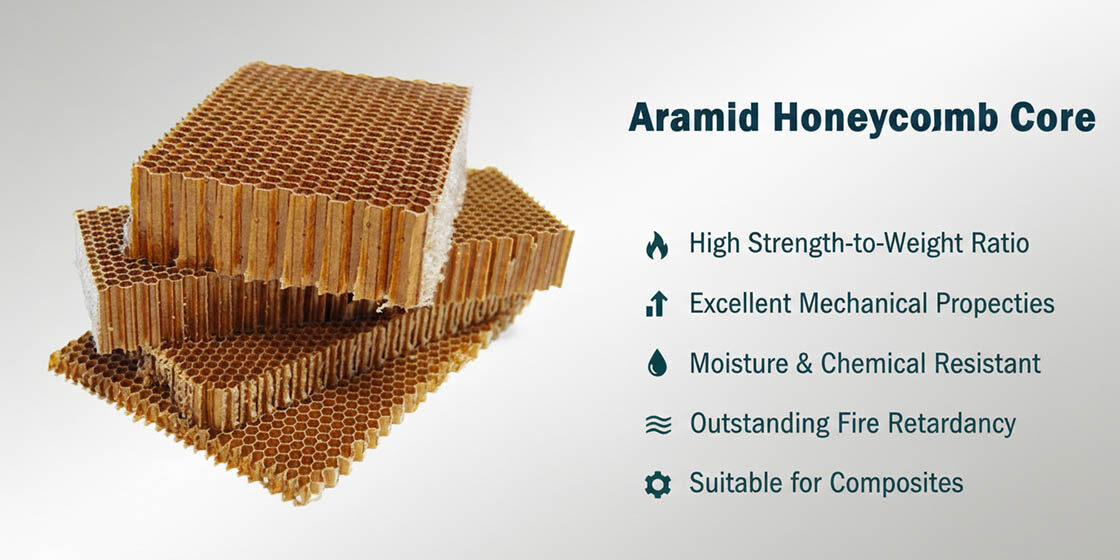
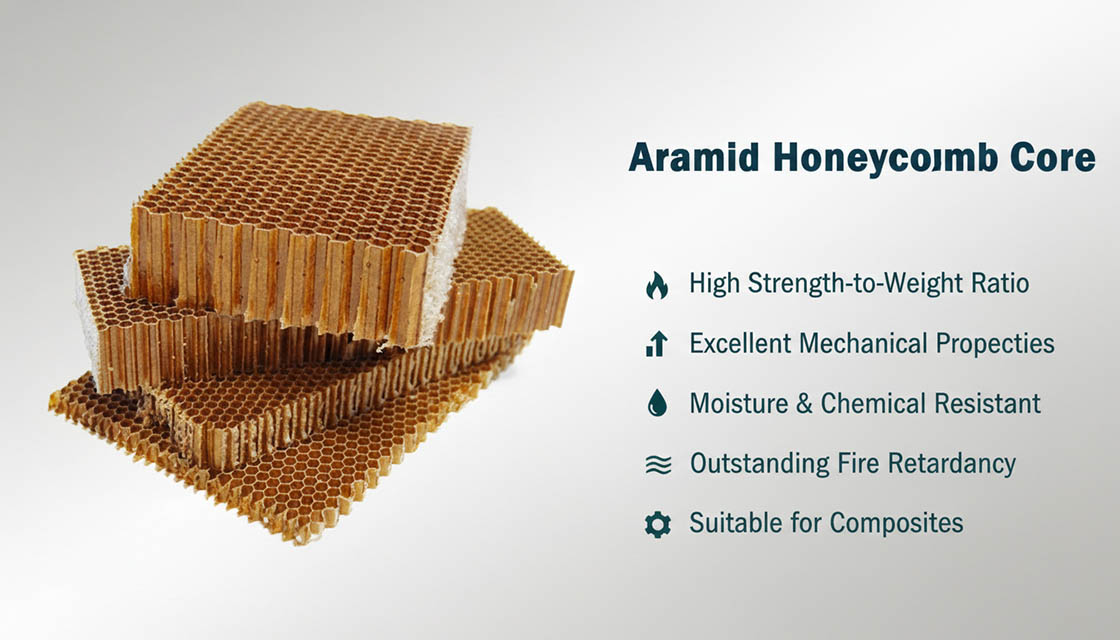
Modular units often use Aluminum Honeycomb cores to save weight without losing strength. The core won’t burn, but the fire rating depends entirely on the facing bond. We pair these with steel facings for performance, and we avoid fiberglass in high-heat setups unless there’s specific test data.
A common pitfall in cleanroom specification is assuming the fire rating of the core applies to the finished panel. This is false. If the adhesive bonding the skin to the core fails during a fire, the facing can delaminate and expose the core, accelerating the fire spread. We validate every skin-core combination in our R&D center to ensure the composite system— not just the individual materials—passes rigorous fire testing protocols.
| Core Material | Fire Rating & Performance | Technical Specs | Ideal Applications | Rax Capability |
|---|---|---|---|---|
| PIR (Polyisocyanurate) | Superior fire resistance with low smoke emission; Class A rated capability | Density approx. 48±2 kg/m³; excellent thermal insulation properties | Industrial facilities, medical environments, cold chain logistics | Custom engineered for stringent thermal and safety requirements with experimental validation |
| Rockwool (Mineral Wool) | Outstanding fire resistance, non-combustible, high acoustic performance | Densities of 96 & 144 kg/m³ available; high temperature stability | Exterior wall cladding, building partitions, high-fire-risk zones | Mass production capability exceeding 1,700m² daily for rapid project delivery |
| Aluminum Honeycomb | Non-combustible core; 100% fiber-free; achieves Class A with proper facings | High flatness (≤0.5mm); lightweight yet structurally stable | Microelectronics cleanrooms, marine vessels, RVs, aerospace | Versatile skin integration (Aluminum, Steel, FRP) for custom weight/load needs |
| PET Foam | High heat resistance with low smoke density; eco-friendly composition | Density 80-120 kg/m³; high strength-to-weight ratio; resilient structure | Industrial cleanroom walls, structural insulation, sustainable construction projects | R&D driven customization to meet precise performance data standards and cost-efficiency targets |
Antimicrobial Surface Finish Performance
Antimicrobial claims look good on paper, but chemical resistance keeps walls sterile in real life. Harsh disinfectants destroy cheap finishes and create cracks for bacteria to hide. We prioritize coatings that pass ISO 2812 tests, because once the gel coat peels, the antimicrobial protection is gone.
Chemical and Sterilization Resistance
In a sterile environment, the wall panel is not just a partition; it is a chemical containment vessel. Any degradation in the surface coating becomes a breeding ground for pathogens.
GMP grade wall panel materials face daily chemical assaults from VHP, chlorine-based cleaners, and high-proof alcohols. Traditional gypsum or porous laminates quickly degrade, forming micro-cracks that harbor bacteria despite strict medical cleanroom ISO certification requirements. You need an inert barrier that resists aggressive sanitation chemistry to maintain the sterile field.
Chemical Inertness and Skin Selection
Stainless steel 316 resists solvents well, but Glass Fiber Reinforced Plastic (GRP) offers comparable chemical inertness with significantly lower dead load. A non-porous finish is critical to prevent solvents from penetrating the core and causing delamination. If the skin fails, structural integrity collapses and contamination risks skyrocket.
When evaluating composite panels, always verify the resin system in the gelcoat. Orthophthalic resins offer basic protection, but Isophthalic or Vinyl Ester resins provide significantly higher resistance to the harsh oxidizers used in bio-pharma cleaning. Do not assume ‘FRP’ implies ‘chemical proof’ without checking the specific resin grade and thickness.
We eliminate penetration risks by chemically bonding a specialized gelcoat directly to the fiberglass substrate, removing weak layers. Our FRP facing resists the clouding and hardening common after repeated VHP cycles. Continuous fiberglass reinforced thermoplastic technology makes these skins lighter and thinner than standard options while handling chemical stress.
Chemical attacks often start at the seams. Ensure that the sealants and adhesives used for installation match the chemical resistance class of the panel itself. A high-resistance panel installed with a generic caulk will fail at the joints first.
Table generation failed.
Structural Integrity and Load Capacity
Meeting hospital cleanroom fire safety standards requires lightweight materials that still support heavy mechanical loads. We utilize PP honeycomb or fiberglass cores to create a sandwich structure capable of bearing ceiling-mounted filtration units without warping. This composite design provides high stiffness-to-weight ratios, ensuring the system resists impact and lateral pressure during operations.
Thermal Efficiency and Filtration Support
In controlled environments, thermal instability is the silent enemy of filtration efficiency; precise insulation prevents energy spikes that compromise air quality systems.
Optimizing Thermal Performance with Engineered Core Materials
Thermal insulation in pharmaceutical cold chains dictates process stability rather than just energy savings. While XPS and PVC foams suffice for basic needs, Polyurethane (PU) and Polyisocyanurate (PIR) cores provide superior R-values critical for temperature-sensitive environments. High-performance cores reduce HVAC strain by maintaining steady internal temperatures despite external fluctuations.
For projects requiring both fire safety and insulation, prioritize PIR cores over standard PU. PIR offers a higher limiting oxygen index and better fire resistance, which is often a non-negotiable code requirement for hospital and industrial cleanrooms.
Lab testing reveals improper foam density creates thermal bridging that compromises cleanroom wall panel sealing requirements. We engineered our PU and PIR sandwich panels with specific density gradients to eliminate these weak points. Consistent thermal performance supports filtration systems by reducing humidity variations that strain air handling units and encourage microbial growth.
Surface Morphology and Filtration Load Management
High-end filtration systems fail if your walls shed dust. You need smooth, non-porous skins like Gel-coated FRP or Stainless Steel to stop fiber shedding under chemical stress. These materials also prevent static charge, which keeps dust from sticking to hospital cleanroom wall panels.
Avoid using raw plywood or uncoated steel facings in humid or sterile environments. These materials can corrode or delaminate over time, releasing particulates into the air stream and drastically increasing the maintenance burden on filtration systems.
Installation Integrity and Sealing Protocols
GMP grade wall panel materials require air-tight sealing to prevent contamination. We use hermetic cam-lock systems to ensure cleanroom wall panel sealing requirements hold up during differential pressure validation. Our joint profiles compress gaskets uniformly, eliminating gaps where bacteria can colonize.
Key Takeaways
Non-combustible Rockwool cores are the safest choice to meet hospital cleanroom fire safety standards for ICU and pharmaceutical zones. PIR might pass in lower-risk labs, but tightening fire codes make retrofits expensive later. Stick to certified cam-lock systems to pass pressure validation on the first try.
Our facility produces over 1,700 square meters of panels daily using PIR and Rockwool composites built for aggressive wash-downs. We run load calculations on your layout before you order to ensure medical cleanroom ISO certification requirements are met. Send us your drawings, and our engineers will validate the structural integrity at no extra cost.
Frequently Asked Questions
This factor has a direct bearing on project performance and long-term cost. Addressing it with specific data rather than general assumptions leads to better outcomes.
How much does hospital clean room typically cost?
The cost of hospital clean room varies based on material grade, thickness, panel dimensions, and order volume. Requesting a detailed quote with your project specifications is the most reliable way to get an accurate figure. Bulk orders typically reduce per-unit pricing significantly.
What factors affect the price of hospital clean room?
The cost of hospital clean room varies based on material grade, thickness, panel dimensions, and order volume. Requesting a detailed quote with your project specifications is the most reliable way to get an accurate figure. Bulk orders typically reduce per-unit pricing significantly.
How long does hospital clean room last under normal conditions?
With proper installation and routine maintenance, hospital clean room can last 20 to 30 years or more. Actual lifespan depends on environmental exposure, load conditions, and whether the protective surfaces remain intact over time.
What maintenance does hospital clean room require?
Routine inspection twice a year is usually sufficient. Check seals, joints, and surface coatings for damage. Clean with mild detergent and water — avoid abrasive tools that could scratch protective layers. Address minor damage promptly to prevent moisture ingress.
How do you clean and maintain hospital clean room?
Routine inspection twice a year is usually sufficient. Check seals, joints, and surface coatings for damage. Clean with mild detergent and water — avoid abrasive tools that could scratch protective layers. Address minor damage promptly to prevent moisture ingress.