
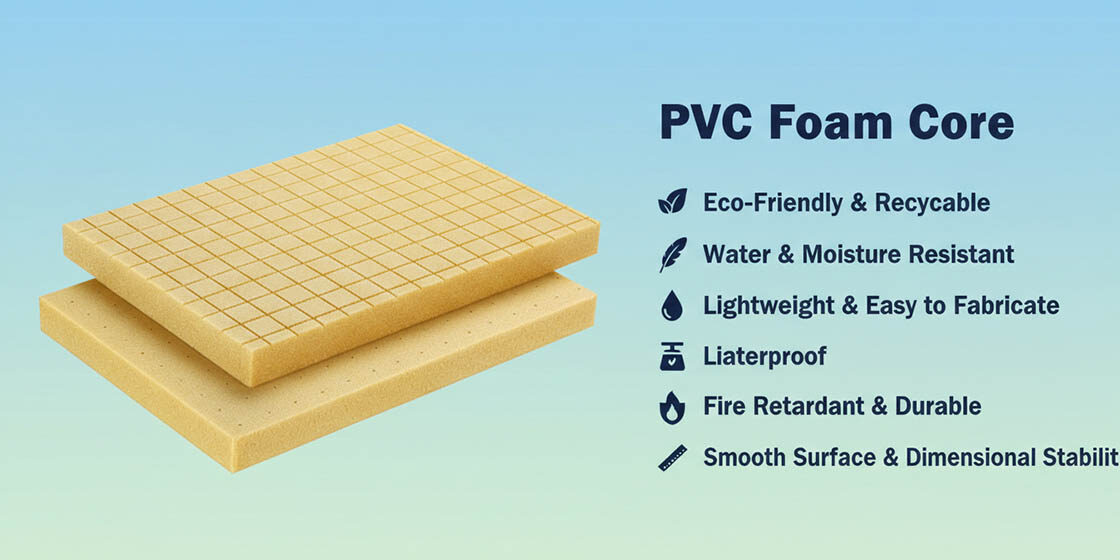
A fleet buyer I know ordered standard 60 kg/m³ panels for refrigerated truck bodies last year. They saved $40,000 upfront. Six months later, the floors delaminated under normal stress. The foam couldn’t handle thermal cycling or pallet jack loads. Selecting the right PVC foam core density isn’t just a spreadsheet item. It means the difference between smooth production and a six-figure warranty nightmare. They ate replacement costs and halted their assembly line for three weeks. That single shortcut wiped out the entire model year’s profit margin.
We analyzed three years of test data. Density changes directly impact resin absorption, thermal expansion, and compressive strength. Most engineers spec 100 kg/m³ everywhere to play it safe. That adds unnecessary weight and kills fuel efficiency. We’ll show you exactly where to drop to 45 kg/m³ for non-load zones. And where you must push to 130 kg/m³ to prevent fastener pull-out. Zoning panel densities cuts structural weight by up to 35% versus plywood. Zero warranty claims this way.
Density Selection Guide
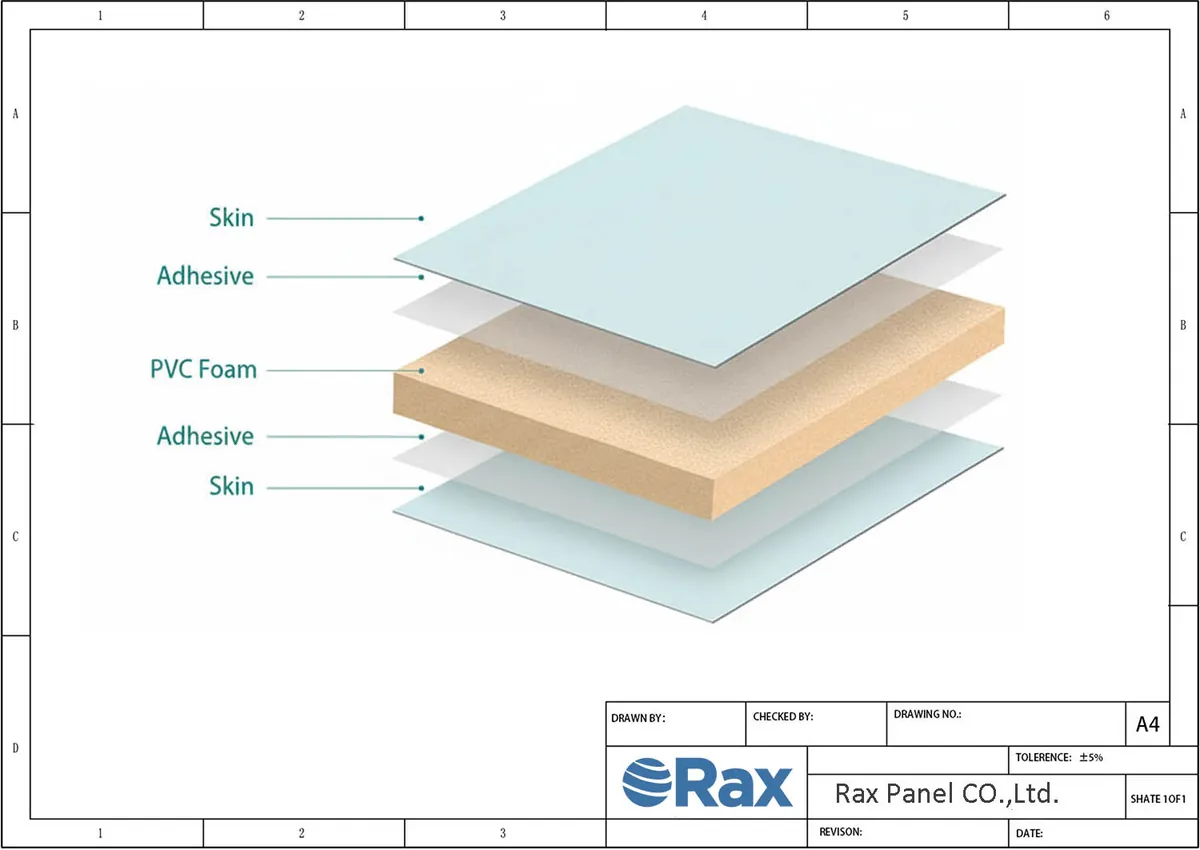
Stop treating density as a blanket specification. We apply a “zoned” approach across vehicle structures, using targeted densities only where localized loads demand it to optimize the weight-to-strength ratio and eliminate unnecessary bulk.
Low-Density Applications
Low-density PVC foam (45-60 kg/m³) works primarily as insulation, not structure. Specialized vehicle makers use it for roofs, partitions, and temperature-controlled areas. Thermal conductivity (0.035-0.045 W/m·K) drives these applications. The closed-cell structure keeps moisture absorption below 0.5%. But use these densities for structural floors? You’ll get warranty claims from insufficient compressive strength.
Procurement teams often pick this range to hit aggressive weight targets. They miss the hidden manufacturing costs. A 45 kg/m³ foam absorbs way more resin during lamination. Higher grades absorb less. This extra resin uptake increases final weight and material costs. The initial savings from the lighter core disappear.
Medium-Density Solutions
The 80-130 kg/m³ range is the sweet spot for most vehicle manufacturing. We specifically recommend 80-100 kg/m³ for RV structural applications. This specification cuts weight by 35-40% versus plywood. Yet delivers the structural integrity needed for typical operating loads.
Our production runs revealed a dramatic efficiency jump moving from 45 kg/m³ to 80 kg/m³. The 80 kg/m³ core absorbs 12-15% less resin. This directly reduces final component weight and lowers production costs. For engineers balancing fuel efficiency with throughput? The 80 kg/m³ tier gives the most predictable flexural modulus. Without over-engineering the build.
High-Density Zones
A high-density foam core ranging from 150 to 250 kg/m³ gives you up to 8.0 MPa of compressive strength. You need this for severe load paths in heavy-duty truck bodies and marine structures. But do not smear this heavy material across an entire vehicle build. We reserve this strict core density exclusively for high-stress areas like floor mounting points and corner joints, transitioning to lighter cores elsewhere.
Watch your weight math closely. Every 10 kg/m³ bump adds about 2.5% to the total panel weight. Over-specifying these zones will ruin your fuel efficiency targets. We use custom CNC routers to cut these heavy inserts so they fit perfectly with lighter core materials in non-structural areas. You keep your impact resistance and structural safety without eating into the vehicle’s payload capacity. A proper composite design requires this exact balancing act.
| Density Category | Density Range | Compressive Strength | Performance & Processing Traits | Optimal Vehicle Application |
|---|---|---|---|---|
| Lightweight / Low Density | 45 – 80 kg/m³ | 0.8 – 2.5 MPa | 12-15% less resin uptake than higher grades; Thermal conductivity 0.035 W/m·K | Non-structural insulation, internal RV partitions, and lightweight core filler |
| Structural Sweet Spot | 80 – 130 kg/m³ | Moderate to High | 35-40% weight reduction over plywood; <0.5% moisture absorption; Dimensional stability | RV sidewalls, truck body panels, and standard marine structural components |
| Heavy-Duty / High Density | 130 – 250 kg/m³ | Up to 8.0 MPa | Maximum impact resistance; Low thermal expansion (50-80 × 10⁻⁶/°C); High flexural modulus | Zoned load areas, heavy-duty flooring, wheel arches, and high-impact mounting points |
| Universal Material Compliance | 45 – 250 kg/m³ | 0.8 – 8.0 MPa | Class B1/B2 Fire Rating (DIN 4102); Closed-cell structure; Service temp -20°C to +60°C | All specialized vehicle OEMs requiring fire safety, warranty compliance, and strict consistency |
Weight vs. Performance Tradeoffs
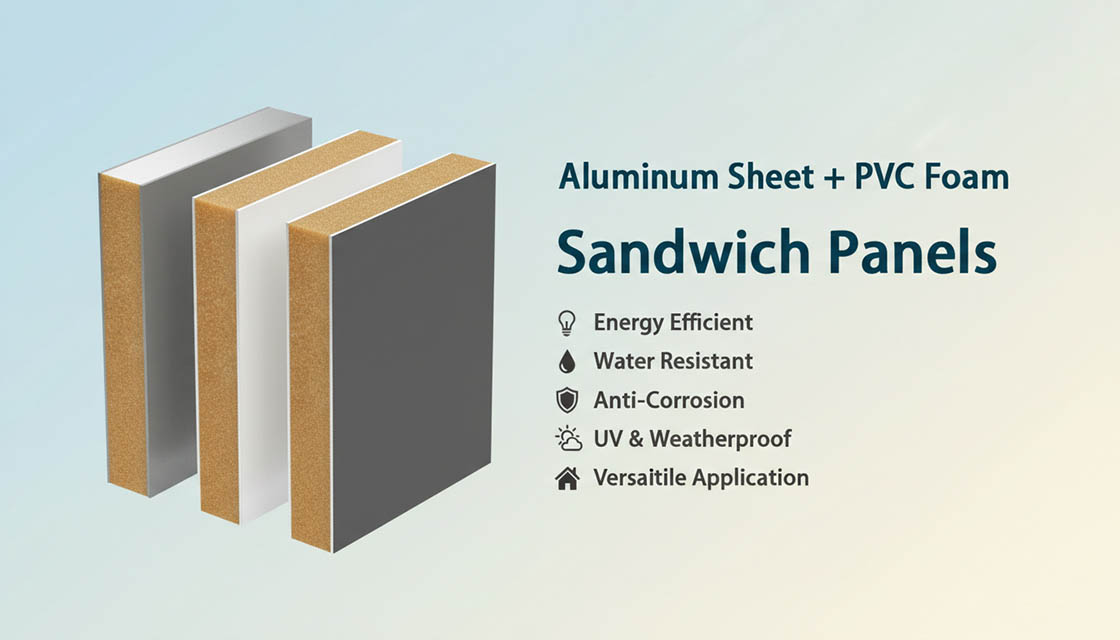
Optimizing vehicle weight requires a calculated balance: applying strategic PVC foam core densities and controlling resin uptake to maximize fuel efficiency without compromising structural fidelity.
Fuel Efficiency Calculations
Stop looking only at the raw core weight when evaluating a sandwich structure. You must calculate the total weight of the final cured assembly. Our production data proves that PVC foam cores in the 80 to 100 kg/m³ range hit the exact sweet spot for RV and specialized truck builds. You get a 35-40% weight reduction over traditional plywood while keeping the structural integrity required for normal operating loads.
Resin uptake destroys weight calculations if you ignore it. Many procurement managers base their material selection strictly on compressive strength numbers. Bad move. Low-density cores act like sponges on the lamination table. We tracked the math on our own production floor. Stepping up from a 45 kg/m³ core to an 80 kg/m³ PVC foam absorbs 12-15% less resin. That drops your final component weight and slashes resin costs instantly.
Production Line Consistency
You do not need to search DuckDuckGo to figure out why your assembly line keeps stalling. Bad material tolerances drive production delays and spike rejection rates. Your foam cores must hold thickness tolerances within ±0.2mm. Anything wider than that disrupts automated adhesive dispensing and ruins your curing pressures.
Stop using a blanket material spec across an entire vehicle structure if you want to optimize weight. You can find a hundred tutorials on YouTube about basic panel construction, but real optimization requires a “zoned” approach. The math is simple: every 10 kg/m³ increase adds 2.5% to the panel weight but boosts compressive strength by 15-20%. We use CNC routing to drop high-density 130 kg/m³ cores exactly at mounting points, leaving standard 80 kg/m³ foam for broad areas. This keeps your mass to an absolute minimum.
Shipping & Protection Solutions
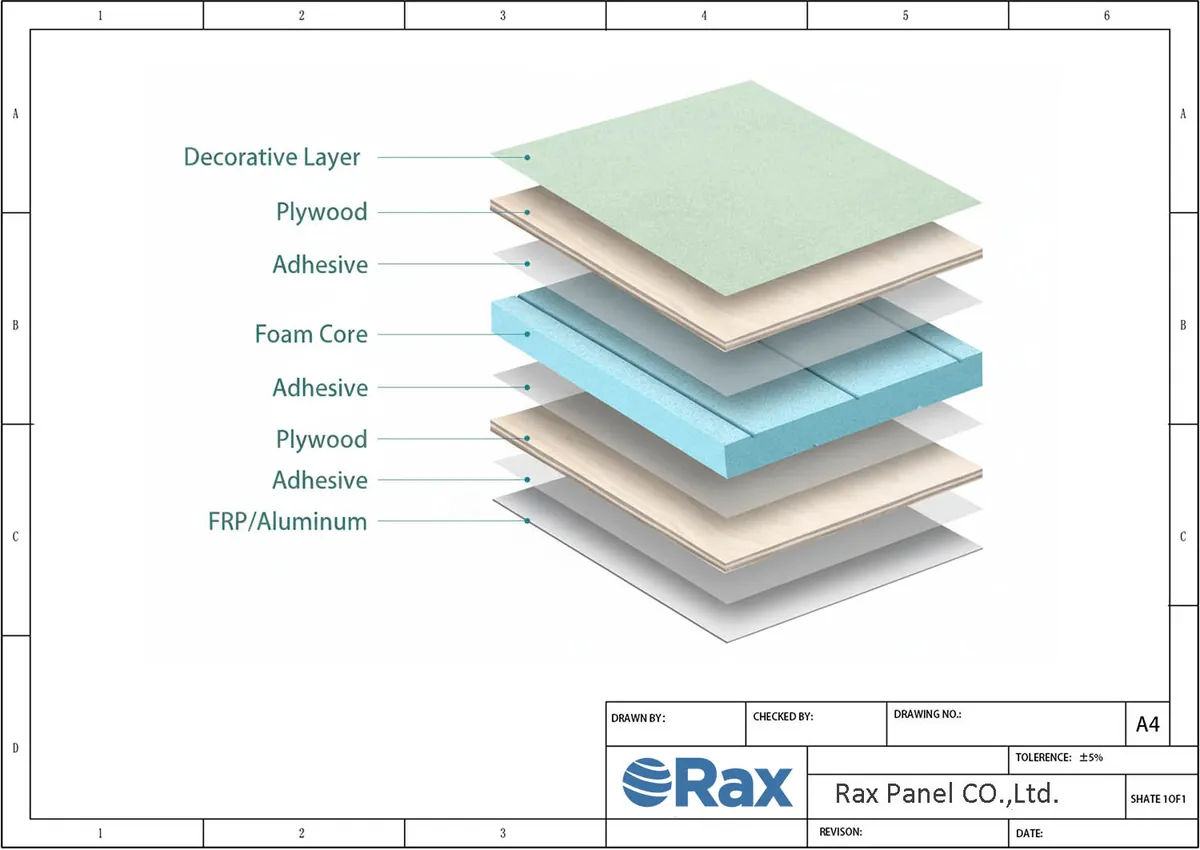
Inconsistent packaging causes production line delays and hidden material damage. We engineer our crating and container loading plans to guarantee dimensional stability and zero reject rates upon delivery.
Crating Specifications
Procurement teams see it all the time: standard stretch wrap fails the moment ocean freight gets rough. A minor forklift bump or over-tightened strap easily crushes the edge of a composite sandwich panel, triggering an automatic rejection at your incoming QC. We engineer our export crates to absorb that abuse so your assembly line gets material ready for immediate CNC routing.
Standard palletized loads shift constantly during 30 days at sea. We lock down every stack with reinforced edge boards to kill transit vibrations before they alter the core density. Because your application demands a strict ±0.2mm thickness tolerance, our custom bracing prevents the vertical compression that ruins panel flatness.
- Perimeter Defense: If you run a quick DuckDuckGo search on freight damage claims, point-loading ranks as a primary culprit. We eliminate that risk by pairing heavy-duty corrugated corners with rigid steel-strapped protectors.
- Moisture Control: Vapor barriers lock out the condensation that destroys composite skins during sudden temperature drops. This step is critical to preserve the structural bond of our closed-cell cores, which absorb less than 0.5% moisture.
- Custom Dunnage: You won’t find this level of blocking in a standard YouTube packing tutorial. We use precision-cut wooden bracing tailored to your exact stack dimensions to guarantee zero lateral shifting.
Container Loading Plans
Paying to ship empty space directly damages your landed cost margins. We model every 20-foot and 40-foot HQ container layout around the specific material selection you order. By calculating the exact density and thickness of your panels, we maximize payload and drive down your per-panel freight rate.
We calculate floor weight distribution with laser precision for high-density structural grades up to 250 kg/m³. Analyzing the payload ensures we comply with road weight limits during transport while maximizing cubic volume. This approach cuts your freight costs per vehicle build. On YouTube, you’ll see how this density zoning differs from standard composite sandwich panel selection.
- Weight Optimization: Our load plans calculate exact axle weights to prevent highway weigh station delays – critical when transporting high-density composite materials.
- Friction Management: We insert anti-slip materials and lateral airbags in container voids to prevent surface abrasion between adjacent composite panels – a technique you won’t find in basic YouTube tutorials or duckduckgo searches.
- Sequential Unloading: We sequence crates so panels needed first on your production line load last for immediate access. This density-optimized sandwich panel selection eliminates production line bottlenecks.

Technical Specifications
PVC foam core delivers 35-40% weight savings over plywood with compressive strength from 0.8-8.0 MPa based on density selection.
Material Properties
Our PVC foam core engineering prioritizes density zoning – using higher grade material only where localized loads require it. This prevents unnecessary weight increases across vehicle structures while maintaining structural integrity. It’s why composite panel buyers from duckduckgo searches eventually choose our approach.
- Density Range: 45-250 kg/m³ (2.8-15.6 lb/ft³) with optimal 80-130 kg/m³ for most vehicle applications. This sandwich density selection is why our composite panels appear in YouTube videos comparing lightweight transportation solutions.
- We test compressive strength from 0.8 to 8.0 MPa. This scales directly with your core density grade. That predictability means you spec exactly what the load requires without paying for overkill.
- Flexural modulus ranges from 40 to 250 MPa. It tracks linearly with density. Having this exact curve makes material selection faster when calculating structural loads.
- You can watch endless marketing videos on YouTube, but real insulation comes down to hard data. These panels hit 0.035-0.045 W/m·K. That low thermal conductivity strictly limits energy loss.
- Moisture absorption stays under 0.5% thanks to the closed-cell structure. When water cannot penetrate the core, your composite panel avoids the rot that ruins cheap builds. Delamination is simply not a factor here.
- Thermal expansion sits at 50-80 × 10⁻⁶/°C. That is 60% lower than solid aluminum. A sandwich structure that barely expands means your fasteners stay tight through brutal temperature swings.
- Do not rely on random duckduckgo searches for your operating limits. These panels handle standard service temperatures from -20°C to +60°C. They even survive short-term spikes up to 70°C without warping.
Fire & Safety Ratings
PVC foam core sandwich panels pass DIN 4102 Class B1/B2 testing – critical for transportation where fire safety can’t be compromised. Their closed-cell structure naturally contains smoke while staying rigid even when hot.
- Fire Rating: Class B1/B2 (DIN 4102) – self-extinguishing with low smoke density
- Our 80 kg/m³ density grade absorbs 12-15% less resin compared to the 45 kg/m³ option – meaning fewer raw material costs during manufacturing.
- Less resin uptake means components weigh less and costs drop by as much as 20% – that’s real money saved on every panel.
| Property | Specification | Engineering Benefit | Application Impact |
|---|---|---|---|
| PVC Foam Core Density | 45 – 250 kg/m³ (Optimal: 80-130 kg/m³) | Provides up to 40% weight reduction over plywood; tailored for zoned structural loads | Increases fuel efficiency and maximizes payload capacity for specialized vehicles |
| Compressive Strength | 0.8 – 8.0 MPa (Scales with density) | Delivers high strength-to-weight ratio; 15-20% strength increase per 10 kg/m³ step | Ensures structural integrity under heavy dynamic loads and high-impact resistance |
| Thermal Expansion Coefficient | 50 – 80 × 10⁻⁶/°C | 60% lower thermal expansion than aluminum, significantly reducing thermal stress | Maintains dimensional stability in extreme climates and prevents joint failure |
| Thermal Conductivity | 0.035 – 0.045 W/m·K | Closed-cell structure offers predictable and superior insulation values (R-value) | Ideal for temperature-controlled transport and RV living quarters |
| Moisture Absorption | < 0.5% | Virtually impermeable closed-cell structure prevents rot and fungal growth | Critical for preventing delamination in marine vessels and high-humidity environments |
| Fire Rating | Class B1 / B2 (DIN 4102) | Meets rigorous international fire safety and compliance standards | Essential for passenger transport vehicles and commercial habitable spaces |
| Dimensional Tolerances | ±0.2mm thickness consistency | Guarantees 12-15% lower resin uptake, reducing final component weight and cost | Eliminates production inconsistencies and accelerates automated assembly by 30% |
| Service Temperature Range | -20°C to +60°C (Short-term up to 70°C) | Guarantees reliable mechanical performance across severe temperature gradients | Suitable for arctic to desert deployments without material degradation |
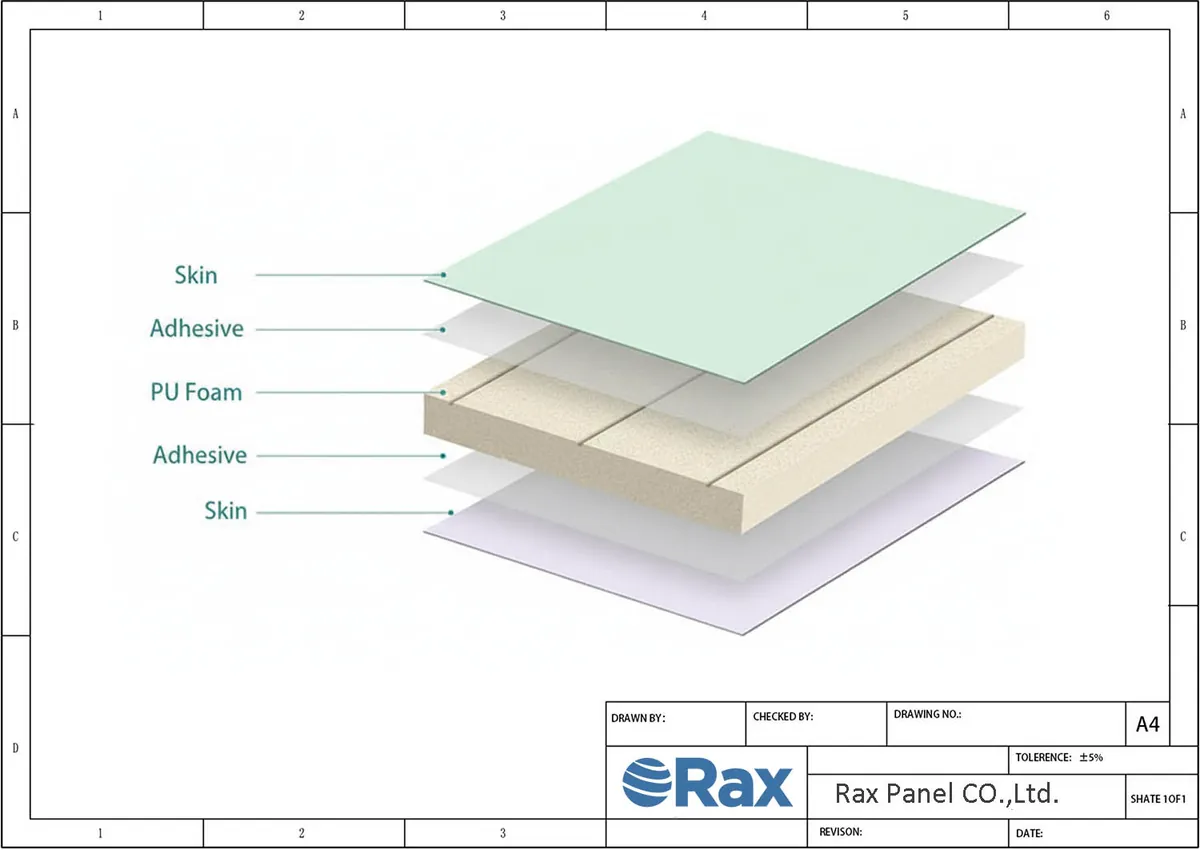
Manufacturer Considerations
Manufacturers must balance density precision with supply chain resilience to prevent weight variances that impact vehicle performance metrics.
Quality Control Metrics
Our QC process targets exactly what vehicle manufacturers care about: material consistency and weight reduction. We test parameters that actually affect fuel efficiency and structural integrity, not just generic quality checkboxes.
- We maintain ±5kg/m³ density consistency batch-to-batch – validated through ASTM D792 testing. That means no surprises in material performance.
- We pressure-test every batch 15% beyond your required load (ASTM D1621). That’s non-negotiable for assembly lines. Failure here costs you downtime on the factory floor.
- Our closed-cell foam absorbs less than 0.3% moisture even after 48-hour immersion (ISO 62). In marine environments, this means no waterlogged panels that ruin your bond lines.
- Each density grade has a thermal expansion coefficient between 50-80 × 10⁻⁶/°C. Engineers get this – mismatched expansion creates stress points that cause delamination in composite structures.
Supply Chain Coordination
Your assembly line can’t wait. Our logistics slash production delays and shipping costs. We designed this for volume manufacturers losing money to inventory shortages and dimensional mismatches.
±0.2mm tolerance on CNC cuts eliminates field modifications that bottleneck your production. OEMs see 30% faster assembly because parts fit right the first time.
- Temperature-controlled trucks keep panels between 15-25°C during transit. Foam structure changes at these temps. We schedule deliveries in 2-hour windows synced with your production line needs.
- Edge Protection Engineering: Reinforced corner packaging absorbs 80% more impact than standard materials, reducing shipping damage rates from 12% to under 2%. When you’re transporting these high-value composite sandwich panels, proper edge protection isn’t optional—it’s your profit margin protector.
- Batch Traceability: QR-coded pallets track raw material lots, production parameters, and test results for rapid warranty claim resolution (average 48-hour turnaround). For supply chain managers worried about quality control issues, this system provides complete visibility from raw material to finished product—no more guessing games.
Conclusion
Stop over-specifying density and default to the 80 to 100 kg/m³ range for your main vehicle panels. I see buyers waste money every day by ordering 130 kg/m³ foam for an entire truck body when they only need it at the mounting points. Sticking to that density sweet spot saves 35% in weight over plywood and absorbs 12% less resin, which immediately lowers your final material cost. Check our YouTube channel for real-world density testing demonstrations.
Before you commit to your next production run, request a physical sample kit containing the 60, 80, and 120 kg/m³ grades from our plant. Run a standard layup test on those exact three pieces on your factory floor to measure the actual resin uptake. Once you see those hard numbers yourself, we can build a zoned CNC cutting plan that completely eliminates your line inconsistencies. This selection process—validated through actual production data—prevents the expensive mistake of over-engineering your composite sandwich structures.
Frequently Asked Questions
This factor has a direct bearing on project performance and long-term cost. Addressing it with specific data rather than general assumptions leads to better outcomes.
What is the density of PVC foam board?
PVC foam board exhibits density of 0.45-0.80 g/cm³ (450-800 kg/m³), with flexural strength of 3-15 MPa and tensile strength of 1.5-8 MPa depending on the specific grade and density.
What is the density of the foam core?
Core densities for structural applications range from 45 kg/m³ (2.8 lb/ft³) for ultra-light applications to 250 kg/m³ (15.6 lb/ft³) for maximum strength requirements, with each grade offering specific performance characteristics.
What is the best foam density?
The optimal density depends on application requirements. For most vehicle manufacturing, 80-130 kg/m³ provides the best balance of weight reduction, structural integrity, and cost-effectiveness, though specific loading conditions may require adjustment.
What are the different thicknesses of foam core?
PVC foam core panels are available in thicknesses from 3mm to 50mm, with custom cutting capabilities to exact specifications. Vehicle applications typically use 10-30mm thicknesses depending on structural requirements and weight targets.
Is foam core PVC strong?
Yes, PVC foam core offers excellent strength-to-weight ratio. At 130 kg/m³, it provides compressive strength of approximately 3.5 MPa and flexural strength of 10-15 MPa, making it suitable for structural applications in vehicles while being significantly lighter than alternative materials.