
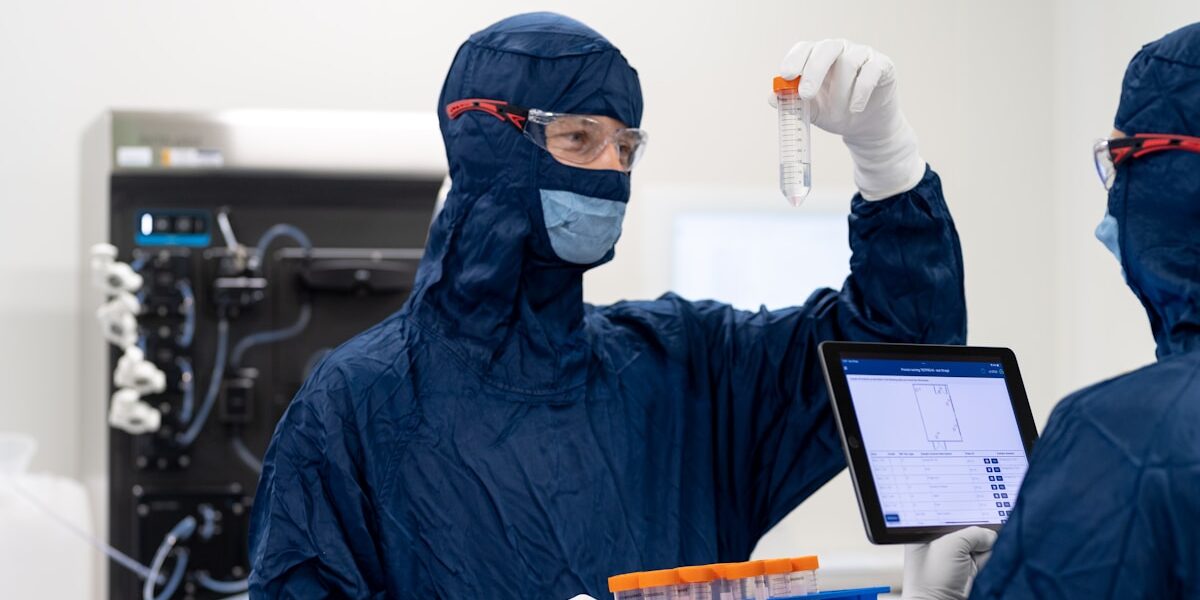
A cleanroom is never reliably clean by default. It is reliably becoming dirty at a rate you control. Particle sources never stop working, filters load up, seals age, and people shed regardless of what the certificate on the wall says. Reliability is the rate of that drift, and how early your systems catch it.
That framing changes the maintenance conversation. Instead of asking whether the room passed its last test, the question becomes which design decisions, which habits, and which instruments keep the drift slow and visible. This guide answers both, drawing on the failure modes that facility teams report most often.
Reliability Is Designed, Then Proven
Reliability begins as a set of design decisions and finishes as a set of proofs. Installation Qualification confirms the room matches its drawings. Operational Qualification proves the systems behave under power. Performance Qualification demonstrates the room holds its class in production, and recovery testing shows how quickly it returns to specification after a contamination challenge. Together these steps convert construction into evidence.
What the proofs cannot do is freeze the room in time. Between certificates, the drift rate is set by choices made long before qualification day. The most reliable cleanrooms are designed for slow drift rather than for a single passing snapshot.
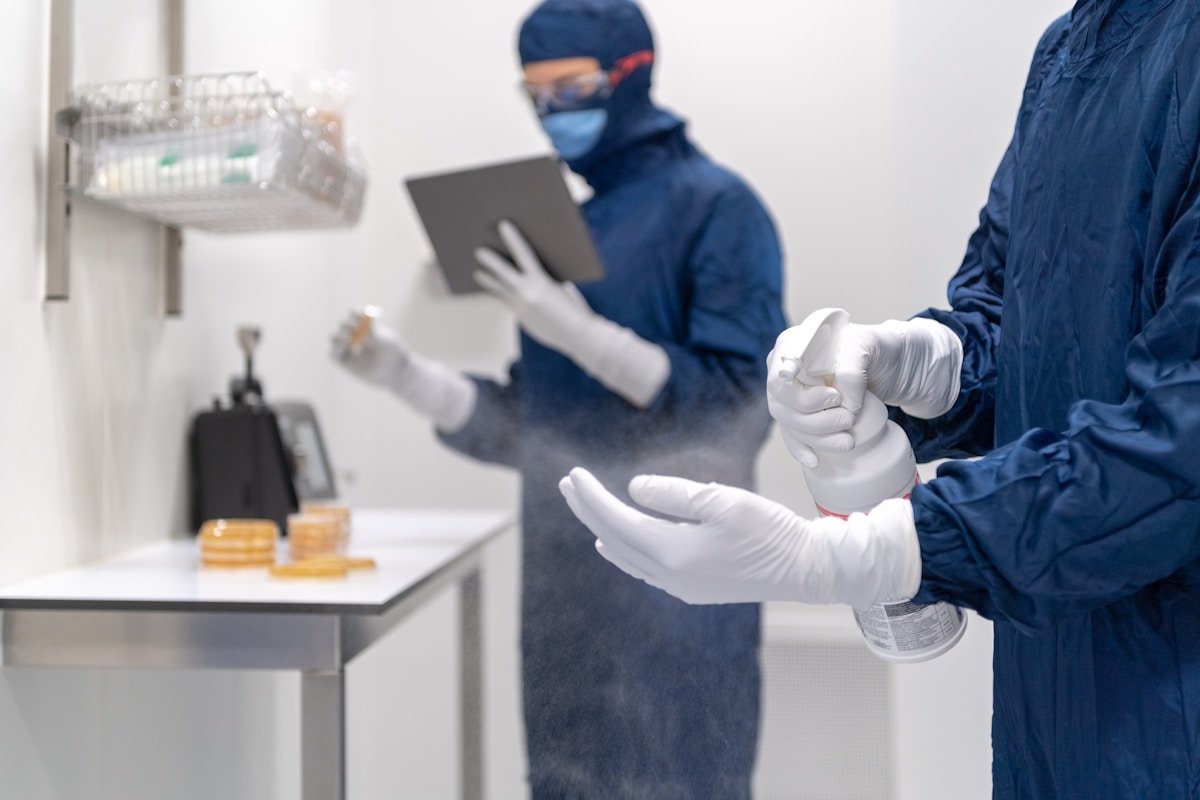
The drift framework also explains why two rooms with identical certificates age differently. One was designed so that every component degrades gracefully, and the other assembled from parts that fail abruptly. Bearings, gaskets, adhesives, and panel cores each have their own aging curve, and a specification that asks about those curves is doing reliability engineering rather than furniture shopping. The questions cost minutes at purchase and prevent quarters of corrective work.
Envelope Choices That Prevent Drift
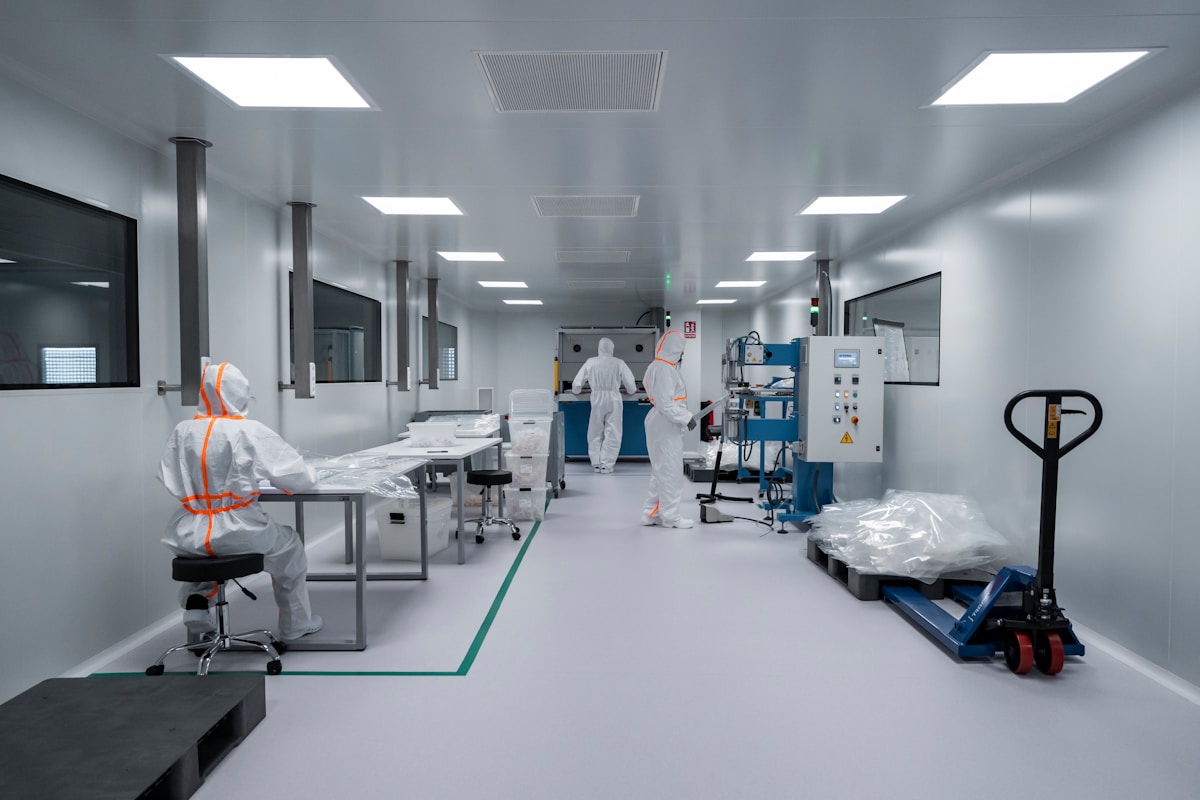
The envelope sets the floor under your drift rate. Factory-built modular systems use standardized components, smooth non-shedding surfaces, and sealed interfaces, so the room starts with fewer particle traps than site-fabricated alternatives. Details compound the advantage: flush-glazed joints, coved wall-floor junctions, sealed utility penetrations, and surfaces that survive repeated cleaning without chalking.
Engineering literature catalogs what happens when these choices are missed. Inadequate air change rates leave particles undiluted and recovery times stretched. Improper pressure settings allow reverse airflow during door operation. The documented engineering responses are just as specific.
Calculate change rates from actual particle generation, then size the airside to match. Add variable frequency drives to hold minimum airflow efficiently.
Simulate door-opening pressure transients, and alarm when differentials fall below thresholds. A reliable cleanroom is the sum of those answers being designed in rather than retrofitted.
Personnel Discipline Beats Hardware Alone
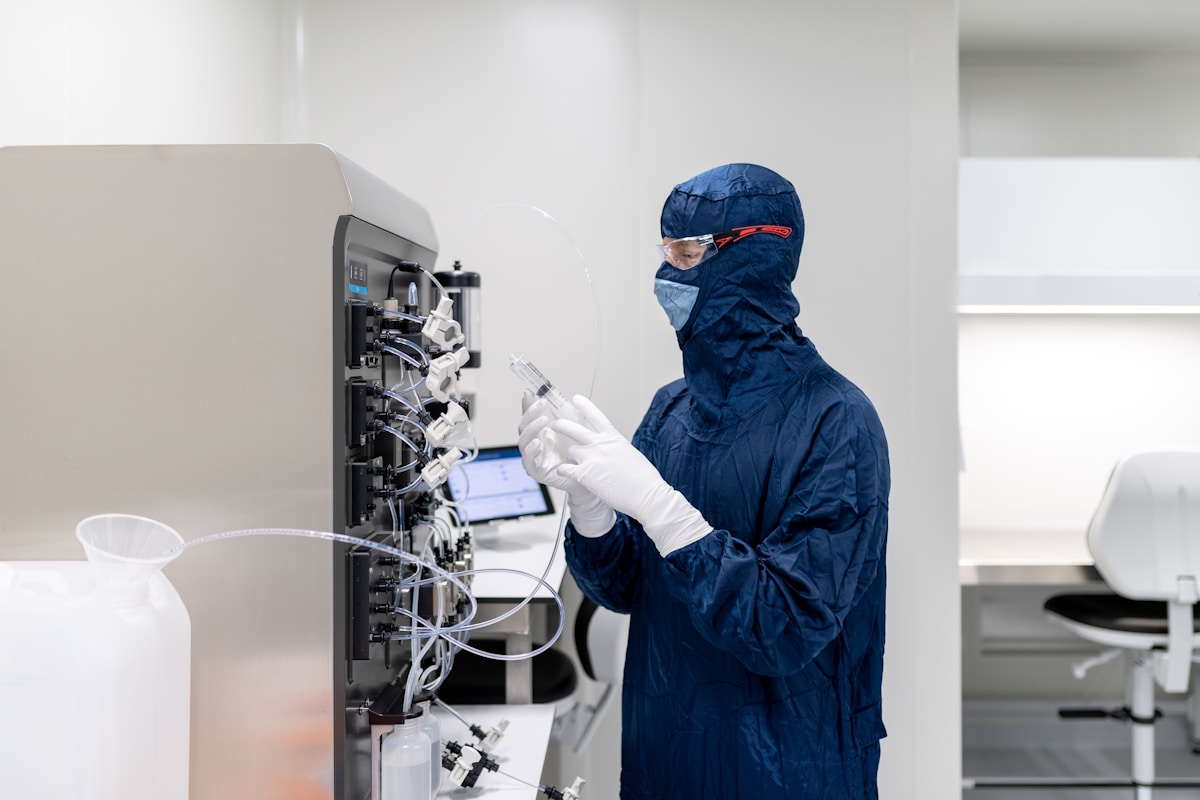
People remain the number-one contamination source in any cleanroom, and no filter array compensates for behavior. Gowning sequences, restricted movement, and controlled entry all matter, and they decay without reinforcement. Facilities that skip gowning audits and refresher training watch small deviations accumulate into measurable contamination increases. Behavior is also the hardest variable to retrofit, which is why a reliable cleanroom builds its personnel program at design stage rather than after the first excursion.
Crowding works against the room in a second way, because excess personnel disrupt airflow patterns and strain the dilution capacity the class was built on. The most reliable operations treat behavior as an engineering parameter, staffed to the design occupancy, trained on a schedule, and audited often enough that the standard never becomes optional.
Training records belong on paper for the same reason cleaning does. A gowning audit without a signature is a rumor, and auditors treat it that way. Rotation of trainers, documented refreshers, and behavioral spot checks turn discipline from a personality trait into a system property, which is the only version of it that survives staff turnover.
Build the Drift Controls Into Your Room
Tell us your class and process, and our engineers will recommend the envelope details and monitoring points that keep your drift rate low between certificates.
Maintenance Habits That Protect the Class
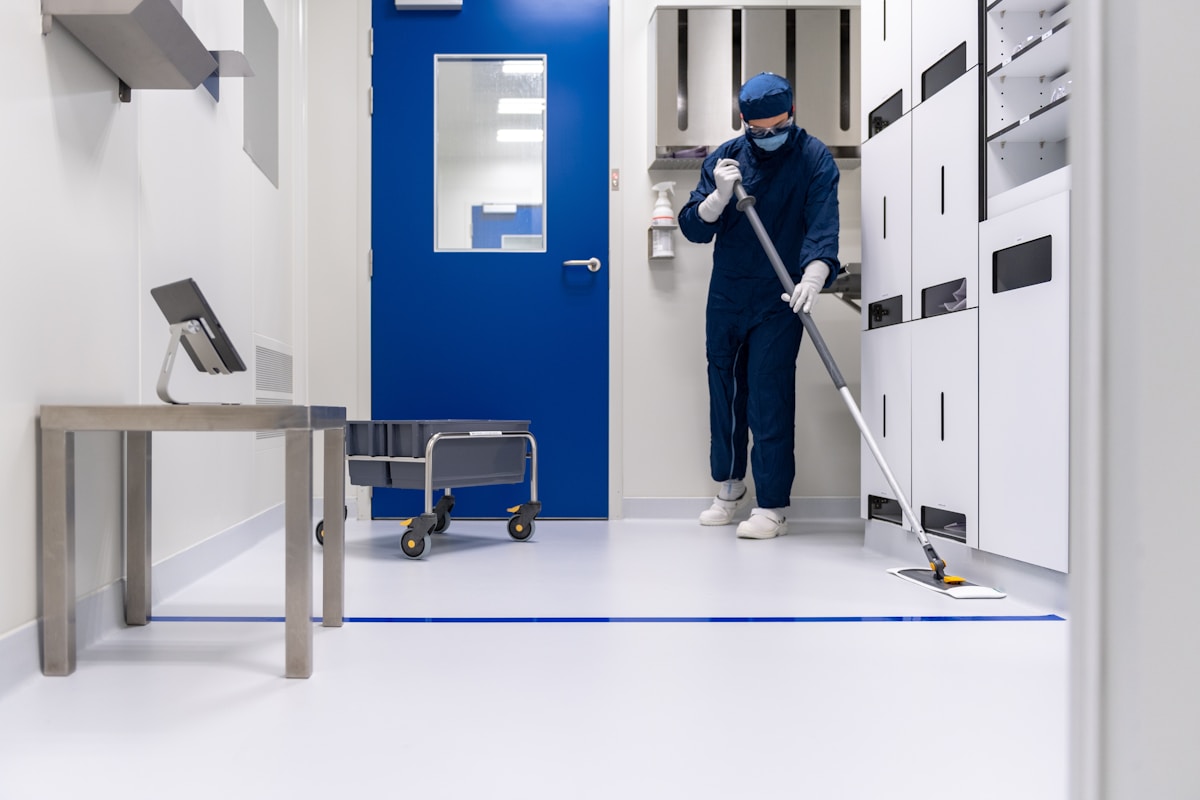
Cleaning cadence follows the classification. ISO 5 and 6 rooms typically need daily surface cleaning plus weekly deep cleaning of walls and equipment. ISO 7 and 8 rooms allow longer cycles, though daily wiping and waste removal still apply. Every cycle needs a record with date, operator, area, and materials, because a cleaning schedule without records is not a compliance program.
Preventive maintenance runs on the same logic as cleaning. Filters, seals, gaskets, and monitoring instruments need scheduled inspection and replacement before they drift, and sensors need calibration on a calendar. Deferred maintenance has a signature failure mode: contamination rises quietly until an audit or a product failure announces it. Consumables belong in the same discipline, with wipe grade matched to the class and sticky mats replaced when tack fades rather than when they look dirty.
Consumables deserve a line in the same plan. Wipe grade should match the classification, sticky mats need replacement when tack fades, and garment condition belongs on the same inspection cycle as the filters. Supplies that shed undermine every other control, and the fix costs less than any investigation.
Storage and staging complete the picture. Supplies stored inside the controlled space must arrive clean and stay clean, because cardboard and wooden packaging shed exactly where the room cannot afford it. Dedicated cleanroom-rated storage protects sensitive materials from moisture drift and particle exposure while keeping audit documentation in one place.
Monitoring That Catches Drift Early
Monitoring converts reliability from a hope into a trend line. Real-time particle counters, differential pressure sensors, temperature and humidity transmitters, and airflow velocity sensors feed a record that shows direction, not just position. Facilities running continuous monitoring catch filter loading, seal aging, and behavioral drift while they are still cheap to correct.
Trend analysis turns the record into foresight. Rising particle baselines point to filter loading before integrity fails. Pressure trends flag gasket aging before a door test catches it. Facilities that respond only after contamination events pay more for the same outcome, which is why auditors increasingly expect the continuous record rather than periodic snapshots.
The requalification calendar sits on top of all of it, with ISO 5 and cleaner rooms requalifying every six months and ISO 6 through 9 every twelve. The ISO 14644-1 classification standard defines what those events measure, and a preventive maintenance framework keeps the work ahead of the drift rather than behind it. Between events, the monitoring trend is your early warning, and the envelope is what keeps the trend flat. Our modular cleanroom wall panels are engineered for exactly that role, and the classification logic behind the calendar appears in our guide to which ISO class your process needs.
The loop closes where it opened, at design. Every excursion should end with a design answer, a behavior answer, or a monitoring answer, recorded where the next planner will read it. Facilities that run this loop turn their worst quarter into their best baseline.
For the classification layer beneath these habits, our guide to which ISO class your process needs covers the selection step. The definition primer on what a cleanroom is and how classifications work covers the fundamentals. Rooms that handle solvents add the surface chemistry layer described in clean rooms for chemical laboratories.
Frequently Asked Questions
What makes a cleanroom reliable over years?
A slow drift rate. Non-shedding envelope details, trained personnel, documented cleaning cycles, preventive maintenance, and continuous monitoring keep the room near its certified state between requalification events.
What is the biggest contamination source in a cleanroom?
People. Gowning discipline, movement rules, and refresher training protect the room more than any single hardware upgrade, because behavior drifts faster than equipment does.
How often should a cleanroom be cleaned and serviced?
ISO 5 and 6 rooms need daily surface cleaning with weekly deep cleaning, while ISO 7 and 8 rooms run longer cycles with daily wiping. Filters, seals, and sensors follow a preventive maintenance calendar.
Why do cleanrooms fail audits after passing commissioning?
Drift between certificates. Deferred maintenance, skipped gowning audits, and absent trend records let contamination rise until the audit measures what the room had been hiding.
What should continuous monitoring record?
Particle counts, differential pressure, temperature, and humidity, timestamped and trended. Direction matters more than any single reading, because trends reveal filter loading and seal aging early.