
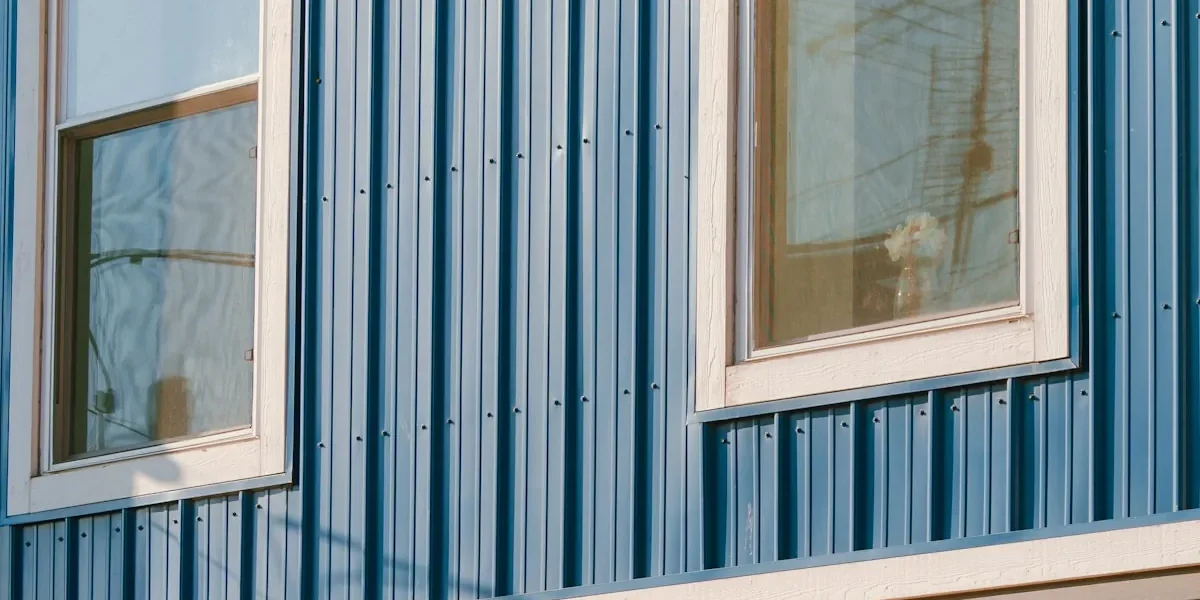
Architectural facade specifiers seeking pure metallic luster face a fundamental durability challenge with conventional organic coatings. Coil-coated fluoropolymer paints sit on top of the metal substrate as a separate polymer film, vulnerable to micro-scratching during installation, ultraviolet resin degradation over decades, and potential delamination in aggressive coastal air. In contrast, anodic oxidation converts the outer surface of aluminum into an integral aluminum oxide (Al₂O₃) crystalline layer measuring 18 to 25 μm in thickness. Possessing a Mohs hardness of 9 comparable to sapphire, this inorganic barrier cannot peel, chip, or blister under extreme thermal cycling. When combined with an aerospace-grade hexagonal foil core, the composite panel achieves flexural rigidity exceeding 1.4 kN·m²/m at an areal weight of just 5.8 kg/m².
Producing architectural anodized honeycomb assemblies requires precise electrochemical control, careful coil alloy selection, and specialized continuous lamination techniques. Our manufacturing facility fabricates structural honeycomb composites featuring AAMA 611 Class I anodized face skins continuously bonded to expanded hexagonal foil cores. By maintaining continuous roll-lamination pressures and utilizing unsealed microscopic oxide pores on the panel interior, we achieve ASTM D1781 climbing drum peel strengths exceeding 75 N·mm/mm. This technical guide examines the metallurgy, performance characteristics, and fabrication requirements of anodized aluminum honeycomb panels across modern architecture, cleanrooms, and transport infrastructure.
Understanding Anodized Aluminum Honeycomb Panel Structure
Anodized aluminum honeycomb panels operate on the structural mechanics of an engineered sandwich composite. The assembly consists of three primary components: an exterior anodized aluminum face skin, a lightweight cellular aluminum honeycomb core, and an interior aluminum backing skin, all permanently joined by high-performance thermoset adhesives. The exterior face sheet typically utilizes structural Alloy 5005-H34 or 3003-H24 in thicknesses ranging from 0.7 mm to 1.5 mm, providing high tensile strength and superior anodizing clarity.
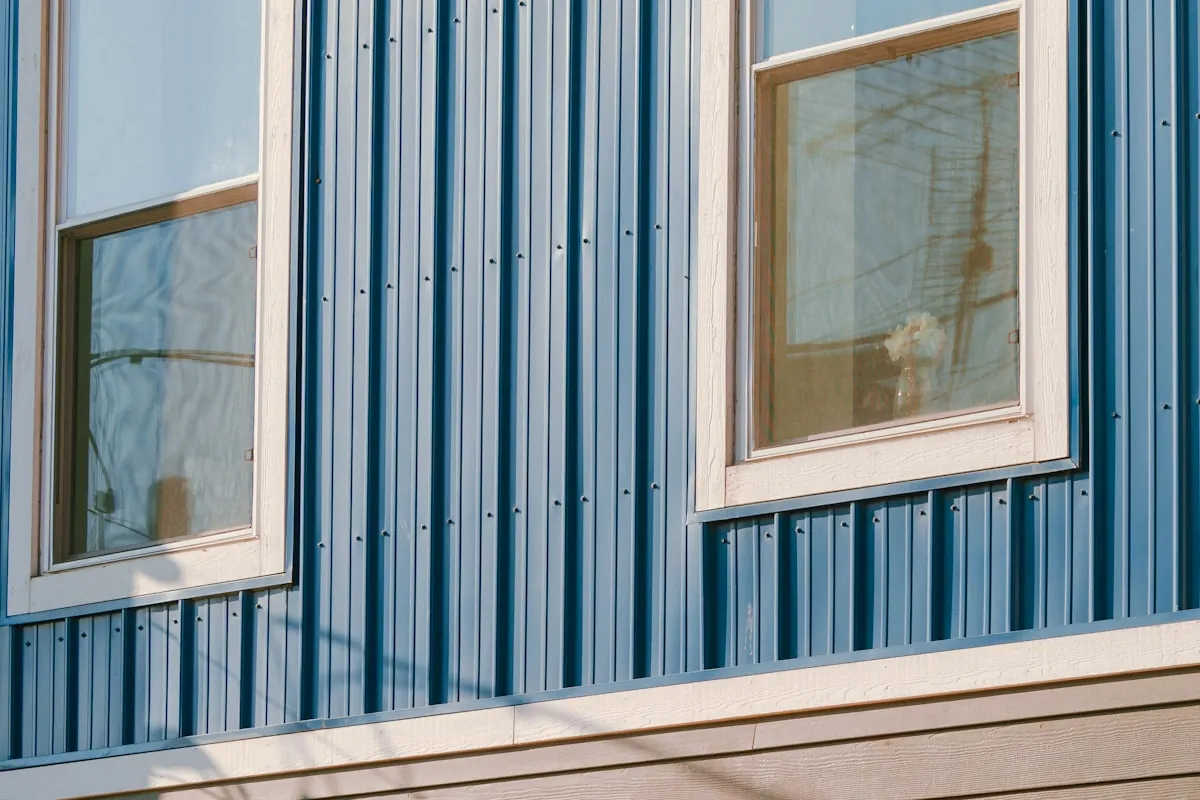
The central core comprises expanded hexagonal cells fabricated from structural aluminum foil ranging from 0.04 mm to 0.08 mm in thickness. Standard cell diameters range from 1/4 inch (6.35 mm) to 3/8 inch (9.52 mm), creating an internal structural matrix that is 95% to 97% open air by volume. This cellular geometry provides immense out-of-plane compressive strength exceeding 2.0 MPa and high transverse shear modulus. Under mechanical wind bending forces, the anodized exterior skin carries tension while the interior backing skin carries compression, separated by the shear-resistant honeycomb core.
The interface between the metal skins and the cellular core relies on continuous thermoset epoxy or modified polyurethane adhesive films. Because the assembly consists entirely of metallic aluminum and microscopic adhesive layers, the composite achieves non-combustible fire ratings per ASTM E84 and EN 13501-1 Class A2-s1,d0. In addition, the hollow hexagonal cells dampen acoustic reverberations, providing natural airborne sound transmission loss between 24 dB and 28 dB across mid-frequency ranges.
How Anodic Oxidation Fortifies Architectural Face Skins
Anodizing is an electrochemical passivation process that transforms raw aluminum surfaces into an extremely durable, corrosion-resistant aluminum oxide finish. The aluminum coil or sheet is submerged in an electrolyte bath of sulfuric acid (H₂SO₄) kept at tightly controlled temperatures between 18°C and 22°C. An electric current passes through the bath, treating the aluminum as the anode. This reaction releases oxygen ions that combine with substrate aluminum atoms, growing a microscopic hexagonal cellular matrix of aluminum oxide directly out of the metal base.
Unlike painted coatings that rely on mechanical adhesion to a prepared metal surface, the anodic layer forms an integral molecular bond with the underlying aluminum. The outer barrier layer achieves extreme hardness, registering 9 on the Mohs scale, just below diamond. This exceptional surface density delivers outstanding resistance to abrasive wind-blown sand, airborne industrial pollutants, and handling scuffs during jobsite installation. In standardized ASTM D968 falling sand abrasion testing, Class I anodized surfaces endure over 40 liters of abrasive sand per mil of coating thickness.
Following electrochemical growth, the porous oxide structure undergoes hydrothermal sealing. Submerging the panels in boiling deionized water or chemical nickel acetate baths hydrates the porous aluminum oxide into boehmite (AlOOH). This swelling permanently closes the microscopic cell pores, locking out atmospheric moisture, road salts, and airborne acids. Certified Class I architectural anodized finishes achieve over 10,000 hours of continuous salt spray exposure resistance per ASTM B117 without surface pitting or gloss degradation.
Compare Anodized Finishes with Fluoropolymer Paint Coatings
Architects specifying high-end commercial facades frequently evaluate the trade-offs between anodized finishes and premium 70% Polyvinylidene Fluoride (PVDF) coil-coated paints. While PVDF liquid coatings provide near-unlimited custom color matching and high chemical flexibility, they obscure the natural metallic character of aluminum beneath an organic resin film. Over decades of intense solar radiation, ultraviolet rays break down organic resin polymers, causing chalking and progressive gloss erosion.
Anodized finishes are 100% inorganic crystalline structures that do not contain organic resin binders. Because aluminum oxide is completely inert to ultraviolet wavelengths, anodized panels exhibit zero chalking and retain their original visual depth for over forty years. In addition, anodizing preserves the dynamic, light-reflecting metallic grain of the raw aluminum, creating an authentic three-dimensional metallic luster that synthetic metallic paint flakes cannot duplicate.
Environmental sustainability represents another clear distinction between the two finishing technologies. Anodizing emits zero volatile organic compounds (VOCs) and introduces no heavy metals or toxic solvents into the environment during manufacture. At the end of a building lifecycle, anodized aluminum honeycomb panels can be melted down directly in secondary smelting furnaces without releasing toxic paint fumes or requiring chemical stripping. This closed-loop recyclability provides substantial LEED v4 green building credits across Materials and Resources categories.
Exceptional Structural Flatness in Large Format Modules
Large format metal facade panels installed on high-rise commercial towers face extreme visual distortion risks from oil-canning. Oil-canning refers to visible wavy buckling across flat metal sheets caused by differential thermal expansion, residual rolling stresses, or excessive wind suction. Solid 3.0 mm or 4.0 mm aluminum plate panels frequently warp under summer solar heating, requiring welded rear hat-channel stiffeners that add substantial dead weight and show through as telegraphing weld marks on the facade.
Anodized aluminum honeycomb panels eliminate oil-canning through exceptional section modulus and continuous core stabilization. A 20 mm thick honeycomb panel provides flexural stiffness comparable to a 6.0 mm solid aluminum plate, yet it weighs approximately 65% less. The dense honeycomb core supports the thin anodized face skin at continuous 6 mm intervals, preventing localized compressive buckling under intense thermal expansion gradients. Architects can design massive planar modules reaching 1500 mm wide by 5000 mm long that remain visually flat across all lighting angles.
Specifying anodized aluminum honeycomb panels for exterior architecture allows engineers to mount large cassettes using lightweight concealed clips. Because the panels weigh under 6.5 kg/m², primary structural frames require significantly less secondary steel support. This structural weight efficiency translates into faster crane cycles, reduced installation labor, and reduced structural foundation loads on high-rise building projects.
Why Cleanrooms and Transit Hubs Specify Anodizing
Demanding interior environments, such as semiconductor cleanrooms, pharmaceutical laboratories, and high-traffic passenger terminals, impose strict performance mandates on wall cladding systems. In cleanroom environments governed by ISO 14644-1 standards, wall surfaces must produce zero airborne particulate shedding, resist aggressive sterilization chemical washdowns, and provide continuous static dissipation. Traditional painted finishes can chip or flake when impacted by moving equipment carts, releasing microscopic paint particulates that contaminate sensitive wafer fabrication lines.
Anodized honeycomb panels provide the optimal surface for certified cleanrooms. The sealed crystalline aluminum oxide surface produces zero particulate shedding and generates no chemical outgassing under deep vacuum or high-airflow conditions. Maintenance teams can wash anodized walls daily with aggressive sterilants, including vaporized hydrogen peroxide (VHP), 70% isopropanol, and quaternary ammonium compounds, without surface etching or coating softening. The natural anti-static conductivity prevents electrostatic dust accumulation on panel faces.
In public transit hubs, including international airports and subway passenger concourses, wall panels endure constant pedestrian contact, luggage impacts, and graffiti attempts. The sapphire-hard anodic barrier resists scratch damage from metal luggage zippers and cleaning carts. Maintenance personnel can easily wipe off spray paint or permanent marker graffiti using mild organic solvent wipes without leaving ghosting shadows or stripping the underlying metallic finish.
Maintain Anodized Honeycomb Surfaces for Decades
One of the primary economic advantages of anodized aluminum honeycomb cladding is its minimal lifecycle maintenance requirement. Because aluminum oxide is chemically inert, the surface does not attract airborne dust or industrial soot electrostatically. In temperate climates with regular rainfall, exterior rainscreen panels naturally wash clean, shedding environmental dirt without requiring routine chemical scrubbing.
Consult Anodized Honeycomb Specialists for Your Next Project
Review anodic film thickness certifications, microscopic adhesion data, and custom color anodizing samples for high-performance architectural envelopes.
In arid or urban environments subject to heavy industrial soot or maritime salt spray, building owners should establish a planned periodic wash cycle every twelve to twenty-four months. Cleaning crews should wash panels with clean water and neutral-pH detergents (pH 6.0 to 8.0) using soft microfiber cloths or low-pressure water sprays under 3.5 MPa. Cleaners must never use wire brushes, scouring pads, or highly alkaline cleaners, as strong caustic solutions chemically dissolve the protective boehmite seal.
Periodic visual inspections should verify that panel perimeter sealants, weep holes, and drainage joints remain free of debris. When properly detailed and maintained, anodized aluminum honeycomb facades comfortably achieve service lifespans exceeding fifty years without requiring surface recoating, delivering significant total cost of ownership savings over painted metal alternatives.
Comparing Anodizing Classes and Performance Metrics
Specifying anodized aluminum honeycomb panels requires matching project geographic exposure and mechanical requirements with recognized international standards. Standards organizations, including the Aluminum Anodizers Council standards and the FGIA, classify architectural anodizing into distinct performance grades based on anodic oxide film thickness and hydrothermal sealing quality.
Our technical overview on the aluminum honeycomb panel production process outlines the manufacturing controls governing continuous lamination and adhesive curing. Understanding what is aluminum honeycomb panel core geometry enables specifiers to optimize structural panel thickness. The engineering matrix below compares the performance parameters of standard architectural anodizing classes against fluoropolymer coil coatings.
| Finishing Specification | Minimum Film Thickness | Surface Hardness (Mohs) | Salt Spray Resistance | Recommended Application |
|---|---|---|---|---|
| AAMA 611 Class I Anodized | ≥ 18 μm (0.70 mil) | Mohs 9 (Sapphire level) | > 10,000 hours (ASTM B117) | Exterior high-rise facades & coastal zones |
| AAMA 611 Class II Anodized | ≥ 10 μm (0.40 mil) | Mohs 8 to 9 | > 3,000 hours | Interior cleanrooms & protected partitions |
| AAMA 2605 70% PVDF Paint | ≥ 30 μm (1.20 mil) | 2H to 3H (Pencil hardness) | > 4,000 hours | Exterior facades requiring custom solid colors |
| Standard Polyester Powder | ≥ 50 μm (2.00 mil) | F to H (Pencil hardness) | > 1,000 hours | Low-rise commercial interiors & signage |
As reinforced by the performance data, AAMA 611 Class I anodizing provides the premier protective envelope for exterior architectural honeycomb cladding. Building codes and the AAMA 611 specification for architectural anodizing strictly mandate Class I coatings for all exterior architectural building envelopes subject to severe weathering and urban atmospheric pollutants.
Four Critical Anodized Panel Procurement Mistakes
Procuring anodized aluminum honeycomb panels requires rigorous attention to alloy metallurgy, chemical anodizing controls, and composite adhesive compatibility. Because anodizing transforms the aluminum metal itself rather than adding a concealing paint mask, manufacturing inconsistencies become immediately visible. Project architects and procurement managers must avoid four critical specification pitfalls.
Specifying Thin Class Two Coatings for Exterior Facades
Procuring low-cost AAMA 611 Class II anodized panels (10 μm film thickness) for exterior high-rise facades creates severe corrosion risks. In exterior environments containing acid rain, airborne sulfur dioxides, or ocean salts, thin anodic coatings erode within five to seven years, exposing bare aluminum to pitting and chalking. Exterior architectural specifications must strictly require Class I coatings with a minimum anodic layer of 18 μm, verified by eddy-current testing per ASTM B244.
Ignoring Batch Color Variations from Chemical Dye Baths
Anodizing produces subtle color variances due to minor changes in bath temperature, immersion duration, and alloy chemical composition. If panels for a single facade elevation are sourced from multiple discrete chemical dye batches, the building envelope will exhibit distracting patchwork color mismatches under sunlight. Specifiers must mandate continuous coil anodizing or require all sheet panels for adjoining elevations to be processed within a single production lot under Delta E color tolerances below 1.5.
Omitting Interior Unsealed Pores for Structural Adhesives
Applying hydrothermal sealing to both sides of the aluminum face skin significantly impairs adhesive bonding to the honeycomb core. Hydrothermal sealing fills microscopic oxide pores with hydrated boehmite, creating a slick non-porous surface that reduces epoxy mechanical grip. Advanced honeycomb manufacturing requires differential processing: the exterior weather face is fully sealed for corrosion resistance, while the interior face remains unsealed, allowing thermoset adhesives to flow into microscopic pores for maximum peel strength.
Cleaning Anodized Surfaces with Alkaline Detergents
Using aggressive alkaline masonry cleaners or caustic glass wash chemicals on adjacent construction surfaces causes irreversible etching to anodized finishes. Alkaline solutions with pH levels exceeding 8.5 rapidly attack and dissolve aluminum oxide, leaving milky white streaks and permanent pitting across the panel surface. Jobsite specifications must mandate protective masking films during masonry washes and require post-installation cleaning using only pH-neutral detergents.
Frequently Asked Questions About Anodized Panels
What is the primary advantage of anodizing over PVDF paint on honeycomb panels?
Anodizing forms an integral aluminum oxide crystalline surface that cannot peel, flake, or chip. It possesses Mohs 9 hardness, resists abrasive wear, contains zero organic resins that chalk under UV radiation, and retains natural metallic luster for over forty years.
What coating thickness is required for exterior architectural anodized panels?
Exterior architectural building facades require AAMA 611 Class I anodizing, which mandates a minimum oxide film thickness of 18 μm (0.70 mil). Class II anodizing (10 μm) is restricted to interior partitions and protected cleanrooms.
Why are anodized honeycomb panels preferred in certified cleanrooms?
Anodized panels produce zero particulate shedding and zero chemical outgassing, meeting ISO 14644-1 standards. Their non-porous sealed surface withstands aggressive daily washdowns with hydrogen peroxide and isopropanol without surface etching or degradation.
How do honeycomb panels achieve extreme flatness without oil-canning?
The continuous hexagonal foil core stabilizes thin face skins at 6 mm intervals, generating high section modulus. A 20 mm panel matches the flexural rigidity of 6.0 mm solid plate at 65% less weight, eliminating thermal buckling across large modules.
Can anodized aluminum honeycomb panels be recycled at end of life?
Yes, anodized panels are 100% recyclable because they contain no heavy organic paints or toxic coatings. Panels can be melted down directly in secondary aluminum smelting furnaces without hazardous emissions, qualifying for LEED v4 credits.