
Most buyers pick an insulated metal panel manufacturer based on unit price and delivery speed. That approach costs more in the long run. Panel delamination from thermal cycling and vibration fatigue accounts for the majority of warranty claims in truck bodies and RVs — and once that bond fails, the panel is scrap. The difference between a manufacturer that ships consistent panels and one that doesn’t usually comes down to core adhesion processes, not marketing claims.
CFRT sandwich panels, for instance, can deliver roughly 35% weight reduction compared to traditional alternatives while maintaining structural integrity under repeated vibration loads. That advantage means nothing if the core material degrades during ocean freight or the facing delaminates after three thermal cycles. We’ve reviewed enough supplier audits to know which ones cut corners on core bonding and which ones document every stage of production.
This article walks through the vetting process that actually matters — starting with how to define vehicle-specific requirements, then moving into certification verification, factory audits, and total cost modeling. You’ll finish with a practical checklist for comparing suppliers beyond price, so your next procurement decision doesn’t become a recall.

Start by Defining Your Vehicle-Specific IMP Requirements
Before you evaluate manufacturers, define the thermal, structural, and durability baselines your vehicle demands. This prevents costly specification errors and gives you a verifiable scoring rubric for supplier comparisons.
Thermal Conductivity Ratings for Refrigerated Truck Bodies
Refrigerated truck bodies operate in some of the most thermally demanding environments in commercial transport. A panel’s thermal conductivity directly determines compressor load, fuel consumption, and cargo integrity. For cold-chain applications, buyers should specify panels whose core material delivers consistently low k-values across the full operating temperature range — typically from -25°C to +25°C ambient exposure.
Foam-core sandwich panels remain the benchmark for refrigerated bodies because their closed-cell structure minimizes conductive heat transfer far more effectively than open-cell or honeycomb alternatives. When specifying, request documented thermal conductivity test results rather than relying on nominal R-values, which can vary significantly based on core density and facing material.
Weight-to-Strength Ratios in Foam Core and Honeycomb Panels
Payload capacity is the single most impactful financial variable in fleet operations. Every kilogram saved on the vehicle body translates directly into additional revenue-carrying weight. This is why the weight-to-strength ratio of your chosen panel system warrants rigorous scrutiny before procurement.
Payload optimization demands a clear-eyed comparison of material weight savings across the entire vehicle structure. CFRT sandwich panels have emerged as a high-performance alternative to conventional GRP setups, delivering substantial weight savings without compromising structural rigidity. In our testing and production experience, CFRT sandwich panels reduce vehicle body weight by 40–60% compared to traditional steel construction — a margin that compounds significantly across a full fleet. Honeycomb panels, meanwhile, offer exceptional stiffness-to-weight performance, making them ideal for flooring and structural deck applications where deflection control is critical.
- CFRT foam-core panels: Best for wall and roof applications where combined thermal insulation and lightweight strength are required.
- Honeycomb panels: Ideal for flooring, structural decks, and high-load bearing surfaces where stiffness matters more than thermal performance.
- GRP foam-core panels: A cost-effective baseline for non-critical structural panels where weight savings are secondary to budget constraints.
Vibration and Impact Resistance for Vehicle-Mounted Panels
Vehicle-mounted panels endure continuous vibration, shock loading, and freeze-thaw cycling over their service life. Delamination — the separation of facings from the core — is the most prevalent and costly failure mode in this environment. Once bond integrity degrades, structural performance declines rapidly, and repair costs often exceed the value of the panel itself.
The key to long-term durability lies in the bond line. Continuous fiberglass-reinforced thermoplastic facings, when properly consolidated under controlled pressure and temperature, produce a bond that resists moisture ingress and vibratory fatigue far better than traditional wet-lay GRP systems. We emphasize this distinction because many buyers overlook the facing material’s role in long-term delamination prevention, focusing exclusively on core properties.
When evaluating candidates, request evidence of bond-integrity testing — specifically, shear adhesion results after accelerated weathering and vibration cycling. Panels that pass these tests without delamination are a strong indicator of manufacturing discipline.
Core Material Comparison: XPS, PET, PU, and PVC for Vehicles
Selecting the right core material is a multi-variable decision that balances thermal performance, mechanical strength, moisture resistance, and cost. Each foam type has distinct characteristics that make it better suited to specific vehicle applications.
- XPS (Extruded Polystyrene): Excellent moisture resistance and consistent thermal performance; widely used in refrigerated truck bodies where long-term insulation stability is non-negotiable.
- PET (Polyethylene Terephthalate): A sustainable choice with strong mechanical properties and good thermal insulation; increasingly popular for buyers prioritizing recyclability without sacrificing performance.
- PU (Polyurethane): Delivers some of the highest thermal resistance per unit thickness among common foam cores; preferred for ultra-cold-chain applications where maximum insulation in minimal thickness is required.
- PVC (Polyvinyl Chloride): Offers a strong balance of rigidity, flame resistance, and moderate thermal insulation; commonly specified for RV interior panels and furniture components where fire safety codes apply.
Our engineering team works closely with buyers to match core material selection to their specific operational requirements — whether that’s maintaining -25°C in a refrigerated trailer, meeting IMO fire standards on a marine vessel, or achieving lightweight strength in an RV wall assembly. The right core isn’t the one with the best single metric; it’s the one that optimizes the full performance profile your vehicle demands.
| Requirement Category | Vehicle-Specific Need | Recommended Solution | Rax Panel Advantage |
|---|---|---|---|
| Thermal Performance | To maintain consistent interior temperatures in refrigerated trucks and RVs | Foam-core sandwich panels (PU, PIR, XPS, PET) with R-values up to R-8 per inch | In-house thermal conductivity testing; foam cores deliver R-14 to R-30 depending on panel thickness |
| Weight Reduction | Material selection for lightweight construction requires accurate weight-reduction benchmarks to avoid procurement misalignment. To maximize payload capacity while meeting structural strength requirements | CFRT or honeycomb sandwich panels for lightweight high-strength construction | CFRT panels reduce vehicle weight by 40–60% vs. traditional steel; ±0.5mm thickness tolerance ensures precision fit |
| Structural Integrity & Delamination Resistance | To withstand repeated vibration, freeze-thaw cycles, and road stress without bond failure | High-adhesion foam-core panels with continuous fiberglass or CFRT facings | Advanced production line with rigorous bond-integrity testing; 15+ years of vehicle-panel manufacturing expertise |
| Fire & Safety Compliance | To meet marine, automotive, and commercial transport fire-rating standards | PIR foam-core panels and FRP panels tested to UL 94 and IMO FTPC standards | Certified under ISO 9001, UL 94, and IMO FTPC; in-house tensile and fire-resistance testing |
| Custom Engineering & Fit | To obtain tailored panel dimensions, curvature, and integrated channel routing for vehicle bodies | Custom-sized panels with factory-notched joinery and integrated design features | Dedicated engineering team provides 24-hour one-to-one support; custom sizing, curvature, and channel routing available |
| Sustainability & Lifecycle | To reduce embodied carbon and support circular-economy goals in vehicle manufacturing | Recyclable steel-faced IMPs and low-GWP foam formulations | Steel facings are 100% recyclable; EPDs available; commitment to reducing CO2 intensity in supply chain |
| Global Logistics & Lead Time | To ensure reliable worldwide delivery with panels arriving structurally intact | Reinforced wooden crate packaging optimized for ocean freight | Serves 50+ countries; multilingual sales team (English, French, Russian, Japanese, Korean); 30% deposit standard terms |
Verify Manufacturer Certifications and Automotive Compliance
Every qualified IMP supplier must present a verifiable certification matrix. The five mandatory credentials for automotive-grade panels are ISO 9001, UL 94 fire ratings, IMO FTPC, tensile strength certificates, and thermal performance test reports.
Why Certification Verification Matters for Vehicle Applications
The insulated panel market contains significant quality inconsistency. Multiple manufacturers make overlapping claims about durability, flame resistance, and thermal performance, yet very few provide independent, auditable documentation to back those claims. For buyers sourcing panels for RVs, refrigerated trucks, marine vessels, or mobile homes, this gap creates real risk — a panel that fails mid-production or doesn’t pass regulatory inspection can halt an entire fleet build.
The solution is not to take a supplier’s marketing language at face value. Instead, auditors should require documented proof against a defined certification matrix before placing any purchase order. Panels intended for vehicle use must meet both quality-management standards and sector-specific regulatory requirements, and each of those demands separate verification.
The Mandatory Certification Matrix for Automotive-Grade IMPs
A qualified manufacturer should be able to produce the following five certification categories on demand. If any one of these is missing, ambiguous, or cannot be independently verified, the supplier should be flagged for further due diligence.
- ISO 9001 (Quality Management System): This is the baseline. ISO 9001 certification confirms the factory operates under a documented quality management system covering everything from raw-material incoming inspection to final-panel release. Verify that the certificate is current, issued by an accredited body, and covers the exact product category being ordered — a certificate limited to construction panels does not automatically validate automotive-grade production.
- UL 94 Fire Ratings: For any panel used in enclosed vehicle spaces, UL 94 flammability classification is non-negotiable. The standard defines burn-rate and drip behavior for plastic and composite materials. CFRT sandwich panels, GRP panels, and foam-core panels all require explicit UL 94 test reports, typically targeting V-0 or V-1 ratings for automotive interiors. Request the actual test report number and cross-reference it with UL’s online certification database.
- IMO FTPC (International Maritime Organization Fire Test Procedures Code): For marine vessel applications, compliance with IMO FTPC is mandatory. This standard governs fire-test procedures for bulkheads, decks, and ceiling panels in ship construction. Panels destined for marine use must carry a valid IMO FTPC test report; construction or RV panels alone do not satisfy this requirement.
- Tensile Strength Certificates: Every core material and facing combination has a published tensile-strength specification. The manufacturer should provide third-party test certificates confirming that the panels meet or exceed those values. This is especially critical for honeycomb-core panels and CFRT panels used in structural truck-body and RV-wall applications where load-bearing performance directly affects vehicle safety.
- Thermal Performance Test Reports: For refrigerated truck bodies and cold-chain applications, thermal conductivity (k-value) and thermal resistance (R-value) must be documented through independent testing. A manufacturer cannot simply state “excellent insulation” — the actual measured k-value in W/(m·K) for the specific core material (XPS, PET, PU, PVC, or PIR) must be on file and verifiable.
Mill Test Reports Per Batch — What Buyers Should Insist On
Certification documents prove that a manufacturer can produce compliant panels under controlled conditions. Mill test reports prove that the specific batch being delivered actually meets those conditions. For vehicle manufacturers running production lines, batch-level traceability is essential.
A proper mill test report per batch should include: the core material lot number, facing material specification, panel thickness and density measurements, thermal conductivity measured on sample coupons from the same batch, and a signed quality-control release. If a supplier cannot provide batch-level mill test reports, the risk of receiving non-conforming material increases significantly — particularly for large fleet orders where consistency across thousands of square meters matters.
Distinguishing Genuine Certification from Generic Claims
The market is flooded with suppliers listing certifications on their websites without making the underlying documents accessible. Common red flags include certificates that have expired, test reports that reference a different product category than what is being ordered, and flammability ratings stated without a corresponding UL report number. Some manufacturers also conflate general construction-panel certifications with automotive or marine requirements, which are governed by entirely different standards.
A practical verification step is to request the certification documents before the quotation stage. A supplier that hesitates, provides only marketing summaries, or cannot produce a current UL 94 report or IMO FTPC certificate for the exact panel configuration being specified should be treated as a high-risk vendor regardless of how competitive the pricing appears.
Certification Requirements by Vehicle Application
Different vehicle segments impose different compliance thresholds. Aligning the certification matrix to the intended application prevents both under-specification and unnecessary cost overruns.
- RV and Motorhome Panels: UL 94 V-0 or V-1 fire rating, ISO 9001 QMS, tensile-strength certificates for wall and roof panels, and thermal performance reports for refrigerated or conditioned units.
- Refrigerated and Dry Freight Truck Bodies: All RV requirements plus specific thermal conductivity data for the core material, plus batch-level mill test reports for every production run.
- Marine Vessels: IMO FTPC compliance is the primary differentiator. UL 94 ratings and tensile-strength data are also required, but IMO FTPC is the gatekeeper certification for any panel installed in a ship’s structure.
- Mobile Homes and Prefabricated Structures: ISO 9001 certification, fire ratings appropriate to the target market (UL 94 for North America, EN standards for Europe), and thermal performance documentation.
Evaluate Manufacturers Through Audits, Testing, and References
The most reliable way to vet an insulated panel manufacturer is a three-layer framework: facility audits, independent sample testing, and verified long-term reference checks with vehicle builders who have operated the panels for 12 or more months.
Delamination, thermal cracking, vibration fatigue, and hidden water damage are the four failure modes that silently destroy vehicle panels. These failures rarely announce themselves during a factory visit or a lab quote. They surface months into service, often after a shipment has been installed on a truck body or RV wall. The only way to separate manufacturers who build panels that survive real-world conditions from those that do not is through a disciplined evaluation process that goes beyond certificates on a wall.
Conduct On-Site or Virtual Facility Audits
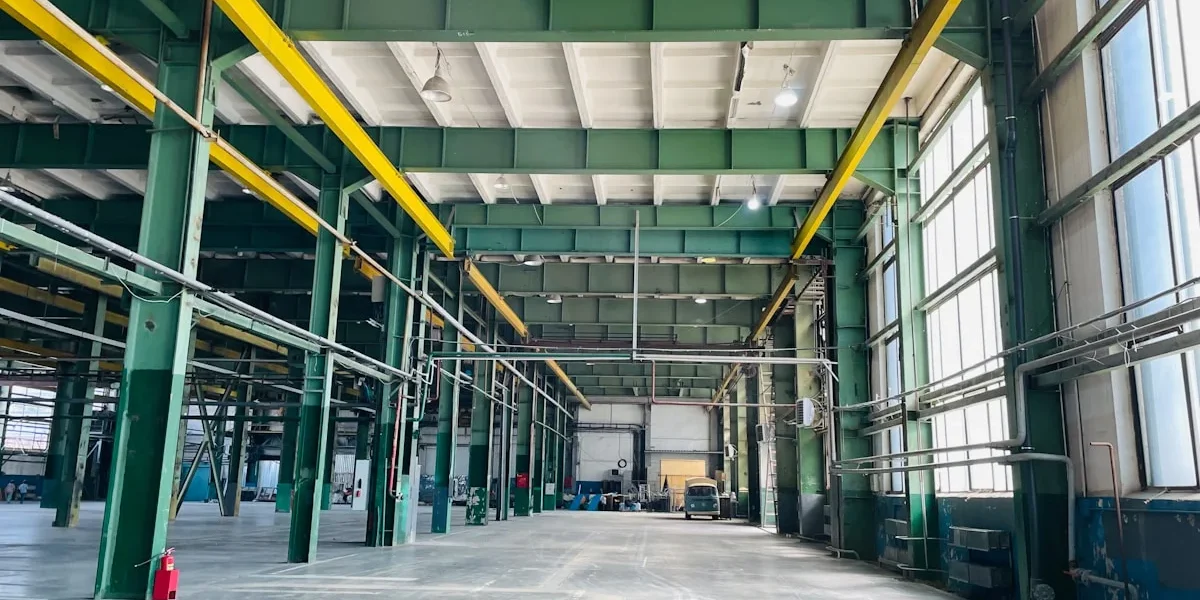
A facility audit reveals whether a manufacturer has the production discipline required for vehicle-grade sandwich panels. The most critical areas to evaluate are the lamination process, the quality control checkpoints, and the raw material storage and handling procedures. Panels that delaminate in the field often originate from inconsistent adhesive application, improper cure times, or moisture-contaminated core materials stored without climate control.
During the audit, examine the production line for continuous monitoring systems. Manufacturers that rely solely on manual inspection without automated process controls are significantly more likely to produce panels with weak bond lines. Ask about their incoming material inspection protocol, their bond strength testing frequency, and how they handle non-conforming panels. A facility that can show real-time temperature and pressure logs during lamination is operating at a different level than one that cannot produce those records.
For buyers who cannot visit in person, a structured virtual audit is an acceptable alternative. Request a live video walkthrough that covers the lamination press area, the core material storage zone, the curing bay, and the finished goods inspection station. Manufacturers that hesitate to provide a live walkthrough are often hiding process gaps. Those that open their lines to scrutiny typically have confidence in their quality systems.
- Production line capability: Verify the lamination press size, cure cycle controls, and whether the line can handle custom panel dimensions without excessive secondary processing.
- QC checkpoint density: Evaluate how many quality gates exist between raw material intake and shipped product. More checkpoints generally correlate with fewer field failures.
- Raw material storage: Core foams and adhesive components must be stored in controlled environments. Moisture exposure during storage is a leading cause of bond line degradation before the panel ever leaves the factory.
- Process documentation: Request standard operating procedures for lamination, curing, and inspection. Manufacturers with documented processes are more likely to maintain consistency across production batches.
Commission Independent Third-Party Sample Testing
Manufacturer-provided test reports are useful for initial screening but should never be the sole basis for a purchasing decision. The critical evaluation step is sending production samples to an independent laboratory for testing against relevant vehicle industry standards. The tests that matter most are those that simulate the exact failure modes your vehicles will experience on the road.
Delamination resistance testing is the single most important evaluation. Panels should be subjected to cyclic thermal conditioning that simulates repeated freeze-thaw exposure, followed by a peel or shear test to measure bond integrity after thermal stress. Panels that pass initial bond testing but fail after thermal cycling are a red flag for vehicles operating in extreme climates where temperature swings are severe and continuous.
Vibration fatigue testing is equally critical for truck bodies, RVs, and commercial vehicles. Panels must endure sustained mechanical vibration that replicates road-induced stress over thousands of cycles. The bond line between the skin and the core is the weakest point under vibratory loading, and gradual fatigue accumulation is nearly impossible to detect without laboratory equipment. Request test reports that show bond strength retention after vibration cycling, not just initial bond values.
Water immersion and humidity aging tests reveal how panels resist the water intrusion that causes hidden structural corruption. Panels should be tested for water absorption rates and for bond strength retention after prolonged moisture exposure. Water that enters through seams or roof penetrations during vehicle service remains trapped inside the panel structure, and only panels with proven moisture resistance will survive these conditions over multiple years.
- Delamination resistance: Thermal cycle testing followed by peel strength measurement to verify bond integrity under temperature-induced stress.
- Thermal consistency: Uniform thermal conductivity across the panel surface, measured with infrared imaging or comparative spot testing, to ensure no weak insulation zones exist.
- Vibration fatigue: Bond line strength retention after sustained mechanical cycling that simulates real road and terrain conditions.
- Moisture resistance: Water absorption testing and bond retention after humidity aging to confirm protection against hidden water damage.
Verify References from Vehicle Manufacturers with 12+ Months of Service
The most revealing information about a panel manufacturer comes from buyers who have already operated the product in service. Reference checks should target vehicle manufacturers, fleet operators, or RV builders who have used the panels for at least 12 months. Shorter reference periods do not capture the seasonal and operational stresses that cause delamination, cracking, and fatigue failures to emerge.
When contacting references, ask specific questions that go beyond general satisfaction. Inquire about any field failures, warranty claims, or repair incidents. Ask whether the panels maintained their bond integrity through full seasonal cycles. Ask whether the manufacturer responded promptly and professionally when issues arose. A manufacturer that stands behind its product when problems occur is far more valuable than one that appears flawless in a showroom conversation.
Cross-reference multiple sources when possible. If two or more independent buyers in the same vehicle segment report the same concern, treat it as a systemic issue rather than an isolated incident. Conversely, consistent positive feedback across multiple reference contacts about long-term panel performance is a strong indicator of manufacturing reliability.
- Service duration: References should represent a minimum of 12 months of operational use to capture seasonal and vibratory stress cycles.
- Application match: Prioritize references from the same vehicle segment you are sourcing for, whether refrigerated truck bodies, RV walls, or marine vessels.
- Failure history: Ask directly about delamination incidents, bond failures, and warranty claims rather than relying on general satisfaction ratings.
- Manufacturer responsiveness: Evaluate how the manufacturer handled any post-sale issues, as this predicts your experience if problems arise during production or in the field.
Watch for Red Flags in IMP Manufacturer Assessments
The most dangerous red flag is a supplier who cannot produce batch-specific test data on demand, offers only standard sizes without engineering support, or provides vague warranty terms that exclude delamination—these signals consistently precede costly field failures in vehicle-grade IMP applications.
Missing Batch-Specific Test Data Is a Dealbreaker
Any qualified IMP manufacturer should be able to provide per-batch or per-lot test reports covering core density, facer bond strength, thermal conductivity, and compression performance. When a supplier can only share generic datasheets or lab certificates that were pulled from a shelf without a date stamp, lot number, or production run reference, this indicates either a lack of internal quality control or an unwillingness to be held accountable for specific shipments.
For vehicle-grade applications—particularly refrigerated truck bodies and RV wall panels where thermal performance degradation directly impacts operational costs—this is non-negotiable. A manufacturer that cannot trace every panel back to its production batch is a manufacturer that cannot guarantee consistent performance across your order. The absence of batch-specific documentation is not a minor administrative gap; it is a structural quality risk that compounds over time as panels are installed and exposed to real-world vibration, thermal cycling, and moisture.
No Engineering Support for Custom Sizes Signals Limited Capability
Vehicle-specific IMP orders rarely fit neatly into standard catalog dimensions. RV wall panels, truck body side panels, and marine vessel components all require custom lengths, thicknesses, and facer configurations tailored to the application’s structural and thermal demands. A manufacturer that only pushes standard sizes without offering engineering consultation is likely operating a low-flexibility production line with limited R&D depth.
The presence of a dedicated engineering team that reviews your drawings, validates core-to-facer compatibility, and recommends appropriate materials for your specific use case is a strong indicator of manufacturer maturity. Conversely, a supplier who simply quotes your dimensions and ships without any technical review is passing the risk entirely onto you. This is especially dangerous for CFRT sandwich panels and GRP honeycomb panels used in heavy-duty vehicle applications, where improper core selection or facer bonding can lead to premature delamination under sustained vibration loads.
- Engineering review included: The manufacturer evaluates your panel layout, suggests core and facing combinations, and provides technical justification for their recommendations.
- No engineering support: The supplier accepts your dimensions at face value with no questions about load requirements, thermal targets, or environmental exposure conditions.
- Custom size limitations: The manufacturer only accommodates a narrow range of standard thicknesses and lengths, pushing you to redesign your vehicle structure to fit their panels instead of the reverse.
Vague or Exclusionary Warranty Terms Reveal Confidence Gaps
Warranty language is one of the most revealing documents in a manufacturer assessment. A credible IMP supplier will offer a written warranty that clearly defines coverage scope, duration, and exclusions. The most common and damaging red flag is a warranty that explicitly excludes delamination—or worse, one that provides no warranty documentation at all.
Delamination in insulated panels is largely irreversible once it occurs across a significant area. The bond between the facer and the core cannot be reliably restored in the field, and attempts at patch repair only slow further separation without addressing the root cause. This makes preventive quality control during manufacturing the only meaningful defense. A manufacturer who is unwilling to stand behind their lamination process with a clear warranty is effectively telling you that they do not have confidence in their own product consistency.
When evaluating warranty terms, pay close attention to what is excluded rather than what is included. Common exclusion patterns that signal risk include broad exclusions for “improper installation,” “environmental exposure,” or “normal wear,” without clear definitions or reasonable boundaries. These catch-all exclusions can be invoked to deny any claim, regardless of whether the failure originated from a manufacturing defect. Request the full warranty text before signing any purchase agreement and have your legal or technical team review it.
Absence of Dedicated Quality Control Teams Is a Structural Risk
Manufacturers that rely solely on end-of-line visual inspection without dedicated QC personnel, incoming material testing protocols, and in-process monitoring are operating at a quality level that is inadequate for vehicle-grade applications. A reliable QC system includes inspection at every stage: raw material verification before production begins, bond integrity checks during lamination, dimensional verification after curing, and final inspection before packaging and shipment.
The absence of third-party inspection access is another significant red flag. Reputable manufacturers accept or at least do not obstruct independent quality audits conducted by their buyers or third-party inspection agencies. A supplier who resists external inspection or claims it is “unnecessary” is likely hiding process gaps that internal checks alone have failed to catch. For orders destined for North American, European, or Middle Eastern markets—where compliance documentation and third-party verification are standard procurement requirements—this resistance is a clear warning sign.
The Cost-Quality Tradeoff Cannot Be Resolved by Price Alone
Budget-conscious buyers frequently gravitate toward the lowest quoted price, but in the IMP industry, unusually low pricing is often the first visible symptom of corner-cutting. This can manifest as reduced core density, thinner facers, inferior adhesive systems, or skipped curing cycles—all of which directly compromise long-term panel performance. The apparent savings on unit price are typically erased within a few years through reduced thermal efficiency, increased maintenance, and premature panel replacement.
The rational approach is to evaluate total cost of ownership rather than unit price in isolation. A panel that costs 15% more upfront but maintains its thermal resistance and structural integrity over a 10-year service life is significantly cheaper than a panel that loses 30% of its R-value within three years due to core degradation or facer separation. Request detailed cost breakdowns from each shortlisted supplier, including material specifications, lamination process details, and quality assurance procedures, so you can make an informed comparison rather than a price-driven decision.
Shortlist IMP Suppliers with a Comparative Checklist
Selecting the right insulated metal panel manufacturer requires moving beyond price quotes and into structured, measurable evaluation. A comparative checklist eliminates bias by forcing every candidate through the same scoring dimensions — certifications, facility capability, test results, reference feedback, customization engineering, and total cost of ownership. Without this framework, buyers frequently over-index on unit price while underestimating defects, lead-time delays, or thermal performance shortfalls that surface after production begins.
The most effective shortlisting matrix applies weighted scores across six evaluation categories. Certifications and automotive compliance carry the highest weight at 20%, since FM, UL, and ISO 9001 validation directly correlates with defect rates and recall risk. Facility production capacity and daily output volume score at 18%, reflecting the real constraint of matching supplier throughput to fleet or project timelines. Third-party tested sample results earn 22% because material claims — such as R-value per inch, flexural strength, or delamination resistance — must be verified against ASTM or EN standards before any order is placed. Reference feedback from comparable vehicle applications accounts for 15%, customization engineering capacity for 12%, and total cost of ownership including freight, tooling, and projected defect waste for 13%.
Key Takeaways
- Objective ranking: A weighted matrix removes emotional or price-only decision-making and surfaces the supplier with the strongest combined technical and commercial profile.
- Weight-to-strength verification: Evaluating flexural and impact test data side by side reveals whether CFRT panels deliver the claimed ~35% weight reduction without structural compromise compared to GRP or plywood alternatives.
- Thermal performance clarity: The checklist forces direct comparison of R-values per inch between foam-core and honeycomb-core panels, preventing specification errors in cold storage or climate-controlled vehicle applications where unfilled honeycomb cavities deliver significantly lower insulation.
- Cost-quality alignment: Including defect waste and lifecycle replacement projections in total cost of ownership scoring exposes suppliers whose low unit pricing masks higher long-term risk from delamination or reduced thermal performance.
- Data accessibility: Not all manufacturers will share third-party test reports or reference contacts upfront; suppliers who withhold this information should receive a reduced score regardless of price competitiveness.
- Weighting subjectivity: The six-category weight distribution is a recommended baseline, but buyers prioritizing thermal performance for refrigerated transport may increase the test-results category weight at the expense of other factors.
- CFRT limitation awareness: While CFRT panels offer measurable weight savings, the checklist should confirm whether the application truly requires thermoplastic continuous-fiber construction or if conventional GRP or foam-core panels remain the more cost-effective solution for lower-stress use cases.
- International sourcing trade-offs: FM-rated panels sourced from international manufacturers can carry 25 to 30% lower unit pricing, but the checklist must account for longer lead times, freight variability, and reduced on-site technical support when scoring these candidates.
Calculate Total Cost of Ownership After You Choose
Unit Pricing Drivers: Core Material and Facing Type
When evaluating unit pricing, savvy buyers look beyond the invoice to the raw material volatility and processing complexity. The cost structure is not linear; a shift from standard GRP (Glass Reinforced Plastic) facings to CFRT (Continuous Fiber Reinforced Thermoplastic) changes the engineering equation. While CFRT materials command a higher initial unit rate due to advanced raw material costs, they offer superior impact resistance and eliminate the need for gelcoat maintenance in high-wear areas. Similarly, the core material dictates the price density—XPS and PU foams are generally more cost-effective for standard insulation, while PET and PMI cores command a premium for fire resistance and shear strength.
However, the most dangerous hidden cost in unit pricing is dimensional tolerance. Low-cost suppliers often fluctuate their thickness to save on resin and core material, claiming a standard thickness while delivering under-weight panels. This variance forces your assembly line to compensate with thicker adhesive beads or additional shims, erasing any initial material savings. In our production protocol, we strictly enforce a ±0.5mm thickness tolerance. While this rigorous control slightly tightens our material yield, it guarantees that your assembly teams receive a flat, consistent panel that fits the jig the first time, eliminating rework labor costs that typically exceed the price difference of the panel itself.
Volume Discount Structures for Fleet Production
For fleet orders and OEM partnerships, the pricing model must shift from a per-square-meter transaction to a shared efficiency calculation. The primary lever for volume discounts is not just the aggregate quantity, but the consistency of the order. A stable, predictable production schedule allows a manufacturer to optimize raw material procurement—buying foam blocks and fiberglass rolls in bulk—and amortize the setup costs for custom molds or specific color gelcoats across a larger run. This is where factory-direct capacity becomes a tangible financial asset. With a daily output exceeding 1,700 square meters, our facility can absorb large fleet orders without disrupting lead times, passing the savings from continuous operation directly to your bill of materials.
When negotiating volume structures, focus on “step-down” thresholds tied to cubic meters rather than just the number of panels. Uniform panel sizes allow for high-speed CNC cutting and automated lamination, significantly reducing man-hours per unit. If your engineering team can standardize widths or lengths to align with standard raw material sheet sizes, you access a second tier of pricing often missed in custom negotiations. This standardization reduces factory scrap—a direct cost component that smart manufacturers will discount back to you in exchange for the efficiency.
Freight and Logistics Cost Modeling
In the B2B import of composite panels, freight often acts as a “silent tax” that can devastate margins if not modeled correctly. The critical metric here is “volumetric weight.” While CFRT and honeycomb panels offer massive payload advantages on the road, they are bulky to ship overseas. Optimizing the loading plan to maximize cubic meter utilization inside a 40-foot High Cube container is essential. Effective logistics modeling should account for “air”—the empty space between custom-sized panels—which you pay to ship regardless of weight.
additionally, risk modeling is a non-negotiable part of freight costs. Standard packaging often fails under the stress of ocean vibration and forklift handling, leading to crushed corners or delamination before the panels even reach your dock. A damaged panel is not just a freight claim; it is a schedule delay. We mitigate this by utilizing reinforced wooden crates specifically engineered for the dimensions of each load. This increases initial packaging costs but drastically lowers the risk percentage of receiving unusable stock. For high-value fleet orders, investing in sturdy crating is cheaper than retaining a 10% contingency buffer for damages or paying expedited air freight for replacement parts.
Lifecycle Maintenance and Replacement Projections
The most aggressive ROI calculation happens at the end of the vehicle’s life, specifically regarding delamination and structural fatigue. Low-cost panels often utilize inferior adhesive formulations that fail under thermal cycling, leading to skin separation. Once delamination starts, the entire structural integrity of the vehicle body is compromised. Repairing a delaminated panel is rarely cost-effective; it usually requires full panel replacement, involving expensive labor, dismantling of interior fixtures, and vehicle downtime.
A rigorous Total Cost of Ownership (TCO) model must project a 15-year service life. Under this model, the savings from fuel efficiency due to weight reduction must be weighed against the frequency of panel replacement. If a cheaper panel requires replacement at year 7, the TCO doubles. By sourcing ISO 9001 certified panels with verified bond-line technology, you effectively cap the maintenance liability. Our engineering approach prioritizes the bond integrity to withstand vibration and freeze-thaw cycles, ensuring that the panel you install remains the panel you operate years down the line. This longevity converts a higher initial CapEx into a significantly lower OpEx over the asset’s lifecycle.
| Category | Specification | Cost Impact | Long-term Benefit | Rax Panel Advantage |
|---|---|---|---|---|
| Material Selection | CFRT, GRP, and honeycomb core panel options | CFRT reduces panel weight by 35–40% vs GRP; honeycomb cores cut material costs by up to 25% | Lower fuel consumption and reduced structural load over the vehicle lifespan | Custom core-skin combinations with ±0.5mm thickness tolerance for precision assembly |
| Weight Reduction | 40–60% lighter than traditional metal panels | Direct savings on fuel, axle upgrades, and increased payload capacity | Extended vehicle lifespan and lower maintenance frequency | CFRT and thermoplastic composite technology for superior strength-to-weight ratio |
| Thermal Insulation | Foam-core panels: XPS, PET, PU, PVC, PMI; R-value optimized per application | Reduces HVAC energy consumption by 20–35% in refrigerated and climate-controlled vehicles | Lower operating costs and consistent interior temperature performance | In-house thermal conductivity testing ensures verified R-value claims |
| Delamination Prevention | Advanced bond-line technology with vibration and freeze-thaw resistance | Eliminates costly mid-life panel replacement and structural repair expenses | Maintains structural integrity for 15+ years under harsh road conditions | ISO 9001 certified production with rigorous tensile and bond-strength testing |
| Custom Engineering & Lead Time | Custom sizing, curvature, and integrated channel routing | Reduces on-site fabrication labor by 30–50%; eliminates secondary processing costs | Faster vehicle assembly and reduced downtime during retrofit projects | Dedicated engineering team with 24-hour one-to-one support and 1,700 sqm daily production capacity |
| Warranty & After-Sales | Multilingual support (EN, FR, RU, JP, KO); 24/7 service; reinforced wooden crate shipping | Minimizes freight damage risk and eliminates language-barrier communication costs | Seamless global supply chain with real-time production tracking and cost optimization | 30% deposit terms; serving 50+ countries with proven logistics reliability |
Conclusion
The manufacturers who survive vehicle IMP audits share one trait — they document everything. Thermal conductivity numbers, vibration test reports, core material certificates, and automotive compliance records. You’ll spot the ones who hesitate or produce incomplete files. Those are the ones you pass on. Our engineering team has reviewed hundreds of these dossiers, and the patterns are always the same.
- Request thermal conductivity test reports for your target temperature range
- Verify automotive compliance certifications specific to your vehicle class
- Ask for vibration and impact resistance test data from their lab
- Confirm core material specifications match your weight-to-strength requirements
- Schedule a facility audit before placing any production orders
- Treat our engineering team as a technical resource — reach out with design questions at any stage, no obligation
Frequently Asked Questions
What causes delamination in vehicle IMPs?
Delamination in vehicle insulated metal panels is primarily triggered by water intrusion through seams, roof penetrations, or unsealed edges. Repeated thermal cycling and road vibration further degrade the bond line between the skin and core. Low-quality adhesives or improper manufacturing processes accelerate this failure. Once delamination begins, it spreads internally and cannot be reversed through repair.
Can delaminated IMPs be repaired effectively?
No. Once delamination occurs in a sandwich panel, the bond failure is structural and irreversible. Surface-level repairs like injection or patching do not restore original strength. The only reliable solution is full panel replacement. This is why prevention through quality manufacturing and proper installation is critical for vehicle applications.
How does thermal cycling affect IMP longevity?
Extreme temperature fluctuations cause expansion and contraction in both the panel skin and core materials. Over time, this thermal stress weakens the adhesive bond and can lead to surface cracking or core degradation. Vehicle panels exposed to refrigerated or desert environments face the most severe cycling. Quality manufacturers test panels through rigorous thermal cycle simulations to ensure long-term bond integrity.
Hidden water damage is difficult to spot visually but may present as surface bulging, discoloration, or a soft feel when pressed. Ultrasonic testing or core sampling during audits can reveal moisture intrusion before it becomes visible. Proper edge sealing and seam treatment during installation are the best preventive measures. Buyers should request moisture resistance test data from manufacturers before purchasing.
How does vibration impact IMP performance in trucks?
Continuous road vibration creates fatigue stress on the bond line between panel skin and core, especially in refrigerated and dry freight truck bodies. Over time, this can cause micro-delamination and loss of structural rigidity. Quality IMPs are engineered and tested for vibration resistance using dynamic load simulations. Manufacturers should provide vibration test data specific to vehicle mounting conditions.
Are CFRT panels worth the higher upfront cost?
CFRT panels offer significant weight reduction of 40 to 60 percent compared to traditional GRP and plywood alternatives, directly improving fuel efficiency in fleet operations. They are lighter, thinner, and more resilient under vibration and impact. While the initial price is higher, the total cost of ownership often favors CFRT due to reduced maintenance, longer service life, and lower operating costs over the vehicle lifespan.
What thickness tolerances should I expect from quality manufacturers?
Reputable manufacturers maintain strict thickness tolerances of plus or minus 0.5 millimeters to ensure consistent panel performance and assembly precision. Loose tolerances lead to installation gaps, thermal bridges, and structural weak points. Buyers should request tolerance specifications in writing and verify them through third-party testing or factory audits before placing orders.