
Selecting the right core material is rarely about picking the lightest option. It is a calculated tradeoff between shear modulus and lifecycle cost, especially when balsa core panels are the default for marine decks. End-grain balsa offers impressive structural properties at a nominal density of 150 kg/m³ with a compressive strength of 12.8 MPa. However, that performance collapses if the seal fails.
At RaxPanel, we see procurement teams frequently fixate on unit price, often missing the long-term durability issues specific to marine and RV environments. We break down the stiffness-to-weight ratios of both materials and examine how aluminum honeycomb mitigates the rot risks that plague wood cores. You will gain a clear framework for deciding when the mechanical superiority of honeycomb justifies the premium, and when natural wood remains the most cost-effective solution.
Which Core Delivers Better Strength and Stiffness?
Aluminum honeycomb cores deliver significantly higher flexural stiffness and maintain structural integrity under load far better than balsa, especially when weight efficiency and long-term performance are critical.
Shear Modulus Comparison by Core Type
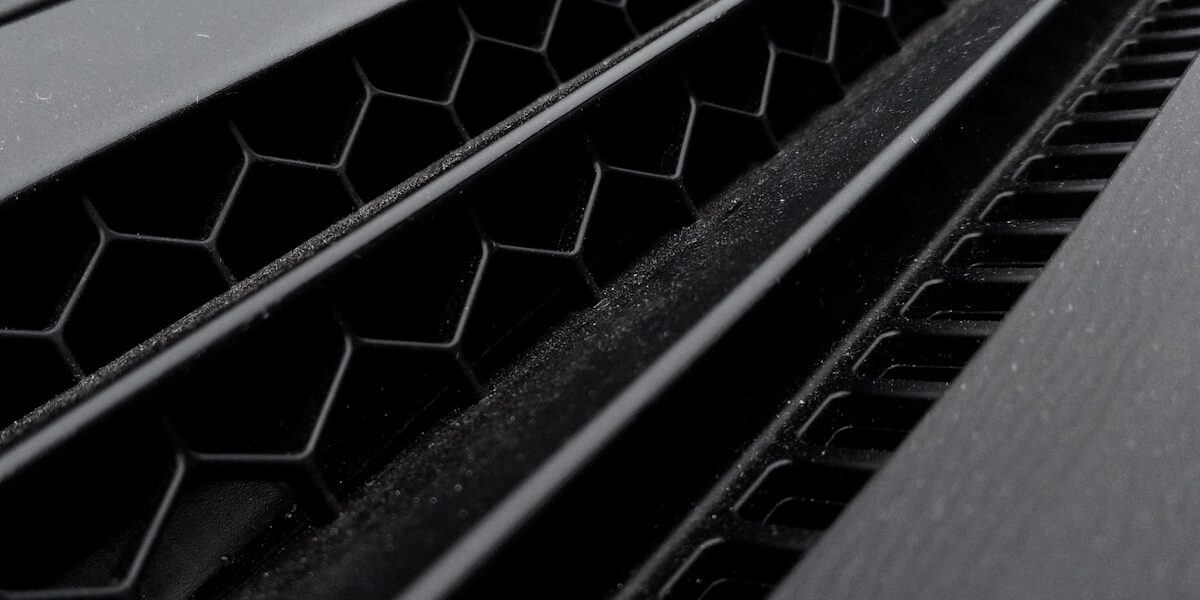
Shear modulus measures a material’s resistance to deformation under shear stress—essentially how well the core holds together when forces try to slide its layers past each other. Aluminum honeycomb, with its geometrically optimized cellular structure, provides a substantially higher shear modulus than end‑grain balsa. The hexagonal cell walls act like a network of tiny I‑beams, distributing shear loads efficiently across the panel. Balsa, while possessing good compressive strength along its grain, is inherently anisotropic; its shear resistance drops significantly when loads are applied perpendicular to the grain direction. In practical terms, this means aluminum honeycomb panels maintain their dimensional stability better under dynamic or off‑axis loading, a common scenario in marine hulls and truck bodies.
Compressive Strength Differences Explained
Compressive strength determines how much vertical load a core can bear before it crushes. End‑grain balsa is often selected for its high initial compressive strength along the grain, making it a traditional choice for deck panels and flooring. However, this strength is highly dependent on the core remaining dry. Once moisture ingress occurs, the cellular structure of balsa begins to degrade, leading to a rapid loss of compressive capacity. Aluminum honeycomb, on the other hand, exhibits consistent compressive strength regardless of environmental exposure, provided the cells are properly sealed. Our engineering team has observed that even with minor surface breaches, the aluminum core itself does not absorb water, so the load‑bearing performance remains predictable. This consistency is why we recommend aluminum honeycomb for applications where long‑term structural reliability under variable loads is non‑negotiable.
Stiffness‑to‑Weight Ratio Analysis
The stiffness‑to‑weight ratio is the single most important metric for lightweight structural design. Aluminum honeycomb delivers an exceptional ratio because the material’s inherent modulus of elasticity is high, and the honeycomb geometry maximizes second‑moment of area with minimal mass. This is the celebrated “I‑beam effect”: a thin aluminum face sheet separated by a lightweight honeycomb core creates a panel that is far stiffer than a solid sheet of the same weight. Balsa also offers a favorable ratio, but it requires greater thickness to achieve comparable flexural rigidity. When we design panels for RV walls or marine superstructures, we often find that an aluminum honeycomb core can be 30–40% thinner than a balsa core while delivering equal or greater bending resistance. That translates directly into payload savings and easier handling during fabrication.
Impact of Facing Material on Overall Rigidity
The core is only one half of the sandwich equation; the facing material plays an equally critical role in overall panel rigidity. Glass‑reinforced plastic (GRP/FRP) facings are the most common pairing with both aluminum honeycomb and balsa cores. GRP provides excellent tensile strength and environmental resistance, but its modulus is lower than that of aluminum. When using a GRP facing, the core’s contribution to shear and compressive stiffness becomes even more pronounced. Aluminum facings, while less common, create a hybrid panel where both skins and core share the load more evenly, pushing the overall stiffness to its maximum potential. Our custom‑engineering process always considers the facing‑core interface: we ensure that the adhesive bond and surface preparation are optimized for the specific combination, because a poorly bonded facing will negate even the best core performance. For customers who require the highest possible rigidity in a minimal thickness, we typically recommend an aluminum honeycomb core with a GRP or aluminum facing, tailored to the exact load and deflection requirements of the application.
| Core Material | Structural Stiffness | Moisture & Durability | Key Advantages |
|---|---|---|---|
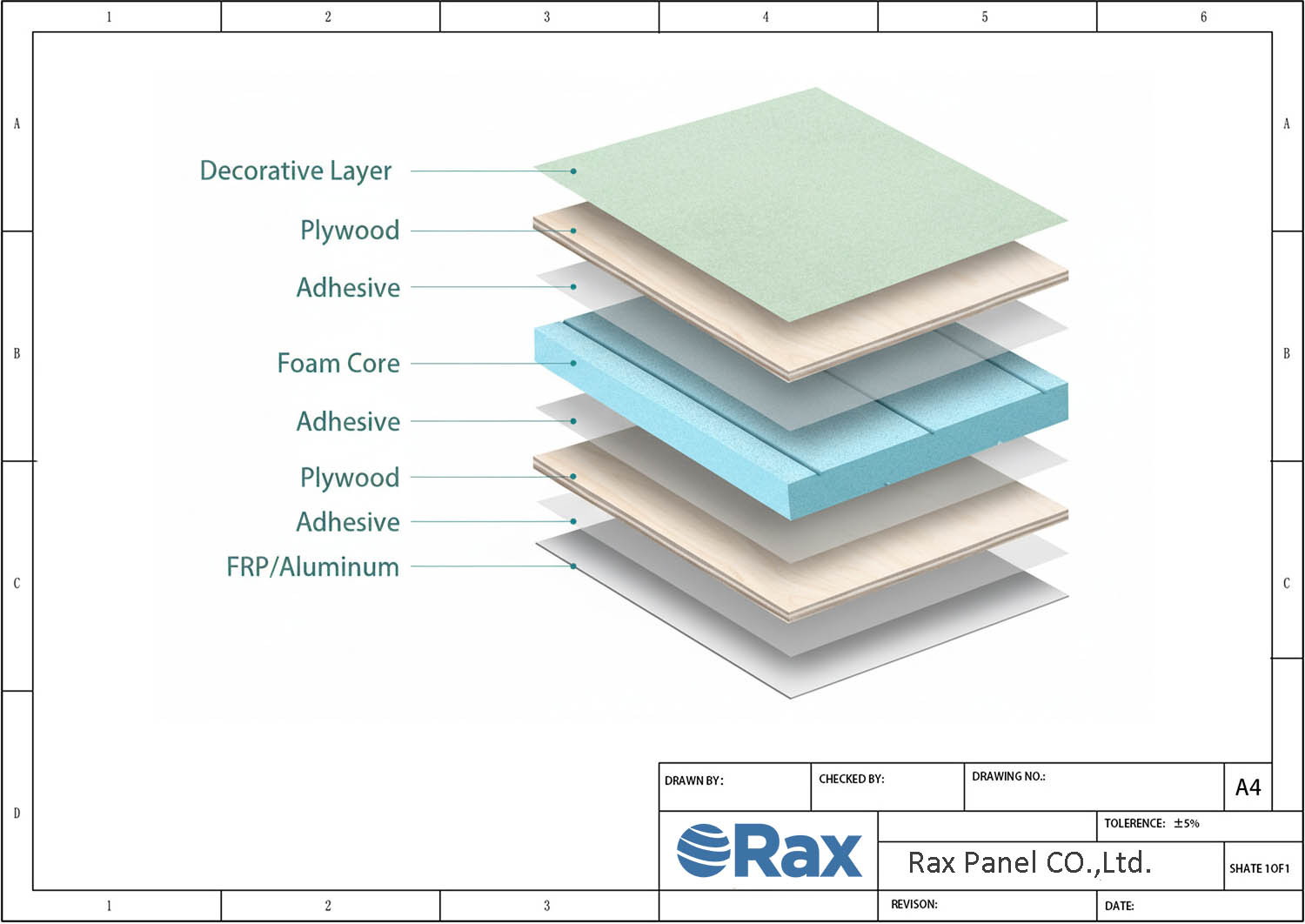
| Balsa Wood | High initial stiffness but significantly compromised by water saturation | High risk of rot and core saturation; prone to 20% weight increase if sealing fails | Traditional cost-effective solution; good core shear strength when dry |
| Foam Cores (PET/XPS/PU) Foam cores such as PET, XPS, and PU offer a practical balance of moderate stiffness and thermal insulation for general-purpose sandwich panels. |
Moderate stiffness suitable for insulation and general structural applications | Waterproof and thermally insulated; thermoplastic foams soften at elevated temperatures and require careful handling during fabrication | Lightweight; excellent thermal insulation; versatile for curved surfaces |
How Balsa and Aluminum Hold Up Against the Elements
Water Absorption Behavior in End-Grain Balsa
End-grain balsa is a natural, hygroscopic material. Its cellular structure behaves like a network of tiny straws when exposed to moisture, drawing water rapidly through the open grain ends. Industry surveys consistently show that improperly sealed balsa cores can absorb between 15% and 30% of their dry weight in water within weeks of exposure—especially at penetrations like through-hull fittings, fastener holes, and cut edges. Once saturated, the core does not simply dry out. Water trapped inside the cells promotes rot, fungal growth, and progressive delamination of the facing bonds. The structural consequences are severe: saturated balsa loses up to 50% of its original shear strength, and freeze-thaw cycles can cause the absorbed water to expand, cracking both the core and the laminate facings from the inside out.
This is not a theoretical risk. The 2000s Sea Ray lawsuits centered precisely on this failure mode—manufacturers failed to properly seal balsa cores during hull fitting installations, leading to widespread hidden saturation, delamination, and structural compromise across thousands of vessels. For B2B buyers specifying marine-grade sandwich panels, the takeaway is clear: balsa’s moisture vulnerability is inherent to the material, and no amount of surface gelcoat alone can guarantee long-term protection if the core is ever exposed to water through a breach.
Edge Corrosion Risks in Aluminum Honeycomb
Aluminum honeycomb cores present a different but equally critical durability challenge: galvanic and crevice corrosion. When saltwater infiltrates the open cell structure—typically through unsealed edges, cut faces, or compromised facings—the aluminum alloys begin to oxidize internally. Unlike balsa, which rots, aluminum honeycomb degrades through pitting and intergranular corrosion that progressively reduces the core’s shear and compressive strength. The risk is highest in marine environments where chloride ions accelerate the corrosion process, but it also applies to any outdoor application exposed to road salt, industrial atmospheres, or high humidity.
The severity of edge corrosion depends heavily on the aluminum alloy grade and the quality of the edge sealing during fabrication. Standard 3000-series and 5000-series alloys used in honeycomb cores offer moderate corrosion resistance, but without proper encapsulation, even these grades degrade significantly over time. Our engineering team has observed that panels with poorly sealed edges in saltwater test environments showed visible cell wall corrosion within 6 to 12 months, while properly sealed and alloy-selected cores maintained structural integrity well beyond that threshold.
Sealing and Protection Strategies for Each Core
Both balsa and aluminum honeycomb cores require rigorous sealing protocols to perform reliably in wet or outdoor environments. The strategies differ fundamentally because the threat vectors are different.
- For balsa cores: Every cut edge, penetration point, and joint must be sealed with a high-viscosity epoxy or polyurethane barrier before the core is ever exposed to moisture. Gelcoat alone is insufficient. Through-hull fittings require double-sealing with epoxy putty and mechanical backup. Our engineers recommend a full-edge encapsulation process during panel fabrication, where all exposed balsa surfaces are coated with a moisture-impermeable resin before the facing is laminated.
- For aluminum honeycomb cores: Edge sealing focuses on preventing water ingress into the open cells. This is achieved through sealed perimeter tapes, epoxy-filled edge bands, or continuous facing laps that overlap the core edges. The choice of alloy matters—5052 and 5083 marine-grade aluminum alloys offer inherently better corrosion resistance than standard 3003, and our panel designs for vessel applications specify these grades wherever honeycomb cores are used in wet environments.
Long-Term Durability Under Marine and Outdoor Conditions
When comparing long-term durability in marine and outdoor service, the two cores diverge sharply. Balsa, despite being a time-tested marine material, carries an unavoidable lifetime risk of moisture intrusion. Even with excellent sealing practices, real-world conditions—impact damage, UV degradation of surface coatings, thermal cycling, and improper repairs—create pathways for water to reach the core. Once that happens, the damage is progressive and often invisible until significant structural loss has occurred. Industry data from marine survey reports indicates that balsa-core vessels older than 10 to 15 years frequently show core saturation at a rate far exceeding initial manufacturing specifications.
Aluminum honeycomb, when correctly sealed and alloy-selected, offers a fundamentally different durability profile. It does not rot, does not support fungal growth, and does not absorb water. The Product Bible data from our testing confirms that our aluminum honeycomb cores deliver zero water absorption, eliminating the 20% weight increase and rot liabilities that define balsa core failure. The remaining risk is corrosion, but this is manageable through alloy selection, edge sealing, and protective facing materials. In our marine application testing, properly fabricated aluminum honeycomb panels maintained full structural integrity after extended saltwater exposure where comparable balsa-core specimens showed significant degradation.
For outdoor non-marine applications—such as truck bodies, RV walls, and exterior cladding—the moisture exposure is less aggressive but still significant. Balsa cores in these environments remain vulnerable to condensation and rain ingress, while aluminum honeycomb cores continue to resist moisture entirely. The trade-off comes down to this: balsa offers strong mechanical properties at a lower upfront cost but requires ongoing vigilance against moisture; aluminum honeycomb demands proper sealing at the point of fabrication but delivers maintenance-free performance over the full service life of the panel.
Upfront Cost vs. Total Cost of Ownership
Lower upfront panel cost does not guarantee lower total cost. Water ingress, delamination, and scrap rates can erase initial savings within months of service in demanding environments.
Why Upfront Cost Misleads Procurement Teams
Procurement teams naturally gravitate toward the lowest per-square-meter price. That instinct is rational until the panel enters service. A balsa core panel may carry a higher material tag than a foam alternative, but its behavior under real-world conditions determines the true cost. The gap between sticker price and total cost of ownership often widens dramatically once moisture, structural fatigue, and field repairs enter the equation.
Foam cores can deliver over 200% cost savings compared to equivalent aluminum honeycomb panels while offering higher specific compression strength. That headline number is compelling. But buyers must evaluate whether the lower upfront cost compromises long-term performance, repairability, or suitability for their specific application environment and structural requirements. A panel that fails at month eight costs far more than a panel that lasts decade eight.
The Real Cost of Water Damage and Delamination
End-grain balsa is naturally hygroscopic. Without proper edge sealing, water migrates into the core through cut edges, fastener holes, and manufacturing tolerances. Once moisture reaches the balsa, delamination becomes a structural certainty, not a possibility. The repair cost for a delaminated marine bulkhead or truck body wall far exceeds the initial material savings from choosing an unsealed or lightly protected panel.
Consider a real case: a Midwest RV manufacturer switched from PET foam core back to balsa to save $1.27 per panel. Six months later, they returned with $187,000 in warranty claims after 83 units developed delamination in humid deployment zones. That is not speculation. That is the actual cost of believing density is density when specifying core materials for transportation panels. The $1.27 per-panel saving vanished within one warranty cycle.
- Water ingress remediation: A single delaminated panel in a marine hull requires core replacement, re-bonding, and refinished surfaces. Field repair costs routinely exceed 10x the original panel price.
- Warranty claim exposure: Bulk warranty claims from premature core failure can exceed $180,000 across a modest production run, as demonstrated by real fleet deployments.
- Edge sealing investment: Proper edge sealing and fastener protection add upfront cost but prevent catastrophic moisture migration into end-grain balsa.
Fabrication Scrap Rates and Their Impact
Balsa core panels demand careful handling during fabrication. Cut edges must be sealed immediately. Fastener holes require protective bushings or epoxy sealing. In complex fabrication runs with many cutouts and contours, scrap rates on balsa panels can reach 8% to 15% depending on operator skill and part complexity. These scrap losses are real material costs that inflate the effective price per good panel.
Aluminum honeycomb panels, by contrast, are impervious to moisture ingress through cut edges. They do not delaminate from water exposure. Their fabrication scrap rate is typically lower in high-volume production because edge sealing is not a process step. This difference narrows the upfront cost gap significantly when you account for yield loss on the balsa side.
- Balsa scrap rate: 8% to 15% in complex parts with multiple cutouts, requiring skilled operators and strict edge-sealing discipline.
- Aluminum honeycomb scrap rate: Typically under 5% due to moisture immunity and simpler post-cutting workflow.
- Effective cost per good panel: Must include material yield loss, not just the base sheet price.
Total Cost of Ownership: Balsa vs. Aluminum Honeycomb
Total cost of ownership spans the entire panel lifecycle: material acquisition, fabrication yield, installation labor, maintenance, repair, and end-of-life disposal. When you map these phases, the cheaper upfront option often becomes the more expensive long-term choice. Aluminum honeycomb commands a higher per-square-meter price but eliminates moisture-related failure modes entirely. Balsa core delivers superior stiffness-to-weight performance and lower initial cost but requires disciplined edge protection and higher fabrication oversight.
What Each Core Means for Your Fabrication Process
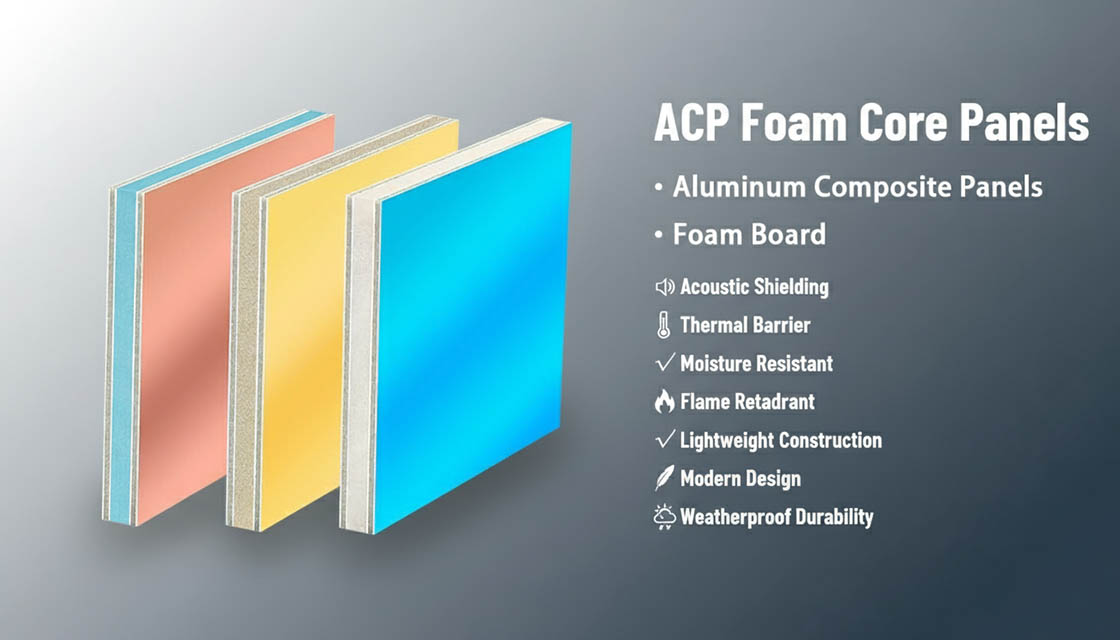
Core selection directly dictates tooling, machining strategies, and design flexibility. Foam cores allow complex shapes; aluminum honeycomb limits curvature but excels in flat, high‑shear applications.
Foam Cores: Maximum Shape Flexibility
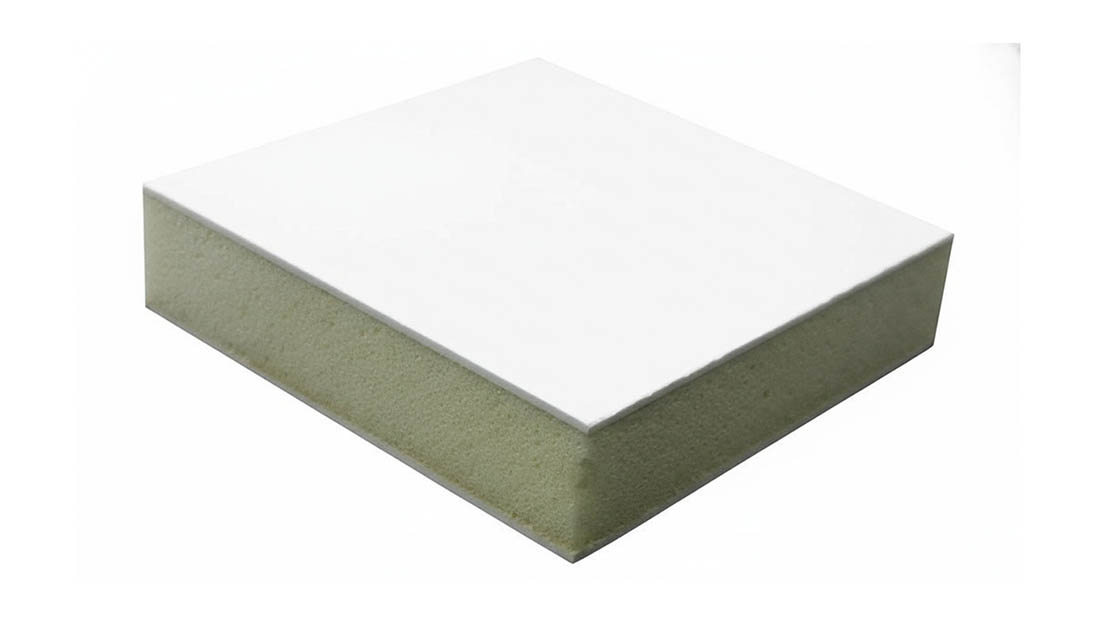
Foam cores—such as XPS, PET, PU, PVC, PMI, EPP, and MPP—are inherently compatible with thermoforming and vacuum‑bagging processes. They can be machined, routed, and carved into flat, curved, or compound geometries while maintaining dimensional stability. This flexibility is critical when panel thickness varies across a single piece or when intricate contours are required for vehicle interiors, RV walls, or marine decks.
- Thermoforming: PVC and PET foams can be heated and formed over male/female molds without cracking, enabling seamless integration of complex curves.
- CNC Machining: Foam cores accept precise routing, drilling, and cutting with minimal tool wear, reducing cycle times for custom profiles.
- Variable Thickness: Single‑panel builds can incorporate varying core thicknesses (e.g., 5–50 mm) to meet stiffness‑weight optimization targets.
Aluminum Honeycomb: Geometry Constraints
Aluminum honeycomb panels are manufactured as flat, rigid sheets with a hexagonal cell structure that provides exceptional in‑plane shear strength. However, the core cannot be thermoformed or bent without collapsing the cells. Consequently, aluminum honeycomb is restricted to flat or gently radiused applications where the panel faces are pre‑formed to match the desired curvature before bonding.
- Flat‑Panel Only: Aluminum honeycomb cores cannot accommodate compound curves; any curvature must be achieved in the facing material (e.g., GRP, aluminum sheet) before core insertion.
- Machining Limitations: Routing or drilling honeycomb cores requires specialized tooling to prevent cell wall deformation; edge finishing often demands sealant application to protect the open cell structure.
- Bonding Complexity: Joint design must account for the core’s anisotropic stiffness—bond lines should align with the honeycomb’s load‑bearing axis to avoid delamination under shear.
Balsa Core: Balanced Machinability and Stiffness
End‑grain balsa cores offer a middle ground between foam flexibility and aluminum rigidity. Balsa can be machined with standard woodworking tools (saws, routers, drills) to create flat, curved, or contoured shapes, though the grain orientation must be preserved to maintain transverse compressive strength. The wood’s natural porosity requires careful edge sealing to prevent moisture ingress during fabrication.
- CNC Compatibility: Balsa cores can be CNC‑routed into complex 2.5D profiles, but feed rates must be adjusted to avoid splintering the end‑grain fibers.
- Curvature Limits: Balsa can be steam‑bent or cold‑formed over mild radii (typically >150 mm) without core failure; tighter curves risk fiber buckling.
- Edge Sealing: All cut edges must be coated with epoxy or polyurethane sealant before laminating to prevent core wicking and delamination.
Thermoforming and Vacuum‑Bagging Compatibility
The fabrication process must align with the core’s thermal and mechanical properties. Foam cores are designed for direct thermoforming or vacuum‑bagging over molds, while aluminum honeycomb and balsa cores require pre‑formed facings that are later bonded to the core.
- Thermoforming: PVC and PET foam cores can be heated to 120–150°C and formed over aluminum or wood molds, then cooled under vacuum to retain shape.
- Vacuum‑Bagging: All core types can be integrated into vacuum‑bag laminate assemblies, but aluminum honeycomb requires a release film between the core and bag to prevent adhesion to the open cells.
- Tooling Investment: Foam‑core thermoforming demands expensive heated molds; honeycomb and balsa assemblies can use simpler vacuum‑bag tooling, reducing upfront capital.
Machining Complex Geometries: Core‑Specific Challenges
When fabricating panels with cut‑outs, mounting bosses, or internal channels, each core reacts differently to machining forces. Foam cores cut cleanly but may delaminate if the blade is dull; honeycomb cores require diamond‑tipped tools to prevent cell wall fracture; balsa cores can tear if feed speed is too high.
- Router Bit Selection: Foam cores perform best with single‑flute spiral bits; honeycomb cores need carbide‑tipped bits with high hook angles; balsa cores require sharp, multi‑flute bits to minimize fuzzing.
- Clamping Pressure: Excessive vacuum or mechanical clamping can crush foam cores or deform honeycomb cells—use low‑pressure clamping fixtures and distribute force across the panel face.
- Chip Evacuation: Honeycomb and balsa machining generates fine dust that can clog cell structures; integrated vacuum extraction is essential to maintain core integrity during cutting.
Assuming aluminum honeycomb can be thermoformed like foam will result in catastrophic core collapse. Always verify core compatibility with your intended forming process before committing to tooling.
Decision Matrix: Core Selection by Fabrication Requirement
Match your production needs to the core that minimizes fabrication complexity while meeting performance targets.
- High‑Curvature Panels: Choose foam cores (PVC, PET) for direct thermoforming; avoid aluminum honeycomb and balsa unless facings are pre‑curved.
- Flat, High‑Shear Structures: Aluminum honeycomb offers superior in‑plane stiffness with minimal machining; ideal for truck beds, floor decks, and wall panels.
- Custom Mounting Features: Balsa cores allow easy routing of bolt‑hole patterns and channel cut‑outs; honeycomb requires insert‑molded or bonded bushings.
- Low‑Volume Prototyping: Foam cores can be hand‑cut with hot wires or CNC‑routed with minimal setup; honeycomb and balsa demand precision tooling to avoid core damage.
Which Core Fits Your Industry Best?
Marine and Vessel Application Suitability
Marine environments represent one of the most demanding use cases for sandwich panel cores. Saltwater exposure, constant moisture, and UV radiation create conditions where core material selection directly impacts vessel longevity and structural integrity.
End-grain balsa has historically dominated traditional marine construction due to its excellent compressive strength and proven track record in hull and deck applications. However, its natural cellular structure means it can absorb significant moisture when exposed to water intrusion, leading to weight gain and potential delamination over time. Proper edge sealing and protective barrier systems are non-negotiable for balsa cores in marine service.
Aluminum honeycomb cores eliminate the moisture absorption risk entirely. Their sealed metallic cellular structure prevents water ingress even when edges are exposed, making them particularly valuable for applications where long-term sealing cannot be guaranteed or where repair access may compromise the barrier. The consistent weight performance throughout the vessel’s service life is a significant operational advantage.
Fire performance is another decisive factor in marine settings. Regulatory bodies and classification societies increasingly require higher flame resistance standards, and aluminum honeycomb cores significantly outperform organic alternatives in this regard. For vessels operating under strict safety classifications, this can simplify compliance and reduce the need for additional fire suppression measures.
RV and Mobile Home Core Selection
The recreational vehicle and mobile home industry operates under a fundamental constraint: every kilogram carried unproductively reduces payload capacity and fuel efficiency. Core material weight directly influences these operational economics.
Aluminum honeycomb cores provide meaningful weight advantages over traditional balsa options, which translates into higher payload capacity or improved fuel economy depending on the application. For manufacturers, this weight reduction also opens design flexibility — thinner panel constructions can achieve equivalent stiffness, allowing for more interior space within the same exterior footprint.
Thermal and acoustic insulation requirements in mobile living spaces add complexity to core selection. Aluminum honeycomb conducts heat and sound more readily than organic alternatives, which means additional insulation layers may be required to meet comfort and efficiency standards. This trade-off between structural weight savings and insulation performance must be evaluated holistically during the design phase.
Balsa cores offer natural thermal and acoustic damping properties that can reduce the insulation burden, making them competitive in applications where interior comfort specifications are stringent. The decision often comes down to whether the weight savings of aluminum honeycomb outweigh the insulation advantages of balsa for a given vehicle class.
Transportation and Truck Body Considerations
Commercial transportation applications demand cores that balance structural performance with cost efficiency at scale. Truck bodies, trailers, and cargo containers experience dynamic loading, vibration, and environmental exposure that require durable core solutions.
Aluminum honeycomb cores excel in heavy transport applications where structural stiffness and impact resistance are paramount. The high flexural rigidity-to-weight ratio allows for panel designs that resist deformation under load while minimizing tare weight — a critical factor in payload optimization for freight operations.
Balsa cores remain a viable option for truck body applications where compressive strength under static loads is the primary concern. Their performance under sustained compression is well-documented, and they offer a cost-effective solution for applications where the weight penalty is acceptable.
For specialized transport applications requiring fire resistance — such as chemical tankers or passenger transport vehicles — the superior thermal stability of aluminum honeycomb becomes a decisive advantage. Organic cores may require additional fire-retardant treatments that add cost and complexity.
Cost-Performance Trade-offs by Industry Sector
Industry sector dramatically influences which core material delivers the best value. The optimal choice is rarely the cheapest option on a per-square-meter basis — it is the one that minimizes total cost of ownership for the specific application.
- Marine sector: Long-term durability and moisture resistance typically justify the premium for aluminum honeycomb cores, as replacement costs and warranty claims from core degradation are substantial.
- RV and mobile home sector: Weight-sensitive applications favor aluminum honeycomb despite higher upfront costs, since payload gains and fuel savings compound over the vehicle lifetime.
- Commercial transport: Cost-effective balsa cores remain competitive where static load performance is sufficient and weight optimization is less critical.
- Architectural and general commercial: Alternative foam-based options often provide the best value for non-structural or lightly loaded applications where thermal insulation and corrosion resistance are primary requirements.
The procurement decision should factor in not only material cost but also fabrication complexity, sealing requirements, and lifecycle maintenance. A core that appears economical upfront may generate hidden costs through additional processing steps, warranty claims, or premature replacement.
| Core Material | Best Fit Industry | Durability Profile | Engineering Advantages |
|---|---|---|---|
| For marine, RV, and heavy transport applications, aluminum honeycomb provides unmatched stiffness-to-weight performance with zero moisture absorption. | Marine, RV, Heavy Transport | Zero water absorption, rot-resistant | 7x flexural stiffness, melting point ~660°C |
| Balsa Wood | Traditional Marine (Legacy) | High saturation risk, prone to rot and delamination | Good compressive strength but susceptible to 20% weight gain when wet |
| Structural Foam | General Commercial, Architectural | Corrosion-resistant, moisture tolerant | Cost-effective alternative, lower fire resistance (200°C flash point) |
A Simple Way to Choose Between the Two
The right core isn’t the strongest or the cheapest — it’s the one that aligns with your project’s dominant constraint. Use this framework to cut through the noise.
Key Decision Factors Checklist
Selecting between aluminum honeycomb and balsa core panels comes down to weighting four variables against your project’s priorities. Below is the practical checklist used by procurement and engineering teams during specification reviews.
- Primary load type: Will the panel see bending stress, shear load, or point loads from hardware mounting?
- Environmental exposure: Is the panel exposed to saltwater, UV, or continuous moisture?
- Weight budget: How critical is mass reduction to the overall system (e.g., vessel displacement, fuel efficiency)?
- Cost ceiling: What is the maximum allowable material cost per square meter at your order volume?
- Installation complexity: Does the project involve through-hull fittings, edge sealing, or custom machining?
- Regulatory requirements: Are there class society, ISO, or industry-specific compliance standards to meet?
When to Prioritize Stiffness Over Cost
Stiffness should drive the decision when the panel is a structural element carrying sustained or dynamic loads. This is common in vessel decks, bulkheads, and load-bearing floors where deflection limits are non-negotiable.
Balsa core panels generally deliver higher bending stiffness at equivalent thicknesses due to the natural cellular structure of end-grain balsa, which resists compressive deformation effectively. If your design call is governed by a maximum deflection spec — for example, a deck that must not sag under equipment loads — balsa is typically the stronger starting point.
Aluminum honeycomb offers exceptional stiffness-to-weight ratios, particularly in the through-thickness direction, but its shear stiffness can be a limiting factor in large-span applications unless the facing material and core cell size are carefully matched. For projects where every kilogram translates directly into performance (speed, fuel economy, payload), the higher unit cost of aluminum honeycomb is often justified by the system-level savings.
- Choose balsa when: bending stiffness and compressive strength are the dominant design drivers, and the budget allows for mid-range core pricing.
- Choose aluminum honeycomb when: the weight penalty of a thicker balsa panel would erode the performance gain, and the application demands maximum rigidity at minimum mass.
When Durability Outweighs Weight Savings
Durability becomes the deciding factor in environments where long-term degradation is a known risk. This is especially relevant for marine applications where water intrusion can compromise the core over time.
End-grain balsa absorbs moisture along its exposed cell walls, and while modern sealing practices and resin infusion significantly reduce this risk, any breach in the gelcoat or edge seal becomes a long-term liability. A small unsealed through-hull fitting installation can create a direct pathway for water to wick into the core, leading to delamination and loss of structural integrity over months or years.
Aluminum honeycomb is inherently immune to rot and does not absorb water, but it introduces a different durability concern: galvanic corrosion. When aluminum contacts stainless steel fasteners or adjacent metals in a saline environment without proper isolation, corrosion can initiate at the contact points and propagate through the cell structure. This requires careful material selection and protective barriers during installation.
- Choose balsa when: the panel will be fully encapsulated in resin, edges are sealed, and the environment is controlled or the panel is internally located.
- Choose aluminum honeycomb when: the application demands moisture immunity and the design can accommodate galvanic isolation measures, or when the panel is used in non-marine, dry environments.
Consulting Engineering Support for Complex Projects
For projects that push the boundaries of span, load, or environmental exposure, off-the-shelf comparisons are insufficient. Engineering consultation should be engaged when the application involves any of the following conditions:
- Large unsupported spans: Panels exceeding 1.5 meters without intermediate support require finite element analysis to validate deflection and buckling resistance.
- Dynamic or impact loading: High-speed vessels, racing yachts, or transport applications subject panels to cyclic and impact loads that demand fatigue testing data.
- Custom core geometries: Non-standard cell sizes, variable thicknesses, or hybrid core configurations require manufacturer engineering input to ensure performance predictions are accurate.
- Class certification requirements: Projects targeting ABS, DNV, Lloyd’s Register, or equivalent classification societies need documented test data and material traceability that go beyond standard datasheets.
A qualified engineering partner can provide core selection guidance, facing material recommendations, and fabrication process advice tailored to your specific constraints. This is not an optional luxury for complex projects — it is a risk mitigation step that prevents costly rework, material waste, and field failures after installation.
📋 Recommended Decision Flow
- Step 1: Define the dominant load case and environmental exposure for the panel.
- Step 2: Apply the weighted checklist above to narrow the core type to one primary candidate.
- Step 3: Validate the candidate against deflection, shear, and impact requirements using engineering analysis or manufacturer test data.
- Step 4: If the project involves custom specs, class certification, or extreme conditions, engage a materials engineering consultant before finalizing the specification.
Conclusion
If your project sits in saltwater, balsa offers superior stiffness-to-weight, but only if you seal every edge perfectly. One leak rots the core. For truck bodies or RVs, aluminum honeycomb dominates. It handles moisture without rotting and maintains a flat surface under thermal stress. Choose aluminum for zero-maintenance durability. Pick balsa only when you prioritize peak stiffness over long-term waterproofing risks.
Specifying the right density reduces material waste and lowers your total build cost. Our engineers calculate the exact shear modulus needed for your span requirements, ensuring you never overpay for excess performance. Send us your CAD files or load requirements. We will review your dimensions and suggest a panel configuration that meets your budget and durability targets.
Frequently Asked Questions
What density ranges are typical for each core type?
Balsa core is commonly available in densities ranging from 200 to 450 kg/m³, with higher densities offering greater strength. Aluminum honeycomb core densities vary widely depending on cell size and foil thickness, typically ranging from 30 to 200 kg/m³. The right density depends on your stiffness, weight, and load-bearing requirements.
Does balsa core absorb resin during fabrication?
Yes, balsa is a porous natural material and can absorb significant resin during wet layup processes. This increases panel weight and may weaken the core-facing bond if not controlled. Manufacturers often pre-seal balsa cores with a resin barrier coat to minimize absorption. Aluminum honeycomb, being metallic and non-porous, does not absorb resin at all.
How do the two cores compare for thermal insulation?
Balsa core provides natural thermal insulation due to its cellular wood structure, making it suitable where temperature control matters. Aluminum honeycomb conducts heat and sound readily, offering minimal insulating value. For applications requiring both structural performance and thermal management, foam-core alternatives may be considered alongside aluminum honeycomb.
What fire performance differences exist between these cores?
Aluminum honeycomb has a significantly higher flash point around 600°C, making it suitable for fire-sensitive applications. Balsa is an organic material with lower fire resistance and may require flame-retardant treatments for compliance. Foam cores typically flash around 200°C, placing aluminum honeycomb ahead for thermal safety-critical industries.
Can aluminum honeycomb be formed into curved panels?
Aluminum honeycomb is generally limited to flat or gently curved panels due to the rigidity of the metallic cell structure. Balsa core can be machined and shaped more easily for compound curves. Foam cores offer greater flexibility for complex geometries within a single panel. RaxPanel engineers can advise on formability for your specific design requirements.
How does screw retention differ between the two cores?
Balsa core provides reliable screw retention when density is appropriately selected for the load requirements. Aluminum honeycomb requires specialized inserts or backing plates since screws cannot directly thread into the cellular structure. Through-hull fittings in either core must be properly sealed to prevent moisture ingress, especially in marine environments.
Are there applications where neither core is ideal?
Yes. Applications requiring high thermal or acoustic insulation may be better served by foam-core panels. Extremely wet environments with frequent fitting penetrations may favor closed-cell foam over both balsa and aluminum honeycomb. RaxPanel offers PMI, PET, and PVC foam alternatives alongside honeycomb and balsa for specialized performance needs.