
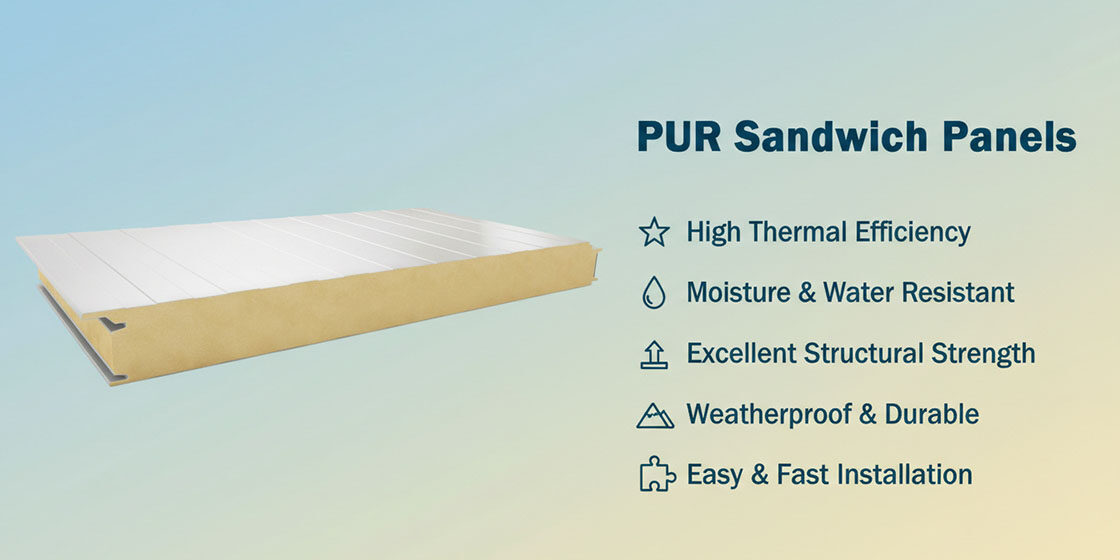
Sourcing an aluminum sandwich panel manufacturer is rarely about finding the lowest price per square meter. It is about preventing the specific failure points that kill commercial projects—delamination, thermal drift, and fire code non-compliance that arrive on your dock rather than your spec sheet. At RaxPanel, we have seen how global shipping and strict code enforcement create a wide gap between a “standard” panel and one that actually performs.
Many buyers focus on initial R-values but overlook the thermal conductivity drift common in lower-grade PIR foam cores. This drift reduces energy efficiency over time, quietly inflating operational costs long after the construction crew has left the site. Recognizing this variance is critical when evaluating total cost of ownership versus upfront material savings.
We will walk through the critical calculations for Total Landed Cost versus FOB pricing, followed by the specific technical questions that expose a supplier’s actual production capacity. You will learn how to verify quality standards before you wire a deposit, ensuring your cladding system passes inspection without the budget overruns caused by rework.
Where to Source: Balancing Cost and Logistics
Smart procurement requires shifting focus from FOB unit prices to Total Landed Cost (TLC), incorporating yield loss from dimensional variances and hidden freight expenses.
Calculating Total Landed Cost vs. FOB Price
Focusing solely on the Free On Board (FOB) price per square meter is a common procurement trap that often obscures the true expense of a project. In the B2B sector, the “calculation gap”—the discrepancy between the gross panel price and the actual cost per usable square meter—is where budgets are frequently eroded. Veteran buyers recalculate their Total Cost of Ownership (TCO) by factoring in yield loss. If a batch of panels arrives with minor warping or inconsistent thickness, the usable area shrinks as technicians are forced to cut away defects and overlap joints to ensure a fit.
For example, a recent industry incident involving a truck body manufacturer resulted in a three-day assembly line shutdown because a shipment of metal skins varied in thickness by over a millimeter, causing automated fasteners to snap. This downtime cost far more than the savings achieved on the initial purchase price. Therefore, an accurate landed cost calculation must include not only freight, duties, and insurance but also the amortized risk of production stoppages and material waste caused by inconsistent quality.
Mitigating Shipping Risks for Bulk Panels
Global ocean freight imposes significant physical stresses on bulk aluminum sandwich panels, making packaging integrity a critical logistical factor. While the panels themselves are rigid composites, the edges are highly vulnerable to crushing when containers shift or settle during rough transit. Edge damage does not merely affect aesthetics; it often compromises the structural seal of the panel, leading to potential delamination or moisture ingress later in the product lifecycle.
Accepting standard packaging for long-haul routes often leads to hidden freight fees. Crushed edges and corner damage reduce the effective yield of your shipment, forcing you to order replacement material to meet project quotas.
To mitigate these risks, supply chain managers must verify that the export packaging strategy accounts for the specific weight and stacking characteristics of insulated panels. Heavy-duty steel strapping and specialized edge protection are essential to prevent the load from shifting. Additionally, compliance with international shipping standards for wood packaging (ISPM 15) is necessary to avoid customs quarantines that can delay time-sensitive construction or manufacturing schedules.
Evaluating Lead Times for Global Shipment Routes
When sourcing aluminum panels globally, distinguishing between “manufacturing lead time” and “total transit time” is vital for inventory management. The production of composite panels involves chemical curing processes that cannot be rushed without compromising the bond strength between the skin and the core. However, the logistics chain often presents the most variable delays. Port congestion, blank sailings, and strict customs inspections for composite materials can extend delivery timelines by weeks.
A Strong sourcing strategy evaluates the reliability of the shipping route rather than just the speed of the factory. Buyers should analyze the frequency of vessels on specific trade lanes and the supplier’s track record for meeting Incoterms delivery dates. For Just-In-Time (JIT) manufacturing environments, relying on a single shipping route can be catastrophic; diversifying logistics or allowing a safety buffer in the schedule is a necessary cost of doing business across continents.
- Port Congestion: Major transshipment hubs can add weeks to the transit time if a vessel misses its loading window.
- Customs Compliance: Inaccurate declaration of core materials (e.g., misclassifying mineral wool vs. PU foam) can trigger costly inspections and holds.
- Inland Logistics: The last-mile delivery of oversized pallets requires specialized heavy-lift trucks, which may have different lead times than standard container drayage.
| Selection Criteria | Technical Specification | Logistics & Cost Impact | Strategic Benefit |
|---|---|---|---|
| Base Metal Quality | AZ150 Galvalume (Coastal) or Z275 Galvanized | Avoids expensive premature corrosion failures in harsh environments | Guarantees long-term aesthetic and structural integrity |
| Core Density & Structure | PU 30-40 kg/m³ vs Honeycomb 50-70 kg/m³ | Core material drives up to 70% of Total Cost of Ownership (TCO) | Optimizes structural ROI and prevents core delamination |
| Maintaining strict geometric consistency across large-format surfaces is essential for optimizing material usage and ensuring automated assembly compatibility. | 3 mm per meter flatness tolerance consistency | Eliminates material waste and production line stoppages | Ensures seamless automated assembly and fit |
| Independent Compliance | SGS / Bureau Veritas peel & bond strength certification | Mitigates catastrophic project rejection risks | Provides verified fire safety and quality assurance |
| Export Packaging | Steel strapping with heavy-duty edge protection | Prevents hidden freight fees from edge crushing damage | Maximizes usable yield and lowers landed costs |
What to Ask Suppliers: MOQ, Customization, and Samples
Executive Summary: Avoiding supply chain failure requires interrogating the supplier’s operational flexibility before the first PO is issued. You must validate MOQ logic against raw material consumption, demand exacting thickness tolerances for skins and cores, and enforce a strict prototyping phase to catch structural defects before mass production begins.
Establishing Feasible Minimum Order Quantities
In the composite panel industry, “Minimum Order Quantity” is rarely just a simple number of units; it is a calculation based on raw material consumption and line efficiency. A supplier quoting a “low MOQ” for custom profiles is often masking hidden setup costs or planning to use inferior off-the-shelf materials to meet the volume. For specialized vehicle manufacturing—such as RV builders or truck body fabricators—you must calculate MOQ based on total square footage rather than panel count. For example, a pilot run of 30 units where each vehicle consumes 15 sqm of paneling results in a 450 sqm requirement. This volume sits squarely within standard manufacturing territory, and you should demand bulk pricing accuracy even for pilot batches.
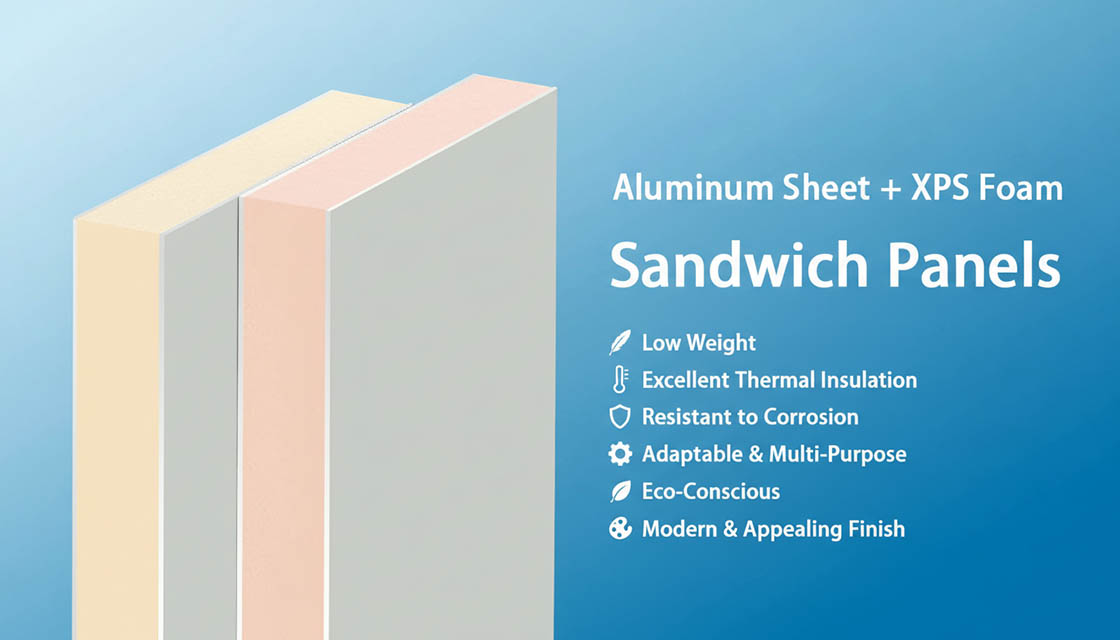
When negotiating volume, verify the supplier’s daily production capacity to ensure they can actually scale. With a daily output exceeding 1,700 square meters, a capable manufacturer should accommodate moderate runs without excessive lead-time penalties. If a supplier insists on high MOQs for standard core configurations like XPS or PU, they are likely managing cash flow rather than production constraints.
Clarifying Core Material and Skin Thickness Options
Ambiguity in material specifications is the primary cause of structural failure and warranty claims. You must demand precise data sheets that define both the core density and the skin thickness. Do not accept generic terms like “high-quality foam” or “standard aluminum.” You need specific industry codes: are they utilizing XPS, PET, PU, or PVC foam cores? Is the facing 0.5mm, 1.0mm, or 2.0mm aluminum or GRP? Vague specifications here lead to drastic variances in flexural strength and thermal insulation.
We strictly adhere to defined thickness standards in our production line to prevent delamination under thermal stress. When reviewing supplier options, demand a tolerance range for skin thickness—typically ±0.05mm is acceptable for high-grade applications. If the supplier cannot guarantee consistent skin thickness, the bonding strength with the core material will be compromised, leading to panel failure in the field. Always verify the specific facing material requested, whether it is GRP/FRP, Aluminum, Steel, or ACP, and ensure the adhesive formulation is compatible with that specific substrate.
- Core Material Specification: Require explicit confirmation of the core type (e.g., XPS, PET, PU, PVC, PP Honeycomb) and density (kg/m³).
- Skin Thickness Tolerance: Demand a guaranteed tolerance (e.g., ±0.05mm) for the metal or composite skins to ensure structural consistency.
- Bonding Compatibility: Ask for technical validation that the adhesive used is rated for the specific skin and core combination provided.
Assessing Capability for Customized Structural Design
True customization is not about cutting a standard panel to size; it is about engineering a composite structure that meets specific load-bearing and thermal requirements. Many traders claim to offer “custom services” but lack the in-house engineering capability to perform structural analysis. You need to determine if the supplier has a dedicated R&D team that can conduct experimental testing to meet your data standards. Ask if they can modify the core architecture—such as switching from a foam core to a honeycomb structure (PP Honeycomb or Aramid Honeycomb)—to increase stiffness without adding weight.
Our team of engineers relies on over 15 years of production experience to design composite solutions that perform under stringent conditions. When vetting a supplier, request evidence of their design process. Can they provide load-deflection calculations or thermal simulation data? A capable manufacturer will view your custom request as an engineering challenge to be solved, not just a sales order to be processed. If they cannot discuss the mechanical properties of their sandwich panels in technical terms, they are not a manufacturing partner.
Prototyping Policies for Pre-Production Validation
Never sign off on a bulk production run without a validated prototype. The sample phase is your only opportunity to verify that the theoretical specifications translate into physical reality. You must establish clear prototyping policies that cover cost, lead time, and validation criteria. Ideally, the supplier should provide a pre-production mold or sample run that mimics the exact manufacturing conditions of the full order.
In our production protocol, we treat the prototyping phase as a rigorous stress test of the final product. You should require the supplier to perform destructive testing on the prototype sample—checking for core shear strength and peel adhesion between the skin and the core. Do not accept a visual inspection alone. If the sample delaminates under slight pressure or shows uneven core distribution, the bulk order will inevitably fail. A confident manufacturer will welcome this scrutiny and often cover the sample cost if the subsequent bulk order is confirmed, as they trust their quality control systems.
How to Evaluate an Aluminum Panel Manufacturer
A manufacturer’s evaluation hinges on three verifiable pillars: production scalability, certification authenticity, and lead-time reliability. These factors separate capable producers from speculative traders.
Evaluating an aluminum sandwich panel manufacturer requires moving beyond surface-level claims and examining operational depth. The critical differentiator is not what a supplier promises in a brochure, but what their production infrastructure, quality documentation, and delivery history can objectively demonstrate. Buyers who skip this verification often encounter capacity constraints, certification gaps, or chronic delays that erode project margins.
Production Capacity and Scalability Assessment
Production capacity is the first practical filter. A manufacturer’s daily output capacity directly determines whether they can fulfill large-scale orders without subcontracting or compromising quality. The standard metric to examine is square meter output per day across the production line. Reputable facilities typically operate lines exceeding 1,500 square meters of daily production area, which indicates investment in automated continuous lamination equipment rather than batch-processing setups.
Scalability goes beyond raw output numbers. It involves whether the manufacturer can absorb order fluctuations without degrading panel consistency. This requires examining the number of production lines, the age and maintenance record of lamination equipment, and whether the facility has undergone recent capacity expansion. Manufacturers with over a decade of operational history typically demonstrate more stable scaling patterns than newer entrants.
- Line Configuration: Continuous lamination lines with automated material feeding and precision thermal control produce more consistent panel thickness and bond integrity than semi-automatic or manual setups.
- Output Verification: Request documented daily output figures and cross-reference them against your order volume requirements. A credible manufacturer will provide verifiable production records, not vague capacity estimates.
- Capacity Buffer: Evaluate whether the facility can handle 30 to 50 percent order surges above standard output without external sourcing, which indicates genuine scalability for project-based demand spikes.
ISO Certification Validity and Depth
ISO certification is frequently cited in supplier marketing materials, but the depth and validity of that certification requires independent verification. A valid ISO 9001 certification indicates a documented quality management system, but it does not guarantee product-level performance. The critical distinction is whether the manufacturer holds certifications that specifically address the aluminum sandwich panel product category, including fire safety standards and thermal performance testing.
Verification should extend beyond the certificate itself. Examine the scope of certification to confirm it covers the exact products being ordered. Some manufacturers hold broad certifications that do not encompass specialized panel configurations or core materials. Additionally, check the certification body issuing the standard—recognized accreditation bodies provide more reliable assurance than self-issued or obscure certificates.
📋 Certification Verification Checklist
- Step 1: Request the full ISO certificate with the unique registration number and issuing body.
- Step 2: Verify the certificate on the accreditation body’s official database using the registration number.
- Step 3: Confirm the certification scope explicitly lists aluminum sandwich panels and the specific core materials ordered.
- Step 4: Check the certificate expiry date and audit history to ensure it has not been suspended or revoked.
Lead Time Consistency and Delivery Track Record
Lead time consistency is a leading indicator of manufacturing maturity. Inconsistent delivery schedules typically signal underlying issues: inadequate raw material inventory, production scheduling bottlenecks, or quality hold points that cause rework delays. The evaluation should focus on historical lead time performance rather than quoted estimates, which are often optimized for sales rather than operational reality.
To assess lead time reliability, request the manufacturer’s average order-to-shipment timeline across the past twelve months, segmented by panel type and order volume tier. A consistent manufacturer will demonstrate predictable delivery windows with variance typically within plus or minus five to seven days of the quoted schedule. Significant deviation from quoted lead times across multiple order records suggests systemic production or scheduling weaknesses.
Ask for references from international buyers who have placed orders exceeding 500 square meters. Direct conversation with existing clients reveals lead time accuracy and communication responsiveness that supplier documentation cannot match. Manufacturers confident in their delivery performance will readily facilitate these references.
The integration of production scalability, certification depth, and delivery reliability forms a comprehensive evaluation framework. Manufacturers that demonstrate strength across all three dimensions typically operate with mature quality systems, adequate capital investment in equipment, and disciplined production planning. Evaluating these factors systematically reduces procurement risk and ensures supply chain alignment with project timelines.
| Evaluation Criterion | Technical Indicator | Risk if Neglected | Industry Best Practice |
|---|---|---|---|
| Core Bonding Integrity | Peel Strength & Adhesion Consistency | Core delamination leading to structural failure and aesthetic ruin. | Continuous high-pressure lamination with rigorous thermal cycling tests. |
| Fire Safety Compliance | Reaction to Fire (EN 13501-1 / EN 15254-5) | Regulatory rejection and catastrophic fire risks in industrial buildings. | Availability of A2-s1,d0 Mineral Wool cores and Class 0 PIR options. |
| Thermal Performance | Thermal Conductivity (Lambda Value) Stability | Insulation drift causing higher operational costs and failed green certifications. | Certified PIR cores with proven aging resistance and low lambda variance. |
| Surface Durability | Coating Finish (e.g., PVDF Resin Ratio) | Chalking, color fading, and corrosion exposing the substrate. | 70% PVDF resin coatings with 3-coat/3-bake curing process. |
| Dimensional Tolerance | Precise fabrication tolerances regarding length, width, and squareness are vital for minimizing installation gaps and reducing on-site labor overhead. | Installation gaps, difficult sealing, and increased labor costs. | Strict tolerances (±0.5mm) with advanced CNC fabrication capabilities. |
What Drives Aluminum Panel Pricing?
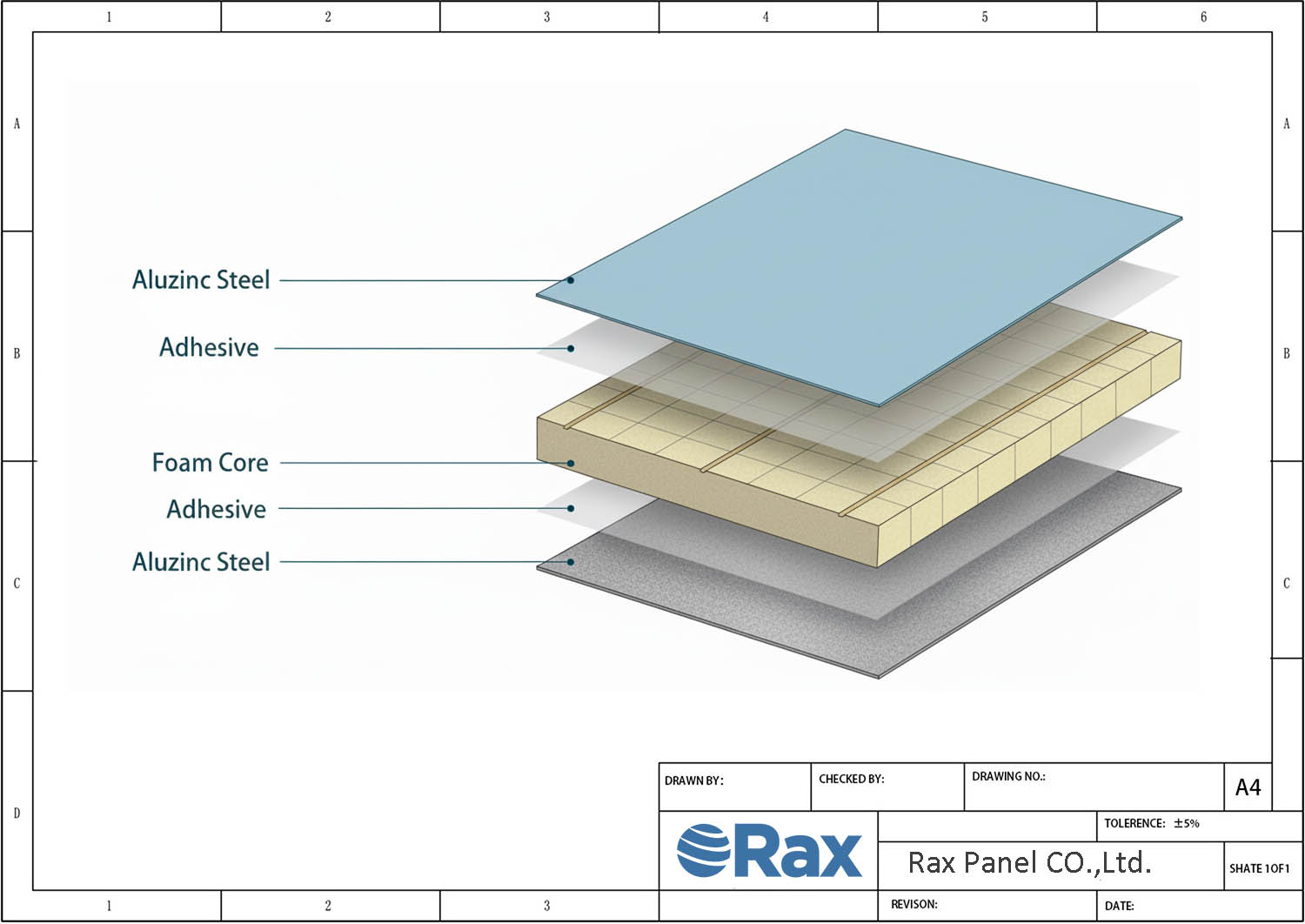
Pricing is rarely arbitrary; it is a mathematical reflection of raw material indices (LME), core density, and the engineering grade of surface facings.
Raw Material Volatility: The Market Index Factor
The single largest variable in aluminum panel pricing is the cost of raw materials, which fluctuates based on global commodity indices. The skin material, typically aluminum alloy, is directly tied to the London Metal Exchange (LME) prices. When LME aluminum highs rise, panel costs increase almost linearly. Beyond the metal skin, the core materials—derived from petrochemicals—are subject to crude oil market volatility.
For B2B buyers, this means quotes are often valid for a limited window (typically 15-30 days). A significant price gap between two bids often simply reflects which manufacturer is hedging their raw material purchases more aggressively or using older inventory bought at lower rates. It is critical to verify if the quoted price includes a “raw material surcharge” clause, which protects the manufacturer but introduces budget uncertainty for the project buyer.
Core Material Economics: Density vs. Performance
The core constitutes the bulk of the panel’s volume and is the primary differentiator in cost structure. Moving from standard insulation to structural cores significantly alters the bill of materials. Below is the hierarchy of cost drivers found in advanced composite panel manufacturing:
- Economy Insulation (Lowest Cost): Standard PU (Polyurethane) and XPS (Extruded Polystyrene) foams are the most cost-effective solutions for basic thermal insulation. They are widely used in applications where high structural load-bearing is not the primary concern.
- Mid-Range Performance: PET (Polyethylene Terephthalate) and PVC (Polyvinyl Chloride) foams represent a moderate price increase. They offer superior fire resistance, better adhesive properties, and higher compressive strength compared to PU or XPS, justifying the cost premium in safety-critical environments.
- High-Performance Structural: Advanced foams such as PMI (Polymethacrylimide), EPP (Expanded Polypropylene), and MPP (Microporous Polypropylene) are engineered for extreme strength-to-weight ratios. These materials are significantly more expensive due to complex manufacturing processes and are typically reserved for aerospace, high-end automotive, or specialized industrial applications.
- Honeycomb Efficiency: PP (Polypropylene) Honeycomb and Aramid Honeycomb cores offer exceptional stiffness with very low density. While the raw material usage is low, the precision manufacturing required for expansion and bonding drives the price up. They are often cost-effective when weight reduction is the priority over pure R-value insulation.
Facing Material & Finish Tier Pricing
While “aluminum panel” is the generic term, the specific skin material drastically impacts the final unit price. The industry has moved beyond simple painted aluminum into composite facings that offer specific chemical or structural advantages.
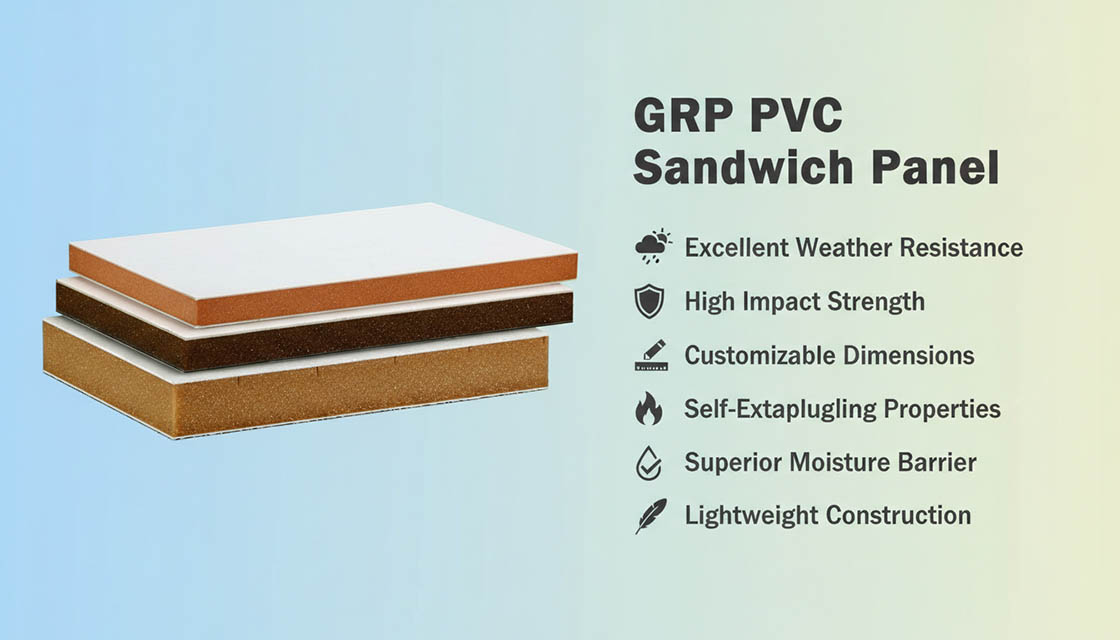
Standard aluminum skins remain the baseline. However, Stainless Steel or Aluzinc facings increase material costs due to higher alloy prices and processing hardness. In the composite sector, GRP (Glass Reinforced Polymer) and FRP skins are generally price-competitive with aluminum but offer superior corrosion resistance, which can lower lifecycle maintenance costs. At the top of the pricing pyramid are CFRT (Continuous Fiber Reinforced Thermoplastic) skins; the raw carbon fiber cost and the specialized heat-bonding technology required make these panels a premium investment for high-performance lightweighting needs.
Be wary of “standard” pricing that does not specify skin thickness. A manufacturer may lower their price by reducing the aluminum skin gauge from 0.8mm to 0.5mm. While this meets a generic “aluminum panel” description, it compromises flatness and impact resistance, leading to higher installation and repair costs downstream.
How to Verify Quality Standards for Aluminum Panels
Validating aluminum sandwich panel quality demands strict adherence to three specific performance metrics: fire safety compliance, bond integrity, and geometric accuracy. Each requires third-party test data, not supplier claims.
Fire Safety Compliance Verification
Fire performance is the first specification buyers must validate, and it is also the most frequently misrepresented. A supplier claiming “Class A fire rating” without a corresponding test report is providing marketing language, not technical assurance. The correct verification path requires matching the panel’s fire classification to the testing standard under which it was evaluated.
In North American and European markets, the two dominant standards are ASTM E84 for surface burning characteristics and EN 13501-1 for fire classification of construction products. Under ASTM E84, a Class A rating requires a flame spread index of 0 to 25 and a smoke developed index not exceeding 450. Under EN 13501-1, the equivalent classification is A2-s1,d0 or B-s1,d0, depending on the core material composition and binder chemistry.
The core material is the primary determinant of fire performance. Polyisocyanurate (PIR) cores typically achieve Euroclass B or C when formulated with flame retardants, while phenolic foam cores can reach Euroclass B. Aluminum honeycomb cores are inherently non-combustible and will meet A2-s1,d0 classification by default. XPS and PVC cores, by contrast, are combustible and generally cannot achieve a Class A rating without additional fire barrier treatments. Buyers should cross-reference the core material listed in the data sheet against the fire rating claim. A mismatch between the two is a red flag.
When requesting a test report, verify the following: the testing laboratory must be ISO 17025 accredited, the report must reference the exact panel configuration (skin thickness, core type, total thickness) being purchased, and the report date should not exceed three years. Outdated reports may not reflect current production formulations. A qualified buyer will request the full test report, not just a certificate summary page.
Some suppliers present test reports for a different panel thickness or core variant than what they are selling. Always confirm that the tested configuration matches your order specifications exactly. A report for a 50mm PIR panel does not validate a 100mm PIR panel.
Peel Strength Adhesion Testing
Peel strength measures the bond integrity between the aluminum skin and the core material. It is the single most important indicator of long-term panel durability under thermal cycling, mechanical stress, and moisture exposure. Low peel strength leads to delamination, which compromises both structural performance and thermal insulation value.
Assessing the bond durability between the aluminum skin and the core material requires precise testing methodologies that measure resistance to delamination forces. The standard test method is ASTM D903, which measures peel strength in kilonewtons per meter (kN/m). For aluminum-faced panels with foam cores, a minimum peel strength of 0.6 kN/m is widely accepted as the industry baseline. Panels intended for exterior cladding or structural applications should target 0.8 kN/m or higher. Honeycomb-core aluminum panels typically exceed 1.0 kN/m due to the mechanical interlock between the aluminum faces and the honeycomb cell walls.
Buyers should request peel strength data from the supplier’s quality control reports or independent test certificates. The data should specify the test method, the sample orientation (180-degree peel is standard), and the average value across multiple test specimens. A single data point from one test is insufficient. Look for a minimum of five specimens tested, with the reported value being the average. Variance between specimens should not exceed 15 percent. High variance indicates inconsistent adhesive application or uneven curing during lamination.
Adhesion performance degrades under environmental stress. If a project involves high humidity, temperature swings above 60 degrees Celsius, or direct weather exposure, buyers should request post-environmental-conditioning peel strength data. Panels that have been subjected to thermal cycling or water immersion testing will show how the bond holds under real-world conditions. Suppliers who cannot provide this data are typically relying on fresh-lamination results that do not reflect in-service performance.
When evaluating peel strength claims, ask whether the test was performed on panels aged 30 days post-production or on freshly manufactured panels. Adhesive bonds continue to cure and strengthen over the first month. Data from panels tested within 72 hours of production may underrepresent the final bond strength.
Flatness and Dimensional Tolerance Verification
Flatness is a critical quality parameter for aluminum sandwich panels, particularly for architectural facades, interior partitioning, and transportation applications where visible surface distortion affects both aesthetics and installation precision. Panels that are out of flatness create gaps in joint sealing, compromise waterproofing, and can lead to costly on-site rework.
Surface flatness serves as the primary benchmark for evaluating a panel’s geometric quality and its suitability for high-precision architectural applications. The standard flatness tolerance for aluminum sandwich panels is defined in EN 14509. For panels up to 2.5 meters in length, the maximum allowable deviation is 3 millimeters per meter of span. For panels longer than 2.5 meters, the tolerance is typically 3 millimeters across the full panel length, not per meter. A 4-meter panel with a 3 mm total deviation meets standard; a 4-meter panel with a 6 mm deviation does not.
Flatness is influenced by several manufacturing variables: core material density consistency, adhesive cure uniformity, lamination pressure distribution, and thermal stabilization during production. Panels with uneven core density will warp as the adhesive cures at different rates across the sheet. Buyers should request flatness data from the supplier’s production quality records. The data should include measurements taken at multiple points across the panel surface, not just corner readings.
Thickness tolerance is the related specification that buyers must verify alongside flatness. EN 14509 specifies a thickness tolerance of +/- 10 percent for foam-core panels and +/- 5 percent for honeycomb-core panels. A 50mm panel with a +/- 10 percent tolerance can measure anywhere between 45mm and 55mm. This variation matters for structural calculations, R-value predictions, and joint design. Buyers working on projects with strict dimensional requirements should specify a tighter tolerance band in the purchase order and confirm the supplier can meet it before committing to volume production.
Visual flatness inspection should also be performed on incoming shipments. Place the panel face-down on a flat reference surface and check for rocking or gaps at the edges. A panel that rocks on a flat surface has a flatness defect that may not be captured in factory test reports, which are typically taken from sample panels rather than every production batch. For large orders, a third-party inspection during loading is a cost-effective way to catch flatness deviations before the panels leave the factory.
Red Flags to Watch for When Vetting Manufacturers
The difference between a reliable supplier and a risky one often shows up in four critical areas: sample consistency, documentation transparency, third-party validation, and production capacity visibility.
Discrepancies Between Sample and Bulk Quality
Receiving a perfect sample only to discover bulk production falls short is one of the most costly surprises in B2B procurement. Thin aluminum skins, inconsistent core density, or surface coating defects that weren’t visible in a small test piece can derail an entire project. We’ve seen buyers lose weeks of lead time and face costly rejections when the first shipping container didn’t match the approved sample.
The red flag here is a supplier who guarantees sample quality but avoids committing to the same standards for mass production. Ask specifically about their quality control checkpoints between sample approval and bulk run. At our facility, we maintain batch consistency by running the same continuous curing process across all production lines, and we photograph and video-record samples from each batch before packaging. This eliminates the “golden sample” trap entirely.
- Flatness deviation: Bulk panels that exceed ±1.5 mm/m flatness tolerance indicate inconsistent lamination pressure or core compression during curing.
- Color consistency: Visible shade variation between sample and bulk points to different coating batches or insufficient UV stabilization in the paint system.
- Edge delamination: If the aluminum skin separates at panel edges in bulk but not in samples, adhesive curing parameters are likely being compromised in higher-volume runs.
Vague Technical Specifications or Data Sheets
A manufacturer that provides generic data sheets with incomplete thermal conductivity values, missing fire rating classifications, or vague density ranges is signaling either incompetence or concealment. Professional suppliers publish test reports with exact figures, not marketing language. When a supplier writes “high thermal resistance” instead of quoting a specific lambda value in W/(m·K), treat it as a warning.
Our engineering team requires that every project specification includes measurable thresholds before we begin prototyping. If you’re sourcing PIR foam core panels, the data sheet should state thermal conductivity at 10°C (typically 0.022–0.025 W/(m·K)), not just “excellent insulation.” For aluminum skins, specify coating type—PVDF, polyester, or polyurethane—because each has fundamentally different weathering performance. A responsible supplier will offer this breakdown without being prompted.
Absence of Third-Party Quality Certifications
In industries where fire safety and structural performance are non-negotiable—such as transportation, marine, and building facade applications—internal quality claims are insufficient. Certifications from recognized bodies like ISO 9001, EN 15254-5 for fire testing, or CE marking under the Construction Products Regulation provide independent verification. A supplier that cannot produce current certification documents on request is operating without the quality infrastructure serious buyers require.
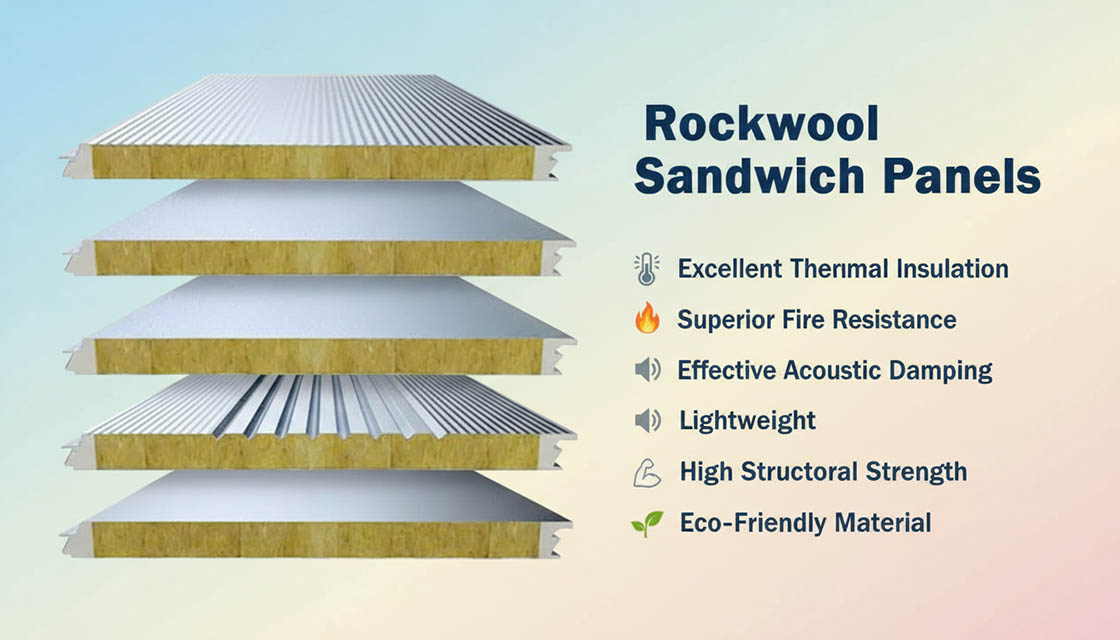
We maintain active ISO 9001 certification and conduct periodic third-party fire performance testing on our PIR and rockwool core panels. For projects in Europe or North America, we also provide EN 13501-1 fire classification reports and material safety data sheets. If your target market has specific regulatory requirements, a qualified manufacturer should already be familiar with them and able to demonstrate compliance proactively.
A manufacturer who deflects questions about factory size, daily output, or production line configuration is hiding something. It could be a trading company posing as a producer, a facility operating below advertised capacity, or a operation that outsources critical processes to unvetted subcontractors. For B2B buyers managing large-volume orders, production transparency is directly tied to delivery reliability.
We openly share our production metrics because they reflect confidence in our operation. Our advanced composite panel production line covers a daily output area exceeding 1,700 square meters, and our team of experienced technicians monitors each stage from core material preparation through final curing and quality inspection. When prospective buyers request a factory audit or virtual walkthrough, we accommodate it without hesitation. Suppliers who push back on these requests should be evaluated carefully before signing any purchase agreement.
- Asking for video tours: A credible manufacturer will provide a live video call walking through the production floor, not just pre-recorded marketing footage.
- Requesting production schedules: Suppliers comfortable with their capacity will share realistic lead time estimates for your order volume.
- Verifying in-house vs. outsourced processes: If a supplier cannot clearly explain which processes happen on-site versus third-party, core quality control is compromised.
Conclusion
Sourcing aluminum sandwich panels isn’t about finding the cheapest FOB quote. It’s about understanding total landed cost, verifying core material performance, and confirming the manufacturer can back up their specs with independent test certificates. Pick the wrong PIR density or skin gauge, and you’re looking at warranty claims and project delays — not savings.
- Calculate total landed cost, not just unit price
- Request third-party fire and thermal test certificates before ordering
- Confirm core material (PIR vs. XPS) matches your project’s fire rating requirements
- Treat our engineering team as a technical resource — we’re happy to review your specifications and answer design questions at any stage, no obligation
Frequently Asked Questions
What causes core delamination in aluminum sandwich panels?
Core delamination occurs when the bond between the aluminum skin and core material weakens over time, often due to moisture ingress, improper adhesive selection, or exposure to extreme temperature fluctuations. Low-quality manufacturing processes and inadequate surface preparation of the aluminum facings before bonding are also common culprits. Reputable manufacturers use controlled curing processes and quality adhesive systems to prevent this failure mode.
How do PIR and XPS foam cores differ in performance?
PIR (polyisocyanurate) offers superior thermal insulation with a lower thermal conductivity value compared to XPS, making it more energy-efficient. However, XPS provides better moisture resistance and compressive strength. PIR also generally achieves higher fire ratings, while XPS remains a cost-effective option for less demanding thermal applications.
What fire ratings are available for aluminum sandwich panels?
Aluminum sandwich panels can achieve various fire ratings depending on the core material selected. PIR cores typically meet EN 15254-5 Class S3, D0, A2 classifications, while mineral wool cores can reach non-combustible A1 ratings. XPS and PVC cores generally carry lower fire classifications. Buyers must verify that the chosen panel configuration complies with local building codes and project-specific fire safety requirements.
Which aluminum grades are used for sandwich panel facings?
Common aluminum grades include 1050, 1100, 3003, and 5052, each offering different balances of strength, formability, and corrosion resistance. 1100 provides excellent corrosion resistance and is widely used for architectural applications. 3003 and 5052 offer higher strength levels suitable for structural applications. The choice depends on the required mechanical performance and environmental exposure conditions.
What coating options protect aluminum panel surfaces?
Standard coating options include PVDF (polyvinylidene fluoride) and polyester finishes. PVDF coatings provide superior resistance to UV fading, chalking, and chemical exposure, making them ideal for exterior architectural applications. Polyester coatings offer a cost-effective alternative with good color retention for interior or sheltered uses. Some manufacturers also provide primer-coated panels for on-site painting flexibility.
What is the difference between aluminum honeycomb and foam core panels?
Aluminum honeycomb panels offer exceptional strength-to-weight ratios and are ideal for high-load structural applications such as aerospace and transportation. Foam core panels provide superior thermal and acoustic insulation at a lower cost, making them better suited for building envelopes and cold storage. The choice depends on whether structural performance or insulation efficiency is the priority for the project.
What thickness options are available for aluminum sandwich panels?
Aluminum sandwich panels are available in a range of thicknesses to suit different applications, typically from 10 mm to 100 mm or more depending on the core material and structural requirements. Thinner panels are commonly used for interior partitioning and signage, while thicker configurations support exterior cladding, roofing, and structural wall systems. Custom thicknesses can be engineered to meet specific project load and insulation requirements.