
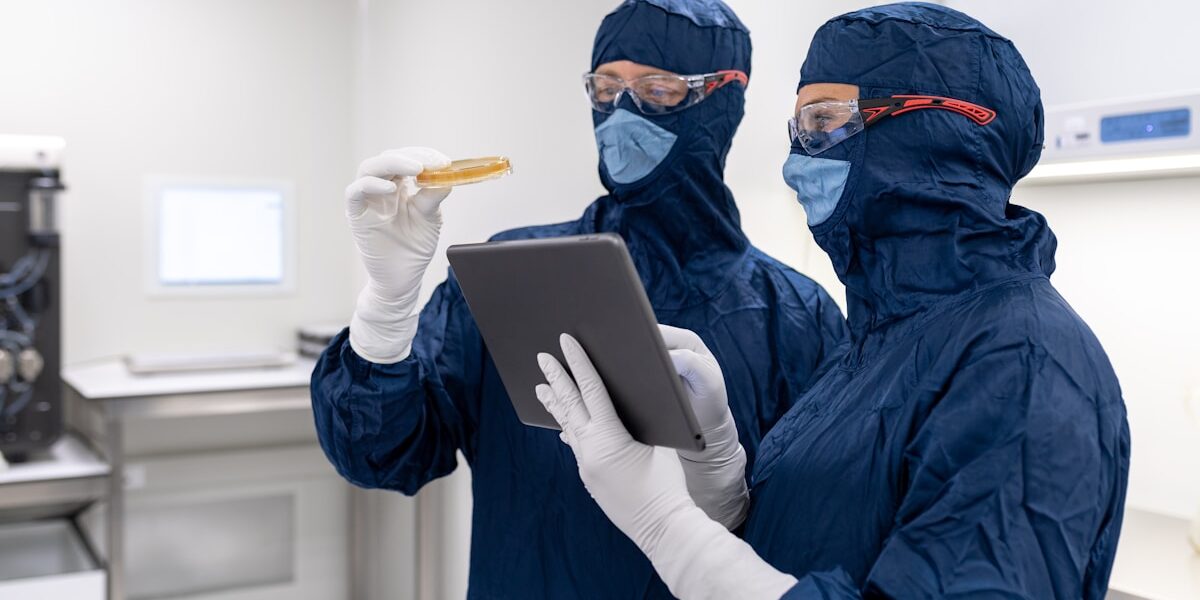
A clean area is the critical line of defense in pharmaceutical manufacturing, separating a stable product from a contamination event. Unlike standard industrial spaces, a clean area is a controlled environment where parameters like temperature, humidity, differential pressure, and airborne particulates are constantly monitored to satisfy strict regulatory requirements.
At RaxPanel, we design enclosure systems specifically for these high-stakes environments because we know that adhering to GMP or ISO standards is not optional. If your facility does not meet these benchmarks, your products are legally barred from sale in key global markets.
This analysis clarifies the specific distinctions between GMP Grades A through D and the vital differences between ‘At Rest’ and ‘In Operation’ states to ensure your facility design supports your contamination control strategy from day one.

What Is a Pharmaceutical Clean Area?
Defining the Pharmaceutical Clean Environment
A pharmaceutical clean area is far more than just a room that looks tidy; it is a systematically engineered space designed to control the concentration of airborne particles and environmental conditions. In the pharmaceutical industry, this environment functions as a critical barrier. It is a designated zone with defined boundaries, governed by strict process rules to prevent contamination from entering the manufacturing process or being generated by the process itself. Unlike standard manufacturing spaces, these areas operate under a “status of control,” meaning parameters like air quality, pressure, temperature, and humidity are continuously monitored and maintained to meet specific regulatory criteria.
The Critical Role of Airborne Particulate Control
The primary enemy in any pharmaceutical manufacturing facility is the invisible airborne particle. Particulates act as transport vehicles for microorganisms such as bacteria and mold. If a particle lands on a sterile product or an exposed surface, it compromises the entire batch. therefore, the core function of a clean area is to limit the presence of these particles to statistically safe levels. This is achieved through High-Efficiency Particulate Air (HEPA) filtration and frequent air changes, which flush the room of contaminants. The industry relies on classification standards—such as ISO 14644-1—to quantify exactly how many particles of a specific size (0.5 microns and 5.0 microns) are permitted per cubic meter of air. Controlling these particles is not optional; it is the fundamental mechanism that protects patient safety and ensures drug efficacy.
Linking Physical Design to GMP Standards
Good Manufacturing Practice (GMP) standards dictate that the physical design of a clean area must support its operational cleanliness goals. You cannot achieve an air quality standard with a room that harbors dirt in its corners. The physical infrastructure—walls, ceilings, floors, and lighting—must be constructed to be smooth, impervious, and easy to clean, leaving no crevices where microbes can hide. The design must also facilitate a “pressure cascade,” ensuring air flows from cleaner areas to less clean areas to prevent contamination backflow. By integrating these physical attributes with GMP protocols, manufacturers create a resilient system where the environment actively works to maintain sterility rather than just passively housing the production line.
- Material Integrity: Surfaces must be non-shedding and chemically resistant to withstand rigorous sanitization protocols without degrading.
- Airflow Strategy: HVAC systems are designed to create positive pressure relative to adjacent non-clean areas, pushing potential contaminants out rather than pulling them in.
- Accessibility: The layout allows for easy maintenance and cleaning of equipment without violating the clean area’s integrity.
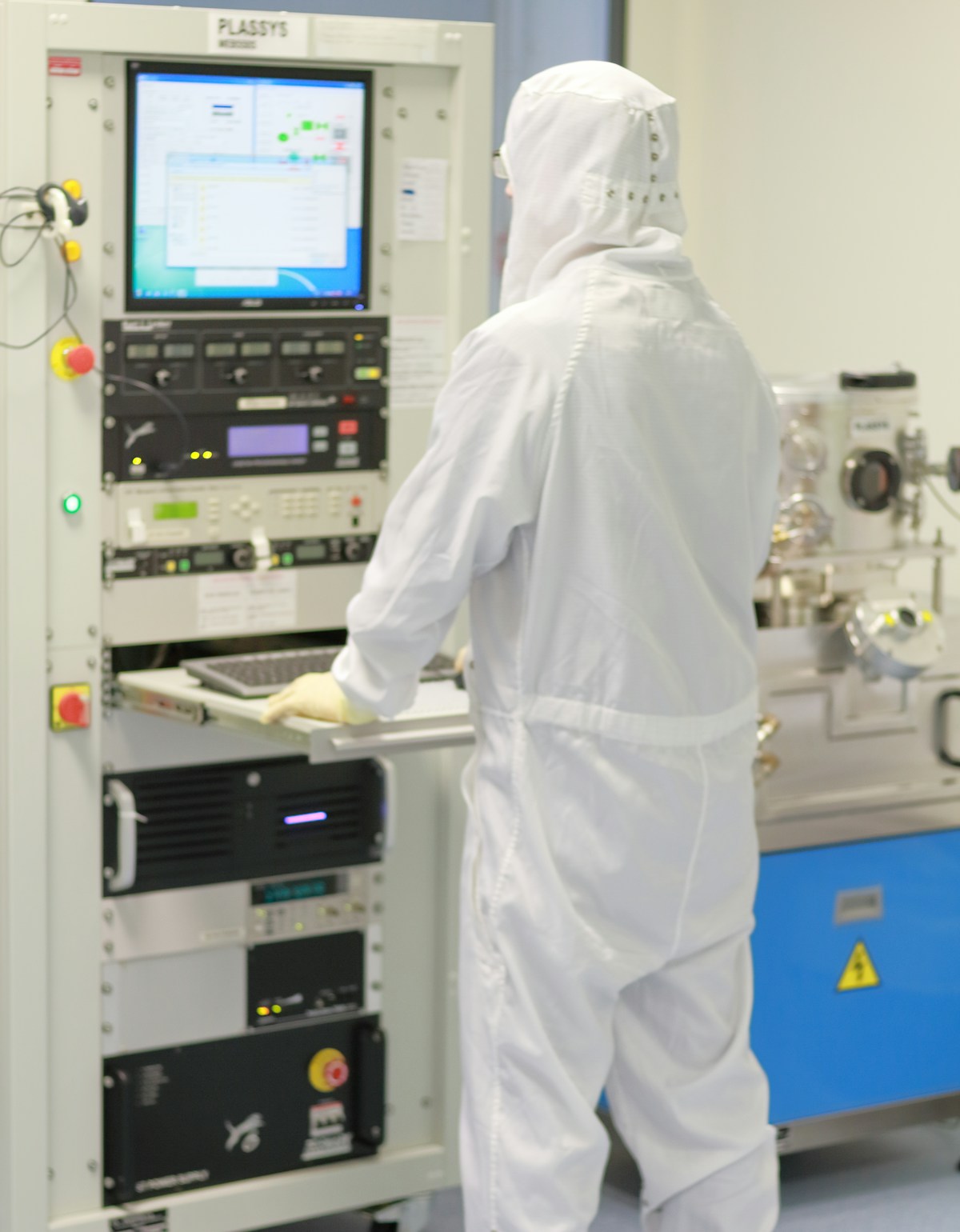
At Rest vs. In Operation: What’s the Difference?
In pharmaceutical cleanrooms, “At Rest” represents the baseline cleanliness with the HVAC running but no personnel present, while “In Operation” represents the real-world scenario during active manufacturing. Regulatory bodies prioritize the “In Operation” state because it reflects the actual contamination risk to the product.
Defining the ‘At Rest’ State
Think of the “At Rest” state as a cleanroom on standby. In this condition, the facility is fully built and equipped with all services functioning. The Heating, Ventilation, and Air Conditioning (HVAC) system is running at full capacity, and the filtration systems (like HEPA filters) are actively purifying the air. However, there are no people inside, and no manufacturing equipment is operating.
This is the “best-case scenario” for the room. It demonstrates the theoretical cleanliness level the environment can achieve when it is undisturbed. For certification purposes, this state is easier to pass because it eliminates the two biggest sources of contamination: human movement and process-generated particles. If your room cannot meet its classification “At Rest,” there is a fundamental flaw in the design or construction of your panel system or HVAC airflow.
Defining the ‘In Operation’ State
The “In Operation” state is the reality check. This is the condition where the cleanroom is actually performing its intended function. Personnel are present, carrying out their tasks, and manufacturing machinery is running. Materials are being moved in and out, and doors are opening and closing.
From a regulatory perspective, this is the only state that truly matters for product safety. It is a dynamic environment where air turbulence is caused by movement and heat loads from equipment. Maintaining the required particle count in this state is significantly more difficult. While the “At Rest” state proves the room was built correctly, the “In Operation” state proves it works correctly under stress.
The Impact of Human Activity on Classification
Humans are the primary variable that shifts a cleanroom from “At Rest” to “In Operation.” Even with sterile gowns, people generate significant amounts of particles—simply by moving, skin flakes shed, and microscopic droplets are released from breathing or talking. This activity forces the cleanroom classification to relax; for example, a Grade B area at rest might only perform as a Grade C area when fully operational.
Because of this, the physical materials used to construct the room must be resilient against disturbance. In our experience, we have found that smooth, non-shedding surfaces are critical here. When personnel brush against a wall or air currents shift, inferior materials can release trapped particles back into the air. We utilize FRP sheets with gelcoat finishes specifically for this reason; the smooth, sealed surface prevents particles from embedding in the wall structure, making it easier to maintain the stricter “In Operation” limits during active production.
- Movement: Rapid walking disturbs laminar airflow, creating eddies that can stir up contaminants from the floor or lower surfaces.
- Volume: The more personnel in the room, the higher the particle count, pushing the environment closer to its classification limit.
- Interaction: Frequent door openings compromise pressure differentials, potentially allowing less clean air to infiltrate the sterile zone.
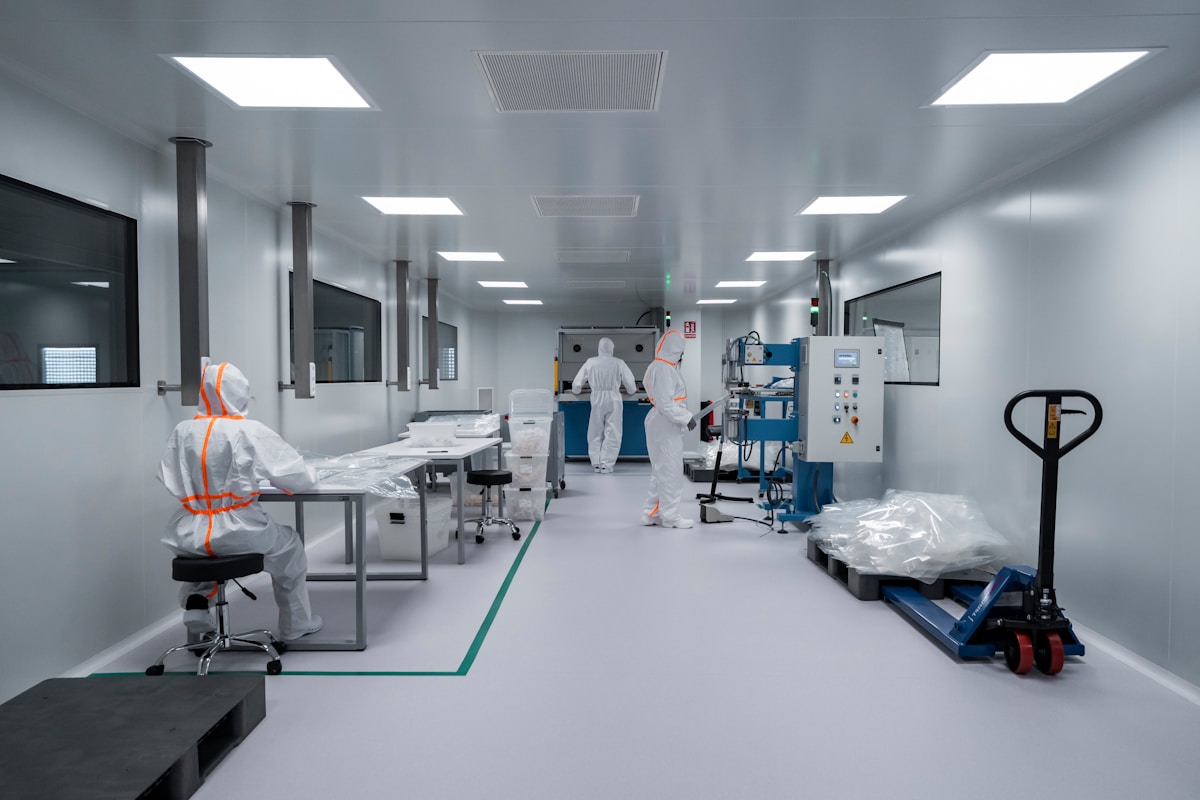
What Is EU GMP Grade A?
High-risk aseptic operations, where product exposure is greatest, require EU GMP Grade A—the highest cleanliness classification equivalent to ISO Class 5.
This standard extends beyond clean walls or filtered air, functioning as a tightly controlled zone where airborne particles and microbial levels are held to exact numerical limits, monitored continuously, and enforced through strict procedural discipline. These controls are most critical during high-risk aseptic operations—such as filling, stopper handling, and other open-vessel procedures—where the product is directly exposed to the environment. Understanding how Grade A achieves these limits requires examining the two measurable dimensions that set it apart from lower grades.
What Makes Grade A Distinct from Lower Grades?
Grade A differs from Grades B, C, and D primarily in two measurable dimensions: particle concentration and microbial load. It is the only grade that mandates unidirectional (laminar) airflow at all times during operations. This airflow pattern sweeps contaminants away from the product exposure zone rather than allowing them to settle or circulate unpredictably. Lower grades rely on turbulent mixed airflow and accept significantly higher particle and microbial thresholds.
Particle Count Limits at Grade A
The particle limits for Grade A are defined by their equivalence to ISO Class 5 under ISO 14644-1. The maximum allowable concentrations are:
- ≥0.5 µm particles: 3,520 per cubic meter
- ≥5.0 µm particles: 20 per cubic meter
These limits apply in both the “At Rest” and “In Operation” states, though the operational state is far more challenging to maintain because personnel activity introduces particles and microbes continuously. Achieving these numbers requires HEPA filtration, precise airflow velocity control (typically 0.45 m/s ±20%), and rigorous environmental monitoring.
Microbial Limits at Grade A
Particle counts alone do not define Grade A. Microbial contamination is equally critical, and the limits are exceptionally tight:
- Settle plates (4-inch agar, 4 hours): maximum 1 CFU per plate
- Air sampling (1 m³ via impinger or slit-to-agar): maximum 1 CFU per cubic meter
- Surface contacts (finger contacts or swabs): maximum 5 CFU per surface
These microbial thresholds are among the lowest achievable in any industrial environment. They demand not only advanced HVAC and filtration systems but also heavily restricted personnel access, stringent gowning protocols, and continuous real-time monitoring.
Where Grade A Is Applied in Practice
Grade A zones are reserved exclusively for the most contamination-sensitive steps in aseptic processing. Typical applications include:
- Sterile filling lines: where empty vials, ampoules, or syringes are exposed to the environment before sealing
- Stopper bowl and handling systems: where closures are transferred into the fill area
- Assembly of sterile components: such as attaching needles to pre-filled syringes in an open configuration
- Primary container filling and capping: any operation where the product is uncovered and directly exposed
In each of these scenarios, a single breach in contamination control can compromise an entire batch. That is why Grade A is never treated as a discretionary standard—it is a regulatory requirement for any process that cannot rely on terminal sterilization.
How Grade A Is Physically Sustained
Maintaining Grade A conditions requires an integrated system of engineering controls and procedural safeguards. The physical environment must deliver:
- Laminar airflow: HEPA-filtered air moving in a single, uniform direction across the critical zone at a controlled velocity
- Positive pressure cascade: Grade A must be at a higher pressure than its surrounding Grade B background to prevent contaminated air from flowing inward
- Continuous monitoring: real-time particle counters and microbial samplers provide live data, with alarms triggering if limits are approached or exceeded
- Environmental control: temperature and relative humidity are maintained within defined ranges to support both product stability and operator comfort during extended gowning
Grade A performance is often tested and certified “At Rest”—meaning the room is empty and stable. However, the true compliance challenge occurs “In Operation,” when personnel are present, equipment is running, and materials are being moved. A facility that passes At Rest certification but fails In Operation monitoring is non-compliant, regardless of how clean the room appears when vacant. Always design for the operational state, not just the static one.
Why Grade A Matters to Buyers and Specifiers
For pharmaceutical manufacturers and cleanroom contractors, Grade A is the benchmark against which aseptic processing capability is measured. Regulatory inspections focus heavily on Grade A zones because they represent the point of highest product risk. Any deviation—from a dropped particle count to a gowning breach—can result in a Form 483 observation, a warning letter, or batch rejection. Understanding Grade A requirements upfront allows buyers to specify the correct panel systems, airflow design, and monitoring infrastructure from the start, avoiding costly retrofits and validation failures down the line.
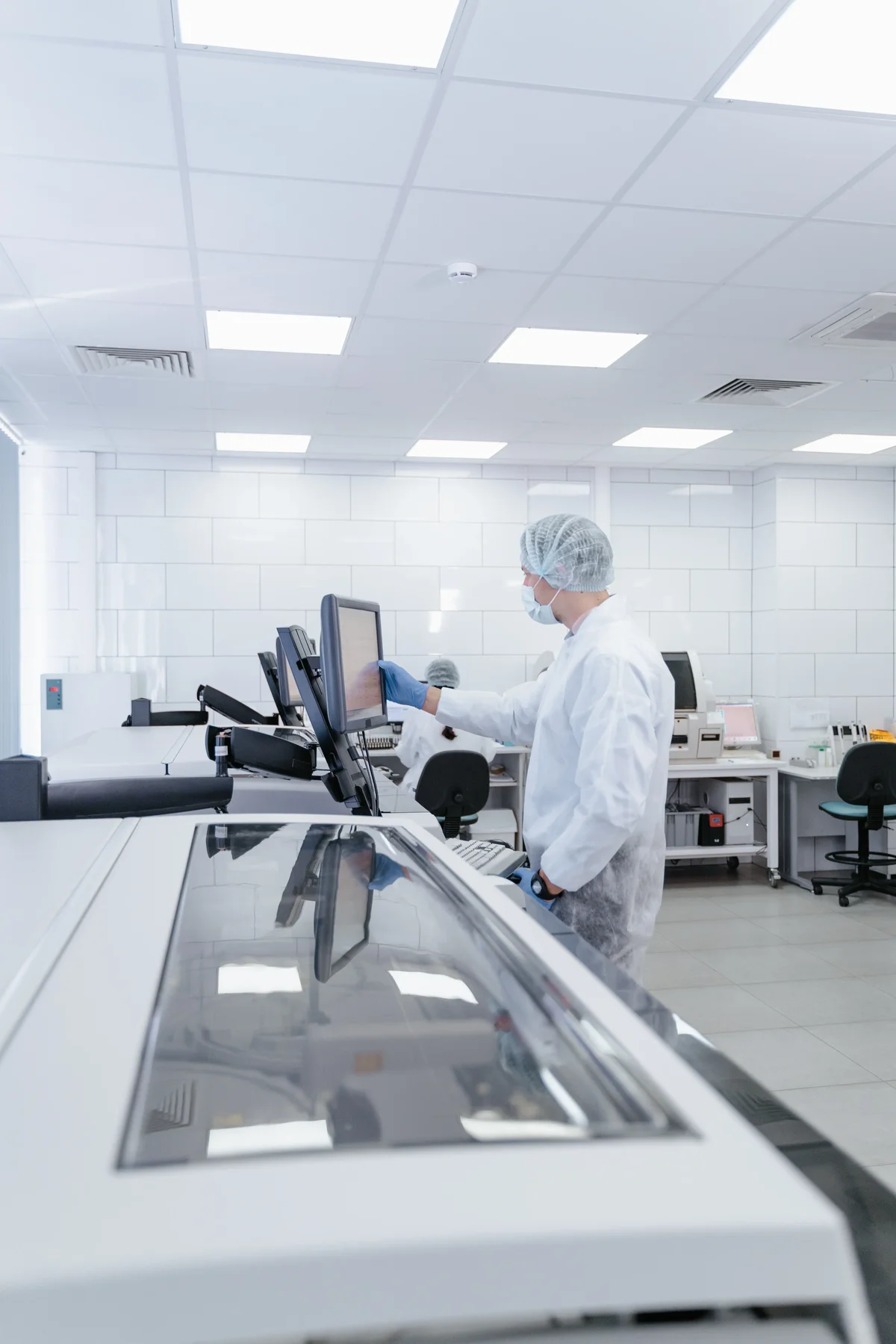
What Is EU GMP Grade B?
Functioning as a critical buffer zone, EU GMP Grade B corresponds to ISO Class 7 standards at rest. It maintains higher air cleanliness and stricter environmental controls than lower grades to protect the Grade A critical zone.
The Critical Role of the Background Environment
In pharmaceutical manufacturing, Grade B areas serve as the “buffer zone” or immediate background environment for Grade A zones, where high-risk operations like aseptic filling or stopper bowls occur. Think of Grade B as the airlock or the clean room surrounding the most critical “operating table.” Its primary purpose is to prevent contamination from entering the Grade A zone. Unlike general support areas, Grade B requires a controlled environment where air quality, temperature, and humidity are strictly monitored to ensure that even if the air drifts into the Grade A zone, it carries minimal risk of contamination.
ISO Classification and Particle Limits
To understand the technical demands of Grade B, one must look at its correlation with ISO standards. While Grade A aligns with ISO 5, Grade B is defined by the European Union GMP guidelines as achieving ISO 5 standards in the “at rest” condition. This means that when equipment is running but personnel are absent, the air must be extremely clean. However, when the room is “in operation” (with people working), the classification shifts to ISO 7, meaning the permissible particle count increases but remains strictly regulated.
Visualizing these strictness levels requires examining the specific particulate limits enforced at each state. For Grade B “at rest” (ISO 5), the maximum allowable particles ≥ 0.5 microns is 3,520 per cubic meter, and for particles ≥ 5.0 microns, it is 29 per cubic meter. While these limits relax slightly during operation, they are significantly tighter than the limits for Grade C and D, creating a controlled cascade of cleanliness.
Material and Construction Standards
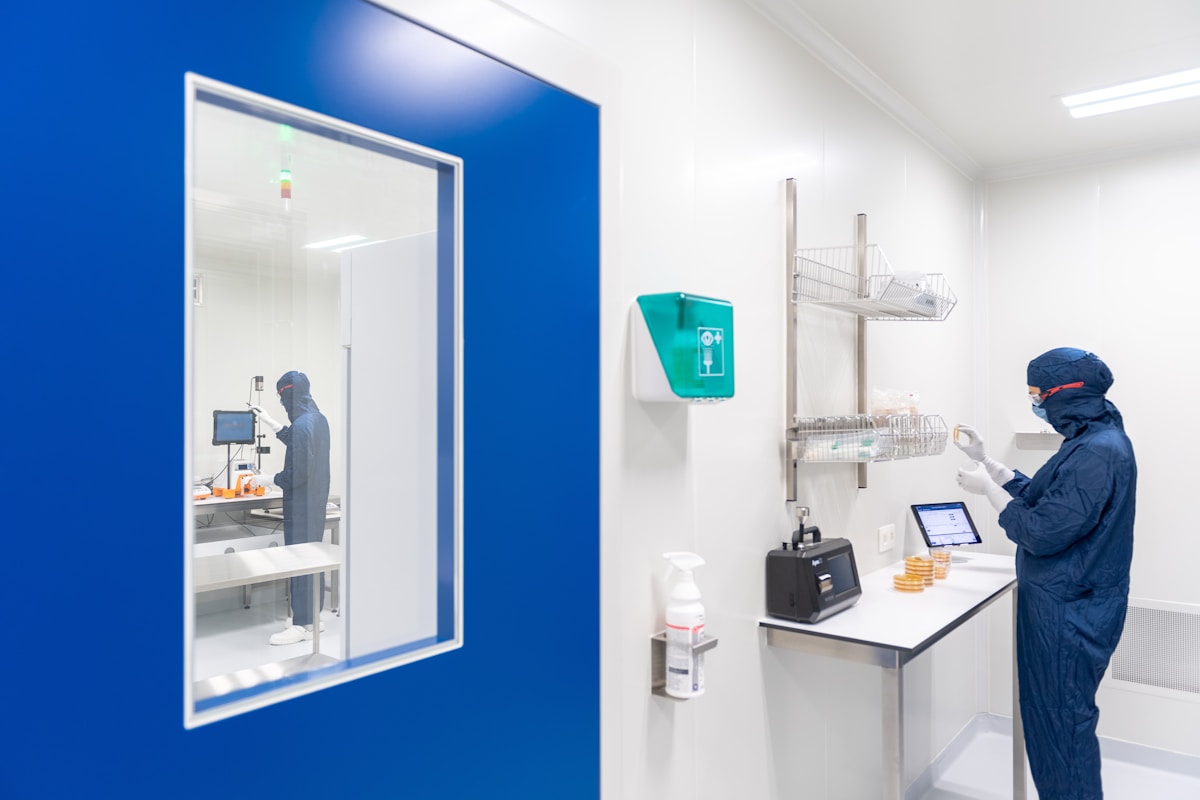
Achieving and maintaining these particle counts requires a robust physical infrastructure. The walls, ceilings, and floors in a Grade B area must be constructed from materials that are non-porous, non-shedding, and easy to decontaminate. Composite materials are specifically engineered to meet these needs. Unlike standard construction materials that can trap dust or harbor bacteria, specialized wall systems provide a continuous, smooth surface.
For this grade, the industry standard typically utilizes GRP/FRP Sandwich Panels (Glass Reinforced Plastic/Fiber Reinforced Polymer) or Stainless Steel Sandwich Panels. These panels often feature cores like PU (Polyurethane) or Rockwool for thermal insulation and stability. The key advantage here is the integral “gel coat” or smooth steel surface, which prevents the accumulation of particles and allows for rigorous cleaning with harsh chemicals without degrading the wall structure. In a Grade B environment, even the smallest crack or joint can become a contamination source, so flush mounting and seamless transitions are not just aesthetic choices—they are regulatory requirements.
Pressure Differential and Airflow
Aside from the physical walls, the “invisible” structure of air flow defines a Grade B room. It must maintain a positive pressure relative to adjacent lower-grade rooms (like Grade C or corridors) and a negative pressure relative to the Grade A zone in specific isolator setups, or simply a cascading positive pressure in traditional cleanrooms. This pressure cascade ensures that air always flows from the cleanest areas to the less clean ones, pushing potential contaminants away from the product. The HVAC systems supporting Grade B are typically designed for high air change rates (often 20-40 air changes per hour) to constantly dilute and remove any airborne particles generated by the process or personnel.
What Is EU GMP Grade C?
In terms of hierarchy, EU GMP Grade C is an intermediate classification for less critical stages, operating at ISO 7 at rest and ISO 8 during operation.
EU GMP Grade C functions as a critical support zone within pharmaceutical manufacturing, specifically facilitating the preparation of components and solutions that will later enter higher-grade sterile areas. Unlike Grade D, which may handle non-sterile manufacturing, Grade C is strictly a background environment for aseptic production. It ensures that when materials or personnel move into Grade B or A zones, the bioburden and particulate load are minimized, maintaining the integrity of the sterile chain.
Airborne Particulate Limits
The defining characteristic of Grade C is its dual-state classification. The particle limits shift depending on whether the room is “at rest” (functioning with equipment running but no personnel) or “in operation” (standard functioning with personnel). This flexibility allows for rigorous control during active manufacturing.
- At Rest (ISO 7 Equivalent): Maximum 352,000 particles/m³ (≥0.5µm); maximum 2,900 particles/m³ (≥5.0µm).
- In Operation (ISO 8 Equivalent): Maximum 3,520,000 particles/m³ (≥0.5µm); maximum 29,000 particles/m³ (≥5.0µm).
When validating a Grade C room, prioritize the “In Operation” state data. While “At Rest” proves the HVAC system works, the dynamic state reveals the true impact of human activity and gowning procedures on your air quality.
Primary Applications in Manufacturing
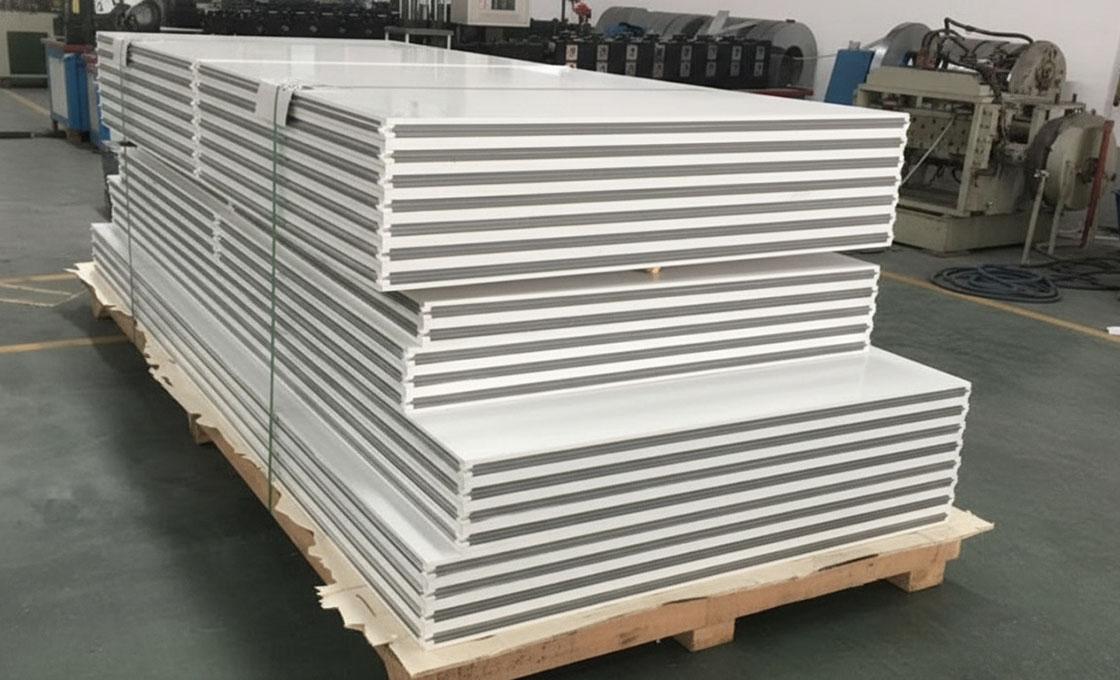
In the context of sterile drug production, Grade C areas are not where the final exposed product sits, but where the groundwork is laid. Walls in these areas typically utilize robust composite panel systems—such as Rockwool or PIR cores with steel facings—to provide the necessary thermal insulation and structural integrity required to maintain these environmental conditions.
- Solution Preparation: The weighing and compounding of solutions that will be sterilized by filtration before entering the aseptic core occur here.
- Component Handling: Primary packaging components (vials, stoppers) are prepared and washed in Grade C before being sterilized and transferred to Grade B.
- Aseptic Background: Grade C serves as the corridor or background environment surrounding Grade B zones, preventing external contamination from infiltrating critical areas.
What Is EU GMP Grade D?
Low-risk manufacturing operations such as bulk compounding take place in EU GMP Grade D, the lowest controlled classification corresponding to ISO 8. This tier covers activities including the preparation of non-sterile products and general material handling, where defined particulate and microbial limits provide the necessary environmental safeguards.
Defining Grade D: The Baseline for Controlled Manufacturing Environments
EU GMP Grade D represents the minimum tier of environmental control required for pharmaceutical manufacturing activities that carry low contamination risk. It serves as the foundational classification for operations where products are not intended for sterile administration but still demand protection from airborne particulates and microbial ingress. In practical terms, Grade D areas function as the “antechamber” to higher-grade zones — they protect downstream processes without imposing the extreme engineering controls required for aseptic operations.
Think of it like a buffer zone: just as an airlock between a dusty exterior and a clean interior reduces the amount of contamination carried inside, a Grade D area reduces the particulate and microbial load before materials or products enter Grade C or Grade B spaces. The controls are real and enforceable — just less stringent than those applied to critical operations.
Particulate and Microbial Specifications for Grade D
The European Medicines Agency (EMA) defines Grade D through explicit numerical thresholds for both airborne particles and microbial contamination. These limits apply to areas that are “at rest” — meaning the facility is operational but no personnel are present during the measurement. Understanding these baselines is essential for specification, validation, and compliance auditing.
- airborne particles ≥0.5 µm: Maximum of 3,520,000 particles per cubic meter (equivalent to ISO 8 limits).
- Airborne particles ≥5.0 µm: Maximum of 20,000 particles per cubic meter.
- Surface microbial — contact plates (Ø55 mm): Maximum of 100 CFU per plate (colony-forming units).
- Surface microbial — gloves: Maximum of 50 CFU per glove.
- Air microbial: Maximum of 10 CFU per cubic meter (settling plate method).
- Temperature: Typically maintained between 20°C and 24°C, though exact ranges are process-dependent.
- Relative humidity: Generally controlled between 45% and 65% to prevent microbial proliferation and ensure operator comfort.
These values are drawn directly from EU GMP Guidelines, Volume 4, Annex 1 (2022 revision). Any deviation from these thresholds constitutes a regulatory non-compliance event and must be addressed through corrective and preventive actions (CAPA).
Where Grade D Fits in the Pharmaceutical Manufacturing Workflow
Grade D is not a standalone concept — it exists within a tiered classification system that escalates in stringency as product exposure risk increases. The typical progression moves from Grade D → Grade C → Grade B → Grade A, with each step imposing tighter environmental controls and more rigorous monitoring requirements.
In a typical pharmaceutical facility, Grade D areas are where you will find:
- Component preparation and weighing: Raw materials and excipients are measured and staged in Grade D before being transferred to higher-grade zones.
- Assembly of non-sterile product packaging: Primary packaging components that will later enter Grade C or B areas may be handled here first.
- Equipment cleaning and decontamination: Surfaces and tools that will subsequently contact Grade C/B environments are cleaned in Grade D to prevent cross-contamination.
- Buffer rooms and gowning areas: Personnel transition from administrative zones into Grade C or B cleanrooms through Grade D anterooms, where initial gowning and air shower procedures occur.
- Storage of bulk intermediates: Semi-finished products awaiting further processing are held in Grade D-controlled storage before advancing to more restrictive environments.
Grade D vs. ISO 8: Understanding the Mapping Relationship
EU GMP Grade D and ISO 14644-1 Class 8 (ISO 8) are frequently treated as equivalent, but this equivalence has important nuances. Both define the same upper limits for particle counts per cubic meter of air. However, GMP Grade D goes further by adding microbial requirements that ISO standards do not address. ISO 14644 is purely a particulate classification system; it says nothing about surface contamination, air microbial load, or the operational behaviors required in a pharmaceutical environment.
This means a room can technically meet ISO 8 particulate specifications while still failing EU GMP Grade D compliance if microbial monitoring reveals unacceptable contamination levels. For this reason, experienced clean area designers treat ISO 8 as the minimum physical baseline and GMP Grade D as the operational and procedural framework that sits on top of it. Both must be satisfied simultaneously for full regulatory compliance.
Material and Construction Implications for Grade D Clean Areas
The walls, ceilings, and flooring in a Grade D environment must support the classification without becoming sources of contamination themselves. Smooth, non-shedding, cleanable surfaces are mandatory. Joint sealing, corner radii, and material compatibility with disinfectants are not optional — they are compliance requirements that auditors will inspect.
- Wall panels: Typically FRP (fiberglass-reinforced plastic) sandwich panels or CFRT (continuous fiber-reinforced thermoplastic) panels with smooth gelcoat finishes, providing a non-porous, wipeable surface resistant to standard disinfectants.
- Ceiling systems: Sealed, non-shedding panels with accessible plenums designed for HEPA filter integration and routine filter replacement.
- Flooring: Chemically resistant, coved flooring systems (epoxy or polyurethane) with a minimum 50 mm radius at wall-floor junctions to eliminate dust traps.
- Door and window assemblies: Gasket-sealed, smooth-surfaced frames with minimal crevices; double-glazed windows with sealed perimeters to prevent condensation and microbial harborage.
- HVAC integration: Minimum of 10–20 air changes per hour (industry standard range for Grade D), with HEPA filtration at supply outlets and monitored differential pressure relative to adjacent lower-grade zones.
Environmental Monitoring and Qualification Requirements
Grade D areas require a structured qualification and monitoring program. The three-stage validation process — Installation Qualification (IQ), Operational Qualification (OQ), and Performance Qualification (PQ) — applies equally to Grade D as it does to Grade A. The difference is in frequency and scope, not in the fundamental requirement for evidence.
- Particulate monitoring: Performed at rest and in operation, typically on a quarterly or semi-annual basis depending on risk assessment and historical data stability.
- Microbial monitoring: Surface contact plates and air settling plates are sampled at defined locations and frequencies. Airflow visualization and smoke studies may be conducted during initial qualification.
- Differential pressure monitoring: Continuous monitoring with alarms is required to confirm that Grade D maintains positive pressure relative to non-controlled areas and negative pressure relative to Grade C/B zones (direction depends on the specific process flow).
- Temperature and humidity: Recorded continuously or at defined intervals, with trending analysis performed annually to identify drift or seasonal deviations.
Requalification is triggered by any significant change — HVAC modification, panel replacement, process reconfiguration, or failure of any monitored parameter. The cost of requalification is modest compared to the cost of a regulatory warning letter stemming from undocumented qualification gaps.
Common Applications and Use Cases
Understanding where Grade D is applied helps determine whether your facility design and material selection align with actual operational needs. The following are representative use cases across the pharmaceutical and related industries:
- Oral solid dose (OSD) manufacturing: Weighing, blending, compression, and coating of tablets and capsules are routinely conducted in Grade D, with downstream packaging potentially requiring Grade C.
- Semi-solid product preparation: Ointments, creams, and gels that will not be sterile-filtered are prepared in Grade D environments before filling into primary containers.
- Non-sterile injectable product handling: Preparation of solutions that will undergo terminal sterilization (e.g., autoclaving) may begin in Grade D before the sterilization step.
- Biological product bulk processing: Cell culture harvest and downstream processing steps that precede viral clearance or filtration often occur in Grade D before entering Grade C for further purification.
- Medical device assembly (non-sterile): Assembly of devices that will be terminally sterilized by the end user or the device manufacturer may begin in Grade D-controlled spaces.
The unifying principle across all these applications is that Grade D protects the process from environmental contamination without requiring the extreme controls of higher grades. It is the most cost-effective classification that still delivers measurable contamination control — making it the workhorse of pharmaceutical manufacturing infrastructure.
Key Takeaways for Specification and Procurement
- Grade D = ISO 8 + microbial limits: Meeting the particulate standard alone is insufficient; microbial thresholds must also be demonstrated and maintained.
- Material quality must not be compromised: The same high-quality panel systems used in Grade A and B are appropriate for Grade D — downgrade only the monitoring intensity, not the construction quality.
- Validation is mandatory, not optional: IQ/OQ/PQ must be completed and documented before any Grade D area is released for production use.
- Design for transition: Grade D is often the first physical barrier between uncontrolled and controlled environments; its layout, gowning sequence, and pressure cascades must be designed to support the entire cleanroom hierarchy above it.
- Regulatory expectation is consistency: Auditors assess whether your Grade D practices reflect the same rigor as your higher-grade areas — sloppiness at the bottom tier is a credibility problem at every tier.
How ISO 14644 Maps to GMP Grades
EU GMP Annex 1 utilizes ISO 14644-1 as its benchmark. Grades A and B map to ISO Class 5, Grade C to ISO 7, and Grade D to ISO 8.
Understanding the relationship between ISO 14644 and GMP grades is critical for facility design, but it is often misunderstood as two competing standards. In reality, the pharmaceutical industry uses GMP (Good Manufacturing Practice) as the regulatory framework while adopting ISO 14644-1 as the technical “ruler” to measure air cleanliness. The latest revision of EU GMP Annex 1 explicitly defers to ISO 14644-1 definitions for particle limits, creating a direct bridge between regulatory compliance and engineering standards.
Mapping Grades A and B to ISO Class 5
The most critical areas in pharmaceutical manufacturing—such as aseptic filling lines and stopper bowls—require the highest level of control. Under the mapping standards, both Grade A and Grade B environments must meet the particle count limits of ISO Class 5 when “at rest” (when equipment is running but no personnel are present).
- Grade A (The Critical Zone): This is the high-risk local zone, often inside an isolator or laminar flow hood. It must maintain ISO Class 5 standards in both “at rest” and “in operation” states.
- Grade B (The Background): This is the surrounding cleanroom area supporting the Grade A zone. While it must meet ISO Class 5 limits “at rest,” it is permitted a higher particle count “in operation” (typically aligning with ISO Class 7) to account for human activity.
This distinction highlights a key industry pain point: achieving ISO Class 5 is relatively easy in an empty room, but maintaining the Grade A standard during active production requires rigorous environmental control and advanced engineering solutions.
Mapping Grades C and D to Support Areas
For less critical production stages, such as preparing solutions or handling components that will later be sterilized, the standards relax but remain strictly controlled via ISO classifications.
- Grade C aligns with ISO Class 7: This environment is suitable for medium-risk operations. The allowable particle limits are significantly higher than in Grade B, requiring less intensive air change rates but still demanding filtered air and smooth, cleanable surfaces.
- Grade D aligns with ISO Class 8: This is typically used for less critical operations, such as primary packaging or material handling. It represents the minimum standard for a cleanroom environment in pharmaceutical manufacturing, focusing on controlling gross contamination rather than ensuring sterility.
Implications for Cleanroom Construction
While the ISO standards define the air quality, the physical construction of the room determines whether that quality is achievable. The mapping directly influences the choice of wall and ceiling materials. For example, maintaining ISO Class 5 (Grade A) requires wall systems that are virtually non-shedding and resistant to frequent sterilization agents like VHP (Vaporized Hydrogen Peroxide).
Composite sandwich panels, often used in modern modular construction, must meet specific surface smoothness and sealing standards to ensure air filtration systems work efficiently. If the panel joints or surfaces degrade, creating particulates, the room cannot maintain its mapped GMP grade regardless of the HVAC power. Therefore, selecting materials that comply with ISO 14644-1 requirements for particulate generation is as vital as the air handling equipment itself.
| GMP Grade | ISO 14644 Class | Primary Application | Max Particle Count (≥0.5µm/m³) | Operational Context |
|---|---|---|---|---|
| Grade A | ISO Class 5 | Critical Aseptic Filling / High-Risk Operations | 3,520 | At Rest: ISO 5 | In Operation: ISO 5 |
| Grade B | ISO Class 5 | Background Area for Grade A Operations | 3,520 | At Rest: ISO 5 | In Operation: ISO 7 |
| Grade C | ISO Class 7 | Medium-Risk Production & Filling Operations | 352,000 | At Rest: ISO 7 | In Operation: ISO 8 |
| Grade D | ISO Class 8 | Low-Risk Operations & Material Preparation | 3,520,000 | At Rest: ISO 8 | In Operation: ISO 8 |
Where Each GMP Grade Fits in Manufacturing
GMP compliance is about risk management, not uniformity. You do not build the entire factory to the highest standard; you build it to the right standard. Matching the material specification to the specific manufacturing workflow is the single most effective way to ensure sterility without destroying the budget.
The Critical Core: Grade A Applications
Grade A represents the “high-risk” zone. This is where the product is most exposed to the environment, typically during aseptic filling or when the container is open. In this zone, the allowable particulate count is near zero, and the airflow must be unidirectional (laminar) to sweep away any particles instantly. The materials used here must withstand rigorous cleaning protocols, including vaporized hydrogen peroxide (VHP) or harsh chemical washes, without degrading or shedding.
- Typical Operations: Aseptic filling lines, stopper bowls, open vial handling, and connections of sterile tubing.
- Material Requirements: Surfaces must be non-porous, monolithic, and non-shedding. Stainless Steel Sandwich Panels (often 304 or 316 grade) are frequently utilized here for their durability and resistance to corrosion. Alternatively, specialized GRP/FRP Sandwich Panels with a high-performance gelcoat finish are used because the gelcoat provides a smooth, waterproof, and chemically resistant surface that prevents bacterial entrapment.
The Controlled Background: Grade B and C Applications
Grades B and C serve as the buffer zones protecting the critical Grade A core. Grade B is typically the background environment for an aseptic filling line, while Grade C handles less critical stages like the preparation of solutions or components that will be sterilized later. While the particulate limits are higher than Grade A, these areas still require rigid environmental control and excellent air change rates.
- Typical Operations: Aseptic preparation rooms, filling line backgrounds, and terminal sterilization cooling zones.
- Material Requirements: Insulation and fire safety become major priorities here due to the larger volume of space. PIR (Polyisocyanurate) Sandwich Panels and Rockwool Sandwich Panels are industry standards for these zones because they offer superior thermal insulation (maintaining stable HVAC conditions) and high fire resistance. Aluminum Honeycomb Panels are also a popular choice for partition walls in Grade C due to their high strength-to-weight ratio, providing excellent structural integrity without adding excessive load to the facility.
The Support Foundation: Grade D Applications
Grade D areas are the “lungs” of the manufacturing facility. They handle less critical tasks such as weighing of raw components, primary packaging handling, and equipment assembly. While these rooms are still considered clean areas compared to normal external environments, they allow for higher particulate limits. The focus here shifts from ultra-high sterility to durability, washability, and cost-efficiency.
- Typical Operations: Component weighing, gowning rooms, equipment washing, and storage of sterilized materials.
- Material Requirements: You need materials that can withstand physical impact and frequent cleaning but do not require the extreme specs of Grade A. Aluminum Sandwich Panels (including ACP – Aluminum Composite Panels) and Compact Laminate HPL Panels are widely used in Grade D. For flooring or heavy-duty zones, Plywood Facing Foam Sandwich Panels or Hollow Plastic Formwork can provide robust, economical solutions that meet the lower-tier regulatory requirements while maintaining a hygienic finish.
Conclusion
You need to distinguish between “At Rest” and “In Operation” states because regulators view human activity as the primary contamination vector. Matching your wall materials—like FRP sandwich panels—to the correct ISO grade ensures you pass validation and maintain stability. Grade A demands absolute control, while Grade D offers more leniency, but the physical envelope must always support your HVAC logic.
Our engineering team has handled these classifications for years and can review your layout drawings to spot airflow conflicts before construction starts. Treat us as a technical resource for your design questions with zero obligation. We can help confirm your panel specifications align perfectly with the rigorous GMP standards required for approval.
Frequently Asked Questions
What is the difference between a clean area and a cleanroom?
A clean area is any controlled environment where airborne particulate and microbial levels are managed to meet specific standards. A cleanroom is a subset of clean areas that uses engineered systems such as HEPA filtration, controlled HVAC, and pressure differentials to achieve and maintain those conditions. All cleanrooms are clean areas, but not all clean areas qualify as cleanrooms.
How do GMP and ISO classifications differ?
GMP grades focus on microbial and particulate control tailored to pharmaceutical manufacturing risk levels, while ISO 14644 defines cleanliness solely by airborne particle concentration. GMP adds requirements for personnel hygiene, surface materials, and operational controls that ISO does not cover. Both standards are often used together, with ISO providing the numerical framework and GMP dictating the regulatory expectations.
Why do operational issues appear after cleanroom validation?
Initial validation is typically performed at rest with minimal personnel, but real operations introduce human activity, material movement, and equipment heat loads that disrupt airflow patterns. HVAC systems may struggle to maintain class boundaries under dynamic conditions if design margins are insufficient. Ongoing monitoring and periodic requalification help identify and correct these gaps before they affect product quality.
Shared facilities use directional airflow, pressure cascades, and physical barriers to isolate different product lines. Separate air handling units and dedicated exhaust paths reduce the risk of airborne contamination transfer. Personnel and material flow routes are designed to minimize crossover, and strict gowning protocols further limit contamination potential between zones.
What makes cleanroom panels suitable for pharma use?
Pharmaceutical cleanroom panels must be non-shedding, chemically resistant, and easily cleanable with validated disinfectants. They feature smooth, seamless surfaces with coved corners to prevent dust accumulation and microbial harborage. Core materials like XPS, PET, or PU foam provide thermal insulation and moisture resistance, while facings such as GRP, stainless steel, or aluminum meet hygiene and durability requirements.
What does cleanroom validation involve?
Validation includes qualifying the HVAC system, mapping airflow and pressure differentials, performing particle and microbial sampling at rest and in operation, and documenting results against GMP or ISO criteria. It also covers qualification of cleanroom panels, seals, and surface materials to ensure they meet cleanliness and cleanability standards. Validation is an ongoing process requiring periodic requalification.
How should a pharma manufacturer choose a cleanroom panel supplier?
Evaluate the supplier’s experience in pharmaceutical-grade panel manufacturing, their range of core and facing material options, and their ability to provide customized solutions for specific GMP requirements. Review their production capacity, quality certifications, and track record with international clients. A supplier with in-house R&D and engineering support can better assist with design optimization and compliance alignment.