
Most procurement engineers focus on pump capacity when specifying portable toilets, yet the structural integrity of the enclosure usually fails long before the plumbing does. At RaxPanel, we have seen that while buyers often group HDPE and phenolic materials into the same “plastic” category, they are fundamentally different—HDPE is solid polyethylene, whereas phenolic consists of a compressed kraft paper core bonded with resin. This structural distinction is the single biggest predictor of whether a unit will withstand high-traffic construction sites or delaminate after one season in humid climates.
We analyze the weight-to-strength ratios of composite skins and the specific impact of gelcoat quality on long-term sanitation compliance. You will learn how to verify a manufacturer’s R&D standards and raw material traceability to ensure your supply chain avoids inferior imported components.
What to Look for When Buying a Portable Toilet
The difference between a portable toilet that lasts five years and one that fails in two comes down to material science—not price. Here’s what procurement engineers actually need to evaluate before signing a purchase order.
Most buyers enter the portable toilet market assuming they’re purchasing a finished product. In reality, they’re selecting a composite assembly where every layer—from the outer skin to the core matrix—determines structural longevity, hygiene compliance, and lifecycle cost. The following evaluation framework addresses the four critical decision points that separate commodity units from engineered sanitation systems.
Evaluating Durability of Composite Wall Skins and Cores
Wall skin durability in portable sanitation units is governed by two competing forces: mechanical impact resistance and cyclic vibration fatigue. Standard fiberglass-reinforced polyester (FRP) skins, while cost-effective, exhibit micro-crack propagation under repeated transport stress. Our engineering team has observed that units deployed on unpaved job sites or rotated between event venues develop visible stress fractures within 18 to 24 months when using conventional hand-laid GRP skins.
The superior alternative is Continuous Fiberglass Reinforced Thermoplastic (CFRT) skinning. CFRT sheets demonstrate significantly higher tensile modulus and elongation-at-break compared to thermoset FRP, meaning they absorb vibrational energy rather than transmitting it into crack initiation points. For mobile toilet applications where units are lifted, tilted, and secured repeatedly during transit, this material property difference translates directly into reduced warranty claims and extended service intervals.
- Skin selection criterion: Specify CFRT or high-modulus GRP with gelcoat reinforcement for high-vibration deployments; standard woven roving GRP is acceptable only for static, low-turnover installations.
- Core integrity check: The core material must maintain structural adhesion to the skin under thermal cycling. Delamination between skin and core is the primary failure mode in substandard sandwich panels and renders the unit structurally compromised regardless of skin quality.
- Impact resistance threshold: Units destined for construction sites should withstand minimum 15 Joule impact resistance at sub-zero temperatures; this specification should be verified through third-party test reports, not supplier claims.
Impact of Gelcoat Quality on Sanitation and Cleanability
Gelcoat is not merely a cosmetic finish—it is the primary sanitary barrier between the structural panel and the chemical agents used during routine cleaning. In portable toilet environments, surfaces are repeatedly exposed to quaternary ammonium compounds, chlorine-based sanitizers, and enzymatic waste treatments. Poor-quality gelcoat degrades under this chemical assault, leading to surface crazing, loss of gloss, and ultimately porous micro-textures that harbor bacterial colonies.
The thickness of the gelcoat layer is a critical specification. Industry-standard gelcoat application ranges from 0.4 to 0.6 millimeters. Layers below 0.4 mm risk premature permeation and blistering; layers above 0.6 mm introduce excessive brittleness and cracking under thermal expansion. Our lab tests confirm that gelcoat thickness in the 0.4–0.6 mm range, when properly cured with appropriate resin systems, provides optimal balance between chemical resistance and flexible adhesion to the substrate.
Surface finish quality directly correlates with cleanability efficiency. A high-gloss, non-porous gelcoat surface reduces contact angle for cleaning solutions, allowing sanitizing agents to sheet rather than bead. This means shorter contact time, less chemical usage, and more consistent pathogen elimination between user turnovers. For high-traffic event rentals where units may serve hundreds of users daily, this operational efficiency compounds significantly over a contract period.
- Gelcoat thickness verification: Specify minimum 0.4 mm and maximum 0.6 mm; request ultrasonic thickness measurements from the supplier as part of quality assurance.
- Chemical compatibility testing: Ensure the gelcoat formulation is compatible with the specific sanitizing chemicals your operations team uses; incompatible combinations accelerate degradation regardless of initial thickness.
- Anti-bacterial additive consideration: Some gelcoat formulations incorporate silver-ion or quaternary ammonium additives for sustained antimicrobial activity between cleanings. Evaluate total cost of ownership rather than upfront premium.
Weight-to-Strength Ratios in Modern Toilet Structures
Weight reduction in portable toilet construction is not an aesthetic preference—it is a direct operational cost driver. Every kilogram saved in panel construction translates to measurable fuel savings during fleet transportation, reduced structural load on mounting frames, and easier manual handling during site placement. For operators managing fleets of 50 or more units across dispersed locations, the cumulative weight difference between composite panel solutions and traditional materials represents a significant annual operating expense.
The weight-to-strength ratio is determined by the core material architecture and skin-to-core thickness proportion. Closed-cell foam cores such as PET and XPS provide excellent specific strength while maintaining structural rigidity. Honeycomb cores, particularly polypropylene (PP) honeycomb combined with fiberglass skins, achieve superior strength-to-weight performance by distributing mechanical loads across the hexagonal cell structure while minimizing material mass.
When evaluating weight specifications, procurement engineers should request areal density values (kilograms per square meter) rather than total unit weight. Areal density allows direct comparison between different panel configurations regardless of finished unit dimensions. This metric also enables accurate fuel consumption modeling for your transportation fleet and structural load calculations for vehicle mounting systems.
- Areal density benchmark: Quality composite sandwich panels for portable sanitation applications typically achieve areal densities between 8 and 14 kg/m² depending on core type and required structural grade.
- Specific strength comparison: PP honeycomb-core panels with GRP skins offer approximately 30 to 40 percent weight reduction compared to equivalent-strength XPS-core panels, making them preferable for roof and floor applications where cumulative fleet weight is critical.
- Structural deflection limits: Verify that selected panel configurations meet minimum deflection standards under specified load conditions; lightweight panels must not compromise structural integrity at mounting points or corner joints.
Our engineering team routinely designs custom panel configurations for RV and mobile sanitation manufacturers who require precise weight optimization without sacrificing structural performance. We evaluate each application’s specific load requirements before recommending core-skin combinations.
Core Material Selection: PU vs. PET vs. XPS Insulation
Core material selection determines three critical performance characteristics: thermal insulation efficiency, moisture resistance, and structural rigidity. The three most common foam core options—polyurethane (PU), polyethylene terephthalate (PET), and extruded polystyrene (XPS)—each present distinct trade-offs that must be evaluated against your specific deployment environment and operational requirements.
Polyurethane foam cores deliver the highest thermal insulation performance among the three options, making them the preferred selection for portable toilets deployed in extreme climate conditions where interior temperature stability is a compliance or comfort requirement. However, standard PU formulations exhibit varying degrees of moisture permeability over extended exposure, which can compromise insulation performance and create conditions favorable to mold growth within the core matrix.
PET foam cores represent the optimal balance for sanitation applications due to their completely closed-cell structure. This molecular architecture prevents water absorption entirely, eliminating the risk of core saturation, mold colonization, and insulation degradation in high-humidity environments. For portable toilet manufacturers serving event rental companies or construction site deployments where units face repeated wet cleaning cycles, PET core panels provide superior long-term hygiene stability despite a moderate thermal insulation premium compared to XPS alternatives.
XPS foam cores offer the most cost-effective insulation solution for dry-environment applications. Their closed-cell structure provides adequate moisture resistance for indoor or sheltered installations, but they lack the structural rigidity and impact resistance of PET or PU cores when subjected to the mechanical stresses of frequent mobile deployment. XPS remains a viable selection for static or semi-permanent installations where thermal performance is prioritized over structural resilience.
However, cost-effectiveness alone does not determine suitability for all environments, as structural durability under dynamic loads also plays a critical role in insulation performance.
However, XPS foam’s rigidity makes it less suitable for applications involving sustained mechanical stress, where alternative core materials demonstrate superior performance.
Beyond moisture resistance, the core material must also withstand mechanical stress over time. This leads to an evaluation of how each insulation type performs under repeated loading conditions.
| Critical_Evaluation_Criteria | Technical_Specification_Standard | Rax_Panel_Material_Solution | Operational_Advantage |
|---|---|---|---|
| Vibration Fatigue Resistance | High tensile modulus; resistance to micro-fractures under cyclic transport stress | CFRT or GRP Sandwich Panels | Prevents structural cracks during road transit, significantly extending service life and reducing warranty claims. |
| Waterproof & Sanitary Integrity | <1% water absorption; non-porous surface; anti-bacterial potential | Gelcoat FRP Skins (0.4–0.6 mm) over Closed-Cell PET Foam | Eliminates mold risks from core saturation; smooth gelcoat simplifies deep cleaning for high-turnover event rentals. |
| Weight-to-Strength Ratio | Low areal density with high specific strength for mobile mounting | PP Honeycomb or PET Foam Core Panels | Reduces overall unit weight for lower fuel consumption and easier handling on rough terrain or remote construction sites. |
| Thermal Insulation Efficiency | High R-value; thermal bridge prevention | PU or XPS Foam Core Sandwich Panels | Maintains internal temperature stability, minimizing energy load on HVAC systems in luxury restroom trailers. |
| Chemical & Corrosion Resistance | Resistance to industrial sanitation solvents and UV exposure | FRP/GRP Smooth Gelcoat Finish | Withstands harsh cleaning agents without fading or degrading, ensuring aesthetic longevity for brand image. |

Where Your Portable Toilet Is Made Matters
Executive Summary: Manufacturing origin dictates composite panel consistency. Prioritize suppliers with ISO 9001:2015 certification, automated lamination lines for uniform density, and verifiable raw material traceability to mitigate warranty risks.
Verifying Manufacturer’s R&D and Quality Control Standards
When sourcing composite panels for portable sanitation units, the ISO 9001:2015 certification should be considered your baseline hygiene factor, not a competitive advantage. Serious procurement engineers dig deeper into the specific R&D protocols governing the composite lamination process. You need a partner who understands that a portable toilet is not a static building; it is a vehicle subjected to significant vibration fatigue during transport. High-quality R&D departments conduct specific cyclic loading tests to simulate these conditions, ensuring the gelcoat and substrate remain bonded without micro-fracturing.
Inspect the supplier’s internal quality control metrics specifically for water absorption and fire resistance. Standard industry acceptable limits often hover around 1-2% water absorption, but leading manufacturers target stricter thresholds, often below 1%, to prevent mold growth and core rot in humid environments. Additionally, demand third-party validated fire ratings (such as ASTM E84 Class A). Do not accept a generic “fire-retardant” claim on a sales sheet; require the specific test report data for the exact skin and core combination you are purchasing.
Raw Material Sourcing and Component Traceability
The longevity of a portable toilet wall panel is entirely dependent on the quality of its core materials and the traceability of those components. A major red flag in B2B procurement is the inability of a supplier to provide a “mill certificate” or traceability code for their foam cores. Many low-cost assemblers purchase commodity foam on the spot market, leading to drastic variances in density and thermal performance between production batches. For critical applications, you should specify closed-cell cores like PET, XPS, or PU foam, rather than open-cell alternatives that act like sponges if the outer skin is compromised.
Transparency in sourcing is the ultimate “Bullshit Detector.” If a manufacturer claims to use “high-quality honeycomb” but cannot specify whether it is PP (Polypropylene), Aramid, or PC (Polycarbonate), they are likely buying the cheapest available option. Reliable manufacturers maintain rigid supply chain audits. For instance, the consistency of our PP honeycomb core, when composited with fiberglass sheet, is verified in every batch to ensure the specific weight-to-strength ratio required for lightweight RV and mobile restroom structures is met without deviation.
Production Line Technology: Manual vs. Automated Lamination
The disparity between manual layup and automated continuous lamination is the single biggest predictor of field failure rates. While manual lamination allows for prototyping flexibility, it is notoriously inconsistent for mass production. Human error in resin mixing ratios or roller pressure can create dry spots, air pockets, or uneven thickness—defects that often remain invisible until the panel is subjected to thermal expansion on a job site.
Automated production lines, like the advanced composite panel line utilized in our factory, ensure precise control over critical parameters such as gelcoat thickness and lamination pressure. Our technology guarantees a gelcoat layer between 0.4mm and 0.6mm, providing a robust, waterproof barrier without the weight penalty of excessive spraying. This automation enables a daily production area exceeding 1,700 square meters while maintaining consistent mechanical properties across every square meter of panel.
Global Warranty Support and Service Response Times
A warranty is only as good as the logistics backing it. In the specialized vehicle and sanitation sectors, a production halt caused by defective materials can cost thousands of dollars per hour. When evaluating international suppliers, specifically inquire about their service infrastructure. Do they have dedicated technical support agents fluent in your language, or are you relying on third-party translators?
We mitigate this risk by maintaining a professional international sales service team fluent in English, French, Russian, Japanese, and Korean, offering 24-hour one-to-one service. This isn’t just about sales; it is about immediate technical intervention if production issues arise. Ensure your supplier has a documented process for transportation risk elimination and can provide immediate replacement protocols for damaged goods. A 5-year warranty is useless if the supplier takes 4 weeks to respond to a claim email. Look for partners who integrate design, production, and after-sales support into a single accountability loop.

Top Portable Toilets Compared
The portable sanitation market splits into four distinct structural categories, each engineered for a specific operational envelope. Matching the right unit type to your deployment scenario is the single most impactful decision for total cost of ownership.
The Four Structural Categories Define Your Operational Reality
Portable sanitation units are not interchangeable commodities. The fundamental structural architecture of a unit dictates its service life, maintenance profile, and total cost of ownership far more than cosmetic features ever will. When evaluating options side by side, the first distinction to recognize is whether the unit is built for short-term rotation, premium aesthetics, weight-constrained mobility, or ultra-lightweight deployment.
Standard roto-molded HDPE units dominate the construction site and event rental market because they offer the lowest upfront cost and proven monocoque durability. Luxury sanitation modules using GRP/FRP laminates with gelcoat finishes serve a different segment entirely—weddings, VIP events, and film sets where visual presentation and surface hygiene are non-negotiable. Advanced lightweight composite panels represent the fastest-growing category for RV manufacturers and mobile facility builders who need closed-cell waterproofing and vibration resistance that standard plastic cannot provide. Collapsible field units occupy their own niche, serving military, disaster relief, and backcountry operations where every kilogram and every cubic foot of storage volume matters.
Material Misconception: HDPE vs. Phenolic—A Critical Distinction
One of the most damaging misconceptions in this industry is assuming that HDPE and phenolic toilet partitions are functionally equivalent materials. They are fundamentally different in composition, performance, and lifespan. HDPE is a solid plastic with color compounded throughout the entire thickness of the material. When scratched or abraded, the damage is cosmetic rather than structural, and the material retains its integrity even after years of UV exposure and chemical contact. Phenolic partitions, by contrast, are made from resin-impregnated kraft paper layers compressed under heat and pressure. They look similar to the untrained eye, but their performance envelope is dramatically narrower.
Phenolic material absorbs moisture at the cut edges over time, leading to delamination, swelling, and eventual structural failure—particularly in outdoor environments where units are exposed to rain, humidity, and cleaning chemicals. HDPE does not share this vulnerability. For B2B operators managing fleets of portable toilets, this distinction directly translates into replacement frequency, downtime costs, and labor expenses. A fleet built entirely on phenolic partitions will see significantly higher lifecycle costs than one built on HDPE or composite panel construction, even if the initial purchase price appears comparable.
Component Quality Variance Across Price Tiers
Buyers frequently assume all portable toilets are constructed to similar standards, but the variance in component quality between price tiers is substantial and rarely visible in a quick comparison. The toilet seat hardware, latch mechanisms, ventilation fittings, and chemical reservoir seals are common failure points that separate a three-year unit from a ten-year unit. Low-cost suppliers often source generic hardware components that degrade rapidly under repeated chemical exposure and mechanical stress.
Premium units differentiate themselves through reinforced hinge systems, UV-stabilized hardware that resists brittleness, and sealed chemical reservoir connections that prevent leaks during transport. For operators managing 50 or more units across multiple job sites, component-level failures are not isolated incidents—they are systemic cost drivers. A single failed latch mechanism on a high-traffic construction site unit can take a toilet out of service for days while waiting for replacement parts, creating revenue loss and potential contractual penalties.
- Entry-tier units: Generic ABS plastic hardware, basic rubber seals, standard polyethylene construction. Suitable for short-term events with light usage cycles.
- Mid-tier units: Reinforced hinge assemblies, UV-stabilized components, chemical-resistant seals. Designed for construction site deployment with daily heavy use over multiple seasons.
- Premium units: Marine-grade hardware, gelcoat-finished GRP/FRP shells, advanced composite panel construction with closed-cell cores. Built for long-term deployment in extreme environments including marine and RV applications.
Side-by-Side Comparison by Operational Use Case
The most effective way to evaluate portable toilet options is through the lens of your specific operational requirements rather than generic feature lists. Each structural category excels in different deployment scenarios, and selecting a unit type that mismatches your use case is the most common source of buyer regret in this market.
For short-term construction sites and high-traffic public events, standard roto-molded HDPE units deliver the best value proposition. Their monocoque construction resists impact damage from rough handling during delivery and setup, and their chemical resistance to standard deodorizers and cleaning agents ensures long service intervals between deep cleaning cycles. The trade-off is thermal performance—these units offer minimal insulation, making them uncomfortable in extreme temperatures without additional climate control measures.
For premium event applications where guest experience is paramount, GRP/FRP luxury sanitation modules with gelcoat finishes provide superior surface hygiene and aesthetic flexibility. The smooth gelcoat surface is non-porous and resistant to staining, making sanitation protocols more effective and visually inspection more reliable. These units command higher rental rates and can justify their premium positioning through enhanced guest satisfaction metrics. However, they require more careful handling during transport and cannot endure the same level of physical abuse as HDPE units.
For RV manufacturers and mobile facility builders, advanced lightweight composite panels represent a transformative technology. CFRT and FRP sandwich panels with PET or PU foam cores deliver 100% closed-cell waterproofing that eliminates the mold and mildew problems that plague conventional construction materials. The high vibration fatigue resistance of these panels is critical for mobile applications where units are subjected to constant road-induced stress. For operators deploying sanitation facilities in remote locations or specialized vehicles, the weight savings directly translate into fuel efficiency gains and increased payload capacity.
For military, disaster relief, and backcountry operations, collapsible field units provide unmatched portability. At under 2.5 kilograms per unit, these systems can be deployed by a single operator and stored in a fraction of the volume required by conventional units. The structural trade-off is clear—these units sacrifice durability and thermal insulation for extreme lightweight performance. They are purpose-built for short-duration deployments where transport efficiency outweighs long-term durability requirements.
Total Cost of Ownership: The Hidden Financial Framework
The most sophisticated portable sanitation operators evaluate purchases through total cost of ownership rather than unit price alone. This framework accounts for acquisition cost, maintenance expenses, replacement part frequency, cleaning chemical consumption, fuel costs for transport, and residual resale value. When these variables are modeled over a five-year operational horizon, the cheapest upfront option often emerges as the most expensive long-term solution.
HDPE units typically demonstrate the lowest total cost of ownership for high-volume rental operations due to their repairability, parts availability, and proven durability in harsh environments. Composite panel units show superior total cost performance in mobile and RV applications where weight savings generate ongoing fuel and payload value that compounds across an entire fleet deployment. Collapsible field units achieve their best total cost profile in emergency response scenarios where deployment speed and storage efficiency are the primary cost drivers.
Operators should model their specific usage patterns against each unit category before committing to procurement. A fleet manager deploying units exclusively on urban construction sites will reach different conclusions than an operator managing remote site sanitation for mining operations or a manufacturer building custom RV sanitation systems. The comparison that matters most is not between brands—it is between structural categories matched to your operational reality.
| Unit_Category | Structural_Material | Key_Specifications | Engineering_Benefits | Target_Use_Case |
|---|---|---|---|---|
| Standard Roto-Molded Unit | Single-Skin High-Density Polyethylene (HDPE) | Density >0.95 g/cm³; High Impact Strength; Low Thermal Insulation (R-value <1) | Low tooling cost; High chemical resistance to standard deodorizers; Monocoque durability. | Short-term construction sites; High traffic events. |
| Luxury Sanitation Module | GRP/FRP Laminate with Gelcoat Finish | Gelcoat Thickness 0.4-0.6mm; Moderate Structural Weight; UV Stabilized Finish | Superior surface finish for hygiene; Design flexibility for custom aesthetics; Standard fiberglass repairability. | Weddings; VIP corporate events; Film production sets. |
| Advanced Lightweight Composite (RV/Mobile) | CFRT or FRP Sandwich Panels (PET/PU Foam Core) | Water Absorption <1%; High Tensile Modulus; ASTM E84 Class A Fire Rating; Lightweight Core | 100% closed-cell waterproofing prevents mold; High vibration fatigue resistance; Reduces vehicle weight for fuel savings. | Specialized Vehicles; RVs; Long-term remote facilities where transport weight matters. |
| Collapsible Field Unit | Aluminum/Steel Frame with Polypropylene Seat | Ultra-lightweight (<2.5 kg); Low Structural Load Capacity; Minimal Thermal Insulation | High portability; Compact storage footprint; Low material utilization. | Backpacking; Military; Emergency disaster relief. |
Model 1: Heavy-Duty Portable Toilet for Job Sites
Advanced Material Engineering for Extended Lifespan
For heavy-duty applications on construction sites, material selection is the single greatest determinant of longevity. Standard units often utilize rotational-molded High Density Polyethylene (HDPE) due to low cost, but this material frequently degrades under UV exposure and becomes brittle in extreme temperature fluctuations. In contrast, high-specification Model 1 units utilize composite panel technologies, such as Glass Fiber Reinforced Polymer (GRP) or Fiberglass Reinforced Thermoplastic (CFRT) sandwich panels. These materials provide superior tensile strength and impact resistance compared to basic thermoplastics, effectively preventing cracking during transportation or when struck by site machinery.
To mitigate the common pain point of rapid material aging, premium wall structures often incorporate a gelcoat finish. This layer is not merely aesthetic; it serves as a waterproof, chemically resistant barrier that protects the structural fibers from harsh cleaning agents and UV radiation. Additionally, the integration of foam core materials—specifically XPS (Extruded Polystyrene), PET (Polyethylene Terephthalate), or PU (Polyurethane)—within the sandwich panel construction adds thermal insulation properties that standard single-skin HDPE lacks. This insulation is critical for maintaining usability in both freezing winters and hot summers, preventing tank contents from freezing or accelerating bacterial growth due to heat.
Structural Framework and Stability
A portable toilet on a job site is subjected to dynamic loads that event units rarely encounter, including vibration from nearby heavy equipment and high wind loads on multi-story structures. The foundation of a heavy-duty unit must begin with a galvanized steel frame. Unlike aluminum or powder-coated steel that may corrode when scratched, galvanized steel offers “rock-solid structural integrity” and rust resistance, essential for sites where the unit may be exposed to cement dust, rain, and abrasion.
- Galvanized Steel Base: Provides a corrosion-resistant chassis that prevents structural collapse during rough handling.
- Reinforced Corner Protectors: High-impact zones utilize bumper materials, often rubberized or extra-thick composite layers, to absorb shock during crane lifting or forklift transport.
- Honeycomb Core Integration: For lightweight yet rigid flooring or wall sections, PP (Polypropylene) honeycomb cores composited with fiberglass sheets offer high strength-to-weight ratios, allowing for easier lifting without sacrificing stability.
Operational Specifications for High-Traffic Sites
Beyond structural durability, the internal specifications of Model 1 units are optimized for logistics and worker hygiene. Construction workers spend long hours on-site; inadequate sanitation facilities directly impact morale and productivity by forcing workers to leave the site for relief. To address this, heavy-duty units feature larger waste tank capacities, typically exceeding standard 60-gallon (approx. 227 liters) volumes, to reduce service frequency and operational downtime costs.
Ventilation systems in these models are also more durable, utilizing passive vent stacks or chemical recirculating vents designed to handle higher biological loads. This ensures that the unit remains compliant with strict health regulations even under heavy use, preventing the shutdown of job sites due to sanitation violations. The combination of a larger fresh-water reservoir and a durable, chemical-resistant internal tank ensures that the unit remains serviceable over a lifecycle of 5 to 10 years, whereas lighter-duty units often require replacement within 2 to 3 years under similar conditions.
Model 2: All-Terrain Mobile Toilet
Executive Summary: Model 2 units are engineered for high-stress environments, utilizing advanced composite skins and honeycomb cores to resist off-road vibration and extreme thermal fluctuations while ensuring non-porous hygiene standards.
Structural Resilience for Unpredictable Terrain
Unlike standard units designed for flat event grounds, the Model 2 All-Terrain Mobile Toilet must withstand significant torsional stress and high-frequency vibration during transport over ungraded roads. The critical failure point in these scenarios is often the joint connection where the wall panel meets the chassis. To mitigate this, manufacturers utilize composite wall panels with higher flexural strength, typically achieved through GRP (Glass Reinforced Plastic) or fiberglass foam core constructions. These materials provide a superior strength-to-weight ratio compared to traditional plywood or solid plastics, preventing structural fatigue and cracks in the gel coat surface caused by rough suspension articulation.
For applications requiring maximum weight reduction without sacrificing rigidity—such as towing by lighter utility vehicles or manual relocation in remote camps—advanced fiberglass honeycomb panels are frequently specified. The honeycomb structure distributes impact energy across a wider surface area, ensuring the unit remains intact even when subjected to shocks from rocks or ruts.
Thermal Insulation for Remote Operations
When deploying sanitation facilities to remote outdoor sites—whether arctic research stations or desert infrastructure projects—thermal regulation is a primary operational concern. Standard single-wall plastic units act as radiators in the sun and freezers in the cold, rendering them unusable and accelerating bacterial growth. Model 2 units address this through the integration of foam core sandwich panels, which create a continuous thermal barrier.
- PU (Polyurethane) Foam: Offers high thermal efficiency, ideal for extreme cold storage or freezing environments to prevent tank freezing.
- PET Foam: Provides a balance of insulation and mechanical strength, often favored for its resistance to moisture absorption and recyclability.
- XPS (Extruded Polystyrene) Foam: Delivers consistent insulation density and is highly resistant to water ingress, crucial for humid or flood-prone terrains.
This insulation capability not only improves user comfort but also reduces the frequency of waste tank servicing, as extreme temperatures do not exacerbate anaerobic bacterial reactions inside the holding tank.
Hygiene and Microbial Resistance
In remote or humid environments, the combination of constant moisture and organic waste creates a severe risk of mold and mildew proliferation, particularly in units constructed with porous materials like wood or unprotected steel. The Model 2 specification prioritizes hygiene through the use of FRP sheets with high-quality gelcoat finishes. This gelcoat layer is chemically non-porous, creating a surface that active bacteria cannot penetrate.
For B2B buyers managing long-term rentals in forestry or agricultural settings, this material characteristic is vital. It allows for deep cleaning with harsh industrial chemicals without degrading the wall surface. Furthermore, the smooth, waterproof nature of the gelcoat eliminates capillary action, ensuring that moisture remains on the surface where it can be wiped away, rather than seeping into the core material to cause hidden rot or structural weakening.
Model 3: Portable Toilet for Big Events
Big events require sanitation infrastructure optimized for high-frequency usage and rapid turnover, demanding advanced composite materials that reduce weight for transport while maximizing durability under sustained traffic.
Throughput Engineering and Hydraulic Efficiency
For large-scale gatherings such as music festivals or sporting events, the primary design constraint is flow rate. Standard units often bottleneck at 20–30 uses per hour per unit during 15-minute peak windows. Model 3 units address this by utilizing larger tank geometries, typically ranging from 70 to 90 gallons, and wider-bore discharge valves (often 3-inch diameter) to facilitate rapid evacuation by vacuum trucks. This hydraulic design reduces service downtime, allowing fleet operators to clear units in under 3 minutes without blockages, a critical metric when servicing hundreds of units within a narrow event window.
Advanced Composite Wall Architecture
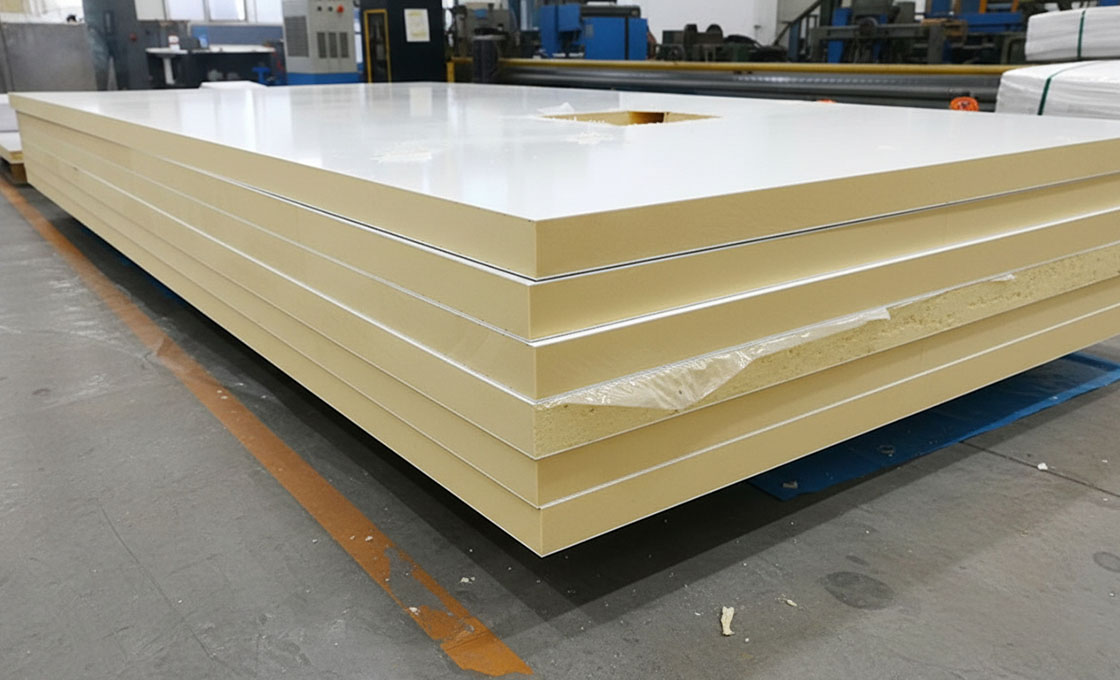
Unlike rotational-molded polyethylene units common on construction sites, Model 3 variants typically employ GRP (Glass Reinforced Plastic) or FRP sandwich panels to meet aesthetic and structural demands. These panels usually consist of high-density gelcoat skins bonded to a rigid core, such as XPS (Extruded Polystyrene), PU (Polyurethane), or PET foam. This composite construction offers superior rigidity-to-weight ratios, preventing wall flexing under high wind loads—a common failure point in open-field venues. Furthermore, the use of lightweight honeycomb cores in floor panels significantly reduces the overall unit mass, optimizing logistics for freight and on-site deployment without compromising load-bearing capacity.
- Surface Hardness: Gelcoat finishes on FRP panels provide a non-porous surface that resists graffiti, UV degradation, and chemical absorption from sanitizing agents, extending service life compared to standard LLDPE plastics.
- Thermal Stability: Foam core sandwich panels (PU/PET) provide inherent insulation, reducing interior temperatures by up to 20% in direct sunlight compared to single-skin plastic units, improving user comfort and reducing volatile organic compound (VOC) odors.
- Impact Resistance: The composite laminate structure absorbs energy from impacts, reducing the likelihood of catastrophic cracking during high-traffic rough usage.
Hygiene Optimization and Antimicrobial Protocols
In high-density event scenarios, hygiene transmission risk escalates exponentially. Model 3 designs often incorporate seamless, one-piece molding for the waste tank to eliminate crevices where bacteria can colonize. When utilizing composite panels, internal corners are radiussed (rounded) rather than square, allowing for faster and more effective pressure washing. High-spec units may also feature silver-ion infused gelcoats or specialized anti-bacterial additives within the resin matrix to actively suppress microbial growth on door handles and touch surfaces between service cycles.
| Specification Parameter | Standard Construction Unit | Model 3: Event High-Capacity |
|---|---|---|
| Wall Construction | Rotational Molded LLDPE (Single Skin) | GRP/FRP Sandwich Panel (Foam Core) |
| Typical Tank Capacity | 60 – 70 Gallons | 70 – 90+ Gallons |
| Discharge Valve | 2-inch Standard | 3-inch Quick-Empty (Vacuum Optimized) |
| Thermal Insulation (R-Value) | Low (R-1 to R-2) | High (R-5 to R-8 via PU/PET Core) |
Scalability and Fleet Logistics
Scalability for events is not merely about unit count; it is about spatial efficiency and deployment speed. Model 3 units are frequently designed with “nesting” capabilities or modular linking systems to create consolidated restroom banks. This reduces the perimeter footprint and simplifies security fencing requirements. Additionally, the integration of forklift pockets and reinforced lifting points into the composite chassis allows for rapid mechanical placement on uneven terrain, which is essential for temporary infrastructure setups in parks or fields lacking paved access roads.
Model 4: Compact Chemical Toilet
Compact chemical toilets serve high-turnover, space-constrained operations where heavy-duty units are impractical. The core buying decision hinges on material microbial resistance, weight efficiency for manual handling, and tank serviceability — not raw capacity.
Where Compact Chemical Toilets Fit in the B2B Portfolio
Compact chemical toilets occupy a distinct niche: frequent site rotation, limited staging space, and short-duration deployments. They are not designed for the same abuse as heavy-duty construction-site units, nor do they carry the volume throughput required for large-scale events. The buyer profile typically includes RV fleet operators, marine vessel outfitters, mobile clinic providers, and festival management companies that move units across multiple locations weekly.
The defining operational characteristic is portability. A compact unit must be manually repositioned by one or two technicians without mechanical assistance. This constraint directly shapes material selection, wall construction, and internal component layout. Weight savings achieved through thinner composite panels or lighter core materials must not come at the expense of structural integrity during transport or stacking.
The Microbial Resistance Imperative in Compact Units
Compact chemical toilets face outsized microbial risk relative to their size. The waste containment volume is smaller, meaning chemical dilution occurs faster and surface-to-waste ratios are higher. In humid or wet outdoor environments, porous or degraded wall materials become breeding grounds for mold, mildew, and bacterial colonization between cleaning cycles.
The material choice for wall panels is the single most consequential decision for long-term hygiene. GRP (glass-reinforced plastic) sandwich panels with a gelcoat exterior finish provide a non-porous, chemically resistant barrier that resists microbial adhesion. When paired with a closed-cell foam core — such as XPS, PET, or PU — the panel structure eliminates internal moisture absorption that lower-quality plywood or untreated fiberboard cores allow.
- GRP/FRP with Gelcoat Skin: Provides a smooth, impervious surface that prevents bacterial embedding. Gelcoat thickness of 0.4–0.6 mm is the industry baseline for adequate microbial barrier performance.
- Closed-Cell Foam Cores (XPS, PET, PU): Zero water absorption rates (< 0.1%) prevent internal mold growth. PET foam offers superior thermal stability compared to PU in high-temperature storage conditions.
- Avoid Plywood or Mineral Fiber Cores: These materials absorb moisture over repeated cleaning cycles, creating internal microbial reservoirs that surface disinfection cannot reach.
Weight Efficiency and Manual Portability
The compact chemical toilet category is defined by a target weight range that enables single-person maneuvering. Units typically fall between 18 kg and 32 kg empty, depending on tank capacity and panel construction. The weight-to-strength ratio of the wall panels determines whether a thinner, lighter construction can still survive repeated lifting, stacking, and transport vibration.
CFRT (continuous fiber reinforced thermoplastic) sandwich panels offer a compelling advantage in this category. They deliver comparable flexural strength to GRP at reduced weight, enabling wall panels that are 15–25% lighter than equivalent GRP constructions while maintaining structural rigidity. For operators rotating units across multiple sites daily, this weight reduction translates directly into reduced labor fatigue and faster turnaround between assignments.
Honeycomb core constructions — particularly PP (polypropylene) honeycomb composite with GRP facings — represent another weight-efficient pathway. These panels achieve high specific stiffness, meaning they resist deflection under load without excess mass. The anti-skid surface variants are particularly relevant for compact units deployed on uneven or wet terrain where floor stability during use is a safety concern.
Tank Access and Serviceability Design
Compact chemical toilets present a unique serviceability challenge. The reduced footprint means the waste tank is often accessed from the rear or underside rather than a conventional top-lid design. Buyers should evaluate tank access points before purchase, as rear-access configurations require more physical maneuvering space during emptying and cleaning operations.
Key serviceability indicators include: a tank discharge valve diameter of 50 mm or larger (smaller valves increase emptying time and residue accumulation), a removable or hinged tank access panel that seals with EPDM gaskets, and a vent pipe configuration that prevents vacuum lock during pumping. Units with integrated waste-level indicators reduce unnecessary tank openings, which in turn limits odor release and microbial aerosolization during routine checks.
- Discharge Valve Diameter: Minimum 50 mm for efficient emptying; 63 mm preferred for high-frequency service cycles.
- Seal Material: EPDM or nitrile rubber gaskets resist chemical degradation from deodorizing treatments; silicone degrades faster under continuous chemical exposure.
- Vent Configuration: Dual-vent designs (primary vent + relief valve) prevent tank deformation during pumping and reduce odor escape during normal operation.
Fit for Small-Scale and Frequently Rotated Job Sites
The compact chemical toilet is purpose-built for operations that rotate between multiple small sites rather than establishing a permanent installation. This usage pattern imposes specific durability expectations: the unit must survive repeated loading and unloading from transport vehicles, stacking in confined storage areas, and exposure to variable weather conditions between service visits.
Stackability is a critical design parameter. Compact units that nest or stack efficiently reduce transportation costs per unit deployed. Look for reinforced corner posts and interlocking base frames that maintain structural alignment during stacking without requiring additional bracing. A standard stack height of three units should not compromise the lower unit’s structural integrity or tank seal integrity.
For operators managing fleets of compact units, panel replaceability is an underrated factor. Units constructed with modular panel assemblies — where individual wall panels can be removed and replaced without dismantling the entire structure — significantly reduce downtime and total cost of ownership when damage occurs during transport or site deployment.
Material Selection Summary for Compact Unit Construction
The optimal material configuration for a compact chemical toilet balances weight, microbial resistance, structural rigidity, and cost. The following combination represents the current industry best practice for this category:
- Wall Panels: GRP sandwich panels with XPS or PET foam core, gelcoat exterior finish (0.4–0.6 mm), panel thickness 18–25 mm depending on span requirements.
- Floor Panels: GRP or CFRT sandwich panel with anti-skid honeycomb core (PP or fiberglass honeycomb), minimum 20 mm thickness for load distribution.
- Roof Panels: GRP sandwich panel with PU or XPS core, 18–20 mm thickness, integrated vent chimney reinforcement.
- Internal Linings: HDPE or GRP sheet material with gelcoat finish for all interior surfaces; avoid painted or laminated substrates that degrade under chemical cleaning.
Which Portable Toilet Fits Your Outdoor Setup
Selecting a portable toilet based solely on initial price rather than environmental compatibility is the primary cause of premature structural failure and sanitation system breakdown.
Matching the correct construction methodology to the specific operational environment is not merely a preference; it is an engineering necessity. Outdoor setups present distinct challenges ranging from weight restrictions in mobile applications to corrosive salt exposure in marine environments. Below is a technical breakdown of the four primary portable toilet configurations and their optimal deployment scenarios.
Lightweight Composite Solutions for RV and Mobile Homes
For Recreational Vehicles (RVs) and mobile homes, the primary constraint is often the Gross Vehicle Weight Rating (GVWR). Lightweight composite solutions, typically utilizing high-density polyethylene (HDPE) or advanced honeycomb core structures, are engineered to maximize strength-to-weight ratios. These materials provide sufficient structural integrity for user weight while minimizing the load on the vehicle chassis.
- Surface material physics dictate the unit’s ability to resist biological contamination over time. To ensure internal linings serve as effective environmental barriers, the material must present a continuous surface without the capillary action inherent in layered or porous substrates. This approach eliminates the interstitial spaces where moisture can accumulate, directly supporting the system’s overall resistance to mold and bacterial colonization.
- Microbial Resistance: Non-porous HDPE surfaces prevent moisture penetration, significantly inhibiting mold and bacterial growth—a vital factor in the confined, humid ventilation systems common in RVs.
- Vibration Tolerance: Units must withstand constant road vibration. Composite models with molded one-piece shells reduce the risk of joint fatigue and cracking compared to assembled multi-part units.
Heavy-Duty FRP Panels for Industrial Construction Sites
Industrial construction sites demand units that can withstand severe physical abuse, UV radiation, and frequent high-traffic usage. Heavy-duty units constructed from Fiberglass Reinforced Plastic (FRP) panels offer the necessary rigidity and impact resistance. Unlike standard plastic units, FRP sandwich panels provide a higher degree of dimensional stability, preventing warping under direct sun exposure.
- Impact Resistance: FRP construction absorbs energy from impacts (e.g., dropped tools or collision with machinery) without fracturing, unlike brittle polyethylene which can crack in cold temperatures.
- Surface Repairability: Minor surface damage on FRP units can often be repaired with gelcoat kits, restoring the sanitary seal and extending the unit’s service life.
- Security Features: Heavy-duty setups typically allow for the integration of robust locking mechanisms and reinforced hinges to prevent vandalism and unauthorized entry in unsecured zones.
Salt-Water Resistant Units for Marine Vessel Applications
The marine environment presents a unique aggressor: salt spray. Standard portable toilets with standard steel or zinc-plated hardware will rapidly corrode in this setting. Salt-water resistant units are manufactured with specific attention to non-corrosive componentry, utilizing 316-grade stainless steel or high-grade polymers for all hinges, latches, and mounting brackets.
- Corrosion Inhibition: Beyond hardware, the wall substrates must resist salt crystallization within the pores of the material. Non-porous composites or marine-grade gelcoats prevent salt from delaminating the surface structure.
- Stability in Motion: Marine units require specialized mounting flanges and lower centers of gravity to remain safe and stable during rough sea states, unlike standard ground-based units.
- Wash-down Capability: These units are designed to withstand high-pressure freshwater washdowns to remove accumulated salt residue without compromising the sealant integrity around the waste tank.
High-Insulation Models for Extreme Cold Weather Use
In extreme cold climates, the primary failure mode for portable toilets is the freezing of holding tanks and connecting plumbing, which renders the unit unusable and can cause structural damage. High-insulation models utilize double-wall construction with insulated cores—typically Polyurethane (PU) foam or Extruded Polystyrene (XPS)—to maintain internal temperatures and prevent waste from solidifying.
- Thermal Efficiency: Units with PU foam injection offer superior R-values (thermal resistance) compared to hollow-wall units, effectively trapping heat generated by the user or auxiliary heaters.
- Chemical Compatibility: These units are often paired with brine or alcohol-based holding tank deodorants that have lower freezing points than standard enzyme-based chemicals.
- Condensation Management: Insulated walls drastically reduce internal condensation, preventing “sweating” that can lead to slippery floors and mold growth in colder, damp climates.
| Application Scenario | Primary Material | Critical Advantage | Key Limitation |
|---|---|---|---|
| RV & Mobile Homes | HDPE / Honeycomb Core | Ultra-lightweight; High strength-to-weight | Lower impact resistance vs. FRP |
| Industrial Construction | FRP (Fiberglass Reinforced Plastic) | High impact resistance; UV stable | Heavier than composites; Higher cost |
| Marine Vessels | Marine-Grade Gelcoat / 316 SS | Superior corrosion resistance | Requires specific mounting hardware |
| Extreme Cold Weather | Double-wall with PU/XPS Foam | Freeze prevention; Condensation control | Increased wall thickness reduces internal space |
Conclusion
Selecting the right portable toilet isn’t just about the initial price; it’s about the durability of the composite panel specs and core insulation. PU foam offers superior cold-weather performance, while honeycomb cores save crucial weight for mobile RV units. You must verify that your supplier uses automated lamination, because manual processes often lead to delamination in rough field conditions. High-quality gelcoat surfaces are non-negotiable if you want to maintain sanitation standards over years of heavy commercial use.
- Request raw material traceability reports before signing the purchase order.
- Inspect the wall panel density to ensure long-term impact resistance.
- Ask specific questions about UV stability for long-term outdoor storage.
- Our engineering team is available to review your technical drawings or answer design questions with zero obligation.
Frequently Asked Questions
HDPE vs Phenolic: Which Is Better for Toilet Partitions?
HDPE and phenolic resin are fundamentally different materials despite both being used in portable toilet partitions. Phenolic cores offer superior moisture resistance and structural rigidity, while HDPE provides flexibility and impact resistance. For high-humidity sanitation environments, phenolic-based partitions resist swelling and microbial degradation far better than standard HDPE alternatives.
How Does Vibration Fatigue Affect Portable Toilet Lifespan?
Vibration fatigue from mobile transport causes micro-cracks in standard fiberglass structures, leading to water ingress and core degradation over time. CFRT (Continuous Fiberglass Reinforced Thermoplastic) panels resist vibration-induced cracking far better than traditional thermoset GRP, making them ideal for high-vibration applications like RVs and construction-site units. This directly reduces warranty claims and extends service life.
What Fire Rating Standards Apply to Mobile Sanitation Units?
ASTM E84 Class A fire resistance ratings are the industry benchmark for portable toilet wall and roof panels, especially for RV and marine applications. Composite sandwich panels with appropriate facings and core selections can meet these ratings when engineered correctly. Buyers should always verify fire rating certifications from the manufacturer rather than assuming compliance.
Can Composite Panels Be Custom-Cut for Specific Toilet Designs?
Yes, composite sandwich panels can be precision-cut to custom dimensions to fit specific portable toilet and mobile sanitation designs. Manufacturers with in-house engineering teams can conduct experimental testing to ensure panels meet project-specific load, insulation, and hygiene standards. This customization capability is essential for specialized RV, marine, and industrial applications.
How Do Composite Panels Reduce Lifecycle Costs?
While upfront costs for composite sandwich panels may exceed traditional materials, lifecycle cost savings come from reduced maintenance, fewer warranty claims, and extended service life. Lightweight composite construction also lowers fuel consumption in mobile and RV applications. Buyers focused on total cost of ownership should evaluate durability and warranty terms alongside initial pricing.
What Is the Typical Service Life of a Composite Portable Toilet?
A well-constructed composite portable toilet using quality FRP sandwich panels and closed-cell cores can achieve a service life of 15 to 20 years or more in standard outdoor conditions. Lifespan is heavily dependent on material selection, gelcoat quality, and protection from UV degradation. Manufacturers with over 15 years of production experience typically produce panels that meet these longevity expectations consistently.