
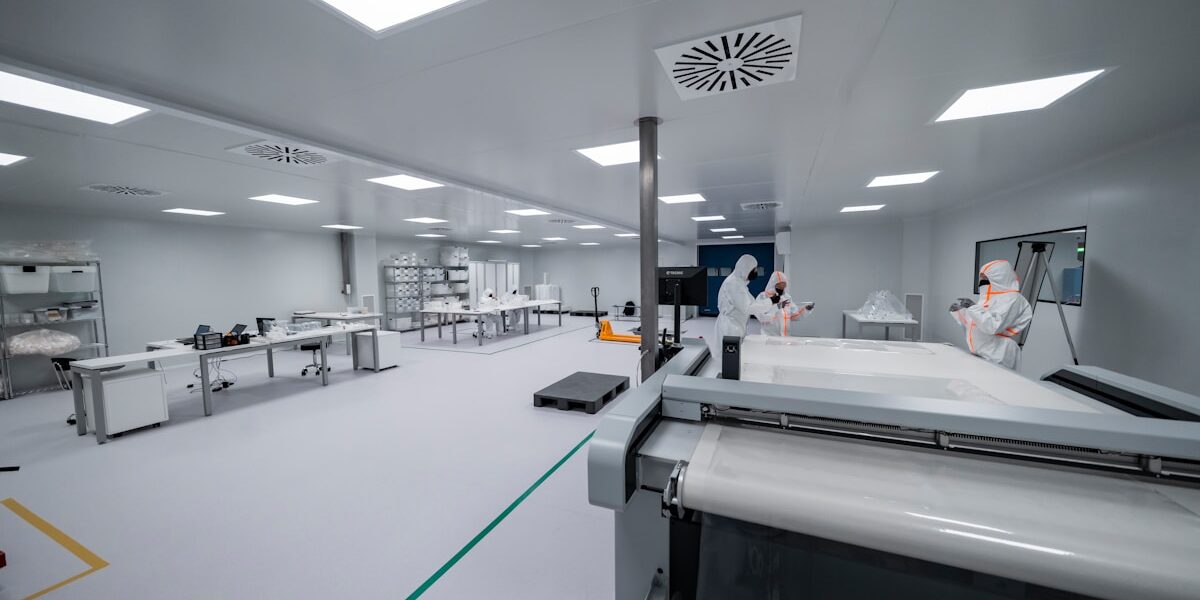
Converting a standard warehouse bay into a hygienic food processing zone requires strict adherence to ISO 14644-1:2015 standards. These standards dictate specific airborne particle counts to prevent product contamination. Meeting these cleanroom requirements involves more than just HVAC upgrades; it demands a holistic approach to the physical envelope. Specifically, the core materials of your wall panels—whether PU or PIR—must align with the intended fire rating and thermal insulation values of the specific classification.
Many procurement teams overspecify materials, purchasing expensive composite panels for zones that only require ISO Class 8 standards. That kills the budget. This article clarifies the maximum particle counts required for food production and explains how to calculate the correct air change rates needed for compliance. Understanding these technical distinctions ensures you select the right wall systems to pass inspection without wasting capital on unnecessary over-engineering.
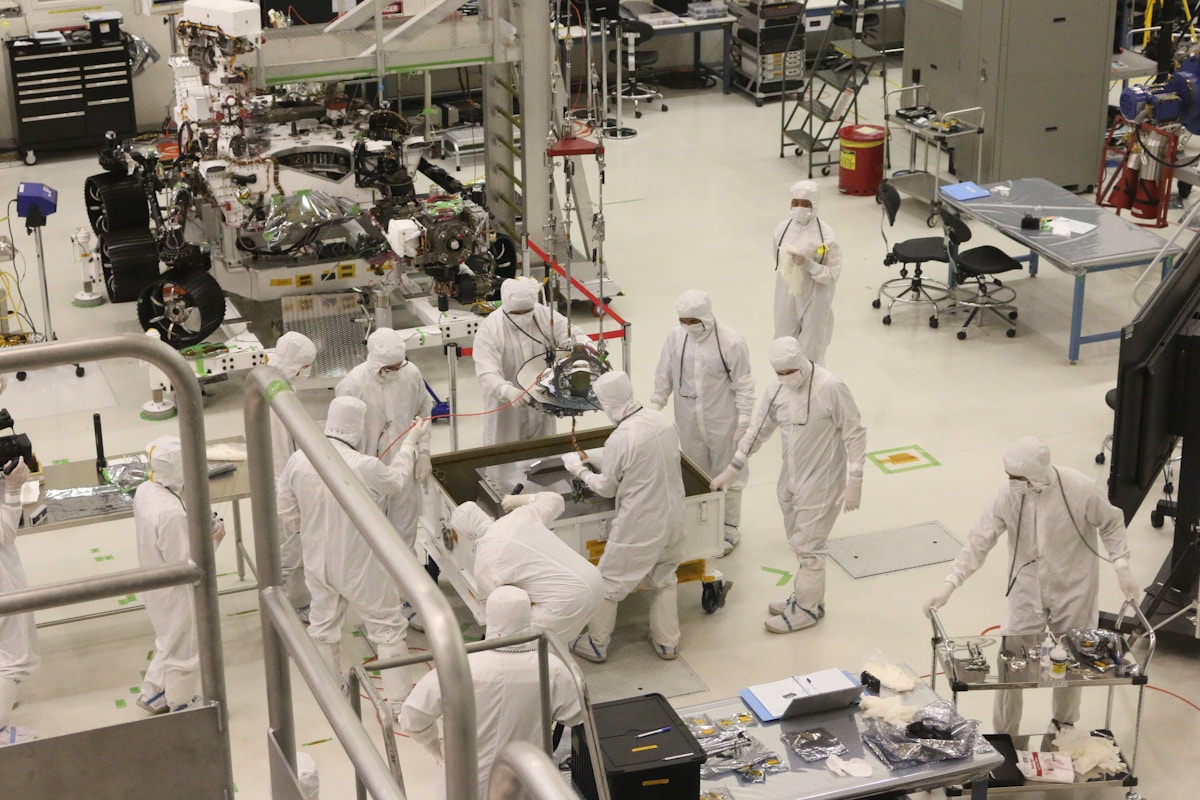
What ISO 14644-1 Classes Mean
ISO 14644-1 defines cleanroom classification solely based on maximum permissible airborne particle counts per cubic meter at specific sizes, independent of food safety or HACCP protocols.
Defining Particle Limits for ISO Classes 5-8
ISO 14644-1 establishes strict thresholds for particulate contamination across eight defined classes, with Class 5 representing the most stringent requirements for critical environments. The standard measures particles at two size thresholds (≥0.5µm and ≥5.0µm) to determine compliance, ensuring precise control over airborne contaminants that could compromise manufacturing processes. For Class 5 facilities, the allowable concentration is capped at 3,520 particles ≥0.5µm per cubic meter, while Class 7 permits up to 352,000 particles under the same metric—demonstrating a nearly 100-fold difference in permissible contamination levels between these classifications. Understanding these limits is essential when specifying panel systems that must maintain structural integrity without introducing additional particulate sources through surface degradation or joint failure.
Mapping Cleanroom Classes to Food Safety Zones
In food production environments, ISO classifications directly correlate with operational zones where product exposure risk varies significantly. Class 5 typically governs aseptic filling operations where sterile packaging materials meet product streams, requiring near-zero microbial introduction during processing. Class 7 applies broadly to Ready-to-Eat (RTE) assembly lines where products remain exposed post-sterilization but before final sealing, necessitating rigorous environmental controls. Class 8 supports secondary packaging areas where finished goods are consolidated, allowing moderate particulate levels since no further processing occurs after this stage. These mappings ensure engineering investments align precisely with regulatory expectations—for instance, installing Class 5-rated wall systems in RTE processing would constitute unnecessary cost escalation unless justified by product-specific hazard analysis.
Influence of Classification on Surface Material Selection
The selected ISO class fundamentally dictates surface finish requirements due to differential cleaning frequencies and chemical exposure tolerance. High-classification zones like Class 5 demand monolithic, crevice-free surfaces compatible with aggressive sterilization agents such as hydrogen peroxide vapor, whereas lower-class areas may tolerate textured finishes that resist abrasion during routine detergent washing. Crucially, material choice impacts long-term maintenance costs: GRP/FRP sandwich panels with gel-coated exteriors provide seamless integration in Class 7 RTE facilities while eliminating corrosion risks inherent to stainless steel alternatives, particularly in humid climates where condensation accelerates metallic degradation. Our engineering team observes that improperly specified surface materials create micro-environments conducive to biofilm formation—a silent compliance failure invisible to standard particle counters but detectable only through microbiological swabbing during GMP audits.
| ISO Class | Max Particles (≥0.5µm) | Typical Food Industry Zone | Airflow & Ventilation | Surface & Material Standard |
|---|---|---|---|---|
| ISO Class 5 | ≤ 3,520 particles/m³ | Aseptic Core & Critical Filling | Unidirectional (Laminar) Flow | Monolithic, crevice-free finish; compatible with rigorous sterilization protocols |
| ISO Class 7 | ≤ 352,000 particles/m³ | Ready-to-Eat (RTE) Processing | Turbulent Flow (20-40 ACH) | Seamless gel-coated finish; high thermal insulation to prevent condensation |
| ISO Class 8 | ≤ 3,520,000 particles/m³ | Secondary Packaging & Ingredients | Turbulent Flow (10-20 ACH) | Smooth, non-porous, impact-resistant; easy to clean with standard detergents |
| ISO Class 9 | ≤ 35,200,000 particles/m³ | General Support & Warehousing | Standard Commercial HVAC | Durable structural paneling; basic washability and dust control |

Maximum Particle Counts for Food Production
This section defines the maximum allowable airborne particle concentrations (particles per cubic meter) for ISO classes typically mandated in food processing environments, strictly adhering to ISO 14644-1:2015 standards.
ISO Classification Limits in Food Manufacturing Environments
Food production facilities subject to HACCP requirements must align cleanroom classification with specific airborne particle thresholds defined by ISO 14644-1. These limits ensure surfaces and air quality support compliance without relying on proprietary material claims.
Maximum Allowable Particle Concentrations
- ISO Class 5 (Cleanest): Maximum of 3,520 particles/m³ for particles ≥0.5 μm and 29 particles/m³ for particles ≥5.0 μm. Typically reserved for aseptic filling zones or direct-contact food handling areas.
- ISO Class 6: Maximum of 35,200 particles/m³ for ≥0.5 μm and 290 particles/m³ for ≥5.0 μm. Commonly applied to packaging lines and secondary processing environments.
- ISO Class 7: Maximum of 352,000 particles/m³ for ≥0.5 μm and 2,900 particles/m³ for ≥5.0 μm. Standard for general preparation rooms and non-critical storage zones.
- ISO Class 8: Maximum of 3,520,000 particles/m³ for ≥0.5 μm and 29,000 particles/m³ for ≥5.0 μm. Used for administrative spaces, locker rooms, and non-food contact areas adjacent to production floors.
Implementation Relevance for Composite Panel Selection
Facilities targeting ISO Class 5 or 6 require wall and ceiling systems that maintain structural integrity under continuous positive pressure differentials while minimizing surface porosity. Particle counts exceeding these thresholds may indicate inadequate filtration or compromised panel seams, requiring immediate HVAC recalibration or envelope repair. The use of seamless, non-porous composite materials with smooth finishes—such as gel-coated GRP or aluminum-faced panels—helps prevent microbial harborage at microscopic junctions that could otherwise contribute to localized particle generation over time.
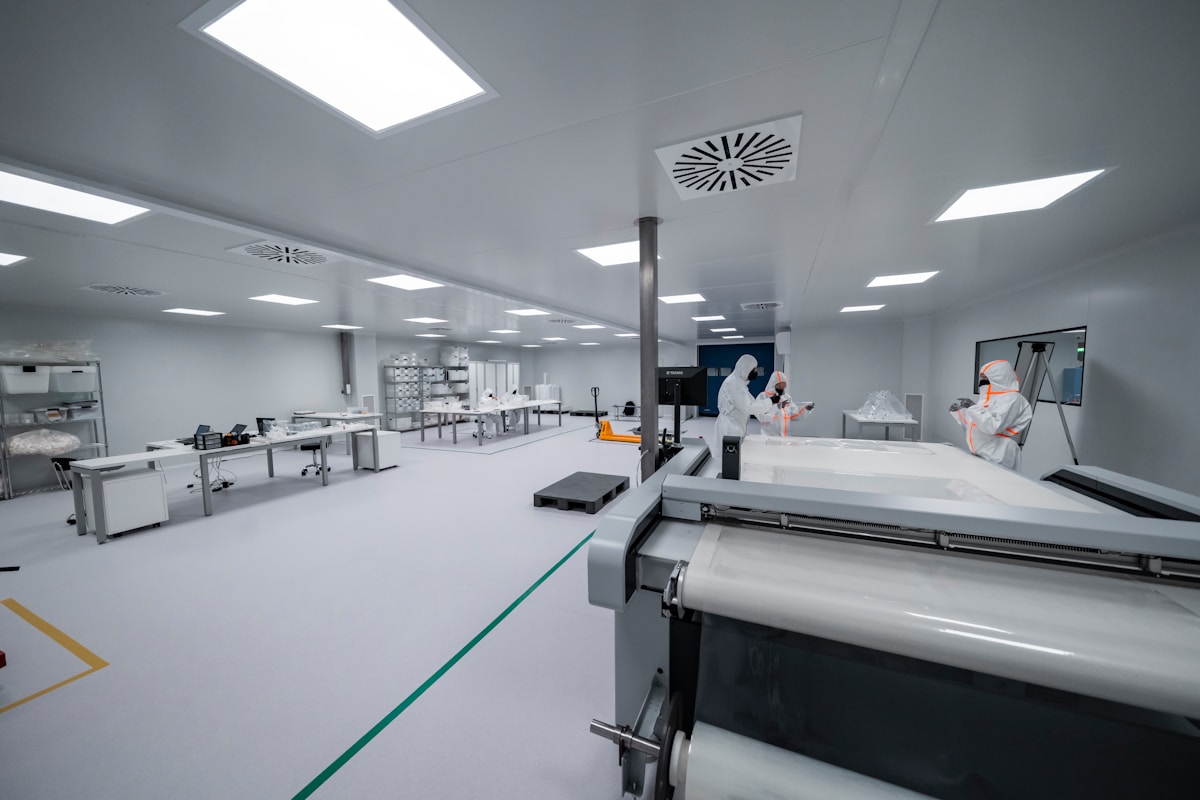
Designing for Airflow and Pressure
Effective contamination control relies not just on the materials used, but on the precise manipulation of airflow physics to create a pressure cascade that forces contaminants out of critical zones.
Positive Pressure Gradients and Air Change Rates
Maintaining a stable positive pressure gradient is the fundamental mechanism for preventing infiltration of external contaminants into a controlled environment. The physical principle dictates that air naturally flows from areas of higher pressure to areas of lower pressure. In a cleanroom setting, this is engineered so that air leaks outward rather than inward, ensuring that any potential breach in the envelope does not compromise the internal cleanliness.
Designing this gradient requires establishing a pressure cascade. Typically, the most critical zone (e.g., the fill room) maintains the highest pressure, followed by surrounding corridors, and then airlocks leading to non-controlled areas. A differential of at least 10 to 15 Pascals (Pa) is generally recommended between adjacent clean zones to ensure consistent directional flow. This requires the room envelope—constructed from rigid composite panels and sealed joints—to possess high air tightness to prevent pressure loss that would overburden the HVAC system.
Complementing pressure control is the Air Change Rate (ACH), which refers to the number of times the volume of air within a room is replaced by filtered air per hour. While the specific requirements vary by ISO classification, higher air change rates are essential for diluting and removing internally generated particles. For instance, while lower-grade environments may function adequately with 20 air changes per hour, aseptic processing zones often require significantly higher turnover to maintain sterility. Balancing ACH with energy efficiency is critical; excessive turbulence from high-velocity air can actually disturb settled particles or create eddies, whereas laminar flow strategies focus on sweeping air uniformly across the surface.
HEPA Filtration Standards (H13/H14) Integration
The integrity of the air supply is ultimately determined by the final filtration stage. High-Efficiency Particulate Air (HEPA) filters serve as the barrier against airborne contaminants. For food safety and pharmaceutical applications, the integration of H13 or H14 grade filters is standard practice to meet stringent regulatory requirements. These ratings are defined by their efficiency at capturing the Most Penetrating Particle Size (MPPS), which is approximately 0.3 microns.
- H13 HEPA Filters: Must retain at least 99.95% of particles at 0.3 microns, suitable for ISO Class 7 and Class 8 environments where airborne particulate control is critical.
- H14 HEPA Filters: Offer a higher retention rate of 99.995%, typically deployed in ISO Class 5 environments (such as critical filling zones or laminar flow hoods) where absolute sterility is required.
The integration of these filters into a facility design involves more than just selecting the media; it requires precise mounting and sealing within the ceiling or wall grid. If the filter gasket does not seal perfectly against the mounting frame, unfiltered air can bypass the filter media (bypass leakage), rendering the high-efficiency rating irrelevant. Consequently, the interface between the filtration unit and the modular panel system must be designed to allow for compression and accessibility for integrity testing (such as leak scanning or PAO testing) without compromising the structural seal of the room.
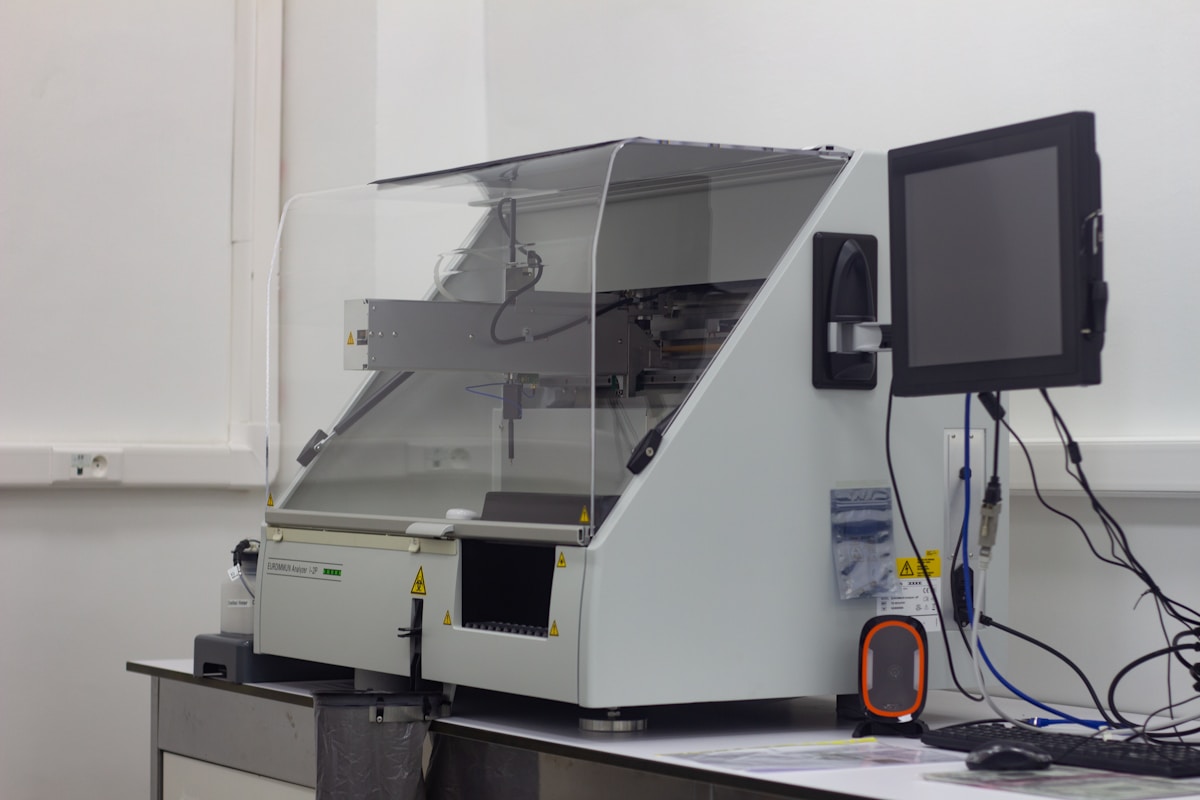
How to Monitor and Test Cleanliness
Routine Particle Counting Procedures
Maintaining ISO 14644-1:2015 compliance requires a structured approach to particle monitoring. The standard specifies that the minimum sampling volume at each measurement location is 2 liters per size class, ensuring statistically significant data for classification validation. Sampling locations should be strategically placed to capture airflow patterns and potential contamination sources within the cleanroom environment.
For routine monitoring, particle counters must be calibrated against traceable standards before initial deployment and annually thereafter. Testing frequency varies by classification level: ISO Class 5 areas typically require weekly or continuous monitoring due to stringent requirements, while ISO Class 7 and 8 zones may follow monthly schedules based on risk assessment. Each sample should be taken at work surface height or critical process level to accurately reflect conditions impacting product quality.
Certification Verification Methods
Verification of cleanliness certification involves systematic validation through comprehensive testing protocols. Initial qualification testing includes total count verification across all relevant particle sizes (typically ≥0.1 µm to ≥5.0 µm) to confirm alignment with specified ISO limits. Test results should be documented in formal reports containing methodology, equipment calibration status, environmental conditions during testing, and acceptance criteria applied.
📋 Certification Validation Steps
- Step 1: Review test report against ISO 14644-1:2015 Annex A requirements including sample volume calculations.
- Step 2: Confirm particle counter calibration certificates are current and traceable to national standards bodies.
- Step 3: Verify sampling locations map to facility layout diagrams showing coverage of all defined zones.
- Step 4: Cross-reference recorded particle counts with allowable limits specified for the target ISO classification.
Periodic requalification should occur at intervals not exceeding six months for high-risk areas such as food processing zones where microbiological contamination risks compound particulate concerns. When deviations from acceptable limits occur, root cause investigation must document corrective actions implemented and preventive measures established to prevent recurrence. All certification records should be maintained as part of the quality management system audit trail.
Standards for Gowning and Staff Conduct
Core Insight: Strict entry protocols and specific garment selection are the first lines of defense against particulate contamination in composite manufacturing environments.
Personnel Entry Protocols
Access to controlled environments where high-performance composite materials like GRP or CFRT are manufactured is restricted to authorized personnel only. Upon approaching the facility, individuals must undergo a verification process involving badge scanning or manual authorization logs to ensure accountability. This step prevents unauthorized entry that could compromise the integrity of clean rooms or sensitive production areas. Once cleared, all staff proceed directly to the changing zone without stopping in non-designated public spaces, minimizing the risk of tracking external contaminants such as dust or debris from outdoor environments into the manufacturing floor.
Garment Types and Contamination Control Measures
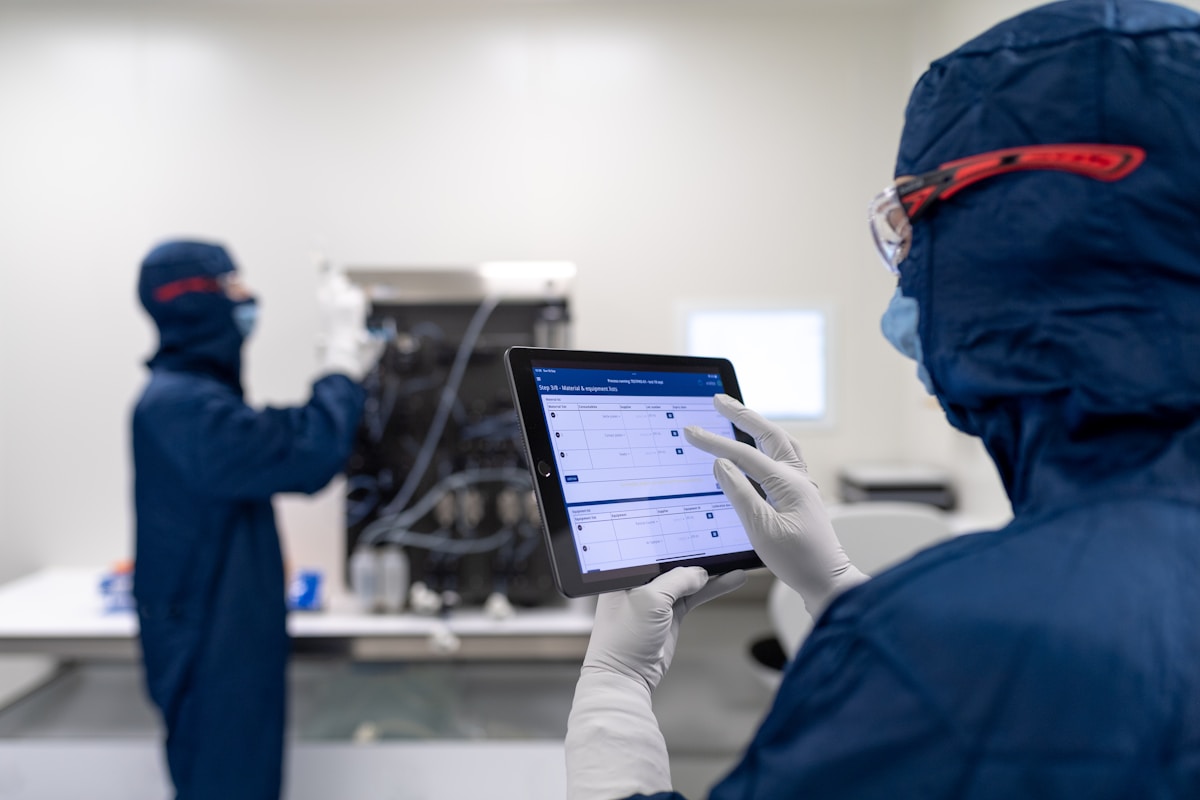
Before entering production zones, personnel must don specialized protective garments designed to trap particles generated by human movement. The standard attire typically includes full-body coveralls made from low-shedding synthetic fibers, paired with hairnets or bouffant caps that secure all headwear. Foot covers are mandatory to prevent ground-borne particles from being tracked onto work surfaces. For higher classification areas requiring stricter control, sterile gloves and face masks may be required to eliminate biological or microscopic risks during handling of sensitive material layers.
- Coveralls: Full-body suits constructed from anti-static, non-shedding fabric to reduce particle generation during motion.
- Head & Face Protection: Disposable bouffant caps cover all hair; N95-rated masks filter exhaled aerosols in critical zones.
- Gloves: Powder-free latex or nitrile gloves protect both product and operator during direct contact with raw materials.
- Footwear Covers: Single-use booties prevent soil and microbes from entering via walking soles.
Adherence to these standards ensures compliance with ISO 14644-1 guidelines while safeguarding the quality of advanced composite products used in food-grade packaging, aerospace components, and medical device enclosures. Regular audits verify that gowning procedures remain effective and up-to-date across shifts and departments.
Sustaining Long-Term Operational Compliance
Operational compliance in cleanroom environments relies on a structured combination of documentation, maintenance protocols, and emergency response strategies that ensure the facility continues to meet ISO 14644-1 particle limits over time. This section outlines how facilities can establish these elements without relying on promotional or brand-specific content, focusing instead on industry-standard engineering practices and regulatory alignment.
Compliance isn’t a one-time certification—it’s an ongoing discipline built on traceable records, preventive maintenance, and rapid contamination response.
Documentation Framework for Continuous Compliance Monitoring
A robust documentation framework is the backbone of continuous compliance. It must capture all variables that affect air cleanliness—from HVAC filter changes to cleaning schedules—using standardized formats that align with GMP and ISO requirements. Records should be maintained in a centralized system accessible to quality assurance, operations, and regulatory auditors, ensuring transparency and accountability at every stage.
- Traceability: Every maintenance action, calibration, or environmental test must include timestamps, responsible personnel, and reference numbers for audit trails.
- Version Control: All SOPs, checklists, and monitoring forms must be version-controlled with clear approval dates and revision history.
- Data Integrity: Electronic records should be secured with user access logs and backup protocols to prevent unauthorized alterations or data loss.
- Periodic Review: Documentation itself must undergo quarterly review to reflect updated standards, process changes, or corrective actions from prior deviations.
Scheduled Maintenance Protocols for Composite Panel Systems
Composite panel systems in cleanrooms require scheduled maintenance to preserve their structural integrity, surface finish, and sealing performance—critical factors in maintaining pressure differentials and minimizing particle generation. Neglecting panel joints, fasteners, or facing materials can introduce micro-cracks or delamination that compromise long-term compliance even if the room initially passes inspection.
- Inspection Frequency: Conduct visual and tactile inspections of panel seams, corners, and penetrations (e.g., electrical conduits, ductwork) at least monthly, with more frequent checks in high-traffic or humid zones.
- Sealant Integrity: Monitor elastomeric sealants around panels for shrinkage, cracking, or discoloration; reapply per manufacturer guidelines when degradation exceeds 10% of surface area.
- Fastener Torque Verification: Use calibrated torque tools annually to ensure mechanical connections remain within specified ranges—loose fasteners can vibrate loose and shed particles under airflow stress.
- Surface Cleaning Validation: After each cleaning cycle, verify no residue remains using adhesion tape tests or UV light inspection on reflective finishes like gelcoat or Aluzinc facings.
Emergency Procedures for Airborne Contamination Events
When airborne contamination exceeds acceptable thresholds—triggered by equipment failure, human error, or external intrusion—immediate action is required to contain spread and restore compliance. Emergency procedures must be pre-defined, rehearsed, and integrated into the facility’s broader quality management system to ensure consistent execution under pressure.
- Immediate Isolation: Seal off affected zones using temporary barriers or negative pressure enclosures; halt all non-essential activities including material transfers and personnel movement.
- Source Identification: Deploy portable laser particle counters with real-time data logging to pinpoint contamination origin points—common culprits include compromised seals, unfiltered intake vents, or improperly sealed tool ports.
- During contamination events, restoring air quality requires adjusting filtration dynamics rather than compromising filter integrity. Enhanced Filtration: Temporarily increase air change rates or deploy mobile H13/H14 filtration units until root cause is resolved; ensure unfiltered air leakage prevention is maintained while documenting runtime and efficiency metrics for audit trails.
- Post-Incident Requalification: After remediation, perform full re-certification testing per ISO 14644-1 before resuming production, including settle plate tests, active particle counting, and visual inspection of all adjacent surfaces.
📋 Actionable Steps
- Step 1: Emergency response activation must prioritize rapid team mobilization aligned with pre-defined accountability structures, assigning roles based on the predefined RACI matrix.
- Containment protocols should leverage temporary barriers and controlled airflow direction to isolate affected zones immediately.
- Step 3: Comprehensive incident documentation enables effective post-mortem analysis and regulatory traceability. To support the upcoming root cause investigation, upload all raw environmental logs and action timelines to the secure digital archive to establish an immutable chain of custody.
- Root cause investigations following contamination events must be scheduled promptly to prevent recurrence through structured analysis.
| Feature | Specification | Advantage |
|---|---|---|
| Thermal Insulation | R-value up to 5.0 per inch (PU/PMI cores) | Minimizes thermal bridging and condensation risk in humid zones |
| Surface Finish | Smooth, washable, low-dust GRP/CFRT with gelcoat | Ensures hygienic compliance with FDA cGMP and HACCP standards |
| Structural Integrity | Honeycomb core reinforcement (PP, fiberglass, aramid) | Maintains ISO 14644-1 pressure differential stability (5–15 Pa) |
| Fire Resistance | PIR and Rockwool core options with Class A fire rating | Meets food processing cleanroom panel fire safety codes |
| Moisture Resistance | Waterproof XPS, PET, PVC, and EPP core laminations | Prevents microbial growth in high-humidity production environments |
Conclusion
Meeting ISO 14644 standards requires more than just clean air; it demands composite panels that maintain strict airlocks and thermal insulation. You lose control the moment pressure gradients fluctuate. If the wall system allows particulate ingress, the H13/H14 filtration performance becomes irrelevant. Solid thermal insulation and fire-rated materials protect the facility, but tight seals ensure the ISO classification actually holds up during daily production cycles. Minor gaps in the wall system undermine the entire investment.
- Cross-reference your panel specs against ISO 7 airflow requirements.
- Validate HEPA integration points during the installation phase.
- Consult our engineers for technical calculations on pressure differentials.
Frequently Asked Questions
Are composite panels suitable for washdown areas?
GRP and CFRT sandwich panels feature smooth, non-porous gelcoat surfaces resistant to chemical cleaning agents and frequent water exposure. Their seamless construction prevents microbial growth in crevices common with traditional metal cladding.
How do honeycomb cores prevent condensation?
Honeycomb core structures minimize thermal bridging by interrupting direct heat transfer paths through the panel assembly. This reduces surface temperature differentials that cause moisture accumulation in humid production environments.
Can composite panels meet fire safety standards?
Yes, Rax Panel offers GRP/CFRT sandwich panels with fire-retardant cores like PMI and PIR that comply with food processing facility fire ratings. These panels provide thermal insulation while maintaining structural integrity under high temperatures.
Do composite panels require special HVAC integration?
Their superior thermal properties allow standard HVAC systems to maintain target conditions more efficiently. However, precise pressure differential calculations should account for reduced air leakage rates inherent in sealed composite assemblies.
Is GRP panel installation complexity higher?
Installation requires trained technicians familiar with composite joining techniques but eliminates need for specialized welding equipment used with stainless steel. Prefabricated modular panels significantly reduce on-site construction time.
What affects cleanroom wall system cost factors?
Cost depends on panel thickness, core material density, facing type, and customization requirements. Lightweight composite alternatives often reduce overall project expenses by lowering structural support needs compared to heavy steel systems.
How verify supplier’s ISO compliance capability?
Request third-party test reports for particle emission rates and surface finish certifications. Reputable manufacturers like Raxpanel provide documentation proving their materials meet ISO 14644-1 classification requirements for specified cleanroom zones.