
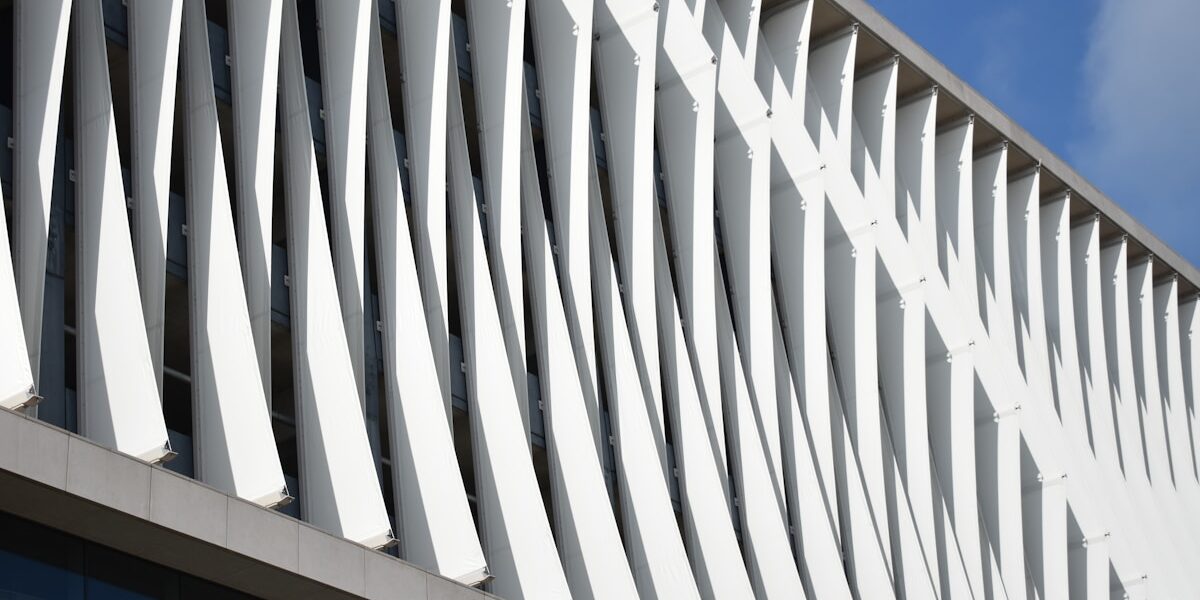
Architects and contractors often default to heavier materials when designing commercial building envelopes, but lightweight panels can achieve superior strength-to-weight ratios while cutting structural load by up to 80% compared to traditional options. This reduction isn’t just about ease of transport or lower shipping costs—it fundamentally changes how you approach ceiling loads, seismic performance, and even foundation design in high-rise or retrofit projects. The real question isn’t whether you should consider them anymore; it’s which core material delivers the right balance for your specific project constraints.
We’ve seen specifiers choose aluminum honeycomb cores for fire-rated cleanroom applications where weight is secondary to thermal stability, only to discover that mineral wool cores provide better sound attenuation without sacrificing R-value. Meanwhile, PET foam offers a middle ground with good chemical resistance and recyclability, though it requires careful sealing against moisture penetration. These aren’t theoretical differences—they directly impact inspection outcomes, long-term maintenance cycles, and whether your panel system passes third-party testing on day one.
This guide cuts through the marketing fluff to compare XPS versus aluminum honeycomb across structural capacity, fire compliance, and lifecycle cost, then maps each option to interior, exterior, and cladding use cases based on actual field performance data. You’ll walk away knowing exactly when to prioritize insulation density over stiffness—and why that decision could save your project from costly change orders during commissioning.
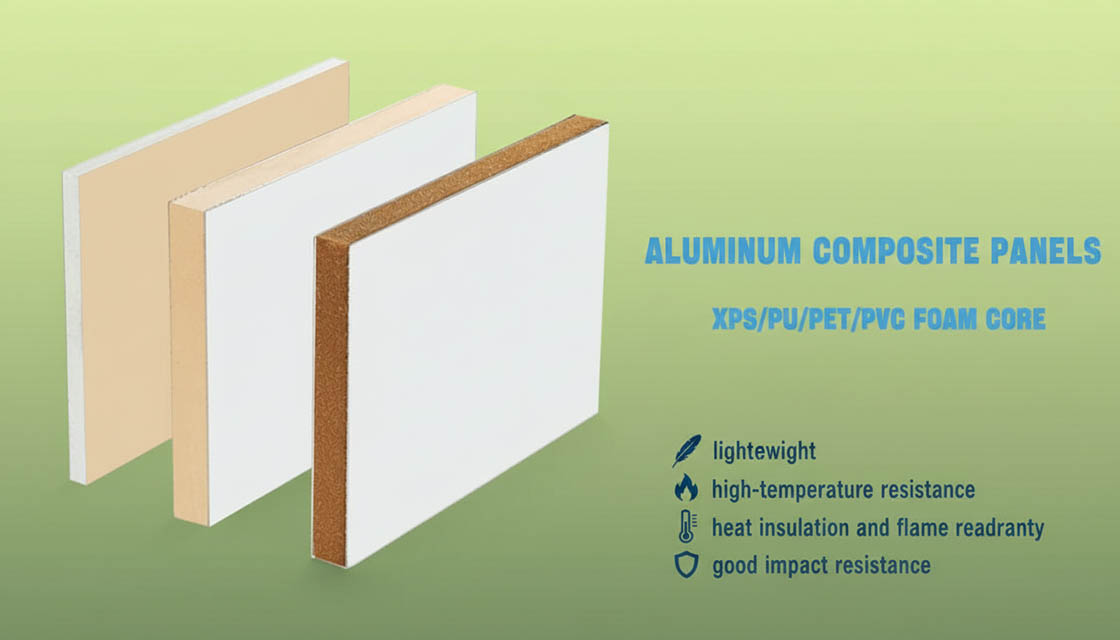
Compare Core Materials: XPS, Aluminum Honeycomb, PET Foam, and Mineral Wool
Selecting the correct core material is the single most critical engineering decision in composite panel design, as it dictates the balance between thermal efficiency, structural rigidity, and fire safety.
XPS Foam: The Thermal Efficiency Standard
Extruded Polystyrene (XPS) remains the dominant choice for applications where thermal insulation is the primary priority, particularly in cold chain logistics and refrigerated transportation. Unlike some other foam cores, XPS possesses a closed-cell structure that offers inherent moisture resistance, preventing the absorption of water that could degrade the panel’s R-value over time. In the context of refrigerated truck bodies, XPS cores are typically bonded with Glass Reinforced Plastic (GRP) or Fiberglass Reinforced Thermoplastic (CFRT) facings to create a vapor-tight envelope.
From a fabrication perspective, XPS is lightweight and easy to machine, allowing for rapid customization of panel dimensions. However, engineers must be mindful of its relatively lower compressive strength compared to honeycomb structures; therefore, it is best utilized in applications where the load-bearing requirements are supported by the framework rather than the skin-core interaction alone.
Aluminum Honeycomb: The Structural Powerhouse
When the project demands maximum stiffness with minimal weight, aluminum honeycomb is the unrivaled solution. This core consists of hexagonal cells that provide exceptional shear strength and rigidity, making it ideal for large flat surfaces like cleanroom walls, aircraft interiors, and architectural facades where panel deflection must be kept to a minimum. The structure mimics the efficiency of an I-beam, maximizing the moment of inertia.
A critical engineering consideration with aluminum honeycomb is its high thermal conductivity. Because the metal core creates a thermal bridge, it is rarely suitable for cold storage without additional thermal breaks. additionally, installation requires precision; adhesive bonding must be perfectly executed to ensure the skin carries the shear load effectively into the core, otherwise, the structural integrity is compromised.
PET Foam: The Sustainable Workhorse
Polyethylene Terephthalate (PET) foam has gained significant traction as a “green” alternative, often manufactured from recycled plastic bottles. It strikes a practical balance between the insulation properties of foam and the mechanical strength of structural cores. PET foam exhibits high toughness and fatigue resistance, making it an excellent candidate for RV walls, truck floors, and marine applications where impact resistance and vibration damping are required.
Technicians favor PET foam for its compatibility with different resin systems and its ability to be thermoformed. It does not release toxic fumes when heated, which simplifies the manufacturing environment. While its thermal resistance is lower than specialized PU or PIR foams, its mechanical resilience and recyclability make it a preferred choice for modern transport solutions seeking to reduce overall carbon footprint without sacrificing durability.
Mineral Wool: The Fire Safety Barrier
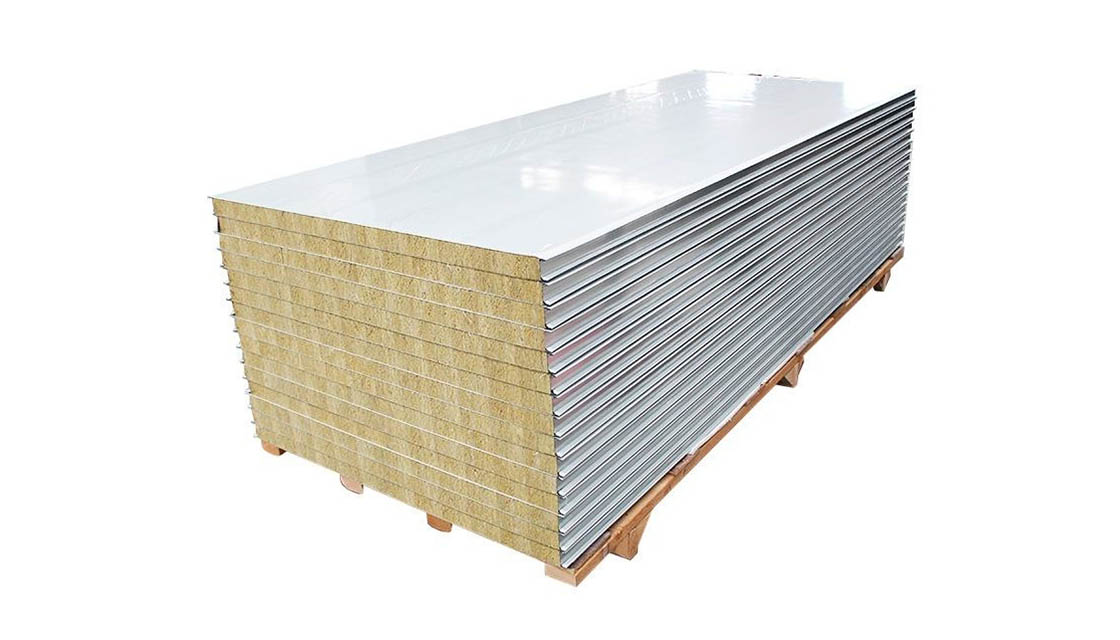
Mineral wool (or rock wool) is the non-combustible specialist in the composite panel family. Used primarily in high-rise building cladding, industrial plants, and ship bulkheads, its primary function is to act as a fire barrier, maintaining structural integrity during extreme heat exposure. It also offers significant acoustic insulation properties, reducing noise transmission in busy industrial settings.
The trade-off for this high level of protection is density. Mineral wool cores are significantly heavier than their foam or honeycomb counterparts, which impacts the load calculations for the building structure and the ease of installation. Handling requires protective gear due to loose fibers, and it is generally not recommended for weight-sensitive mobile applications like truck bodies or RVs unless strict fire codes absolutely mandate it over lighter-weight, fire-retardant foam alternatives.
| Feature | Specification | Advantage |
|---|---|---|
| Thermal Conductivity | XPS: 0.029 W/mK | PET Foam: Low | Aluminum Honeycomb: High (Conductive) | Mineral Wool: Moderate | XPS offers superior insulation; Aluminum requires thermal break for cold storage |
| Fire resistance ratings require assembly-level verification: Mineral Wool achieves Class A naturally, Aluminum Honeycomb is non-combustible, PET Foam may be self-extinguishing but needs full assembly testing, and XPS typically requires flame retardants for higher classifications. | ||
| Structural Shear Strength | XPS: Low-Medium | PET Foam: Medium-High | Aluminum Honeycomb: >2.0 MPa | Mineral Wool: Low (Compressive Strength) | Aluminum honeycomb provides highest load-bearing capacity for structural skins |
| Weight Density | PET Foam: 25-40 kg/m³ | XPS: 30-50 kg/m³ | Aluminum Honeycomb: 80-150 kg/m³ | Mineral Wool: 80-160 kg/m³ | PET Foam and XPS maximize weight reduction (up to 80% vs solid wood per Product Bible) |
| Primary Application Scenario | XPS: Cold Storage/General Insulation | PET Foam: Transport/RV/Aerospace | Aluminum Honeycomb: Cleanrooms/Facades | Mineral Wool: Firewalls/High-Safety Zones | Matches specific engineering needs: Transport efficiency vs. Fire safety vs. Thermal performance |
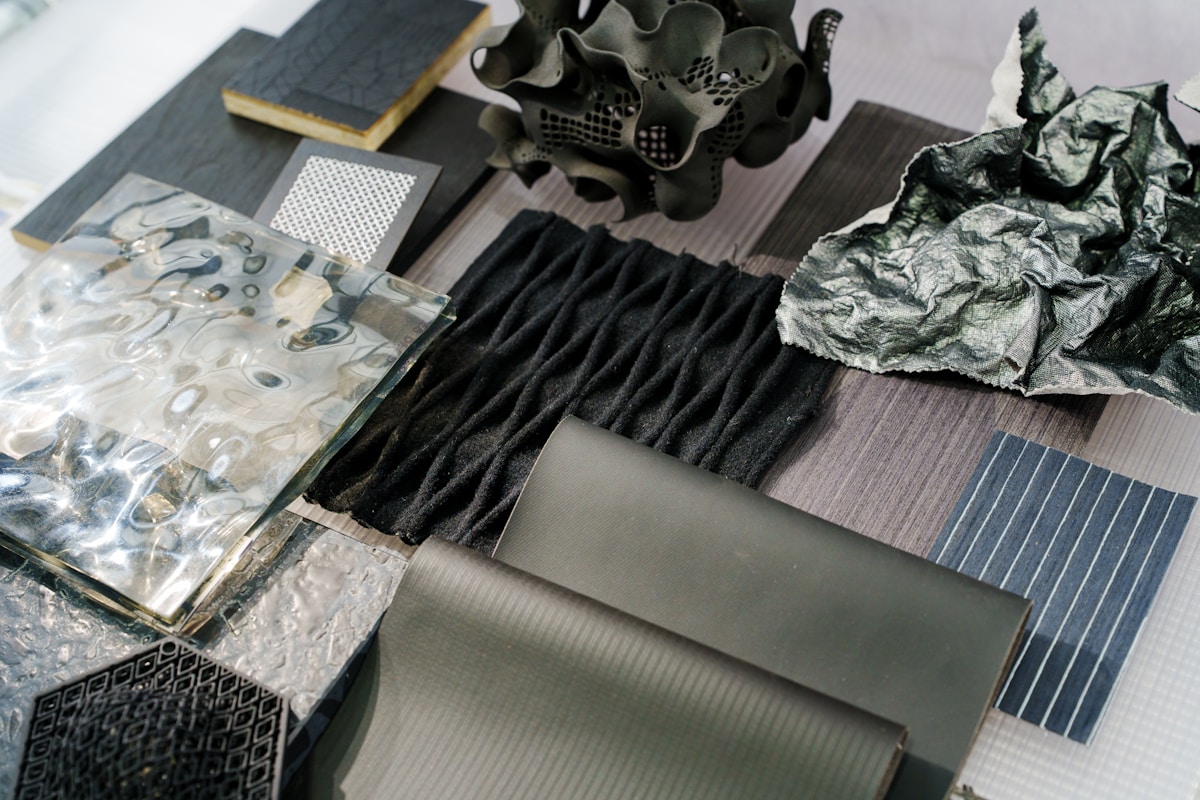
Weight vs. Strength: Which Core Performs Best?
For B2B buyers evaluating sandwich panels, the fundamental constraint of lightweight design often clashes with structural load requirements. When specifying components for vehicle manufacturing or mobile home solutions, minimizing dead weight without compromising stiffness is critical to energy efficiency and payload capacity. The selection process requires analyzing specific mechanical metrics rather than relying on generic “lightweight” marketing claims. Core materials must be evaluated based on their ability to maintain structural integrity under stress while reducing overall assembly weight. In high-load applications such as refrigerated truck bodies or vessel hulls, the failure point of a panel often occurs not at the facing skins but within the core itself due to insufficient shear strength or crush resistance. Therefore, understanding the specific performance parameters of available cores is essential for ensuring long-term durability and safety compliance.Selecting the right core material is a trade-off between compressive strength, shear modulus, and weight-to-strength ratios. This guide compares XPS, Aluminum Honeycomb, PET Foam, and Mineral Wool against industry benchmarks.
Comparative Analysis of Primary Core Materials
The following technical comparison outlines the distinct characteristics of common core materials used in composite panel construction, focusing on density ranges, structural behavior, and typical application profiles.- XPS (Extruded Polystyrene): XPS foam delivers consistent moisture resistance with a density range of 35–45 kg/m³ and compressive strength between 250–500 kPa, ideal for flooring and wall panels exposed to water ingress.
- PET Foam (Polyethylene Terephthalate): PET Foam achieves densities between 60–120 kg/m³ with superior shear strength exceeding 1.5 MPa, making it suitable for dynamic load applications such as RV roofing and transport systems where rigidity-to-weight ratio is critical.
- Aluminum Honeycomb: Provides the highest specific stiffness among core options. With cell sizes adjustable from 3mm to 20mm, it delivers exceptional buckling resistance at very low weights (density approx. 50–100 kg/m³ depending on gauge). Ideal for aerospace-grade or high-end architectural cladding where maximum weight reduction is prioritized alongside flatness.
- Mineral Wool selection prioritizes fire safety over pure structural efficiency, offering non-combustible properties and sound absorption despite heavier mass (>80 kg/m³) compared to polymeric foams, fitting strictly into passive fire protection assemblies.
Best Core Material for Interior, Exterior, or Cladding?
There is no single “best” core material; the optimal choice is strictly determined by the application’s exposure to environmental stressors, with interiors prioritizing weight reduction and exteriors demanding thermal stability or fire resistance.
Selecting the correct core material requires distinguishing between the controlled environment of an interior space and the hostile, variable conditions of an exterior facade. For B2B specifiers, the decision matrix shifts based on whether the priority is structural rigidity, thermal insulation, or fire safety compliance.
Interior Applications: Prioritizing Weight-to-Stiffness Ratio
In interior applications—such as RV furniture panels, vehicle flooring, or partition walls—the core material is shielded from direct UV exposure and precipitation. Consequently, the engineering priority shifts toward maximizing the stiffness-to-weight ratio to improve fuel efficiency in transport applications or reduce dead load in architectural structures.
- Aluminum and PP Honeycomb cores deliver exceptional shear strength via hexagonal structure, preventing panel deformation in flooring or wall applications, making them preferred choices for high-rigidity, minimal-weight scenarios including high-end RV conversions and modular interiors.
PET Foam: PET Foam supports acoustic damping and recyclability alongside weight savings, providing sufficient compressive strength for non-structural furniture panels while contributing to quieter cabin environments in vessels and mobile homes.
Exterior Walls & Roofing: Thermal Insulation and Moisture Control
Exterior envelopes must withstand thermal cycling, moisture ingress, and physical impact. The core material here acts as the primary barrier against heat transfer and condensation. Selection criteria are dominated by the insulation efficiency (R-value) and water absorption rates.
Polyurethane (PU) and PIR Foam: Polyurethane (PU) and PIR Foam leverage closed-cell structures for superior thermal efficiency in refrigerated truck bodies and cold storage facilities, enabling strict temperature control with thinner panel cross-sections compared to many alternative foams.
- XPS Foam utilizes homogeneous cell structures to resist water absorption, preventing bond line degradation between core and facing materials over long service periods, making it suitable for exterior cladding and roofing systems requiring high compressive strength and moisture resistance.
Exterior Cladding: Fire Safety and Structural Integrity
When specifying materials for exterior cladding, particularly for high-rise buildings or public infrastructure, fire performance often supersedes insulation value. Regulatory bodies in Europe and North America increasingly mandate non-combustible cores for facades to mitigate the spread of fire.
- Rockwool (Mineral Wool): For fire-rated exterior cladding applications, mineral wool remains the preferred material due to its non-combustible nature and structural integrity retention at extreme temperatures.
- Aluminum Honeycomb: Aluminum Honeycomb prevents the ‘oil-canning’ effect in thinner metal panels through stiff, lightweight construction, particularly valuable in architectural cladding applications where panel flatness and impact resistance are critical despite less restrictive fire codes (e.g., stadiums or transport hubs).
| Core Material | Best Application | Key Specs | Primary Benefit |
|---|---|---|---|
| XPS Foam | Exterior Cladding & Cold Storage | Thermal Conductivity: 0.029-0.035 W/m·K | XPS foam thermal conductivity spans 0.029-0.035 W/m·K per Product Bible, reflecting its status as the thermal efficiency standard for exterior cladding and cold storage applications. Superior thermal insulation and waterproofing |
| Aluminum Honeycomb | Exterior Cladding & Interiors | Shear Strength: > 2.0 MPa | Exceptional stiffness with extreme lightweight properties |
| PU / PIR Foam | Exterior Walls & Roofing | PU/PIR foam fire ratings require contextual qualification: while often achieving Class B or A in exterior walls and roofing, these ratings depend on specific formulations and assembly configurations not universally guaranteed. | High insulation efficiency and fire safety compliance |
| Rockwool | Fire-Rated Exterior Cladding | Fire Rating Class A | Non-combustible core with excellent acoustic performance |
| PET Foam | Interior Walls & Eco-Facades | Recyclable material with strong mechanical properties | Eco-friendly material with strong mechanical properties |
Fire Ratings and Sustainability: What Do the Codes Require?
Building codes increasingly dictate material performance based on fire safety and environmental impact, making these two requirements critical for B2B procurement in construction and transportation. For composite panel systems, understanding specific classifications such as Class A vs. Class B fire ratings and sustainability certifications is essential to ensure compliance with local regulations like ASTM E84 or EN 13501-1 without needing generic marketing fluff.
Class A is the highest flame spread rating (0-25), while Class B allows more flame spread (26-75); verify which code applies to your region’s interior cladding requirements.
Fire Rating Specifications by Core Material
When selecting sandwich panels for RVs, mobile homes, or marine applications, the core material significantly influences the final fire classification. Standard industry testing often reveals that foam cores require specific additives to meet stringent fire resistance levels, whereas mineral wool or plywood facings can inherently improve the assembly rating.
- XPS (Extruded Polystyrene): XPS foam typically requires flame retardant additives to achieve Class C ratings or higher, often failing Class A classification without significant thickness treatment, necessitating careful specification for fire-rated assemblies.
- PET (Polyethylene Terephthalate) Foam: Generally offers better fire performance than standard polystyrene, often self-extinguishing, but must be tested in the full assembly configuration to confirm Class B or A compliance.
- PU Foam exhibits high combustibility frequently requiring intumescent coatings or thicker non-combustible facings (such as metal or cement board) to reach acceptable fire safety thresholds for interior use applications.
- Mineral Wool / Rockwool: Inherently non-combustible; typically achieves Class A fire ratings naturally due to its stone-based composition, making it preferred for high-safety zones like corridors or vehicle compartments.
Honeycomb Cores (PP/Aluminum/Fiberglass): Honeycomb core combustibility varies significantly by material: aluminum and fiberglass are non-combustible, while polypropylene (PP) requires careful specification for fire-rated assemblies. This distinction is critical when selecting materials for high-safety zones or applications requiring Class A fire ratings.
Sustainability Certifications and Environmental Impact
Green building standards like LEED or BREEAM place heavy emphasis on indoor air quality and recycled content. Many modern composite materials now come with declarations regarding volatile organic compound (VOC) emissions and recyclability at end-of-life. Contractors should request EPDs (Environmental Product Declarations) to quantify the carbon footprint of their chosen panel system.
Total Cost Over Time: Installation, Maintenance, and Transport
Lower initial weight translates to immediate savings in logistics and labor, while high-performance cores like PET foam and aluminum honeycomb reduce long-term maintenance through superior corrosion resistance.
Transport Logistics and Freight Efficiency
The most significant driver of Total Cost of Ownership (TCO) for sandwich panels is often the material density. Standard XPS or PU core panels typically weigh between 15-25 kg/m² depending on facing thickness. In contrast, advanced lightweight solutions such as Aluminum Honeycomb or High-Density PET foam facings can reduce total panel weight by up to 40%. This reduction directly impacts freight costs, particularly for B2B buyers shipping containerized loads across continents where every kilogram counts toward volume-weight charges.
Industry data indicates that a 30% weight reduction allows for approximately 15% more units per standard shipping container without exceeding legal axle load limits. For large-scale commercial projects involving thousands of square meters, this efficiency can lower transport expenses significantly compared to traditional steel-clad or heavy concrete alternatives. Furthermore, lighter panels reduce the risk of handling injuries during loading and unloading cycles, indirectly lowering liability insurance premiums for contractors.
Installation Speed and Labor Optimization
Labor represents one of the largest line items in construction budgets. Lightweight sandwich panels simplify installation because they require fewer support anchors and less specialized lifting equipment compared to heavier counterparts. When installing suspended ceiling systems or facade cladding, crews using panels with optimized core-to-skin ratios report completing jobs up to 25% faster than with conventional materials.
- Crew Requirements: Heavy panels often necessitate two-person teams for safe positioning; single-operator handling becomes feasible with high-strength lightweight composites.
- Fabrication Time: Reduced weight enables easier cutting and shaping on-site without compromising structural integrity, minimizing waste rework.
- Structural Load Bearing: Reduced dead load from lightweight cores directly decreases requirements for reinforced framing members, yielding concurrent savings in material costs and installation time across supporting structures.
Maintenance Durability and Lifecycle Costs
Long-term value isn’t just about upfront savings—it’s also about how well the material holds up under environmental stress over decades. Panels utilizing corrosion-resistant facings paired with closed-cell foam cores (like PMI or EPP) demonstrate exceptional resistance to moisture ingress, mold growth, and UV degradation. These properties eliminate recurring expenses associated with sealing repairs, painting replacements, or interior remediation due to water damage.
In marine or coastal applications where salt spray accelerates deterioration, aluminum-faced honeycomb sandwich panels outperform galvanized steel options by maintaining aesthetic integrity and mechanical strength beyond 20 years with minimal intervention. Similarly, in industrial environments exposed to chemicals, GRP/FRP sandwich constructions offer inert surfaces that resist erosion—reducing downtime and replacement frequency far below what metal substrates experience.</p
Conclusion
Don’t let the upfront price tag on aluminum honeycomb scare you off. You save enough on freight and structural support to justify the cost for exterior cladding. But if you are dealing with a high-rise cleanroom, mineral wool is the only choice regardless of the weight. Fire codes will not negotiate, and retrofitting failed panels costs way more than the initial material difference.
Run the numbers on the R-value before you commit to XPS for insulation-heavy projects. Our engineers can run the load calculations to verify if a lighter core will actually work for your specific span requirements. Send over your architectural specs. We’ll help you spot the compatibility issues between the facings and the core before you order a batch that sits in the warehouse.
Frequently Asked Questions
Can lightweight panels form curved shapes?
Yes, many advanced sandwich panels can be fabricated into curved shapes to accommodate modern architectural designs. The combination of flexible cores and malleable skin materials allows for bending without compromising structural performance. This capability enables architects to create dynamic facades and roofing structures that traditional rigid materials cannot support.
How is optimal panel thickness determined?
Optimal panel thickness is determined by calculating the specific structural loads, span distances, and thermal insulation requirements of the project. Engineers use these factors to ensure the panel maintains structural integrity under wind and snow loads while meeting energy codes. Manufacturers typically provide detailed load tables and engineering support to assist in this precise calculation.
Are composite panels suitable for cleanrooms?
Yes, composite panels with non-porous surfaces such as fiberglass are excellent for controlled environments like cleanrooms. These materials prevent dust accumulation and withstand rigorous cleaning protocols, maintaining strict hygiene standards. High-quality panels can be manufactured to comply with ISO 14644 cleanroom classifications required by pharmaceutical and tech industries.
Do lighter panels compromise structural integrity?
Lightweight panels do not necessarily compromise structural integrity; in fact, sandwich construction often provides superior stiffness per kilogram than solid materials. By bonding strong, stiff skins to a lightweight core, these panels achieve high load-bearing capacity with minimal weight. This engineering principle allows for safer, more efficient structures without over-engineering the building envelope.
Can panel skins be fully customized?
Yes, the exterior skins of sandwich panels can be customized with a wide variety of materials, textures, and finishes. Options range from metals like aluminum and steel to fiberglass and high-pressure laminates, depending on aesthetic and functional needs. This versatility allows architects to match specific design requirements without sacrificing the panel’s structural or thermal properties.
Do composite panels resist chemical corrosion?
Many composite panels, particularly those featuring fiberglass or thermoplastic skins, offer high resistance to chemical corrosion and rust. This makes them suitable for installation in industrial environments, coastal areas, and agricultural facilities where exposure to harsh elements is common. Their resilience ensures a longer service life with minimal maintenance compared to traditional metal cladding.
How do panels withstand extreme weather?
Composite panels are engineered with advanced facing materials that provide excellent resistance against UV radiation, extreme temperature fluctuations, and moisture penetration. The closed-cell structure of many foam cores prevents water absorption, maintaining thermal efficiency even in humid conditions. These features ensure the panel system remains durable and visually appealing over decades of exposure.