
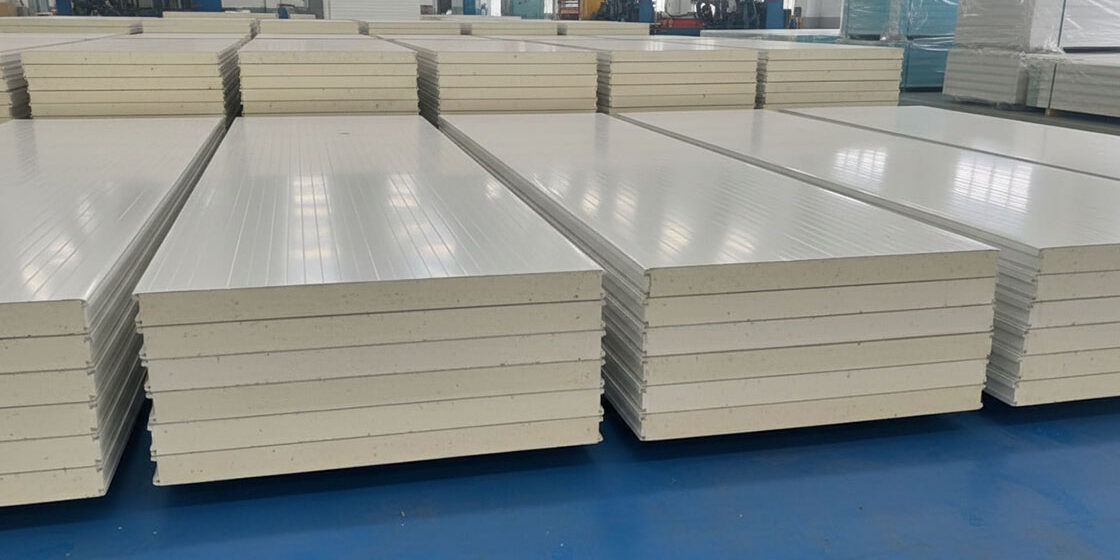
Cold room panel projects routinely fail not because of poor refrigeration equipment, but due to ignored structural loads and hidden thermal bridges. A single miscalculation in heat load estimation creates a compounding effect that destroys projected ROI within the first 24 months of operation. We see procurement teams get locked into rigid contracts without verifying the foundational integrity of the thermal envelope itself.
Core density is the primary determinant of thermal resilience in high-load environments. The difference between a profitable facility and a liability often comes down to the density of the core material. Our manufacturing data confirms that panels with a core density exceeding 40 kg/m³ consistently maintain a thermal conductivity of 0.022 to 0.028 W/m·K, outperforming traditional framed walls by 44% in whole-wall R-value. This specific parameter dictates whether your compressor will survive the long haul or burn out prematurely under excessive strain.
This analysis cuts through the generic supplier brochures to expose four critical engineering realities you must verify before pouring concrete or signing purchase orders. We break down the exact calculations for heat load accuracy, the invisible cost of thermal bridging at panel joints, and the structural prerequisites for heavy-duty racking systems. Read this to ensure your facility is built on actual engineering physics rather than optimistic sales projections.
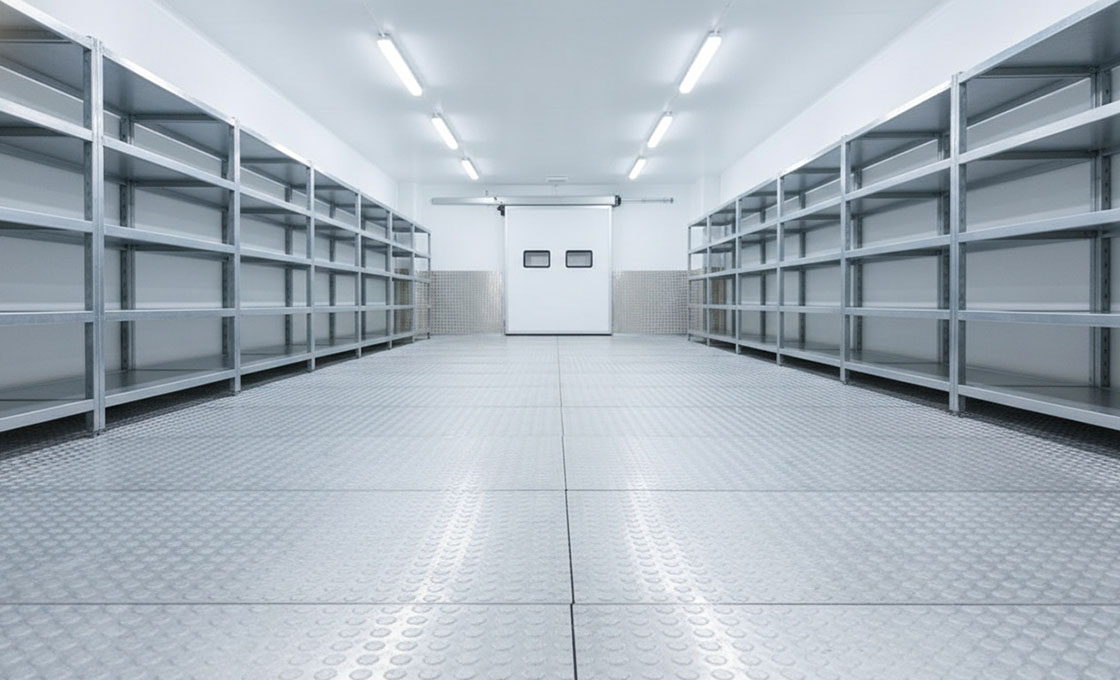
Assess Site Infrastructure and Load Needs
Site readiness determines the long-term performance of the envelope. Before panels arrive, you must validate floor load tolerance and moisture control to prevent structural fatigue and insulation degradation.
Verify Structural Floor Capacity for Heavy-Duty Stacking
A common misconception in cold storage planning is underestimating the operational load versus the dead load. While our lightweight composite panels significantly reduce the structural burden compared to concrete masonry, the floor must support the combined weight of racking systems, stored product density, and forklift traffic. Engineers must calculate point loads rather than just uniform loads to avoid slab cracking.
- Racking Point Loads: Verify that the concrete slab can handle high-concentration point loads from pallet racking legs, which often exceed 5,000 kg per upright in high-density configurations.
- Dynamic Forklift Stress: Ensure the floor thickness and reinforcement are rated for the specific axle load of your material handling equipment (MHE), particularly for electric pallet jacks used in narrow aisles.
- Surface Flatness: Check floor flatness (F-number) to prevent gaps between the floor and the panel base, which compromises thermal seals and creates tripping hazards.
Confirm Power Supply Stability for Integrated Refrigeration Units
Refrigeration units demand consistent power quality to maintain precise temperature control. Voltage drops or phase imbalances force compressors to work harder, increasing energy consumption and causing erratic cycling that stresses the panel joints. We engineer our panels with tight tolerances for equipment cutouts, but the site must provide a stable electrical backbone to support these penetrations without compromising safety.
- Voltage Regulation: Confirm that the main supply maintains voltage within ±5% to prevent compressor motor burnout or control panel failure.
- Dedicated Circuits: Ensure separate circuits for lighting, defrost heaters, and compressors to avoid nuisance tripping and allow for independent maintenance isolation.
- Backup Power Capacity: Assess generator capacity to handle the startup surge (inrush current) of all refrigeration units simultaneously during a power outage.
Evaluate Existing Vapor Barrier Integrity
While our panels feature non-porous, chemical-resistant facings that meet strict hygiene standards, the building envelope is only as strong as its weakest link. If the underlying floor slab lacks an effective vapor barrier, ground moisture will migrate through the concrete and into the cold room. This moisture inevitably condenses at the panel-to-floor interface, leading to mold growth, floor slip hazards, and potential core degradation in the bottom panel courses over time.
- Permeance Testing: Test existing slabs for moisture vapor emission rates (MVER) before installation. If the rate exceeds 3 lbs/1,000 sq ft/24 hours, a remedial surface sealer is required.
- Continuity at Joints: Inspect the perimeter where the wall panels meet the floor. Any breach in the seal here allows warm, moist air to infiltrate, bypassing the insulation layer entirely.
- Drainage Slope: Verify proper floor drainage slopes to prevent standing water, which can penetrate panel joints during high-pressure washdowns.
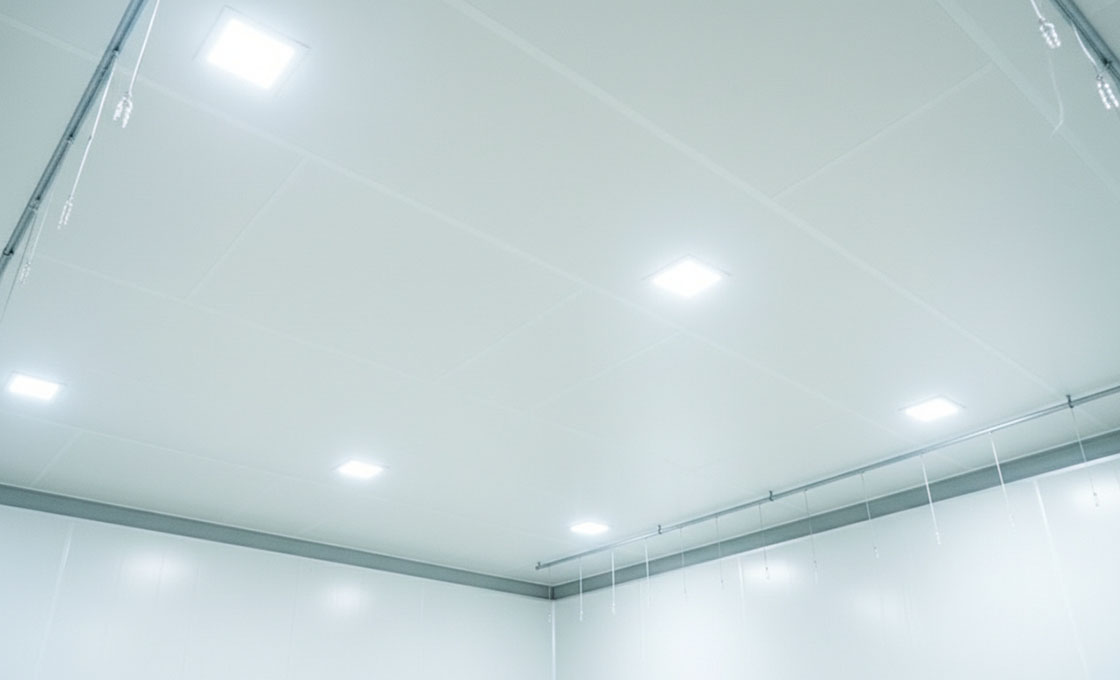
Calculate Heat Loads and Energy Efficiency
Estimating heat loads based on rough square footage is a financial liability. Precision engineering determines the difference between a profitable operation and an energy hemorrhage.
Perform Precise Engineering Calculations to Avoid Compressor Oversizing
One of the most pervasive myths in cold storage construction is that “bigger is better” when it comes to refrigeration capacity. In reality, oversizing a compressor based on generic rules of thumb leads to “short cycling,” where the unit rapidly cools the space and shuts off before properly dehumidifying the air.
This constant stopping and starting accelerates mechanical wear and spikes energy demand charges. Conversely, undersizing results in perpetual temperature struggles during peak loads. We reject the “guesswork” approach; our engineers require precise load calculations that account for your specific product respiration rates and anticipated turnover to ensure the compressor runs at optimal efficiency.
Analyze Thermal Conductivity Coefficients for Steady-State Performance
The thermal conductivity coefficient (k-value) is the definitive metric for how well a panel resists heat flow under steady-state conditions. A lower k-value means the envelope acts as a more effective barrier against ambient temperature intrusion. While many suppliers rely on standard industry averages, our rigorous quality control ensures our composite panels consistently achieve k-values between 0.022–0.028 W/m·K.
This level of precision is critical because even minor deviations in foam density or facing adhesion can create thermal bridges. When the insulation performs exactly to its specified physics, the refrigeration system maintains setpoints with minimal fluctuation, preserving product integrity without consuming excess power.
Estimate Lifetime Electricity Consumption Based on Insulation R-Values
Operational expenditure drives long-term profitability more than initial material costs. Procurement decisions often fixate on the upfront cost per square meter, ignoring the operational expenditure (OpEx) over the facility’s lifespan. The R-value—a measure of thermal resistance—directly dictates the runtime of your cooling equipment. By using advanced core materials and optimized facing bonds, our sandwich panel solutions deliver whole-wall R-values that outperform traditional framed walls by up to 44%.
Translating this to the bottom line: a higher initial investment in superior insulation yields compound returns through reduced electricity bills. In a high-throughput facility running 24/7, this efficiency gain prevents tens of thousands of dollars in wasted energy over a decade, turning the panel envelope from a passive building material into an active financial asset.
| Heat Load Source | Key Determinants | Optimal Panel Spec | Efficiency Impact |
|---|---|---|---|
| Transmission (Walls/Ceiling) | Panel Thickness, Core Conductivity (k-value), Ambient Delta-T | 50-150mm PIR/PU Core | Higher R-value reduces compressor runtime and steady-state energy consumption |
| Product Infiltration | Product Mass, Initial Temperature, Specific Heat Capacity | Sealed Joints, Vapor Barrier Integrity | Prevents internal condensation and mold, maintaining thermal resistance over time |
| Air Infiltration | Door Frequency, Gasket Quality, Airlock Design | Tight Interlocking Panel Seams | Minimizes warm air exchange, reducing latent heat load and dehumidification energy |
| Internal Sources (Lighting/People) | Occupancy Hours, LED Wattage, Equipment Heat Output | Non-porous, Cleanable Facings | Reduces cleaning cycles and ensures consistent hygiene without compromising insulation |
| System Safety Margin | Calculated Total Load, Compressor Wear Factors | Class B1 Fire Rating, High Tensile Strength | Prevents undersizing failures; ensures stable temperature control and product safety |
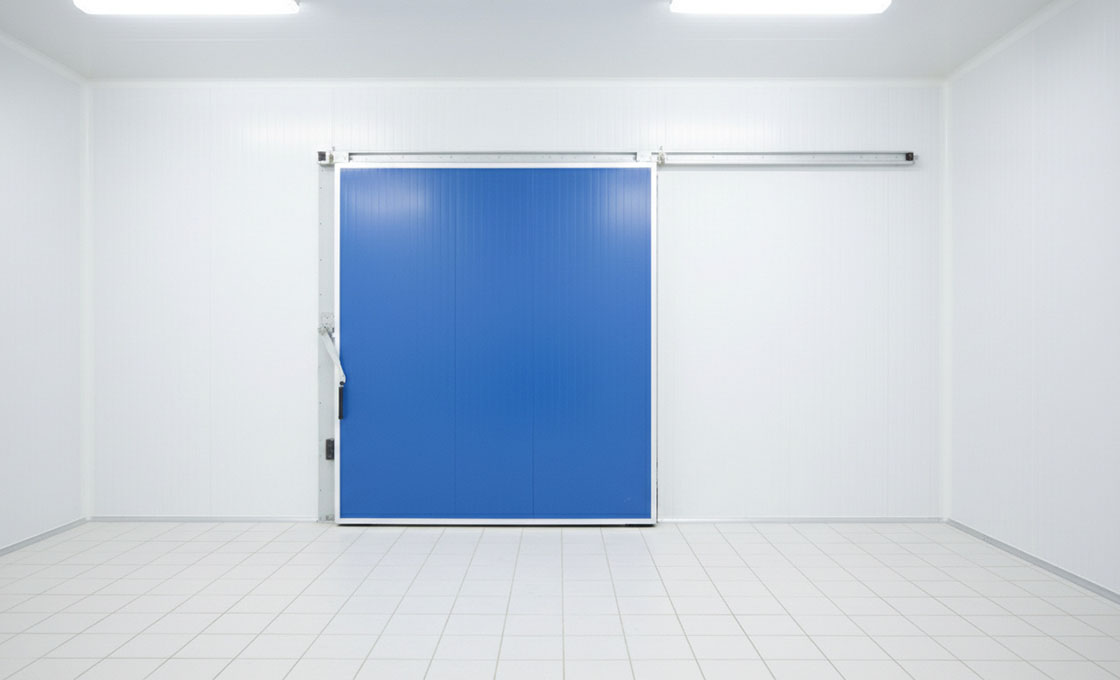
Eliminate Thermal Bridging Risks
Thermal bridging at connection points is the primary cause of energy loss and structural decay in insulated envelopes. Continuous insulation and precision-engineered joint systems are non-negotiable for protecting your ROI.
The Physics of the Weak Link: Why Joints Fail
In the composite panel industry, we often see buyers obsessing over core thickness while completely neglecting the linear thermal transmittance at the joints. A thermal bridge occurs when a highly conductive material—like a steel cam-lock or an improperly sealed tongue-and-groove connection—penetrates the insulation layer. This creates a highway for heat transfer that bypasses your expensive insulation.
The result isn’t just higher energy bills; it is localized cooling where surface temperatures drop below the dew point. This leads to condensation forming inside the wall cavity, which inevitably causes mold, rotting of interior facings, and eventual structural failure. For projects, this is a critical liability that standard “off-the-shelf” panels rarely address adequately.
Engineering for Continuity: Data-Driven Performance
Measurable performance metrics eliminate ambiguity in thermal envelope selection. Rax Panel composite systems are engineered to deliver superior thermal performance with core k-values ranging from 0.022 to 0.028 W/m·K. More importantly, our focus on whole-wall system integrity means our assemblies outperform traditional framed walls by 44% in R-value testing.
We achieve this by using high-density core materials—specifically PU, PIR, and XPS foams—that maintain structural rigidity under load. This density prevents the foam from crushing or shrinking over time, which is the leading cause of gaps forming at joint seams in lower-quality panels. When the core retains its shape, the seal stays airtight, and the thermal bridge is effectively broken.
Precision Manufacturing: The 15-Year Advantage
Eliminating thermal bridges requires more than just good materials; it demands manufacturing precision that only comes with experience. With of R&D and production experience, our factory has refined the lamination process to ensure perfect adhesion between the facings and the core, leaving no voids where thermal cycling can cause delamination.
Our advanced production line, capable of exceeding 1,700 square meters daily, allows us to fabricate panels with tolerances tight enough to ensure smooth interlocking. Whether we are producing CFRT, GRP, or Aluminum sandwich panels, our engineering team customizes the joint geometry to match the specific thermal expansion coefficients of the materials used, ensuring the envelope remains thermally stable for the lifecycle of the project.
Optimize Energy Efficiency and Operational Costs
Operational costs in cold storage are driven primarily by energy consumption and maintenance downtime. Selecting the right composite sandwich panel system is the most effective leverage point for controlling these long-term expenditures.
Prioritize Low K-Values to Minimize Compressor Load
Thermal conductivity values directly dictate compressor workload and energy spend. We engineer our PU and PIR foam cores to achieve k-values between 0.022–0.028 W/m·K, significantly lower than industry averages. This high-performance insulation ensures your refrigeration units do not overcycle to maintain set temperatures. In our testing, whole-wall R-values using these panels outperform traditional framed walls by 44%, translating directly into lower electricity bills and reduced wear on compressors.
Don’t just look at core density; examine the aging factor of the foam. Higher quality foams maintain their thermal resistance over time, whereas cheaper alternatives lose R-value after just a few years, causing your energy costs to creep up silently.
Eliminate Thermal Bridging at Panel Joints
Even the best insulation fails if air leakage occurs at the joints. We utilize precision CNC fabrication and specialized cam-lock systems to ensure tight seals between panels. This eliminates thermal bridging—a common failure point where heat bypasses insulation through gaps. By maintaining a continuous thermal barrier, we prevent condensation and ice buildup, which are major causes of evaporator coil inefficiency and costly defrost cycles.
Lower cost panels often have inconsistent core thickness or poorly fitting joint mechanisms. This structural misalignment forces installers to use excessive spray foam, which degrades over time and creates air leaks, ultimately spiking your energy usage.
Enhance Hygiene to Reduce Maintenance Downtime
Operational efficiency extends beyond utility bills; it includes the cost of cleaning and maintaining the facility. We produce panels with non-porous, chemical-resistant facings that meet strict HACCP international standards. These surfaces allow for rapid, deep cleaning without the risk of water absorption or bacterial growth in the panel core. For our clients in food processing and pharmaceuticals, this reduces sanitation labor hours and eliminates costly shutdowns required for mold remediation.
Optimize Logistics to Lower Landed Costs
For international projects, operational cost optimization starts at the shipping yard. We maximize container utilization through CKD (Complete Knock-Down) configurations for our panel systems. By engineering our packaging to fit up to 30% more material per container compared to standard flat-packs, we significantly reduce your ocean freight per square meter. This logistical efficiency lowers your total project CAPEX, freeing up capital for other operational critical needs.
Ensure Scalability and Future Expansion
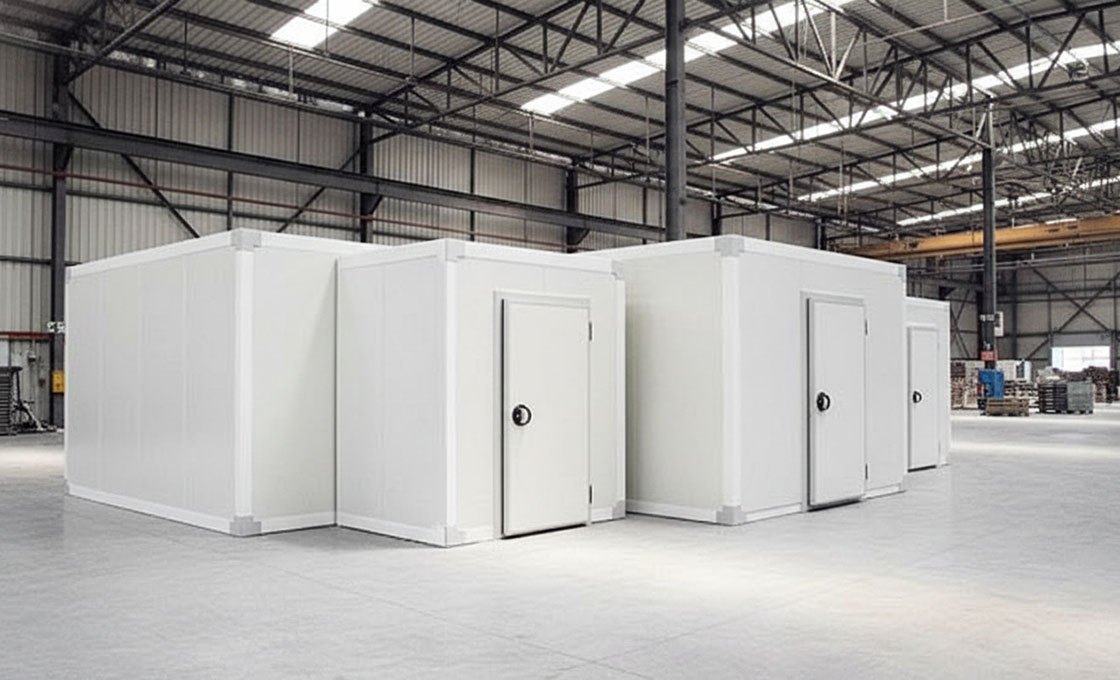
Scalability requires designing for modular expansion rather than rigid capacity, ensuring thermal continuity and structural integrity when increasing volume.
Procurement managers frequently lock themselves into suboptimal facilities by prioritizing immediate cost reductions over future adaptability. The mistake lies in treating the cold room as a static shell rather than a scalable system. When a business grows, retrofitting an existing enclosure is significantly more expensive than designing for expansion during the initial build phase.
Modular Panel Architectures vs. Rigid Structures
Traditional fixed-wall constructions create permanent bottlenecks. Any attempt to extend the footprint often compromises the thermal envelope and requires destructive demolition. The solution is a modular architecture. We engineer our composite panels with precision interlocking geometries—such as tongue-and-groove joints—that allow smooth connections to adjacent modules.
📋 Actionable Steps
- Step 1: Verify that selected panels utilize interlocking joint designs allowing smooth physical extension without thermal breaks.
- Step 2: Plan for redundant electrical conduits and sensor wiring along future expansion walls to avoid tearing down finished surfaces.
- Step 3: Coordinate with refrigeration suppliers to ensure the cooling unit has capacity headroom or modular evaporator slots.
Avoiding the Retrofit Capital Trap
The financial reality of scaling is often ignored until it is too late. Extending an operational cold room forces partial shutdowns, risking inventory spoilage. Furthermore, integrating new insulation into an old structure inevitably creates thermal bridges, leading to localized condensation and mold.
Connecting new panels to older walls creates structural seams. If the joint isn’t engineered to match the original panel’s R-value, you will experience severe thermal bridging, resulting in ice buildup and potential core degradation.
At our facility, we produce over 1,700 square meters of composite paneling daily. This scale allows us to maintain consistent material batches. By sourcing panels from a single manufacturer for both the initial build and future expansions, you guarantee that the density, facing materials (e.g., GRP, CFRT, or Aluminum), and foam cores (PU, PIR, or XPS) are perfectly matched.
Engineering for Future Capacity
Future-proofing requires foresight in the panel specifications. We recommend specifying high-density cores like PIR or PMI foam rather than lower-grade alternatives. Higher density panels offer greater structural rigidity, meaning future walls can safely support heavier racking loads or additional stacking without reinforcement.
Additionally, evaluate the panel facings. If you anticipate a transition to wet washdown areas or harsh chemical environments later, specify non-porous, chemical-resistant facings upfront. Upgrading facings mid-project is structurally impossible, locking you into inferior materials forever.
Validate Supplier Quality and Certifications
In the supply chain, the lowest bid often hides the highest liability risk due to unverified material density and non-compliant fire safety standards.
How to Choose a composite panel supplier goes beyond checking a price list; it requires verifying the engineering backbone of the manufacturer. Procurement managers often face the dilemma of choosing between trading companies and direct factories. While traders may offer flexibility, they lack control over the production line.
We have operated our own advanced manufacturing facility maintaining strict oversight of every stage from raw material selection to final packaging. This control is critical for ensuring that the panels you receive meet the specific load-bearing and thermal insulation requirements of your project, rather than relying on generic industry standards that may not apply to your specific use case.
Audit Production Capacity and Consistency
A major red flag in supplier validation is the inability to scale production without sacrificing quality. For large-scale cold storage or modular construction projects, delays are costly. Our facility features a continuous production line with a daily capacity exceeding 1,700 square meters, allowing us to fulfill bulk orders with tight turnaround times.
When validating a supplier, demand evidence of their production volume consistency. A factory that cannot demonstrate high-throughput capability alongside quality control is a risk to your project timeline. We monitor market trends and adjust our production schedules proactively to ensure material availability remains stable for our international partners.
Engineering Rigor Over Generic Certifications
While ISO and CE certifications are standard requirements, they represent only the baseline of quality. The true test of a supplier lies in their ability to customize materials to meet rigorous performance data. We employ a dedicated team of engineers who conduct experimental testing to develop composite solutions that withstand stringent conditions.
Do not accept a supplier’s claim of “high quality” without asking how they achieve it. For instance, our CNC fabrication processes ensure joint precision that eliminates thermal bridging—a common failure point in panels cut with less advanced machinery. Insist on seeing the supplier’s internal testing protocols for tensile strength and thermal drift to verify that their panels will perform as promised over the long term.
Technical Support and Global Logistics
Quality validation extends past the manufacturing floor into logistics and installation support. A supplier is only as good as their ability to deliver the product intact and provide guidance when issues arise. Our professional international sales service team offers 24-hour one-to-one support, covering everything from design adjustments to transportation risk elimination.
When vetting partners, assess their ability to communicate complex technical details in your language and their willingness to provide installation guides. With over 50 countries in our supply chain network, we understand that reliable documentation and responsive communication are just as critical as the physical panels themselves in preventing costly project delays.
| Certification & Compliance | Fire Safety Rating | Hygiene Standard | Structural Integrity | Thermal Performance |
|---|---|---|---|---|
| ISO 9001, CE, SGS | Class B1 | HACCP Compliant | >35 MPa Tensile Strength | k-value 0.022–0.028 W/m·K |
| NSF/USDA Compliant | UL Certified | Non-porous, Chemical Resistant | Precision CNC Fabricated Joints | 44% Higher R-Value vs Traditional Walls |

Manage Logistics and Installation Delays
Project success relies less on the speed of manufacturing and more on the precision of the supply chain. Even superior composite panels fail if crushed during transit or delayed by poor site coordination.
Implement Handling Protocols to Prevent Damage
The greatest risk to panel integrity occurs during the “last mile”—moving panels from the delivery truck to the installation point. While the metal or fiberglass facings are durable, the insulation core (PU, PIR, or XPS) is susceptible to crushing and point loading. We frequently see projects where forklift tines have pierced the skin, compromising the thermal envelope and creating a hidden failure point for moisture ingress.
To mitigate this, enforce strict site handling rules before the first truck arrives. Damaged edges are not just cosmetic; they prevent proper cam-lock engagement, leading to air gaps that destroy energy efficiency.
- Use Suction Lifters or Spreader Bars: Never lift panels by inserting forklift tines into the side unless specifically protected by heavy-duty timber battens. Vacuum lifters distribute the weight evenly across the facing.
- Protect Vertical Edges: Install corner guards or edge protectors immediately upon offloading. Even a minor drop can buckle the thin metal profile, making the panel unusable.
- Storage Flatness: Store panels on a level surface. Stacking them unevenly creates static pressure that can permanently warp the sheets, making installation alignment a nightmare.
Plan Consolidated Container Loading to Minimize Freight Damage
Ocean freight is a hostile environment for building materials. Vibration, salt air, and shifting cargo can turn a perfect shipment into scrap metal. Many project managers assume the supplier handles packaging, but buyers must dictate the loading configuration to ensure stability. For our global partners, we utilize CKD (Completely Knocked Down) configurations and optimized packing lists to maximize container utilization while ensuring structural rigidity.
Consolidated loading is not just about fitting more volume; it is about weight distribution and friction management. A loose pack allows panels to rub against each other, scratching the protective film or damaging the gel coat.
- Vertical vs. Horizontal Stacking: For long-distance ocean freight, vertical strapping is often superior to horizontal stacking to prevent core crushing from the weight of upper layers. Verify the loading orientation matches the container lashing points.
- Dunnage and Airbags: Require the use of high-tensile airbags between pallets to eliminate voids. If the cargo shifts in heavy seas, the internal movement is the primary cause of crushed cores.
- Moisture Barrier Protection: Ensure the top layer of panels in the container is covered with waterproof tarpaulin or desiccants to prevent condensation from dripping onto the exposed facings during temperature fluctuations at sea.
Coordinate Staggered Production Schedules with Crane Availability
Scheduling is a financial equation. You cannot afford to have a crane and a crew of installers sitting idle waiting for a specific shipment of wall panels, nor can you afford to store expensive insulated panels on-site for weeks where they risk weather damage. With a daily production capacity exceeding 1,700 square meters, we can adjust output speeds to match your installation velocity.
The “Just-in-Time” (JIT) delivery model is critical for cold room projects. Instead of ordering the full project volume at once, break down the delivery into logistical zones. This approach reduces the on-site laydown area requirement and limits exposure to theft or accidental damage.
- Zone-Based Delivery: Coordinate production so that the “Corner” and “End Wall” panels arrive first, followed by “Main Walls” and finally “Roof” panels. This sequences the installation logic and prevents bottlenecks.
- Crane Booking Sync: Confirm the crane availability dates 7 days before production completion. If there is a port delay or customs hold, immediate communication with the factory allows us to pause final QC and packing to prevent the goods from sitting in the factory warehouse too long.
- Prioritize Critical Path Panels: If a crane is only available for a 3-day window, ensure the factory prioritizes the panels required for that specific lift in the production queue, even if it means shipping the rest of the order in a later container.
Secure Comprehensive Warranty Terms
Comprehensive warranties demand explicit clarity on labor exclusions, thermal drift limits, and maintenance scopes to protect capital investments and prevent voided claims.
Decoding Warranty Exclusions: Labor, Site Visits, and Consequential Damages
Many standard warranties for cold storage facilities rely heavily on restrictive clauses that shield the supplier from operational realities. Purchasers must scrutinize agreements to identify if labor costs for initial repairs or follow-up site visits are excluded from the core material guarantee. It is common for manufacturers to limit coverage strictly to the replacement of defective panels, leaving the contractor liable for the expensive labor required to dismantle, transport, and reinstall them.
the definition of consequential damages is a critical blind spot in many contracts. If a thermal drift occurs due to a minor joint seal failure, does the warranty cover the ruined inventory? Most suppliers explicitly exclude indirect losses, meaning a compromised temperature zone resulting in spoiled stock falls entirely on the buyer. Clear contractual language defining the scope of liability for both immediate material failures and downstream operational damages is essential before execution.
Verify if your contract covers ‘thermal shock’ events. Rapid temperature drops often stress panel joints beyond standard fatigue limits, potentially voiding material warranties if not explicitly included in the performance guarantee.
Defining Thermal Drift Tolerance and Joint Re-Sealing Schedules
Thermal drift—the gradual deviation of panel insulation performance from its original rated K-value—is inevitable in composite structures. However, acceptable tolerance levels vary widely across the industry. Buyers should mandate a specific maximum drift percentage (e.g., 5% over five years) within the warranty terms. Without a defined baseline, manufacturers can deny claims by asserting that observed efficiency loss falls within a vague ‘acceptable operational variance.’
Joint integrity is equally vulnerable to continuous freeze-thaw cycles and building settlement. A comprehensive warranty must outline a mandatory joint re-sealing schedule. If the contract fails to specify whether the supplier provides a scheduled inspection and re-application of thermal seals, the facility manager bears the full burden of preventative maintenance. This oversight often leads to micro-gaps forming in panel seams, creating the very thermal bridges the warranty is supposed to protect against.
When evaluating panel warranties, always ask for the manufacturer’s specific policy on thermal expansion and contraction. Our engineering team recommends factoring in a 10-year joint maintenance cycle to preserve the initial R-value of the cold room envelope.
Clarifying Compressor Maintenance Responsibilities and Coverage Limits
Composite panel warranties rarely encompass the mechanical refrigeration systems that drive the cold room’s environment. It is vital to clearly delineate where the panel manufacturer’s responsibility ends and the mechanical contractor’s begins. Typically, warranty claims related to temperature instability are instantly voided if the central compressor or evaporator units are not maintained according to OEM specifications. Buyers must ensure their facility management plan includes rigorous compressor upkeep to validate the structural warranty.
Coverage limits for mechanical interactions are another frequent source of dispute. If a compressor failure causes a sudden power surge or extreme thermal cycling that damages the panel facings, determining fault requires precise contractual boundaries. We advise securing a separate, strong performance agreement for the mechanical systems to complement the structural panel warranty, ensuring that catastrophic equipment failures do not inadvertently invalidate the integrity of the cold storage shell.
Key Takeaways
{
“type”: “paragraph”,
“content”: “Stop guessing the heat load. One miscalculation turns your profit margin into wasted electricity and a spoiled inventory claim. We’ve seen dealers lose thousands fixing thermal bridges caused by cheap joint seals. Our engineering team has spent fifteen years refining PIR core stability to prevent that exact decay. Rely on precise R-value calculations, not contractor intuition. The difference between a profitable warehouse and a money pit is the initial spec sheet you signed off on.”
},
{
“type”: “unordered_list”,
“items”: [
“Demand full fire compliance documentation before shipping.”,
“Audit panel density to ensure structural integrity under heavy stacking loads.”,
“Contact our 24-hour support line for technical queries on joint sealing or vapor barrier integrity during your design phase.”
]
}
Frequently Asked Questions
This factor has a direct bearing on project performance and long-term cost. Addressing it with specific data rather than general assumptions leads to better outcomes.
What is the best insulation for cold rooms?
Polyurethane (PU) and Polyisocyanurate (PIR) foams are widely considered the top choices due to their excellent thermal resistance and structural integrity. PIR offers superior fire performance compared to standard PU, making it ideal for strict safety compliance. Both materials provide low thermal conductivity, ensuring energy efficiency in temperature-controlled environments.
How thick should cold room panels be?
Panel thickness typically ranges from 50mm to 200mm depending on the required operating temperature. Lower temperatures, such as those in frozen food storage, necessitate thicker insulation to minimize heat transfer. Engineers select specific thicknesses based on calculated thermal loads and local climate conditions to maintain optimal energy efficiency.
Which facing material is best for hygiene?
Fiberglass Reinforced Plastic (FRP) and stainless steel are preferred for hygienic applications due to their non-porous surfaces. These materials resist moisture absorption and prevent bacterial growth, meeting strict food safety standards like HACCP. Their smooth finish allows for easy cleaning and disinfection, which is critical in cold storage facilities.
What fire rating do cold room panels need?
Most jurisdictions require panels to meet specific combustible material classifications, often Class B1 or equivalent. PIR cores typically offer better inherent fire resistance compared to PU, achieving self-extinguishing properties. Selecting panels with verified fire ratings ensures compliance with building codes and enhances overall facility safety.
How do panels affect energy consumption?
Effective insulation directly reduces the workload on refrigeration units, lowering overall electricity consumption. High-performance cores with low thermal conductivity minimize heat ingress, maintaining stable internal temperatures. Over time, this efficiency translates to significant operational cost savings and a reduced carbon footprint for the facility.