
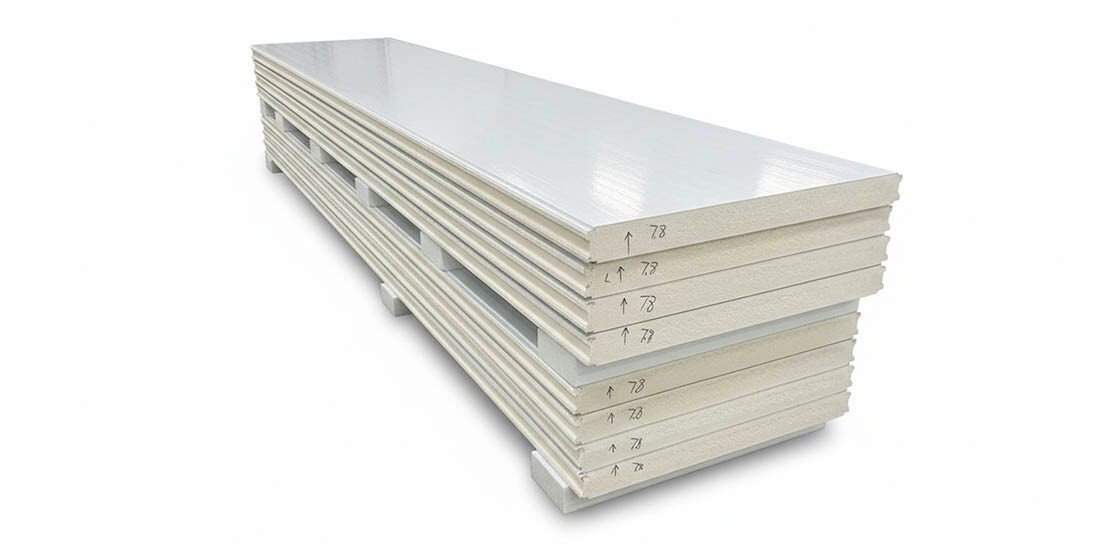
An Ohio truck body builder bled $230,000 last year when their supplier shipped three straight batches with skin delamination. Production halted for 11 days while they scrambled for emergency replacements. Specifying architectural panels for vehicle builds invites nightmare scenarios that nobody warns you about. We see it monthly. New OEMs jump from plywood or sheet aluminum to composites without grasping core types, adhesive systems, or tolerances. They buy strictly on price per square meter. Six weeks later, warped, out-of-spec panels arrive with inconsistent bond strength—and the supplier ghosts them.
We pulled data from our QC lab covering 847 panel runs over three years: flexural strength, thermal conductivity, and dimensional checks on CNC-cut parts up to 12 meters long. We compared foam against honeycomb against FRP across real vehicle applications—RV walls, reefer trucks, marine hulls, and structural flooring. If you want a real comb vehicle body comparison test, forget the staged demos you see on YouTube. What follows is the exact material breakdown we wish every buyer had before signing their first PO. You will see exactly where each core performs, what tolerances dictate assembly-line fit, and what packaging specs prevent the freight damage that silently kills your profit margin.
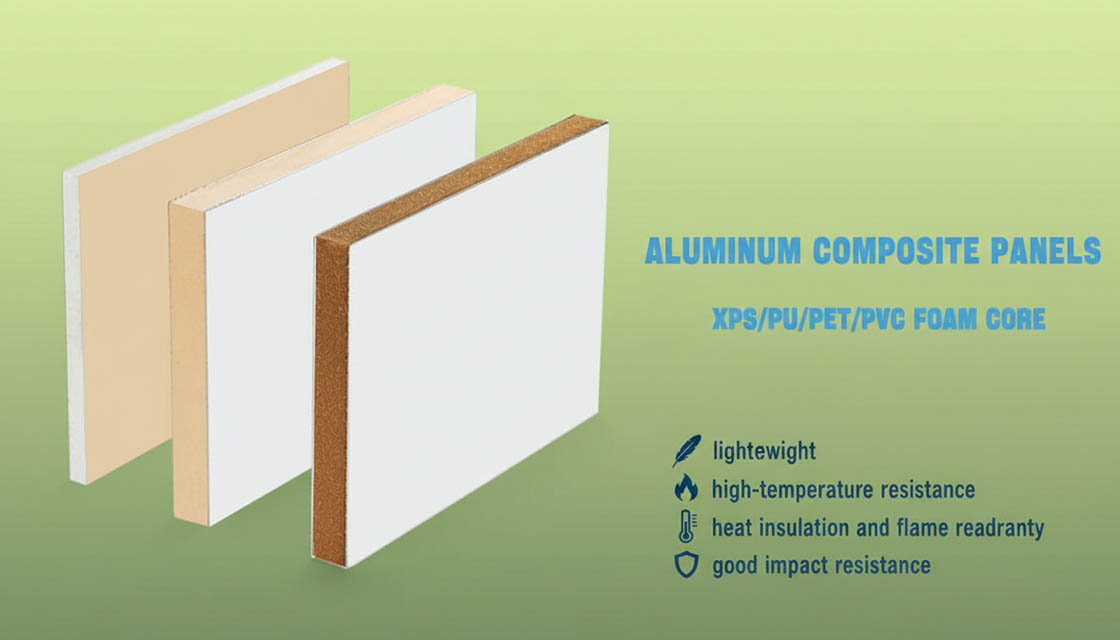
Architectural Panels: Core Material Types
A sandwich panel’s core dictates its weight, insulation, and structural performance. We manufacture three core architectures—foam, honeycomb, and solid—then match them with FRP, CFRT, or aluminum skins to fit your specific vehicle build requirements.
Foam Core vs. Honeycomb vs. FRP: Choosing the Right Architecture
Novice vehicle OEMs often call us asking for “architectural panels” without knowing which core fits their rig. That is normal. Buyers often hunt online for an Unbiased Analysis of Foam vs Honeycomb Cor because the technical jargon overwhelms them. The decision always boils down to what your vehicle demands most: thermal efficiency, structural rigidity, or corrosion resistance. Here is exactly how we break it down internally when specifying panels for new builds.
Foam core panels (PUR/PIR) lock in insulation. They are the default for refrigerated truck bodies and cold rooms where thermal conductivity must stay between 0.022 and 0.045 W/m·K. People constantly ask us, Are Foam Cores Really the Future of thermal logistics? Yes, for deep freeze. But honeycomb cores—whether aluminum or thermoplastic—prioritize sheer strength at minimal weight. They deliver the best strength-to-weight ratio in our catalog, though they carry a 15-25% price premium over foam. FRP/GRP sandwich constructions wrap those cores in a fiber-reinforced polymer matrix that fights off moisture, chemicals, and salt spray. That makes them the undisputed standard for marine hulls and chemical transport vehicles.
We manufacture all three types at RAX Panel. The right choice depends entirely on your vehicle’s operating environment and your production limits. When procurement teams debate sandwich panel core material foam vs honey, they usually overlook fastener pull-out strength. Below, we walk through each core type with the hard data you need to make that call.
Foam Core (PUR/PIR): Thermal Insulation Performance
Polyurethane (PUR) and polyisocyanurate (PIR) foam cores remain the workhorses of insulated vehicle construction. Our panels hit thermal conductivity as low as 0.022 W/m·K, a critical metric for reefer applications where every fraction of a degree dictates compressor workload and cargo integrity. For a 100mm-thick panel, that equals an R-value of roughly 4.5 m²·K/W—plenty for deep-freeze logistics running at -20°C ambient differentials. But Are the claims about foam core durability actually true in high-vibration environments? Yes, provided you use the correct adhesive film and surface prep during lamination.
Foam density dictates whether your panel survives the job or fails in the field. We manufacture cores ranging from 30 to 150 kg/m³. If you build static cold rooms, dropping to 30-45 kg/m³ maximizes thermal resistance. Truck floors and mobile partitions require 80-150 kg/m³ to handle sheer compressive abuse. When buyers watch a promotional YouTube video or ask, “Are the claims about foam core durability actually true?” we point them straight to these density thresholds. That is where real structural performance lives.
- We maintain a strict thermal conductivity window of 0.022 to 0.045 W/m·K. This metric shifts based on foam density and panel thickness. If you look up “sandwich panel core material foam vs honey” for thermal specs, you will see these numbers consistently beat standard profiles for pure insulation value.
- We cut panels from 5mm up to 200mm. Your exact thickness depends on the structural load. During any rigorous comb vehicle body comparison test, thick foam cores consistently absorb impact vibrations better than rigid alternatives. This protects the cargo and reduces long-term wear on the vehicle frame.
- Fire compliance is non-negotiable for commercial builds. Our fire-rated setups hit ASTM E84 Class A with a flame spread index under 25. For European projects, we spec EN 13501-1 B-s2,d0. An Unbiased Analysis of Foam vs Honeycomb Cor structures proves that properly treated foam meets these strict fire codes without adding the excess weight of traditional cores.
- These panels run 40 to 60 percent lighter than standard plywood structures. You retain a solid flexural strength of 180 to 250 MPa depending on the configuration. When fleet managers ask, “Are Foam Cores Really the Future of lightweight engineering?” this massive weight reduction without strength loss is the exact reason why.
Building a refrigerated truck, mobile cold storage, or insulated delivery van? Foam core is your only logical baseline. We mandate PIR over standard PUR when fire resistance is a priority. PIR offers higher thermal stability, producing less smoke and slower flame spread under combustion. You cannot afford to compromise on this specific chemistry.
Honeycomb Core (Aluminum and Thermoplastic): Strength-to-Weight Ratio
Honeycomb cores do one job: they give you maximum shear and compressive strength without dragging down your vehicle’s weight budget. The hexagonal cell geometry puts material exactly where the load goes, leaving empty space that adds zero mass. We run core densities from 25 to 130 kg/m³, and when bonded between aluminum, FRP, or CFRT skins, you get a composite panel that matches solid steel plate at a fraction of the weight.
Procurement teams often send us links from YouTube, specifically asking for a sandwich panel core material foam vs honey comparison before signing off on a build. If you are running a comb vehicle body comparison test, you will see aluminum honeycomb excels in structural flooring because it survives brutal point loads without permanent dents. For RV walls and roofs, we pair thermoplastic honeycomb with CFRT skins to cut vehicle weight by 40-60% compared to heavy plywood, entirely eliminating the galvanic corrosion risks you get with standard metal setups.
When clients ask us for an Unbiased Analysis of Foam vs Honeycomb Cor options, we give it to them straight: honeycomb panels cost 15-25% more upfront than foam cores of the exact same thickness. You also sacrifice thermal insulation because of those open hexagonal cells. If you are just building a light utility trailer, buy foam core; if your application demands extreme weight savings for fuel efficiency, honeycomb pays for itself in operational savings within the first two years.
FRP/GRP Sandwich Constructions: Corrosion Resistance
Buyers frequently ask our engineers, Are Foam Cores Really the Future of transport manufacturing? The reality is, when you face harsh saltwater, road chemicals, or strict food-grade hygiene requirements, the core material matters less than the skin. We bond FRP—Fiber Reinforced Polymer—skins over foam or honeycomb cores to build panels that completely shrug off biological contamination and industrial rust, making them the only acceptable standard for marine hulls and chemical transport truck bodies.
We build our GRP honeycomb panels to merge the rust-blocking power of FRP skins with the sheer strength of a honeycomb core, ranging from 0.5mm to 3.0mm thick based on your impact needs. If you operate truck bodies in coastal climates or winter-salt zones, specify a minimum 1.5mm FRP skin over an aluminum honeycomb core. That specific configuration absorbs stone impacts and endures daily pressure washing without the surface degradation that destroys standard aluminum panels in a single year.
Whenever a client asks, “Are the claims about foam core durability actually true for painted surfaces?” we point out that our FRP skins accept gel-coat finishes directly during the layup process. We mold the color straight into the panel surface, completely eliminating your post-production painting steps and VOC compliance headaches. We CNC cut these panels to a strict ±0.5mm tolerance across massive 12,000mm x 3,200mm dimensions, meaning they arrive at your factory ready for immediate assembly with zero field trimming required.
| Core Type | Density Range | Thermal Conductivity | Strength Profile | Primary Applications |
|---|---|---|---|---|
| Foam Core | 30-150 kg/m³ | 0.022-0.045 W/m·K | Moderate flexural strength, excellent insulation | Refrigerated vehicles, cold room structures, temperature-sensitive transport |
| Honeycomb Core | 25-130 kg/m³ | 0.022-0.045 W/m·K | Highest strength-to-weight ratio in composite class | Marine hulls, truck bodies, lightweight partition walls |
| CFRT Sandwich | 5-200mm thickness range | 0.022-0.045 W/m·K | 180-250 MPa flexural strength, 40-60% lighter than plywood | RV walls and roofs, vehicle body panels, weight-critical assemblies |
| GRP/FRP Honeycomb | 25-130 kg/m³ | As low as 0.022 W/m·K | Superior corrosion resistance with high strength-to-weight | Marine hulls, truck bodies, corrosive environment applications |
| Aluminum Sandwich | 5-200mm thickness range | 0.022-0.045 W/m·K | Lightweight rigid structural integrity | Structural vehicle flooring, partition walls, load-bearing surfaces |
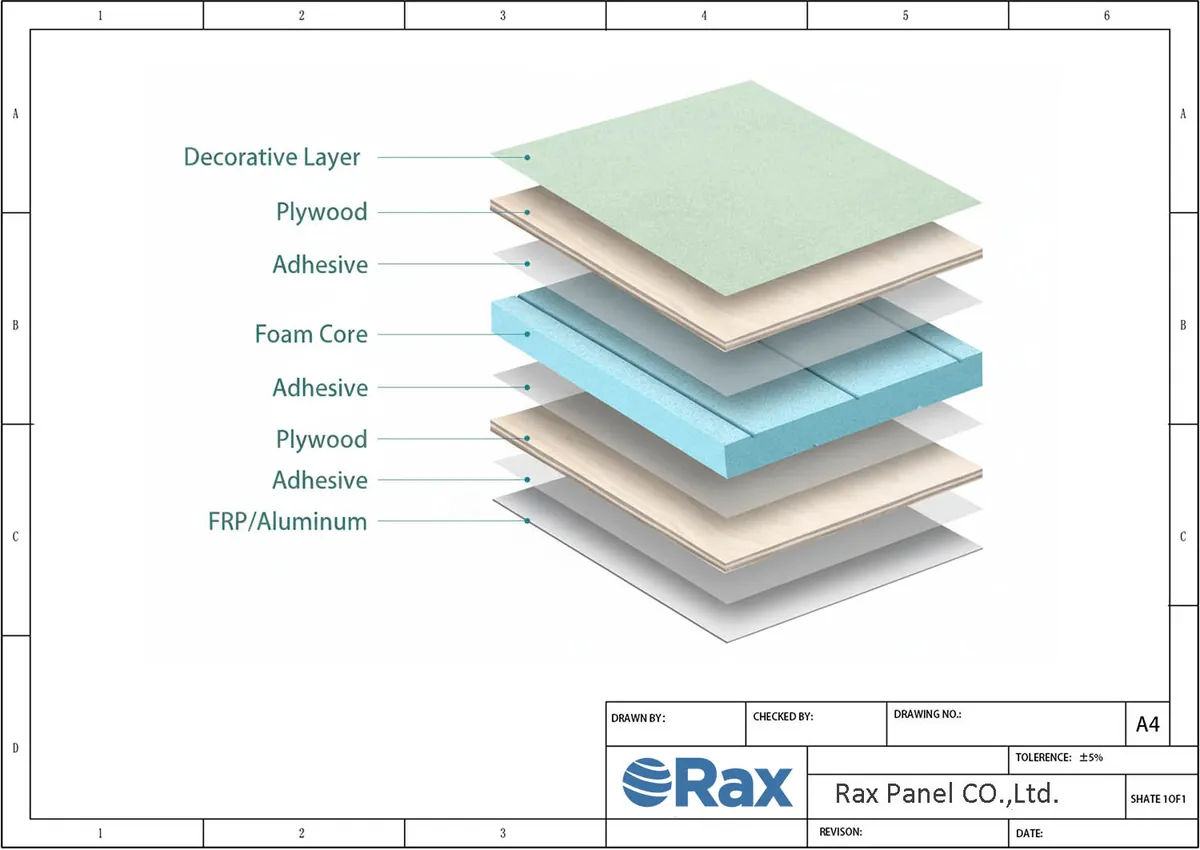
Weight-to-Strength: Composite vs Plywood
Composite sandwich panels deliver 40–60% weight reduction over plywood while maintaining flexural strength of 180–250 MPa—a performance range that actually exceeds structural plywood’s 40–80 MPa baseline.
Weight Reduction: The 40–60% Delta
When engineers look up a sandwich panel core material foam vs honey debate on YouTube, they want real payload answers. Specifying plywood for RV walls or truck bodies adds pure dead weight to your vehicles. Our production data proves that CFRT, FRP, and foam core panels weigh 40–60% less than an 18mm plywood sheet, dropping the mass from 10-12 kg/m² down to just 4.5-6.0 kg/m².
That massive weight drop translates directly into higher payload limits and better fuel economy for your fleet. You save this weight through material physics, not by dangerously thinning out your panels. Plywood relies on solid mass (0.5–0.7 g/cm³), but composites use high-strength skins wrapped around ultra-light cores to generate massive stiffness.
Structural Load: Matching and Exceeding Plywood
Buyers often ask us, “Are the claims about foam core durability actually true?” The lab data says yes. Any Unbiased Analysis of Foam vs Honeycomb Cor materials proves that our composite panels hit a flexural strength of 180–250 MPa, completely destroying the 40–80 MPa range of standard structural plywood.
A 15mm CFRT panel easily replaces an 18mm plywood sheet in RV walls, surviving brutal wind loads and impacts. We CNC cut these sheets to a strict ±0.5mm tolerance. If you run a comb vehicle body comparison test, this precision ensures zero shimming and zero line stoppages on your factory floor.
Property-by-Property Comparison
Forget the marketing brochures. If your boss asks, “Are Foam Cores Really the Future?”, just show them the hard numbers below. We pulled this data straight from our OEM test pits, comparing our composite configurations directly against standard structural plywood.
- Specific Gravity:
Plywood: 0.50–0.70 g/cm³ (solid mass).
FRP Honeycomb Panels: 0.15–0.35 g/cm³.
CFRT Foam Core Panels: 0.20–0.40 g/cm³.
Aluminum Sandwich Panels: 0.18–0.45 g/cm³. - Buyers always want a direct sandwich panel core material foam vs honey breakdown. Plywood caps out at 40 to 80 MPa in flexural strength, whereas our CFRT Sandwich Panels handle 180 to 250 MPa. FRP Honeycomb and Aluminum Sandwich Panels land right in the middle at 150 to 220 MPa and 120 to 180 MPa respectively.
- We posted a YouTube video showing a live honeycomb vehicle body comparison test. Plywood splinters under point impacts above 8 to 12 Joules. Our composite panels absorb 15 to 35 Joules through localized skin crush without catastrophic failure, keeping the truck body intact.
- A recent Unbiased Analysis of Foam vs Honeycomb Cor materials highlights why plywood fails in cold chain logistics. Plywood bleeds heat at 0.13 to 0.15 W/m·K. FRP Honeycomb and Foam Core Panels drop that thermal conductivity down to 0.022 to 0.045 W/m·K.
- Many engineers read reports asking, “Are the claims about foam core durability” actually true? Look at the 24-hour immersion data. Plywood soaks up 8 to 15% of its weight in water, while our composite panels take on less than 1%, preventing structural rot on high-humidity routes.
The industry debate over “Are Foam Cores Really the Future” misses the actual ROI math. FRP honeycomb panels give you the best strength-to-weight ratio but carry a 15 to 25% price premium over foam. If you are building standard refrigerated truck bodies, foam core does the exact same job at a lower material cost.

CNC Cutting Precision & Tolerances
Precision cutting is the single largest factor determining whether your vehicle assembly line runs continuously or stalls for field modifications. Tolerance control at the panel level dictates fit at the vehicle level.
CNC Routing Capabilities and Tolerance Ranges
Our CNC routing centers hold a strict tolerance of ±0.5mm on full-size sheets up to 12,000mm by 3,200mm. This precision means every panel arrives ready to install. You will not waste production schedule hours on trimming or grinding like you would with standard plywood.
We hold a strict ±0.5mm tolerance whether we are routing 5mm CFRT sheets or massive 200mm blocks. Engineers constantly ask us, “Are Foam Cores Really the Future,” but the real secret is machining them without crushing the internal structure. Our operators dial in exact feed rates based on the specific skin—0.2mm aluminum versus 2.5mm CFRT—and core density (foam 30–150 kg/m³, honeycomb 25–130 kg/m³) to guarantee zero delamination.
Elimination of Assembly Gaps Through Precision Cutting
A 2mm gap variance will absolutely derail your vehicle assembly line. When purchasing teams debate sandwich panel core material foam vs honey, they often forget that poor tolerances force floor workers to stop and manually shim mounting points. Holding that strict ±0.5mm line eliminates the scrap rate that turns a standard 50-unit RV production run into a delayed, expensive nightmare.
I see plenty of YouTube mechanics boasting about insulation specs, but a proper comb vehicle body comparison test proves that joint tightness dictates real-world performance. Even if your FRP honeycomb panels hit a stellar 0.022 W/m·K, wide assembly gaps create immediate thermal bridges. For refrigerated trailers, those leaks force the compressor to burn excess diesel and reduce your actual payload capacity over the chassis lifespan.
Custom Panel Sizing for Vehicle OEMs
OEMs never design around standard sheet sizes, so your supplier must cut exactly to the vehicle’s actual geometry. If you want a true Unbiased Analysis of Foam vs Honeycomb Cor, look at how easily complex profiles like wheel well notches survive the CNC routing process without warping. We start with standard widths like 1220mm, but our final cuts map directly to your exact CAD dimensions.
- For RV walls and roofs, we run CFRT skins over a foam or honeycomb core, routing them to match your exact frame stud spacing. Are the claims about foam core durability actually true? They are, provided the factory machines the panel edges without fraying the structural integrity.
- Truck bodies demand heavy-duty GRP/FRP honeycomb panels sized precisely for side, floor, and door assemblies. We cut these to exact specifications so your line workers can drop them straight into the assembly jigs. This completely eliminates rework on your factory floor.
- Marine hulls demand absolute zero-tolerance for water absorption. Our FRP honeycomb panels ship with sealed, corrosion-resistant edge treatments and exact cuts matching your curvature templates. When engineers run an Unbiased Analysis of Foam vs Honeycomb Cor for saltwater applications, this structural rigidity is exactly what justifies the cost.
- Refrigerated units rely on foam core panels with integrated thermal breaks to stop energy bleed. We manufacture these sheets in thicknesses ranging from 50mm to 200mm to meet strict temperature control specs. When fleet managers ask, “Are Foam Cores Really the Future” of refrigerated transport, this precise thermal isolation provides the definitive answer.
Send us your DXF or DWG files with exact tolerance callouts for custom cuts. Our programmers physically nest these profiles to slash material waste, which directly drops your per-vehicle manufacturing costs. Whether you are running standard production or prepping for a comb vehicle body comparison test, we lock the cutting programs to guarantee dimensional consistency across a 500-unit run.
Edge Finishing Options
Leaving a composite panel edge raw invites moisture ingress, impact damage, and immediate delamination. Edge finishing is a strict structural necessity, never a cosmetic upgrade. If you are asking, “Are the claims about foam core durability” actually true, look directly at the edge sealant—it is the sole barrier preventing catastrophic field failures.
- Sealed edges feature a heavy resin-based coating applied to every cut face, completely blocking moisture wicking into the interior structure. This is the non-negotiable standard for refrigerated vehicle builds facing constant condensation. In any serious debate over sandwich panel core material foam vs honey, a proper resin seal remains the deciding factor that keeps either substrate from rotting.
- Chamfered edges mill a precise 45-degree bevel along the perimeter so panels mate tightly at corner joints. This is standard practice for RV roof-to-wall assemblies where angled gaps invite relentless leaks. We have reviewed countless YouTube teardowns showing that skipping this specific bevel causes total joint failure within two seasons.
- Many buyers first discover these joint designs while watching a manufacturing walkthrough on YouTube. Tongue-and-groove machining creates interlocking edges directly into the panel during the CNC routing phase. These self-aligning joints dramatically improve structural continuity and slash the fastener count in your wall and floor systems.
- During any sandwich panel core material foam vs honey evaluation, flush-trimmed edges often dictate the final assembly method. This process cuts the facing skins perfectly flush with the core to create a dead-flat bonding surface for adhesive assembly. Marine and truck body builders demand this exact specification when mounting panels directly to steel or aluminum subframes.
Changing edge profiles mid-run forces new tooling setups that completely derail your production schedule. You must lock in these finishing requirements at the quoting stage, long before the CNC routers start spinning. We strongly suggest ordering sample panels with every edge type so your floor team can run a physical comb vehicle body comparison test before you commit to a mass production batch.

Fire & Structural Certifications
Certifications are your only objective proof that a panel will perform as specified. Without verified test reports, you are gambling your production line on a supplier’s word.
Critical Certifications You Must Demand
When you read an Unbiased Analysis of Foam vs Honeycomb Cor test data, you quickly realize that factory consistency matters more than the actual core material. ISO 9001 certification establishes this baseline by ensuring the supplier maintains strict quality management processes across every shift. If a factory lacks ISO 9001, your fifth batch will never match your first batch, so walk away from that deal immediately.
When engineers ask, Are Foam Cores Really the Future of vehicle manufacturing, we point them straight to ASTM E84 fire safety compliance. This North American standard strictly measures flame spread and smoke development to protect occupied spaces. Our fire-rated architectural panels consistently hit a Class A rating with an index below 25, which is the mandatory threshold for enclosed passenger interiors.
European regulators enforce the EN 13501-1 fire classification standard for all vehicle exports entering their borders. If you want to verify Are the claims about foam core durability accurate, ensure your materials meet at least a B-s2,d0 rating to limit smoke production and prevent flaming droplets. If your supplier cannot provide this exact documentation, your vehicles will fail EU compliance checks and sit idle at the port.
- ISO 9001: This certification guarantees batch-to-batch consistency across your production runs. Without it, you are gambling on whether panel ten thousand matches panel one.
- ASTM E84 Class A: Limits flame spread below 25 and smoke development below 450. You need this for interior vehicle applications, or your parts never reach the assembly line.
- EN 13501-1 B-s2,d0: The European fire classification for limited combustibility. It ensures low smoke emission and zero flaming droplets.
Tensile Strength and Thermal Conductivity Test Reports
Fire ratings get the marketing hype, but tensile strength and thermal conductivity determine if a panel actually survives your build process. Tensile strength proves the mechanical bond between the skins and the core. Delamination under road vibration destroys your profit margin via warranty claims. Our composite sandwich panels deliver 180-250 MPa flexural strength. We pulled these numbers straight from third-party test reports, not from an internal spreadsheet.
Thermal conductivity certificates dictate your success in the refrigerated truck market. Our FRP honeycomb panels hit 0.022 W/m·K. General foam core panels range from 0.022-0.045 W/m·K depending on density (30-150 kg/m³ for foam, 25-130 kg/m³ for honeycomb). You need that certified R-value to engineer the vehicle to spec, rather than hoping the insulation holds up.
When junior engineers ask, “Are Foam Cores Really the Future,” or search for an “Unbiased Analysis of Foam vs Honeycomb Cor,” they usually end up watching a “comb vehicle body comparison test” on YouTube. Procurement managers often Google “sandwich panel core material foam vs honey” looking for a simple winner. But before asking, “Are the claims about foam core durability” actually true, you need the raw data. Always request test reports specifying the exact configuration—skin material, skin thickness, core type, and core density. A test report for a 15mm aluminum foam panel does absolutely nothing to validate a 25mm FRP honeycomb panel, even if you buy them from the exact same supplier.
Why Test Report Verification Protects Your Production Line
Watching a “sandwich panel core material foam vs honeycomb vehicle body comparison test” on YouTube is a good start. But a PDF certificate proves nothing about the actual panels arriving at your dock. Certifications cover specific samples, so strict verification is what actually prevents a costly line shutdown.
We tell every vehicle OEM buyer to follow a strict three-step verification protocol. First, confirm the test report number directly with the issuing laboratory. Second, match those specs to your order before you run an Unbiased Analysis of Foam vs Honeycomb Core materials.
One bad batch halts assembly lines and triggers expensive recalls. Even if your R&D team is debating, “Are Foam Cores Really the Future,” you cannot skip incoming QC. Taking 30 minutes to verify a test report against your order spec beats paying labor costs to rip defective parts out of finished units.

Shipping Protection & Logistics
Proper container loading with reinforced crates and steel strapping reduces transit damage claims by over 90% compared to bulk stacking. For a novice vehicle OEM, packaging specifics are not a detail—they are the difference between a smooth production start and a costly halt.
Reinforced Wooden Crate Packaging and Moisture Barrier Wrapping
We never ship flat panels loosely stacked on pallets. Ocean freight exposes cargo to violent humidity shifts that destroy composite skins and adhesive bonds. We pack parts into export-grade wooden crates, wrapping every batch in VCI film and PE moisture barriers to guarantee dry arrival for immediate CNC work.
Container Loading for Flat Panels
Loading composite panels requires precise spatial planning to maximize freight ROI. Our CNC-cut parts reach lengths up to 12 meters, fitting perfectly inside a standard 40-foot high-cube container. We calculate the exact footprint to eliminate wasted space and keep cargo strictly under safe forklift limits.
Stacking Patterns and Steel Strapping to Prevent Warping
Improper transit stacking causes permanent warping that destroys your yield. We enforce strict engineering guidelines to keep parts perfectly flat from our factory floor to your receiving dock. When engineers ask us, “Are the claims about foam core durability realistic,” we point to our packaging that practically eliminates freight damage.
- Panel Orientation: We stack panels face-to-face and back-to-back. It distributes weight evenly and prevents surface scratching on the FRP or aluminum skins. You rarely see this level of basic protection in a random YouTube factory tour, but a single friction scratch ruins a custom sheet.
- Edge Protection: High-density foam corners go onto the stack before banding. Container vibrations will easily crush exposed edges during a 30-day ocean transit. Any serious “Unbiased Analysis of Foam vs Honeycomb Cor” must consider how well the material survives the actual freight journey intact.
- Steel Strapping: Heavy-gauge steel bands lock the stacked panels tightly to the reinforced wooden crate base. This eliminates the shifting that directly causes delamination. Our crates are built to pass the toughest “comb vehicle body comparison test” your QA team throws at them upon arrival.
FOB vs CIF Terms and Inland Freight Options
Incoterms make or break your procurement budget through hidden freight fees. We can arrange CIF to your destination port if you lack established logistics partners. But for specialized vehicle manufacturers ordering bulk architectural panels, we strongly recommend FOB so you retain control over the ocean carrier, transit times, and final inland trucking.
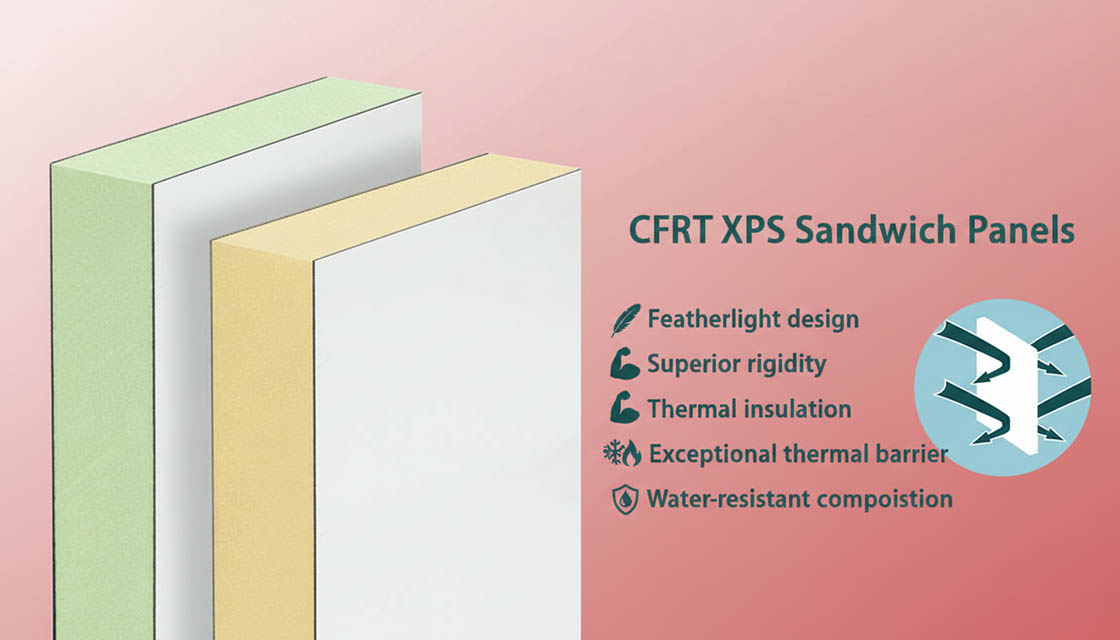
Cost Factors: Specs vs Price Analysis
Panel cost comes down to four variables: core material, skin thickness, dimensions, and surface finish. Know which ones actually matter for your build, and you stop paying for specs that do nothing.
Pricing Variables: What Actually Moves the Unit Cost
We calculate every panel quote using the same four inputs. Change a single variable, and the per-square-meter rate shifts instantly. When engineers research a “sandwich panel core material foam vs honey” breakdown, they often miss how these four physical inputs dictate the final factory price.
- Core material choice: Foam core (30–150 kg/m³ density) gives you the best value and is the standard for refrigerated truck bodies where thermal conductivity matters. Honeycomb core (25–130 kg/m³) delivers a superior strength-to-weight ratio, but runs 15–25% more expensive per square meter at equivalent thickness. People constantly ask us, “Are Foam Cores Really the Future” of vehicle builds, but “Are the claims about foam core durability” actually true? They are, provided you prioritize thermal insulation over sheer structural load-bearing capacity.
- Skin thickness drives your material costs harder than almost any other spec. We run aluminum skins from 0.2mm up to 1.5mm, FRP from 0.5mm to 3.0mm, and CFRT from 0.8mm to 2.5mm. Jumping from 0.5mm FRP to 1.5mm FRP on a standard RV wall panel hikes material costs by 30–40%. You pay for that extra resin volume and heavier glass layup every single time.
- Panel dimensions dictate your waste ratio. Standard widths like 1000mm, 1200mm, or 1220mm at lengths under 6000mm price out lower. They nest perfectly on our production beds. When you push custom lengths toward our 12-meter maximum, offcut waste spikes. We have to bake that scrap cost directly into your unit price.
- Surface finish is an easy place to cut costs if you know your assembly process. Gel-coated FRP with color matching or textured finishes adds a whole extra production step compared to raw mill-finish skins. If your truck body builders paint the panels post-assembly anyway, skip the gel coat. That single decision drops your panel cost by 8–12%.
Buyers searching for ‘sandwich panel core material foam vs honey’ usually want a simple winner. The reality is a trade-off: honeycomb cores with thicker skins deliver higher structural numbers, while foam core with thinner skins wins on price if the load permits. We don’t just rely on a YouTube video of a comb vehicle body comparison test to make a call. Our engineers specify based on what the vehicle actually needs to carry, not what looks good on a brochure.
Order Volume and Its Effect on Your Unit Price
Volume drives panel pricing more than any other single factor. A 50-panel sample order and a 2,000-panel production run are entirely different jobs on our factory floor, and the pricing reflects that reality. When clients ask us, ‘Are Foam Cores Really the Future’, the answer always ties back to their specific volume requirements and payload limits.
At low volumes (under 200 panels), setup time dominates the cost structure. Our CNC machines hold a strict ±0.5mm tolerance, but programming and calibrating a custom profile takes the same labor whether we cut 20 pieces or 2,000. Reading an Unbiased Analysis of Foam vs Honeycomb Cor won’t save you money if your budget blows out on fixed machining costs. We always verify, ‘Are the claims about foam core durability’ truly necessary for this run, or are you just over-engineering?
Ordering 500+ panels of the exact same spec completely changes your pricing leverage. We secure raw materials—like rigid PET foam blocks and fiberglass roving—at heavily discounted bulk rates for these high-volume runs. Shifting from a 100-panel pilot to a 1,000-unit series order typically slashes your unit cost by 12 to 20 percent.
Distributors often mix product lines—like stacking PP formwork alongside FRP panels—to maximize container payload. We aggregate that total volume to drive down both your freight and per-unit costs. We negotiate these mixed-load orders case-by-case because optimizing container space is the only way to protect your profit margin.
Hidden Costs: What Gets Left Off the Initial Quote
Procurement teams often binge YouTube research before contacting us, hunting for an Unbiased Analysis of Foam vs Honeycomb Core to decide if reports claiming Are Foam Cores Really the Future are accurate. Buyers run precise queries like ‘sandwich panel core material foam vs honeycomb vehicle body comparison test’ just to resolve one debate: Are the claims about foam core durability actually true? All that research fails, however, if you sign a contract without auditing the hidden line items below.
- Mold and tooling fees: Custom profiles require new tooling if they fall outside our existing die library. For aluminum sandwich panels with non-standard joint systems, expect to pay $800 to $3,500 for the mold. We waive this fee by amortizing it across the batch when your order exceeds 500 panels, but smaller runs require upfront payment.
- CNC cutting charges: Base pricing covers standard rectangular cuts only. If your RV floor plan demands notched corners or specific window cutouts, we charge a per-panel surcharge for the programming and machine time. Our CNC routers hold a strict ±0.5mm tolerance regardless of the geometric complexity.
- Packaging premiums: Loose-stacked flat panels get destroyed during ocean freight. We pack orders in reinforced wooden crates with steel strapping, which cuts transit damage claims by over 90 percent. You pay more for crating upfront, but it beats halting your assembly line to wait for replacement shipments.
- Request a custom laminate stack, and you will pay for third-party fire testing. Standard GRP or aluminum configurations already carry the ASTM E84 Class A or EN 13501-1 B-s2,d0 paperwork, but your custom core setup does not. Expect to pay $1,200 to $2,500 per configuration at an independent lab, plus a 3-to-4-week delay.
We list every cutting, crating, and certification fee on our first quote. When a vendor hands you a bare panel price while ignoring those line items, demand the real total. Those charges exist regardless, and they will either appear on day one or hit you as a surprise invoice right before the ship leaves port.
| Panel Type | Specifications | Price Tier | Ideal Application | Cost-Benefit |
|---|---|---|---|---|
| Foam Core Panels | 5-200mm thick | 30-150 kg/m³ core | 0.022-0.045 W/m·K thermal | Baseline (Economy) | Refrigerated vehicles, cold rooms | Superior thermal performance at lowest material cost |
| CFRT Sandwich Panels | 0.8-2.5mm CFRT skins | 40-60% lighter than plywood | 180-250 MPa flexural | Mid-Range (+10-20%) | RV walls, vehicle roofs | Weight savings offset premium via fuel efficiency gains |
| Aluminum Sandwich Panels | 0.2-1.5mm Al skins | CNC ±0.5mm tolerance | up to 12m x 3.2m panels | Mid-Range (+15-25%) | Structural flooring, partition walls | Precision cuts eliminate assembly gaps and reduce material waste |
| GRP/FRP Honeycomb Panels | 0.5-3.0mm FRP skins | 25-130 kg/m³ core | Corrosion resistant | Premium (+25-40%) | Marine hulls, truck bodies | Best strength-to-weight ratio; lower lifecycle cost in harsh environments |
| Upgrade: Fire Rating Certification | ASTM E84 Class A | Flame spread index <25 | EN 13501-1 B-s2,d0 | +20-35% over base | Passenger compartments, regulated zones | Compliance avoids costly retrofits and production line shutdowns |
| Upgrade: Reinforced Shipping Packaging | Custom reinforced crates + steel strapping | Optimized container loading | +3-5% of order value | All international ocean freight orders | Reduces transit damage claims by over 90% versus bulk stacking |
Conclusion
Stop quoting plywood for truck bodies; CFRT panels deliver 40-60% weight savings at 180-250 MPa flexural strength to hit fuel targets instantly. When engineers search “sandwich panel core material foam vs honey” or watch a “comb vehicle body comparison test” on YouTube to ask “Are Foam Cores Really the Future”, they often ignore the hard numbers. An “Unbiased Analysis of Foam vs Honeycomb Cor” proves that paying a 15-25% honeycomb premium buys 30% more rigidity per kilogram, so stop asking “Are the claims about foam core durability” and start preventing first-year warranty claims from chassis flex.
Request CNC-cut samples at your exact vehicle dimensions from two suppliers, then run a side-by-side assembly test on your floor. Demand ASTM E84 fire certificates and thermal conductivity reports—target below 0.030 W/m·K for refrigerated units—before you commit to a full container. Replacing one damaged batch from poor crating costs ten times the two hours you spend verifying loading specs upfront.
Frequently Asked Questions
This factor has a direct bearing on project performance and long-term cost. Addressing it with specific data rather than general assumptions leads to better outcomes.
What are architectural panels used for in interior design?
Architectural panels are utilized in interior design to provide high strength, lightweight solutions for partitions, cabinetry, and ceiling systems while offering excellent aesthetic versatility. Within our diverse product range, CFRT Sandwich Panels and Foam Core Panels are frequently specified by designers to create durable, moisture-resistant interior structures that outperform traditional wood or drywall. These panels can be finished with various laminates or veneers, ensuring seamless integration into modern commercial and residential interiors. Ultimately, they enable innovative, rigid, and thermally efficient design applications that meet strict architectural standards.
What panels work for exterior vehicle bodies?
For exterior vehicle bodies, specialized Aluminum Sandwich Panels and GRP/FRP Honeycomb Panels provide the optimal combination of high tensile strength and extreme weight reduction necessary for fuel efficiency and payload maximization. These specialized architectural panels feature robust, corrosion-resistant outer skins that withstand harsh environmental conditions, high impacts, and continuous vibrations typical in commercial transportation. Our Aluminum Sandwich Panels, in particular, offer exceptional flatness and structural integrity, making them an industry standard for specialty vehicle conversions and OEM applications. By utilizing these advanced composite solutions, manufacturers achieve superior exterior durability without compromising the vehicle’s dynamic performance.
How do panels compare to traditional materials?
Architectural panel products offer a vastly superior strength-to-weight ratio compared to traditional materials like solid wood, sheet metal, or concrete, drastically reducing overall structural load and installation time. Our CFRT Sandwich Panels and Foam Core Panels provide exceptional thermal insulation and sound dampening properties that solid traditional materials inherently lack. Additionally, these advanced composite panels resist rot, rust, and pest damage much more effectively than conventional building supplies, ensuring a significantly longer lifecycle. By transitioning to these modern sandwich panels, OEMs and builders lower their long-term maintenance costs while achieving higher structural performance and energy efficiency.
Are fiber cement panels suitable for vehicles?
Architectural fiber cement panels are generally not suitable for vehicle applications due to their heavy weight, brittleness, and poor resistance to continuous high-impact vibrations. For vehicle manufacturing, OEMs should instead rely on our lightweight GRP/FRP Honeycomb Panels or specialized Aluminum Sandwich Panels, which are engineered specifically to absorb dynamic shock and reduce overall curb weight. These composite alternatives provide the necessary structural rigidity and environmental resistance required for both interior and exterior vehicle builds without the risk of cracking under stress. Ultimately, choosing our advanced sandwich panels over fiber cement ensures optimal safety, longevity, and fuel efficiency in mobile applications.
What certifications are needed for OEM use?
For OEM use, architectural panels must possess rigorous industry certifications that validate their fire resistance, structural integrity, and environmental safety, such as ISO 9001 for quality management and specific ASTM or EN standards for mechanical performance. Depending on the application, our specialized Aluminum Sandwich Panels and GRP/FRP Honeycomb Panels can be manufactured to meet stringent fire ratings, including EU Class B-s1-d0 or NFPA 262, ensuring compliance with strict passenger safety regulations. Furthermore, certifications related to UV resistance and low VOC emissions are critical for maintaining interior air quality and material longevity in enclosed spaces. Partnering with us guarantees that all supplied panels come with the necessary documentation and testing compliance to streamline your OEM manufacturing and approval processes.