ATP & Refrigerated Transport Panel System Guide
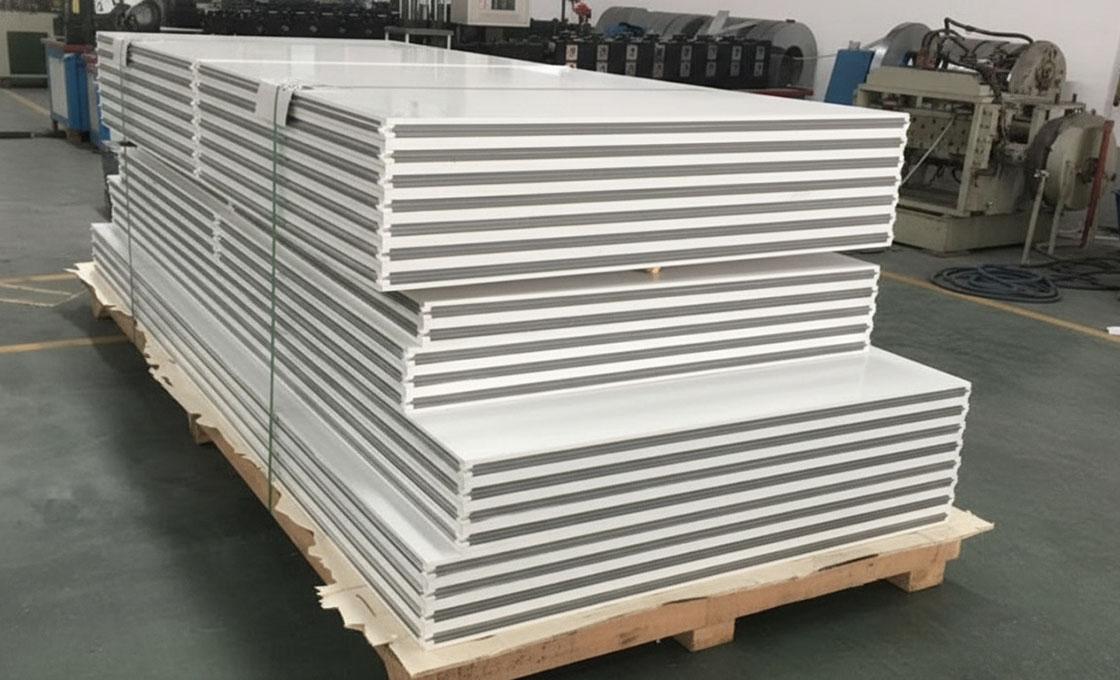
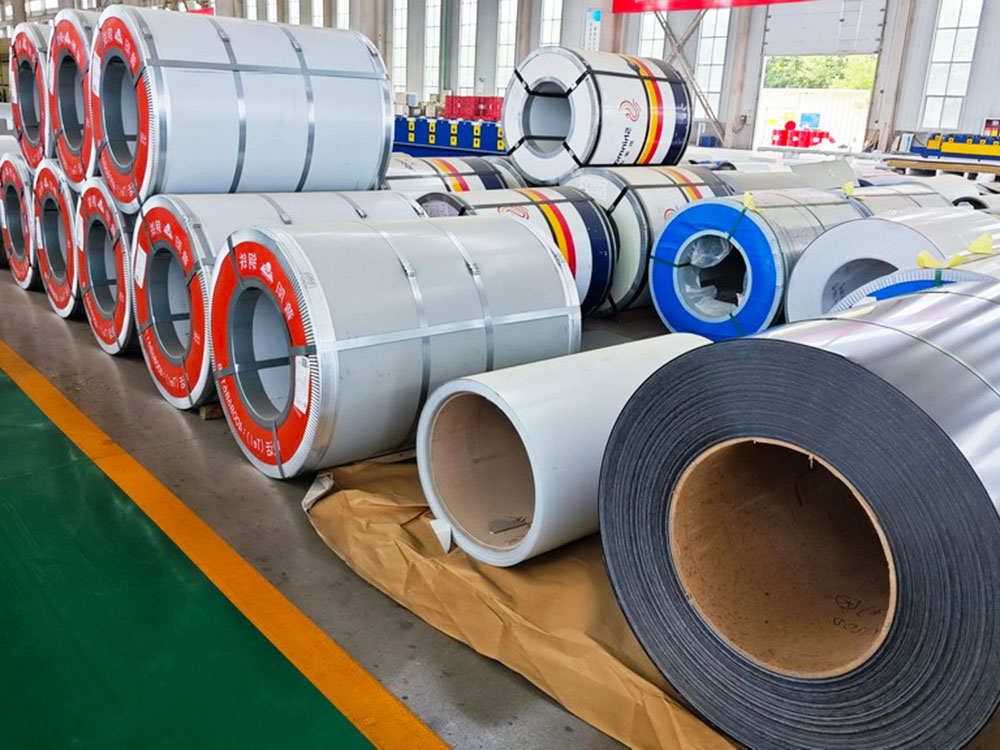
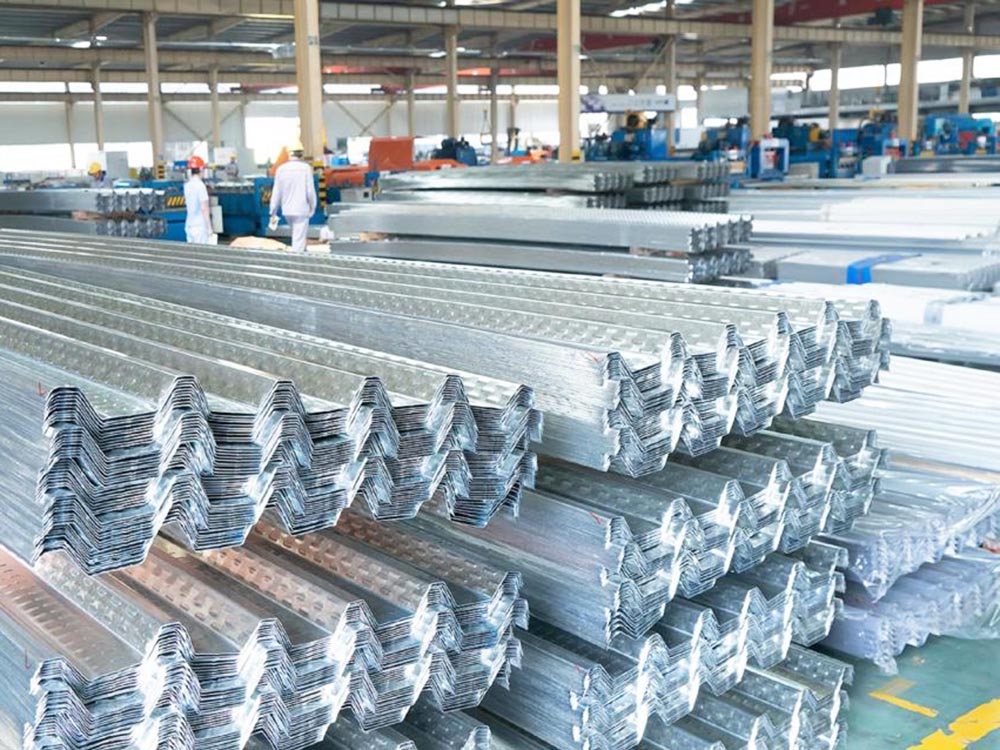
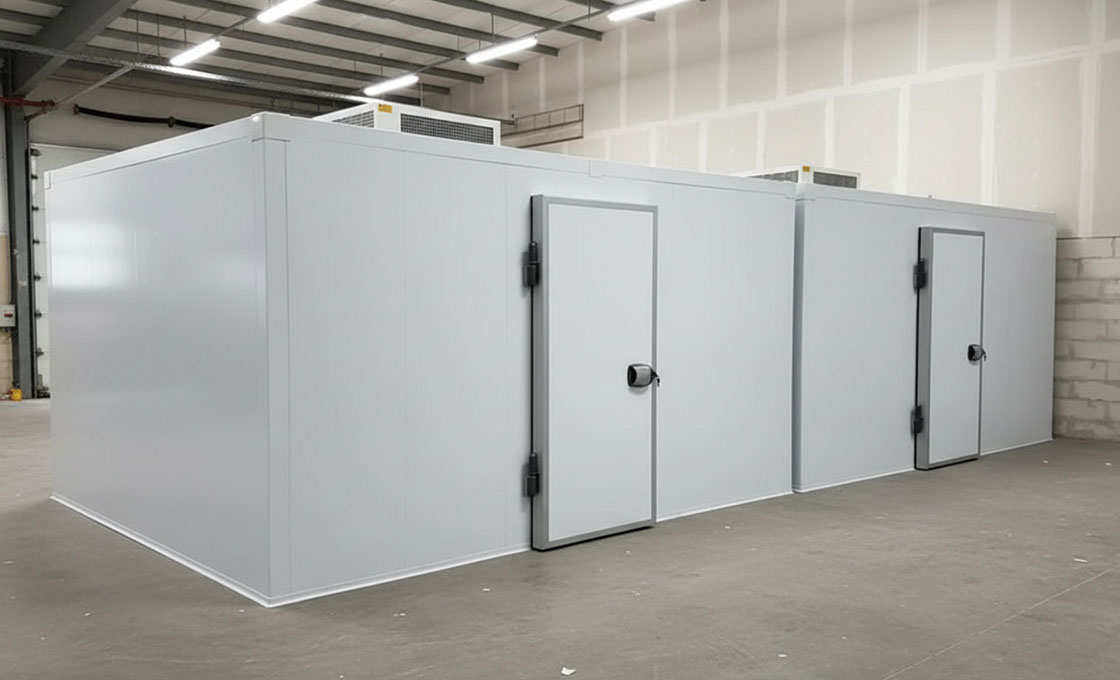
Truck body sandwich panels are specifically engineered for commercial vehicle bodies requiring thermal efficiency, weight optimization, and structural durability under continuous road vibration. Built with gel-coated FRP, aluminum, or pre-painted steel facings bonded to PU foam, XPS, or PP honeycomb cores, these panels comply with ATP (Agreement on the International Carriage of Perishable Foodstuffs) classifications and international transport standards.
Pro Tip: Continuous Vacuum Lamination & Vibration Resistance
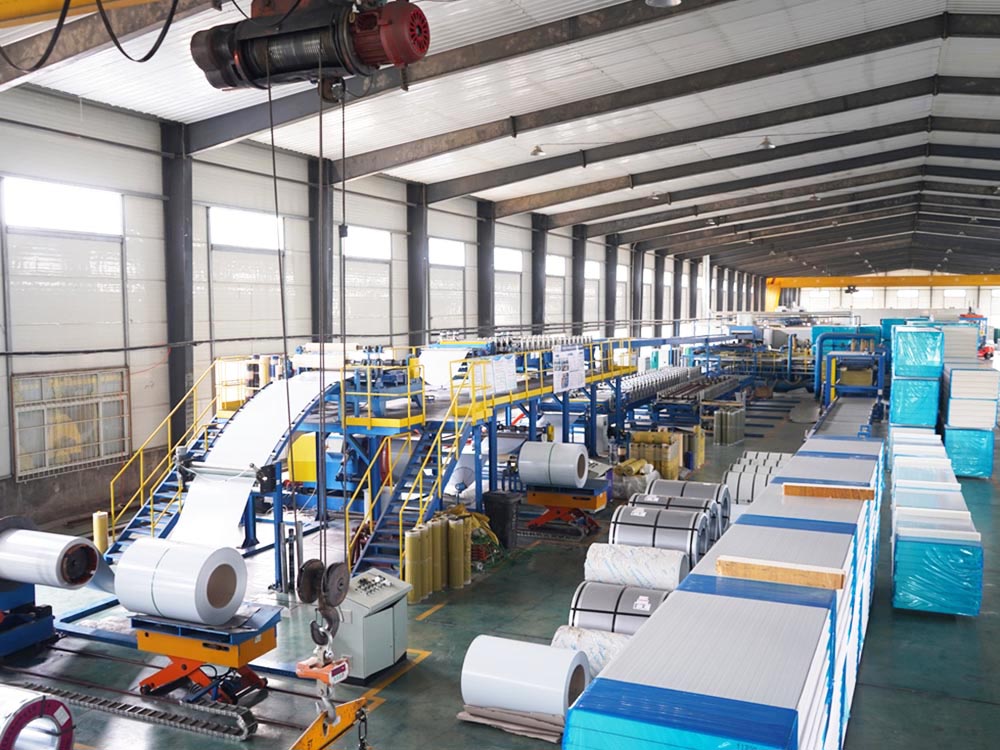
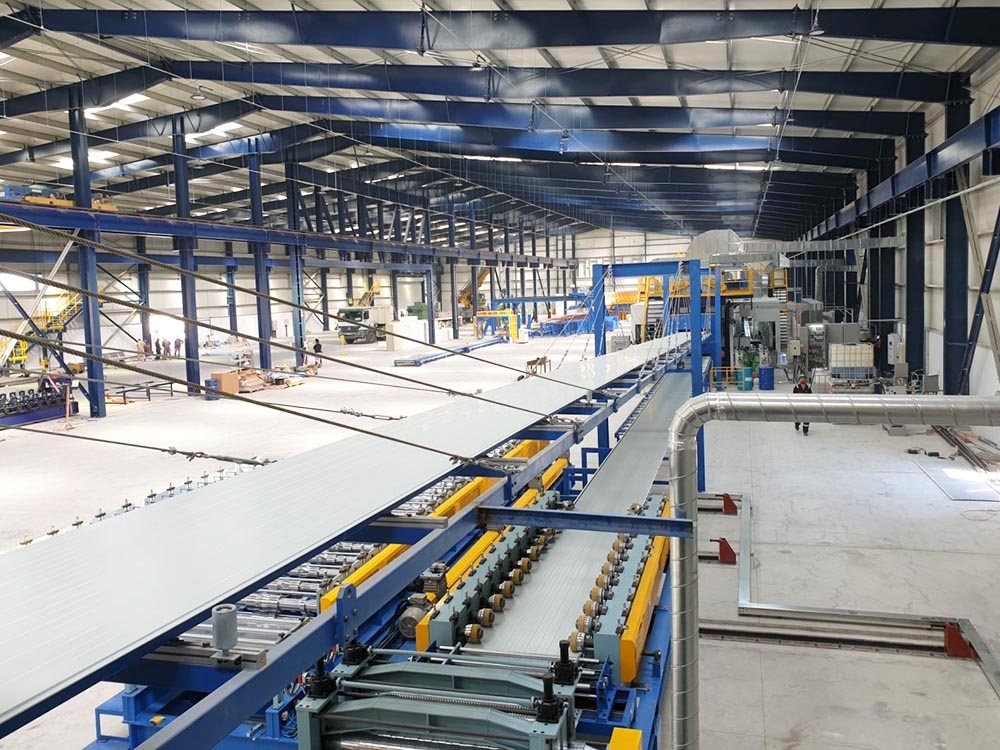
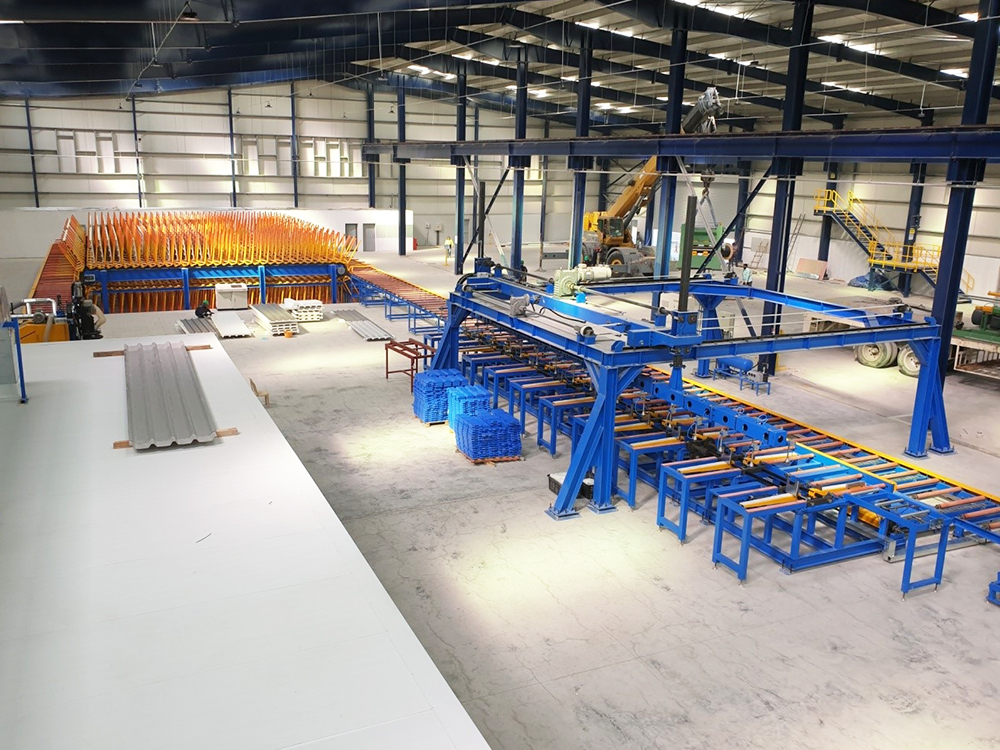
At RaxPanel, our truck body panels are produced through continuous high-pressure vacuum lamination, achieving monolithic skin-to-core bonds that resist delamination under the torsional flex and vibration of long-haul road operation. Panel joints use tongue-and-groove profiles with polyurethane adhesive sealing for airtight, waterproof assembly.
1. Why Is Skin-to-Core Bond Strength Critical for Truck Body Panels?
Unlike stationary building panels, truck body panels endure continuous road vibration, torsional chassis flex, and impact from road debris. RaxPanel’s vacuum lamination achieves skin-to-core adhesion strength exceeding 100 kPa per EN 14509 standards, ensuring the facings never separate from the core during the vehicle service life.
2. What Core and Skin Combinations Fit Different Truck Body Applications?
Core and skin selection governs thermal performance (K-value), vehicle weight, and structural integrity for specific transport applications:
| Panel Configuration |
RaxPanel Performance Metric |
Truck Body Application |
| FRP + PU Foam Core |
K-value ≤ 0.024 W/m²K / Density 35-45 kg/m³ |
Refrigerated and frozen food transport bodies |
| FRP + XPS Core |
Compressive strength ≥ 150 kPa / Moisture resistant |
Chilled distribution and ice cream transporter vans |
| Aluminum + PP Honeycomb |
Weight reduction up to 30% vs. steel skin |
Lightweight dry freight and express delivery van bodies |
| FRP + Plywood / Floor |
Load capacity for forklift wheel loading |
Truck floors supporting palletized cargo loading |
3. How Do Panel Joints Maintain Thermal Breaks and Airtightness?
RaxPanel truck body panels feature precision tongue-and-groove or overlapping joint profiles designed for continuous thermal breaks. Joints are sealed with polyurethane adhesives or hot-melt sealants during body assembly, ensuring airtightness and water resistance that preserves the refrigerated envelope K-value over the vehicle lifetime.
4. ATP Certification and Thermal Performance Classification
ATP Equipment Classifications:
- Normally Insulated (IN): K-value ≤ 0.70 W/m²K for chilled transport above 0°C.
- Heavily Insulated (IR): K-value ≤ 0.40 W/m²K for frozen transport down to -20°C.
- Refrigerated (FNA/FRB/FRC): Classified by cooling unit capacity in combination with panel insulation class.
5. Where Are Truck Body Panel Systems Most Commonly Used?
Refrigerated Truck Bodies & Reefer Trailers
Frozen and chilled food distribution, pharmaceutical cold chain, and perishable logistics.
Dry Freight Van Bodies
Express parcel delivery, FMCG distribution, electronics, and general ambient freight.
6. UV and Weather Resistance for Long-Haul Operation
Gel-coated FRP skins are formulated with UV inhibitors to resist yellowing, chalking, and surface degradation under prolonged sun exposure. Aluminum and pre-painted steel skins use PVDF or SMP coatings engineered for 15+ years of weathering resistance across diverse climate zones.
Frequently Asked Questions (FAQS)
1. What skin and core combinations are available for RaxPanel truck body panels?
Common configurations include FRP (gel-coated fiberglass) skins with XPS, PU, or PP honeycomb cores for refrigerated and dry freight bodies, and aluminum or pre-painted steel skins with PU or XPS cores for specialized applications. CFRT thermoplastic skins are available for weight-critical builds.
2. What thickness range do RaxPanel truck body panels offer?
Standard thicknesses range from 50mm to 125mm, with 60mm, 75mm, 80mm, and 100mm being the most common selections for refrigerated truck bodies. Dry freight applications typically use 50mm to 75mm panels. Custom thicknesses are available.
3. What is the maximum panel width and length RaxPanel can produce?
Panels are produced at maximum widths up to 2,700mm and custom lengths up to 10,000mm on our continuous lamination line. Standard widths align with common truck body module dimensions.
4. Do RaxPanel truck body panels meet ATP certification?
Panels are engineered to comply with ATP classifications, including Normally Insulated (K ≤ 0.70 W/m²K) and Heavily Insulated (K ≤ 0.40 W/m²K) classes. Third-party thermal performance verification is available upon request.
5. What temperature range can refrigerated truck body panels maintain?
Refrigerated panels maintain internal temperatures from -25°C to +5°C for frozen and chilled cargo, with extended low-temperature performance down to -30°C for deep-frozen applications when paired with appropriate refrigeration units.
6. How are panels joined during vehicle body assembly?
Panels feature tongue-and-groove, overlapping, or hybrid joint profiles sealed with polyurethane adhesives or hot-melt sealants to ensure airtightness and water resistance. Assembly is designed for efficient bodybuilder workflow with standard tooling.
7. Can panels be customized for specific fleet projects?
Yes. Panels are fully customizable in width, length, thickness, skin material, core type, surface color (RAL chart), and joint profile. Engineering support includes detailed specifications and performance data.