
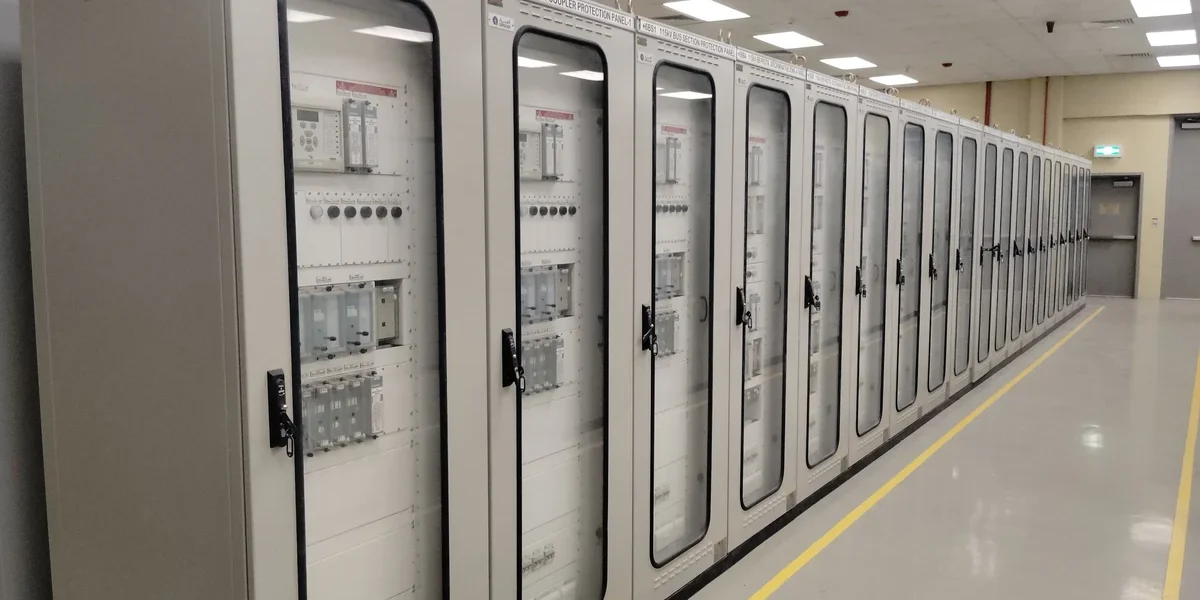
Standard Cold Room Panels are often treated as simple insulating bricks, but they are actually the primary defense against catastrophic energy loss and regulatory non-compliance in industrial facilities. A single poorly sealed thermal bridge in a deep freeze environment creates ice buildup that degrades structural integrity and forces HVAC systems to run at maximum capacity, directly inflating your operational costs.
Rax Panel leverages over 15 years of manufacturing data to engineer sandwich panels that specifically target these failure points, ensuring the physical barrier between your product and the outside environment remains uncompromised.
This analysis examines eight critical industrial applications where panel selection dictates operational success. We move beyond basic insulation metrics to evaluate specific engineering requirements for meat processing hygiene, pharmaceutical fire safety, and aggressive chemical environments. You will learn how to match core materials like PIR and XPS to precise temperature gradients and why surface finishes determine your ability to pass FDA audits without costly retrofits.
What Is these applications allows you to bypass the hidden costs of improper installation and material mismatch. The goal is to provide a clear framework for selecting panels that minimize long-term maintenance and maximize storage density, turning your cold room from a utility expense into a competitive asset.?
What Is Cold Room Panel Versatility?
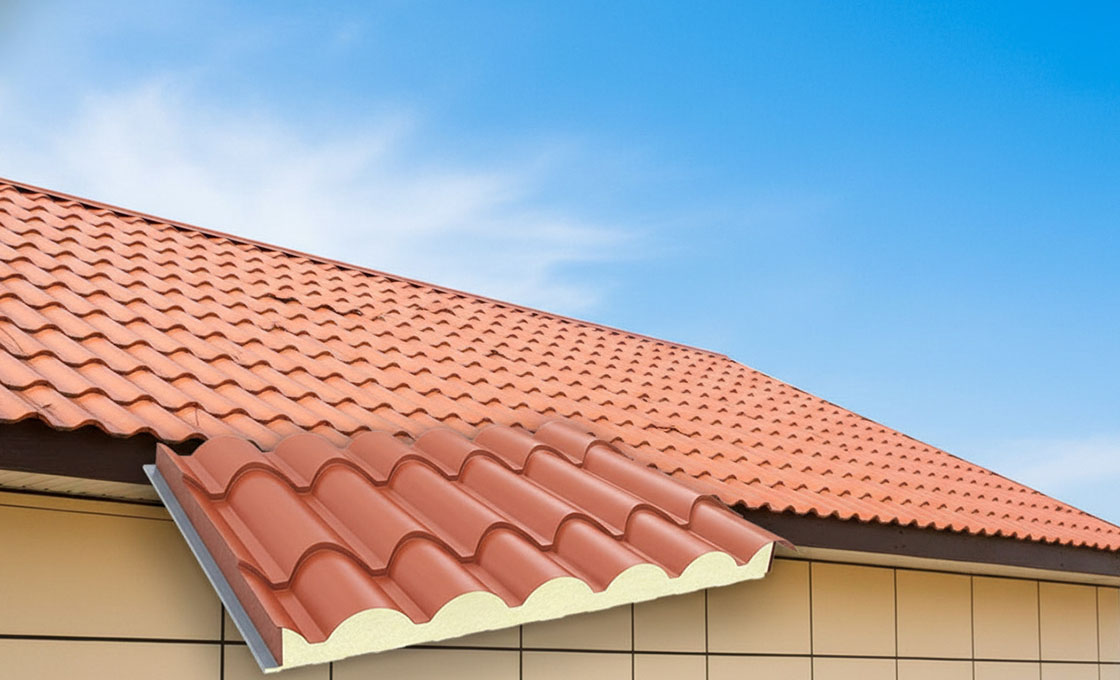
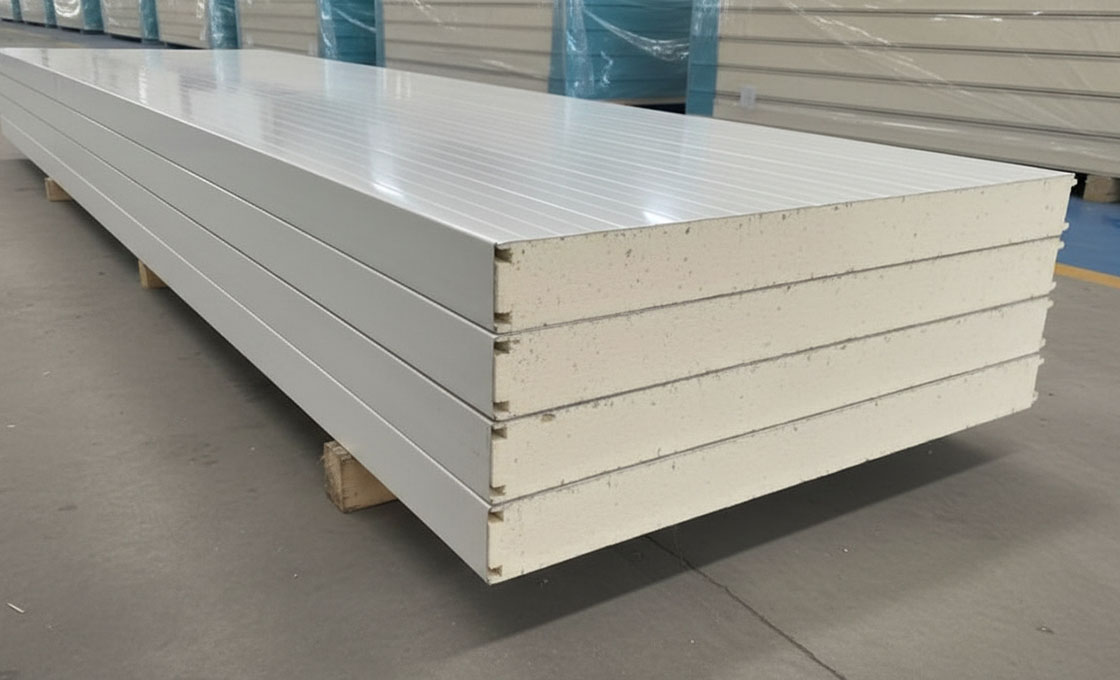
Cold room panels function as modular sandwich structures engineered to maintain precise environmental stability. Each unit consists of a rigid insulation core—such as PU, PIR, or XPS—encapsulated within highly durable facings like galvanized steel, aluminum, or fiberglass. This composite design creates a smooth barrier against heat transfer, preventing thermal bridging that typically occurs at structural weak points in traditional construction.
Eliminating Thermal Bridging for Absolute Consistency
Thermal bridging happens when heat bypasses the insulation through conductive materials, causing energy waste and dangerous temperature spikes. In a modular sandwich panel, the insulation core acts as a continuous blanket. Because there are no gaps or exposed structural beams within the wall cavity, the cold stays exactly where it belongs. This uninterrupted insulation is critical for high-efficiency logistics, ensuring that your HVAC system does not have to work overtime to compensate for leaks.
Customization for Extreme Industrial Demands
Off-the-shelf solutions rarely meet the specific needs of modern industrial facilities. These panels offer immense adaptability regarding thickness, fire ratings, and hygiene standards. Whether you require a thickened panel for extreme deep-freeze operations or a specific surface treatment for sanitary compliance, the modular nature of the design allows for precise engineering.
- Varying Thickness Standards: We routinely engineer panels from 50mm up to 200mm. Thicker cores are deployed for ultra-low temperature blast freezers (-40°C) to maximize thermal resistance.
- Fire Safety Ratings: For facilities with strict fire codes, we utilize PIR (Polyisocyanurate) cores. Unlike standard PU, PIR is naturally char-resistant and meets rigorous international flame spread regulations.
- Hygiene Compliance: In food and pharmaceutical sectors, our panels feature FDA-compliant gelcoats or stainless steel facings. These surfaces are non-porous and resist corrosion from harsh industrial cleaning agents.
During installation, always insist on tongue-and-groove joint sealing. Even the best panel will fail if the seams between modules are left unsealed, allowing cold air to escape and condensation to form inside the wall cavity.
Key Benefits Across Industries
Modular composite panels optimize industrial facilities by reducing HVAC energy loads through high-efficiency insulation, while smooth, non-porous surfaces enforce strict hygiene compliance.
The transition from traditional masonry or low-grade insulated structures to advanced composite sandwich panels fundamentally alters a facility’s operational baseline. For engineers and project owners, the choice of paneling is no longer just a construction decision—it is a strategic move to minimize long-term Total Cost of Ownership (TCO). Whether managing a pharmaceutical biobank or a high-throughput distribution center, the performance metrics of the panel directly dictate the efficiency of the refrigeration units and the safety of the stored inventory.
Energy Efficiency: Reducing HVAC Load and Operational Costs
One of the most profound advantages of modern insulated sandwich panels is their ability to drastically reduce the thermal load on Heating, Ventilation, and Air Conditioning (HVAC) systems. Traditional concrete or uninsulated walls act as massive heat sinks, forcing refrigeration units to run at maximum capacity to combat the influx of ambient heat and the thermal radiation released by the structure itself.
When integrated with closed-cell foam cores—such as Polyisocyanurate (PIR) or Polyurethane (PU)—composite panels exhibit exceptionally low thermal conductivity. This creates a continuous thermal barrier that minimizes heat transfer between the controlled interior environment and the exterior climate.
In practical terms, this means the facility’s refrigeration compressors cycle less frequently and operate at a lower baseline load. The result is a measurable reduction in kilowatt-hours (kWh) consumed annually, translating directly into lower utility bills and a significantly smaller carbon footprint for the operation.
- Thermal Bridging Elimination: Properly engineered panel joints ensure there are no exposed structural elements to conduct heat, maintaining a consistent internal temperature.
- HVAC Sizing Reduction: Because the envelope retains cold so effectively, facilities can install smaller, less expensive refrigeration units while still achieving rapid cooldown times.
- Temperature Stability: Reduced thermal fluctuation protects temperature-sensitive goods (like vaccines or frozen proteins) from spoilage during power dips or door openings.
Hygiene & Compliance: Non-Porous Surfaces for Food and Pharma Standards
In industries governed by strict regulatory bodies like the FDA (Food and Drug Administration) or subject to EU hygiene directives, the wall surface of a cold room is just as important as its insulation. Rough or porous materials trap moisture, fats, and organic matter, creating ideal breeding grounds for bacteria like Listeria and Salmonella. Even the harshest industrial cleaning chemicals cannot eradicate pathogens embedded in a compromised surface.
Composite panels typically feature facings such as Gelcoat-coated GRP (Glass Reinforced Plastic), stainless steel, or specialized polymeric coatings. These surfaces are inherently smooth, non-porous, and chemically inert. They allow for high-pressure washdowns without degrading the material, ensuring that the facility remains compliant with sanitary protocols. For pharmaceutical biostorage, this prevents cross-contamination between batches, safeguarding the integrity of high-value biological assets.
Never assume all “smooth” panels meet hygiene standards. Ensure the facing material is specifically rated for chemical resistance and antibacterial properties if operating in a meat processing or sterile pharma environment.
- Chemical Resistance: High-quality gelcoats withstand exposure to caustic cleaners, acids, and sanitizers used in daily sanitation routines.
- Audit Readiness: Smooth, smooth panel installations pass rigorous third-party health and safety audits without triggering non-compliance flags.
- Mold Prevention: Unlike wooden or porous concrete structures, composite facings do not absorb ambient humidity, eliminating the risk of internal mold growth within the wall structure.
Durability: Impact Resistance Against Heavy Logistics
Modern cold rooms and industrial warehouses are no longer static storage spaces; they are active logistical hubs. Inside these facilities, pallet jacks, heavy forklifts, and automated guided vehicles (AGVs) constantly maneuver narrow aisles. The mechanical shock from accidental impacts can devastate traditional drywall or painted concrete, leading to costly repairs, structural deterioration, and compromised insulation.
Rax Panel utilizes advanced composite technologies—including Continuous Fiber Reinforced Thermoplastics (CFRT) and durable GRP skins—to create panels with exceptional structural integrity. These materials offer a phenomenal strength-to-weight ratio, meaning the panels are incredibly lightweight for easy transport but highly resistant to denting, cracking, or delamination upon impact. This durability ensures the visual and functional lifespan of the cold room remains intact even under the abuse of high-volume industrial traffic.
- Forklift Protection: High-density cores and tough facings absorb and disperse impact energy, preventing localized structural failure.
- Low Maintenance Cycles: Durable panels require minimal patching or repainting, keeping maintenance budgets predictable and low.
- Long Asset Lifespan: The material resists UV degradation (if applicable to exterior cladding) and physical wear, extending the overall utility of the facility.
Speed of Construction: Modular Design for Rapid Assembly
Traditional construction timelines introduce unacceptable delays for time-sensitive cold storage projects. Stick-framed construction and bricklaying involve extensive insulation spraying and curing times that can delay a facility’s operational launch by months. In sectors like cold storage and pharmaceuticals, these postponements result in immediate lost revenue and a delayed Return on Investment (ROI). Unlike these lagging traditional methods, pre-fabricated modular panels enable immediate assembly capability, removing the wait for curing and accelerating the path to operation.
The modular nature of sandwich panels transforms the construction timeline. Pre-fabricated in a controlled factory setting, each panel arrives on-site ready for immediate assembly. Using tongue-and-groove interlocking mechanisms, a team of technicians can erect a complete cold room shell in a fraction of the time required for conventional building. This rapid deployment allows businesses to scale their storage capacity up or down with extreme agility, minimizing facility downtime during expansions or reconfigurations.
- Pre-fabricated Precision: Factory-controlled manufacturing ensures exact dimensions, eliminating on-site cutting errors and fitting issues.
- Immediate Utility: Facilities can cool down and begin stocking inventory almost immediately after the final panel is locked into place.
- Scalability: As business grows, additional modules can be easily added to the existing structure without shutting down ongoing operations.

Meat Processing & Butchery Plants
This factor has a direct bearing on project performance and long-term cost. Addressing it with specific data rather than general assumptions leads to better outcomes.
Hygiene Compliance and Corrosion Control
Standard metal facings degrade rapidly under the chemical assault of organic acids and high-pressure washdowns. This failure creates micro-cracks that harbor bacteria, directly violating hygiene standards like USDA and EHEDG. To mitigate this risk, you must specify sandwich panels with Epoxy Gelcoat GRP or Stainless Steel facings. We specifically engineer these panels to withstand harsh disinfection protocols.
Our engineers rigorously optimize the internal core density to ensure the structure does not deform over time, eliminating thermal bridges that cause condensation. For partners, providing a material that passes strict sanitary audits is not just selling a product; it is protecting the end-user’s operation from costly shutdowns.
| Feature | Specification | Advantage |
|---|---|---|
| Surface Material | Stainless Steel (304/316) or Epoxy Gelcoat GRP | Resists harsh chemical sanitizers and physical abrasion; prevents bacterial harborage in joints. |
| Core Insulation | PIR (Polyisocyanurate) or High-Density PU | Superior thermal efficiency and fire resistance (Class B1/Fire Retardant) compared to standard PU. |
| Panel Construction | Hidden Lock System with EPDM Gaskets | Eliminates thermal bridges and condensation; ensures a smooth, easy-to-clean monolithic wall. |
| Hygiene Compliance | FDA/EU Food-Grade Certified Materials | Meets strict USDA and EHEDG standards for meat processing environments requiring high sanitation. |
| Structural Integrity | Reinforced Edges with Anti-Skid Flooring Options | Withstands heavy impact from carts and pallets; reduces slip hazards in wet processing areas. |
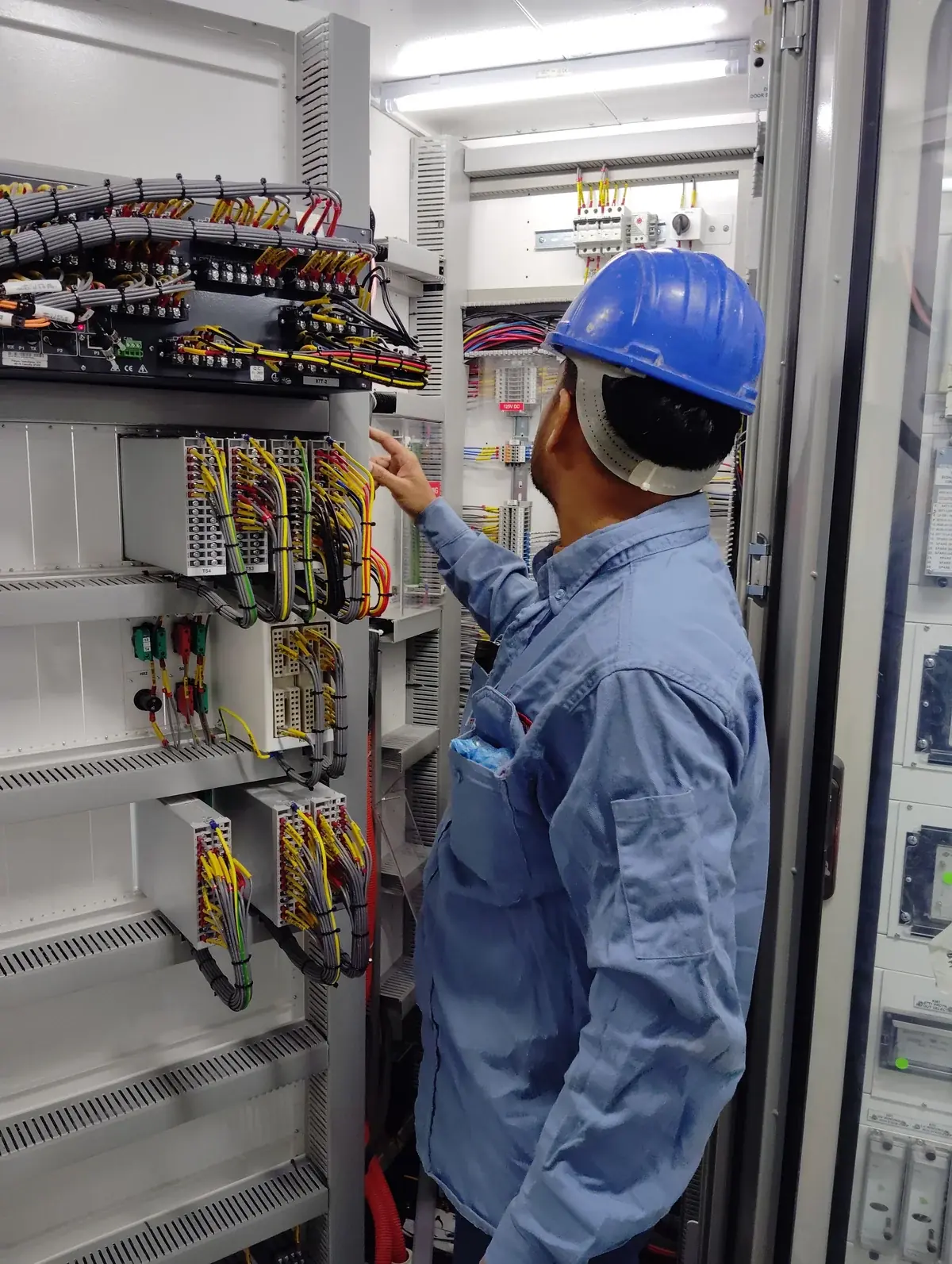
Pharmaceutical & Biotech Storage
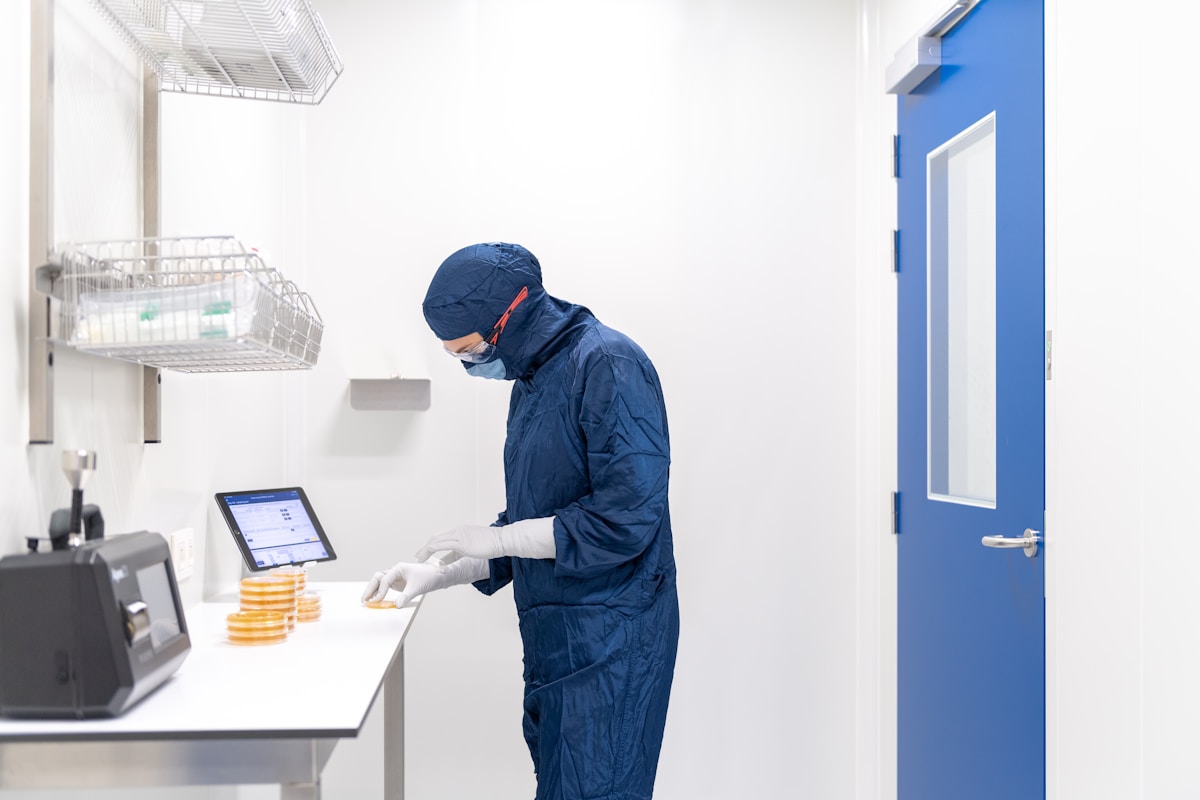
Biotech storage demands panels that withstand frequent, harsh chemical sanitation without degradation or thermal bridging.
Pharmaceutical cold rooms face dual threats from extreme temperature sensitivity and corrosive sanitizers. Buyers often worry that repeated cleaning with bleach or ammonia will degrade the panel skin, creating microscopic cracks where bacteria can breed or cold air can escape. This concern is valid because poor hygiene leads to costly GMP audit failures. To mitigate this risk, we recommend selecting GRP/FRP panels with gel-coated finishes, which offer superior chemical inertness and prevent the degradation associated with standard materials.
The “Corrosion vs. Thermal” Trade-off
To solve this, engineers recommend selecting facings that offer both chemical inertness and high adhesion strength. While many competitors use standard coated aluminum that eventually peels, Rax Panel manufactures panels using GRP/FRP (fiberglass reinforced plastic) cores and skins. Our fiberglass panels naturally resist corrosion from acids and solvents used in biotech labs. Furthermore, our specialized gel-coated finishes provide a smooth, non-porous surface that meets FDA and USP Class VI standards for direct contact safety.
- Material Selection: Opt for GRP/FRP or CFRT (Continuous Fiber Reinforced Thermoplastic) facings. These materials absorb impact without denting and repel harsh cleaning agents better than painted metals.
- Core Insulation: Use PIR (Polyisocyanurate) or Cross-linked PU foam. Unlike standard foam boards, these closed-cell structures maintain a thermal conductivity (k-value) below 0.022 W/m·K, preventing ice buildup on the interior walls during power fluctuations.
- Joint Engineering: Demand T-and-U tongue-and-groove joints that eliminate gaps. This prevents condensation from forming inside the wall cavity, a common cause of mold in unventilated biotech corridors.
By choosing high-density composite panels with chemically resistant facings, facilities ensure their cold chain remains compliant, energy-efficient, and sterile for decades.
Fresh Produce Distribution Centers
This factor has a direct bearing on project performance and long-term cost. Addressing it with specific data rather than general assumptions leads to better outcomes.
Managing Humidity and Hygiene in Fresh Produce Distribution
High-humidity environments in produce distribution create severe risks for moisture infiltration through panel seams. To combat this, our engineering team prioritizes high-grade CFRT (Continuous Fiber Reinforced Thermoplastic) and GRP (Glass Reinforced Plastic) facings. Unlike traditional metals, these composite skins are completely impervious to water and corrosive cleaning chemicals.
We specify PMDI-based edge bonding for all foam-core panels (including PU and XPS cores), ensuring a monolithic, gap-free seal that prevents humid air from penetrating the insulation layer and eliminates the thermal bridging failures associated with degrading standard sealants.
To combat this, our engineering team prioritizes high-grade CFRT (Continuous Fiber Reinforced Thermoplastic) and GRP (Glass Reinforced Plastic) facings. Unlike traditional metals, these composite skins are completely impervious to water and corrosive cleaning chemicals. We specify PMDI-based edge bonding for all foam-core panels (including PU and XPS cores), ensuring a monolithic, gap-free seal that prevents humid air from penetrating the insulation layer.
- Moisture Resistance: CFRT and GRP facings eliminate the risk of rust or delamination common in steel claddings.
- Monolithic Bonding: PMDI edge-bonding creates a smooth interface between the core and the skin, blocking thermal bridges.
- Cleanability: The non-porous surface of GRP panels prevents bacterial harboring, simplifying food safety audits.

Deep Freeze & Frozen Food Warehouses
Suitability depends on environmental exposure, hygiene requirements, and structural loading. Matching the panel specification to these three factors prevents premature degradation in service.
Deep Freeze Thermal Bridging & Energy Loss
Thermal bridging at structural joints drives catastrophic energy waste in deep freeze facilities below -30°C. When insulation breaks at these joints, moisture penetrates the core, causing irreversible foam degradation and potential structural failure. Continuous insulation is essential to prevent these breaches and protect your inventory.
By prioritizing continuous insulation, you ensure that your facility meets strict energy efficiency targets while protecting inventory from temperature fluctuations.
Dairy & Beverage Manufacturing
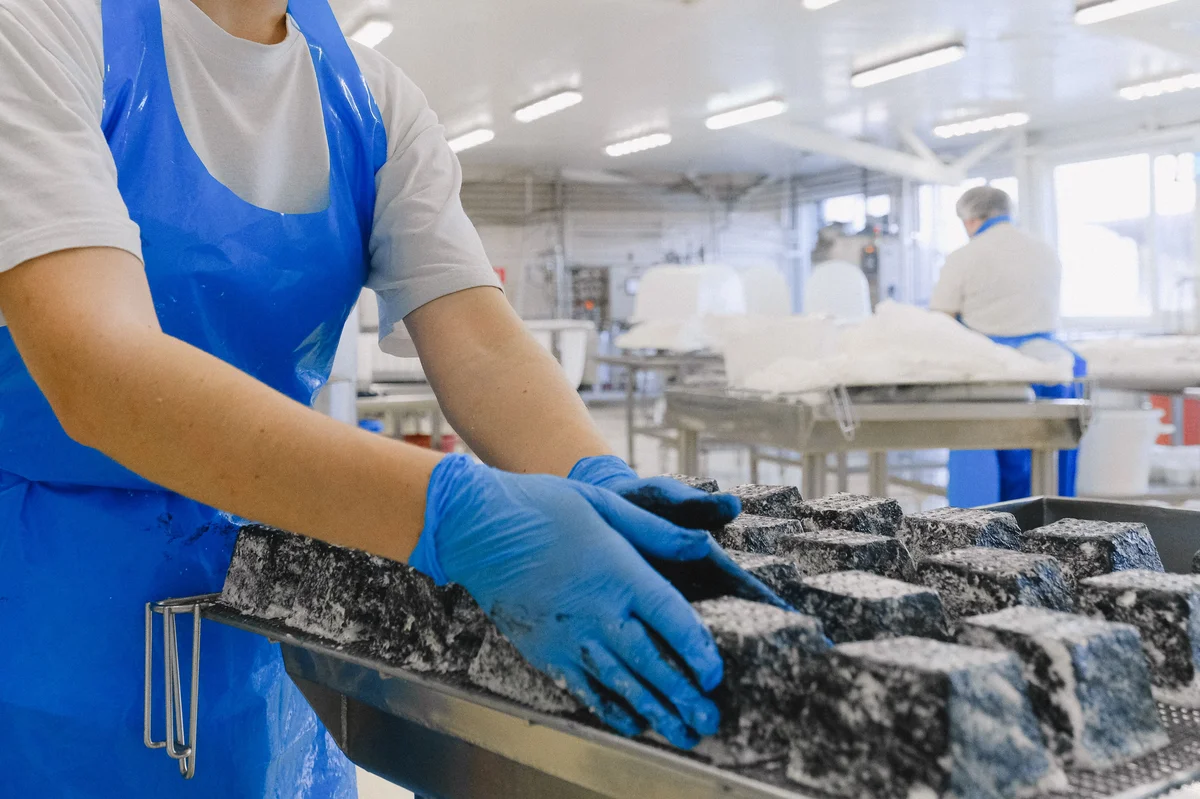
Hygienic, corrosion-resistant interiors are mandatory for dairy plants enduring daily caustic washdowns. The hostile environment of alkaline detergents and acidic effluents necessitates that preventing bacterial harborage in panel seams is as critical as thermal efficiency.
In dairy and beverage manufacturing, the environment is incredibly hostile. The combination of persistent moisture, high temperatures, and aggressive cleaning agents—specifically strong alkaline detergents and acidic sanitizers—can quickly degrade standard wall claddings. When choosing materials for milk pasteurization rooms or bottling facilities, preventing bacterial harborage in panel seams is just as important as thermal efficiency.
Material Selection for Sanitary Survival
We engineered our GRP (Glass Reinforced Plastic) and CFRT panels specifically for these heavy-duty industrial applications. While many competitors use generic coatings, we strictly adhere to a 2.0mm thick structural core combined with high-grade, smooth Gelcoat finishes.
Using standard aluminum or untreated steel panels in dairy environments is a costly mistake. Without specialized, food-safe sealants, these panels corrode rapidly and create microscopic pits where pathogens like Listeria can thrive.
For dairy facilities, investing in strong, chemically inert composite solutions eliminates future sanitation nightmares and significantly extends the lifespan of your cold room infrastructure.
Chemical & Hazardous Material Storage
Chemical storage facilities require panels that withstand aggressive fumes and potential spills without structural compromise. Unlike standard food-grade applications, these environments face risks from corrosive fumes and strict regulations, where organic solvents often degrade standard coatings, leading to delamination and costly leaks. To prevent this primary failure point, prioritize chemically inert GRP facings paired with high-density PU/XPS cores to resist corrosive degradation and liquid ingress.
Storing hazardous materials requires panels that can withstand aggressive chemical exposure without compromising structural integrity. Unlike standard food-grade applications, chemical storage facilities face risks from corrosive fumes, potential spills, and strict environmental regulations. The primary failure point in these facilities is usually the panel facing; organic solvents can degrade standard coatings, leading to delamination and costly leaks.
How to Choose Chemically Inert Facings
For chemical-resistant storage, Glass Reinforced Plastic (GRP) or Fiberglass Reinforced Polyester (FRP) facings are the industry gold standard. Our engineers prioritize GRP panels for their exceptional resistance to a broad spectrum of acids and alkalis, ensuring long-term durability even in high-corrosion environments. While some competitors might suggest stainless steel for extreme cases, it introduces unnecessary weight and higher procurement costs. We specifically recommend GRP for its optimal balance of chemical inertness and lightweight performance.
Core Material Considerations
Although thermal insulation is less critical than in cold rooms, the core must still resist moisture absorption. Polyurethane (PU) or Extruded Polystyrene (XPS) cores are excellent choices for chemical storage due to their closed-cell structure, which prevents liquid ingress and maintains stability. Avoid open-cell foams, as they can absorb hazardous liquids, creating a secondary contamination risk.
By specifying GRP facings with chemically resistant cores, facilities can ensure compliance with environmental safety standards while minimizing long-term maintenance and replacement costs. Our customized solutions allow for specific coating thicknesses and resin formulations tailored to the exact chemical inventory stored on-site.
Agricultural Seed & Grain Silos
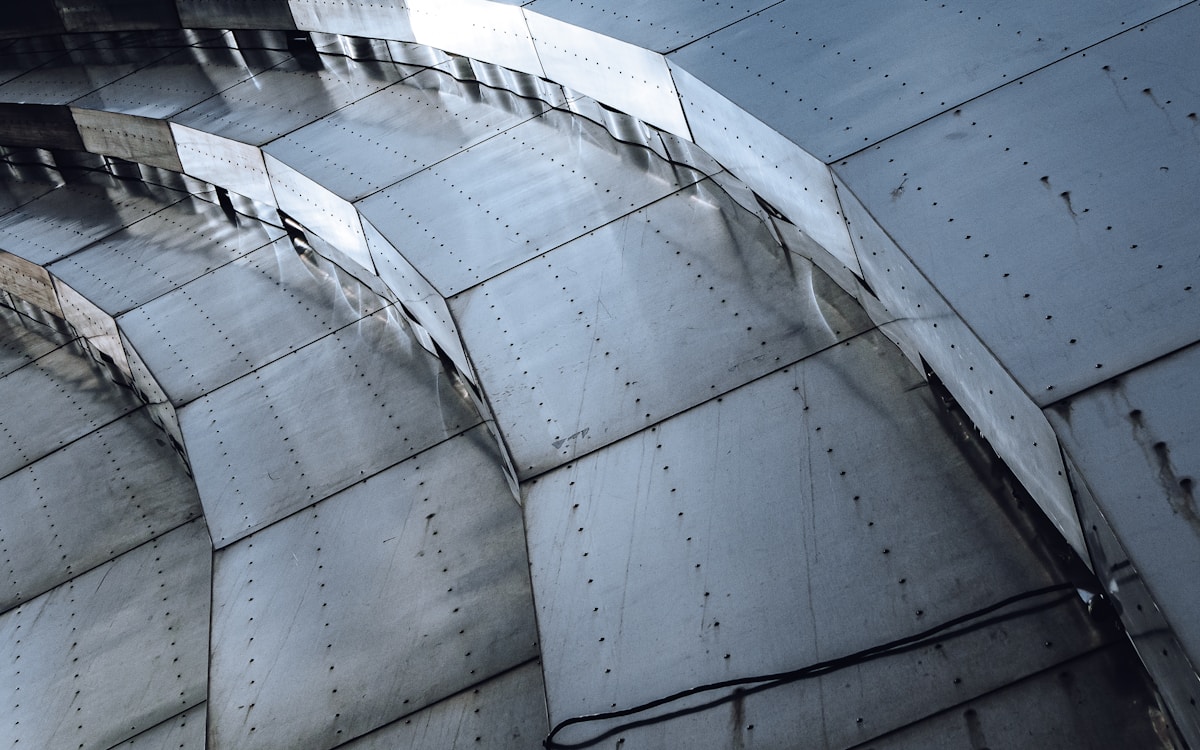
Composite panels eliminate condensation-induced spoilage by replacing traditional materials like galvanized steel or wood. Agricultural buyers face a critical pain point: moisture management. Traditional silo linings suffer from condensation, leading to grain spoilage, mold growth, and massive financial losses. To combat this, our engineers select specific insulation cores that eliminate thermal bridging—the primary cause of condensation.
While many standard panels fail in extreme temperature swings, our team prioritizes PET or XPS foam cores. In our lab tests, these materials maintain a stable thermal envelope even with drastic day-night temperature fluctuations, keeping the internal grain environment dry.
Agricultural buyers face a critical pain point: moisture management. Traditional silo linings suffer from condensation, leading to grain spoilage, mold growth, and massive financial losses. To combat this, our engineers select specific insulation cores that eliminate thermal bridging—the primary cause of condensation.
While many standard panels fail in extreme temperature swings, our team prioritizes PET or XPS foam cores. In our lab tests, these materials maintain a stable thermal envelope even with drastic day-night temperature fluctuations, keeping the internal grain environment dry.
Structural Strength and Hygiene
Beyond moisture, grain silos endure immense vertical pressure. We utilize fiberglass honeycomb panels or GRP sandwich panels because they offer a superior strength-to-weight ratio. This means your facility requires fewer structural supports, maximizing usable storage volume. Furthermore, for organic seed storage, we recommend GRP sheets with gelcoat finishes. This provides a smooth, non-porous surface that prevents bacteria buildup and is easy to sanitize. We also offer aluminum-faced panels for environments requiring high corrosion resistance against fertilizers or harsh cleaning agents.
Industrial Data Center Cooling
This factor has a direct bearing on project performance and long-term cost. Addressing it with specific data rather than general assumptions leads to better outcomes.
Cold Aisle Containment & Retrofit Efficiency
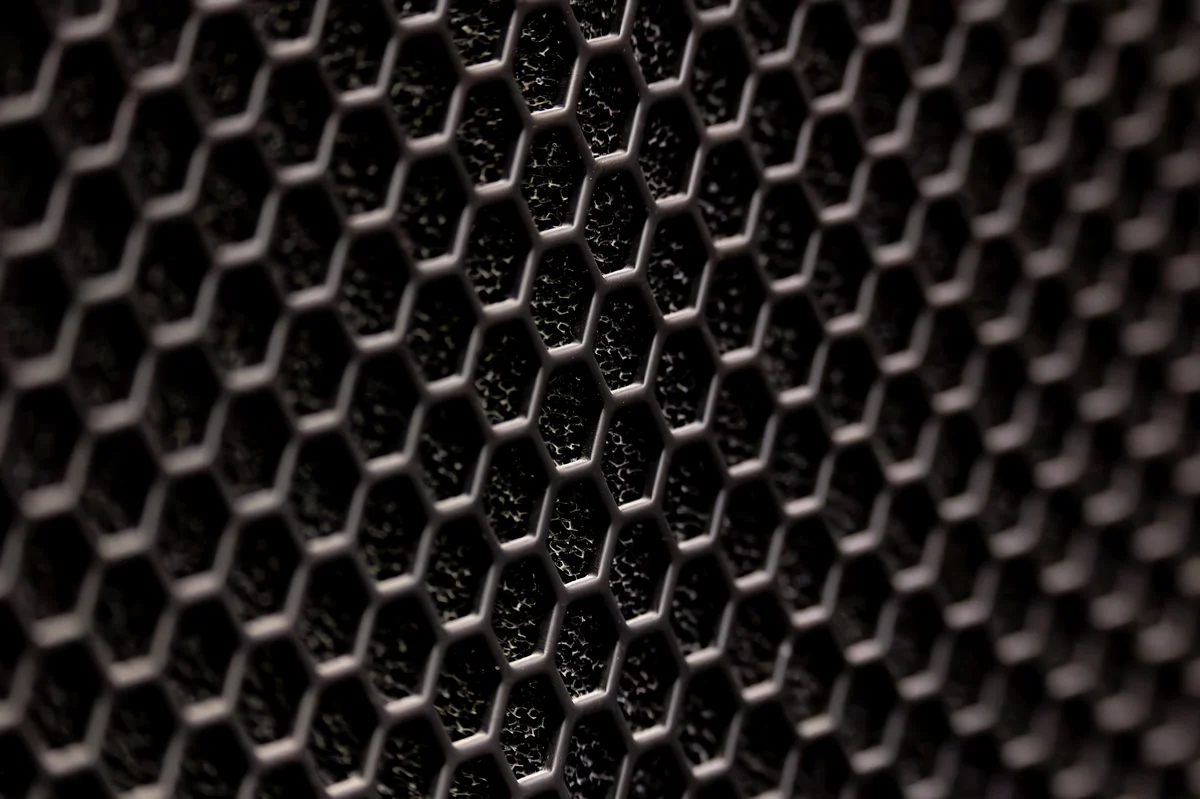
Data center cooling retrofits require lightweight yet rigid panels to maintain airtight seals under high-pressure differentials. Aluminum Honeycomb and CFRT Sandwich Panels address this constraint perfectly, offering an exceptional strength-to-weight ratio that ensures structural integrity without overloading suspended ceilings or raised floors. This combination allows for rapid installation while maintaining the necessary rigidity to prevent air leakage, ensuring optimal HVAC efficiency in high-density environments.
We often see projects struggle with heavy materials that require unnecessary structural reinforcement. Our Aluminum Honeycomb and CFRT Sandwich Panels solve this by offering an exceptional strength-to-weight ratio, allowing for rapid installation without overloading existing infrastructure. By combining these facings with PU or PIR foam cores, facilities achieve the necessary thermal resistance to eliminate recirculation. In our experience, this lightweight approach significantly reduces labor costs and downtime during critical facility upgrades.
How to Choose the Right Panel for Your Application
Panel selection functions as a risk management calculation balancing fire safety compliance with sanitation protocols. Mis-specifying cores—such as confusing PU with PIR—introduces fire safety dangers, while incorrect facings compromise hygiene standards. These engineering errors inevitably lead to expensive retrofitting and project stalls that overshadow initial material savings.
Material physics must align with operational environments to avoid fire inspection failures and hygiene compromises. We have seen projects stall for months because a procurement team ordered standard PU panels for a facility that legally required PIR fire ratings. To prevent these costly errors, here is the technical breakdown of core options.
Match Core Material to Temperature and Fire Safety Codes
Core selection requires balancing thermal efficiency, fire safety, and mechanical strength across varying temperature extremes. While standard Polyurethane (PU) offers a cost-effective solution for general refrigeration, it exhibits significant limitations in extreme cold and fire scenarios when compared to Polyisocyanurate (PIR) or Extruded Polystyrene (XPS).
Choose Facing Materials Based on Hygiene and Corrosion Resistance
Facing materials serve as the primary defense against impact, bacterial growth, and chemical corrosion. Cutting corners on facing material to save upfront costs inevitably leads to expensive panel replacements within 3 to 5 years due to rust or delamination.
Consider Thickness and Structural Integrity for High-Load Environments
Panel thickness determines both thermal resistance and structural span capability under mechanical loads. A common engineering error is calculating thickness based solely on insulation needs while ignoring the mechanical loads of the facility. In high-traffic logistics centers, forklift impacts are the #1 cause of panel failure.
Flooring panels require specialized engineering to handle rolling loads without crushing the foam core. To prevent delamination under pallet jack traffic, cold storage floors require increased density cores (40kg/m³ or higher) and thicker skins rather than standard wall panel configurations.
How to Get the Most from ROI with Cold Room Panels
Return on investment in cold storage is defined by total cost of ownership rather than initial panel pricing. Over a 10-to-20-year lifecycle, thermal efficiency acts as the primary financial driver, with high-performance cores delivering essential energy consumption reductions.
Quantifying Lifecycle Savings: Energy and Maintenance
Thermal efficiency directly impacts profitability by reducing compressor workload and energy consumption. Low-quality insulation creates thermal bridges and exhibits higher thermal conductivity, forcing refrigeration units to operate continuously to maintain set temperatures. Switching from basic materials to high-performance Polyurethane (PU) or Polyisocyanurate (PIR) cores can reduce energy consumption by up to 30% over the facility’s lifespan.
Maintenance expenses constitute a significant hidden cost driven by inferior facing materials and structural breaches. Low-grade steel and poorly laminated fiberglass facings are highly susceptible to delamination, corrosion, and impact damage from forklift traffic.
When these skins are compromised, moisture infiltrates the core, rendering the insulation ineffective and necessitating costly full-panel replacements. To mitigate these risks and lower repair frequency, facilities should specify GRP (Glassfiber Reinforced Plastic) facings with a durable gelcoat or high-quality stainless steel, which offer superior resistance to environmental degradation and hygiene concerns.
| Cost Factor | Standard PU/PIR Panels | Low-End Insulation |
|---|---|---|
| Thermal Conductivity | 0.021 – 0.023 W/m·K (High Efficiency) | > 0.030 W/m·K (Heat Loss Risk) |
| Compressor Run Time | Optimized cycles, lower amp draw | Extended run time, higher kW/hr usage |
| Maintenance Interval | 5-10+ Years (Surface cleaning only) | 1-3 Years (Patching/Sealing required) |
Evaluating Scalability: The Modular Advantage
Modular sandwich panels offer a flexible alternative to static concrete and brick infrastructure. Unlike traditional builds that create a permanent, immovable footprint, composite panels provide a scalable “plug-and-play” architecture. This design allows you to dismantle, relocate, or expand your cold storage facility with minimal downtime and capital expenditure.
Scalability is critical for managing seasonal inventory spikes without compromising thermal integrity. You can add modular panels to existing structures to increase capacity for harvest seasons without disrupting the thermal envelope. Our factory utilizes a continuous production line capable of outputting over 1,700 square meters daily, ensuring that even large-scale expansion projects can be supplied with consistent lead times, preventing bottlenecks in your growth timeline.
Ensuring Long-Term Reliability: Standards and Warranty
Long-term reliability depends on factory-engineered bonds between facing materials and insulation cores. The strength of this bond is the single most critical factor for longevity in custom composite solutions. We utilize advanced foaming techniques and adhesion promoters to ensure zero delamination, even during thermal cycling between -40°C and ambient temperatures in deep-freeze applications.
Warranty terms serve as a key indicator of manufacturer confidence in product longevity and performance. A thorough warranty must cover core adhesion and facing integrity, backed by internal testing protocols that simulate years of stress.
Vague warranties often mask underlying issues with core adhesion and foam shrinkage in imported panels. Low-cost imports frequently suffer from detachment from the metal skin within 2-3 years, leading to invisible thermal leaks that only become apparent when your energy bill spikes.
Key Takeaways
Optimal panel specification requires matching core chemistry and facing materials to specific operational hazards. PIR cores deliver superior thermal stability for aggressive temperature swings in deep-freeze zones, while stainless steel facings withstand harsh chemical sanitizers in meat plants. To prevent premature warping and massive condensation caused by thermal bridges at floor interfaces, our engineering team designs panels with integrated joint geometries that eliminate these weak points.
Frequently Asked Questions
This factor has a direct bearing on project performance and long-term cost. Addressing it with specific data rather than general assumptions leads to better outcomes.
How do cold room panels handle humidity and moisture?
High-quality panels use closed-cell foams that resist water absorption, preventing mold and structural degradation. Facings like stainless steel or coated aluminum provide additional moisture barriers in high-humidity environments. Proper sealing at joints ensures that condensation does not penetrate the insulation core.
What factors determine the longevity of cold room panels?
Regular inspection of seals and joints prevents air leaks that strain the cooling system. Cleaning surfaces with appropriate agents preserves the integrity of the facing material. Avoiding mechanical damage during loading and unloading operations extends the functional life of the cold room structure.
How much does industrial applications cold typically cost?
The cost of industrial applications cold varies based on material grade, thickness, panel dimensions, and order volume. Requesting a detailed quote with your project specifications is the most reliable way to get an accurate figure. Bulk orders typically reduce per-unit pricing significantly.
What factors affect the price of industrial applications cold?
The cost of industrial applications cold varies based on material grade, thickness, panel dimensions, and order volume. Requesting a detailed quote with your project specifications is the most reliable way to get an accurate figure. Bulk orders typically reduce per-unit pricing significantly.
How long does industrial applications cold last under normal conditions?
With proper installation and routine maintenance, industrial applications cold can last 20 to 30 years or more. Actual lifespan depends on environmental exposure, load conditions, and whether the protective surfaces remain intact over time.