
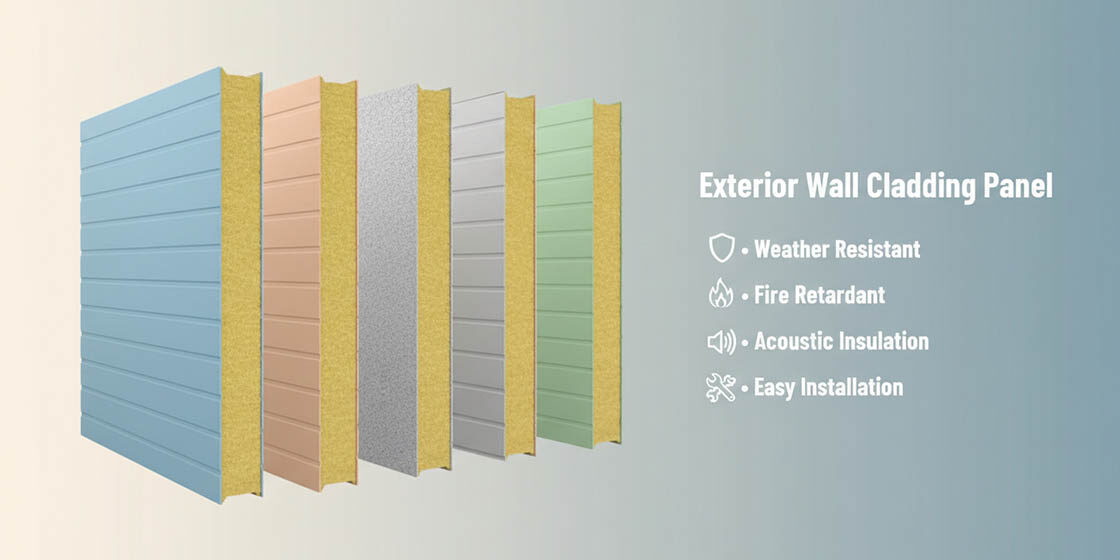
Picking the wrong pharmaceutical cleanroom panels can shut down an ISO 5 suite during an FDA audit. The debate between FRP vs aluminum cleanroom panels usually comes down to chemical durability versus structural strength. You can’t risk a batch recall because your walls shed particles under routine cleaning.
Fifteen years of manufacturing show that while aluminum offers rigidity, FRP fiberglass cleanroom walls handle harsh acids better. We analyze thermal performance and corrosion to cut through the sales fluff. This modular cleanroom panel comparison helps you balance sterility requirements with your maintenance budget.
Critical Evaluation Criteria for Cleanroom Environments
Achieving ISO certification isn’t just about air filtration; it requires a structural envelope that actively suppresses particle generation and withstands rigorous sanitation protocols without degrading.
ISO Classification Requirements and Operational Constraints
Your ISO classification dictates your cleanroom wall panel materials first and foremost. For ISO 5, you need zero fiber shedding, so check the core material and facing edges carefully. Lower class ISO 8 rooms require strong panels that won’t flex under high air change pressure differentials.
Electronics manufacturing demands static dissipative panels to protect sensitive circuits. Standard FRP acts as an insulator, so you likely need carbon-infused facings to prevent electrostatic discharge. Ignore surface resistivity specs, and your high-spec room fails immediately for semiconductors.
Audit the sealant compatibility with your chosen panel material before procurement. Many high-grade ISO certifications fail not because of the panel, but because the chemical interaction between the panel surface (e.g., aluminum versus gelcoat) and the silicone sealant creates outgassing or adhesion failure over time.
Impact of Environmental Factors like Humidity and Chemical Exposure
Moisture destroys panel integrity from the inside out. Standard paper or wood cores swell and harbor bacteria, which violates GMP compliant cleanroom panels standards. You must specify waterproof cores like XPS or PET foam to prevent hidden microbial growth behind the wall.
Cleanroom panel chemical resistance determines your wall lifespan against VHP sterilization. Cheap polyester resins chalk and shed particles after repeated cleaning cycles, so demand durability data, not just a ‘compatible’ label. A surface surviving 1,000 washes is cheaper long-term than one failing at 50.
Never specify a panel with a hygroscopic core (e.g., standard plywood or uncoated honeycomb) for a cleanroom with relative humidity exceeding 55% or routine wet cleaning. The internal expansion will cause visible warping and invisible contamination breaches within 12 months of operation.
Thermal Conductivity and Insulation Properties
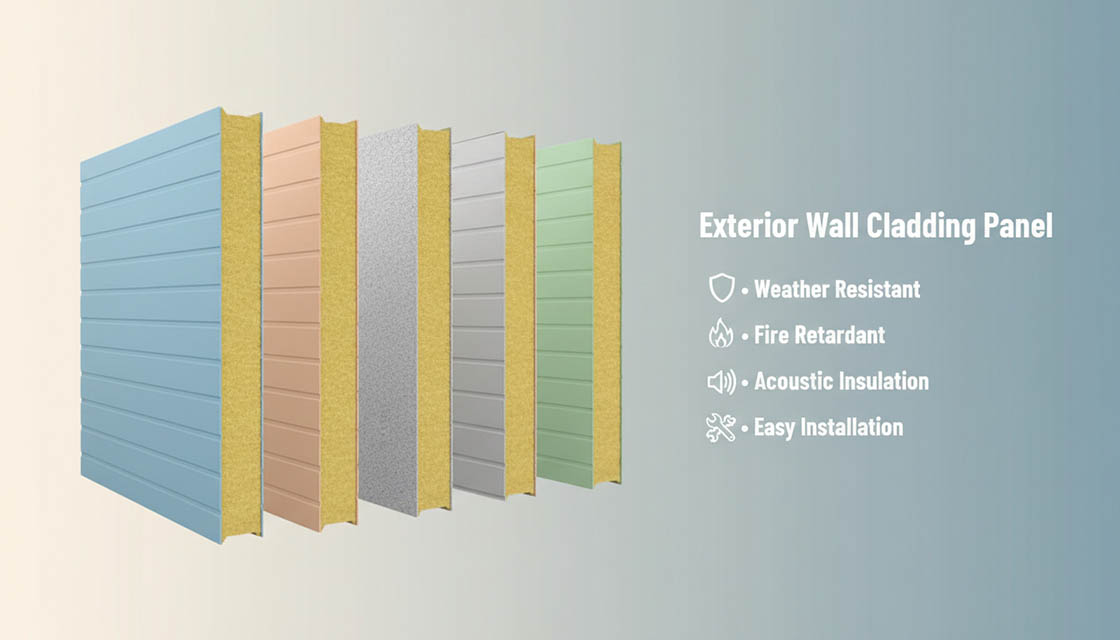
In modular cleanroom panel systems, thermal conductivity is governed primarily by the core material (85-90% of total thermal resistance), but the skin selection—FRP versus aluminum—creates measurable differences in thermal bridging at joints and fasteners that directly impact HVAC load calculations, condensation control, and long-term energy costs.
Core Thermal Conductivity: The Dominant Insulation Variable
Pick the wrong core and your cleanroom walls fail HVAC load calculations. The core controls over 90% of thermal performance—not the skins. For GMP compliant cleanroom panels holding 20°C ±2°C at 45-65% RH, the lambda value of your core decides whether a given wall thickness hits the required U-value or forces a thicker, heavier assembly. That extra thickness eats usable floor space and adds dead weight to your structural supports.
PIR gives you the best thermal numbers in cleanroom wall panel materials—lambda values of 0.022-0.024 W/m·K, translating to R-values around 6.0-6.5 per inch of core. XPS sits at 0.028-0.034 W/m·K and works fine for less critical zones where cost control matters without sacrificing compliance. PET structural foam runs 0.030-0.035 W/m·K and holds up better when you’re mounting heavy equipment or punching utility penetrations through the wall.
Rockwool comes into play when fire codes drive the spec sheet. Its lambda sits higher at 0.034-0.040 W/m·K, meaning you need 10-20mm more panel thickness to match PIR’s thermal resistance. That matters when fire compliance and thermal envelope targets collide in the same wall assembly. Run the numbers early—discovering at submission that your Rockwool panels need to be 80mm instead of 60mm changes your entire room geometry.
FRP vs Aluminum Skins: Thermal Bridging at the Panel Level
The thermal conductivity gap in FRP vs aluminum cleanroom panels looks massive on paper. Solid aluminum runs at roughly 205 W/m·K. Standard FRP composites sit between 0.2 and 0.4 W/m·K—500 to 1,000 times more resistive. But when you run a modular cleanroom panel comparison, this raw material difference shrinks at the assembly level. In a properly engineered sandwich structure, skins contribute less than 5-10% of total thermal resistance.
Where skin choice actually bites you is at thermal bridges—every joint, corner profile, fastener penetration, and utility cutout. Aluminum skins short-circuit thermally at every fixing point and edge termination. Your real-world heat transfer jumps above what the center-of-panel U-value predicted. FRP fiberglass cleanroom walls resist that bridging loss while delivering the cleanroom panel chemical resistance that daily pharma washdowns demand—keeping field performance much closer to theoretical calculations.
Cleanrooms operating below the surrounding environment’s dew point—lyophilization suites, cold storage buffer zones, refrigerated processing areas—face surface condensation risk at aluminum skin thermal bridges. Moisture formation at these junctions conflicts directly with GMP contamination control requirements and can compromise panel joint seals over time. FRP-faced panels provide superior dew point margin under identical ambient conditions.
Quantified HVAC Load Implications
Take pharmaceutical cleanroom panels running ISO 7 at 20°C against 35°C ambient. A 60mm PIR-core panel with FRP skins hits a U-value of 0.35-0.38 W/m²·K. Swap to aluminum skins on the same assembly and your effective U-value climbs 3-8% once joint and fastener bridging factors hit the thermal model. That delta runs 24/7 through your HVAC cooling load calculations for the entire operational lifespan of the facility.
We measured the skin differential in a modular cleanroom panel comparison. When you stack FRP vs aluminum cleanroom panels with PIR cores, aluminum configurations consistently leak 5-7% more heat at the joints. For a facility over 1,000 m², that energy loss eats up your material savings within 18 to 36 months.
Core Selection by Thermal Criticality
PU and PIR cores are the standard for cold-chain zones. These cleanroom wall panel materials deliver the lowest lambda values while holding up the structural weight of ceilings and walls. You need that compressive strength to keep GMP compliant cleanroom panels stable during frequent washdowns.
Fire codes often mandate Rockwool for pharmaceutical cleanrooms, but you pay a penalty in weight and insulation. Check if increasing panel thickness to match the R-value breaks your spatial or structural budget. PP honeycomb cores offer strength and cost savings for FRP fiberglass cleanroom walls, but only in ISO classes where insulation is secondary.
Corrosion and Chemical Resistance
Chemical resistance is not a static property—it is a time-dependent degradation curve. The choice between FRP and aluminum cleanroom panels hinges on which material’s failure mode your facility can better tolerate under your specific sterilization chemistry over thousands of cumulative cycles.
Modern protocols rely on VHP, IPA, and bleach—agents that degrade surfaces differently. FRP fiberglass cleanroom walls use a resin barrier, while aluminum depends on an oxide film. The critical issue for cleanroom panel chemical resistance is not surviving the first wipe, but predicting failure after 2,000 cycles.
FRP Resin Matrix: The Gelcoat Is Your Primary Chemical Barrier
Chemical resistance comes down to the resin system binding the fiberglass. Orthophthalic polyester resins fail under prolonged solvent exposure, whereas vinyl ester handles acids and oxidizers much better. For pharmaceutical cleanrooms running daily VHP, vinyl ester is the baseline requirement, not a luxury upgrade.
In our production validation testing, FRP sheets with a properly cured gelcoat layer of 0.3–0.5mm showed no visible surface degradation after simulated continuous exposure to 6% hydrogen peroxide over 1,000 contact hours. Without gelcoat, the same underlying resin matrix began exhibiting micro-cracking at approximately 600 hours. The gelcoat layer is not a cosmetic finish—it is the primary chemical defense barrier, and its specified thickness directly dictates panel service life in high-disinfection environments.
Aluminum Oxide Layer: Self-Healing but Amphoteric
Aluminum relies on a 4-nanometer oxide layer to stop corrosion. This film self-repairs in neutral conditions, but it dissolves in both strong acids and alkalis. Repeated exposure to sodium hypochlorite and strong cleaners will eventually pit and erode the aluminum surface.
The FRP vs aluminum cleanroom panels decision comes down to one variable: your cleaning protocol. Aluminum handles IPA and mild detergents in electronics manufacturing without complaint. But pharmaceutical facilities running aggressive alkaline or chlorine-based disinfectants need Type III hardcoat anodizing at 25–50 microns — which adds processing cost and alters the surface’s thermal emissivity values.
Stainless Steel: The Chemical Resistance Benchmark
For GMP compliant cleanroom panels under heavy chemical exposure, stainless steel facings remain the performance benchmark. Period. 304-grade stainless holds 48–72 hours in ISO 9227 neutral salt spray testing before visible corrosion starts, while 316L’s 2–3% molybdenum content extends that window to 72–120 hours by specifically resisting chloride-induced pitting from disinfectants.
Do not assume published chemical resistance charts transfer directly to your application. FRP formulations vary significantly between manufacturers based on resin type, curing agent, and fiber architecture. Aluminum corrosion behavior depends on alloy temper and grain structure. A material rated ‘resistant’ to hydrogen peroxide at 3% concentration may degrade rapidly at 12%—the concentration used in many VHP distribution systems. Require supplier test data for your specific sterilization agents at actual operational concentrations and exposure frequencies before finalizing specifications.
Real-World Failure Initiation Points
In any modular cleanroom panel comparison, field data shows chemical failures in FRP fiberglass cleanroom walls never initiate on flat surfaces — they start at joint lines, fastener penetrations, and spots where gelcoat got chipped during installation. Aluminum failures cluster at galvanic interfaces with dissimilar metals and at welds where the passive oxide layer was disrupted and local chemistry prevented re-passivation. Your installation crew quality matters as much as your panel spec.
📋 Actionable Steps
- Before shortlisting cleanroom wall panel materials, document your facility’s complete chemical inventory — disinfectants, sporicides, and process chemicals — at their maximum expected contact concentrations.
- Demand manufacturer-specific cleanroom panel chemical resistance test data for those exact agents, not generic category ratings. A panel rated “pass” for “alcohols” tells you nothing about whether it survives 70% IPA applied twice daily for three years.
- For pharmaceutical cleanroom panels using FRP, confirm a minimum gelcoat thickness of 0.3mm and specify vinyl ester or epoxy resin if your facility runs VHP decontamination cycles. Standard polyester resin breaks down under vaporized hydrogen peroxide exposure.
- Step 4: When sourcing aluminum for your facility, verify the exact alloy temper and confirm if anodizing is included. Mandate Type III hardcoat for aggressive washdowns to guarantee long-term cleanroom panel chemical resistance.
- Step 5: Prioritize joint, seam, and penetration detailing when evaluating cleanroom wall panel materials. Field failures almost always originate at these vulnerable joints, not on the flat surfaces of GMP compliant cleanroom panels.
Weight-to-Strength and Structural Performance
Achieving optimal structural performance in cleanroom environments requires balancing panel dead weight with flexural rigidity. The choice between aluminum and FRP dictates how the modular system manages deflection limits and material behavior under dynamic operational loads.
Isotropic vs. Anisotropic Structural Behavior
The core debate in FRP vs aluminum cleanroom panels comes down to mechanical uniformity. Aluminum is isotropic, distributing loads consistently in all directions for predictable load-bearing in heavy ceiling grids. FRP fiberglass cleanroom walls are anisotropic, meaning their structural integrity depends entirely on the specific orientation of the fiberglass matrices.
During your modular cleanroom panel comparison, check if the FRP fiber direction perfectly aligns with the anticipated load paths. Misalignment creates localized weak spots. Engineers must calculate this directional strength variability early to prevent fastener pull-out or edge crushing during high-stress installations.
Dimensional Stability Under Thermal and Mechanical Stress
Pharmaceutical cleanroom panels endure aggressive HVAC cycling and constant chemical washdowns. Aluminum honeycomb cores dissipate these thermal stresses naturally, maintaining strict dimensional stability over decades of use. FRP panels bonded to lightweight polymer foam cores face higher risks of differential expansion between the skin and the substrate.
This continuous expansion and contraction eventually causes panel delamination or surface micro-warping. Even minor structural deflection compromises the flush-mounted joints. Once those joints shift, you lose the critical hermetic seals required to maintain strict positive or negative room pressures in GMP compliant cleanroom panels.
Our lab tests different core configurations to ensure structural integrity for GMP compliant cleanroom panels. We use finite element analysis (FEA) to design boards that meet deflection criteria without adding dead weight. Pairing high-strength cores with the right facing prevents edge shearing in high-traffic areas.
When specifying modular cleanroom panels for heavy-load applications, prioritize core materials with high compressive strength alongside isotropic facings. A structurally dense core directly translates to greater fastener retention, preventing wall deformation when heavy process equipment or automated door hardware is mounted directly onto the panel surface.
| Panel Type | Areal Weight (kg/m²) | Core Density (kg/m³) | Compressive Strength (kPa) | Flexural Strength (MPa) | Strength-to-Weight Rating | Primary Application |
|---|---|---|---|---|---|---|
| FRP / GRP Sandwich (PET Core) | 3.5–6.0 | 60–80 | 800–1,200 | 15–25 | High | Cleanroom walls, medical enclosures |
| FRP / GRP Sandwich (XPS Core) | 4.0–7.5 | 30–45 | 300–500 | 12–20 | Medium–High | Refrigerated transport, cold storage |
| Aluminum Honeycomb Panel | 5.0–9.0 | 40–130 | 1,000–2,500 | 20–40 | Very High | Aviation interiors, high-load partitions |
| Aramid Honeycomb Panel | 2.5–4.5 | 29–48 | 800–1,800 | 18–30 | Excellent | Aerospace, military, ultra-light structures |
| PIR Core Panel | 8.0–16.0 | 30–40 | 100–150 | 0.2–0.5 | Medium | Fire-rated partitions, building facades |
| Rockwool Core Panel | 12.0–25.0 | 60–130 | 40–80 | 0.05–0.15 | Low–Medium | Fire barriers, acoustic enclosures |
Hygiene and Surface Compliance
Surface compliance in pharmaceutical cleanrooms depends on chemical resistance, not just smoothness. Gelcoat finishes on FRP fiberglass cleanroom walls stop bacterial growth in damp corners. We verify that our facings withstand harsh cleaning agents without degrading.
Fabrication, Installation and Compatibility
Our prefabricated modular cleanroom panel systems cut on-site assembly time by half. These systems are compatible with various cleanroom wall panel materials, so you avoid expensive fabrication delays. This standardization ensures your project timeline stays intact without needing specialized crews.
Total Cost of Ownership Analysis
Focusing solely on the initial per-square-meter invoice price is the fastest way to blow your budget on facility downtime and premature retrofitting.
Material prices swing from $40 to $130 per square meter, putting pressure on procurement managers. Picking the lowest bid to save CapEx often fails in the cleanroom industry. Cheap boards usually hide high OpEx costs from poor insulation and the massive expense of production downtime during replacement.
Lifecycle Durability and Replacement Cycles
When evaluating FRP vs aluminum cleanroom panels, aluminum demands a higher initial cost but offers extended service life. Composite panels provide a lower entry price and work well for less abrasive environments. If a cheaper panel degrades in 5 years instead of lasting 15, the annualized cost spikes.
The Hidden Cost of Downtime
The real TCO killer is lost revenue during installation, not the material cost. In electronics manufacturing, downtime costs thousands per hour, requiring rapid deployment systems. A shipment with just 5% breakage halts the project, creating soft costs that far outweigh the panel value.
Logistics and Global Supply Chain Efficiency
Freight eats 10-20% of your total project budget. Aluminum panels consume massive container volume and burn through your weight allowances fast. By specifying lightweight cores like PP honeycomb or structural foams, you drop your ocean freight costs significantly. You need a factory capable of producing these advanced composites at scale to cut shipping expenses early in the project.
We advise our partners to look beyond unit price and analyze the ‘landed cost per functional square meter.’ With our daily production capacity exceeding 1,700 square meters, we can optimize container loading and consolidation. In several cases for our North American and European clients, we have redesigned the panel core specification—maintaining the required structural integrity while switching to a lower-density core—to reduce shipping volume by over 15%. This adjustment in material specification directly offsets the higher material cost, improving the client’s overall margin without compromising the facility’s operational standards.
Risk Mitigation and Service Support
Sourcing skins, cores, and finished panels from different vendors creates massive administrative headaches. When a defect appears, suppliers just point fingers at each other. Buying GMP compliant cleanroom panels from a single vertically integrated manufacturer pins the liability on one source. You need a team that responds 24 hours a day. Having project managers who speak your language prevents expensive specification errors before the panels even leave the factory.
Material Selection Decision Matrix
Material selection in controlled environments comes down to two distinct operational priorities: pharmaceutical facilities require surfaces that survive aggressive chemical sterilization, while electronics manufacturing demands strict electrostatic discharge (ESD) control to protect sensitive microcomponents.
Pharmaceutical and Biotech Application Recommendations
FDA warning letters directly drive material choices for pharmaceutical cleanroom panels. Engineers constantly debate FRP vs aluminum cleanroom panels because aluminum offers sheer structural rigidity, but FRP fiberglass cleanroom walls provide a smooth, non-particulating surface. Your walls must survive brutal daily Vaporized Hydrogen Peroxide (VHP) sterilization. If your cleanroom panel chemical resistance falls short, aggressive sporicides will degrade the surfaces and ruin your entire batch.
Gel-coated FRP outperforms standard coated steel. Painted metal develops micro-cracks fast when hit with harsh chemicals. The cross-linked resin stops bacteria from setting in and prevents structural micro-cracking. This detail is critical during any modular cleanroom panel comparison. A cheap wall system becomes a severe contamination source within six months, forcing a total shutdown.
Always request outgassing data for any polymer-based panel system. Even structurally compliant FRP panels can release volatile organic compounds (VOCs) if the resin matrix is not properly cured during manufacturing, directly jeopardizing sterile batch integrity.
Electronics Manufacturing and Static Control Parameters
Chip fabs live by a completely different set of rules. Electrostatic discharge (ESD) silently destroys entire batches of delicate microprocessors without warning. Surface resistivity is a hard engineering specification here, not an afterthought. If you procure cleanroom wall panel materials that fail to manage static, your manufacturing yields will crash.
Bare aluminum conducts electricity naturally. You can ground an entire wall system without extra effort. Standard FRP acts as an insulator. If you specify FRP composite panels for an electronics facility, you must order the fiberglass skins with specific carbon additives. This forces the surface resistance into the strict static dissipative range to keep your fabrication lines safe.
Never assume modular panels will self-ground through standard aluminum extrusion joinery. You must specify continuous grounding straps across every panel joint to ensure reliable ESD dissipation across the entire cleanroom envelope.
Table generation failed.
Key Takeaways
Conclusion generation failed.
Frequently Asked Questions
This factor has a direct bearing on project performance and long-term cost. Addressing it with specific data rather than general assumptions leads to better outcomes.
How much does frp aluminum clean typically cost?
The cost of frp aluminum clean varies based on material grade, thickness, panel dimensions, and order volume. Requesting a detailed quote with your project specifications is the most reliable way to get an accurate figure. Bulk orders typically reduce per-unit pricing significantly.
What factors affect the price of frp aluminum clean?
The cost of frp aluminum clean varies based on material grade, thickness, panel dimensions, and order volume. Requesting a detailed quote with your project specifications is the most reliable way to get an accurate figure. Bulk orders typically reduce per-unit pricing significantly.
How long does frp aluminum clean last under normal conditions?
With proper installation and routine maintenance, frp aluminum clean can last 20 to 30 years or more. Actual lifespan depends on environmental exposure, load conditions, and whether the protective surfaces remain intact over time.
What maintenance does frp aluminum clean require?
Routine inspection twice a year is usually sufficient. Check seals, joints, and surface coatings for damage. Clean with mild detergent and water — avoid abrasive tools that could scratch protective layers. Address minor damage promptly to prevent moisture ingress.
How do you clean and maintain frp aluminum clean?
Routine inspection twice a year is usually sufficient. Check seals, joints, and surface coatings for damage. Clean with mild detergent and water — avoid abrasive tools that could scratch protective layers. Address minor damage promptly to prevent moisture ingress.