
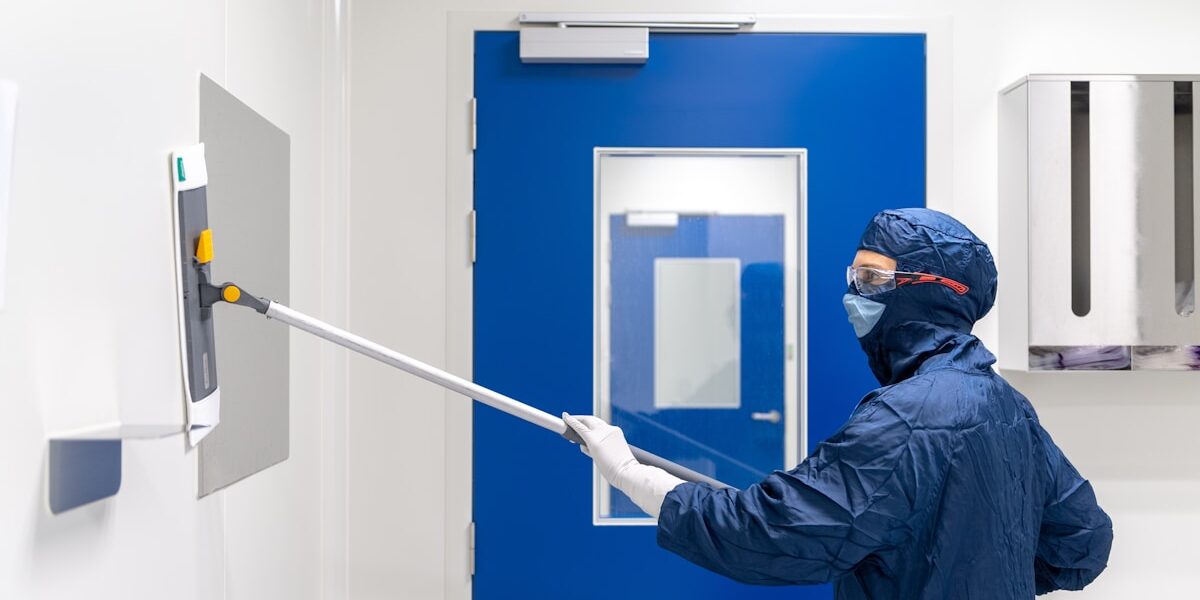
Over 30% of contamination incidents trace back to door failures. That statistic carries real weight during audits. The physics are unforgiving: a single cleanroom door with a 0.5 mm continuous gap can leak up to 0.3 m³/h of air at a 15 Pa pressure differential. That leakage destabilizes pressure cascades and forces you to recertify your facility. If you are specifying doors for a new build or retrofitting an existing line, you cannot treat these entry points as standard construction components.
RaxPanel validates assembly integrity using pressure decay testing to measure the rate of pressure loss in a sealed chamber over time. This guide breaks down how pressure cascades function and quantifies exactly how much air different door types leak under load. You will also learn the installation checkpoints required to keep your documentation audit-ready and ensure the door system performs as specified on the data sheet.
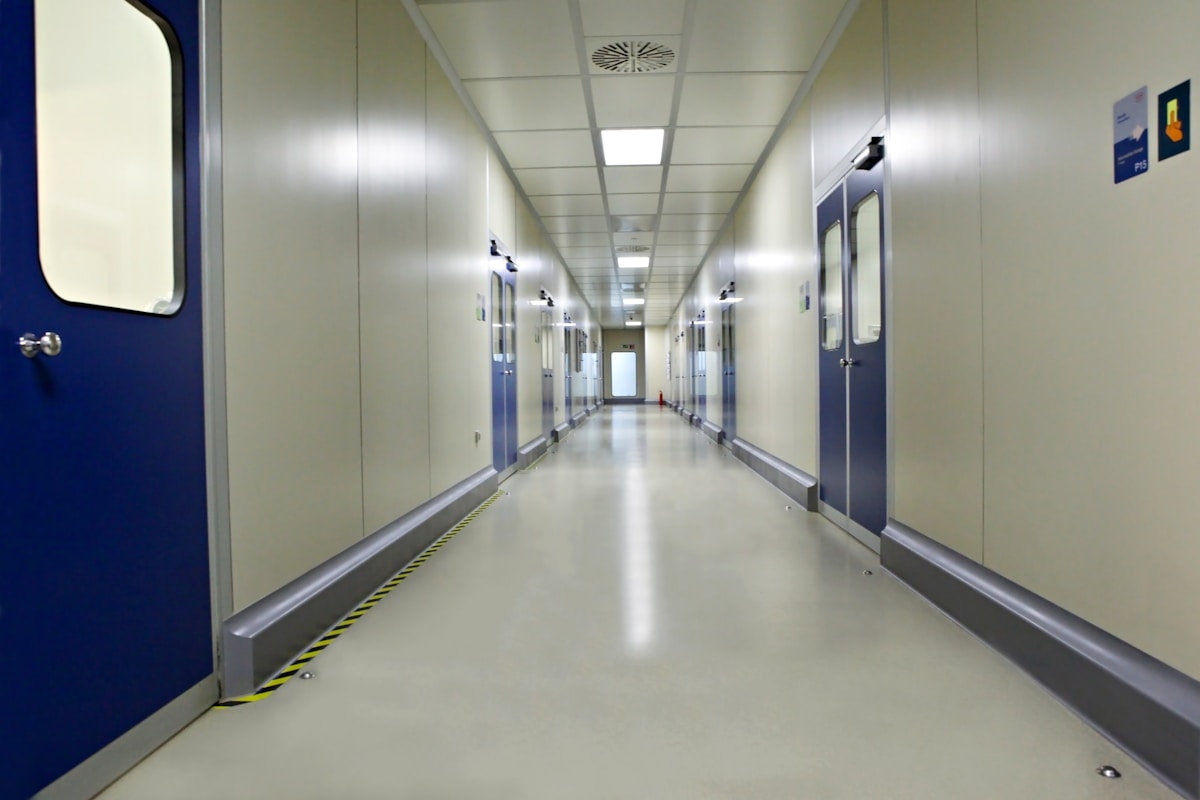
What Regulations Govern Cleanroom Door Specs?
Cleanroom doors are governed by ISO 14644 classification standards and GMP compliance frameworks that define measurable thresholds for air leakage, pressure differentials, surface cleanliness, and chemical resistance—each dictating the material and construction requirements for your door assemblies.
ISO 14644 Classification Requirements for Doors
ISO 14644 establishes the foundational cleanliness classification system for controlled environments, and doors are not exempt from its scrutiny. The standard does not prescribe a single door specification—rather, it defines performance boundaries that doors must satisfy based on the room’s assigned ISO class. A door installed in an ISO 5 environment faces materially different requirements than one in an ISO 8 corridor, even though both must comply with the same overarching framework.
The critical linkage is between classification level and allowable particulate transmission. Higher classification zones demand doors with tighter air leakage profiles and smoother, non-shedding surface finishes. Our engineering team reviews ISO 14644-1 and ISO 14644-2 alongside every door specification we produce, ensuring that the composite panel core and facing materials selected can sustain the required boundary integrity without degradation over repeated cycle testing.
GMP Compliance Expectations for Cleanroom Entry Points
Good Manufacturing Practice compliance, particularly under FDA cGMP and EU GMP guidelines, treats the cleanroom door as a controlled entry point that must prevent cross-contamination between zones. GMP does not typically specify numerical thresholds for doors directly—it delegates that to ISO standards—but it mandates that facilities demonstrate consistent compliance through validated procedures and maintainable documentation.
From a GMP perspective, the door must be constructible in a way that supports cleanability, does not harbor particulates in seams or crevices, and maintains its performance characteristics throughout its service life. We’ve seen procurement teams underestimate the GMP implication of door material selection: a standard 304 stainless steel door may pass visual inspection but can degrade under repeated VHP (vaporized hydrogen peroxide) or chlorine-based disinfectant cycles, leading to pitting, surface roughness increase, and eventual GMP non-compliance. Our engineers recommend evaluating the door’s long-term material compatibility with your facility’s decontamination protocol before finalizing the specification.
Pressure Differential Ratings as Regulatory Metrics
Pressure differential is the single most operationally significant regulatory metric for cleanroom doors. The required differential—typically maintained between adjacent classified zones—dictates the structural stiffness, seal design, and core material selection for the door assembly. A door that cannot resist warping under sustained pressure differentials will fail to maintain the intended airflow cascade, regardless of how well-sealed the gasket appears at installation.
The regulatory expectation is not merely that a door holds a differential but that it does so consistently across its full operating cycle. Doors constructed with low-stiffness cores or inconsistent facing bonds will exhibit differential deflection over time, particularly in high-humidity pharmaceutical environments where core materials can absorb moisture and lose rigidity. We specify honeycomb and high-density foam cores for doors serving critical pressure zones because these materials provide the stiffness-to-weight ratio necessary to resist warping under constant load—something standard solid-core doors struggle to achieve without excessive weight that accelerates actuator wear.
Testing and Certification Protocols for Door Assemblies
Validation of cleanroom doors follows established testing protocols that quantify performance against the regulatory thresholds defined in ISO 14644 and GMP guidance documents. The primary test categories include air leakage measurement at specified pressure differentials, surface finish verification using profilometry, and structural integrity assessment under cyclic loading conditions.
- Air Leakage Testing: Conducted per ISO 14644-3 methodology, measuring volumetric airflow through the door assembly at a reference differential pressure. The test validates that the gasket system, panel construction, and frame interface collectively meet the leakage threshold for the target ISO class.
- Surface Finish Verification: Profilometer measurements confirm that the door facing meets the roughness requirements for the classified zone, ensuring the surface is cleanable and non-particulate-generating over the product lifecycle.
- Structural and Cyclic Testing: Doors are subjected to repeated open-close cycles under load to verify that seal compression, frame alignment, and panel integrity do not degrade below acceptable thresholds over the expected service life.
- Chemical Compatibility Validation: For pharmaceutical and biotech applications, door materials are tested against the facility’s documented cleaning agent roster to confirm no degradation, discoloration, or surface roughness increase occurs after repeated exposure.
At Rax Panel, we conduct experimental testing on our composite panel constructions against these validation parameters before delivering door assemblies for regulated projects. Our engineering team reviews mill certificates for core materials and facing sheets, and we maintain traceability documentation that supports our customers through their own certification audits. Because we operate our own production facility with over 15 years of composite manufacturing experience, we can adjust core density, facing thickness, and edge sealing configurations to meet specific project validation requirements rather than offering a one-size-fits-all catalog product.
When evaluating cleanroom door suppliers, request the full test report package—not just a compliance statement. The report should include air leakage test data at the specified differential pressure, surface roughness measurements, and material traceability documentation. A supplier that can provide this evidence demonstrates both manufacturing rigor and audit readiness for your facility.
| Regulatory Body | Specification Area | Technical Threshold | Critical Material Need | Rax Panel Compliance Layer |
|---|---|---|---|---|
| ISO 14644 | Air Leakage Rate | ≤ 0.1 m³/h @ 50 Pa | Impermeable, dimensionally stable barriers to prevent seal gaps. | GRP Sandwich Panels with Gelcoat (Smooth, non-porous surface). |
| FDA / GMP | Pressure Differential | 10–15 Pa (Positive, maintained) | High stiffness-to-weight ratio to resist warping under constant load. | Aluminum or Fiberglass Honeycomb Core (Lightweight & High Rigidity). |
| ISO 14644 / GMP | Surface Cleanliness | Ra ≤ 0.38 μm (ISO Class 5) | Seamless, non-shedding finishes for easy decontamination. | Gelcoat FRP Sheets or Stainless Steel Facings. |
| USP / Pharma GMP | Chemical Resistance | Resistant to VHP & Chlorine-Based Disinfectants | Superior corrosion resistance vs. standard 304 Steel in high-humidity pharma environments. | Continuous Fiber Reinforced Thermoplastic (CFRT) Sheets. |
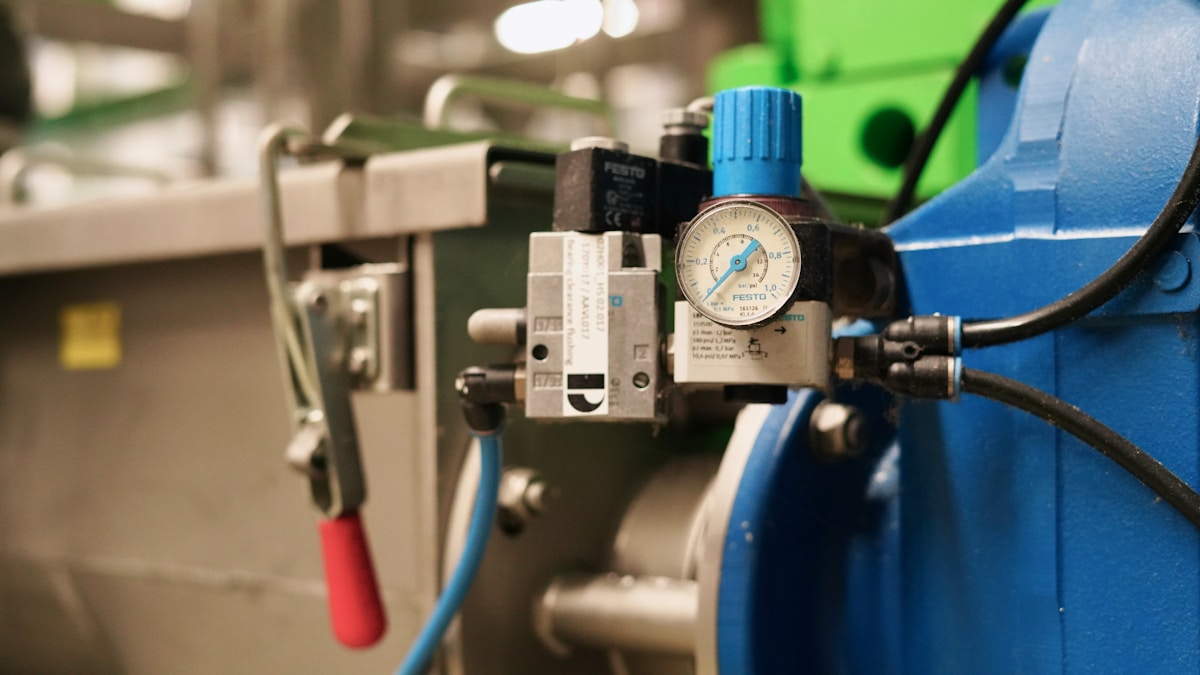
How Pressure Cascades Work in Cleanrooms
Pressure cascades utilize directional airflow and pressure differentials to push contaminants away from critical zones. Doors act as the active valves in this system, sealing the pressure boundary to prevent cross-contamination.
Fundamentals of Pressure Cascades and Airflow
In a controlled environment, the pressure cascade strategy is the primary defense against particulate ingress. The physics are straightforward: air naturally moves from areas of higher pressure to areas of lower pressure. By establishing a gradient where the cleanest zones (e.g., ISO 5) maintain the highest positive pressure relative to less clean corridors (e.g., ISO 7 or ISO 8), the facility ensures that whenever leakage occurs, air flows out of the clean room rather than into it. This “pushing” effect prevents contaminants from migrating into critical production areas.
Conversely, for hazardous containment or bio-safety applications, the cascade is reversed. The “dirty” or hazardous room maintains negative pressure relative to the corridor, ensuring that any unfiltered air leakage is pulled inward rather than escaping to the surrounding facility. Regardless of the direction, the fundamental requirement is a sustained pressure differential, typically ranging between 10 to 15 Pascals (0.04 to 0.06 inches of water column), which must be constantly monitored by the HVAC system.
The Door as a Pressure Boundary Interface
While walls are static pressure barriers, doors are the movable weak points in the envelope. In the context of a pressure cascade, a door is not merely an entryway; it functions as a pressure boundary interface. Its primary engineering mandate is to restore the integrity of the “pressure vessel” immediately upon closing. If the door leaf, frame, or threshold does not seal effectively, the carefully maintained pressure differential collapses, rendering the cascade ineffective.
The challenge is compounded during dynamic operation. When a door opens, the pressure equalization zone is breached, causing a rush of air—the “air piston effect”—which can stir up contaminants. High-performance cleanroom doors are engineered to minimize this disruption through rapid automated closing cycles and airtight sealing mechanisms. The gasketing system must compress sufficiently to create a hermetic seal that withstands the constant force of the differential pressure without warping or losing elasticity over thousands of cycles.
Door Placement Strategy within Cascade Zones
Effective cascade design relies heavily on the strategic placement of doors to manage airflow transition. The most common configuration is the airlock or “bubble” arrangement. In a positive pressure cascade, the airlock sits at an intermediate pressure level—higher than the corridor but lower than the main cleanroom. This creates two steps of pressure change rather than one abrupt leap, which dramatically reduces the velocity of air rushing through the door when it is opened, thereby limiting the migration of particles.
- Cascading Airlocks: Used for transition zones between two different classification levels (e.g., ISO 8 to ISO 7). The airlock pressure sits midway between the two zones.
- Sink Airlocks: Used in negative pressure containment (e.g., BSL-3 labs). Both sides of the airlock are at a higher pressure than the hazardous room, ensuring air flows inward into the “sink” whenever a door is opened.
- Bubble Airlocks: Used in high-precision positive pressure environments. The airlock is at a higher pressure than both the corridor and the cleanroom, pushing air outward to protect the innermost critical zone.
Performance Metrics Under Pressure Differentials
Evaluating a door’s effectiveness in a cascade system requires specific performance metrics that go beyond basic dimensions. When a door is subjected to constant differential pressure, it undergoes physical stress. Structural rigidity is paramount; the door leaf must resist deflection or bowing under pressure loads. If a door deflects significantly, the gap between the door leaf and the frame may widen at points farthest from the hinges, breaking the seal.
Key performance indicators include leakage rates (typically measured in cubic feet per minute or liters per second at a specific test pressure) and closing speed. In a cascading environment, a door that closes too slowly allows the pressure differential to equalize for too long, increasing contamination risk. A door that closes too rapidly can generate turbulent airflow that kicks up particles from the floor. Therefore, the optimal performance is a balance of high-speed closure (under 5 seconds is standard for automation) and controlled, soft-deceleration braking to maintain laminar flow stability.
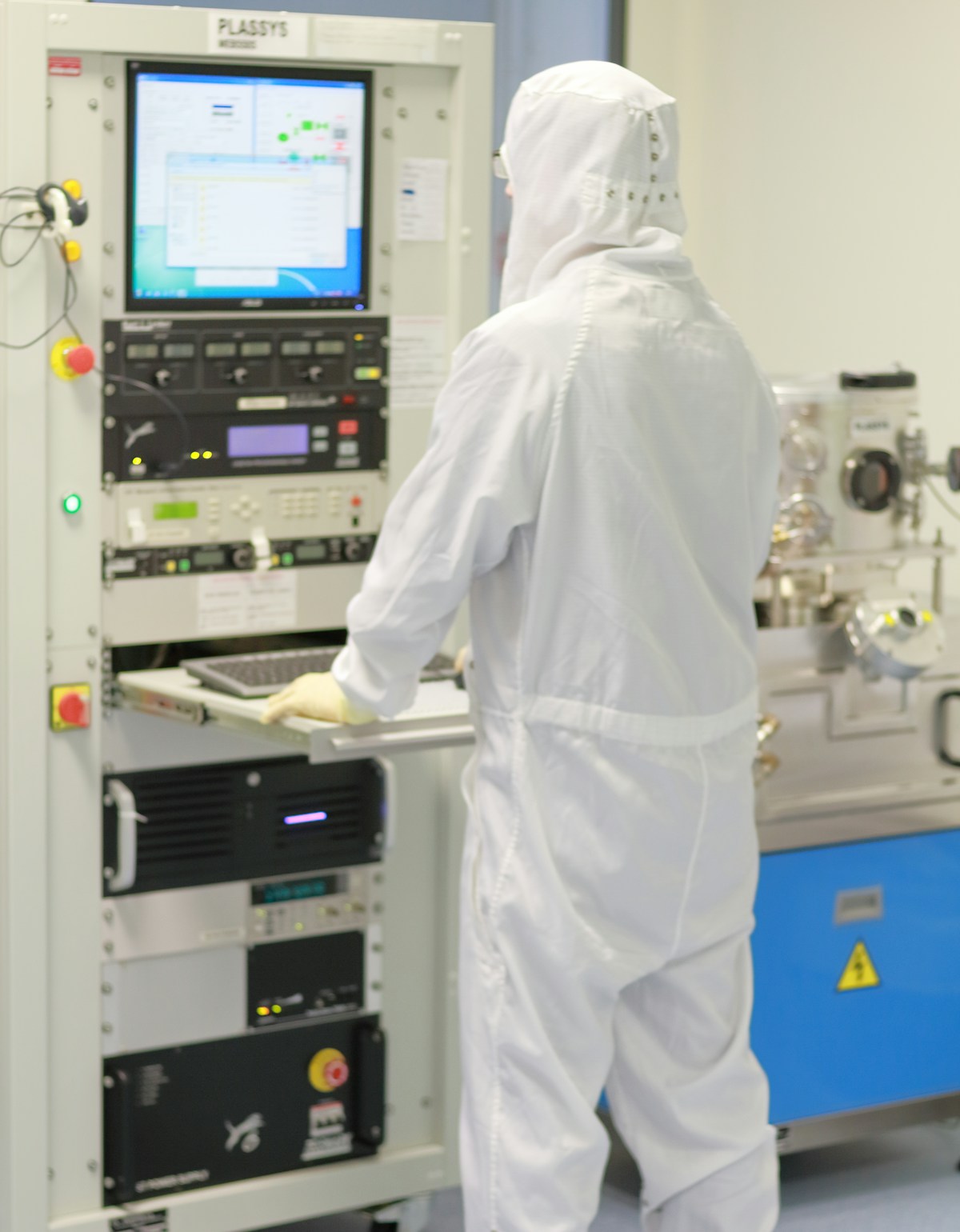
How Much Air Can Leak Through Cleanroom Doors?
Air leakage through cleanroom doors is quantified in cubic meters per hour (m³/h) at a standardized test pressure of 50 Pascals (Pa). Lower ISO classifications (cleaner environments) require significantly lower leakage rates than higher ISO classifications (less critical environments) to maintain pressure cascades and prevent contamination.
Standardized Measurement Protocols
Determining air leakage requires adherence to strict testing protocols rather than simple visual inspection. The industry standard involves subjecting the door assembly to a controlled pressure differential, typically fixed at 50 Pa, to simulate real-world operating conditions. Under this load, the measurement focuses on the volume of air infiltrating or exfiltrating through the perimeter gaskets, leaf interfaces, and vision panels.
Results are expressed in volumetric flow rates (e.g., m³/h or liters/second). A high-performance door system should demonstrate minimal airflow, indicating that the compression seals are effectively engaging the frame and that the structural tolerances are tight enough to prevent bypass leakage. Data precision is vital; a deviation of even a few m³/h can disrupt the delicate pressure balance required in sensitive environments.
Leakage Thresholds by ISO Classification
The allowable air leakage rate is directly dependent on the cleanroom’s ISO classification level. There is an inverse relationship between the ISO class number and the required sealing performance: as the ISO class number decreases (indicating a cleaner environment), the allowable air leakage must also decrease.
- Maintaining a leakage threshold of 0.1 m³/h or less defines ISO Class 5 protocols. For high-precision environments like semiconductor manufacturing or pharmaceutical aseptic processing, leakage rates are held to the strictest minimum. Hermetic sealing systems or inflatable gaskets are required to meet this specific, tighter standard, achieving leakage rates of ≤0.1 m³/h at 50 Pa.
- ISO Class 7 to 8 (Higher Limit): In general manufacturing or less critical medical device assembly, the tolerance for air leakage is comparatively higher. Standard compression gaskets (such as EPDM or silicone) are typically sufficient, with acceptable leakage rates generally ranging higher than those permitted in ISO 5 environments, provided they do not compromise the overall air change rate per hour (ACH).
Technical Variables Influencing Leakage
Beyond the classification level, specific door construction details dictate the exact leakage performance. Engineers must evaluate the interaction between the door leaf and the frame, as well as the type of gasketing material used.
- Gasket Compression: Achieving the specified leakage rate requires specific closing force. For instance, a mechanical interlock must ensure the door compresses the gasket sufficiently to eliminate gaps. Under-compression leads to direct leakage paths, while over-compression can degrade the seal material over time.
- Panel Surface Integrity: The rigidity of the door leaf influences leakage. If a door panel deflects under pressure differential—common with lightweight cores without adequate facing strength—the seal can break on the pressurized side, increasing leakage rates. High-quality composite panels with high flexural strength maintain consistent contact with the gasket across the entire door surface.
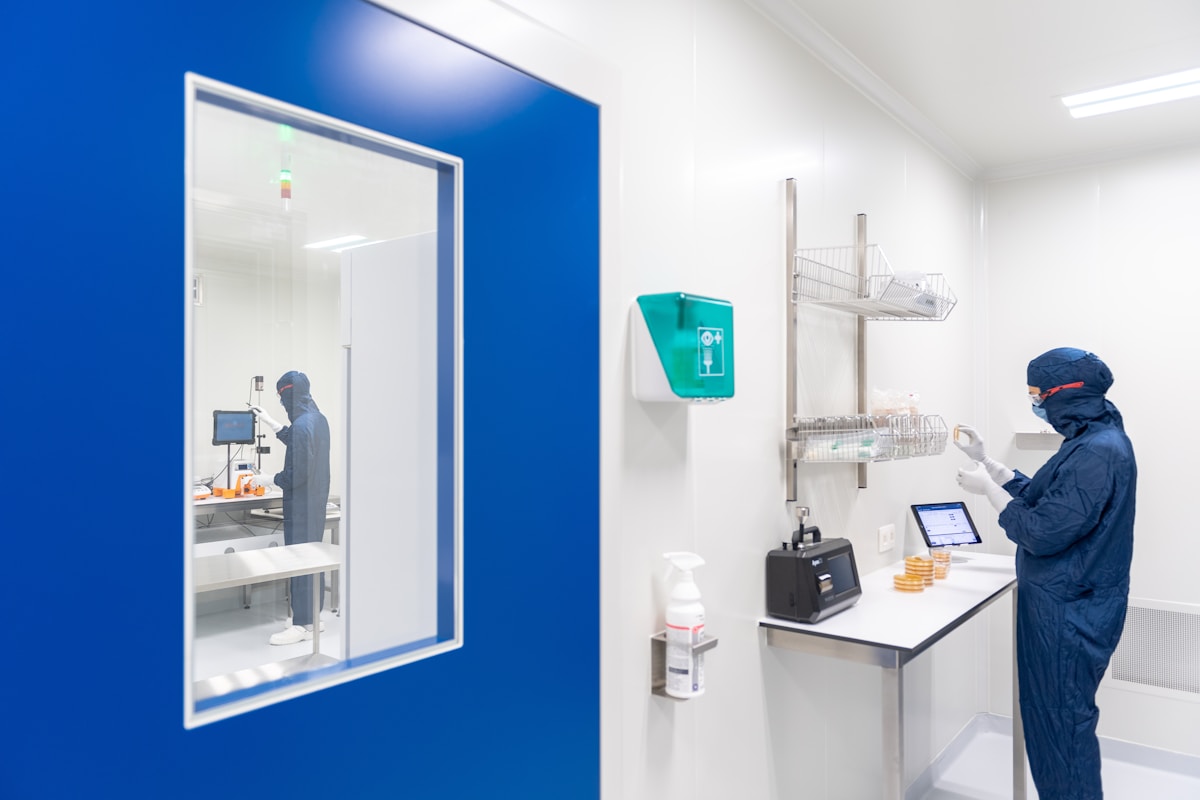
Why Flush Mounting Matters for Cleanroom Hygiene
Flush mounting eliminates horizontal ledges where particles settle, ensuring effective chemical disinfection and maintaining the required surface roughness standards (Ra ≤ 0.8 μm) for strict microbial control.
The Physics of Particle Traps and Ledges
In controlled environments, the primary enemy of hygiene is any surface that disrupts laminar airflow or collects particulate matter. Standard mounting hardware often protrudes from the door frame or surface, creating horizontal shelves. These ledges act as settling chambers for airborne contaminants and airborne molecular contamination (AMC). Even microscopic particles settling on these protrusions become sources of re-contamination, shedding back into the cleanroom during air velocity changes or personnel movement.
True flush mounting ensures that hardware is installed completely level with the door frame and wall surface. By eliminating these horizontal catches, the design prevents particles from accumulating in the first place. This geometry is critical for maintaining ISO Class 5 (or higher) environments where the allowable particle count is near zero. The objective is a seamless transition from the wall to the door frame, leaving no niche for validation swabs to miss.
integration with Surface Finish Specifications
Flush mounting is only effective if paired with the correct surface roughness. Even a perfectly mounted piece of hardware can harbor microbes if the surface texture is too coarse. For stainless steel cleanroom doors, the industry standard dictates a roughness average (Ra) of ≤ 0.8 μm. However, for critical biopharmaceutical or semiconductor applications, electropolished surfaces are increasingly specified to achieve an Ra of ≤ 0.38 μm.
The relationship between mounting and roughness is symbiotic. A smoother surface (lower Ra value) reduces the surface area available for microbial adhesion, making cleaning agents more effective. When combined with a flush installation, there are no physical shadows or textured valleys protecting biofilm from disinfectants. This combination is essential for satisfying regulatory expectations regarding cleanability and the reduction of microbial retention.
Disinfection Efficacy and Airflow Integrity
Effective hygiene protocols rely heavily on the physical accessibility of all surfaces. Flush mounting facilitates uninterrupted wiping motions during cleaning, allowing sterilization agents to maintain full contact with the surface without obstruction. Protruding hardware forces cleaning staff to maneuver around edges, often leading to inconsistent chemical application and missed spots near the hardware base.
Beyond manual cleaning, flush mounting preserves the integrity of the cleanroom’s airflow. Protrusions create turbulence and eddy currents in the airflow, which can stir up settled particles and transport them to critical process areas. A flush surface allows air to glide smoothly over the door assembly, maintaining the unidirectional airflow required to sweep particles away from the product or process.
- Elimination of Horizontal Ledges: Removes “shelves” where particles and dust can settle undisturbed by airflow.
- Surface Roughness Control: Supports the Ra ≤ 0.8 μm standard, ensuring smoother surfaces that resist microbial adhesion.
- Chemical Compatibility: Ensures surface materials are fully exposed to disinfectants without hardware shadows or pooling.
- Laminar Flow Preservation: Minimizes turbulence that can re-suspend contaminants into the controlled environment.
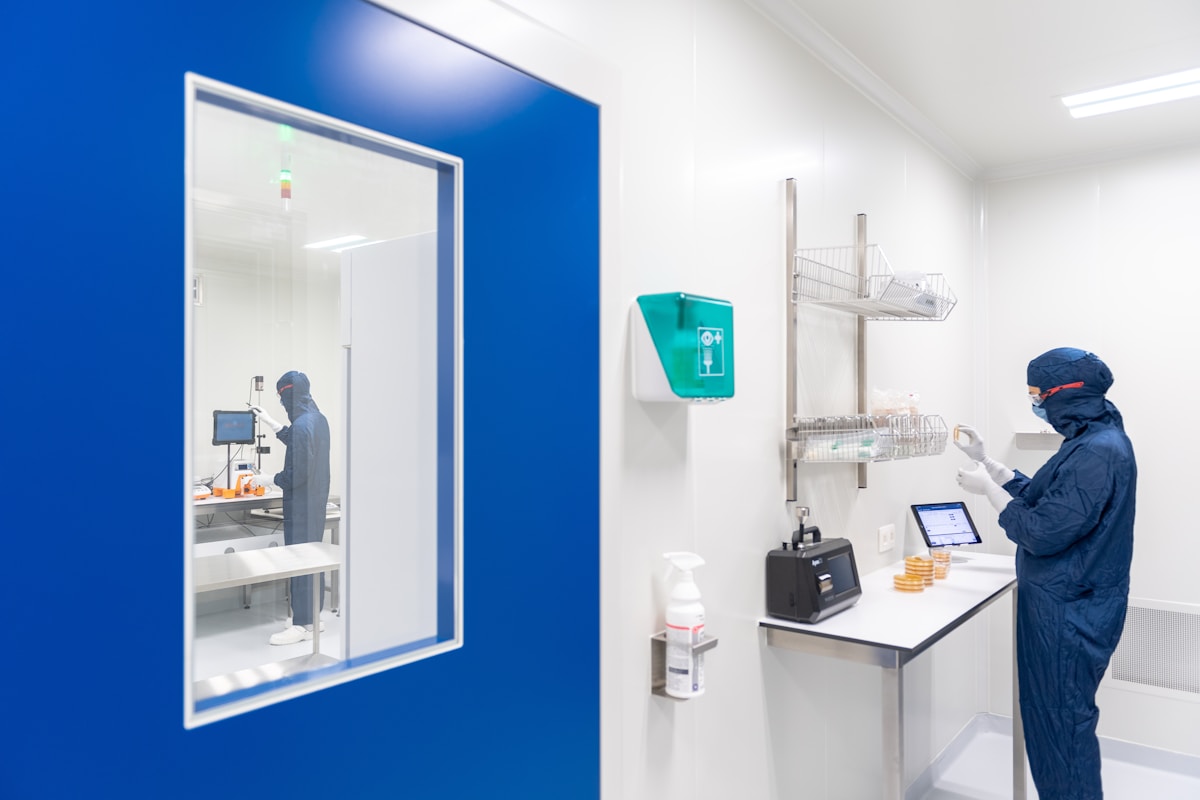
How Interlocks Keep Cleanrooms Safe
Interlock systems serve as the critical logic gate for contamination control, strictly enforcing sequential entry to maintain pressure differentials and ensure compliance with GMP safety standards.
The Mechanics of Sequential Control
At its core, an interlock is a control mechanism designed to prevent two or more doors from being opened simultaneously. In a cleanroom environment, this is not merely a convenience feature but a fundamental requirement for environmental stability. When a door in an airlock is opened, the interlock controller immediately sends a locking signal to all other interconnected doors. This physical or magnetic lock prevents the second door from opening until the first door is fully closed and the airlock cycle is re-established.
This sequencing is vital for maintaining the pressure cascade. If both doors were to open at once, the pressure differential between the clean and dirty zones would equalize instantly, causing a rush of air that could drag contaminants into the critical area. By enforcing a “one door open” policy, the system ensures that the airlock acts as a buffer zone, allowing the HVAC system to purge particulates before entry to the cleaner space is permitted.
📋 Standard Airlock Sequence
- Step 1: User requests entry via Access Control (Card/Biometric).
- Step 2: Controller verifies no other door in the airlock is open.
- Step 3: If safe, the door unlocks and opens; the interlock engages on the opposing door.
- Step 4: User passes through; the door closes and triggers a sensor confirming “door closed” status.
- Step 5: Controller releases the lock on the second door, allowing the sequence to repeat.
Emergency Egress and Safety Compliance
While contamination control is the priority, personnel safety is paramount. A critical failure in interlock design is creating a situation where occupants are trapped during a fire or hazardous event. Therefore, all compliant interlock systems must feature a “fail-safe” or “fail-secure” override mechanism. In the event of a fire alarm activation or power loss, the interlock logic must immediately default to an unsecured state, allowing all doors to be opened freely for egress.
This is typically achieved through the integration of emergency push-to-exit buttons and direct fire alarm interfaces. These devices bypass the standard logic controller, cutting power to the electromagnetic locks mechanically. For B2B facility managers, verifying that the interlock controller is rated for NFPA 101 or local equivalent life safety codes is non-negotiable during the specification phase.
Avoid “mechanical only” interlocks (key cylinders) for high-traffic pharmaceutical cleanrooms. While they offer infinite security without power, they significantly slow down emergency evacuation and are prone to human error (keys left in locks). Electromagnetic interlocks with battery backup provide the optimal balance of security and life safety.
Integration with Access Control Systems
Advanced interlocks do not operate in isolation; they are typically sub-systems of a broader Access Control and Building Management System (BMS). This integration allows for audit trails that record every entry and exit, tagging specific events to individual user credentials. For ISO 5 and GMP environments, this data integrity is essential for tracking personnel movement and investigating contamination events.
Furthermore, modern controllers can manage complex logic scenarios beyond simple two-door airlocks. They can handle “mantrap” configurations (high security), optical turnstile integration for gowning validation, and even delay timers to ensure minimum purge times between door operations. When specifying these systems, ensure the controller utilizes dry contact relays or standard communication protocols (such as Modbus or TCP/IP) to ensure compatibility with the facility’s existing security infrastructure.
Choosing the Right Seals and Gaskets for Cleanrooms
Selecting the correct sealing mechanism is the primary defense against contamination control failure. The optimal choice balances airtight integrity, chemical compatibility with sterilization agents, and mechanical durability against high-traffic cycles.
In high-classification environments (ISO 5 and above), the gasket is not a peripheral accessory; it is a defining component of the containment strategy. A common procurement mistake is prioritizing initial seal compression over long-term chemical resilience. When seals degrade due to exposure to harsh disinfectants like chlorine or vaporized hydrogen peroxide (VHP), the entire cleanroom loses its pressure boundary, leading to costly re-certification and contamination risks. Therefore, the selection process must begin with a chemical audit of the cleaning regimen, rather than just the physical dimensions of the door frame.
Material Compatibility: Silicone vs. EPDM
The industry standard debate often centers on Ethylene Propylene Diene Monomer (EPDM) versus Silicone. While EPDM offers excellent physical durability and compression set resistance for general applications, it is vulnerable to degradation when exposed to oils and certain aggressive chemicals. Conversely, Silicone maintains its structural integrity and flexural modulus under extreme temperature fluctuations and aggressive VHP sterilization cycles. For pharmaceutical or bio-pharmaceutical environments where VHP is the standard bio-decontamination agent, Silicone is the non-negotiable choice to prevent the gasket from hardening or cracking, which creates micro-leakage paths.
Sealing Mechanisms: Compression vs. Magnetic
Beyond material chemistry, the mechanical method of sealing dictates the door’s operational lifetime. Perimeter compression gaskets provide the highest degree of airtightness by physically crushing the elastomer against the frame, but this increases the closing force required. In high-traffic automated pass-throughs or sliding doors, this friction can prematurely wear out actuators.
Magnetic self-sealing gaskets solve this friction issue by using embedded magnetic strips to engage the seal without mechanical force. This significantly extends the lifespan of the door operators and reduces maintenance noise. However, magnetic systems rely on a perfectly aligned frame. In retrofit situations where structural settlement has occurred, adjustable compression gaskets are often the superior engineering solution to compensate for irregularities, ensuring that the ISO 14644-3 leakage rate standards are met regardless of building movement.
Dual-Durometer Profiles for Composite Doors
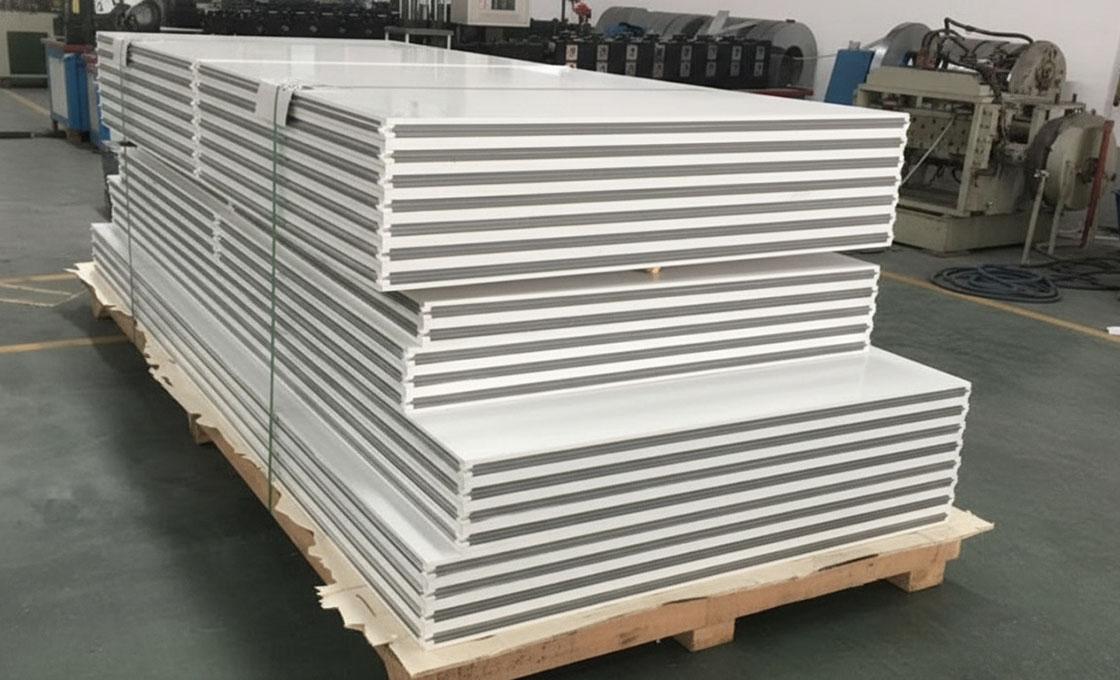
The rise of lightweight composite doors introduces a specific engineering challenge: core-induced warping. Unlike solid steel or aluminum, composite panels (honeycomb or foam core) can exhibit slight flex or surface irregularities over large spans. Standard single-density gaskets may deform or gap if the door bows slightly.
To counter this, dual-durometer profiles are employed. These utilize a hard, rigid core (typically Shore C 70) that provides the structural backbone to prevent the gasket from collapsing or folding over during door operation. This rigid core is co-extruded with a softer, bulbous sealing face (Shore A 50). The soft face conforms intimately to surface imperfections up to 2mm, while the hard core ensures the seal maintains its geometry. This configuration is essential for maintaining consistent airtight cleanroom door gasket materials performance in high-humidity environments where composite materials are most susceptible to thermal expansion.
Hygiene and Flush Mounting
In GMP-compliant facilities, the physical profile of the gasket is as critical as its material. Protruding or bulbous gaskets create “dead legs” or horizontal shelves where particulates can accumulate and bacteria can colonize, effectively bypassing the HVAC filtration system. Low-profile flush gaskets eliminate these trap zones by sitting nearly flush with the door surface. This design allows for effective Clean-in-Place (CIP) workflows, ensuring that spray balls and disinfectants can reach the critical interface without shadowing effects. When paired with non-porous, gelcoat-compatible surfaces, these seals support ISO 5 surface roughness compliance at the seal interface, a detail often overlooked in lower-specification builds.
- Chemical Audit First: Always cross-reference the seal material (EPDM vs. Silicone) against the specific frequency and concentration of your facility’s disinfectants to prevent swelling or hardening.
- Assess Traffic Volume: For automated sliding doors in high-traffic zones, prioritize magnetic self-sealing gaskets to reduce mechanical wear on actuators and ensure consistent closure.
- Composite Compatibility: When using honeycomb or foam core doors, specify dual-durometer seals to guarantee a seal that compensates for panel flex without sacrificing compression force.
| Seal Type | Material & Specification | Performance Data | Compliance Standard | Recommended Application |
|---|---|---|---|---|
| Perimeter Compression Gasket | EPDM or Silicone; 60–70 Shore A; compression set <25% after 10,000 cycles | ≤0.1 m³/h leakage @ 50 Pa; maintains 10–15 Pa pressure differential | ISO 14644-3 validated; meets ISO 5 cleanroom door leakage rate standards | Pharmaceutical cleanrooms; daily chlorine-based disinfection cycles |
| Magnetic Self-Sealing Gasket | Neoprene with embedded magnetic strip; 3–5 mm compression travel | Closing force 15–25 N; auto-seals on closure; extends actuator lifespan by 30–50% | Satisfies cleanroom door pressure differential requirements per ISO 14644-3 | High-traffic areas; automated sliding and swing door systems |
| Dual-Durometer Profile Seal | Hard core (Shore C 70) + soft sealing face (Shore A 50); dual-extruded profile | Conforms to surface irregularities up to 2 mm; compensates for core-induced warping in composite doors | Engineered for composite cleanroom door materials honeycomb and foam cores; ensures airtight cleanroom door gasket materials performance | Composite panel doors in high-humidity environments; prevents cross-contamination |
| Threshold / Bottom Seal | TPE or TPV extruded; temperature range −40°C to +150°C; abrasion-resistant | Prevents under-door particulate ingress; optimizes lifecycle cost in FRP vs stainless steel cleanroom door cost analyses | Supports ISO 5 surface roughness Ra ≤ 0.38 μm compliance at seal interface | Doorways with floor transitions; ISO 5–7 classified areas |
| Low-Profile Flush Gasket | Silicone; profile height ≤3 mm; non-porous, gelcoat-compatible smooth surface | Eliminates particle trap zones; enables effective CIP/WIP cleaning; superior flatness reduces seal degradation | GMP seamless surface requirement; airtight cleanroom door gasket materials specification | ISO 5 and above; food & pharmaceutical GMP environments |

What Documentation Keeps Cleanroom Doors Audit-Ready
Executive Summary: Audit-ready cleanroom doors require a complete traceability dossier: material certificates, third-party performance test reports, and valid IQ/OQ/PQ documentation that together form an unbroken compliance chain from raw materials to final installation.
Material Traceability Records
Every component in a cleanroom door assembly must carry verifiable documentation proving its origin and compliance. This is the foundation of the “Golden Thread” — the unbroken chain of custody that auditors trace from raw material to installed product.
For metallic components such as stainless steel frames or aluminum extrusions, the required certificate is EN 10204 Type 3.1 or 3.2. These certificates confirm chemical composition, mechanical properties, and heat treatment records for the metal stock used in door fabrication.
For composite and foam-core panels, metallic test standards do not apply. Instead, auditors expect material test reports (MTRs) from the core foam manufacturer and the skin/resin supplier. These documents should confirm:
- Core foam composition: XPS, PU, PET, PVC, or PMI foam batch certification confirming density, thermal conductivity, and flame retardancy ratings
- Skin material certification: GRP/FRP, CFRT, or stainless steel facing sheets with verified resin system and gelcoat specifications
- Adhesive/bonding agent records: Cure schedule, shear strength data, and VOC compliance for the structural adhesive used in panel lamination
Third-Party Performance Test Reports
Self-declared specifications carry minimal weight during regulatory audits. Independent test reports from accredited laboratories are the industry standard for proving cleanroom door performance claims.
The critical test reports every audit-ready cleanroom door must have on file include:
- Air leakage test report: Measured under a specified pressure differential (typically 25 Pa to 50 Pa), confirming the door assembly meets the required leakage rate for the target ISO classification
- Particle generation test: Quantifies particulate shedding from the door surface under simulated operational conditions, aligned with ISO 14644-1 classification requirements
- Pressure differential performance report: Demonstrates the door’s ability to maintain the required pressure cascade across the cleanroom boundary under dynamic opening/closing cycles
- Surface cleanliness test: Verifies that the door finish meets the smoothness and cleanability standards expected in pharmaceutical and microelectronics environments
All test reports should reference the applicable standard — typically ISO 14644-1 for cleanroom classification and ISO 14644-2 for monitoring and validation requirements. The testing laboratory should be ISO/IEC 17025 accredited to ensure report acceptance by regulatory bodies.
Certification Documentation
Beyond test reports, auditors look for formal certification that the door assembly and its manufacturing process meet recognized quality standards.
- ISO 13485 or ISO 9001 certification: Confirms the manufacturer operates under a certified quality management system, which is often a prerequisite for GMP-regulated facilities
- CE marking documentation (EU markets): Includes the Declaration of Conformity and relevant harmonized standards applied during design and production
- FDA compliance records (pharma applications): Material safety data sheets (MSDS) and extractable/leachable testing for doors used in sterile manufacturing environments
- Fire rating certification: Where the cleanroom door serves as a fire-rated assembly, independent fire test reports per ASTM E119 or BS 476 must be available
IQ/OQ/PQ Validation Records
Installation Qualification (IQ), Operational Qualification (OQ), and Performance Qualification (PQ) are the three pillars of cleanroom commissioning. The door’s role in this validation chain must be fully documented.
During IQ, the installer verifies that the door was delivered, stored, and installed per the manufacturer’s specifications — including correct gasket orientation, seal compression values, and frame alignment tolerances. Photographic evidence and torque records for fasteners strengthen this documentation.
During OQ, the door is tested under operational conditions: interlock sequence validation, cycle counting, and pressure differential hold tests with the door in both open and closed positions. Leak rate measurements at the door perimeter during these tests are recorded and compared against acceptance criteria.
During PQ, the installed door is subjected to extended performance monitoring over a defined period (typically 30 days for pharmaceutical facilities). Particle counts, pressure decay rates, and temperature stability around the door assembly are logged to demonstrate sustained compliance with the cleanroom’s classified environment.
Commissioning and Handover Dossier
The final audit-ready package is the commissioning dossier — a single organized file containing every document that proves the door system is compliant, installed correctly, and performing within specification. This dossier typically includes:
- As-built drawings: Showing door locations, swing direction, interlock wiring diagrams, and gasket contact surfaces
- Installation checklist: Signed and dated records confirming each installation step was completed per procedure
- Post-installation leak test results: Smoke test or anemometer measurements at the door perimeter under rated pressure differential
- Preventive maintenance schedule: Recommended inspection intervals for gaskets, seals, hinges, and interlock mechanisms
- Spare parts list: Identifying critical consumables (gasket sections, seal compounds, interlock switches) with part numbers and lead times
Do not confuse EN 10204 metallic product certificates with foam or composite material documentation. EN 10204 applies exclusively to metals — using it to certify XPS, PU, PET, or PVC foam cores is a technical error that auditors will immediately flag as non-compliant. Always match the certificate type to the actual material being documented.
Request the “audit-ready checklist” from your door supplier before placing the order. Reputable manufacturers maintain pre-organized documentation packages and can deliver the full IQ/OQ/PQ dossier within 48 hours of installation completion. If a supplier cannot produce this timeline, it signals weak quality management processes that will create compliance risk later.
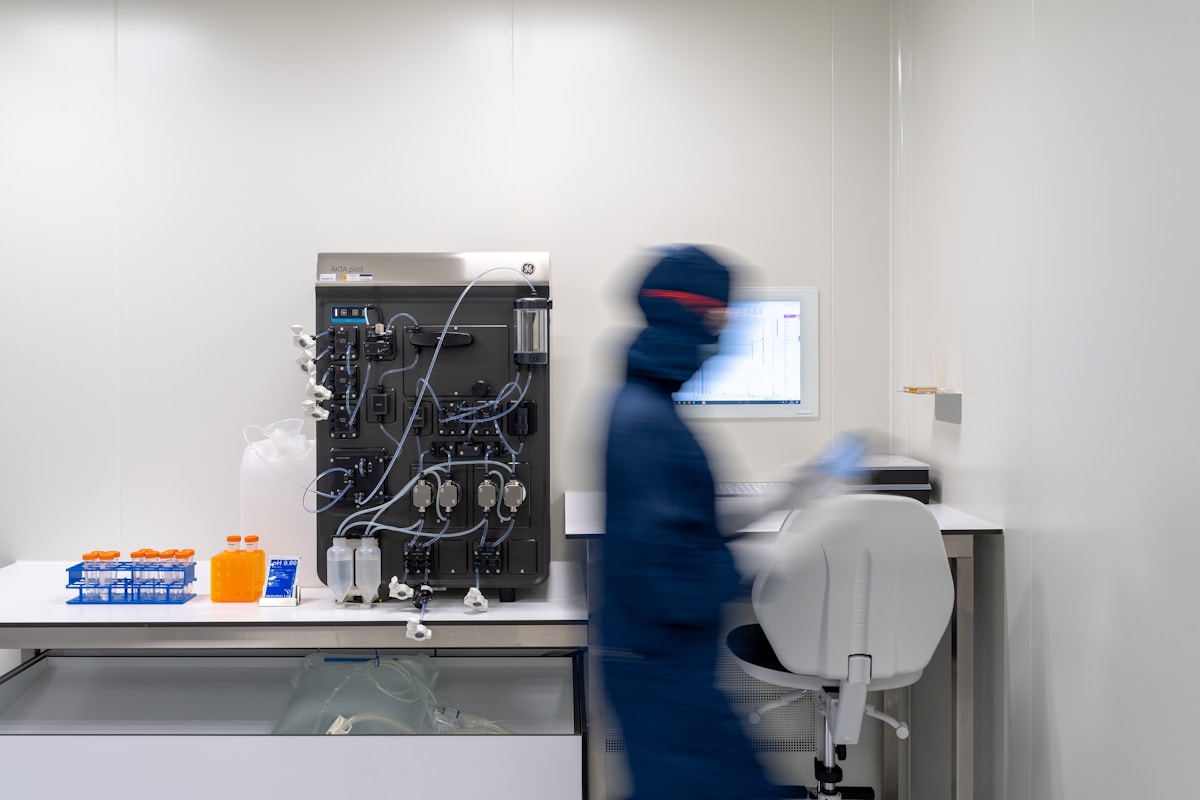
Installing Cleanroom Doors Without Compromising Integrity
Installation integrity is the decisive factor between a theoretical specification and a functional cleanroom. Even with premium materials, failure to address gasket continuity and threshold sealing will immediately invalidate certification audits, regardless of the door’s rated performance.
Sealing and Gasket Installation Best Practices
Achieving an airtight seal requires more than simply adhering rubber to a frame; it demands precise material handling and geometric accuracy. The gasket acts as the primary pressure barrier, and its performance is dictated by compression uniformity. Installers must ensure that the door leaf closes squarely against the frame to maintain consistent pressure along the entire seal perimeter. Any deviation, even by a few millimeters, creates a leakage path that bypasses the filtration system.
For high-compliance environments such as ISO 5 or pharmaceutical filling suites, corner joints are the most critical failure points. Butt-joining gasket strips creates weak points where air can channel through. Best practice dictates the use of mitred corners or molded continuous gaskets to ensure 100% material continuity. Additionally, the substrate must be cleaned with isopropyl alcohol prior to adhesive application to ensure long-term bond strength, preventing the gasket from peeling or shifting during thermal cycling.
When installing EPDM or silicone gaskets, allow the material to acclimate to room temperature for 24 hours. Installing “cold” rubber that has been stored in a warehouse can lead to shrinkage gaps weeks after installation, causing leaks that are difficult to trace.
Common Installation Errors That Compromise Certification
Many certification failures stem from structural shortcuts taken during the framing phase rather than the door assembly itself. A frequent error is failing to shim the frame correctly, resulting in a racking effect where the door frame is not perfectly square. This distortion prevents the door leaf from contacting the gasket evenly across its height, often leaving a gap at the top or bottom corner that serves as a high-velocity leak path for contaminants.
Fastener selection critically impacts cleanroom integrity standards. Avoid through-bolting or self-tapping screws that penetrate the cleanroom side of the door leaf or frame unless they are specifically sealed with validated sealant or covered with sterile caps. Any fastener hole that creates a path from the dirty side to the clean side is a violation of ISO 14644 and GMP standards for cleanability and particulate generation.
Another common oversight is the interface between the door threshold and the flooring. If the door bottom seal does not engage uniformly with the floor—or if the flooring slope is mismatched—the pressure differential requirement (typically 10-15 Pa per regulatory guidance) cannot be sustained. Installers must verify floor flatness prior to frame installation, as uneven concrete is a leading cause of bottom seal leakage.
Post-Installation Validation and Leak Testing Procedures
Validation is the quantitative proof that the installation meets the designed pressure containment parameters. The most effective initial test is the visual smoke test, using a smoke pencil or titanium tetrachloride generator to trace airflow around the perimeter. This identifies low-pressure zones where air is being sucked in or blown out, bypassing the gasket. However, visual tests must be supplemented with quantitative measurements to satisfy audit requirements.
For a rigorous assessment, a door fan test (blower door test) is often employed to pressurize the enclosure to specific levels. The goal is to verify that the door assembly can maintain the required pressure differentials—such as the 10 Pa minimum specified by EU GMP Annex 1 or the 0.02 inch water column (approx. 5 Pa) required by USP <797>—without exceeding allowable air change rates. Leak rates are typically calculated in cubic feet per minute (CFM) or liters per second at a reference pressure, providing a definitive metric for the qualification report.
Commissioning Checklist for Cleanroom Door Handover
Successful handover requires a systematic verification of both mechanical operation and compliance documentation. This checklist ensures that the installation team has delivered a product that is ready for operational qualification (OQ).
📋 Commissioning Verification
- Structural Integrity: Verify frame plumb and level; confirm no gaps exist between frame and wall substrate.
- Seal Continuity: Visual inspection of gaskets for compression set, gaps at corners, or adhesion failures.
- Operational Mechanics: Test closer adjustment to ensure smooth, controlled closing speed without slamming.
- Interlock Functionality: Verify that magnetic or mechanical interlocks prevent simultaneous opening of airlocks.
- Leak Test Results: Document smoke test results and air leakage rates (Pa/CFM) against the specification.
Conclusion
Cleanroom doors are the weakest point in your pressure cascade. Every leak path, every poorly seated gasket, every misaligned interlock compounds across the facility. The standards we covered — ISO 14644 classifications, GMP expectations, pressure differential ratings — they’re not paperwork. They’re the difference between a certified room and a failed audit. Pick flush-mount designs with validated gasket systems. Test every installation. Your commissioning checklist is only as strong as the door that fails first.
- Verify door leakage rates match your ISO class before ordering — don’t assume
- Request pressure-differential testing reports from your supplier, not just product specs
- Our engineering team is available to walk through cascade layouts, seal material selections, or validation protocols at any design stage — no purchase required
Frequently Asked Questions
Honeycomb vs foam core: which is better for cleanroom doors?
Honeycomb cores (PP, aramid, or fiberglass) provide superior structural rigidity and moisture resistance, making them ideal for high-humidity cleanrooms where dimensional stability is critical. Foam cores (PIR, PET, XPS) offer better thermal insulation and sound dampening but can absorb moisture over time, leading to warping. For ISO 5-7 environments with strict pressure differentials, honeycomb cores are the preferred choice among specification engineers.
What surface roughness do ISO 5 cleanroom doors require?
ISO 14644-1 specifies a maximum surface roughness of Ra ≤ 0.38 μm for ISO 5 cleanroom surfaces, including doors. This non-porous, smooth finish prevents particulate accumulation and enables effective wipe-down sanitization. Gelcoat-finished FRP panels and polished stainless steel facings both meet this requirement when manufactured to tolerance.
Is FRP cheaper than stainless steel for cleanroom doors long-term?
While 304 stainless steel has a lower upfront cost, it corrodes within 2-3 years under daily chlorine-based disinfectant protocols common in pharmaceutical cleanrooms. FRP doors, though pricier initially, resist chemical degradation and eliminate replacement cycles, resulting in lower total cost of ownership. For lifecycle cost analysis in pharma and biotech, FRP typically pays for itself within 5 years.
Can composite doors be customized for unique pressure requirements?
Yes. Unlike steel doors, which are limited by material constraints, composite sandwich panels can be engineered with specific core materials, facing options, and panel thicknesses to meet custom pressure differential and thermal performance targets. This allows specification of doors that maintain integrity at 15 Pa, 25 Pa, or higher differentials without warping or seal failure.
How does door weight affect cleanroom automation motor lifespan?
Heavier solid steel doors place continuous stress on automated door operators and track systems, leading to premature motor wear and higher maintenance costs. Composite doors using honeycomb or foam cores are 30-50% lighter than equivalent steel doors, significantly extending actuator lifespan and reducing lifecycle maintenance expenses. This weight advantage is particularly relevant for high-cycle cleanroom environments.