
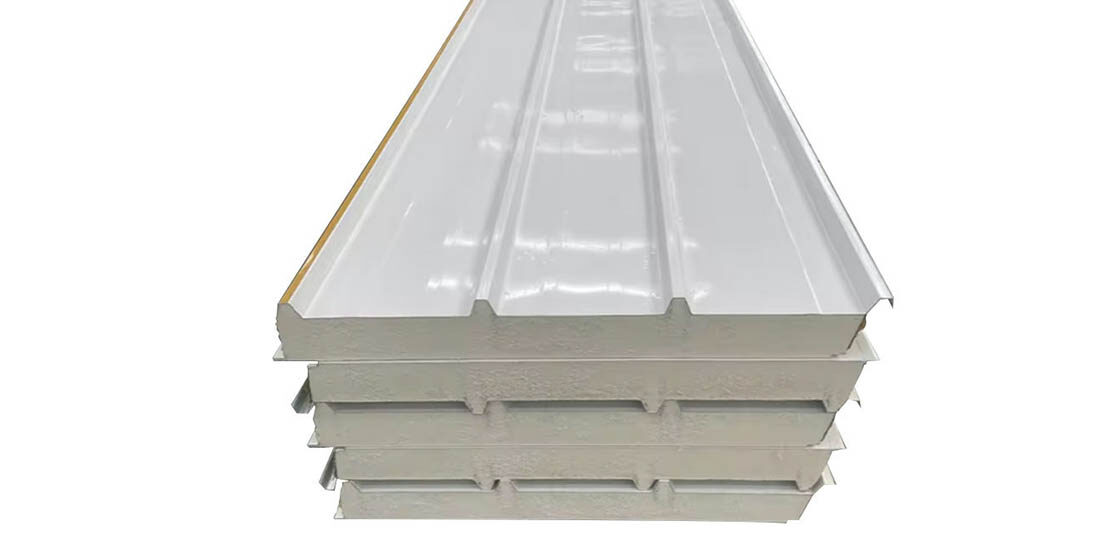
Cooling accounts for nearly 40% of a typical data center’s energy consumption, yet engineers often focus solely on mechanical systems while ignoring the building envelope. If the shell leaks heat, your CRAC units work overtime to compensate. A high-performance data center sandwich panel functions as the primary thermal barrier, directly reducing the load on your HVAC infrastructure and lowering your monthly OpEx.
At Rax Panel, our engineering data confirms that factory-controlled joint seals and continuous insulation cores can achieve thermal resistance values up to R-8 per inch. This article analyzes how selecting the correct core material impacts your Power Usage Effectiveness. We explain the trade-offs between PIR efficiency and mineral wool safety to help you optimize Total Cost of Ownership.
Defining Envelope Performance Metrics
The efficiency of your mechanical cooling is strictly limited by the physics of your envelope; a high R-value is irrelevant if thermal bridging spikes your U-value.
Interpreting R-Values and U-Values for Data Center Efficiency
To specify an effective data center envelope, you must look beyond the marketing label of ‘high insulation’ and understand the inverse relationship between R-value and U-value. R-value measures thermal resistance—the ability of a material to resist heat flow—while U-value measures the rate of thermal transmittance through an assembly. For facility operators, the U-value is the critical metric for energy modeling because it represents the actual heat loss or gain per square meter.
Do not specify panels based solely on the core material’s theoretical R-value. Many competitors list impressive R-values based on the insulation layer alone, ignoring the metal facings. In practice, the whole-assembly U-value is what dictates cooling load. You must demand certified U-values that account for the joint detailing and thermal bridging effects of the entire panel system.
When evaluating technical datasheets, verify that the U-value calculation includes the joint effects. Our engineers design continuous insulation paths in our PU and PIR sandwich panels to ensure the installed performance matches the laboratory data. We often see claims of R-30 degraded to effective R-20 due to poor joint detailing; rigorous factory foaming and tongue-and-groove designs are the only ways to prevent this efficiency bleed.
Targeting Power Usage Effectiveness (PUE) Improvements
Power Usage Effectiveness (PUE) is the industry standard ratio of total facility energy to IT equipment energy. The ideal PUE approaches 1.0, but legacy facilities often struggle to maintain ratios below 1.5 due to massive cooling overhead. Since cooling systems typically consume 30% to 40% of a data center’s total energy, the building envelope is a primary lever for PUE reduction.
Optimizing the envelope reduces the ‘parasitic load’ on your HVAC infrastructure. By lowering the U-value of your walls and roof, you minimize the delta-T the cooling system must fight against. In our experience with high-density computing projects, even a marginal improvement in envelope air-tightness and thermal resistance can significantly offload the CRAC units. We customize our panel thickness and core density specifically to match your server heat density, ensuring you aren’t paying to cool the outdoors.
How to Choose High-Performance Insulation Cores
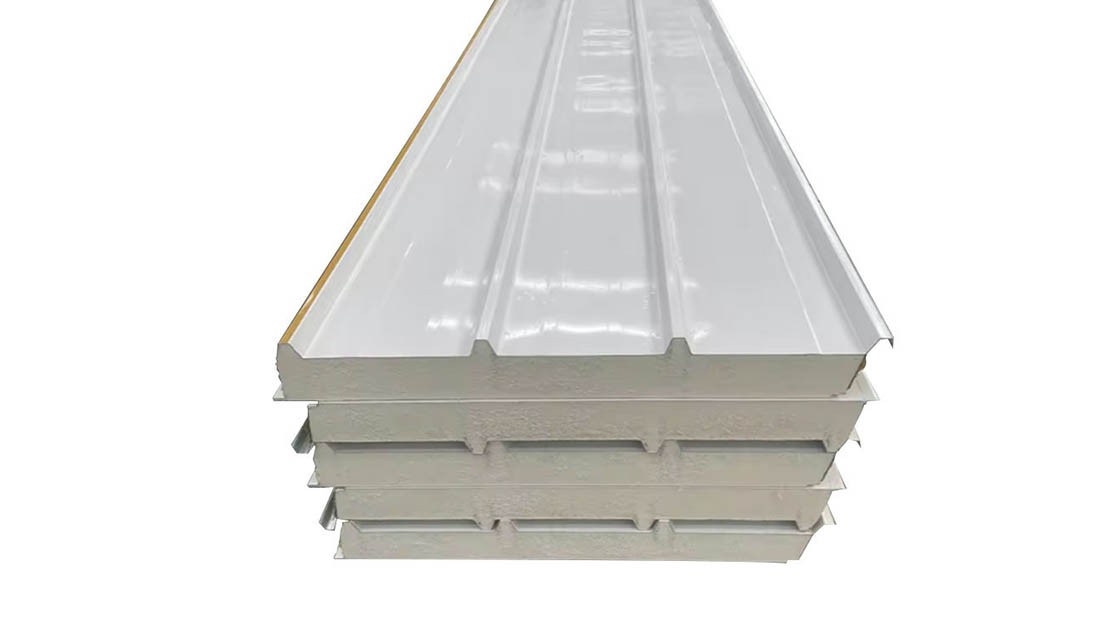
High-performance insulation is not defined solely by the core material’s R-value, but by the integrity of the bond and the density consistency under load. A perfect foam that delaminates is useless.
The Critical Role of Core Density and Compressive Strength
For data centers and specialized transport envelopes, selecting an insulation core requires a shift from simple thermal metrics to structural analysis. While standard PUR or PIR foams provide baseline efficiency, high-performance environments demand cores that resist compression under mechanical load without thermal drift. For instance, PET foam offers superior dimensional stability and resistance to moisture absorption compared to traditional XPS, ensuring that the thermal envelope remains intact even in fluctuating humidity conditions.
In high-stress applications like RV flooring or commercial roofing, using a core with inadequate density leads to sagging and subsequent thermal bridging. Advanced cores like PMI foam are engineered specifically for these scenarios, offering high strength-to-weight ratios that maintain panel flatness and insulation continuity over decades of service.
Be wary of batch-to-batch density variations in lower-cost cores. Inconsistent density creates ‘soft spots’ in the panel that compress under load, creating permanent thermal bridges and compromising the building envelope’s airtightness.
Precision Lamination: Eliminating the Thermal Bridge Risk
The highest failure rate in insulated panel systems is not the material itself, but the interface between the core and the facings. If the adhesive bond is imperfect, air gaps form, acting as superhighways for heat transfer. At Rax Panel, we address this pain point directly through our continuous production line. Our facility manufactures over 1,700 square meters of panels daily, using controlled chemical bonding processes that eliminate the voids common in field-assembled systems.
We have observed over our 15 years of production that a continuous lamination process significantly outperforms discrete bonding methods in maintaining long-term thermal resistance. By strictly controlling the temperature and pressure during the curing of PU, PIR, and Rockwool cores, we ensure that the theoretical insulation performance of the material is actually realized in the installed panel.
Matching Core Chemistry to Environmental Demands
How to Choose the correct core involves analyzing the specific chemical and physical stressors of the project. While Polyurethane (PUR) offers excellent initial sealing properties and cost-efficiency, projects with strict sustainability mandates or temperature cycling requirements often benefit more from PET foam or specialized PP honeycomb structures. These materials provide closed-cell insulation that resists water ingress—a critical factor for preventing corrosion in metal-faced panels and condensation in data centers.
When sourcing panels for projects with high condensation risks, request the ‘Water Absorption’ test data (e.g., ASTM C272) for the specific core density. A lower water absorption rate in PET or PVC cores directly correlates to lower long-term maintenance costs and sustained thermal performance.
Our engineering team conducts experimental testing on all core materials—including XPS, PU, PVC, and PMI—to map their performance under rigorous project conditions. We do not simply supply a panel; we provide a composite solution where the core density and facing material are customized to support the specific load and thermal demands of your application, ensuring compliance and efficiency without over-engineering costs.
| Core Material | Thermal Performance | Fire Rating | Optimal Use |
|---|---|---|---|
| Polyisocyanurate (PIR) | Superior thermal efficiency with high R-value per inch | Enhanced fire resistance and improved char formation vs. PUR | Data centers, commercial envelopes, and industrial roofing |
| Polyurethane (PUR) | Cost-effective insulation with excellent sealing properties | Standard fire resistance; requires protective facings | Cold storage facilities, refrigerated transport, and food processing |
| Rockwool (Mineral Wool) | Stable thermal resistance across varying temperatures | Non-combustible (Class A) with highest fire safety compliance | High-fire-risk zones, acoustic barriers, and exterior cladding |
How to Reduce Cooling Load Through Envelope Control
Analyzing Total Cost of Ownership Impact
The lowest bid often results in the highest long-term expense. Selecting composite panels based solely on initial material cost ignores the compounding expenses of energy loss, rapid thermal degradation, and extended construction timelines.
In the industrial and data center sectors, the initial material price represents only a fraction of the lifecycle cost. Many project managers fall into the trap of selecting lower-grade insulation to meet an immediate budget cap. However, these savings are quickly erased by increased operational expenditure. Poorly manufactured panels often suffer from core settling or delamination, which creates thermal bridges and forces HVAC systems to work overtime, significantly inflating utility bills over the facility’s lifespan.
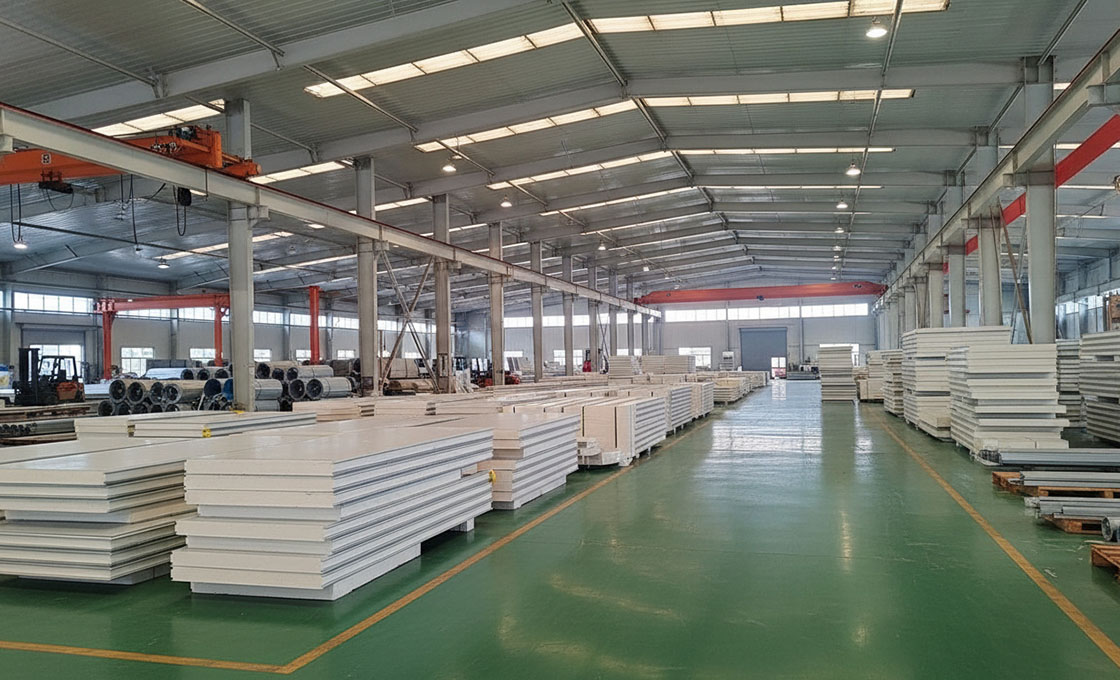
At Rax Panel, we address this by strictly controlling our entire supply chain to ensure consistent quality. We do not simply assemble bought-in components; we engineer the composite structure from the raw material stage. Our advanced production line allows us to fabricate over 1,700 square meters daily with precision tolerances that prevent the air leakage common in lesser-quality panels. This manufacturing consistency ensures that the thermal performance you specify on day one remains effective decades later.
Speed of construction is a critical, yet often hidden, component of Total Cost of Ownership. Every day a facility remains unfinished accrues overhead and delays revenue generation. Our prefabricated solutions are designed for rapid assembly, effectively reducing on-site labor hours. Because we manage logistics across more than 50 countries, we minimize the risk of project stalls due to material shortages or shipping delays, allowing general contractors to adhere to aggressive schedules.
Finally, maintenance cycles dictate long-term profitability. Using durable facings like Aluzinc or Stainless Steel resists corrosion in harsh environments, eliminating the need for frequent repainting or panel replacement. By integrating waterproof insulation and engineered joint seals during the manufacturing process, the envelope remains impermeable. This prevents the costly structural damage and equipment downtime associated with moisture intrusion, safeguarding the facility’s operational integrity.
| TCO Driver | Technical Spec | Operational Benefit | Cost Savings & ROI |
|---|---|---|---|
| Energy Efficiency | High R-Value (R-27 to R-50) PIR or Rockwool Cores | Advanced thermal bridging mitigation facilitates a significant operational efficiency gain, achieving a 60% reduction in cooling energy demands. | Economic analysis of the upgraded infrastructure points to a specific recoupment horizon, generating lowered annual utility bills and an investment return within a verified 5.1 year energy payback period. |
| Construction Speed | Prefabricated Sandwich Panels (Capacity >1,700 m²/day) | Accelerates enclosure assembly; reduces project timeline | Cuts labor costs; enables faster facility operation |
| Asset Longevity | Durable Aluzinc or Steel Facings with Waterproof Insulation | Provides stable structure and corrosion resistance for 50+ years | Eliminates frequent maintenance and repainting expenses |
| Risk Mitigation | Integrated Air, Water, and Vapor Barrier Systems | Prevents condensation and humidity damage to sensitive equipment | Avoids costly hardware failure and operational downtime |
| Code Compliance | Non-combustible Rockwool or High-Efficiency PIR Options | Meets IECC 2024 standards and stringent fire safety codes | Reduces retrofit risks and lowers insurance premiums |
Validating Safety and Compliance Standards
In mission-critical construction, compliance is not optional; it is the project’s license to operate. Selecting the right core is the primary defense against catastrophic loss.
How to Choose Fire-Rated Cores: PIR vs. Mineral Wool
When evaluating envelope safety, the core material choice is the critical variable between a standard facility and a compliant fortress. PIR (Polyisocyanurate) cores are widely utilized for their excellent fire resistance-to-weight ratio.
When exposed to flame, PIR undergoes a chemical reaction that forms a protective char layer, insulating the underlying material and significantly slowing the spread of fire. For general data center applications, PIR offers a balanced solution, providing thermal efficiency while meeting rigorous fire safety standards such as ASTM E84 Class 1.
Conversely, Mineral Wool (Rockwool) cores provide non-combustible protection essential for high-risk zones. Composed of inorganic stone or slag fibers, these cores do not contribute to fire load and can withstand temperatures exceeding 1,000°C without melting or producing toxic smoke. In our experience, Mineral Wool is specified for egress corridors, dividing walls, or areas with stringent local codes that strictly prohibit organic foam materials, despite the higher density and material cost compared to PIR.
Never assume foam insulation meets code in all jurisdictions. We rigorously test our specific PIR and Rockwool panel assemblies to ensure they meet relevant fire safety standards. Using non-certified cores or mixing incompatible facings can void insurance policies and halt operations.
How IMPs Cut Construction Time and Costs
Beyond material performance, Insulated Metal Panels (IMPs) function as a labor-reduction engine for rapid deployment. Traditional multi-component wall systems require sequential trades: structural steel framing, exterior sheathing, insulation installation, and finally metal cladding. This fragmented approach introduces significant weather delays and coordination risks that erode profit margins. IMPs integrate the structural skin, thermal insulation, and vapor barrier into a single, factory-fabricated unit.
By using our IMP solutions, project teams can install the wall and insulation in a single pass. This single-trade installation drastically reduces on-site labor hours and accelerates the building envelope’s weather-tight date. We have observed project timelines compress by weeks compared to traditional build-ups, significantly lowering general conditions overhead and allowing data center operators to bring revenue-generating servers online faster.
Key Takeaways
PIR gives you the edge on thermal resistance for aggressive cooling targets, but it requires careful vapor management to prevent moisture risks. In high-compliance zones, Rockwool remains the only safe bet against strict fire codes, especially for critical server aisles. You match the material to the hazard profile, not just the initial price tag.
A tight envelope directly attacks your PUE ratios, shaving dollars off long-term operational spend. With our daily output exceeding 1,700 square meters, we handle large-scale logistics without bottlenecks. Send over your layout drawings and thermal specs. Our engineering team will analyze the load requirements to pinpoint the most cost-effective thickness for your site.
Frequently Asked Questions
This factor has a direct bearing on project performance and long-term cost. Addressing it with specific data rather than general assumptions leads to better outcomes.
How do insulated panels reduce cooling costs?
High-performance insulation cores like PIR or PU minimize thermal transfer, significantly lowering the energy required for HVAC systems. This thermal efficiency maintains stable internal temperatures, reducing the workload on cooling equipment. Consequently, data centers realize substantial operational savings over the facility’s lifespan.
What R-value do sandwich panels provide?
The R-value depends on the core thickness and material type, with options like PIR, PUR, and mineral wool offering varying levels of thermal resistance. Thicker panels generally provide higher R-values, delivering superior insulation for energy-intensive environments. Engineers calculate the specific R-value required to meet local energy codes and operational efficiency goals.
Do panels integrate with aisle containment?
Yes, panels are easily fabricated to fit specific dimensions required for hot and cold aisle containment systems. They provide the rigid, airtight barriers necessary to separate airflow streams and optimize cooling efficiency. Customization ensures a smooth integration with existing racking and IT equipment layouts.
How to address thermal bridging at joints?
Thermal bridging is mitigated by using specialized connection profiles and continuous insulation layers across the panel surface. Manufacturers design joint details to minimize metal-to-metal contact, which conducts heat. Proper installation techniques further ensure that the thermal envelope remains unbroken at panel intersections.
Are insulated panels more expensive than alternatives?
While initial material costs may be higher than basic stud walls, the total cost of ownership is often lower due to energy savings and reduced labor. Faster installation schedules also offset upfront expenses by reducing construction financing costs and time-to-market. Therefore, insulated panels offer a compelling long-term ROI for energy-critical facilities.