Sandwich Core Material

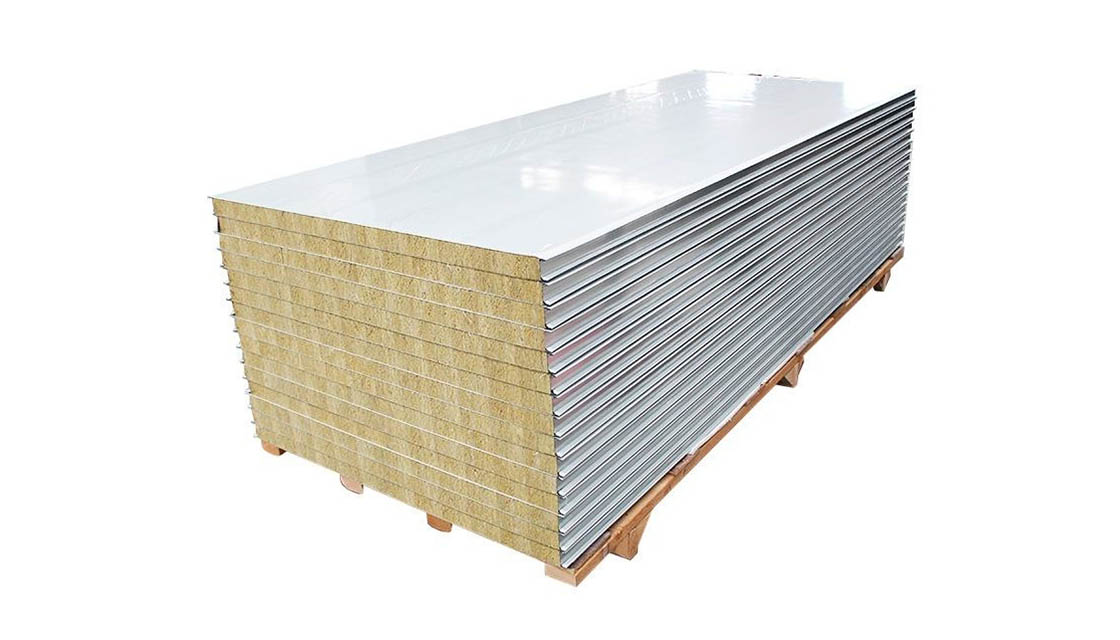
Sandwich core materials form the central layer in composite panels, separating two thin, high-strength skins to create lightweight structures with exceptional bending strength-to-weight ratios. The skins, typically fiberglass, carbon fiber, or aluminum, provide tensile strength while the core increases panel thickness without adding significant weight.

Core options include foam materials like Polyvinyl Chloride (PVC), polyester, and polyurethane offering closed-cell structures with low resin uptake; honeycomb configurations from aramid or polypropylene providing open-cell energy absorption; and end-grain balsa wood delivering high strength-to-weight ratios as a renewable option. Each type varies in density and flexural properties to match specific resin compatibility requirements for vacuum infusion or press-bonding processes.

Applications span marine hulls and decks, aerospace interior panels, wind turbine blades, automotive load floors, and construction insulated panels. These materials enable lighter structures while maintaining strength, provide thermal and acoustic insulation, and offer moisture, corrosion, and chemical resistance for long-term durability.

Manufacturing versatility allows processing through resin transfer molding, vacuum bagging, and lamination methods. Many cores feature infusion-ready properties for easy resin flow, exhibit low water absorption under 0.10% over 24 hours, and maintain dimensional stability from -40°F to 230°F. Certifications like DNV GL and ISO9001 ensure industry compliance.
Info banner
A Leading Sandwich Core Material Manufacturer
RaxPanel is committed to providing series of Sandwich Core Materials for your business.
Contact Us

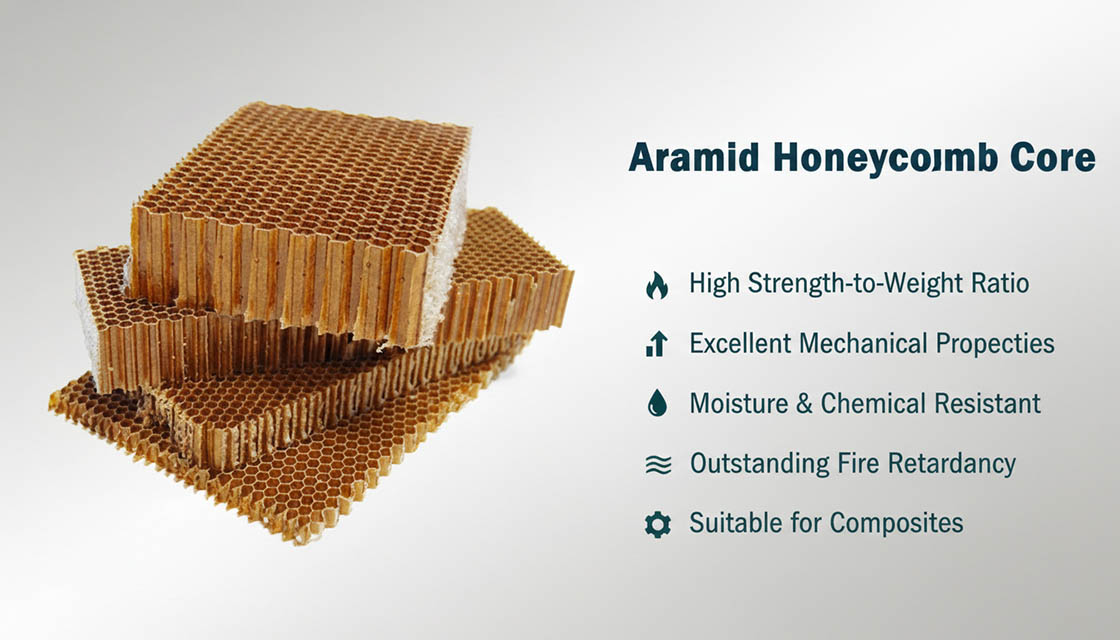
Aramid Honeycomb Core

Lightweight, high-strength nonmetallic honeycomb manufactured from aramid fiber paper coated with heat-resistant phenolic resin. Offers exceptional strength-to-weight ratio, corrosion resistance, thermal stability, and superior dielectric properties for aerospace and high-performance applications.

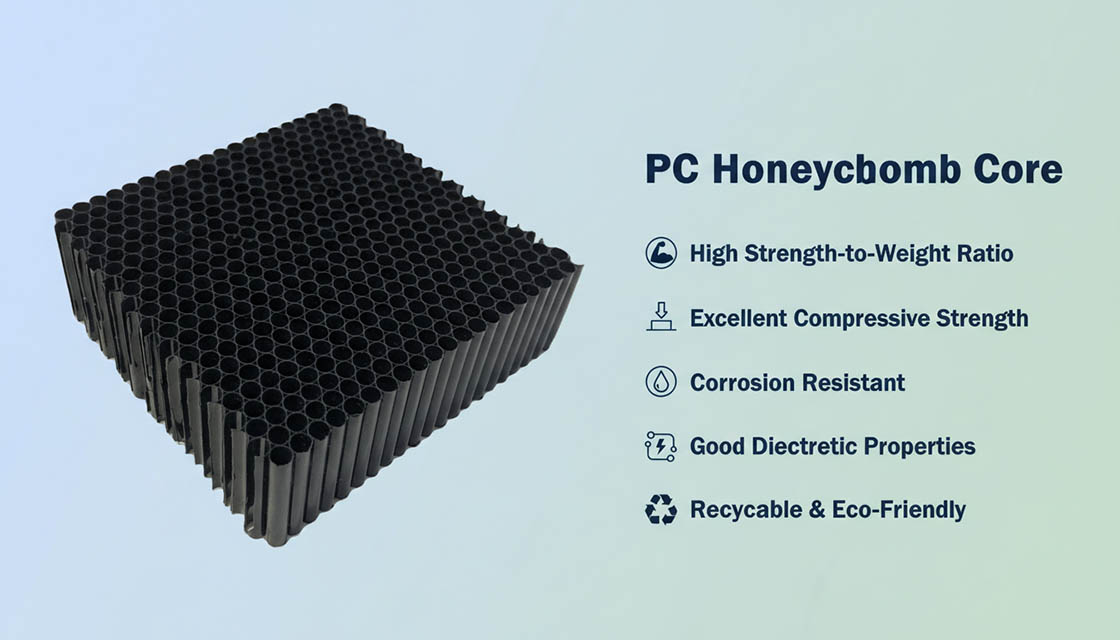
PC Honeycomb Core

Polycarbonate honeycomb core featuring excellent light transmittance, colorability, and air permeability. Provides strong compression strength with lightweight construction, suitable for lightbox decoration, refrigeration systems, and office fitment applications requiring airflow and transparency.

PET Foam Core

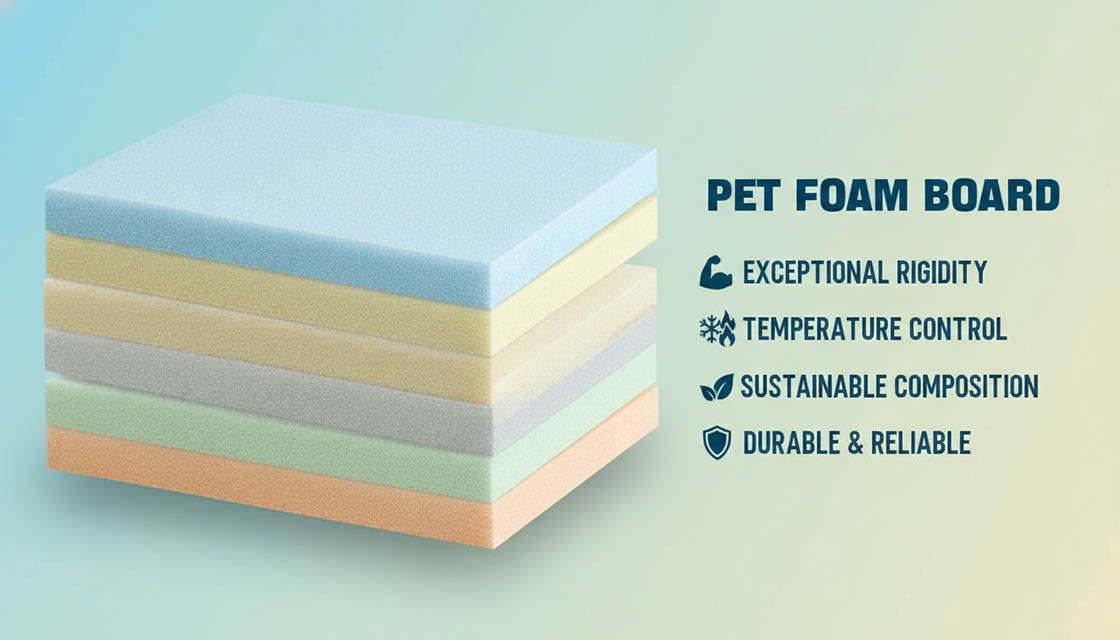
Closed-cell structural foam delivering excellent specific stiffness, compression strength, and dimensional stability. Features high temperature resistance up to 180°C, chemical resistance, minimal water absorption, and compatibility with vacuum infusion, spray-up, and hand lay-up processes.

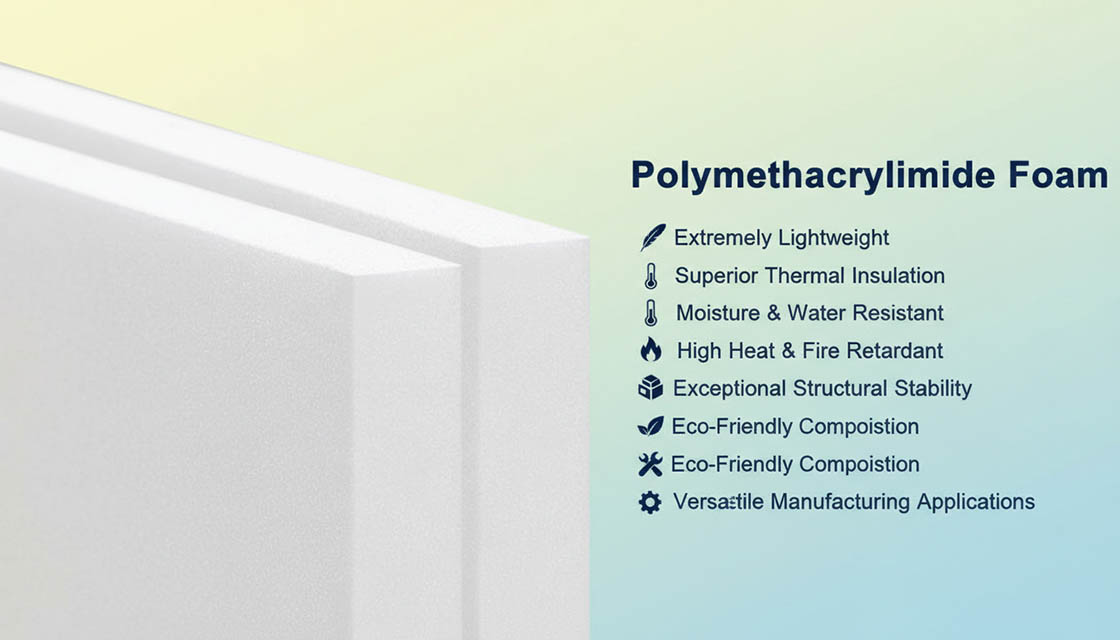
PMI Foam Core

Cross-linked polymethacrylimide foam offering the highest performance at equivalent density among structural foams. Provides exceptional mechanical properties, heat resistance up to 180°C, closed-cell structure, and excellent fatigue life for aerospace, UAV, and high-speed train applications.

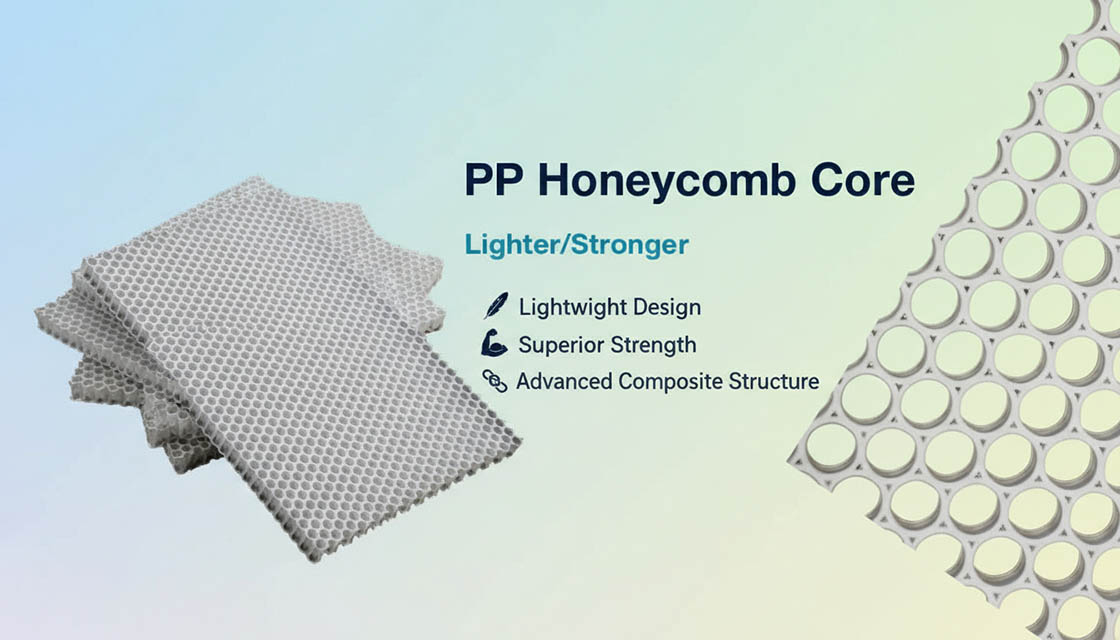
PP Honeycomb Core

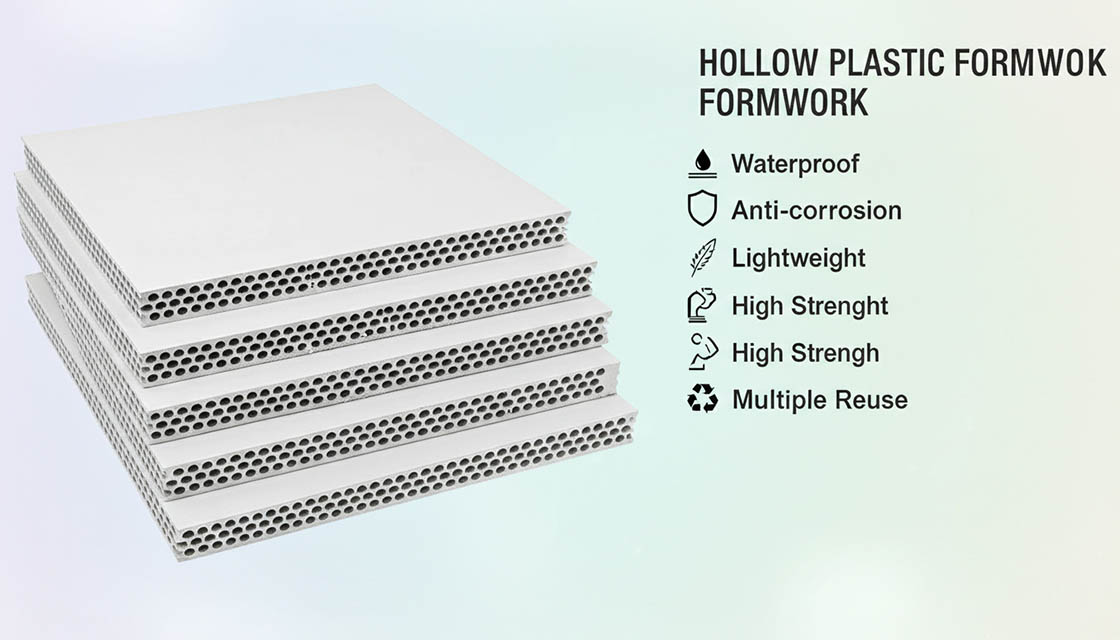
Thermoplastic polypropylene honeycomb delivering excellent flex properties, longitudinal stiffness, and compression strength. Lightweight core material widely used in industrial construction, automotive, and vehicle applications with customizable cell sizes from 6mm to 16mm.

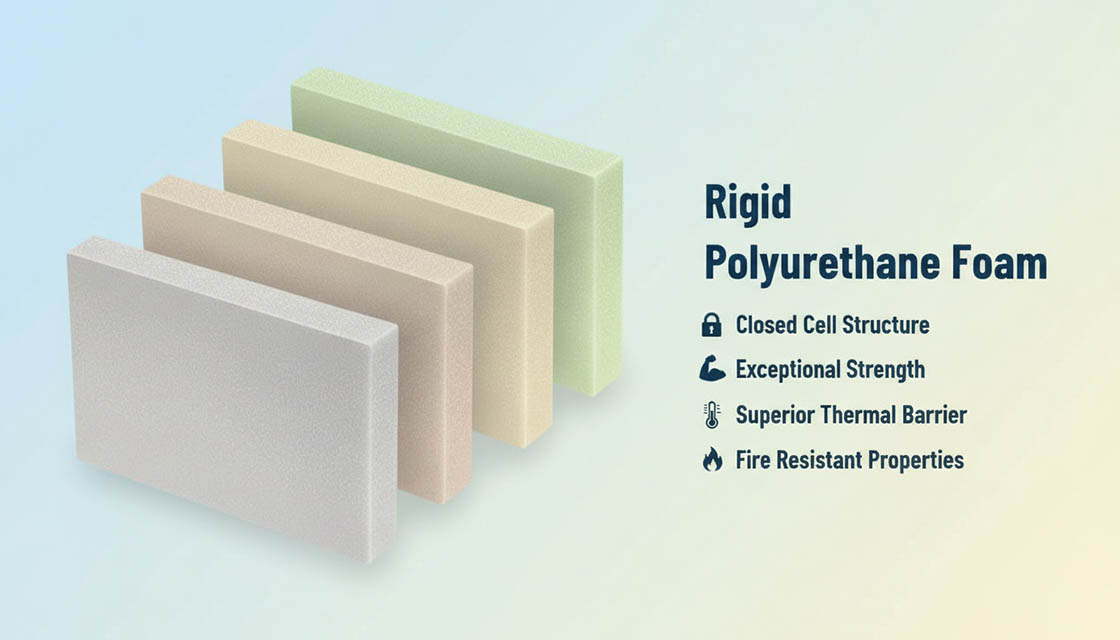
PU Foam Core

Rigid, closed-cell polyurethane foam with flame-retardant properties and 6 PCF density. Features high strength-to-weight ratio from cross-linked resin, excellent water resistance, chemical stability, and easy machinability for composite cores and load-bearing applications.

PVC Foam Core

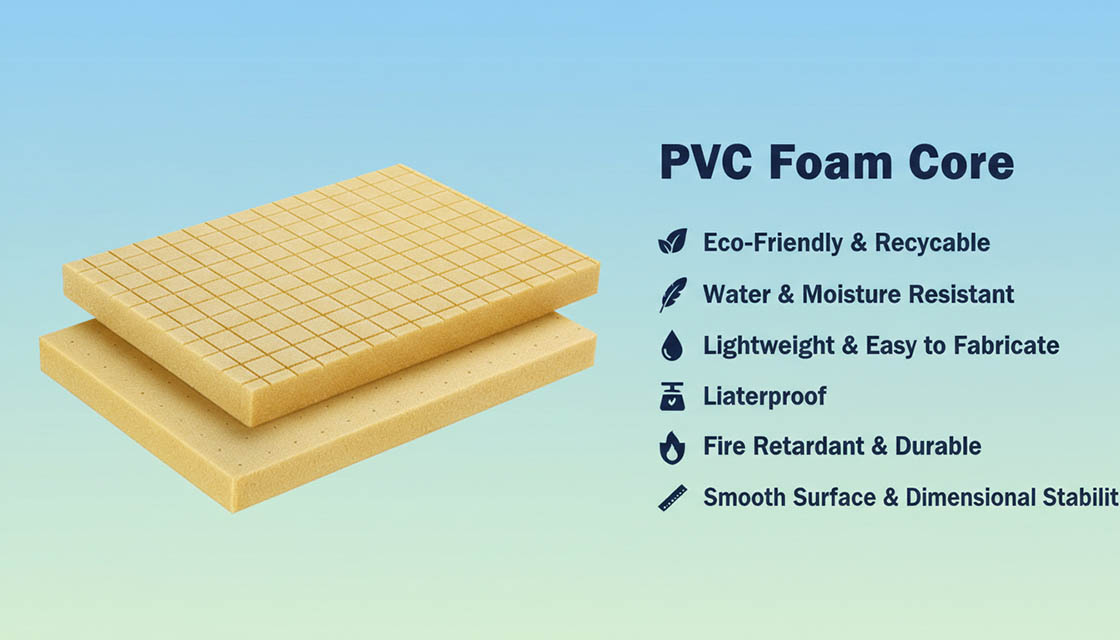
Cross-linked polyvinyl chloride foam with closed-cell structure exceeding 95% uniformity. Delivers excellent mechanical properties, minimal water absorption, broad temperature stability, superior resin compatibility, and easy machinability for marine, wind energy, and transportation composites.

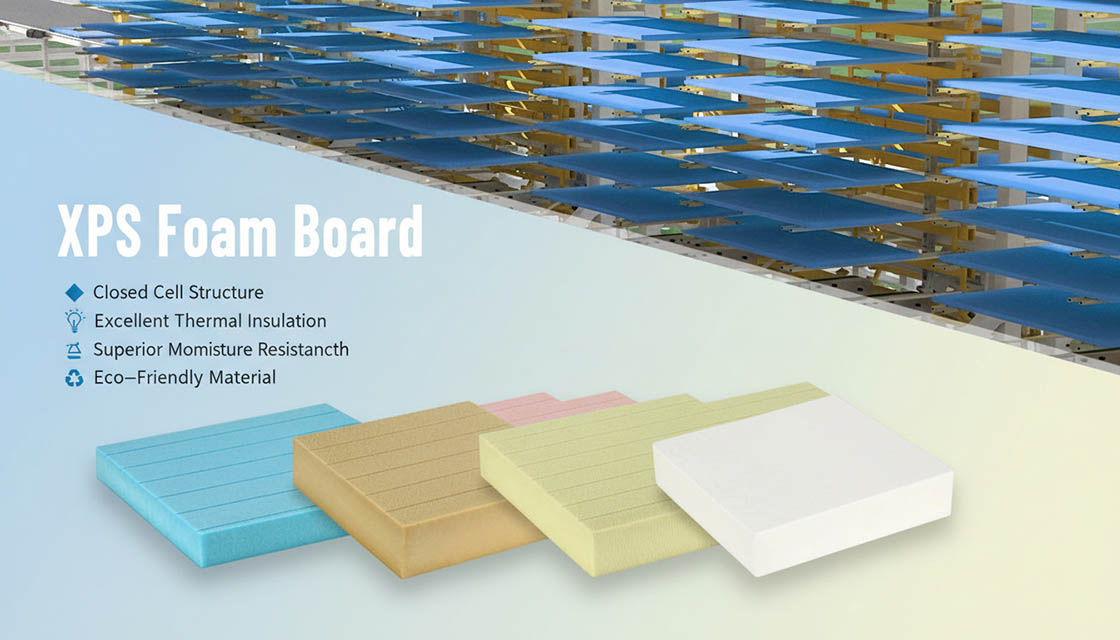
XPS Foam Core

Extruded polystyrene foam featuring over 99% closed-cell structure for superior thermal insulation and moisture resistance. Lightweight honeycomb-like structure provides high strength, dimensional stability, and low water absorption for building panels, refrigeration, and construction applications.

Your Direct Sandwich Core Material Manufacturer for Unmatched Consistency

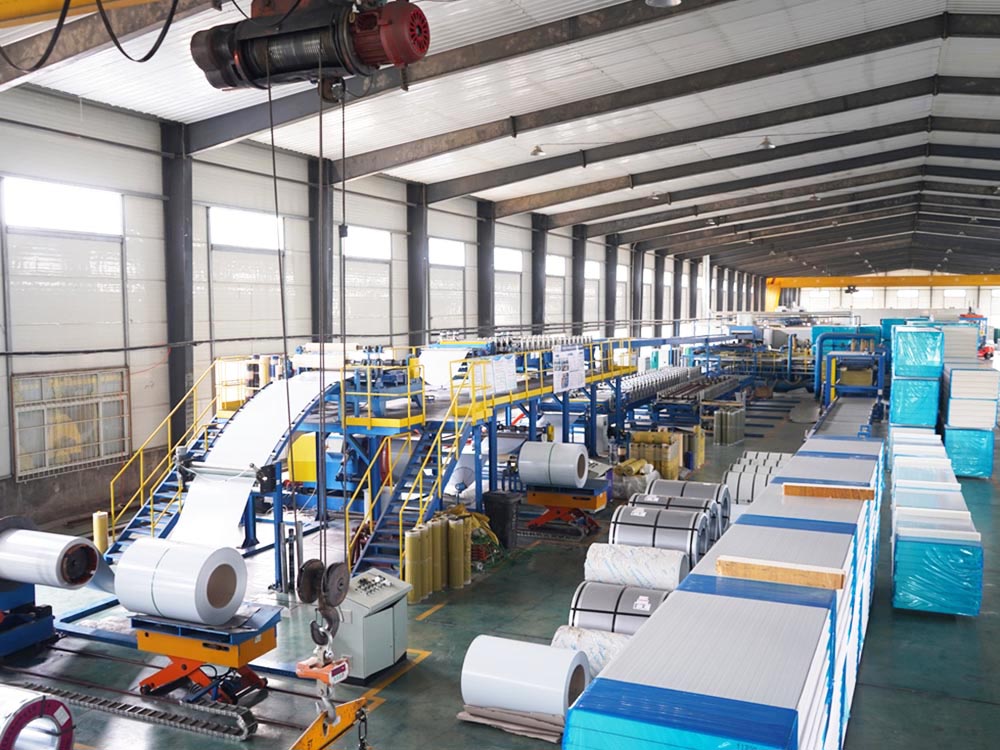
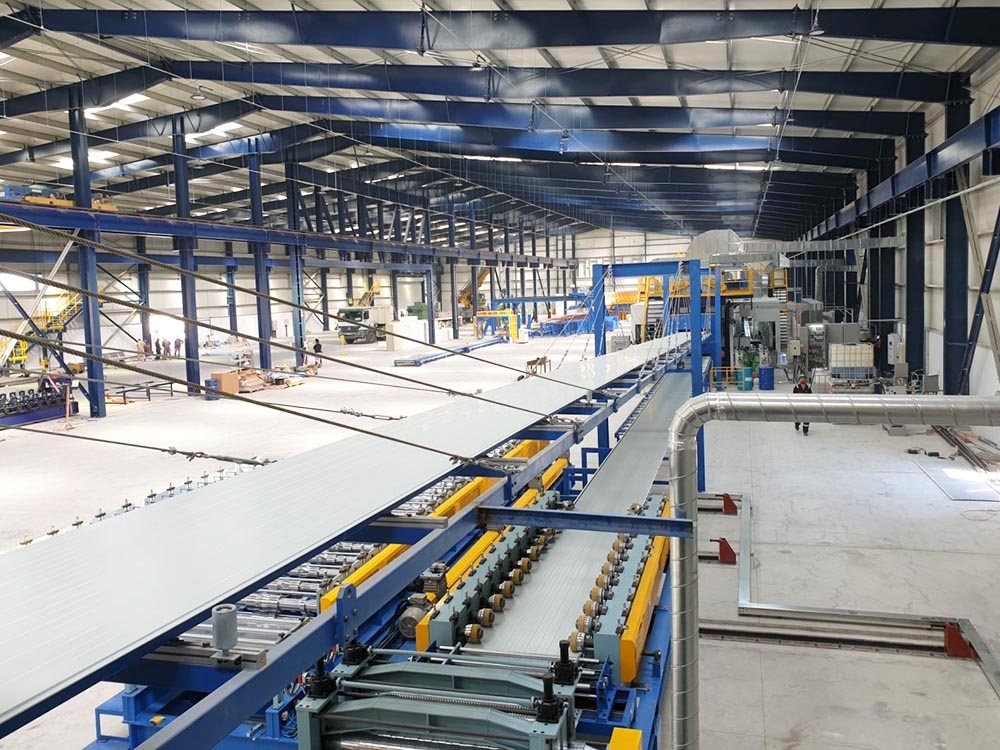
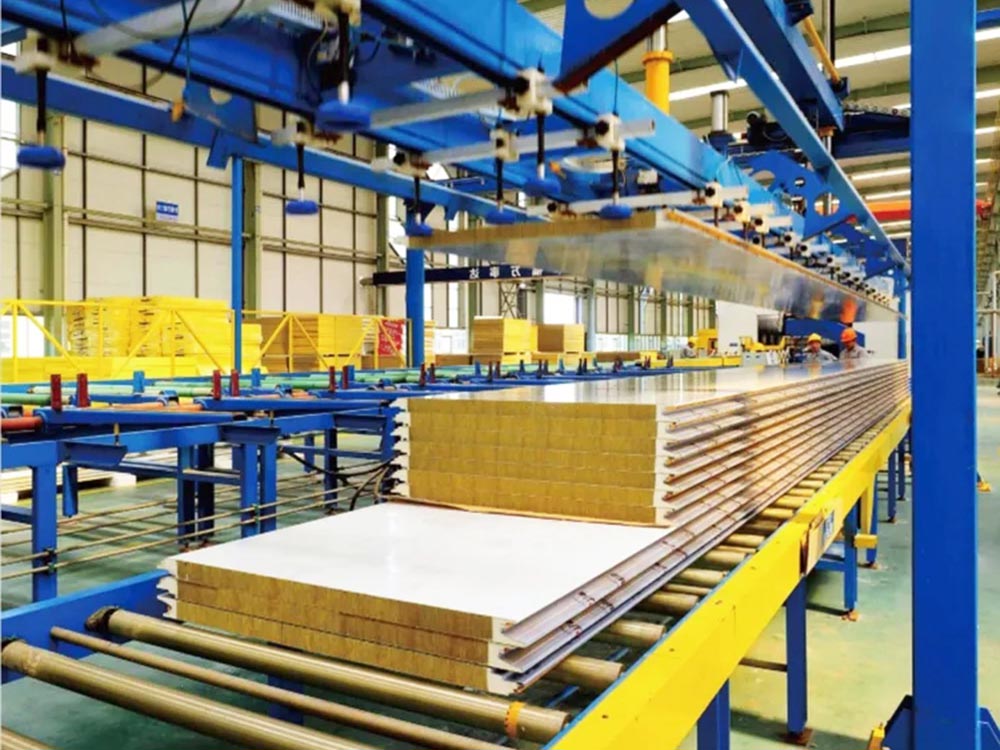
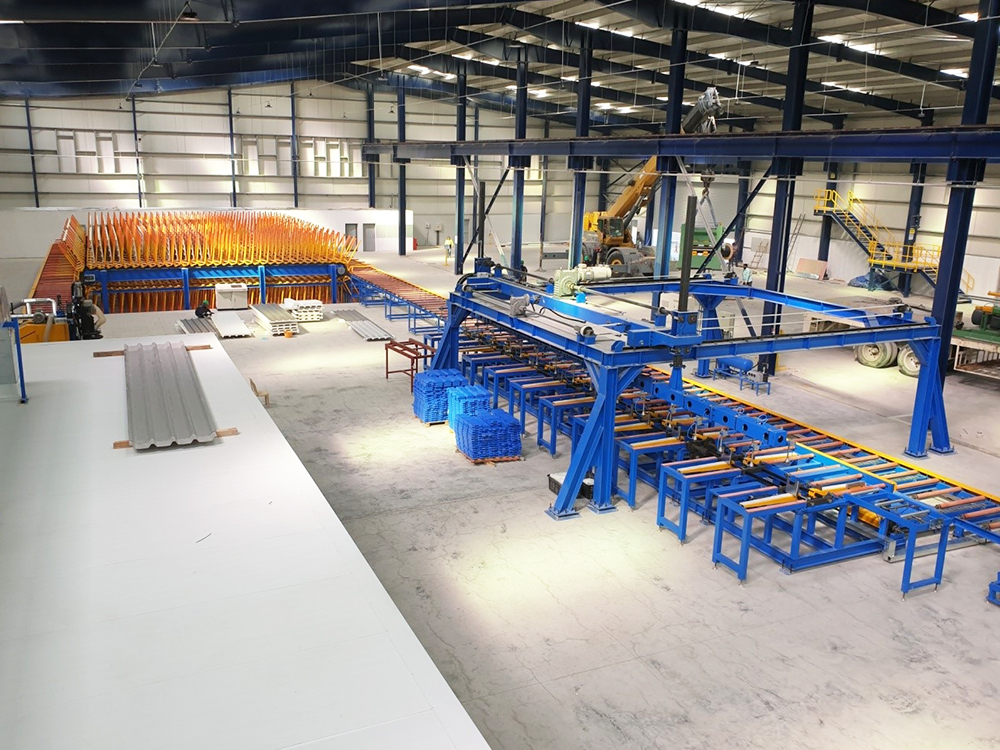
For enduring performance in composite structures, it pays to invest in a superior Sandwich Core Material. But are your current cores reliably consistent from sheet to sheet? RaxPanel, with over 20 years of expertise as a direct manufacturer based in Hebei, China, solves this with materials that guarantee uniformity in density, weight, and cell structure. Serving clients in 30+ countries, our in-house R&D and production capacity of 1500+ m² daily ensure that every panel delivers unrivaled consistency and guaranteed performance.

Driven by innovation and a commitment to sustainability, our Sandwich Core Material exemplifies this dedication, offering:

  • Exceptional strength-to-weight ratios for lighter, stronger structures
  • Low resin uptake due to fine, closed-cell architecture
  • Superior thermal insulation and impact resistance
  • Eco-friendly options that support green engineering goals

Ideal for marine, aerospace, transportation, and wind energy applications, RaxPanel’s cores are engineered to reduce long-term costs through durability and precision. Our customer-focused approach means we work closely with you to meet exact specifications, providing manufacturing and supply-only services for seamless integration.

Experience how RaxPanel addresses core challenges with sustainable, high-performance solutions. Contact us today for a personalized consultation and detailed information.


    This site is protected by reCAPTCHA and the Google Privacy Policy and Terms of Service apply.

    Other Products You May Like

    Frequently Asked Questions

    What are composite sandwich core materials?

    Composite sandwich core materials are used in the construction of composite panels made up of three layers: a low-density core sandwiched between two thin, high-strength skins. These materials provide high strength-to-weight ratio, durability, and stiffness for applications like boat building, aerospace, and construction.

    What are the main advantages of using sandwich core materials?

    Sandwich core materials offer high strength-to-weight ratio, durability, and stiffness. They allow for higher flexural strength and flexural modulus than skin laminates alone, can conform to curves, fill cavities for flotation and reinforcement, and provide superior mechanical and insulative properties with a balance between strength and weight.

    In which industries are sandwich core materials commonly used?

    Sandwich core materials are used in a variety of applications, including boat building, aerospace, and construction. They are gaining ground in almost every market due to their lightweight and strong properties.

    What types of materials are used for the core in sandwich panels?

    Core materials are typically made of lightweight materials such as foam, balsa wood, or honeycomb. These provide the necessary strength and stiffness while minimizing weight in the sandwich panel construction.

    How do sandwich core materials achieve high strength-to-weight ratios?

    By separating the structural skins with a low-density core material, sandwich panels produce a much lighter structure than solid composites. Increasing the core thickness enhances stiffness without substantially increasing weight, resulting in high strength-to-weight ratios.

    Are sandwich core materials easy to cut and shape for custom applications?

    Yes, sandwich core materials are designed to be easy to cut and shape, making them suitable for pattern-making and custom applications. They offer ease of use in various manufacturing processes.

    What are the typical properties of sandwich core materials, such as density and strength?

    Sandwich core materials exhibit superior mechanical properties like high strength and stiffness, along with good insulative properties. They are available in various densities to suit different applications, from lightweight options to higher density for increased strength.

    How can you help customize sandwich core materials for unique project needs?

    Sandwich core materials can be tailored with various core types such as foam, balsa, or honeycomb, and different skin options to meet specific strength, weight, and application requirements, offering design flexibility and excellent mechanical properties. As a direct manufacturer with in-house R&D and over 20 years of experience, we collaborate closely with customers to develop customized solutions that optimize performance for their unique projects, ensuring compatibility with multiple resins and adhesives for diverse applications like marine, aerospace, and construction.

    What is your approach to ensuring supply chain reliability for large orders?

    Our core materials are manufactured to be consistent in quality, density, and dimensions, providing uniform performance and durability for high-volume production. With robust production capabilities, including a daily output of over 1500 m² and experience serving clients in more than 30 countries, we maintain reliable logistics and timely delivery for bulk orders, supported by rigorous quality assurance processes that minimize disruptions and meet demanding schedules.

    What technical resources are available to support material selection and application?

    Sandwich core materials come with comprehensive technical data, including detailed properties like strength-to-weight ratio, thermal insulation, and corrosion resistance, backed by performance test reports and compatibility information. We provide access to technical data sheets, material samples, and expert guidance to assist with selection for applications such as boat building, wind energy, and construction, leveraging our in-house R&D to ensure materials meet specific engineering requirements and standards.

    Get A Quick Quotation Today


      This site is protected by reCAPTCHA and the Google Privacy Policy and Terms of Service apply.