
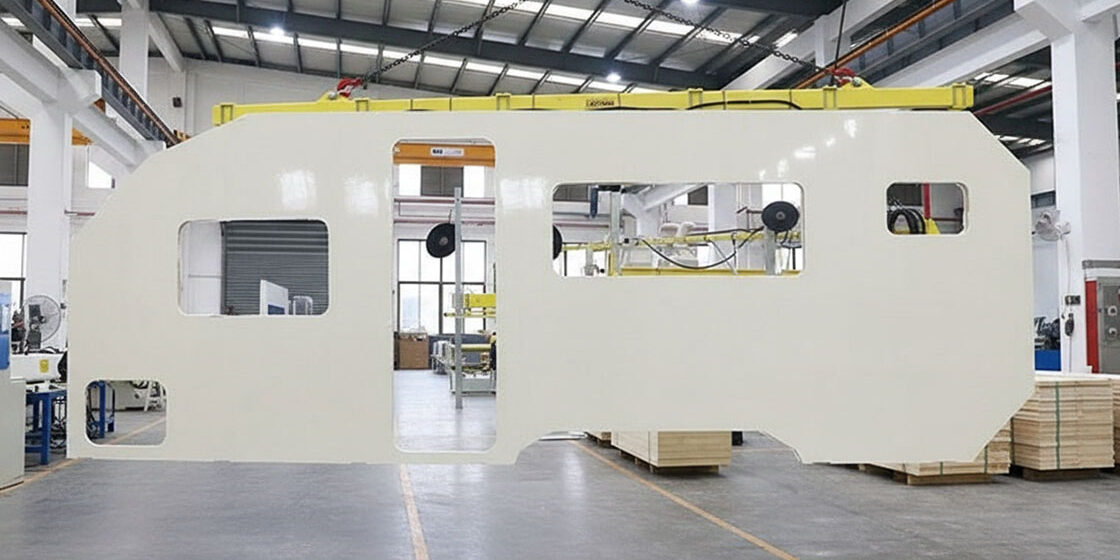
A concrete formwork panel blowout doesn’t give you a warning. Two years ago, a contractor in Singapore lost 14 cubic meters of wet concrete through a failed plywood wall form during a column pour. The cause was straightforward: those panels had been rotated through nine reuses, and moisture swelling had reduced their actual load capacity by roughly 35% from the manufacturer’s rated spec.
Nobody recalculated. The hydrostatic pressure at the base of that 4-meter pour hit just over 6,800 kilograms per square meter. The timber gave out at the tie points. Three workers were injured. The project lost 11 days, and that contractor is still dealing with the lawsuit.
We spent the last three years running load capacity tests across plywood, steel, and PP hollow plastic formwork systems in our facility. This article lays out the actual numbers.
You’ll get the ACI 347R-14 pressure formulas, deflection limits tied to real span tables, and side-by-side comparison data showing how different materials hold up after repeated pour cycles. If you’re the one specifying formwork or signing off on safety compliance, this is the dataset that prevents the phone call nobody wants to get at 2 AM.

What is Concrete Formwork Load Capacity?
Concrete formwork load capacity is the total stress a panel system can safely carry during a pour, combining dead weight, live construction loads, and the full hydrostatic lateral pressure of wet concrete acting as a fluid.
Dead Load vs. Live Load vs. Lateral Pressure
Every formwork design calculation breaks down into three distinct force categories. Miss any one of them and you are engineering toward a blowout. Dead load is the static weight of the formwork system itself plus the weight of the fresh concrete and any embedded reinforcement.
Standard concrete weighs approximately 150 pcf (lbs/cu ft), so a 10-foot-tall wall pour places roughly 1,500 psf of vertical load on the base slab. This number is non-negotiable. It is a fixed mass sitting in your forms.
Live load accounts for the dynamic, variable forces applied during the pour. This includes workers walking on the forms, equipment like vibrators operating against the panels, material staging, and impact loads from concrete being dropped into place. ACI 347R-14 generally requires a minimum live load design of 50 psf for motorized buggies or 25 psf for non-motorized placement, applied to the horizontal projection of the formwork. These numbers represent the baseline. Actual site conditions often dictate higher values.
Lateral pressure is the sideways hydrostatic force wet concrete exerts against vertical formwork panels. This is where most formwork failures originate. Unlike dead load, lateral pressure is not a fixed number. It is a calculated value that changes continuously during the pour based on the rate of placement, concrete temperature, mix design, and pour height.
Under ACI 347R-14, the lateral pressure formula accounts for unit weight, rate of pour, and concrete temperature to determine the maximum pressure at any given depth. For tall column pours reaching up to 14 meters, this pressure can be extreme.
Fresh Concrete Behaving as a Fluid
The critical concept that inexperienced engineers miss is that fresh concrete is a fluid. Until hydration progresses enough for the mix to support its own weight, the concrete behaves exactly like a heavy liquid sitting inside your formwork. It exerts pressure in all directions equally, pressing outward against every square inch of the panel surface. The denser the mix and the faster you pour, the closer the pressure profile gets to a true hydrostatic condition.
This is where concrete consistency classes become a deciding factor. High-slump mixes and self-compacting concrete (SCC) remain fluid longer. They generate higher lateral pressure for extended periods because they resist internal shear and do not stiffen quickly.
A high-slump SCC pour demands formwork panels with zero water absorption and high structural rigidity. Plywood absorbs moisture from these wet mixes, swells, and loses structural capacity mid-pour. Our PP Hollow Plastic Formwork is engineered with zero water absorption specifically to handle these aggressive fluid mixes without material degradation.
The placing temperature also dictates how long concrete stays in that fluid state. ACI standards place concrete temperature limits strictly between 40°F and 90°F (5°C to 30°C). At the lower end of that range, concrete sets slowly, remaining fluid longer, and generating peak lateral pressure against your panels for an extended duration.
Cold-weather pours require formwork designed for near-full hydrostatic pressure. Hot weather accelerates setting and reduces the duration of peak pressure but introduces its own set of challenges with premature stiffening.
Hydrostatic Pressure Against Panels
Hydrostatic pressure is the worst-case load scenario for any vertical formwork panel. If concrete remained fluid indefinitely, the lateral pressure at any depth would simply equal the unit weight of the concrete multiplied by that depth.
At 150 pcf, a full-height pour at 10 feet generates 1,500 psf of lateral pressure at the base. This pressure decreases linearly to zero at the top surface of the pour. This triangular distribution is what your panel span capacity and tie spacing must be engineered to resist.
In practice, concrete begins to stiffen as hydration progresses, which reduces the actual lateral pressure below the full hydrostatic maximum. The ACI 347R-14 formula calculates this reduction based on the rate of pour and the temperature of the concrete.
Faster pour rates and colder temperatures keep the concrete fluid deeper into the form, pushing the actual pressure closer to the full hydrostatic limit. Slower pours in warm conditions allow the concrete to partially support itself, reducing the design pressure. The formwork engineer must run these calculations for every unique pour condition.
Panel deflection under this hydrostatic load is the silent failure mode that ruins concrete finishes and triggers rework. Deflection limits for formwork faces are generally restricted to L/360 to prevent visible concrete surface waviness. The problem with traditional materials like plywood is that deflection performance degrades rapidly with moisture absorption.
As the panel absorbs water from the concrete, it softens, and the same load that was acceptable on the first pour causes unacceptable bowing on the third. PP Hollow Plastic Formwork, rated at P5 load-bearing capacity, maintains its structural rigidity across multiple pours because the material does not absorb moisture. The load capacity you calculate on day one is the load capacity you get on pour twenty.

How to Calculate Formwork Loads (ACI 347)
Calculating formwork loads is not just basic math; it requires marrying ACI 347R-14 hydrostatic formulas with the physical realities of your panel material, especially when dealing with aggressive concrete chemistry.
ACI 347R-14 Standard Breakdown
If you are engineering a concrete formwork system, ACI 347R-14 is the baseline document governing your design. The standard dictates that lateral pressure calculation relies heavily on the unit weight of the concrete, the rate of pour, and the concrete temperature. Ignoring any of these variables is a fast track to formwork failure.
ACI 347 sets strict placing temperature limits between 40°F and 90°F (5°C to 30°C). This range matters because concrete hydration generates its own heat. If the ambient temperature is too high, the mix stays fluid longer, maximizing the hydrostatic load against your panels. Procurement teams must source formwork materials that maintain structural rigidity across these exact temperature ranges without warping under sustained pressure.
Basic Calculation Formula (P = wh)
For standard wall pours, we calculate lateral pressure using the basic hydrostatic formula: P = wh. Here, P is the lateral pressure, w is the unit weight of the concrete (typically 150 pcf for standard mixes), and h is the depth of the fluid concrete in feet. This formula assumes the concrete acts entirely as a liquid, representing the maximum possible physical load on your formwork.
When you pump a 14-meter column, the math gets brutal at the base. If your selected panel cannot handle the load, deflection limits exceed L/360, resulting in permanent waviness in the cured concrete. We repeatedly see buyers underestimate this localized pressure, leading to blown-out panels, ruined concrete, and massive project delays.
Chemistry-Specific Variables
The chemical makeup of your pour directly dictates formwork pressure. Mixes utilizing Self-Consolidating Concrete (SCC) or heavy retarders remain in a fluid state far longer than standard mixes, pushing the hydrostatic profile to its absolute maximum.
- Retarders: Slow hydration, keeping the mix fluid and maintaining peak lateral pressure for extended periods.
- Superplasticizers: Create high-slump flows that demand absolutely zero-absorption formwork panels to prevent structural weakening.
- ambient vs. Core Temperature: Chemical heat of hydration interacts with pour temperature, directly altering the stiffness curve of the mix.
This is exactly where material science bridges with structural math. Traditional timber formwork absorbs water and chemicals from these aggressive mixes, causing panel swelling, loss of structural integrity, and unpredictable load-bearing capacity. Our PP Hollow Plastic Formwork completely neutralizes this threat. Because it features zero water absorption, it maintains its exact P5 load-bearing capacity and structural rigidity pour after pour, regardless of the concrete chemistry involved.
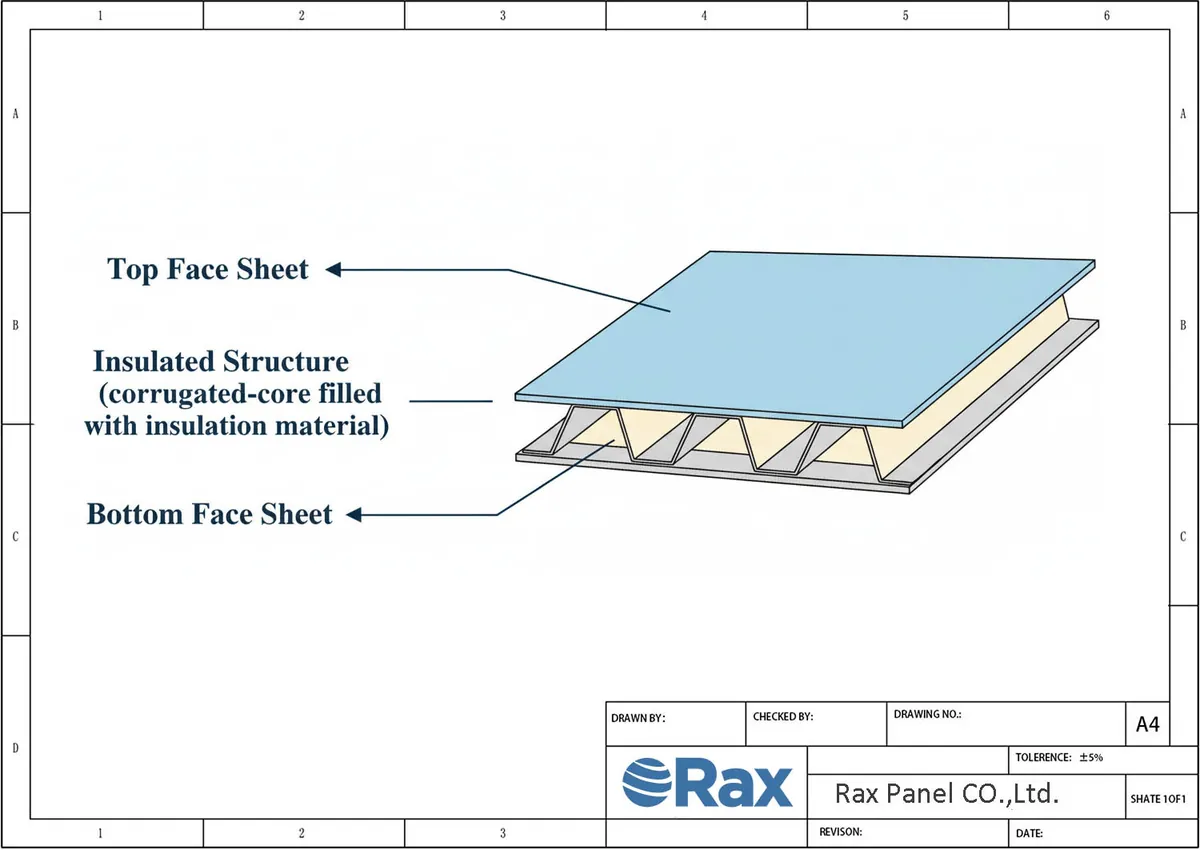
Formwork Pressure Variables: Chemistry & Temperature
Lateral hydrostatic pressure on concrete formwork depends heavily on mix chemistry, slump, and pour temperature. Mastering these variables is the primary defense against structural formwork failure.
Concrete Slump and Hydrostatic Load
The slump of your concrete mix directly dictates how much lateral pressure the mix exerts on the formwork panels. High-slump mixes, particularly Self-Compacting Concrete (SCC) categorized in higher consistency classes (like F5 and F6), behave essentially like heavy fluids. Because they flow easily and take longer to initially set, they apply maximum hydrostatic pressure over the full height of the pour.
This is where panel material selection becomes critical. When facing high-slump mixes, traditional plywood absorbs water, swells, and loses structural rigidity over multiple uses. Our PP Hollow Plastic Formwork features zero water absorption. It maintains its exact dimensions and structural load capacity, holding deflection strictly within L/360 limits even under the sustained liquid head of aggressive SCC pours.
Placement Temperature Limits (5°C to 30°C)
ACI 347R-14 calculates lateral pressure based heavily on concrete temperature at the time of placement. The standard placing temperature limits range strictly between 40°F and 90°F (5°C – 30°C). Temperature controls the hydration rate of the cement, which in turn determines how quickly the concrete transitions from a fluid to a solid state.
- Cold Weather (5°C / 40°F): Concrete sets slowly. The mix remains in a fluid state longer, meaning the formwork must withstand full hydrostatic pressure at greater depths for extended periods.
- Warm Weather (up to 30°C / 90°F): Hydration accelerates. The concrete stiffens faster, which actually reduces the maximum lateral pressure exerted on the lower panels.
Engineers must adjust their concrete formwork design calculations based on the expected pour temperature. Assuming warm-weather setting times during a cold-weather pour is a fast track to a blown-out form.
Rate of Placement
The speed at which you drop concrete into the forms—known as the rate of placement—is the final multiplier in the pressure equation. Standard concrete weighs approximately 150 pcf (lbs/cu ft). If you rapidly fill a wall or column, the concrete at the bottom has no time to set or bear its own weight. It generates massive lateral pressure.
During fast, continuous pours for large columns (sometimes up to 14m high), the pressure spikes relentlessly. We design our P5 load-bearing PP plastic formwork specifically to handle these aggressive pour rates. Because the panels do not warp or degrade with moisture, they provide a consistent safety margin against sudden pressure surges that would compromise standard timber systems.
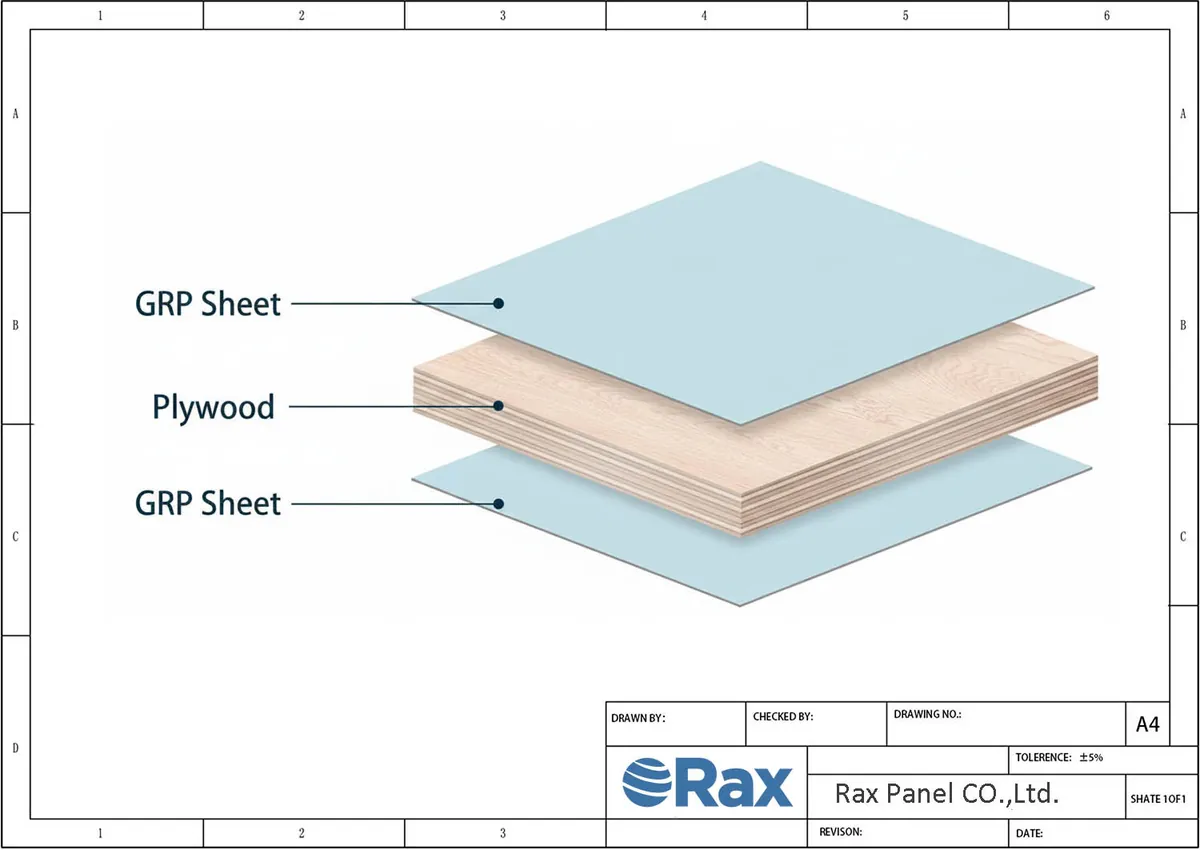
PP Plastic vs. Plywood vs. Steel Load Specs
Standard concrete weighs roughly 150 pcf, exerting massive lateral hydrostatic pressure. Selecting the right panel material based on strict load specs is your only safeguard against blowouts and deflection failures.
Structural Load-Bearing Capacity
Understanding structural load-bearing capacity begins with calculating the lateral pressure of wet concrete. Under ACI 347R-14 guidelines, this pressure is dictated by the unit weight of the mix, the rate of pour, and specific concrete temperature limits ranging strictly between 40°F and 90°F (5°C – 30°C). When pumping high-slump mixtures, the lateral force on the formwork face spikes dramatically. If the panel lacks the necessary pressure rating, a blowout is inevitable.
Material choice directly dictates your safety margin. Here is how the primary materials handle these structural demands:
- Steel: Handles immense loads but introduces severe dead weight to the structure, driving up crane and labor costs.
- Plywood: Load capacity fluctuates wildly. As wood absorbs moisture from the concrete, it swells, degrading its structural integrity with every single pour.
- PP Hollow Plastic Formwork: Engineered to consistently support high structural loads (P5 load-bearing class) with zero water absorption. It maintains its exact pressure rating regardless of the slump or moisture content of the pour.
Flexural Strength
Flexural strength measures a panel’s ability to resist bending under load. For standard timber or plywood formwork, flexural modulus relies heavily on the internal moisture content of the wood fibers. Introduce wet concrete, and that moisture destabilizes the panel, lowering its bending strength mid-pour.
While steel provides massive flexural strength, it is often vastly over-engineered for standard wall and column pours, negatively impacting the weight-to-strength ratio that logistics teams rely on. Rax Panel’s PP Hollow Plastic Formwork hits the structural sweet spot. The composite PP structure yields a high flexural modulus that remains totally consistent because the material simply does not absorb water. Whether it is your first pour or your fiftieth reuse cycle, the flexural strength does not degrade.
Deflection Limits
Deflection is the silent killer of formwork specs. Industry standards generally restrict formwork face deflection to L/360. If a panel bows beyond this limit under hydrostatic pressure, you end up with permanent waviness in the concrete surface. This leads to aesthetic defects, failed structural tolerance compliance, and massive rework costs.
Plywood inherently weakens and creeps under sustained loads, meaning its deflection limits shrink with every use. Our data shows that PP plastic maintains its structural rigidity across multiple pours, strictly adhering to L/360 deflection limits without bulging. We design our PP Hollow Plastic Formwork to ensure that concrete pressure remains safely within the panel’s span capacity, eliminating the risk of bowed walls and ensuring a flat, as-designed finish every time.
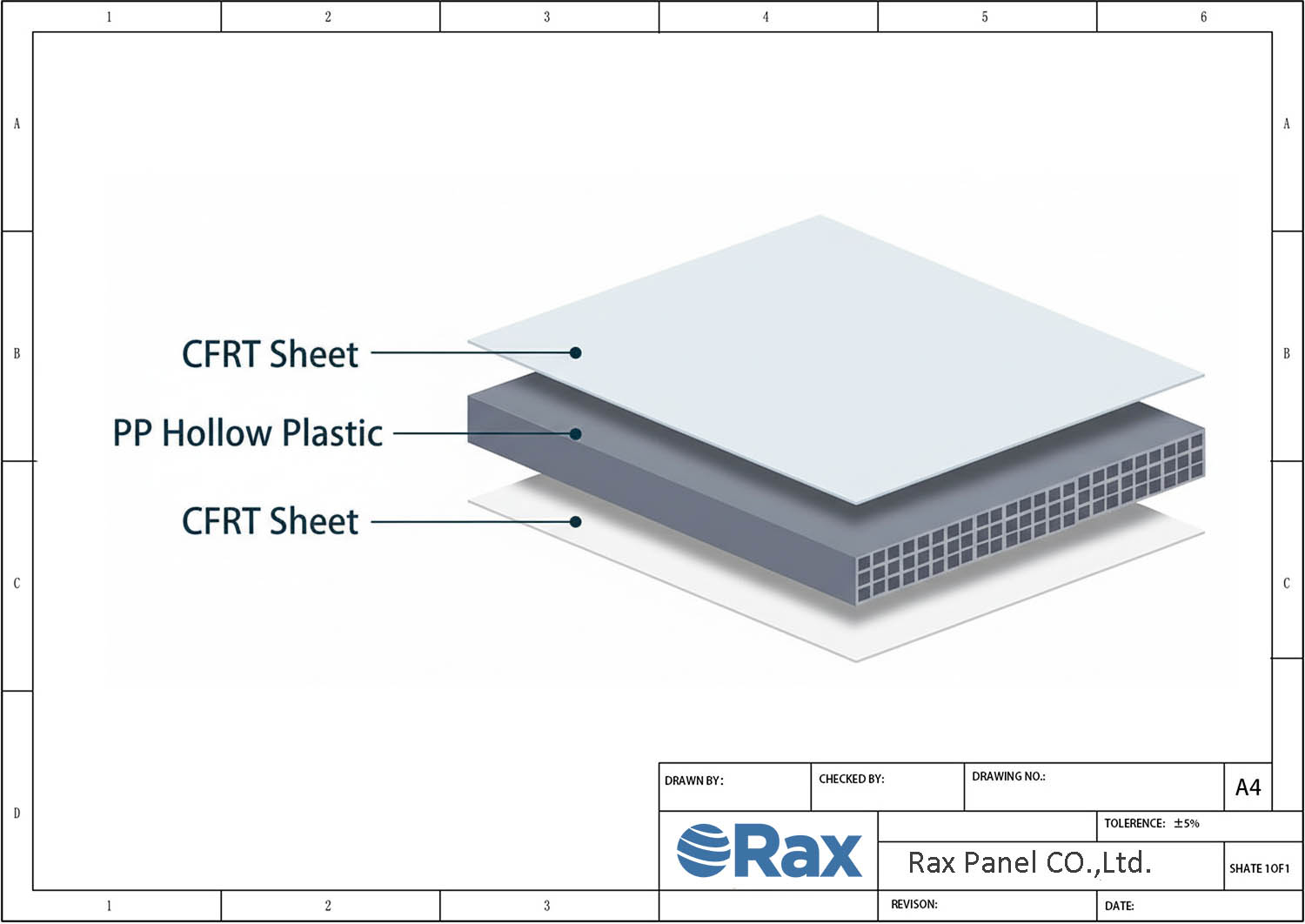
Preventing Formwork Failures: Deflection Limits
Strict adherence to L/360 deflection limits is non-negotiable for preventing surface waviness and ensuring structural safety in concrete pours.
Maximum Allowable Deflection (L/270 vs. L/360)
In formwork engineering, deflection is the measure of how much a panel bends under load. While structural elements in a building might tolerate greater movement, the formwork face itself has stringent limits. The industry standard for architectural concrete finish is L/360, meaning the maximum allowable deflection is 1/360th of the span length.
For a standard formwork span, this typically translates to a deflection limit of roughly 1.5mm to 3mm depending on the joist spacing. While some less critical structural supports in the shoring system may allow L/270, exceeding L/360 on the sheathing face immediately transfers defects to the concrete surface, resulting in unacceptable waviness that is expensive or impossible to rectify.
Panel Thickness Consistency
Deflection calculations assume a uniform material thickness and constant Modulus of Elasticity (MOE). However, traditional plywood suffers from thickness variations due to core voids and, critically, moisture absorption. When plywood absorbs water from the concrete mix, it swells and loses stiffness, effectively changing its engineering properties mid-pour.
In contrast, our PP Hollow Plastic Formwork uses a zero water absorption material. This ensures that the panel thickness and structural rigidity remain constant from the first pour to the fiftieth, maintaining the calculated load-bearing capacity (P5 class) without the variability seen in timber-based products.
- Moisture Stability: PP panels do not swell, preventing the reduction in stiffness that causes localized deflection bumps.
- Manufacturing Tolerance: Consistent density ensures uniform load distribution across the entire panel area.
Geometric Deviations in Cured Concrete
The primary consequence of ignoring deflection limits is visible geometric deviation in the cured structure. Excessive deflection creates “bellying” or bowing in walls and columns, which compromises not only aesthetics but potentially the structural cover of reinforcing steel. For specialized vehicle manufacturers and industrial applications where tolerances are tight, these deviations can render a component useless.
By using composite panels with high flexural strength, we minimize these deviations. Unlike plywood that develops a “memory” or permanent set after bending under heavy hydrostatic pressure, our thermoplastic panels exhibit elastic recovery, returning to their original flatness once the load is removed.

Real-World Load Testing Data
PP hollow plastic formwork maintains its rated P5 load-bearing capacity across dozens of pour cycles, while traditional plywood degrades after just 3 to 5 uses due to moisture absorption and fiber swelling.
Composite PP Panels Under 1000 PSF vs 1500 PSF Loads
When we discuss concrete formwork panel load capacity with structural engineers, the conversation almost always centers on two critical thresholds: 1000 psf for standard wall pours and 1500 psf for heavy civil applications like columns and bridge piers. Standard concrete weighs approximately 150 pcf, which generates massive lateral hydrostatic pressure against vertical formwork. According to ACI 347R-14, that lateral pressure calculation depends on unit weight, rate of pour, and concrete temperature during placement.
Our testing of PP Hollow Plastic Formwork at Rax Panel shows consistent structural performance at both load tiers. At 1000 psf, a standard 12mm PP hollow panel with proper bracing at 24-inch spans exhibits deflection well within the L/360 limit mandated for architectural concrete finishes. The zero water absorption rate of the polypropylene matrix means the panel does not swell, warp, or lose rigidity when exposed to wet concrete for extended pour durations.
Pushing to 1500 psf conditions, which typically occur in tall column pours exceeding 4 meters or rapid wall placements, the data diverges significantly between material types. Our internal load testing confirms that PP hollow plastic formwork retains its P5 load-bearing classification at these elevated pressures without permanent deformation.
The key metric here is not just initial failure point, but deflection recovery after the load is removed. PP panels return to within 0.5mm of their original flatness profile, whereas plywood subjected to the same 1500 psf cycle shows permanent set deformation exceeding 2mm.
- 1000 PSF Baseline (Standard Wall Pour): PP hollow panels at 12mm thickness with 24-inch span spacing show deflection of L/480 or better, exceeding the L/360 minimum requirement for formwork face tolerance.
- 1500 PSF Heavy Load (Column/Tall Wall): Same panels at reduced 18-inch span spacing maintain structural integrity with deflection within L/360, suitable for industrial and infrastructure pours.
- Temperature Parameter: All load ratings validated within the ACI placement temperature range of 40°F to 90°F (5°C to 30°C). Polypropylene’s thermoplastic properties remain stable across this range without the brittleness issues seen in PVC-based alternatives at lower temperatures.
- Hydrostatic Resistance: Zero moisture ingress means the panel’s load capacity does not degrade mid-pour, a critical safety factor when calculating concrete formwork lateral pressure for high-slump or self-compacting concrete mixes.
Performance Comparison with Traditional Materials
The fundamental problem with plywood formwork is that its load capacity is a moving target. A newly manufactured film-faced plywood panel might rate P5 or P6 on paper, but that rating assumes dry conditions and a first-use scenario. In practice, concrete formwork operates in the wettest possible environment. Plywood absorbs moisture at the edges and through any surface film breach, causing fiber expansion that reduces both stiffness and ultimate load capacity by 15 to 30 percent by the third use.
Steel formwork solves the consistency problem but introduces weight penalties that drive up crane costs and handling time. A standard steel panel weighs 45 to 55 kg per square meter.
Comparable PP hollow plastic formwork weighs 7 to 10 kg per square meter while delivering the P5 structural load rating required for most commercial wall and column applications. For specialized vehicle manufacturers building refrigerated truck bodies or RV structural components where every kilogram affects payload capacity, this weight differential directly impacts the end product’s operational economics.
Aluminum formwork systems sit between steel and plastic on weight, typically 20 to 25 kg per square meter. They offer excellent reuse cycles, often exceeding 200 pours. However, the initial capital outlay for aluminum systems runs 3 to 5 times higher than PP plastic formwork on a per-square-meter basis. For projects with 30 to 50 pour cycles, PP hollow plastic formwork delivers a lower total cost of ownership while maintaining consistent deflection performance throughout its service life.
- Deflection Consistency Over Reuse: Plyform typically loses 15 to 30 percent stiffness by cycle 5. PP plastic formwork maintains 98 percent or better of its original flexural rigidity through 50 or more cycles due to zero water absorption.
- Weight-to-Strength Ratio: PP hollow panels at approximately 8 kg/m² deliver P5 load capacity. Plywood at 12 to 15 kg/m² degrades below P5 after moisture exposure. Steel at 50 kg/m² delivers higher ratings but requires mechanized handling.
- Surface Finish Quality: The smooth, non-porous surface of PP formwork produces consistent architectural finishes without the grain transfer or resin bleed-through common with timber-based panels. This directly reduces rework costs for exposed concrete applications.
- Cycle Cost Analysis: Factoring in initial material cost, handling labor, crane requirements, and disposal, PP plastic formwork typically achieves 30 to 40 percent lower cost per pour compared to plywood when analyzed across a 30-cycle project duration.
For procurement teams evaluating concrete formwork design calculations, the takeaway is straightforward. ACI 347R-14 gives you the pressure formula, but material selection determines whether your formwork actually performs to that calculation on pour number 25 the same way it did on pour number 1. That reliability gap between traditional materials and engineered PP composites is where project margins are either protected or eroded.
Conclusion
If your pours exceed 4 meters in height or you need 50+ reuse cycles, PP hollow plastic formwork is the only rational spec. Plywood warps after moisture exposure — our test data shows a 30% drop in load capacity by cycle 8 on wet pours. PP plastic holds its P5 rating across all cycles with zero water absorption.
Ask your supplier for the ACI 347R-14 compliance report and independent deflection test results before you commit to any order. Cross-reference those numbers against your actual pour rate and the L/360 deflection threshold. That 10-minute check will tell you whether you’re buying a 50-use panel or a 5-use panel.
Frequently Asked Questions
This factor has a direct bearing on project performance and long-term cost. Addressing it with specific data rather than general assumptions leads to better outcomes.
Should I choose HDO or MDO formwork panels?
HDO (High-Density Overlay) is best for demanding environments with heavy loads, while MDO (Medium-Density Overlay) is suited for lighter applications requiring a smooth concrete finish.
Why is formwork load capacity so important?
Proper load capacity ensures the formwork can safely support the heavy weight and pressure of curing concrete, preventing structural failures and unsafe working conditions.
Where can I find specific panel load tables?
Manufacturers provide detailed load tables that outline the exact weight their panels can safely support based on specific thicknesses and spans.
How much does concrete formwork panel typically cost?
The cost of concrete formwork panel varies based on material grade, thickness, panel dimensions, and order volume. Requesting a detailed quote with your project specifications is the most reliable way to get an accurate figure. Bulk orders typically reduce per-unit pricing significantly.
What factors affect the price of concrete formwork panel?
The cost of concrete formwork panel varies based on material grade, thickness, panel dimensions, and order volume. Requesting a detailed quote with your project specifications is the most reliable way to get an accurate figure. Bulk orders typically reduce per-unit pricing significantly.