
The quotation for the panel package is on your desk, and it may be the least reversible money in the whole cleanroom project. Walls and ceilings, once installed, do not change cheaply. Buyers in manufacturing communities describe the same fears: panels that fail to match the quotation, certificates that never arrive, cost lines surfacing after signature, deliveries pressed against the schedule.
This checklist turns those fears into checks you can run before you sign, starting from what the money you invest in cleanroom panels actually buys. RaxPanel laminates cleanroom wall, ceiling, partition and door panels on its own line, and its engineers run project-specific tests before quoting a core. The questions below are the ones we would ask of any panel package, including our own. The checks end weighted: documents and core risk first, price last.
What You Are Actually Buying From a Panel Supplier
A panel quotation reads like a price for boards, but the package behind the number decides whether two offers can be compared at all. What you are actually buying is a bundle. It contains the panels themselves, fabricated openings such as doors, windows and pass-throughs, and the sealing profiles and coving pieces that close the joints. Around them sit the fasteners and installation consumables, plus the documents that prove what the product is.
Scope is where the fear of not getting what was quoted either dies or grows. If one quotation includes coving profiles, opening frames and test-backed documents while another prices bare boards, the cheaper line is not cheaper. Fix the bundle first: list what each offer contains, then compare. The same discipline applies inside the boards, where six tolerances (length, effective width, thickness, squareness, flatness, joint alignment) belong in the purchase order, not in a sales conversation.
Anything left verbal becomes a variation claim later. Write the bundle into the enquiry so every bidder prices the same object. Keep the tolerance sheet on your side of the table as the acceptance yardstick when the panels arrive.
Match the Core Material to the Risk in the Room
The core decides how a panel behaves in a fire, under moisture and under load, which makes this the check with the longest consequences after signing. The class itself comes from المعيار ISO 14644-1, which caps particle concentration per class: ISO 5 allows 3,520 particles per cubic metre at 0.5 microns, ISO 8 allows 3,520,000. The ladder says nothing about fire behaviour, moisture uptake or mechanics; the core decides those.
Trade practice sorts cores into four families by the risk each one carries. Mineral and rock wool lead where reaction to fire dominates. Aluminium honeycomb supplies the lightness, stiffness and flatness that long clean runs of wall and ceiling need. PIR and PU cores hold thermal performance in rooms split between two temperatures, while paper-honeycomb and magnesium-oxide builds form the economic tier for lower-risk zones.
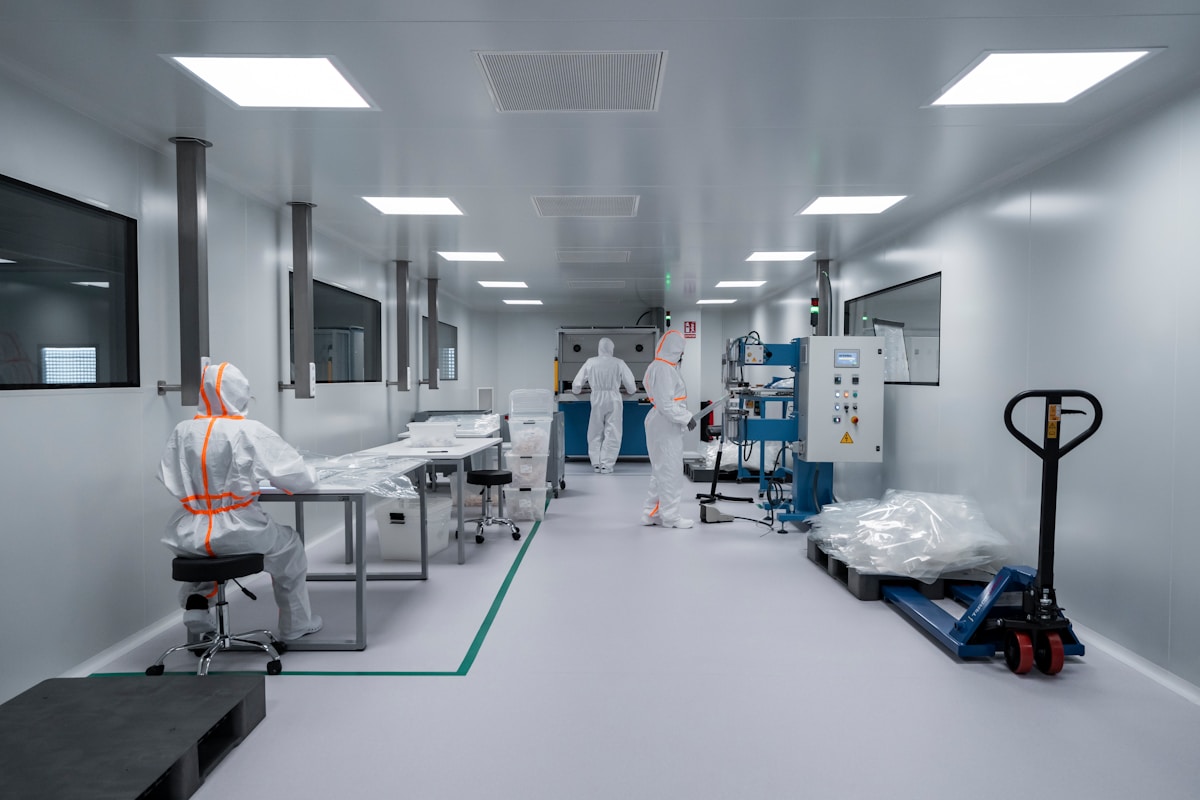
Before you invest in cleanroom panels, name the dominant risk and demand written evidence for that property; the higher the class, the less a catalogue adjective is worth. One boundary keeps the sequence honest: the class your process needs is a room-level decision, settled from the process sheet before suppliers are invited. If that decision is still open, start with our guide to how to choose a suitable cleanroom, then return to the panel checks with the class fixed.
Surface and Joint Details That Decide Audit Outcomes
Auditors read surfaces and joints the way insurers read small print: as evidence of discipline everywhere else. Faces come in coated steel for general suites and 304 stainless where chemistry or scrubbing frequency demands it. Sharp internal corners collect dust and fail wipe-down tests; coved corners and radius details let the surface prove itself. A joint is only as clean as its gasket, and a gasket is only as clean as its compression.
Ask how the panel system behaves under your cleaning regime, not under a generic one. Vapour-phase disinfectants and aggressive chemistries attack faces and sealants differently, and a surface that survives one regime can chalk under another. Scrub frequency belongs in the same conversation, because a face rated for weekly wipe-downs is not automatically rated for three shifts of daily washdowns.
Chemical resistance and static control run deep enough that we keep a separate guide to anti-static and chemical resistance in cleanroom wall panels. Read it alongside this checklist when your process uses solvents or charged components. What belongs in the quotation itself is the surface finish spec, the joint and coving detail, and the gasket material — named, not implied.
The Documents to Demand With Every Panel Quotation
Paper is the only part of a panel package you can fully verify before the truck arrives, so the document pack deserves as much negotiation as the price. Fire behaviour leads the list. EN 13501-1 grades construction products by reaction to fire into Euroclasses such as A1 and A2-s1,d0 (المعيار الأوروبي EN 13501-1). A quotation that says flame-retardant without naming a class has said nothing testable.

The rest of the pack follows the same logic: evidence, not adjectives. An ISO 9001 certificate means little until its scope page confirms it covers the sandwich panel line that makes your panels. Core density and batch files tie the delivered boards to a production record. A tolerance sheet fixes length, width, thickness, squareness, flatness and joint alignment as contractual numbers. The packing list ties boxes to batches and colour codes so same-batch spares stay possible.
| Document | مما تثبته | Red flag |
|---|---|---|
| EN 13501-1 fire test report | Reaction-to-fire class, such as A1 or A2-s1,d0, for the actual build-up | “Flame-retardant” with no class named |
| Core density and batch file | The core inside the delivered boards matches the ordered specification | Density quoted only from a catalogue |
| Tolerance sheet | Length, width, thickness, squareness, flatness and joint alignment as numbers | “Per standard” with no values |
| ISO 9001 certificate with scope page | A certified quality system over the panel line itself | Badge without a scope page or number |
| Packing list with batch and colour | The site can match spares and phase deliveries | Boxes without batch codes |
Check the documents against the order, not against the sales deck. Batch numbers go against the packing list, the tested build-up against your specified panel, the certificate scope against the product name. One honest test: before you invest in cleanroom panels with any supplier, ask for the document pack on a sample line item and see how fast it arrives complete.
Questions That Separate a Panel Factory From a Trader
A trader can quote a price; only a factory can prove a process. When buyers in manufacturing communities ask how to verify an overseas panel maker they cannot visit, the honest answer is that the questions do the verification. Answers come back in writing, or they do not come back at all.
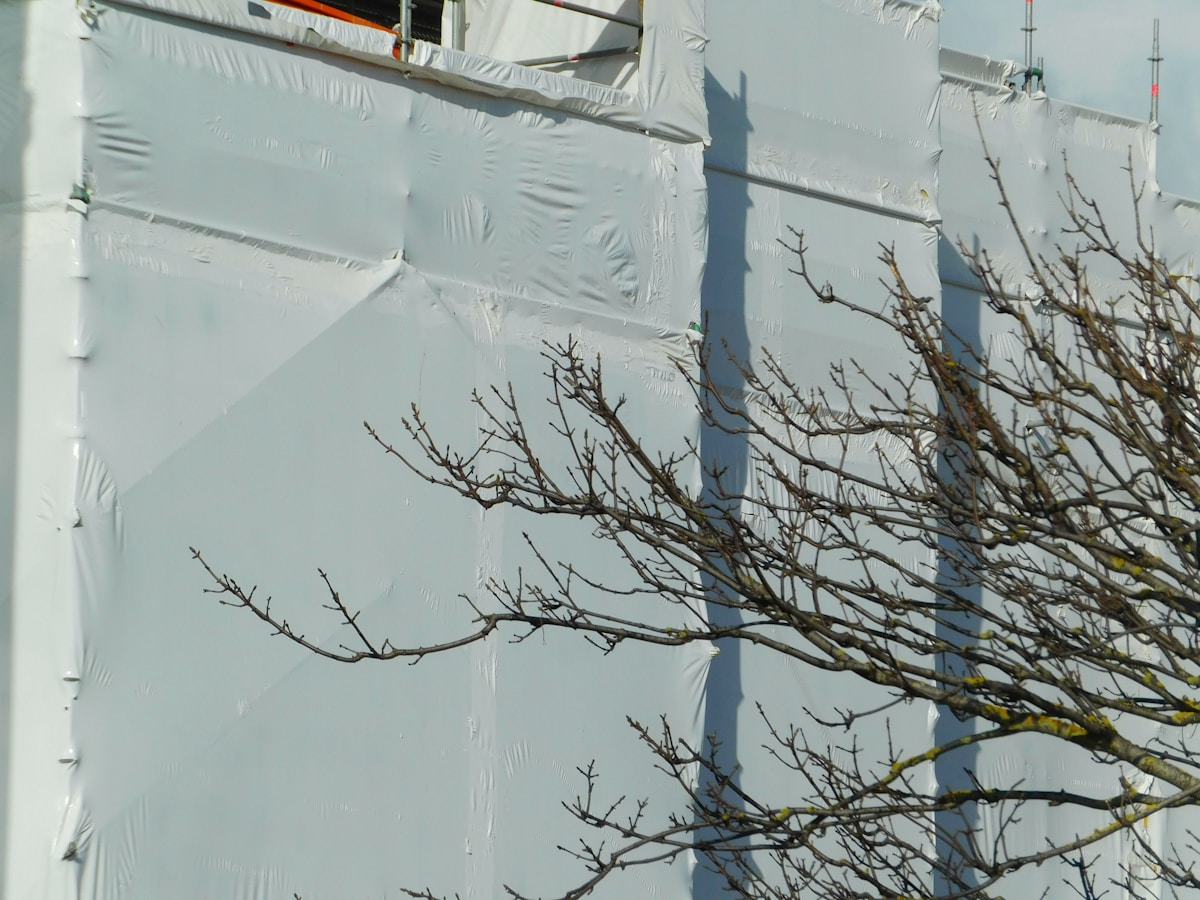
Seven questions separate a panel factory from a trading desk. Where does the production line sit, and can you visit it or watch a live video walk-through? Who physically laminates the panels — a continuous line, or hand assembly? Can the engineering team run core-combination tests against your process data, or only reprice a catalogue sheet? Which projects in your industry can they name, with contacts?
Then ask about the relationship, not just the product. What sample agreement governs approval and retained samples? What schedule and capacity evidence backs the promised dates? Which engineer answers when a panel problem appears after delivery?
A factory answers those with names and numbers; a desk answers with reassurance. Our own engineers run project-specific tests before a core is quoted, which is why the question sits on this list — it is the one we would ask too.
Run These Questions Against a Real Panel Package
RaxPanel laminates cleanroom wall, ceiling, partition and door panels on its own line — more than 1,700 m2 of board per day, delivered to projects in 30+ countries. That capacity is backed by 15+ years of composite panel manufacturing. Send your class target and process; an engineer replies within 24 hours, one to one.
Hidden Costs That Stay Outside the Panel Price
The panel rate is where the budget conversation starts, not where it ends. Freight and unloading at the site gate, secondary handling once the boards reach the floor, and crane or lift time all stay outside most panel prices. Openings price separately too: every door, window, pass-through and post is a fabricated interrupt in a panel run, and it is the line item where two quotations drift apart fastest.
Installation consumables and labour, spare panels cut from the same batch and colour, and the re-test that follows any changed panel complete the list. A swapped panel is a re-tested panel: if a replacement core enters the envelope late, the room’s paperwork must follow. Each of these lines deserves a row in the quotation, and a supplier who resists the row is telling you where the surprise will live.
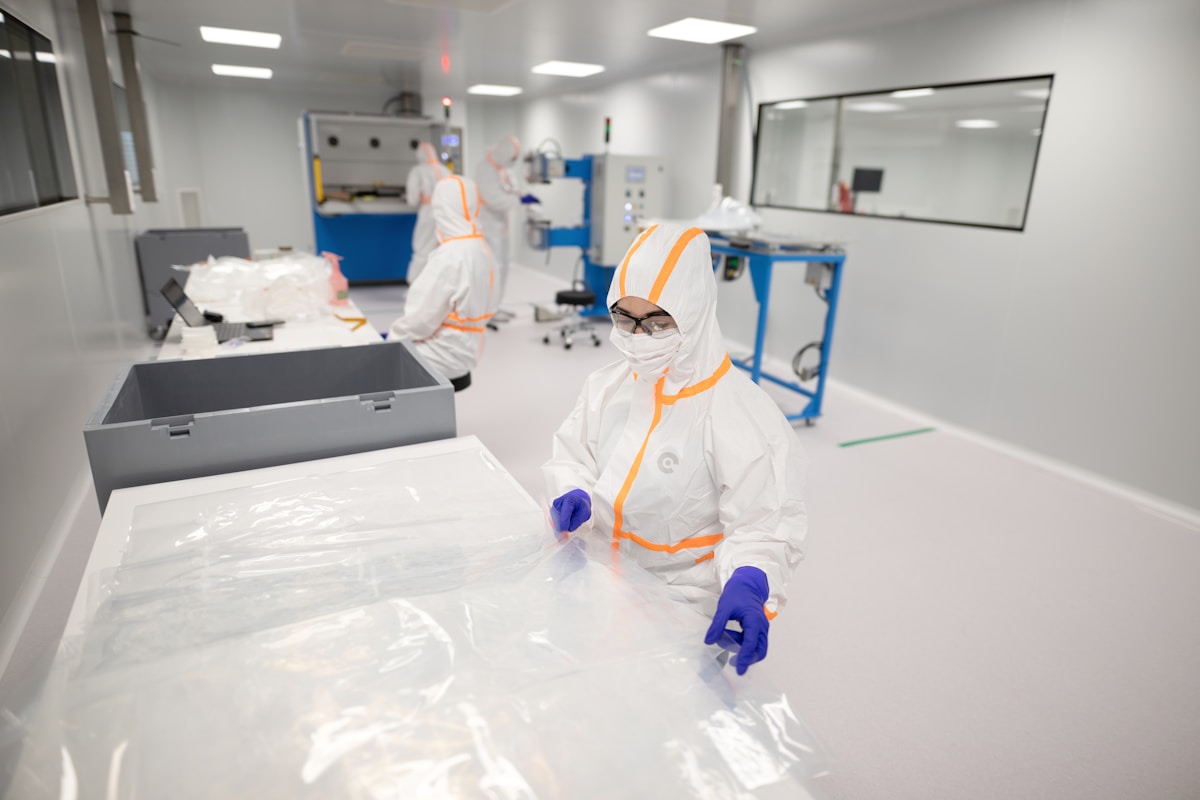
How much of the budget those peripheries take is a benchmark question, and we keep those numbers in the cost guides rather than inventing them here. Start with modular cleanroom cost per square foot for the full budget stack, and with our ISO-class breakdown for how the room’s class moves each layer of it. The total you invest in cleanroom panels is the panel rate plus every line above it — the checklist exists so nothing on that list is news at delivery.
Which Checks Deserve the Most Weight
Weighted by how much grief each check prevents, the ranking is short. Documents come first when you invest in cleanroom panels: they are verifiable before delivery, and they anchor every later dispute. Core-to-risk matching comes second, because it is the one property you cannot upgrade after installation. Surfaces and joints rank third — audit-visible, and correctable only at fabrication cost. The price sits last, and not as a formality: a quotation that survives the first three checks rarely needs a fourth look at the number.
A panel envelope is a ten-year decision made in a week of paperwork. Every question asked before the signature costs minutes; every answer missing after it costs walls. If two suppliers clear the first three checks, the price comparison finally becomes honest — and usually close.
Frequently Asked Questions Before You Sign
ما الذي يجب أن أتحقق منه قبل الاستثمار في ألواح الغرف النظيفة؟
Before you invest in cleanroom panels, check six things: quotation scope, core material matched to the room’s risk, surface and joint details, the document pack, factory-versus-trader evidence. Then price the cost lines outside the panel rate. Rank documents and core risk first.
Which panel core is best for a pharmaceutical cleanroom?
No single core wins; match it to the dominant risk. Sterile suites lean on mineral wool for fire performance and smooth steel faces that survive repeated disinfectant scrubbing, with honeycomb where flatness matters.
What documents should a cleanroom panel supplier provide?
Ask for a reaction-to-fire test report to EN 13501-1, plus core density and batch files. The tolerance sheet should fix length, width, thickness, squareness, flatness and joint alignment. Finish with an ISO 9001 certificate showing scope, and a packing list.
How do I verify a cleanroom panel manufacturer before ordering?
Ask where the production line sits and whether you can visit it. Ask who laminates the panels and which engineers run core tests. Close by requesting reference projects in your industry, plus capacity and schedule evidence in writing.
Are cleanroom panel prices per square metre final?
Rarely. Freight and unloading, openings and accessories, installation consumables, same-batch spare panels and re-tests after changes often sit outside the panel rate. Make each one a line item before you compare quotations.