

Equipping a GMP facility has a trap that catches even experienced buyers: every piece of cleanroom equipment is bought twice. The first purchase is the machine – the air handler, the pass-through, the particle counter. The second purchase is everything the room must give that machine. The sealed penetration it passes through, the load the ceiling carries for it, the pressure the envelope holds while it runs. Buyers who price only the first purchase discover the second one in change orders.
This guide walks the equipment list of a GMP facility the way an owner walks it – class by class, asking what each item demands from the room around it. RaxPanel supplies the wall, ceiling and partition panels that form that envelope for ISO 5-8 programs. The equipment questions here are the same ones our engineers answer when a buyer’s list lands on the desk.
Equipment Is Bought Twice: Machine and Room
GMP rules do not care what brand of equipment you buy; they care what the room holds while it runs. Industry guidance converges on the same pattern for anything entering a classified zone: non-shedding, low particulate generation, smooth and easy-clean surfaces. In EU GMP terms the standard is unforgiving: Grade A limits apply at rest and in operation. Equipment that behaves in an empty room but sheds while running fails the only test that counts.
That is the logic behind “bought twice”. An air shower is a box until it penetrates a wall; then it is a sealed assembly with a pressure duty. A pass-through is a cabinet until it is mounted; then it is a hole in the cascade that must be engineered shut. The buyer’s skill is asking, for every line item, what the envelope must do for it – and getting that answer in the same quotation as the equipment.
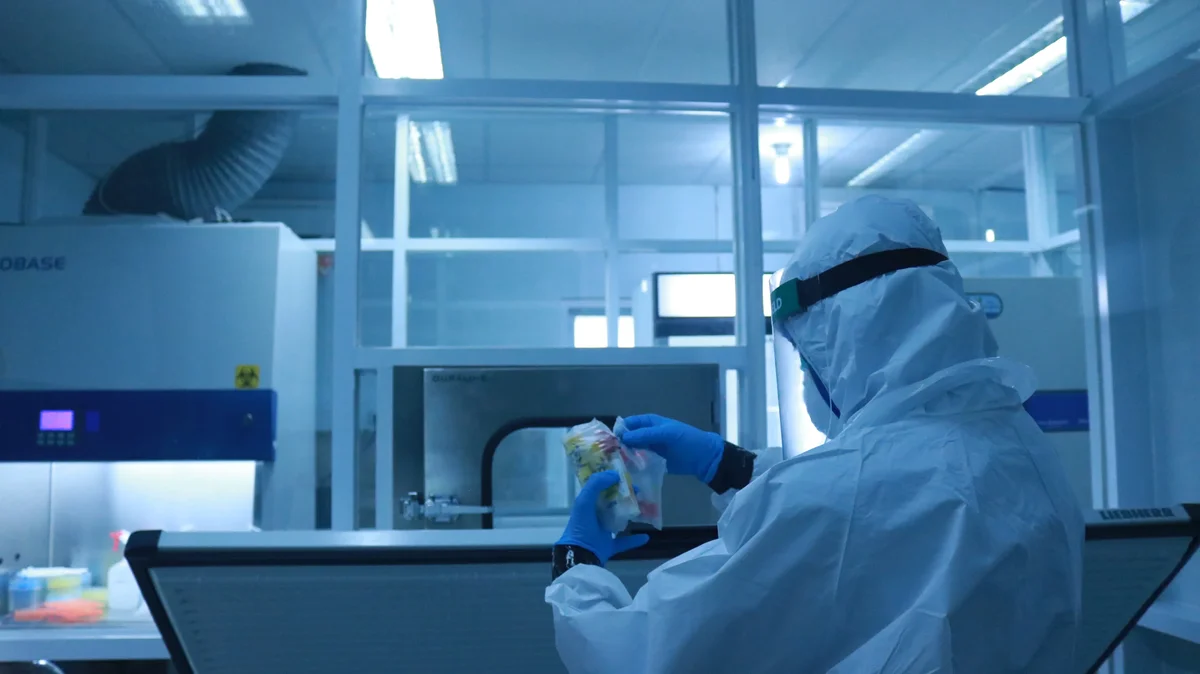
A worked example shows how the two purchases meet. A filling line’s stopper bowl is a stainless vessel on a data sheet. Inside the room it is also a service point that technicians open every shift, so its location fixes where the nearest HEPA module and sample port must sit. Decide the equipment layout before the panel order, and the envelope arrives with the right penetrations in the right panels. Decide it after, and every moved port is a cut panel, a sealed patch and a re-test – the tax of buying cleanroom equipment twice.
What to Check Before You Buy Each Equipment Class
Every equipment class has three review lines, and they fit on one sheet. Does the item shed particles while operating, and is that claim backed by a test? What penetrations does it need through walls or ceiling, and who seals them? What load or vibration does it put into the structure, and does the envelope carry it? Run all three lines for every item before signing, because each one is cheap on paper and expensive on site.
| Equipment class | Shedding proof | Envelope demand |
|---|---|---|
| Air handling / filtration | Filter integrity scan result | Ceiling load, housing access, sealed grid |
| Transfer equipment | Cycle test at pressure differential | Sealed wall penetration, cascade step |
| Monitoring instruments | Calibration certificate | Sample-port penetration, tube routing |
| Cleaning equipment | Material compatibility list | Chemical-resistant surfaces, drainage |
Buyers who put this table into the RFQ get comparable quotations, because every supplier now prices against the same three lines. Buyers who skip it get three quotations that describe three different rooms – the exact failure our guide de sélection de salle blanche opens with.
The table also disciplines the quotation meeting. When a supplier says “standard package”, the three lines force the follow-ups: standard against which shedding test, sealed by whom, carried by what? Vague answers at this stage are not risks – they are future change orders with dates attached. A buyer who keeps the table on the table usually finds the real differences between bids are interface ownership and evidence quality, not price.
Air Handling and Filtration: The Equipment That Defines the Room
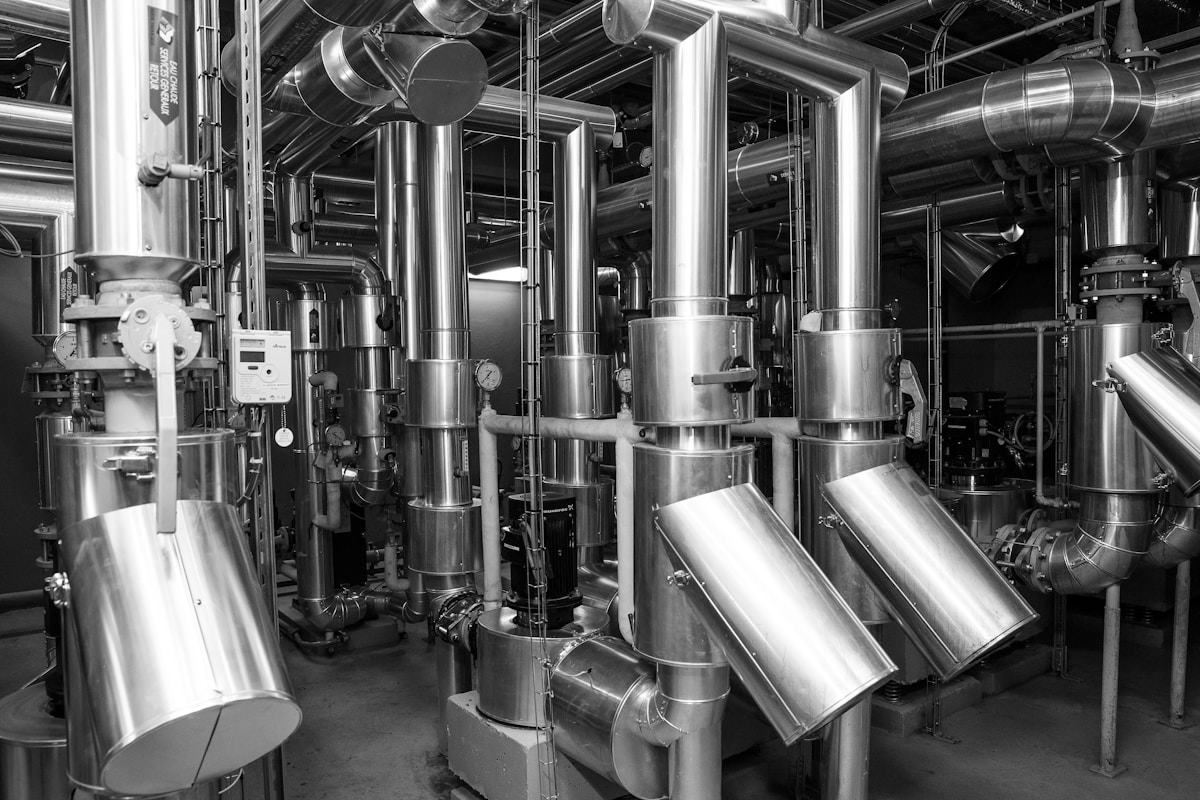
The air handling train is the one equipment purchase that is the room. It sets the air changes – trade-typical 20 to 60 per hour at ISO 7-8 – and delivers them through terminal HEPA filters rated 99.97 percent at 0.3 microns. Its fans run continuously, so its five-year energy bill belongs in the purchase decision, not just its price tag. And its filter housings live in the ceiling: every housing needs access from above or below, and every grid penetration needs a sealed, testable joint.
The envelope question is therefore structural. Filter housings, ductwork and lighting all hang from the ceiling plane, and the panel grid must carry them while staying airtight at every penetration. This is where a panel supplier’s load path evidence matters more than any brochure – the reviewer questions are the same ones our guide to panels and building structure lists. Ask how the housing seals into the grid, and ask for the joint detail drawing before the order ships.
Two AHU questions deserve their own line in the RFQ. Redundancy: which failure mode keeps the room running – a standby fan, a second train, or a documented degradation plan – and what recovery time does each buy? Energy: continuous fan duty at 20 to 60 air changes makes the power meter a second invoice, so ask for the operating point and the five-year consumption estimate in writing. Suppliers who answer both questions in writing tend to be the ones who have equipped real GMP cleanrooms before.
Transfer Equipment: Airlocks, Pass-Throughs and Air Showers
Nothing crosses a GMP boundary without a transfer stage, and every transfer stage is an envelope penetration first. Personnel airlocks gown people through a pressure step. Material airlocks and pass-throughs move goods while holding the cascade – trade-typically 10 to 15 pascals, cleanest zone highest. Air showers blow loose particles off at the entry, and their usefulness is decided by where the room’s dirtiest traffic actually enters.
The buyer’s check for this class is the cycle test at pressure: the pass-through must hold its differential with the interlock cycling, not just with the doors shut. Then comes the sealing question – who seals the frame into which panel, with what gasket, and how is that joint integrity-tested after installation? A pass-through that leaks is a hole in the cascade, and the cascade is what keeps the corridor out of the filling line. Panels with cam-lock joints and sealed seams make these penetrations routine; unsealed blockwork makes each one a project.
RaxPanel supplies cleanroom wall, ceiling and partition panels engineered for equipment penetrations – pass-throughs, filter housings, ducts and ports – on GMP programs from ISO 5 to ISO 8. Send your equipment list; an engineer returns the interface plan within 24 hours, one to one.
Placement decides whether transfer equipment earns its cost. An air shower belongs where the gowning sequence naturally pauses – not as a detour that operators will route around. Pass-throughs belong at the point of use, one per material flow, sized to the largest container the process actually moves. Walk the flows on the layout before buying, because every transfer device installed in the wrong place becomes a door propped open within a month.
Monitoring, Cleaning and Consumables: The Quiet Class
The quietest equipment class decides audit outcomes. Particle counters need sample ports at the critical process locations – not the return duct – and their tube routing penetrates walls or windows that must stay sealed. Environmental sensors for the pressure cascade need gauge penetrations of their own. Calibration certificates belong in the purchase file from day one; the requalification schedule will ask for them. Trade-typical practice requalifies particle count and airflow every six months for ISO 5-7 rooms, every twelve for ISO 8.
Cleaning equipment and consumables close the list. In GMP areas the cleaning regime is part of the contamination control strategy, and industry practice for Grade A/B areas runs to sterile cleaning and disinfection products. The surfaces those products touch must tolerate the chemistry. Panel faces and joint sealants are specified against the disinfectant list – the compatibility question belongs in the panel quotation, not after the first wipe-down cracks a seal. Our guide to cleanroom requirements covers the protocols these consumables serve.
Supplier and Scope Questions That Prevent Change Orders
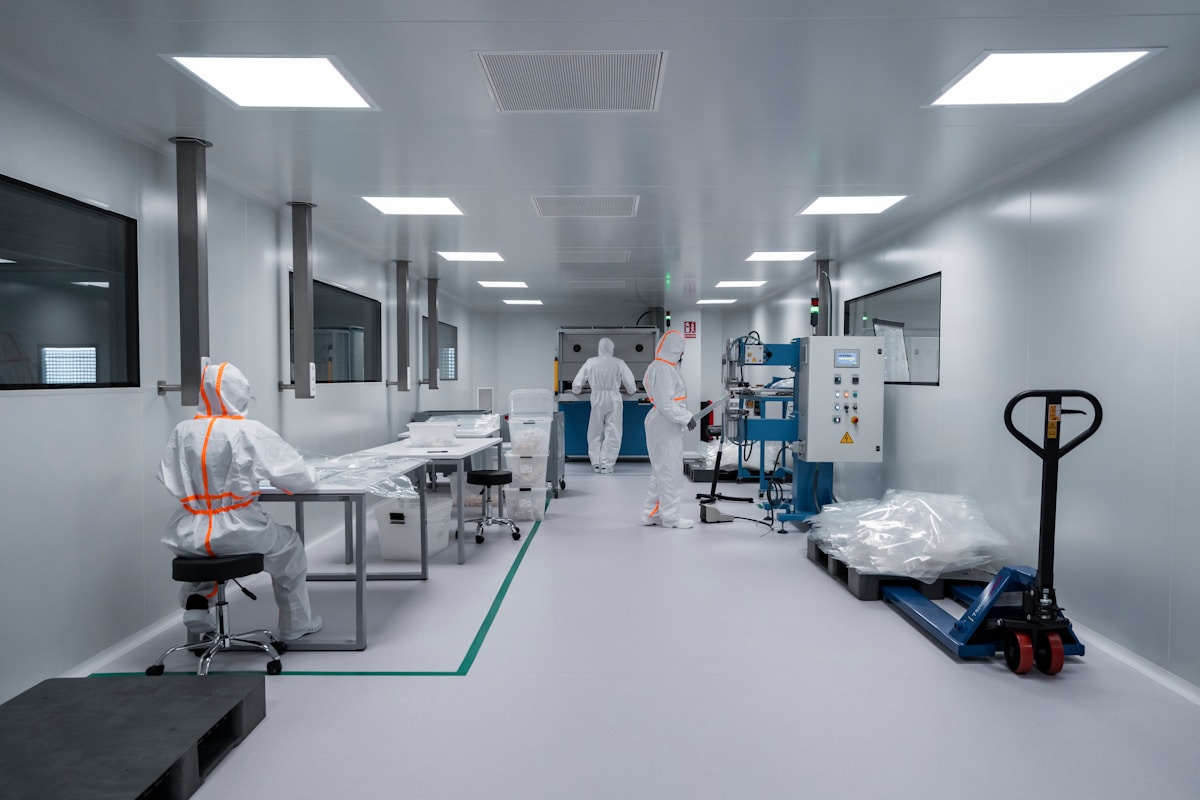
Three supplier questions close the equipment phase. First, scope: who supplies, installs and seals each penetration – the equipment vendor or the envelope contractor – and is that written on the quotation? Second, sequencing: filter housings go in before the ceiling closes, ports before panels seal; a supplier who cannot state the sequence will discover it as a variation. Third, evidence: shedding tests, cycle tests, calibration certificates and joint details belong in the delivery file, because the validation team will ask for exactly that folder.
Documentation closes the loop. Keep one file per equipment item: shedding evidence, penetration detail, load note, calibration certificate. The validation team’s first request will be exactly that folder, and assembling it after the fact takes weeks. Buyers who maintain the file during procurement close their commissioning with signatures. Buyers who assemble it afterwards close it with findings.
Run the equipment list this way and the second purchase – everything the room gives the machine – is priced once, in writing, before anything ships. RaxPanel supplies the panel envelope with the penetration details engineered in. Send your equipment list and layout, and an engineer returns the interface plan and panel specification within 24 hours, one to one, across 30+ countries.
Frequently Asked Questions About Cleanroom Equipment
What equipment does a GMP cleanroom need?
The core list: air handling with terminal HEPA filtration, transfer equipment (airlocks, pass-throughs, air showers), monitoring instruments with calibration, and a cleaning system with GMP-appropriate consumables. Specify each against the room’s class.
What should I check before buying cleanroom equipment?
Three lines per item: shedding proof while operating, the penetrations it needs and who seals them, and the load it puts into the envelope. Items that shed in operation fail GMP, which tests at rest and in operation.
Who seals equipment penetrations in cleanroom panels?
Whoever the quotation names – and that is the point. Assign each penetration to the equipment vendor or the envelope contractor in writing, with the gasket detail and the integrity test that proves the seal after installation.
Do cleaning products for GMP areas have special requirements?
Yes – industry practice for Grade A/B areas runs to sterile cleaning and disinfection products, and the room’s surfaces must tolerate that chemistry. Specify panel faces and joint sealants against the disinfectant list before ordering.