

Two containers can leave the same plant with the same spec sheet, and five years later one roof sheds water while the other leaks at every lap joint. The cold room behind the second roof never pulls down to setpoint, and the fire inspector writes a note nobody wants to receive. Nothing printed on either sheet predicts which container is which. The difference was decided at the metering pump, before either panel was born.
That gap between paper and product is where the sandwich panels hidden quality factors live. Four of them: how density is distributed inside the core, how far a skin drifts from its label, how well foam grips steel, and whether the next batch matches. RaxPanel foams and laminates composite panels on its own continuous line, and its engineers test against project data before a quote goes out. That is why the checklist below reads the way an inspection report does. Each factor comes with what to look for in the factory and what to check when the container arrives.
Two Identical Spec Sheets, Two Different Panels
Importers meet this as an accounting line, not a physics lesson. CamelSteel’s 2026 buying guide calls the wrong panel choice “expensive twice: once in money and once in trouble”. Its receipt list: roof leaks, a cold room that cannot hold temperature, a failed fire inspection. Tseason’s buying-guide material, quoted from indexed excerpts, adds the quieter version – a fire certificate that may not describe the product loaded into the container. Both documents describe purchases that looked correct on paper.
The mechanism behind the paperwork gap is density drift. Kindus, which builds PU production lines, puts it plainly: drift “stays inside visual tolerance while quietly moving the numbers”. A panel can look flat, square and clean while its core sits well off target. Sandwich panel quality is therefore a set of distributions, not a single property, and the sheet prints only averages.
The divergence lives in four layers the sheet never itemizes:
- Density distribution – the gradient between a panel’s surface and its core, and the spread between panels in one batch.
- Skin tolerance – the distance between the thickness you ordered and the metal that arrived.
- Bond interface – the cleanliness, temperature and cure that decided adhesion a year before the peel.
- Batch identity – which coil, which chemical drum, which shift, and whether anyone logged it.
Audit those four and you have covered the sandwich panels hidden quality factors; skip one and the container decides for you.
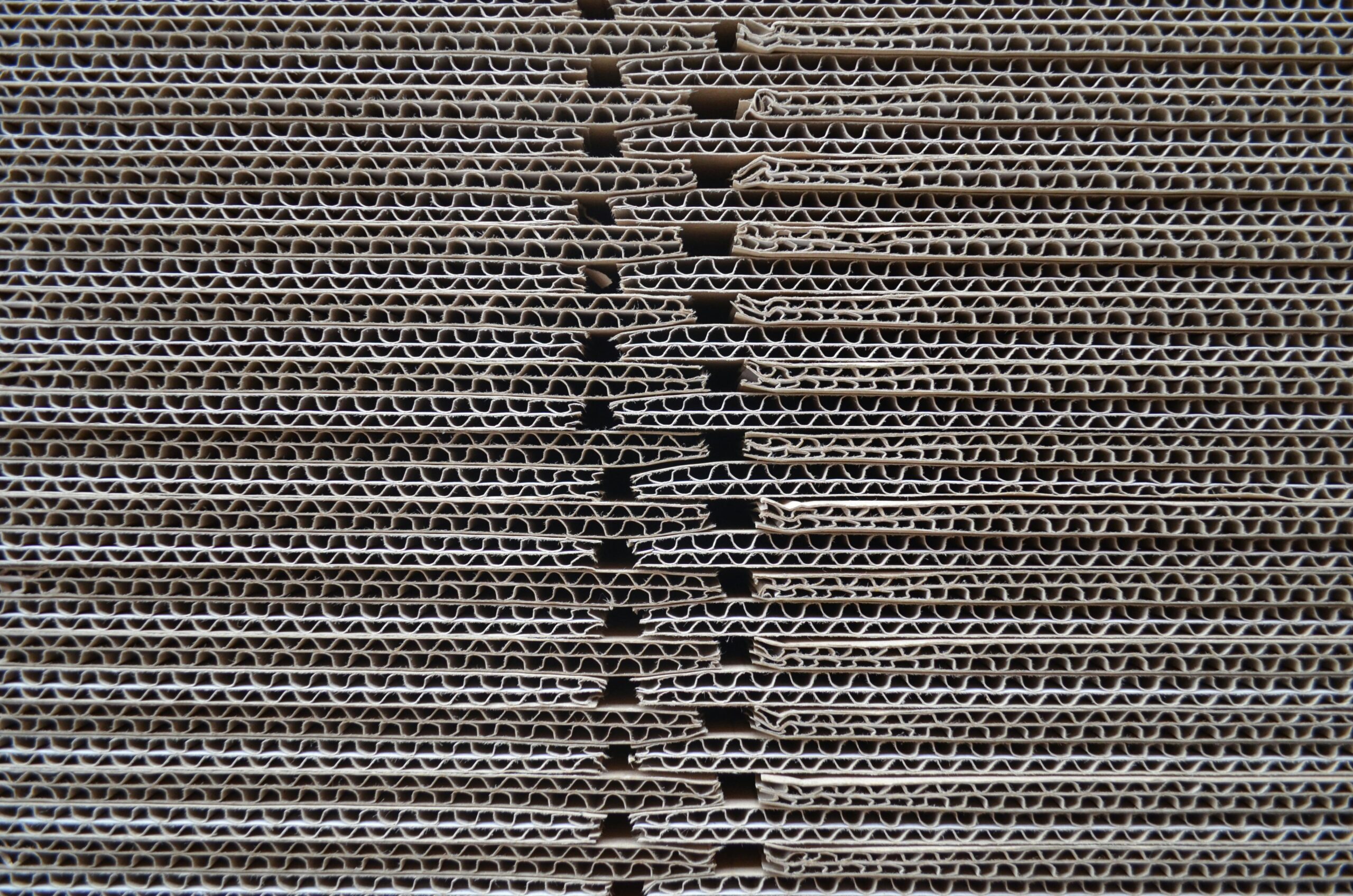
Core Density Uniformity: What the Spec Sheet Averages
Start with the number every buyer checks first. Core density on a certificate is an average, and averages forgive in the wrong direction. A panel can average inside its target band while running light near the skins and heavy through the middle. The gradient never appears on the sheet, and the average still passes. Where the density actually sits inside the panel matters as much as where the average lands.
Core density bands themselves are on record. Continuous-line PU cores target 38-45 kg/m3, the lower end for lightweight walls and the upper end for roof and load-bearing panels (Kindus). CamelSteel quotes a 35-45 kg/m3 buyer band for PU and at least 15 kg/m3 for EPS. Holding such a band takes metering accuracy within plus or minus 0.5 percent (Kindus). Isocyanate and polyol must dose in exact stoichiometric ratio; a small excess shifts blow, cure and final density at once.
The failure mode is deliberate rather than accidental. CamelSteel warns that a 100 mm PU panel with a 28 kg/m3 core costs less to make but insulates noticeably worse and loses strength. Core density can be adjusted downward unless the buyer demands the figure on the certificate. Your countermove is cheap: cut a known-volume block from a sampled panel, weigh it, divide, and log the result. That is the gravimetric check Kindus itself prescribes, with samples pinned to product changeovers, shift starts and raw-material batch changes.
Whether you buy foam-cored or steel-faced paneles sándwich, the certificate average says nothing about the gradient inside. Ranking one property above another is a different article’s job: our guide to the most important sandwich panel property owns that verdict and its reading method. This page stays one level down, where the numbers behind the numbers get made.
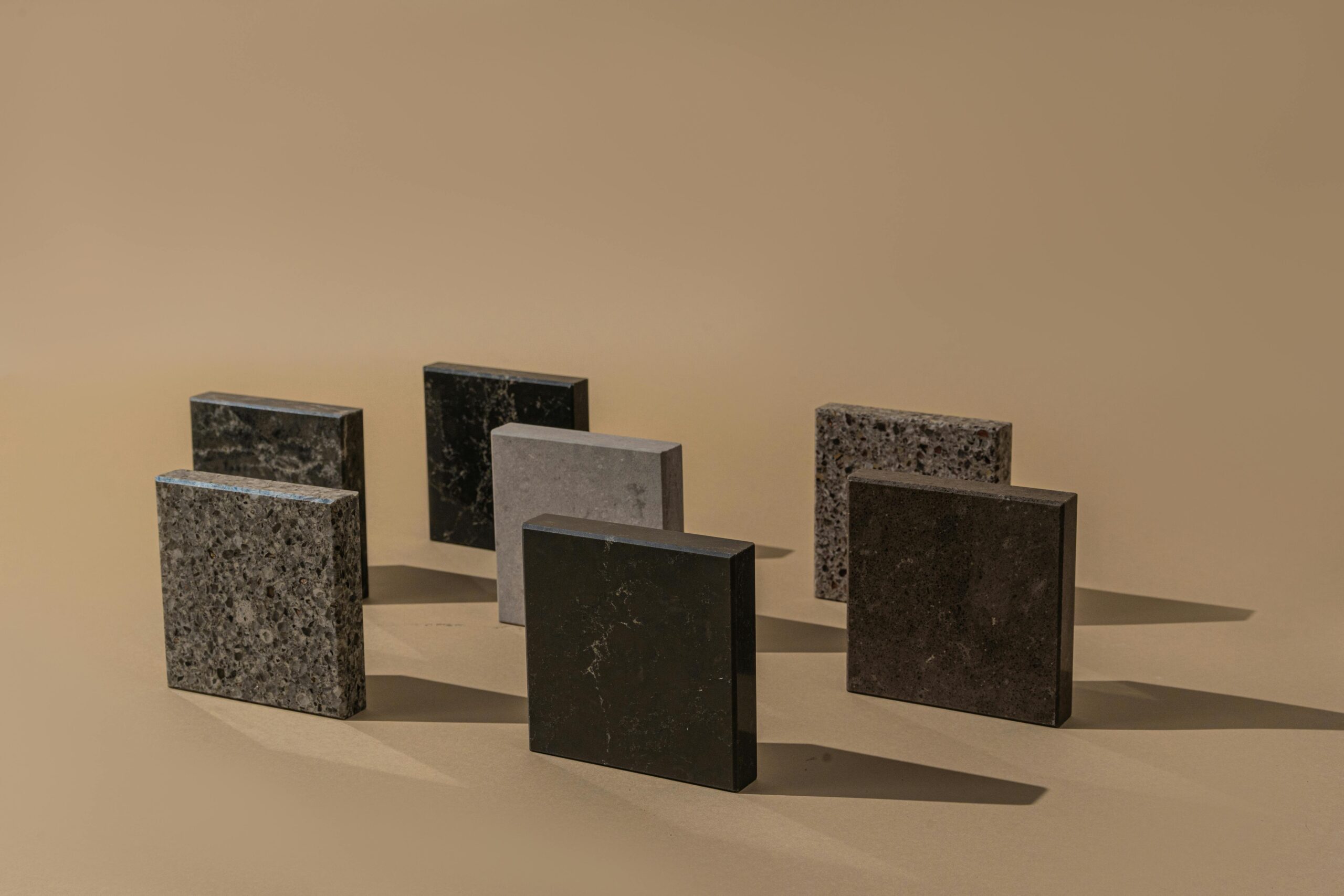
The three blocks above differ before they ever reach a press. Foam selection sets the ceiling; line discipline decides how evenly a panel reaches it. Uniformity is the part the average will never show you.
Face Sheet Thickness and Coating Tolerances
Face sheet thickness is the second place a quote lies by omission. Tseason’s buying-guide material, preserved in indexed excerpts, documents skins labeled 0.50 mm that measured 0.38 mm on arrival. Nothing on the certificate would have warned the receiver; only a caliper set to the right caliber does. The three calibers below are where the confusion lives:
- Nominal thickness
- The figure on the quote and the certificate – what you ordered, not what was measured.
- Base metal thickness (BMT)
- Bare steel before zinc and paint; the number that carries load.
- Total delivered thickness
- BMT plus zinc plus organic coat – what the caliper actually meets.
The bands to demand are on record. CamelSteel grades 0.3 mm steel as budget grade and sets 0.4-0.5 mm as the recommended minimum for roofing and exterior walls. Zinc coating mass it names as a corrosion-life variable the buyer should see documented. Production-line literature frames the family: metal faces typically run 0.3-0.8 mm with organic prepaint coatings of 15-25 um (quoted from indexed excerpts). EN 10143 adds a legal escape hatch: weld-region tolerance on a coil may rise by up to 50 percent over a 10 m length unless otherwise agreed (standards catalog entry).
| Caliber | What it describes | Documented case (Tseason, indexed excerpts) |
|---|---|---|
| Nominal | the ordered figure on quote and certificate | labeled 0.50 mm |
| BMT | bare steel, coatings excluded | measured 0.38 mm |
| Total delivered | BMT plus zinc plus organic coat | what the caliper must judge |
Face sheet thickness turns two of the sandwich panels hidden quality factors – skin tolerance and coating life – into something a caliper can settle. Line-by-line matching of a full spec sheet belongs to our especificaciones de paneles sándwich de acero color guide; this page only adds the tolerances the sheet leaves out. When a quote prints one skin number, ask which caliber it describes and whether the mill certificate agrees.
Bond Quality: Where Delamination Starts Years Earlier
Bond quality is the hidden factor with the longest fuse. Delamination presents as a transport claim, and the production record disagrees. Poor bonding between metal sheets and core traces to incorrect chemical mixing ratios, low surface temperature and insufficient curing time (sandwichpanelline’s defect catalog). Cure time that ignores line speed leaves the interface undercooked while the panel looks finished. The decision happens in year zero; the invoice arrives two winters later on the roof.
The interface has its own choreography before foam touches steel. Corona treatment strips microscopic dust and oils from the faces and raises surface tension; skip it and the bond invites delamination under thermal stress. A cold facing acts as a heat sink, robbing the foam of the energy adhesion needs (RaxPanel production guidance for high-strength PU panels). A 1 percent deviation in isocyanate content can shift foam density enough to drop compressive strength below spec. Keeping the gap between wire-draw time and top-touch time short yields a denser core-skin interface.

The core holds a structural stake too: without enough rigidity to keep the skins apart under bending, the panel’s bending strength collapses outright (LAMILUX quality guidelines). That is why bond strength gets tested rather than claimed. Flatwise tensile pulls a face perpendicular off the core (ASTM C297 family); climbing drum peel works the skin like a flag in wind (ASTM D1781 family). On arrival, a knock test answers faster than any lab – a hollow sound marks a bond that has gone (CamelSteel). Bond quality, decided at three machine windows, is confirmed with two tests or one knuckle.
Line Craft: Foaming, Curing and Press Discipline
Line craft is where the sandwich panels hidden quality factors are held in window or quietly let go. Walk a continuous line and the quality story is a set of windows, not a motto. Impingement mixing holds 120-180 bar so the two chemical streams actually blend; a worn or contaminated mixing head becomes a drift source for core density (Kindus). Feed temperature out of window, ambient shifts, a tired pump, a blocked line – Kindus lists each as a standalone cause of density drift. Jinggong’s QC write-up describes the surrounding discipline: temperature, pressure and speed calibrated stage by stage, sensors watching for deviation, defective panels reworked or scrapped.
The defect catalog reads like a map of the line:
- Thickness inconsistency – unsynchronized line speed, uneven press pressure, incorrect dosing.
- Surface waviness – sheet tension, decoiler settings, roll-former alignment.
- Weak adhesion – the ratio, temperature and cure failures from the bond section.
- Foam overflow or underfill – injection volume set against line speed and reaction time.
- Cutting and length errors – accuracy drift at the end of the line.
Our own production guidance adds the cure discipline: four temperature zones – chemicals, faces, track and curing plates – each held in its own window. A panel released early leaves the line with an uncured core that deforms under its own weight. The step-by-step build sequence belongs to our sandwich panel manufacturing process guide; this page keeps to the parameter discipline that decides whether the build holds. Audit the line against that discipline and most of the hidden variance closes before a single panel is packed.
Get panels audited before they ship, not after they fail. Send the spec you were quoted and the checks you want run. The engineering team answers from its own line (15+ years, output over 1,700 m2 a day, projects in 30+ countries) with batch records, parameter logs and sample cuts attached.
Raw Material Batches and Lot Traceability
Batch identity is the unit of trust, and the spec sheet never prints it. Incoming inspection should cover metal sheet thickness, strength and surface finish, plus insulation core type and density, checked by a dedicated team before anything enters the line (Jinggong). Kindus treats a raw-material batch change as a mandatory gravimetric sampling node, the same trigger level as a product changeover or a shift start. Change the drum, re-prove the foam.
The buyer translation is blunt: an excellent last container is not evidence. Mill test certificates travel with the coil batch, and CamelSteel’s verification set adds optional third-party inspection through SGS or BV, factory photos and video, and samples before ordering. Tseason’s indexed material adds the document check: certificates, batch files and the physical product must agree before order confirmation. Ask which sampling nodes the plant logs against each batch, because a changeover day is a risk day on even a well-run line.
How to Audit What the Spec Sheet Hides
Everything above compresses into one table you can carry to a factory gate or a container unloading. The middle columns show how each factor disguises itself on paper; the last two turn the sandwich panels hidden quality factors into evidence. Every row traces to a source cited earlier – none is invented.
| Hidden factor | Spec-sheet disguise | Factory evidence | Arrival check |
|---|---|---|---|
| Core density uniformity | one average figure per panel | gravimetric logs at changeover, shift and batch nodes (Kindus) | cut a known-volume block and weigh it |
| Face sheet thickness | a single nominal skin figure | BMT versus total caliber stated on the MTC (CamelSteel) | caliper the edge and note the caliber |
| Coating and zinc | color and finish words | zinc mass and 15-25 um organic coat documented | cross-check zinc mass on the MTC |
| Calidad de la unión | an “excellent adhesion” claim | corona records, cure logs, periodic peel tests | knock test; a hollow sound marks failure |
| Cure window | not mentioned at all | four-zone temperature logs and release timing | surface evenness on visual inspection |
| Raw material batch | no batch column anywhere | dedicated incoming inspection records (Jinggong) | match MTC batch to panel markings |
| Document consistency | certificate looks complete | certs, batch files and product cross-checked (Tseason) | fire certificate against the actual core |
| Accredited testing | in-house stamp | thermal, fire, acoustic and durability results from accredited labs | request the lab report, not a summary |
On arrival, run the physical checks in order:
- Visual pass: smooth surface, no cracks, no delamination signs; uneven surfaces point to improper compression or uneven core distribution (Theos).
- Caliper length, width and thickness against the order.
- Knock the skin and listen for a hollow sound (CamelSteel).
- Pull off adhesion perpendicular to the face until the facing detaches (Theos).
- Compression on a universal machine when the shipment justifies it (Theos).
For the paper side, CamelSteel’s supplier-verification set is the minimum kit: mill test certificates, optional SGS or BV inspection, factory photos and video, and samples before ordering. Jinggong adds the closing loop – thermal conductivity, fire resistance, sound insulation and durability results from accredited laboratories, shared as documents rather than summaries. That kit is how sandwich panel quality gets judged on evidence instead of print. If your line is foam-core OEM work, our foam-core buyer QC guide owns the certificate and ISO checklist in depth; this page stays on the building steel-face axis. A spec sheet is where reading starts; the table above is where it continues.
Frequently Asked Questions About Hidden Panel Quality
Can two sandwich panels with identical specs perform differently?
Yes. Density distribution, skin tolerance, bond window and batch identity sit outside the sheet, so sandwich panel quality can diverge even when the printed specs match (CamelSteel, Tseason, Kindus).
What core density should I demand on the certificate?
Core density should be named by core and duty: PU at 35-45 kg/m3, EPS at least 15 kg/m3 (CamelSteel), with continuous-line PU cores targeting 38-45 kg/m3 (Kindus). Require the figure on the certificate itself.
How can I check for delamination on arrival?
Knock the skin and listen for a hollow sound, the classic sign that bond quality has failed (CamelSteel). Inspect edges and surface next, then run a pull-off test perpendicular to the face until the facing detaches (Theos).
What documents should a factory audit include?
Mill test certificates, per-batch test records, line parameter logs, accredited laboratory reports and any third-party inspection report. A factory audit should target the sandwich panels hidden quality factors directly, so documents must tie batches to results (Jinggong, CamelSteel, Tseason).
Does a thicker face sheet always mean a better panel?
No. Face sheet thickness only counts once the caliber is settled – nominal, BMT or total – and zinc coating mass decides service life as much as the number. The 0.4-0.5 mm band is a roofing floor, not a guarantee (Tseason, CamelSteel).