
Selecting the right panel systems for specialized vehicles dictates your project’s final payload capacity and fire compliance rating. You cannot afford to guess when the penalty for failure involves a total structural retrofit. RaxPanel’s internal stress testing reveals that polypropylene honeycomb lattice structures reduce flooring weight by nearly 40% compared to solid composites while maintaining identical load-bearing deflection limits. That specific differential often determines whether a fleet meets strict highway regulations or requires costly engine modifications.
We break down the hard numbers regarding density ratios, thermal insulation metrics, and structural load capacities across solid, insulated, and lattice configurations. This analysis cuts through supplier marketing claims to focus on raw performance data. You will leave with a precise framework for matching core material profiles to your operational cost targets.
Solid, Insulated, and Lattice Panels Compared
Optimizing composite panel specifications requires balancing structural mass against thermal efficiency and load-bearing stiffness.
Density and Weight-to-Strength Ratios
In vehicle and structural applications, density is the primary driver of operational cost, influencing fuel efficiency and payload limits. Solid composite panels, while offering superior isotropic strength and impact resistance, carry the penalty of high dead load due to their continuous mass throughout the thickness. This often necessitates heavier supporting frameworks. In contrast, Lattice and Honeycomb systems leverage the sandwich principle: high-density facings carry the bending loads, while a low-density core provides separation to increase the moment of inertia.
The engineering significance lies in the specific stiffness (stiffness-to-weight ratio). We have observed through our R&D that shifting from solid plywood or heavy composites to PP honeycomb or foam cores can drastically alter the tare weight of a vehicle body. While solid panels provide ease of repair and local point-load handling, lattice structures offer superior flexural rigidity per kilogram, making them indispensable for maximizing span lengths in dry freight liners or aircraft interiors where every gram impacts range.
Thermal Insulation Performance Metrics
Thermal performance is dictated almost entirely by the core material’s ability to resist heat transfer. Insulated Sandwich Panels utilizing closed-cell foam cores like PU (Polyurethane) or PIR (Polyisocyanurate) are the industry standard for thermal control because they eliminate air convection within the panel. This creates a consistent thermal barrier essential for cold chain logistics and RV climate control.
Solid and Lattice panels, by design, generally lack the continuous thermal mass required for high insulation values unless retrofitted with thermal breaks. In our manufacturing process, we address this by customizing the core thickness to meet specific R-value requirements. It is critical to note that while mineral wool cores provide excellent fire resistance, their thermal conductivity is typically higher than PU foams, creating a trade-off between fire safety and energy efficiency that engineers must reconcile based on local building codes.
Structural Load-Bearing Capacity
Load-bearing capacity in composite panels is a function of skin modulus, core shear strength, and the bond integrity between the two. Solid panels typically excel in point-load resistance—they handle impacts from dropped tools or equipment without denting or delaminating, which is why they are preferred for high-traffic flooring or industrial cladding. However, their span capabilities are limited by their weight.
Insulated and Lattice panels distribute loads differently. They rely on core shear strength to prevent the facings from sliding past one another. If the core density is too low, the panel may fail under localized pressure (like a heavy pallet) even if it passes a uniform load test. Our engineering team rigorously tests these shear limits to prevent core crushing, ensuring that the lightweight benefits of a honeycomb or foam structure do not compromise the structural safety of the installation.
Don’t assume a thicker panel equals higher load capacity. For honeycomb and insulated panels, increasing core thickness improves stiffness (deflection control) but does not necessarily increase point-load strength. To handle heavy floor loads, focus on increasing the density of the core material and the thickness of the fiberglass/GRP skins.
| System Category | Core & Facings | Technical Specifications | Engineering Advantages | Application Target |
|---|---|---|---|---|
| Solid Composite Panels | GRP/FRP facings with XPS, PVC, or Plywood cores | Up to 40% weight reduction vs. solid plywood; High flexural strength; Waterproof gel-coat finish | Superior impact resistance and dead load reduction; Fully weathertight; Durability in harsh environments | Exterior wall cladding, industrial flooring, vessel hulls, high-traffic zones |
| Insulated Sandwich Panels | PU/PIR or Mineral Wool cores with GRP/Metal skins | Thermal conductivity: 0.019-0.023 W/mK (PU); Fire resistance >120 mins (Mineral Wool) | Maximizes energy efficiency; Temperature stability for cold chain; Compliance with strict fire codes | Cold storage facilities, refrigerated truck bodies, RV walls & roofing, temperature-controlled transport |
| Lattice / Honeycomb Panels | PP, Aramid, or Fiberglass honeycomb cores with CFRT/Fiberglass skins | Ultra-lightweight structure; High bending stiffness-to-weight ratio; Deformation resistant | Optimizes structural efficiency without mass; Allows for airflow or integration designs; Cost-effective for large spans | Dry freight truck bodies, furniture panels, lightweight partitions, aircraft/transport interiors |
Solid Skin Panels: Built to Last
High-Impact Resistance in Exterior Applications
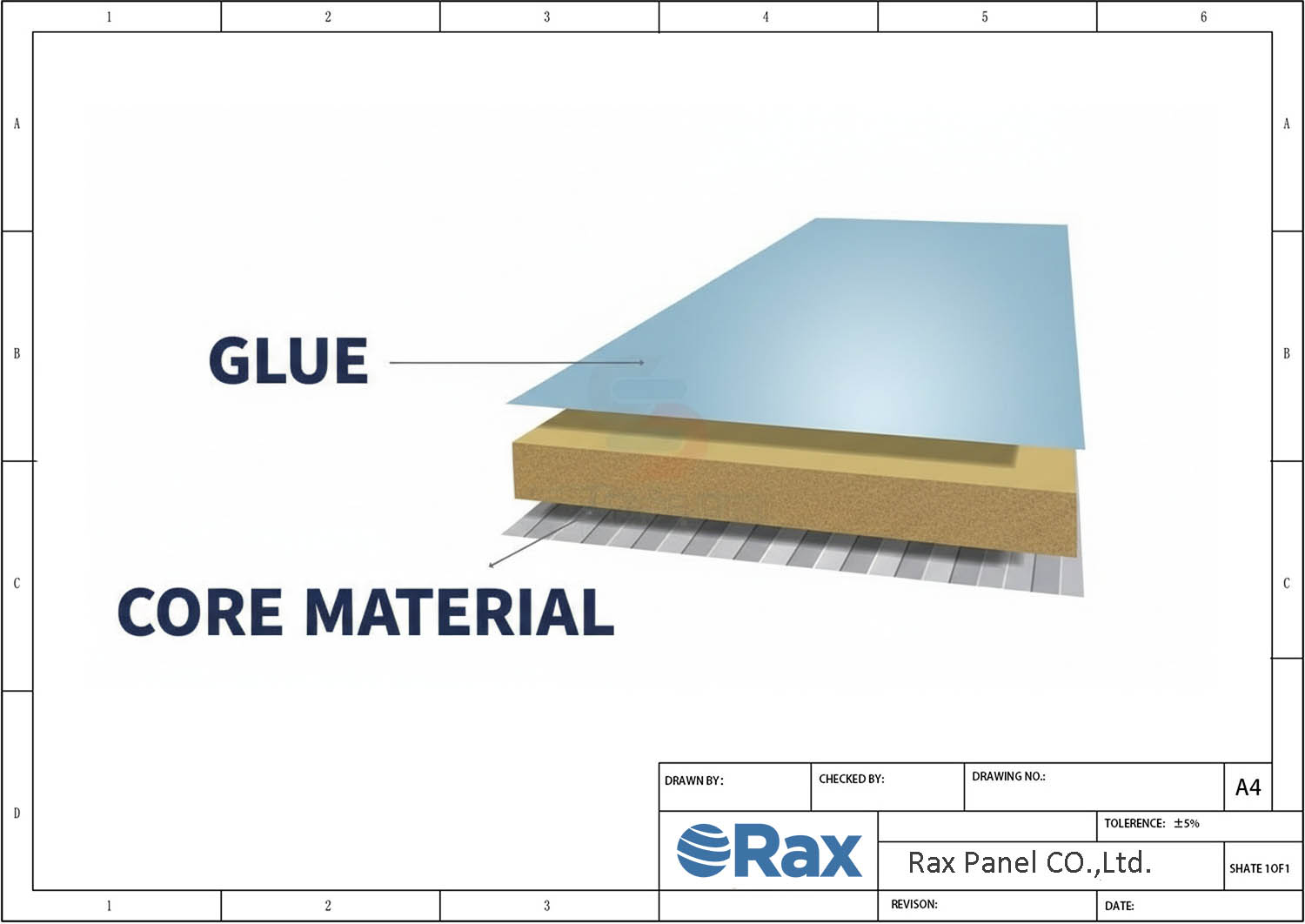
For exterior wall applications, the solid skin panel is the definitive choice for impact resistance. Unlike lattice structures, which rely on an open core, solid panels utilize a continuous, dense matrix—typically combining fiberglass reinforced thermoplastics (CFRT) or fiberglass reinforced plastic (GRP) with robust foam cores like XPS, PET, or PMI.
The primary mechanism here is energy dissipation. When an impact occurs, the solid core absorbs and distributes the kinetic energy across a broader surface area rather than concentrating it at a single point. This prevents puncture and maintains the structural integrity of the facade. In the context of vehicle manufacturing and exterior cladding, this translates to panels that resist damage from road debris, minor collisions, and physical handling during installation.
Manufacturers specializing in advanced composite materials, such as Rax Panel, emphasize that the integration of high-quality raw materials and customized core selections allows for panels that are not only lighter but also significantly stronger than traditional alternatives. Their production lines, capable of outputting over 1,700 square meters daily, ensure consistent quality in these high-impact resistant sheets.
Surface Hygiene in Clean Room Environments
In clean rooms and sterile environments, the surface quality of solid skin panels is critical. The non-porous nature of GRP and CFRT facings prevents the accumulation of dust, bacteria, and moisture. This characteristic is essential for maintaining the strict hygiene standards required in pharmaceutical manufacturing, medical facilities, and high-tech electronics assembly.
- Seamless Integration: Solid panels can be fabricated with smooth, gel-coated finishes that resist chemical cleaners and frequent sanitization without degrading.
- Structural Stability: Unlike lattice structures, there are no internal voids or open cells where contaminants could lodge, ensuring a truly hygienic barrier.
- Thermal Insulation: When paired with foam cores like PUR or PIR, these panels also provide the thermal insulation necessary for temperature-controlled clean rooms.
The Durability Factor: Lifecycle and Maintenance
The longevity of solid skin panels is derived from their monolithic construction. With a continuous skin and core, there is no risk of core exposure or delamination under normal operating conditions. This results in lower maintenance costs over the lifecycle of the building or vehicle.
For B2B buyers evaluating long-term value, solid panels offer a compelling proposition. While the initial material cost may be higher than lattice options, the reduced need for repairs, replacements, and specialized cleaning translates to a lower total cost of ownership. This is particularly relevant in high-traffic environments such as truck bodies and RV walls, where durability is paramount.
Insulated Panels: Saving Energy
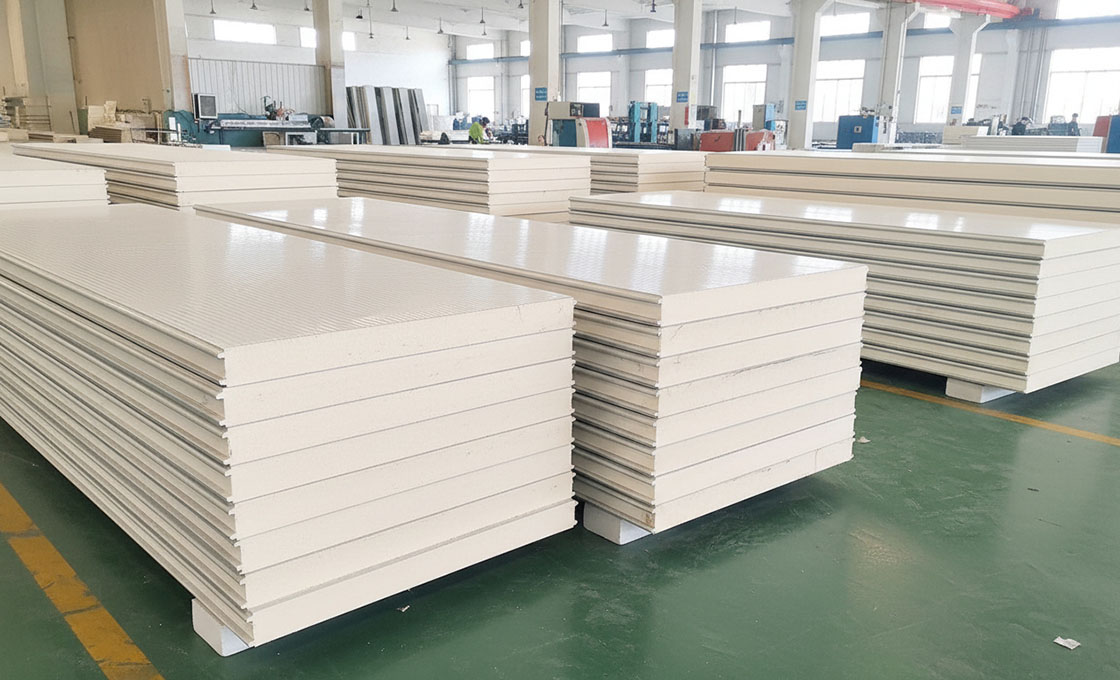
Insulated panels are the critical differentiator for energy efficiency. The core choice—PU, PIR, or mineral wool—dictates whether a structure meets modern cold storage codes or fails thermal compliance.
Thermal Cores: PU vs. PIR vs. Mineral Wool
Core material selection serves as the primary determinant of thermal performance when meeting energy compliance standards. The choice is rarely between “insulated” and “not insulated,” but rather about achieving specific U-values for cold storage or lightweight transport applications.
Polyurethane (PU) remains the industry workhorse for general refrigeration. It offers a strong balance of thermal resistance and cost. However, in high-stakes cold chain logistics, Polyisocyanurate (PIR) is increasingly the standard. PIR cores deliver a lower thermal conductivity coefficient—often dropping to 0.022 W/(m·K) compared to standard PU’s 0.024-0.028 W/(m·K). This slight difference scales significantly over the lifespan of a large cold storage facility, directly impacting energy bills.
For environments where fire safety is the primary energy code constraint—such as exterior building cladding or industrial storage near heat sources—Mineral Wool is the required choice. While its thermal conductivity is higher (typically around 0.035-0.040 W/(m·K)), it provides non-combustibility (Class A1 or A2) that foam cores cannot match. The energy strategy here shifts from pure insulation efficiency to fire-rated safety compliance.
Energy Savings: The Real-World Impact
The transition from solid or lattice structures to insulated sandwich panels yields immediate operational savings. The airtight seal and continuous thermal barrier prevent thermal bridging, a common failure point in traditional construction.
In mobile transport applications, such as refrigerated truck bodies, insulated panels reduce compressor load by maintaining internal temperatures with less energy expenditure. In RV and mobile home solutions, the reduction in HVAC sizing requirements can lower the vehicle’s overall weight and power consumption.
- Thermal Conductivity: PIR cores can achieve values as low as 0.022 W/(m·K), outperforming standard PU.
- Fire Safety: Mineral wool provides essential Class A fire ratings where foam cores are restricted.
- Airtightness: Properly sealed insulated panels eliminate thermal bridging, reducing energy loss by up to 30% compared to non-insulated alternatives.
Meeting Compliance: Cold Storage and Energy Codes
Modern building codes and cold chain regulations are stringent. Insulated panels are the most efficient way to meet U-value requirements without excessive wall thickness. For cold storage, panels with a thickness of 100mm to 200mm are typical, depending on the required temperature range.
For exterior applications, fire-rated insulated panels (often mineral wool or fire-retardant PIR) are mandatory in many jurisdictions. The choice of facing material—such as aluminum, steel, or GRP—also plays a role in the panel’s overall durability and energy efficiency by protecting the core from moisture ingress, which degrades thermal performance over time.
Insulated vs. Solid vs. Lattice: Energy Performance
When comparing energy performance, insulated sandwich panels are superior to both solid and lattice systems. Solid panels, while strong, often lack the integrated thermal barrier unless additional insulation is applied, adding weight and complexity. Lattice panels, though lightweight, offer minimal inherent thermal insulation due to their open structure.
Insulated panels integrate the structural skin and the thermal core in a single unit. This monolithic construction ensures consistent R-values across the entire surface area, making them the preferred choice for energy-efficient buildings, refrigerated transport, and cold storage facilities.
- Insulated Panels: Highest energy efficiency; continuous thermal barrier; ideal for cold storage and climate-controlled buildings.
- Solid Panels: Good structural strength but lower inherent insulation; often require additional thermal layers.
- Lattice Panels: Lightweight and strong but poor thermal performance; suitable for non-climate-controlled applications.
Lattice Honeycomb: Light and Strong
Advanced Engineering for Lightweight Flooring
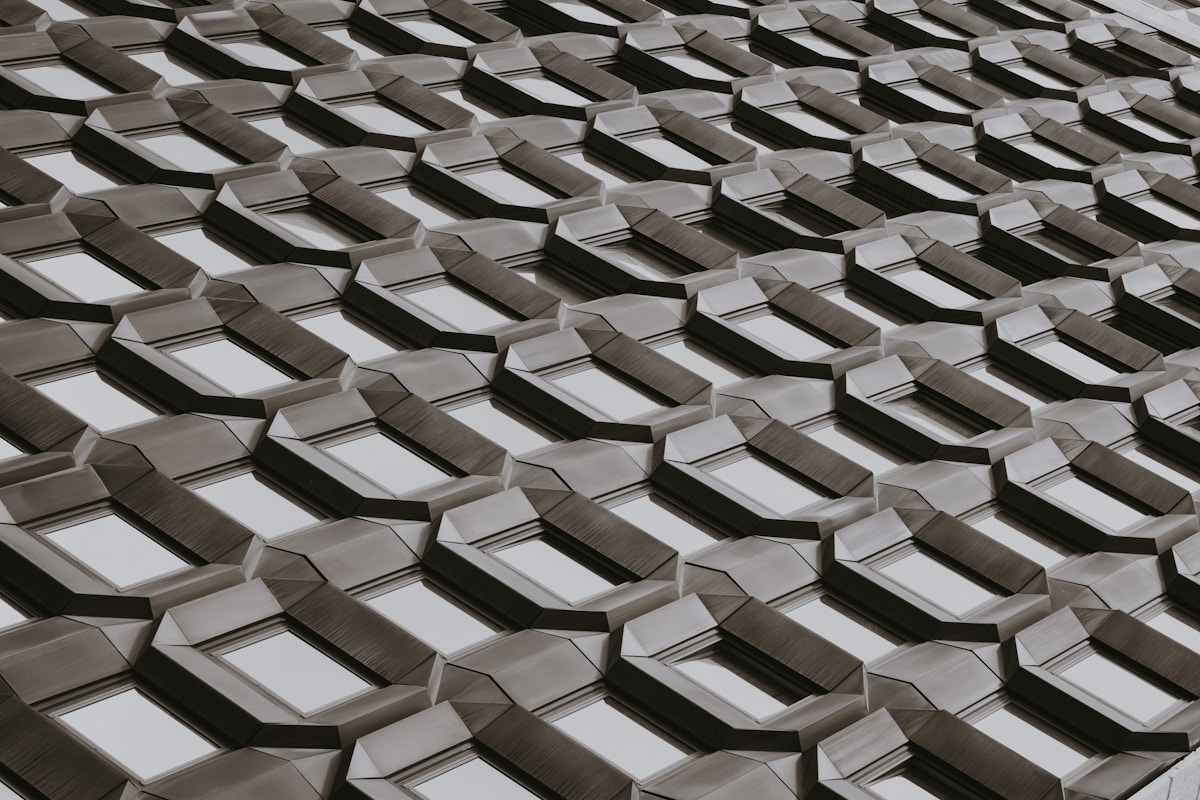
For B2B buyers in the RV and transport sectors, the primary pain point is balancing structural rigidity with weight reduction. Heavy flooring directly compromises fuel efficiency and payload capacity in truck bodies and recreational vehicles. Lattice honeycomb panels address this by utilizing a hexagonal grid structure that outperforms solid cores in stiffness-to-weight ratios. By removing material from the core where it adds mass but minimal strength, these systems maintain high flexural strength essential for load-bearing floors.
Weight-critical applications, such as truck flooring and RV walls, leverage this geometric configuration for maximum stiffness.
The Role of PP and Fiberglass Cores
When selecting materials for flooring, Polypropylene (PP) and Fiberglass honeycombs offer distinct advantages over traditional foam cores. PP honeycomb cores provide high shear strength and excellent moisture resistance, preventing the water absorption issues often seen in organic or untreated paper cores. When composited with fiberglass sheets or GRP skins, the resulting panel exhibits exceptional impact resistance and durability. This combination is frequently utilized in high-traffic flooring applications where dent resistance is critical.
Rax Panel, a technology company specializing in composite solutions with over 15 years of production experience, leverages these material properties to manufacture advanced sandwich panels. With a daily production area exceeding 1,700 square meters, the company integrates R&D and design to produce panels using specific core configurations such as PP honeycomb, Aramid honeycomb, and Carbon Fiber honeycomb. These materials are engineered to meet stringent project requirements, offering lighter and stronger alternatives to conventional plywood or foam core structures.
For flooring applications, prioritize fiberglass-reinforced thermoplastic (CFRT) facings bonded to a PP honeycomb core. This combination typically offers a higher strength-to-weight ratio than standard XPS or PU foam cores while maintaining better dimensional stability under dynamic loads.
Technical Advantages and Customization
The versatility of lattice honeycomb systems allows for deep customization based on load requirements and cost constraints. Manufacturers can adjust the cell size and density of the core to manipulate the panel’s mechanical properties without significantly altering the weight. This capability is crucial for developing specialized solutions for diverse markets, including marine vessels, industrial equipment, and public transit.
- Material Diversity: Availability of different core materials including PP, PET, PMI foam, and high-end options like Aramid and Carbon Fiber honeycombs.
- Skin Compatibility: Honeycomb cores can be bonded with a variety of facings such as GRP, Aluminum, Steel, and Stainless Steel to meet specific fire rating or aesthetic needs.
- R&D Integration: Manufacturers like Rax Panel employ engineering teams to conduct experimental testing, ensuring that composite panels meet precise data standards for demanding conditions.
- Global Supply: Capabilities to serve international markets with customized, lightweight solutions that reduce transportation costs and improve end-product performance.
The Good and Bad of Each System
Selecting the optimal panel system is fundamentally a trade-off between lifecycle durability and total cost of ownership. No single system offers maximum protection at the lowest price point; specific application requirements must dictate the compromise.
Solid Skin Panel Systems
Solid skin systems, typically utilizing continuous fiberglass reinforced polymer (FRP/GRP) or metal sheets, are the industry standard for applications requiring high impact resistance and surface durability. The monolithic nature of the skin provides a strong barrier against physical damage, making these systems ideal for high-traffic industrial environments or vehicle exteriors subject to road debris. From a cost perspective, the primary drawback is density. High-quality solid skins, particularly those with gel-coat finishes for UV and waterproof protection, contribute significantly to the overall weight of the structure, increasing transportation fuel costs and requiring heavier supporting substructures.
- Durability Advantage: Excellent resistance to surface abrasion and puncture; localized damage is often reparable without compromising the entire panel’s structural integrity.
- Cost Limitation: Higher material density translates to increased shipping and installation costs; raw material expenses are generally higher per square meter compared to foam-core alternatives.
- Maintenance Factor: Smooth gel-coat or metallic surfaces are easy to clean and sanitize, reducing long-term maintenance expenses for hygiene-critical applications.
Insulated Panel Systems
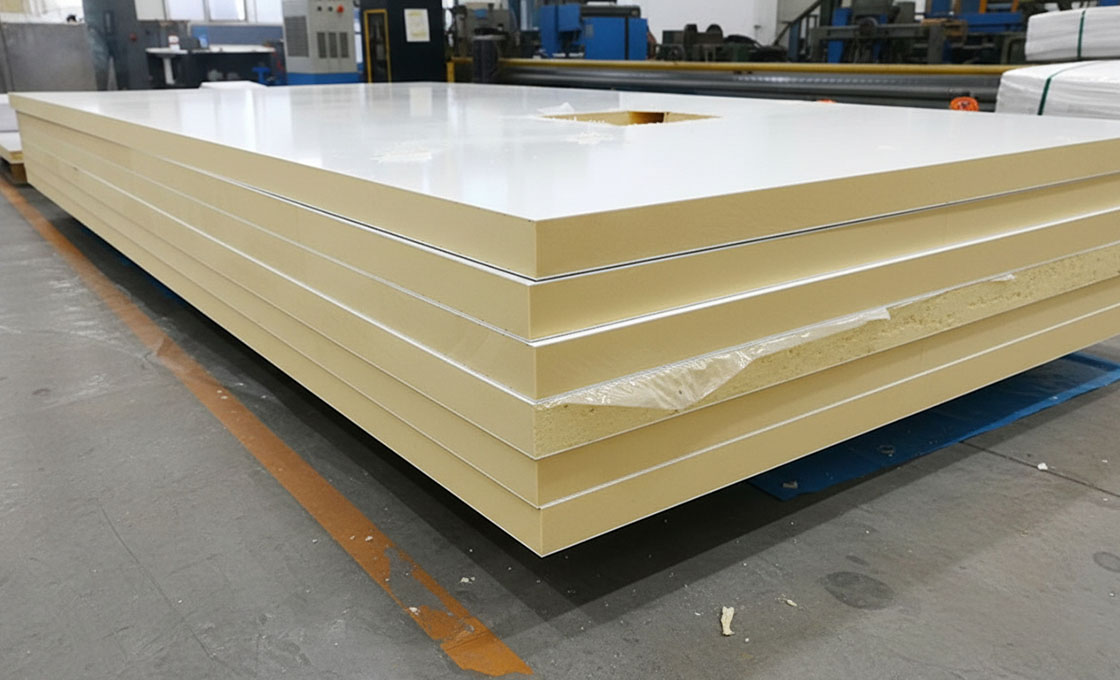
Insulated systems, employing cores like XPS, PU, PET, or PVC foam sandwiched between structural skins, are chosen primarily for thermal efficiency rather than just mechanical strength. The “Good” here is operational cost reduction: superior insulation values drastically lower energy expenditure in refrigerated transport or climate-controlled buildings. However, the “Bad” lies in the vulnerability of the core. If the facing skin is breached, water ingress can cause the foam core to degrade, lose insulation value (R-value), or delaminate. Additionally, while the materials are often lighter than solid steel, the manufacturing process requires precise control to ensure consistent bonding between dissimilar materials.
- Durability Advantage: High stiffness-to-weight ratio; cores like PET and PU provide excellent dimensional stability, preventing warping under thermal cycling.
- Cost Limitation: Risk of hidden corrosion; if the seal fails, the entire panel often requires replacement rather than repair, leading to higher potential lifecycle costs.
- Economic Efficiency: Best ROI for cold chain logistics and stationary structures where energy savings outweigh the higher initial material procurement price compared to basic sheeting.
Avoid specifying lower-grade PU foam for high-humidity marine applications. Over time, hydrolysis can break down the foam structure, leading to catastrophic core failure. Always verify hydrolysis resistance specs for marine-grade insulated panels.
Lattice (Honeycomb) Panel Systems
Lattice systems, utilizing PP (Polypropylene) or fiberglass honeycomb cores, represent the peak of lightweight engineering. These systems are unmatched when the priority is maximizing strength while minimizing mass, such as in RV walls, truck flooring, or aircraft interiors. The geometric structure of the honeycomb provides exceptional rigidity with very little material. The downside is cost and repairability. The manufacturing complexity—expanding the honeycomb core and ensuring full adhesive contact with the facings—makes these panels more expensive to produce than simple foam cores. Additionally, point-load impacts can cause core crushing (cell collapse) that is difficult to detect visually and nearly impossible to repair in the field.
- Durability Advantage: Exceptional compression strength and rigidity; PP honeycomb cores offer water resistance and rot-proof properties suitable for humid environments.
- Cost Limitation: High initial purchase price due to complex fabrication; requires skilled labor and specialized adhesives for installation, increasing project overhead.
- Application Constraint: While lightweight, they require protective facings (like fiberglass sheets) to handle distributed loads; bare honeycomb is vulnerable to impact damage.
Which Panel Fits Your Needs?
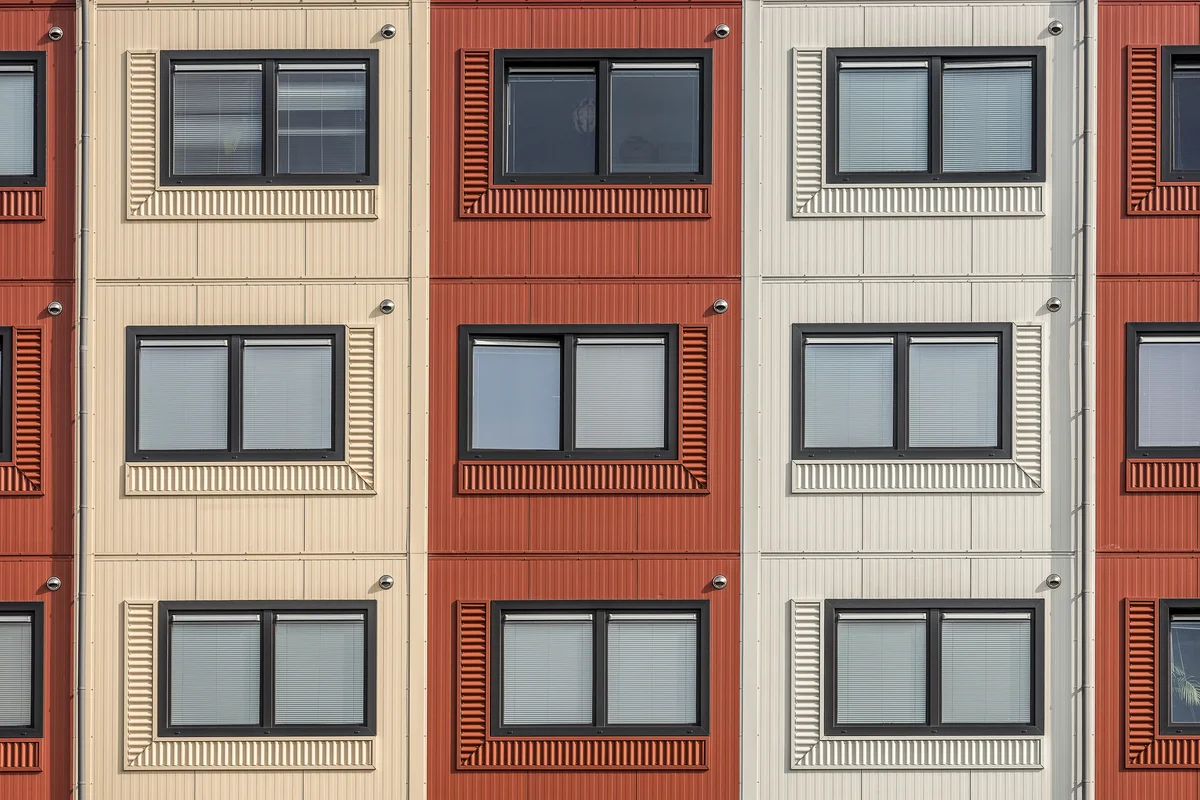
The optimal panel system is dictated by the primary operational constraint: prioritize thermal efficiency for cold chain, maximize payload reduction for transport, or ensure impact resistance for industrial safety.
Optimal Applications for Solid Core Systems
Solid core systems are the industry standard for applications demanding maximum structural integrity and surface durability rather than thermal efficiency. In industrial environments, these panels are preferred for high-traffic interior walls, partition systems, and cleanroom enclosures where impact resistance is non-negotiable. Because the core lacks the air gaps or lattice structures found in other systems, solid cores provide a superior substrate for direct fastening and heavy mounting, ensuring that fixtures remain secure over years of vibration and stress.
For facilities requiring high sanitation standards, such as food processing plants or pharmaceutical manufacturing, solid cores are advantageous due to their monolithic construction which minimizes hidden crevices where contaminants could accumulate. They are also the optimal choice for security applications and blast-resistant walls, as the material’s density provides a level of mass and protection that lightweight lattice or insulated foam structures cannot match without significant additional reinforcement.
Best Uses for Insulated Lattice Structures
Insulated lattice structures represent a high-performance solution designed to solve the conflicting engineering challenges of weight reduction and thermal management. These systems are best utilized in premium transportation applications, such as luxury RVs and high-efficiency refrigerated truck bodies, where every kilogram of saved weight translates directly into increased payload capacity or fuel economy. Unlike traditional solid insulation, the lattice core provides exceptional shear strength, preventing the panel from sagging or deforming under dynamic loads while still maintaining a high thermal barrier.
In the context of modular building and portable cabins, these structures excel by providing a high strength-to-weight ratio that simplifies logistics and installation on-site. They are particularly effective in environments where wide-span roof panels are required without intermediate supports; the lattice core distributes loads effectively across the panel face, allowing for architectural designs that would be impossible with heavier, less rigid foam cores.
Selecting Panels for Marine and Transport
Choosing the right panel system for marine and transport sectors requires a strict analysis of environmental exposure and operational mechanics. In marine environments, corrosion resistance and water ingress are the primary failure points. Solid core systems or closed-cell insulated variants are typically mandated for hull liners and bulkheads to prevent moisture absorption that can rot organic cores or degrade adhesives over time. However, for non-structural interior sections like cabinetry and furniture, lightweight lattice systems significantly reduce vessel weight, improving stability and performance.
For the transport industry, the decision is driven by the cargo type. Dry freight vans and container flooring primarily utilize high-strength solid or high-density lattice panels to withstand the abrasion of forklifts and pallet jacks while maximizing cargo load. Conversely, refrigerated transport (reefers) demands insulated panels with high thermal performance to maintain the cold chain. Operators must balance the thickness of the insulation against interior cubic capacity; selecting a panel with a lower thermal conductivity value allows for thinner walls, increasing internal volume without sacrificing temperature control.
- Marine Decks and Superstructures: Prioritize closed-cell cores and resin-rich skins to prevent water absorption and delamination from salt spray.
- Truck Flooring: Select solid or high-density honeycomb cores that focus on compressive strength and point-load resistance to handle heavy cargo impact.
- Refrigerated Logistics: Opt for insulated systems with verified fire ratings to protect goods in transit and comply with strict transportation safety codes.
When specifying for transport, always calculate the “Total Cost of Ownership” (TCO) rather than just the initial panel price. A 10% reduction in panel weight can yield a 5-8% fuel saving over the vehicle’s lifecycle, often offsetting the higher upfront cost of advanced lattice or composite systems.
| Feature | Specification | Advantage |
|---|---|---|
| Core Materials | PP, Fiberglass, Carbon/Aramid Honeycomb; XPS, PET, PU, PVC, PMI, Rockwool Cores | Tailored strength-to-weight ratios and thermal/acoustic properties for diverse applications |
| Weight Efficiency | Up to 40% lighter than solid plywood | Significant payload capacity increase and reduced shipping costs for vehicles and structures |
| Thermal Insulation | 0.019–0.023 W/mK (PU Cores) | Superior temperature control for refrigerated transport and energy-efficient building envelopes |
| Fire Resistance | Exceeds 120 minutes (Mineral Wool/Rockwool) | Meets stringent safety codes for cold storage, RVs, and industrial facilities |
| Structural Performance | High flexural strength with deformation resistance | Maintains integrity under demanding loads while preventing warping over time |
| Acoustic Damping | Engineered sandwich panel systems | Enhanced noise reduction for comfortable RV living and quiet industrial environments |
Choosing Panels for Long-Term Value
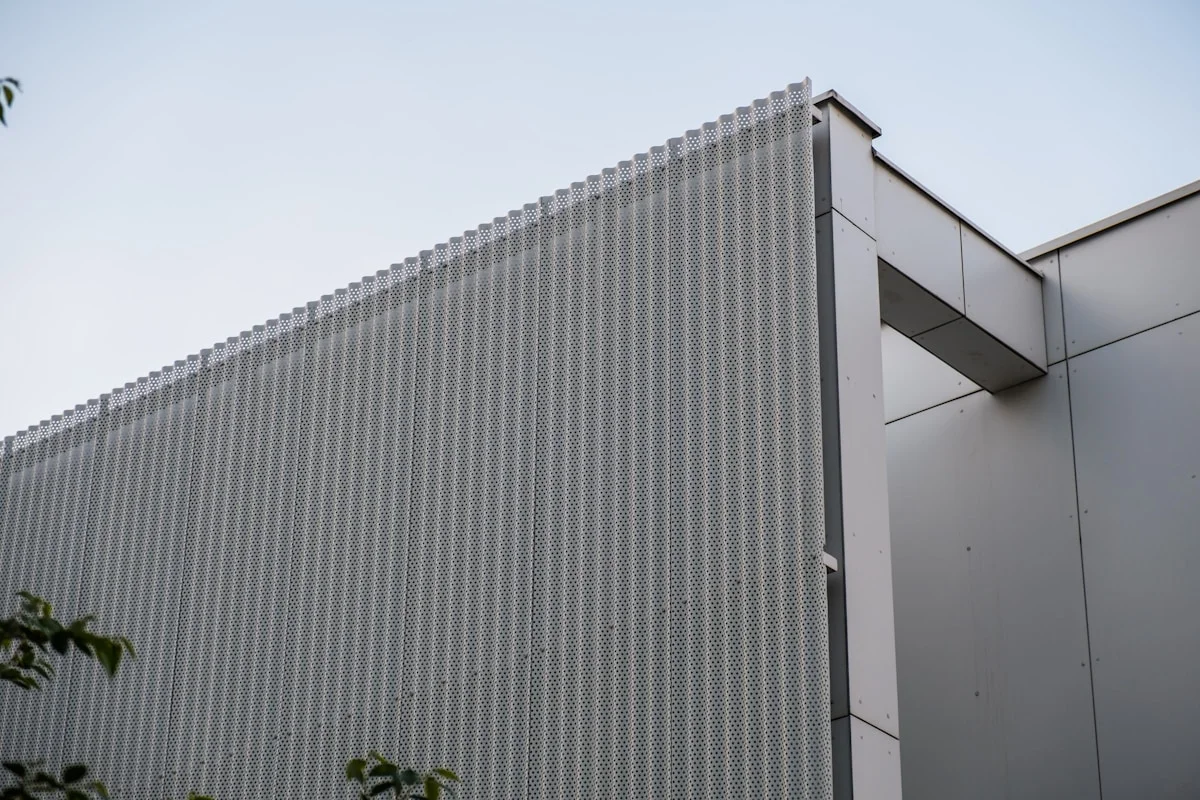
True value is defined by Total Cost of Ownership (TCO), not just the initial purchase price. A panel that is 10% more expensive upfront but 40% lighter and 20% more energy-efficient offers a superior ROI over a 5-year fleet lifecycle.
Lifecycle Cost Analysis by Material Type
When evaluating long-term value, B2B buyers must look beyond the invoice price. The lifecycle cost of composite panels is heavily influenced by weight-related fuel efficiency and thermal performance. For RV and truck body manufacturers, utilizing lightweight honeycomb panels—specifically PP honeycomb cores composited with fiberglass sheets—can reduce panel weight by up to 40% compared to traditional plywood. This reduction in dead load translates directly into increased payload capacity and significant fuel savings over the vehicle’s operational life.
In refrigerated transport and cold storage construction, the thermal efficiency of the core dictates the operational expenditure (OPEX). While standard foam cores offer basic insulation, high-performance PU foam cores used in our sandwich panels achieve thermal conductivity rates as low as 0.019-0.023 W/mK. Although these materials may command a higher premium, they minimize thermal leakage, reducing the energy load on refrigeration units. We have observed that clients switching to high-spec PU cores often recoup the material cost differential within the first 18 months of operation through energy savings alone.
- Weight Reduction: PP honeycomb and CFRT panels reduce structural dead load, lowering fuel consumption and increasing payload margins.
- Energy Efficiency: PU and PET foam cores with low thermal conductivity (0.019-0.023 W/mK) significantly cut cooling/heating costs in insulated applications.
- Fire Compliance Costs: While mineral wool cores are heavier and more expensive, they eliminate retrofit costs by meeting strict fire resistance standards (exceeding 120 minutes) immediately.
Durability and Maintenance Requirements
Durability is a primary driver of long-term value, as maintenance downtime destroys profitability. In harsh environments—such as marine applications or high-humidity industrial zones—surface degradation is a critical risk. Our factory applies specialized gel coats to FRP sheets, providing a waterproof, flat, and smooth barrier that resists corrosion and UV degradation. Unlike painted metals that require periodic repainting, these gel-coated surfaces maintain their integrity and aesthetics with minimal intervention, drastically lowering maintenance caps.
However, the core material determines the panel’s resistance to internal failure. Water ingress is the silent killer of sandwich panels. If the outer skin is compromised, standard EPS or low-quality PU foams can absorb moisture, leading to mold and structural rot. In contrast, closed-cell PVC foam and PET cores offer higher water resistance. We strictly advise clients in wet environments to prioritize closed-cell cores or complete waterproof sealing during installation. For vessel solutions and high-traffic flooring, we prioritize CFRT (Continuous Fiber Reinforced Thermoplastic) sheets, which are thinner and more resilient than traditional FRP, resisting impact damage that would otherwise require costly panel replacement.
- Surface Integrity: Gel-coated FRP skins reduce repainting cycles and resist chemical corrosion compared to untreated metal or wood.
- Core Stability: Closed-cell cores (PVC, PET) prevent water absorption and swelling, avoiding the structural failure common in water-damaged wood or open-cell foams.
- Impact Resistance: Thermoplastic CFRT and high-density fiberglass facings withstand dents and punctures, reducing the frequency of service repairs.
Customization Impact on Long-Term Value
Off-the-shelf panels are often a compromise that costs more in the long run. Customization allows engineers to tailor the skin-to-core ratio to the exact mechanical requirements of the project, eliminating “over-engineering” where expensive materials are used unnecessarily. For example, in a dry freight truck body, a high-density fiberglass facing might be overkill on the ceiling panels but essential for the flooring. By engineering specific combinations—such as pairing a lightweight XPS core with a durable steel skin for specific zones—we help clients optimize material costs without sacrificing structural performance.
Furthermore, proper customization mitigates installation risks. Our engineering team conducts experimental testing to simulate real-world stressors before mass production begins. This process identifies potential failure points—such as edge compression or thermal expansion mismatches—during the design phase. We have found that clients who utilize our design solutions and early-stage R&D integration experience significantly lower rejection rates and faster assembly times on the production line. Customization is not just about aesthetics; it is about engineering a solution that fits the precise logistical and environmental stressors of the application, ensuring the panel survives its design life without costly modifications.
- Material Optimization: Selecting the specific core (e.g., PMI for aerospace vs. XPS for general building) ensures you pay only for the performance you need.
- Risk Mitigation: Experimental testing and custom design solutions prevent on-site failures, reducing warranty claims and project delays.
- Supply Chain Efficiency: Customized bulk packing and panel sizing reduce shipping waste and on-site cutting labor, streamlining the installation process.
Conclusion
Picking between solid, insulated, and lattice panel systems usually comes down to one thing: the environment. Solid skin panels carry the heaviest loads for truck bodies and heavy equipment, but they add unnecessary weight where you don’t need it. Insulated panels are your only real option for cold storage if you care about energy loss and fire ratings. Lattice honeycomb stands out for RVs and marine applications where every pound translates to fuel costs. We design our PP honeycomb and foam cores to balance stiffness against weight, so you aren’t paying for material you don’t use.
Your lifecycle cost analysis should look past the unit price. A cheaper panel that delaminates in two years costs more than a robust core system that lasts a decade. Our engineering team can run a custom feasibility review on your specific dimensions and load requirements. Send over your project specs, and we will provide a technical consultation with material samples so you can see the difference before you commit to a full order.
Frequently Asked Questions
Can honeycomb panels be repaired after impact damage?
Yes, localized damage to honeycomb cores can often be repaired using specialized composite patching techniques. However, the repair method depends on the core material and skin type. For structural integrity, professional assessment is recommended before attempting fixes on critical load-bearing components.
Do composite panels require special tools for cutting?
Standard woodworking or metalworking tools can often cut these panels, but specialized blades prevent core crushing or skin delamination. Fine-tooth blades are recommended for clean edges on honeycomb and foam cores. Proper ventilation is also essential when cutting synthetic core materials.
Are these panels compatible with existing vehicle framing?
RaxPanel designs panels to integrate with standard framing systems used in RVs, trucks, and marine vessels. Custom edge profiles and mounting flanges can be engineered to match specific chassis requirements. Engineers should verify load distribution points during the design phase.
How does humidity affect foam core longevity?
Closed-cell foams like XPS, PET, and PVC resist water absorption, maintaining structural integrity in humid environments. Open-cell or less dense cores may degrade if exposed to prolonged moisture. Proper sealing of panel edges and joints is critical for long-term performance in marine or high-humidity applications.
What is the typical lifespan of an insulated sandwich panel?
With proper maintenance, these panels can last 20 to 30 years in terrestrial applications. Marine environments may reduce lifespan due to UV exposure and salt corrosion if not protected. Regular inspection of seals and skins helps maximize service life across all industries.
Can panels be painted or finished after fabrication?
Most GRP and CFRT skins accept standard automotive or industrial paints after proper surface preparation. Gelcoat finishes provide a durable, colored surface that eliminates the need for painting. Adhesion promoters may be required for certain foam cores or smooth thermoplastic surfaces.
Are these materials recyclable at end-of-life?
Thermoplastic cores like PP and PET are recyclable, whereas thermoset resins in some GRP panels are not. Metal facings such as aluminum can be recovered and reused. Manufacturers are increasingly developing mono-material solutions to improve end-of-life recyclability.