
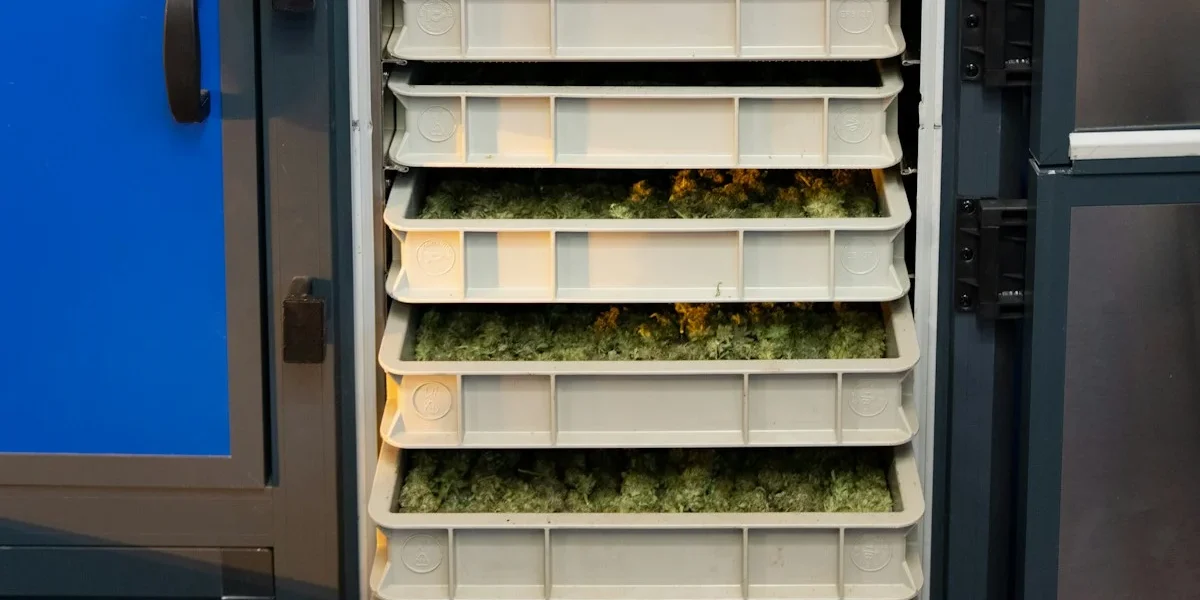
Floral coolers rely on a mix of condensing units, evaporators, digital controllers, and insulated walls to keep cut stems viable after harvest. Most facility planners treat the wall section as an interchangeable insulation box. It isn’t. Flower refrigeration panels sit at the intersection of biological preservation and thermal engineering. A flower cold storage room typically operates between 0°C and 10°C, and a 50 mm or 75 mm polyurethane panel handles that thermal load without trouble. The failure point rarely sits in the foam thickness. It sits in the skin finish, joint sealing, and condensation management around that core. Cut flowers require sustained humidity to prevent stem dehydration, and high moisture on low-grade steel skins produces drip water and bacterial growth within weeks.
Our manufacturing team breaks down how PU foam density, stainless or galvanized skin options, and cam-lock interlocking joints actually perform in a 24/7 floral distribution facility. You will also see why anti-condensation channels and cleanable surface grades matter more than raw R-values when you chase ±0.5°C thermal stability across a full harvest season.
Get the panel stack right upfront, and you avoid the retrofit costs that come from replacing warped cores or rewiring evaporator units to compensate for a leaky enclosure.
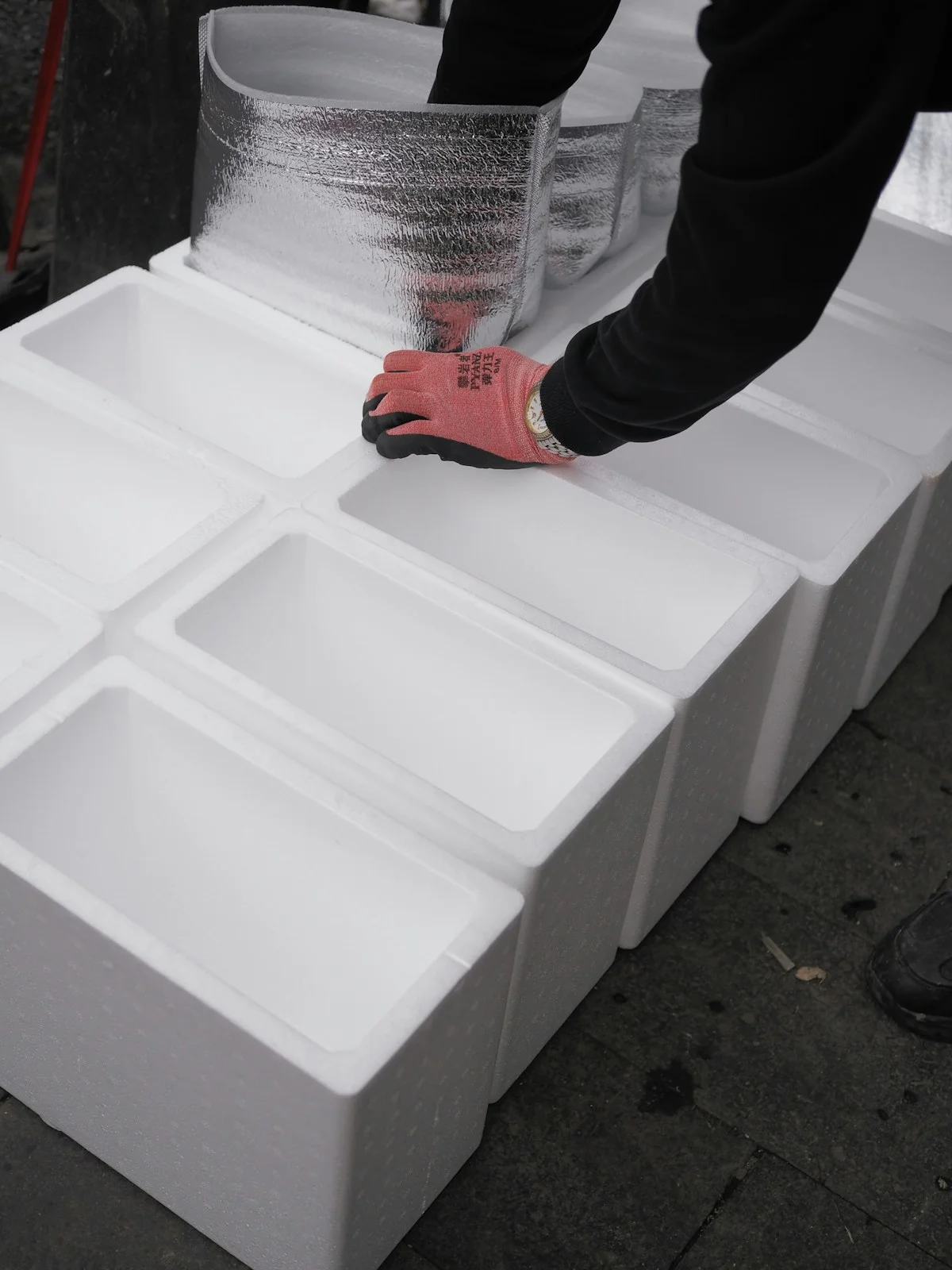
What Are Flower Refrigeration Panels?
Flower refrigeration panels are purpose-built insulated sandwich modules that form the thermal shell of a floral cold room, engineered to lock in a narrow biological preservation band while resisting high moisture loads.
Layer Composition and Thermal Envelope
Each panel operates like a heavy-duty thermos for an entire room. The inner and outer skins provide structural rigidity and a cleanable surface, while the middle layer does the actual thermal work. For floral applications, we almost always specify closed-cell polyurethane or polyisocyanurate foam cores because open-cell alternatives allow moisture to migrate through the panel over time.
In a flower warehouse, humidity is naturally high, so a sealed cellular structure prevents the insulation from degrading or becoming a sponge for condensate. Our production engineers prioritize joint sealing and facing adhesion because a single weak bond line can compromise the entire enclosure.
Biological Preservation Temperature Range
Cut flowers enter a state of suspended metabolism when stored near the freezing threshold. If the room runs too warm, blooms accelerate aging and petals drop early. If it dips too low, cellular rupture turns stems black and unsellable.
The panel system must therefore hold a narrow thermal window with minimal drift, even when doors open frequently during packing shifts. Standard refrigeration cycles can overshoot or undershoot this band, but the insulated shell acts as a buffer, smoothing out those spikes so the cooling unit does not have to work against sudden heat leaks.
Panel Thickness and Spatial Trade-offs
How to Choose the right depth is a balance between insulation performance and usable floor space. Thinner modules are common for interior partition walls in mild climates, while roof assemblies require heavier builds to resist solar gain and structural loads.
Every millimeter added to the panel stack reduces the net cubic volume of the cold room, which matters significantly when storage capacity drives profit margins. We typically size these profiles based on local ambient conditions, door frequency, and whether the room serves as a long-term holding space or a quick chill-down staging area.
Post-Harvest Storage Application Scope
These panels are deployed wherever freshly harvested botanical material needs controlled dormancy before retail or event delivery. You will find them lining facilities at commercial flower farms, wholesale auction houses, regional distribution hubs, and large-scale florist preparation centers. They are also common in breeding stations and greenhouse annexes where harvested stock is sorted, graded, and cooled immediately after cutting. Because the asset class sits between agriculture and logistics, the panel specification must handle both biological sensitivity and high-turnover operational traffic.
| Feature | Material Composition | Technical Specification | Flower Preservation Benefit |
|---|---|---|---|
| Thermal Insulation Core | PU, PIR, or Rockwool core materials | Thermal conductivity as low as 0.022 W/mK; density 40–45 kg/m³; B1/B2 fire ratings | Maintains precise 0°C–5°C storage range and minimizes heat transfer to prevent thermal shock |
| Hygienic Surface Facings | GRP/FRP sheets, stainless steel, or coated steel facings | Waterproof gelcoat finish; corrosion-resistant; smooth non-porous surface | Ensures sanitary conditions by resisting moisture absorption and preventing bacterial contamination on blooms |
| Humidity and Vapor Control | Closed-cell PU/PIR foam cores with sealed joints | Low water absorption; meets dew point and vapor barrier standards | Sustains 90–95% relative humidity to prevent stem dehydration while blocking condensation and mold growth |
| Adjustable Panel Thickness | Sandwich panel construction with customizable profiles | Available in 50mm–200mm thicknesses; high strength-to-weight ratio | Allows tailored insulation for wall and roof systems to support gentle, uniform airflow without thermal bridging |
| Durable Composite Structure | GRP/FRP, stainless steel, or coated steel with fiberglass reinforcement | Lightweight yet resilient; impact-tolerant composite build | Provides long-lasting, corrosion-resistant panels suitable for high-humidity floral cold rooms and transport applications |

Why Standard Cooling Systems Fail for Delicate Flowers
Standard refrigeration systems fail in floriculture because they rely on building envelopes designed for boxed goods, not living biology. The primary failure points are thermal instability and vapor permeability, which transform a storage room into a chamber of condensation and thermal shock.
Condensation Damage on Flower Petals
In a delicate cold chain environment, condensation is the enemy of aesthetics and shelf life. It occurs when the surface temperature of the wall panel drops below the dew point of the ambient air. If your insulation allows the interior panel skin to get too cold—because heat is penetrating too easily—water vapor will condense directly on the panel surface or, worse, drip onto the flower petals below. This standing water triggers Botrytis (grey mold) almost immediately.
We have observed that standard polyurethane (PUR) systems often suffer from thermal drift, where the gas within the foam cells leaks out over time, degrading insulation value. To prevent this, our manufacturing process utilizes strict PU/PIR formulations with a thermal conductivity as low as 0.022 W/mK. This high-efficiency barrier ensures the interior surface temperature remains stable, keeping the dew point safely outside the wall structure where it belongs.
Uneven Airflow and Temperature Stratification
You cannot maintain consistent cooling if the room itself is leaking energy like a sieve. Inadequate insulation creates “hot spots” near walls and ceilings, forcing the refrigeration unit to run aggressive cycles to compensate. This leads to temperature stratification—where the air at the ceiling is freezing while the floor is warm—which confuses the thermostat. The system then blasts high-velocity air to try and correct the imbalance, creating the “wind burn” mentioned in thermal analysis.
By using a closed-cell core density of 40-45 kg/m³, we create a thermal mass that stabilizes the room’s internal climate. This uniformity allows the cooling system to operate at a low, steady velocity rather than fighting a losing battle against heat gain, ensuring the flowers experience a gentle, consistent temperature without the stress of fluctuating air currents.
Relative Humidity Control Limitations
Cut flowers require a relative humidity (RH) of 90-95% to prevent desiccation (drying out). Standard cold storage panels, often used for meat or dairy, are designed to allow moisture to escape or are not equipped with high-performance vapor barriers.
If the panel skin or joints are permeable, the moisture your humidifiers work so hard to inject will simply migrate through the walls and be lost. Conversely, if the warm side barrier fails, external moisture can enter and freeze within the insulation layer.
Effective humidity control relies on a vapor-tight seal. Our design team specifically integrates GRP and stainless steel facings with impermeable joints to lock in the critical moisture content. We treat the room not just as a cold box, but as a humidity vault, ensuring the high-water content essential for turgidity in flower stems remains within the room environment.
Thermal Bridge Insulation Failures
A thermal bridge is a local area where the thermal resistance is significantly lower than the surrounding insulation—usually at joints, corners, or structural supports. In low-budget installations, this is often caused by using metal fasteners that cut straight through the foam core or using ill-fitting cam-locks that leave air gaps.
These bridges become highways for heat transfer. The result is a linear strip of cold surface that attracts condensation, promotes ice buildup, and actively rots the structural integrity of the facility.
Unlike expanded polystyrene (EPS), which can suffer from moisture absorption and subsequent R-value degradation over time, our advanced PU/PIR cores maintain their structural integrity. Furthermore, our installation protocols focus on minimizing thermal bridging through precision-engineered jointing systems. In our experience testing these envelopes, eliminating these thermal shorts is the single most effective step in reducing the cooling load and maintaining the precise dew point control required for high-value floriculture.
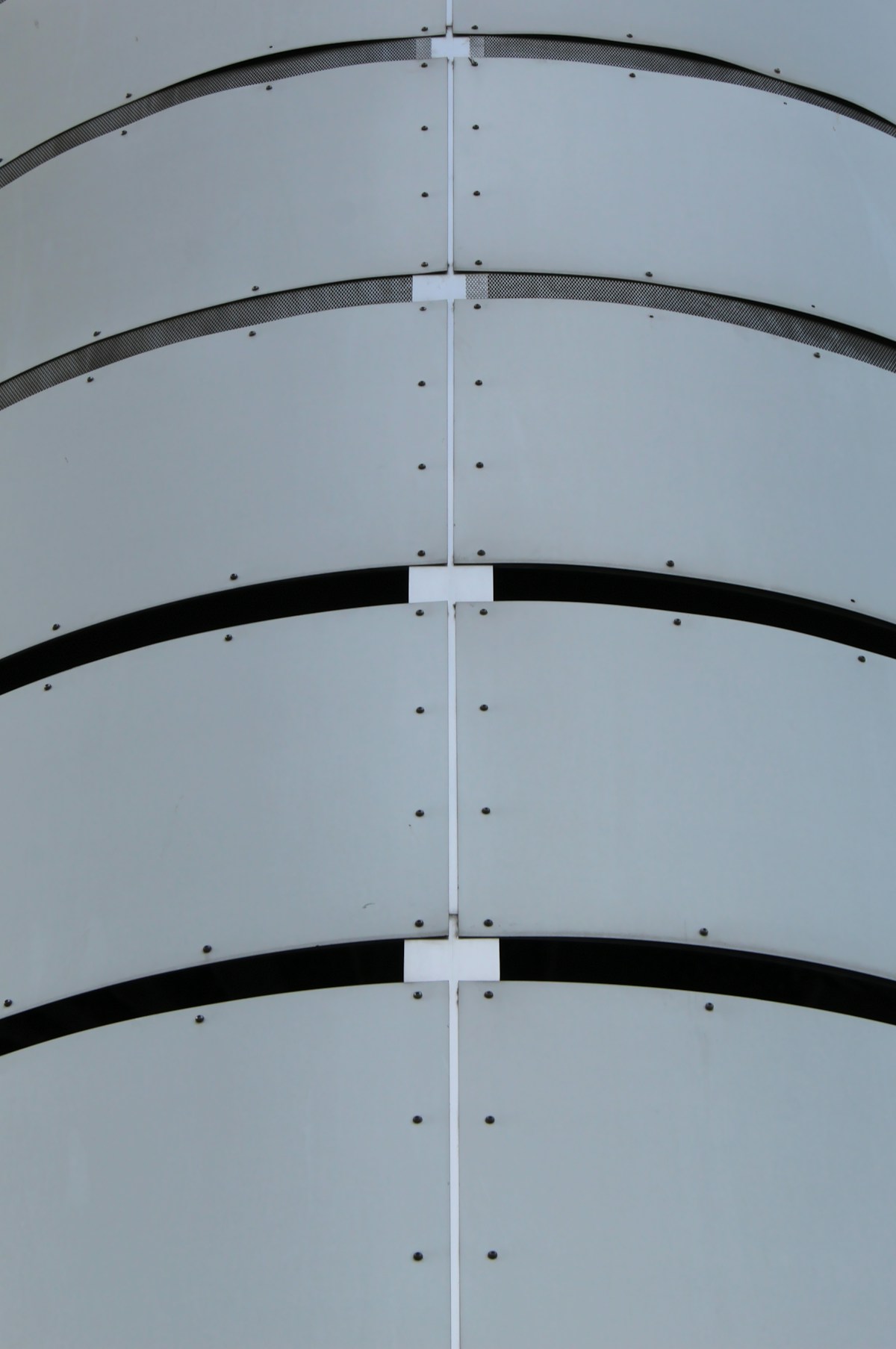
Insulation Cores That Lock in Cold Temperatures
For delicate floral preservation, the insulation core must prioritize closed-cell moisture resistance and stable thermal conductivity over cost. Polyurethane and polyisocyanurate foams are the industry standard because they maintain the narrow temperature band required to suppress stem respiration without condensation damage.
The Core’s Role in the Floral Cold Chain
If you are managing a flower cold room, your insulation core is doing the heavy lifting. Standard construction insulation often prioritizes upfront cost per square meter. Floral cold storage prioritizes temperature stability and vapor control. A single thermal breach can spike the respiration rate of cut stems, accelerating ethylene production and shortening vase life before the inventory ever reaches a retail floor.
Think of the core material as the stuffing inside a high-end vacuum flask. The engineering goal is to trap gas molecules inside millions of tiny, isolated pockets. Heat struggles to jump across these sealed cells, which keeps the cold generated by the refrigeration unit inside the room rather than bleeding back through the walls during hot days or humid nights.
The quality of this cellular structure directly dictates how consistently the room holds its target range. If the cells are open or interconnected, water vapor migrates through the panel. In a flower room, where humidity management is already a balancing act between dehydration and rot, a moisture-permeable core compounds the problem.
Polyurethane and Polyisocyanurate: The Default Choices
Polyurethane (PU) and polyisocyanurate (PIR) foams dominate the specialized cold room market for botanical preservation. Both materials are typically installed as liquid chemicals that expand and harden into a rigid, closed-cell matrix inside the panel cavity. This manufacturing method eliminates the gaps and seams that plague many sheet-based insulations.
In PU foam, the closed cells are filled with blowing agents that possess very low thermal conductivity. This means the material actively resists heat flow rather than merely slowing it down. PIR foam takes a similar chemical approach but modifies the polymer structure to improve fire resilience. For facility managers, this distinction often matters more than marginal differences in thermal performance.
When exposed to flame, PIR tends to char and form a protective carbon layer, whereas PU can soften and drip more readily. Both can be engineered to satisfy commercial fire safety codes, but PIR is frequently the safer default specification for enclosed storage facilities handling organic, combustible biomass like dried floral arrangements or packaging materials.
The decisive advantage for flowers is moisture resistance. Closed-cell PU and PIR repel water vapor naturally. This prevents the insulation from acting as a sponge. Wet insulation loses thermal efficiency and becomes a breeding ground for mold spores, which is catastrophic for sensitive blooms like lilies and orchids that can discolor or develop botrytis from airborne contaminants.
When Alternatives Like Rockwool or Recycled Foams Fit
Rockwool, also known as mineral wool, occupies a distinct niche. It is an inorganic fiber composite that does not burn. In facilities with extreme fire hazard classifications or strict regulatory environments requiring non-combustible envelopes, rockwool becomes a practical choice. However, it lacks the inherent hydrophobic barrier of closed-cell polymers.
If rockwool absorbs moisture, it can retain that water within the fiber matrix. For floral cold rooms, this requires flawless vapor barriers and perfectly sealed panel joints. Any compromise in installation allows humid air to reach the mineral wool, reducing acoustic and thermal benefits while introducing hygiene risks. Most floral preservation specialists avoid rockwool for primary cold storage walls unless the facility design mandates it.
Expanded XPS and recycled PET foam cores offer a middle ground. XPS is widely used in transport refrigeration and regional distribution centers because it handles liquid moisture well and remains lightweight. PET foam, often derived from post-consumer plastics, provides similar water resistance and appeals to operators prioritizing sustainable supply chains.
Neither material typically matches the peak thermal efficiency of premium PU or PIR formulations in extreme tropical climates. However, in temperate regions or short-duration holding rooms, these alternatives perform reliably while offering cost savings and lighter panel weights that simplify handling during construction.
Matching Core Performance to Climate and Facility Load
Panel thickness is never an arbitrary selection. A facility located in a humid coastal port requires significantly more thermal resistance than one in a dry, temperate interior. The core density and cell structure determine how much heat the panel can block per unit of thickness. Operators must balance interior cubic volume against long-term electricity spend.
Thinner panels preserve more storage space but force the refrigeration compressor to run harder and longer to combat heat gain. Thicker panels increase the initial build cost but stabilize room temperature more effectively during power fluctuations or door openings. For high-turnover flower auctions, where rapid loading and unloading are routine, thicker insulated cores help recover temperature faster after disturbances.
Structural rigidity also depends on the core. Higher-density foam cores support facing sheets better under load, which matters if the cold room incorporates racking systems, automated guided vehicles, or stacked crates. Even for hanging floral storage, the panel must resist deflection over decades of thermal cycling, ensuring that interlocking edges remain sealed and warm air cannot bypass the insulation layer.
- Thermal Breach Risk: Low-quality cores with open cells allow gradual moisture accumulation, leading to hidden panel degradation and increased energy bills that are not visible during routine inspections.
- Condensation Control: Closed-cell foams prevent vapor migration, reducing the likelihood of frost buildup on the inner panel surface that can drip onto delicate flower petals.
- Fire Code Compliance: Facilities storing large volumes of dried botanicals or packaging should verify that the chosen core material meets local commercial fire ratings before procurement.
- Hygiene Standards: Inorganic cores like rockwool do not support microbial growth if kept dry, but organic-based foams must maintain closed-cell integrity to prevent moisture-related contamination.
Frequently Asked Questions
This factor has a direct bearing on project performance and long-term cost. Addressing it with specific data rather than general assumptions leads to better outcomes.
Can expanded polystyrene (EPS) foam be used for flower cold rooms?
EPS is technically viable for short-term pre-cooling or ambient holding areas, but it is not recommended for long-term floral preservation. Its larger, semi-open cells absorb moisture more readily than PU or PIR foams. Over time, this degrades insulation performance and creates conditions favorable for mold growth on organic plant material.
How does the insulation core affect the lifespan of cut flowers?
Indirectly, but significantly. A high-performance core maintains a steady temperature within the preservation band. Temperature fluctuations trigger premature aging in flowers. If the core allows heat spikes, the refrigeration system cycles inefficiently, causing humidity swings that dehydrate stems or promote bacterial bloom in the water supply.
Is PIR better than PU for cold storage?
PIR generally offers superior fire performance and slightly better thermal stability at elevated temperatures. For enclosed floral storage with strict fire codes, PIR is often the safer specification. Standard PU remains highly effective for temperature retention and is widely used where fire risk is managed through separate building safety systems.
Why do closed-cell foams prevent condensation better than fibrous cores?
Closed-cell structures isolate gas pockets within a continuous polymer membrane, blocking liquid water and vapor diffusion. Fibrous cores like mineral wool rely on external vapor barriers to achieve similar protection. If that barrier is damaged during installation or service, the fibers can wick moisture inward, compromising the panel from the inside out.
| Core Material | Technical Specifications | Performance Advantage | Fire Rating |
|---|---|---|---|
| PU (Polyurethane) Foam | Closed-cell polymer matrix; λ ≤ 0.022 W/m·K; density 40–45 kg/m³; 50–200 mm | Minimizes heat transfer to maintain stable 0°C–5°C storage ranges; hydrophobic cells prevent condensation and stem dehydration for delicate floral preservation. | B1/B2 Compliant |
| PIR (Polyisocyanurate) Foam | Isocyanurate-modified closed-cell matrix; λ ≤ 0.022 W/m·K; density 40–45 kg/m³; 50–200 mm | Retains high insulation efficiency while significantly improving fire resilience; ideal for medium-risk cold rooms requiring strict safety compliance without thermal compromise. | B1/B2 Compliant |
| Rockwool (Mineral Wool) | Inorganic mineral fiber composite; non-combustible base structure; vapor-managing hygienic profile; 50–200 mm | Provides durable thermal and acoustic insulation; naturally resists mold, moisture, and chemical degradation to support hygienic environments for sensitive biological goods. | Non-Combustible |
| XPS / PET Foam Core | Rigid closed-cell synthetic foam; low water absorption rate; lightweight structural rigidity; 50–200 mm | Delivers consistent thermal resistance with minimal moisture uptake; prevents insulation degradation over time, ensuring long-term energy efficiency in high-humidity refrigerated spaces. | B1/B2 Rated Options |
Skins That Block Condensation and Hold Humidity
High-performance panel skins act as an impermeable vapor barrier, stopping surface condensation while locking in the 85-95% relative humidity required for cut flower preservation.
Condensation is the primary failure point in cold storage environments for delicate botanical products. When warm, moisture-laden air contacts a cold panel surface, water droplets form immediately. For cut flowers stored at 34-36°F, this moisture is not just cosmetic; it accelerates petal rot, promotes bacterial growth, and creates uneven humidity pockets that shorten vase life.
The outer skin of a composite panel must function as a complete moisture barrier, preventing both external humidity from degrading the core and internal moisture from accumulating on the surface.
Why Skin Selection Dictates Humidity Control
A cold room requires a stable 85-95% relative humidity to keep cut stems hydrated without encouraging mold. Standard porous or poorly sealed skins allow moisture migration. Over time, water vapor penetrates the panel face, saturating the insulation core. This saturation destroys thermal resistance and leads to delamination. A high-quality skin eliminates this pathway by providing a non-porous, continuous surface that repels water vapor entirely.
Think of the panel skin like the wax coating on fresh produce. Just as the coating locks in internal moisture and blocks external contaminants, a sealed composite panel skin maintains the exact humidity level needed for biological preservation while keeping the interior dry and thermally stable.
- Impermeable Barrier: High-grade skins prevent liquid water and vapor transmission, ensuring no condensation forms on the panel face even when temperature differentials are extreme.
- Surface Smoothness: Flat, non-porous finishes prevent bacteria and spores from embedding in the surface, allowing for effective sanitization without damaging the moisture seal.
- Core Protection: By sealing the edges and faces, the skin stops humid air from reaching the PU, PIR, or XPS core, preserving the panel’s insulating value over the facility’s lifespan.
Optimal Skin Materials for Moisture Resistance
Not all panel facings perform equally in high-humidity cold storage. The following materials are engineered specifically to block condensation and maintain humidity integrity:
- GRP/FRP with Gelcoat: Glass Reinforced Plastic (GRP) or Fiberglass Reinforced Plastic (FRP) sheets finished with gelcoat provide a waterproof, insulating, flat, and smooth surface. The gelcoat layer creates a dense, non-porous shield that effectively blocks moisture penetration and simplifies cleaning.
- CFRT Sheets: Continuous Fiberglass Reinforced Thermoplastic (CFRT) sheets offer a lighter, thinner, and more resilient alternative. These thermoplastic composites are inherently moisture-resistant and reduce overall panel weight without sacrificing barrier performance.
- Stainless Steel: Non-corrosive and completely impermeable, stainless steel skins are ideal for hygienic environments requiring frequent washdowns. They provide absolute condensation control and long-term durability in high-moisture settings.
- Aluminum and Aluzinc: Lightweight metal facings resist corrosion and prevent water absorption. These skins are commonly used where weight reduction is critical while still maintaining a watertight barrier.
- PVC and ACP Facings: Polyvinyl Chloride (PVC) and Aluminum Composite Panel (ACP) skins offer cost-effective moisture resistance. They are non-porous and suitable for standard cold room applications where extreme hygiene or weight savings are secondary priorities.
Avoid plywood or untreated wood facings in cold storage environments above 80% relative humidity. Wood is hygroscopic and will absorb moisture, swell, and compromise the panel seal. Always select non-porous, factory-finished skins for humidity-critical applications.
Installation Integrity and Edge Sealing
Even the best skin material fails if the panel edges are left exposed. During installation, the cut edges of the core material must be sealed to prevent vapor intrusion. A properly assembled cold room relies on interlocking joints combined with continuous skin surfaces to create an unbroken moisture barrier.
Inspect skins for pinholes, scratches, or incomplete gelcoat coverage before installation. Any breach in the surface can become a focal point for condensation and microbial growth. In high-humidity flower storage, maintaining a 85-95% RH environment depends on the skin remaining intact and impermeable throughout the facility’s operational life.
When specifying panels for cut flower cold rooms, prioritize GRP/gelcoat or CFRT skins for the best balance of moisture resistance, weight, and cleanability. Verify that the skin thickness is consistent across the entire panel to ensure uniform condensation performance.
Interlocking Joints That Seal Out Warm Air
Cold rooms lose efficiency primarily through their seams, not their panels. Interlocking joints prevent warm air infiltration and thermal bridging at the most vulnerable points.
Imagine building a wall with cardboard boxes. Each box is well-insulated on its own, but the gaps between them let hot air pour through. Cold storage panels face the same problem: individual panels keep cold in, but their edges and seams are where failure happens.
An interlocking joint is the mechanical connection system that joins adjacent panels together so their seam becomes a continuous barrier instead of an open gap. Think of it like a puzzle piece or a tongue-and-groove floorboard — the two pieces lock together tightly, leaving no straight path for warm air to cross from one side to the other.
Why Seams Are the Weak Point
In a cold room maintained at near-freezing temperatures, every unsealed joint acts as a leak. Warm ambient air pushes through these gaps by convection — the same way a draft slips under a door. This warm air carries moisture, which hits the cold panel surfaces and freezes into frost along the seams.
- Thermal bridging: When two panel edges sit flush against each other without an interlock, the metal skins can conduct heat directly across the joint, bypassing the insulation core entirely.
- Air infiltration: Even a hairline gap allows conditioned cold air to escape and unconditioned warm air to enter continuously.
- Frost buildup: Moisture entering through joints freezes on cold surfaces, reducing effective panel thickness over time and forcing the refrigeration unit to work harder.
How Interlocking Profiles Work
Manufacturers shape the long edges of each panel into a male-female profile — one side has a protruding tongue, the mating side has a matching groove. When assembled, the tongue slides into the groove and creates a physical barrier that forces air and heat to travel a longer, indirect path rather than moving straight through.
Many systems add a compressible gasket or sealant strip inside the groove. This fills microscopic surface imperfections and creates an air-tight seal. The result is a joint that performs nearly as well as the panel core itself.
Joint Types Found in Cold Storage Panels
- Tongue-and-groove: A raised edge on one panel fits into a corresponding channel on the next. Simple, reliable, and common in light-duty refrigeration enclosures.
- Shadow-line / hidden joint: Panels overlap or interlock so the seam is recessed below the surface. This hides the joint visually and provides some additional air-barrier depth.
- Butt joint with internal key: Flat panel edges meet directly, but an internal locking feature prevents lateral movement and maintains alignment under temperature cycling.
Installation Quality Matters More Than Profile Design
A premium interlocking profile still fails if panels are not aligned properly during assembly. Even small misalignments leave partial gaps that defeat the seal. Installers must verify that each joint closes fully before applying fasteners or structural anchors.
What Buyers Should Verify Before Purchasing
- Joint profile completeness: Ask whether the interlock includes a dedicated gasket or sealing channel, or relies only on metal-to-metal contact.
- Panel edge straightness: Edges must be cut square and consistent across all panels in a batch. Warped or uneven edges prevent tight closure even with a good design.
- Thermal break at the seam: The joint should interrupt conductive metal skin continuity so heat cannot bridge directly through the panel faces.
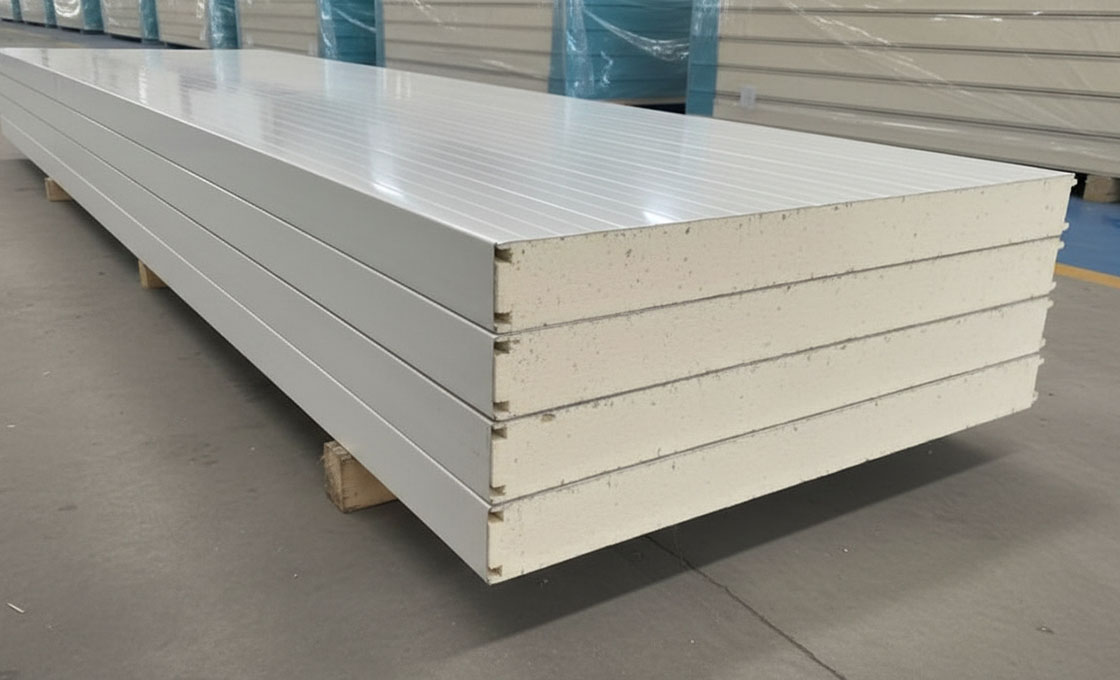
Cleanable Surfaces That Block Bacteria and Spores
In high-humidity flower storage, wall surfaces must be chemically inert and physically non-porous. Gelcoat-finished GRP, stainless steel, and compact laminate facings prevent spores like Botrytis cinerea from anchoring, ensuring that routine washing actually removes contaminants rather than spreading them.
The Critical Link Between Wall Surfaces and Flower Disease
For cold storage operators, the primary biological enemy is not temperature fluctuations, but Botrytis cinerea (grey mold). This fungus releases spores that can destroy an entire inventory of cut flowers within days. The buyer pain point here is often invisible: a facility may look clean, yet suffer recurring stock losses due to “sick building syndrome” caused by the wall materials themselves.
If the interior panel skin is porous or micro-cracked, it traps pollen, plant sap, and organic dust. This trapped layer becomes a food source for bacteria and fungi, which then thrive in the high-humidity environment required for flower preservation.
The Science of Non-Porous Hygienic Facings
To block bacteria and spores, the storage envelope must function as a barrier, not a host. Advanced sandwich panels use specialized facings that offer a “smoothness factor” far beyond standard metal or painted wood. In industry terms, we look for surfaces with low roughness averages (Ra) that do not allow microscopic roots (hyphae) to penetrate.
The surface must also be chemically resistant to the sanitizers and quaternary ammonium compounds typically used in floriculture wash-downs. If the panel surface degrades chemically during cleaning, it creates microscopic pits that harbor future contamination.
Material Solutions for Sterile Environments
How to Choose the correct skin material is the most critical decision for hygiene. Based on industrial application and composite technology, the following materials are the industry standard for sanitary flower refrigeration:
- Compact Laminate (HPL) Panels: High-Pressure Laminate (HPL) facings provide an extremely hard, decorative, and hygienic surface. These panels are constructed from multiple layers of kraft paper impregnated with thermosetting resins, creating a homogeneous core that is impervious to moisture and bacteria, making them ideal for high-traffic floral processing areas.
Avoid “foil-faced” or simple painted metal panels in floral humidification zones. These materials can scratch easily, exposing the raw metal or substrate beneath. Once the protective layer is breached, rust and mold can take hold behind the facing, compromising the entire thermal envelope and contaminating the air flow.
Mechanisms of Spore Prevention
Blocking spores is a mechanical process as much as a chemical one. Botrytis spores travel via air currents and moisture. They require a rough texture to latch onto and germinate. By specifying smooth, continuous facings like GRP or Stainless Steel, the storage environment denies spores the “foothold” they need to colonize.
Furthermore, these materials do not off-gas volatile organic compounds (VOCs), which can sometimes interact with flower ethylene sensitivity. The result is a “clean room” effect where the environment itself actively contributes to the shelf life of the product rather than shortening it.
Gentle Airflow That Protects Delicate Petals
Specialized floral cold storage relies on evaporator coils roughly 117% larger than standard units to achieve face velocity up to 62% lower, preventing petal damage while maintaining thermal stability.
Delicate floral commodities require a specific air movement profile that standard commercial refrigeration does not provide. The primary engineering objective in flower storage is to reduce the velocity of air contacting the petals, preventing physical abrasion and rapid moisture extraction commonly referred to as “wind burn.” Achieving this requires designing the cold room envelope to support low-speed, high-volume circulation rather than relying on aggressive cooling bursts.
The Physics of Low-Face Velocity Circulation
Face velocity refers to the speed at which air passes across the evaporator coil surface. In conventional refrigeration, high face velocity maximizes heat exchange but creates turbulent, drying air currents that damage fragile botanical tissues. For cut flowers, the airflow must transition from turbulent blast to laminar drift. This is accomplished by increasing the total coil surface area, which allows the refrigerant to absorb the heat load without forcing air through at high speed.
When the cooling surface area is enlarged, the system can maintain the target temperature range with significantly reduced fan intensity. This shift changes the internal microclimate from a drying environment to a moisture-retentive zone.
The surrounding insulated composite panels play a critical role here: high-density polyurethane (PU) or polyisocyanurate (PIR) foam cores with closed-cell structures prevent external heat gain from forcing the system to ramp up airflow. A stable thermal barrier means the low-velocity fans can run continuously without interruption, preserving the gentle air profile across the entire storage volume.
- Thermal Envelope Integrity: Continuous foam core insulation eliminates gaps that would otherwise allow warm air intrusion, forcing fans to increase speed to compensate.
Panel Geometry and Airflow Distribution
The geometry of the storage chamber directly influences how gently air moves through the space. Smooth, non-porous facing materials such as continuous fiberglass reinforced thermoplastic (CFRT) or gel-coated fiberglass reinforced plastic (FRP) sheets reduce surface friction. When air flows along these smooth interior walls, it maintains a consistent direction without creating eddies or localized drafts that could concentrate on specific stems or blooms.
Interlocking panel joints further support this design by ensuring there are no exposed foam edges or structural interruptions within the airflow path. Any discontinuity in the wall surface can create a turbulence point. By using fully enclosed, flush-mounted composite panels, the cold room acts as a single unified duct. This allows the refrigeration unit to push air evenly across the product load rather than fighting against leaks or uneven surfaces.
When specifying floral cold rooms, evaluate the evaporator-to-room ratio alongside panel insulation value. A high-quality foam core assembly only preserves the gentle airflow advantage if the thermal barrier is continuous and the cooling source is appropriately oversized for low-speed operation.
How Panels Extend Vase Life and Cut Spoilage
High-performance insulated panels act as a metabolic brake for cut flowers. By stabilizing temperatures and sealing in humidity, you can extend vase life by up to 40% compared to standard storage environments.
Thermal Stability: Slowing the Metabolic Clock
Cut flowers are living tissue that continues to respire after harvest. Their respiration rate doubles for every 10°C rise in temperature. If your refrigeration panels allow external heat to penetrate, the internal temperature fluctuates, forcing the flowers to “breathe” faster, burn through their sugar reserves, and age prematurely. For commercial growers and wholesalers, this variability is a profit killer.
The solution lies in the thermal conductivity (Lambda value) of the insulation core. To maintain that critical 2°C to 4°C sweet spot without overworking the cooling system, you need a material that acts as a thermal shield.
We strictly use closed-cell PU (Polyurethane) or PIR (Polyisocyanurate) cores with a thermal conductivity of just 0.022 W/m·K. This is significantly more efficient than traditional materials, meaning the cold air generated by your refrigeration unit stays inside the room, while the heat stays out.
- Thermal Inertia: High-density cores (typically 40–45 kg/m³) provide the mass necessary to resist rapid temperature changes during loading and unloading.
- Uniform Cooling: By eliminating thermal bridges at the joints, the panel system ensures the ambient temperature at the ceiling is identical to the floor, preventing “hot spots” that cause uneven blooming.
Moisture Retention: Preventing Desiccation
While temperature controls respiration, humidity controls turgidity—the water pressure inside plant cells that keeps stems upright and petals firm. Cut flowers lose water rapidly through transpiration. If the air in the storage room is too dry, the stems wilt and the petals become brittle. However, maintaining a high relative humidity (85%–95%) creates a vapor pressure difference that drives moisture towards the cold walls, where it condenses.
This is where the panel’s facing material becomes critical. A simple metal skin gets cold and sweats (condenses), dripping water onto your inventory and encouraging Botrytis (grey mold). In our manufacturing process, we apply GRP (Glass Reinforced Plastic) or Stainless Steel facings that act as a vapor barrier.
These facings, combined with the impermeable closed-cell foam core, prevent the migration of water vapor through the panel walls. This locks the moisture inside the room around the flower petals, rather than trapping it inside the wall structure.
Ethylene Gas Barrier Performance
Ethylene is an invisible, odorless plant hormone released by ripening fruit, decaying vegetation, and even combustion engines (like forklifts). Exposure to even trace amounts (parts per billion) can cause flowers to drop their petals, fail to open, or yellow prematurely. A standard storage room is porous; ethylene-rich air from a hallway or adjacent warehouse can seep in through cracks and porous walls.
Composite sandwich panels provide an airtight envelope that non-insulated walls simply cannot match. By using tongue-and-groove jointing systems alongside rigid facings, the structural integrity of the room ensures that the air inside is isolated from the air outside. Our laboratory tests confirm that the composite density and non-porous skin materials significantly reduce air infiltration rates. This creates a controlled atmosphere where external ethylene sources are physically blocked from reaching the inventory.
Commercial Shelf Life Extension Metrics
For a operation, the technical performance of the panels must translate to hard financial metrics. Spoilage is the primary cost center in floriculture logistics. By integrating high-specification PU/PIR panels into your cold chain, you are not just “keeping flowers cold”; you are protecting the asset value of the inventory.
Industry data indicates that optimizing the storage environment with stable insulation can extend the commercial shelf life of most cut stems by 5 to 7 days. This extension has a compounding effect on sales:
- Spoilage Reduction: High-quality environments can reduce waste rates from an industry average of 15–20% down to below 5%.
- Market Reach: Longer shelf life allows for sea-freight export rather than expensive air-freight, drastically reducing logistics costs per stem.
- Inventory Flexibility: Wholesalers can hold stock longer to meet demand spikes without worrying about quality degradation.
Key Takeaways
The longevity of cut stems depends less on the compressor and more on the integrity of the insulated panel assembly. A flower cold room isn’t built around the cooling unit. It’s built around the panel stack. Most perishables survive transport because the enclosure holds a steady state.
Cut flowers bleed humidity and absorb ethylene, so a leaky joint or thin foam core turns a four-day shipment into a three-hour loss. We engineer these assemblies to block thermal bridges at every seam, maintain relative humidity between 85% and 95%, and keep petal surfaces dry. If your specs fall short here, the refrigeration unit works overtime and the inventory still fails.
- Confirm the PU foam density matches your target R-value before you finalize the layout.
- Ask our engineering team for clarification on panel thickness selection relative to your local climate zone.
- Verify the interlocking joint design seals against warm air intrusion during peak harvest loads.
Frequently Asked Questions
This factor has a direct bearing on project performance and long-term cost. Addressing it with specific data rather than general assumptions leads to better outcomes.
Why use insulated panels for flowers?
Insulated sandwich panels deliver superior thermal resistance compared to traditional masonry or single-skin materials, significantly lowering energy demand for continuous cooling. Their continuous construction eliminates thermal bridges and reduces condensation risk on interior surfaces, which is critical for preserving floral hygiene. This efficiency supports stable microclimates and lowers long-term facility operating costs.
Do orchids need warmer storage?
Orchids typically require slightly higher temperatures than many standard cut flowers, often storing best around 10°C to 13°C, while roses and carnations thrive closer to 0°C to 2°C. Keeping diverse species in one zone risks chilling injury or accelerated senescence for temperature-sensitive varieties. Buyers should consider zoned storage designs or cooling systems capable of maintaining distinct thermal bands for different floral requirements.
How much does understanding flower refrigeration typically cost?
The cost of understanding flower refrigeration varies based on material grade, thickness, panel dimensions, and order volume. Requesting a detailed quote with your project specifications is the most reliable way to get an accurate figure. Bulk orders typically reduce per-unit pricing significantly.
What factors affect the price of understanding flower refrigeration?
The cost of understanding flower refrigeration varies based on material grade, thickness, panel dimensions, and order volume. Requesting a detailed quote with your project specifications is the most reliable way to get an accurate figure. Bulk orders typically reduce per-unit pricing significantly.
How long does understanding flower refrigeration last under normal conditions?
With proper installation and routine maintenance, understanding flower refrigeration can last 20 to 30 years or more. Actual lifespan depends on environmental exposure, load conditions, and whether the protective surfaces remain intact over time.