
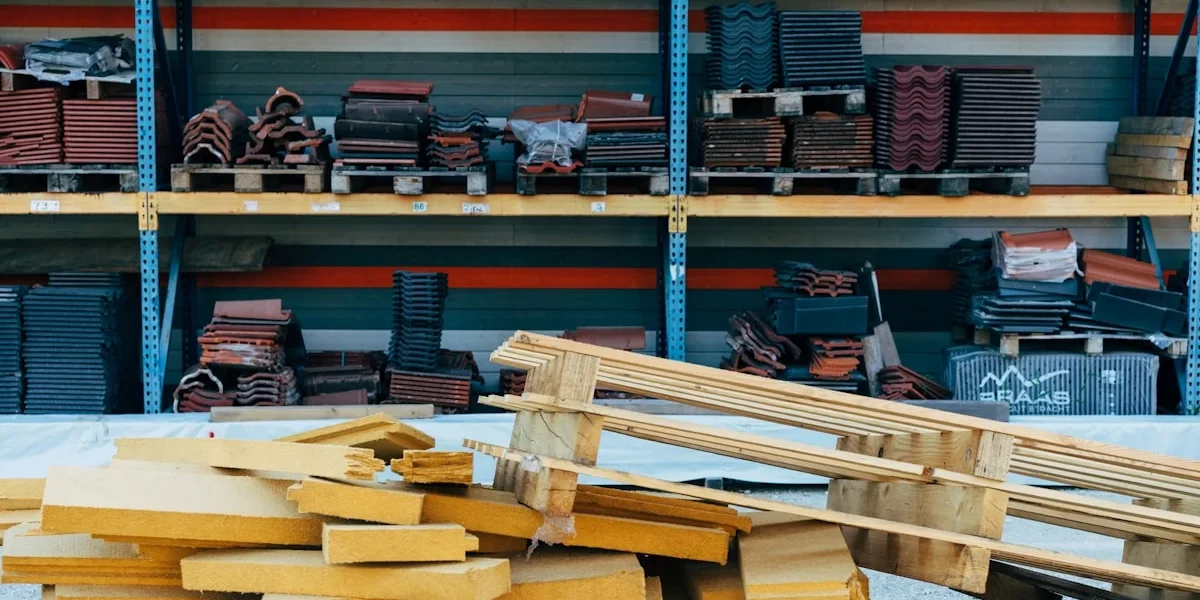
You know the roof won’t fail if you install it right, but your supply chain can still sink the project before a single shingle goes down. A roofing supplier isn’t just a vendor—they’re part of your delivery schedule and quality control, yet most procurement officers treat them like a commodity line item. Roofing Suppliers who specialize in commercial insulated panels often carry technical data sheets that show R-value performance under load conditions, not just price per square foot.
This guide covers how to qualify for trade accounts without getting stuck on minimum order thresholds, calculate exact material needs to avoid over-ordering or shortages, and vet suppliers based on delivery reliability rather than just catalog depth. We also walk through setting up credit accounts with regional distributors who serve large-scale projects across multiple sites.
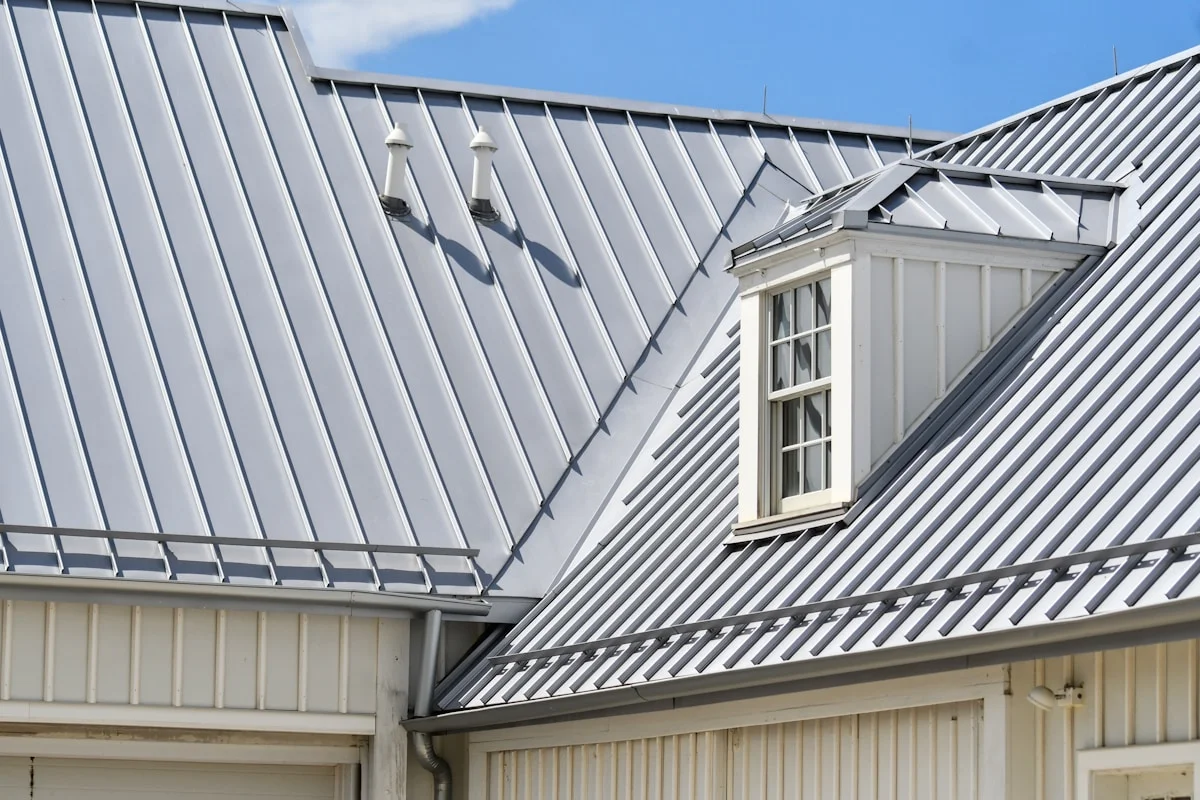
Different Types of Roofing Suppliers
Key Takeaways: Manufacturers offer customization and engineering support (R&D), while distributors prioritize inventory speed and logistics. For specialized needs like RV roofing or composite panels, integrated manufacturers provide essential technical validation that standard inventory suppliers cannot match.
Manufacturer vs. Distributor Roles
Understanding the distinction between a manufacturer and a distributor is the first step in optimizing your supply chain. A manufacturer is the entity that physically produces the materials. They control the raw materials, the production machinery, and the technical specifications. In contrast, a distributor acts as a logistics intermediary, purchasing goods in bulk from manufacturers to stock in warehouses for rapid resale.
For standard commodity items like fasteners or generic lumber, a distributor is often sufficient to keep your project moving. However, when your project requires specific performance characteristics—such as a particular fire rating or thermal insulation value—the distributor’s role becomes limited. They are typically bound to existing inventory and lack the authority to alter the product’s engineering.
We operate as a manufacturer because we believe that true efficiency comes from controlling the entire production line, allowing us to adjust raw material combinations to meet exact project demands rather than forcing a client to adapt to a stock item.
Composite Panel Supplier Specialization
Composite panels are not generic building materials; they are engineered systems. A specialized supplier in this category must possess deep knowledge of both the core materials (such as XPS, PET, PU, or PMI foam) and the skin facings (like GRP, FRP, or aluminum). The interaction between the core and the skin dictates the panel’s structural integrity, so a supplier who treats these as interchangeable components without understanding the physics creates significant liability for your project.
Specialized manufacturers engage in experimental testing to validate specific configurations. Unlike generic suppliers who rely on standardized “one-size-fits-all” data sheets, specialized partners frequently create thinner panels that still meet rigorous code compliance. This level of specificity requires in-house R&D capabilities. If you are procuring composite materials for high-performance environments, you need a partner who can verify the bond strength and thermal conductivity of the specific core-skin combination you are purchasing, not just a vendor who can move pallets.
RV and Mobile Home Roofing Vendors
The recreational vehicle (RV) and mobile home sectors have unique constraints that differ significantly from static construction. The primary driver here is weight reduction without sacrificing structural strength. Roofing vendors in this niche must specialize in lightweight solutions, such as fiberglass honeycomb panels or foam core sandwich panels, which offer high strength-to-weight ratios compared to traditional plywood or metal sheeting.
- Weight Sensitivity: Vendors must provide materials that reduce overall vehicle weight to improve fuel efficiency and payload capacity.
- Water Resistance: Unlike a sloped residential roof, mobile roofing is often subject to driving rain and vibration while in transit, requiring superior waterproofing properties found in GRP/FRP sheets with gelcoat finishes.
- Customization: These vendors often need to supply pre-cut or fully assembled kits (CKD) to streamline the manufacturing line for RV builders.
When sourcing for this market, ensure your vendor understands the “light and strong” mandate. Our experience in supplying RV solutions has shown that switching from traditional materials to advanced composites like CFRT (Continuous Fiber Reinforced Thermoplastic) can significantly enhance durability while reducing the thickness of the roof assembly. This is a specialized capability that general building material suppliers simply cannot offer.
| Supplier Category | R&D and Design Depth | Material Customization Scope | Quality Control Standards | Engineering System Integration |
|---|---|---|---|---|
| Standard Material Distributors | Reliance on external manufacturer specifications | Restricted to standard inventory and sizes | Verification of existing documentation | Basic product specification support |
| General Trade Importers | Limited technical modification capabilities | Dependent on third-party factory schedules | Variable compliance across supply chains | Focus on logistics rather than technical validation |
| Integrated System Manufacturers | Fully customized core and skin combinations | Class A fire-rated | Integrated assembly validation and system design |

Qualifying for a Trade Account
Trade accounts are reserved for verified business entities capable of bulk purchasing. Expect to provide legal documentation and meet production minimums to Access factory-direct pricing.
Trade Account Eligibility Requirements
Opening a trade account with a composite panel manufacturer is not the same as creating a retail membership. Manufacturers prioritize partners who demonstrate business stability and the potential for long-term volume. To qualify, your entity must typically be a registered business rather than an individual consumer or hobbyist. Eligible entities usually include general contractors, RV manufacturers, truck body builders, distributors, and material wholesalers.
The primary gatekeeper here is your intent to use the materials for commercial fabrication or resale, not for personal renovation projects. Suppliers will look for a valid business scope that aligns with their products, ensuring that the technical support they provide—such as engineering for Structural Insulated Panels (SIPs)—is utilized by professionals who understand structural load requirements.
Business Verification Documentation
Before granting access to dealer pricing or credit terms, suppliers must validate your legitimacy to protect their supply chain. This process is rigorous; you cannot simply claim to be a business. You must be prepared to submit specific documentation that proves your operational status.
Standard requirements include a copy of your Business License or Certificate of Incorporation, which verifies your legal entity name and registration number. Additionally, a Tax ID or VAT registration number is almost always mandatory to ensure compliance with international trade regulations and tax laws.
- Website or Catalog: Digital evidence that you are actively selling or manufacturing in the relevant industry.
Suppliers will request specific documentation to confirm your business is operational and legitimate. The following list outlines the key documents typically required:
Incomplete documentation remains the primary cause of delay in account activation. We verify these details carefully because our rigorous processes and 24-hour support services are designed for professional operations, not casual buyers.
Minimum Order Quantity Thresholds
The most significant barrier for new applicants is often the Minimum Order Quantity (MOQ). Manufacturing composite panels involves calibrating heavy machinery for specific core materials—such as XPS, PET, or PU foam—and skin facings like GRP or aluminum. It is inefficient and cost-prohibitive for a factory to set up a production line for a handful of panels.
thus, trade pricing is contingent upon ordering in volumes that justify the production setup and logistics. For international trade, this typically means ordering by the Full Container Load (FCL), such as a 20ft or 40ft container, to optimize shipping costs per unit.
At our facility, where daily production capacity exceeds 1,700 square meters, we focus on partners who can absorb significant inventory. While we occasionally accommodate smaller pilot runs for new product testing, standard trade accounts are expected to meet volume thresholds that ensure the landed cost remains competitive. If your project cannot meet these MOQs, you may be restricted to purchasing through local distributors who buy in bulk from manufacturers like us, rather than dealing factory-direct.
When applying, lead with your estimated annual volume. Suppliers are more flexible with documentation requirements if they see a high-potential revenue stream on the horizon.
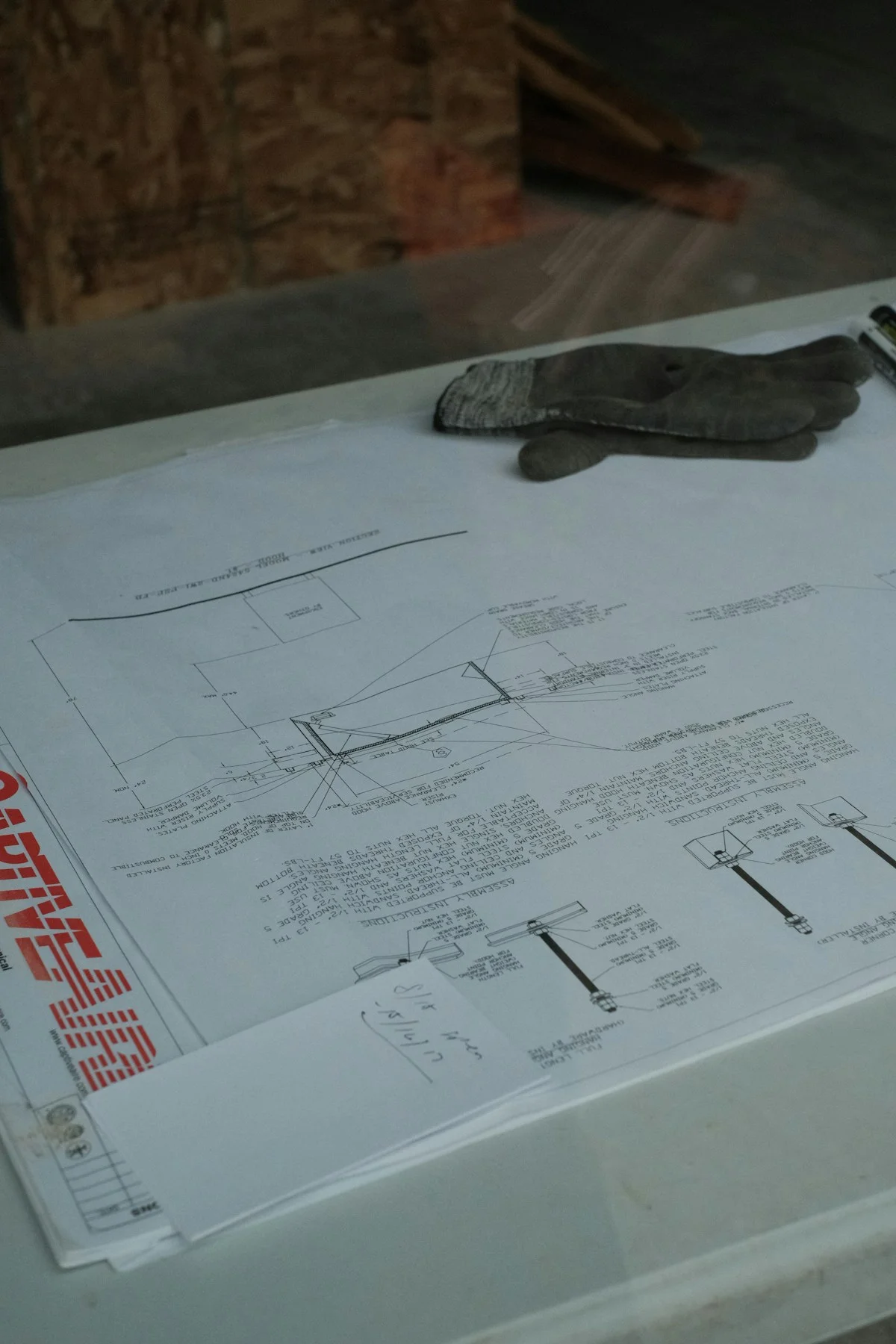
Calculate Your Project Material Needs
Accurate material calculation prevents budget overruns and supply chain delays by aligning panel dimensions, core densities, and facing thicknesses with project load requirements.
Avoiding Budget Overruns Through Precise Quantity Planning
Budget overruns frequently stem from inaccurate material estimation during installation planning. A critical financial risk arises from the failure to define core density specifications, creating a gap between technical requirements and material costs.
If the specific core density required for load compliance is not established, estimates may reflect generic or lower-cost materials that are structurally insufficient, leading to expensive reorders of higher-density panels. These technical discrepancies result in expedited shipping fees and project delays, emphasizing the need for precise specification alignment before procurement.
To mitigate these risks, professionals should calculate the total surface area to be covered and multiply it by the specific panel dimensions (length x width) required for their design.
For instance, if using sandwich panels with an 8-foot width and 24-foot length covering 10,000 square feet, the base quantity is roughly 52 panels. Adding a 10% safety buffer brings the order to approximately 58 panels. This method ensures that sufficient material is available without tying up excessive capital in unused inventory.
Selecting Core Materials Based on Technical Specifications
The choice between different core materials directly impacts both the structural performance and cost-effectiveness of a composite panel solution. Each type offers distinct mechanical properties suited to specific applications:
- XPS Foam: Provides excellent moisture resistance and compressive strength, ideal for roofing systems exposed to weather elements.
- PET Foam: Offers high thermal insulation with low water absorption, suitable for energy-efficient building envelopes.
- PU Foam: Delivers superior insulation values per inch, maximizing space efficiency in confined architectural designs.
- PVC Foam: Combines lightweight characteristics with strong chemical resistance, beneficial for industrial environments where corrosion protection is necessary.
- Honeycomb Cores (PP, Fiberglass, Carbon Fiber): Deliver exceptional stiffness-to-weight ratios, making them perfect for weight-sensitive applications like RVs, mobile homes, and aerospace components.
Determining Facing Thickness for Durability Requirements
Facing thickness plays a crucial role in determining how well a composite panel withstands physical stress over time. Thicker facings generally provide better impact resistance and longevity but may increase overall weight and cost. For residential roofing, aluminum sheets ranging from 0.3mm to 0.5mm typically offer adequate durability while maintaining manageable weight levels. In contrast, commercial structures or heavy-duty transportation units might require steel facings measuring at least 0.7mm to support higher loads and resist deformation under extreme conditions.
When selecting facing materials, consider environmental factors such as UV exposure levels, temperature fluctuations, and potential contact with corrosive substances. Panels equipped with gel-coated fiberglass surfaces, for example, resist degradation better than unprotected metal options when installed outdoors in regions prone to harsh sunlight or saltwater spray.
Example Calculation Scenario
Consider a contractor tasked with constructing an insulated roof system covering 5,000 square feet using GRP/FRP sandwich panels featuring PU foam cores and aluminum facings. They begin by calculating the number of standard-sized panels needed based on their chosen dimensions—say each panel measures 4 feet wide by 8 feet long, yielding 32 square feet per unit.
Dividing the total area (5,000 sq ft) by individual panel size (32 sq ft) gives 156.25 units, requiring rounding up to 157 panels initially. Applying a conservative 10% waste factor adds another 16 units, bringing the final order count to 173 panels.
This exercise highlights why meticulous planning reduces material wastage and avoids last-minute scrambles for additional supplies—a critical advantage when working tight budgets or against aggressive deadlines common in construction industries.

Finding Local and Regional Suppliers
Locating a reliable local or regional supplier for composite roofing panels is one of the most critical logistical decisions in construction and manufacturing supply chains. For roofing contractors, vehicle fabricators, and mobile home builders, proximity to the source directly impacts project timelines, material integrity during transit, and overall cost efficiency.
When searching for regional vendors, prioritize those capable of providing detailed material certifications such as fire resistance ratings (e.g., Class A) and structural load capacities specific to your geographic climate zone.
Regional suppliers often offer faster turnaround times for samples and technical support compared to international manufacturers. To evaluate potential partners, request documentation regarding their standard delivery windows, typically ranging from 5 to 15 business days for stocked items. Additionally, inquire about minimum order quantities (MOQs), which may vary significantly between distributors specializing in commercial projects versus smaller hardware retailers focused on residential sales.
- Core Material Availability: Ensure the vendor stocks essential cores including XPS, PET, PU, PVC, PMI, EPP, and MPP foams as specified by engineering requirements.
- Facing Options: Confirm access to appropriate facings such as GRP/FRP, CFRT, Aluminum, Steel, Plywood, Stainless Steel, or Aluzinc depending on environmental exposure needs.
- Technical Support Capability: Select providers who can assist with installation guidance and design validation before committing to bulk purchases.
When establishing relationships with regional distributors, clarify whether they handle logistics internally or rely on third-party carriers, since improper handling during transport can compromise panel integrity—especially for lightweight structures where even minor damage affects performance metrics. Furthermore, assess their ability to accommodate urgent reorder requests without sacrificing quality control standards, ensuring consistent material properties across multiple shipments for large-scale projects spanning several months.
Vetting Your Potential Suppliers
This factor has a direct bearing on project performance and long-term cost. Addressing it with specific data rather than general assumptions leads to better outcomes.
Assessing Supplier Reliability and Inventory Depth
In the commercial construction supply chain, reliability is not merely a promise—it is a verifiable metric backed by production capacity and logistical infrastructure. A critical indicator of supplier capability is their manufacturing footprint; for instance, facilities with an advanced composite panel production line capable of exceeding 1,700 square meters of daily output demonstrate a level of scalability that ensures they can absorb large volume orders without compromising on schedule.
This scale allows manufacturers to maintain robust inventory buffers of core materials such as PMI Foam, XPS Foam, PET Foam, PU Foam, PVC Foam, PP Honeycomb, Aramid Honeycomb, and PC Honeycomb, ensuring that even complex custom specifications involving CFRT or GRP sandwich panels can be fulfilled during peak demand periods.
Beyond physical capacity, reliable suppliers must exhibit operational transparency throughout the order lifecycle. Buyers should expect real-time visibility into production progress, from raw material sourcing through quality control checks like gelcoat application on FRP sheets or structural testing of aluminum honeycomb assemblies.
Effective communication protocols—including multilingual support for international clients across Europe, North America, Southeast Asia, and the Middle East—are essential for mitigating risks associated with transportation delays or specification mismatches. A supplier that offers 24-hour one-to-one service demonstrates readiness to address urgent issues before they escalate into project-threatening bottlenecks.
📋 Vetting Checklist for Composite Panel Suppliers
- Step 1: Request proof of facility size and production capacity metrics (e.g., m²/day).
- Step 2: Verify availability of certified test reports for key properties: fire rating (Class A), air leakage rates, and R-value comparisons versus traditional framing methods.
- Step 3: Confirm language support coverage and response time guarantees for technical inquiries post-sale.
- Step 4: Ask for references from similar projects in your region or sector (RV, marine, mobile home, etc.) to assess field performance history.
- Step 5: Evaluate flexibility in customization options—for example, whether they offer tailored facing combinations like Aluzinc + PMI foam for enhanced corrosion resistance in coastal environments.
| Feature | Specification | Advantage |
|---|---|---|
| Core Material Options | PMI, XPS, PET, PU, PVC, PP Honeycomb, Aramid, PC | Customizable for strength, weight, and thermal performance |
| Facing Materials | GRP/FRP, CFRT, Aluminum, Steel, Plywood, Stainless Steel, Aluzinc | Enhanced durability, corrosion resistance, and aesthetic flexibility |
| Fire Rating | Class A (SIPs) | Superior fire safety compliance for commercial construction |
| Thermal Performance | 47% higher whole-wall R-value vs. stick framing | Significant energy reduction and HVAC right-sizing |
| Airtightness | 15x tighter than traditional framing | Improved efficiency and moisture intrusion prevention |

Request Accurate Price Quotes
Accurate quoting requires detailed specifications rather than generic requests to prevent budget overruns from hidden logistics or material variances.
Defining Scope for Cost Predictability
“Vague quote requests lacking precise technical definitions often trigger unexpected cost escalations. The most common source of budget overruns in composite panel projects is the failure to define core density and facing thickness at the outset of a request for quotation.
Industry-standard sandwich panels vary significantly in price depending on whether they use PMI foam cores versus standard XPS, or if the facing materials are specified as GRP/FRP with gelcoat versus bare thermoplastic sheets. To ensure an accurate cost estimate, buyers must specify exact dimensions in millimeters and total square meterage, as unit pricing scales differently for bulk orders compared to small prototype batches.”
When submitting a request for quotation, it is critical to differentiate between structural requirements and aesthetic finishes. For instance, a honeycomb panel using PP core material combined with fiberglass sheeting offers a specific strength-to-weight ratio that commands a different price point than a solid aluminum foam core panel.
Omitting details such as fire-resistance ratings or waterproof sealing treatments often results in change order fees later, which can increase the final project cost by 15% to 20%. Providing a complete technical data sheet along with the material list eliminates ambiguity during the supplier’s assessment phase.
Key Specifications Required for Valid Quotes
To receive a binding and accurate price quote, the following technical parameters must be communicated clearly to the supplier:
- Core Material Type: Specify the exact foam or honeycomb composition (e.g., PET Foam, PP Honeycomb, PMI Core) as thermal and structural properties directly dictate manufacturing costs.
- Facing Material & Thickness: Define the skin material (such as GRP, Aluminum, CFRP) and its gauge in millimeters, noting any special coatings like gelcoat for UV resistance or waterproofing.
- Panel Dimensions & Quantity: Provide total surface area in square meters and individual panel lengths/widths, as cutting waste and shipping volumetric weight affect the final landed cost.
- Performance Standards: Mention required certifications or testing standards (e.g., fire rating, water absorption percentage) to ensure the quoted product meets compliance needs without costly post-purchase modifications.
Setting Up Trade Accounts
Establishing a trade account with composite panel suppliers involves verifying business credentials and negotiating payment terms to streamline procurement for commercial projects.
A critical step in setting up a trade account is obtaining net-30 or net-60 payment terms, which allow businesses to pay after receiving an invoice rather than upfront. This requires submitting standard business documentation such as a company registration certificate, tax ID, proof of physical address, and bank details to the supplier’s accounts department.
Pro Tip: For high-volume buyers, request a credit limit increase during onboarding based on projected annual order values to ensure consistent supply without repeated approval delays.
📋 Account Setup Checklist
- Step 1: Submit verified business license and resale certificates (if applicable).
- Step 2: Specify preferred currency and payment method (wire transfer, letter of credit, or PayPal).
- Step 3: Confirm minimum order quantities (MOQs) and delivery lead times for net-term eligibility.
Industry-Specific Billing Considerations
When ordering composite panels for large-scale construction or manufacturing projects, billing structures often differ from standard retail purchases. Suppliers typically require purchase orders (POs) referencing specific product codes—for example, specifying “GRP Honeycomb Core Panel – 25mm Thickness – ACP Facing” rather than generic descriptions—to ensure accurate inventory tracking and invoicing.
Some manufacturers apply tiered pricing based on order volume, so establishing clear communication channels early can help optimize costs. Additionally, international buyers should clarify whether prices include freight charges (FOB, CIF, EXW terms), as this impacts total landed cost calculations for budgeting purposes.
Scheduling Your Material Delivery
With 75% of construction projects experiencing supply chain delays, precise material scheduling is not just administrative—it is critical for protecting project margins and timelines.
Aligning Drop-Offs with Installation Phases
The most efficient delivery strategy minimizes on-site storage requirements by synchronizing drop-offs with specific installation milestones. Rather than receiving a full project load of materials upfront, which can congest the site and increase the risk of damage, project managers should implement a phased delivery schedule. This “Just-in-Time” approach ensures that materials arrive only when the site is ready to receive them, immediately preceding the installation phase.
For example, structural components like heavy-duty GRP or Aluminum Sandwich Panels should be scheduled to arrive as the framing is completed. Conversely, fragile finish materials or specific facings should arrive later in the timeline to prevent exposure to the elements or accidental damage during early construction activities. This sequencing is particularly vital as digital supply chain management tools see rising adoption, allowing for more granular tracking of these milestones.
Managing Bulk Purchasing vs. Storage Reality
A common hesitation among procurement managers is the uncertainty of bulk buying. While aggregating orders for larger volumes often unlocks significant cost savings, it also introduces the risk of overstocking. High-value inventory like CFRT Sandwich Panels or specialized honeycomb cores ties up working capital and requires secure, weather-protected storage that many job sites lack.
To balance this, buyers should negotiate staggered shipment terms within the bulk contract. This secures the volume discount without the logistical burden of storing 100% of the order simultaneously. By analyzing the project’s critical path, buyers can release shipments in waves, ensuring cash flow remains fluid and the site remains accessible for equipment and crews.
Mitigating Material Handling Risks
Different composite materials require specific handling protocols that scheduling must accommodate. For instance, FRP sheets with a gel coat finish must be stacked carefully and protected from UV exposure and abrasion. If these panels sit on a congested site for weeks, the likelihood of surface marring increases, leading to rework costs. Similarly, foam core materials like XPS, PET, or PU must be kept dry and protected from compression.
Scheduling deliveries to align immediately with the installation crew’s availability reduces the “dwell time” of materials on-site. A shorter dwell time significantly decreases the probability of moisture ingress for foam cores and physical damage for finished facings, preserving the quality integrity of the insulation and structural panels.
Ensuring Supplier Accountability
Reliable communication is the backbone of effective scheduling. Procurement managers often face frustration with suppliers who provide vague delivery windows or fail to update on potential delays. A strict scheduling protocol requires confirmed “ready dates” and “arrival dates” well in advance of the required installation window.
When vetting logistics, prioritize suppliers who provide transparent tracking and proactive updates regarding production progress. This visibility allows project managers to adjust labor schedules dynamically if a material shipment is delayed, preventing crews from standing idle and ensuring that the project timeline remains robust against supply chain volatility.
📋 Actionable Steps for Optimal Scheduling
- Step 1: Map the Installation Sequence. Break down the project into phases (e.g., substructure, core installation, finishing) and identify exactly which materials are needed for each phase.
- Step 2: Negotiate Release Dates. When placing bulk orders, contract for specific release dates rather than a single shipment date to align delivery with the project pace.
- Step 3: Verify Storage Requirements. Confirm the site has adequate space and protection for the specific materials (e.g., flat storage for panels, dry coverage for foam cores) if early delivery is unavoidable.
- Step 4: Establish a Communication Cadence. Set a schedule for weekly check-ins with the supplier 2 weeks prior to delivery to confirm production status and shipping logistics.
Conclusion
Navigating roofing suppliers requires clarity on whether you prioritize direct manufacturing or regional distribution. Manufacturer partnerships provide consistent quality control for insulated panels and SIP systems, while distributors offer faster local delivery for standard orders. Focus on suppliers who verify your business credentials upfront rather than promising trade access without documentation.
- Verify minimum order thresholds match your project scale before requesting quotes
- Ask for R-value test reports specific to the panel cores you specify
- Confirm delivery timelines align with your construction schedule, not just warehouse availability
Frequently Asked Questions
This factor has a direct bearing on project performance and long-term cost. Addressing it with specific data rather than general assumptions leads to better outcomes.
What certifications indicate a trustworthy supplier?
ISO 9001, fire resistance ratings, and environmental compliance standards signal professionalism and adherence to international quality benchmarks. Always request verified certification documents.
Why should I trust a supplier’s quality claims?
Look for third-party testing reports, ISO certifications, and references from past clients. Reputable suppliers provide transparent documentation and are open to audits or sample evaluations.
Can suppliers offer customized panel solutions?
Yes, many manufacturers offer tailored designs based on specific project requirements, including dimensions, core materials, and facing types. Early collaboration ensures optimal performance and compliance.
How can I avoid unexpected budget overruns?
Obtain detailed cost breakdowns upfront, including materials, labor, shipping, and potential change orders. Request fixed pricing where possible and clarify all terms before committing to a purchase.
Are bulk discounts available for large orders?
Most suppliers offer volume-based pricing to reduce unit costs. Discuss your projected needs early to unlock savings while ensuring inventory management remains efficient.