

The roof is the only structural component you cannot see from the ground, yet it determines whether your RV becomes a liability or a reliable asset. Most owners and procurement managers struggle to identify their specific roof material because they assume all rubber or fiberglass surfaces are identical. This assumption causes catastrophic failures during maintenance, particularly when sealants incompatible with the substrate degrade the membrane instead of sealing it.
EPDM and TPO membranes represent two distinct chemical systems with vastly different lifespans and thermal properties. EPDM delivers up to 25 years of service life if maintained correctly, while TPO typically lasts 12-18 years before becoming brittle. Using a sealant designed for one on the other will void warranties and accelerate leaks within months.
This guide distinguishes between GRP gelcoat, CFRT thermoplastic, and foam core sandwich panels through visual identification and inspection protocols. We outline the specific cleaning and sealant compatibility requirements for each material so you can extend the functional life of your RV roof without triggering premature replacement costs.

How to Identify Your RV Roof Type
To prevent catastrophic sealant failures, procurement managers and facility directors must accurately classify RV roofing materials based on surface texture, structural thickness, and core composition.
In the commercial RV and transit manufacturing sector, deploying the correct maintenance protocols or replacement membranes is entirely dependent on identifying the underlying roof assembly. A widespread industry failure involves applying incompatible chemical sealants—such as EPDM-specific adhesives on TPO surfaces—which results in immediate adhesion loss and subsequent water intrusion. Our engineering teams have observed that accurate physical classification of your fleet’s roofing systems prevents these costly procurement errors and extends asset lifecycles significantly.
Visual Identification of GRP Gelcoat Surfaces
Glass Reinforced Plastic (GRP) roofs are characterized by a smooth, high-gloss white gelcoat finish applied over a fiberglass shell. This surface typically presents a hard, rigid feel when pressed. Unlike rubber membranes, a GRP surface does not exhibit a chalky texture unless it has severely degraded from prolonged UV exposure, at which point it may show hairline cracking (crazing), particularly near roof edges, HVAC penetrations, and sealant joints.
When visually inspecting a GRP roof, look for a distinct lack of flexibility. If you attempt to flex the panel edge, it should offer resistance rather than bending easily.
Over time, GRP panels may show signs of ‘oil-canning’—a wavy appearance on flat sections caused by thermal expansion and contraction—though this is usually more pronounced if the internal structural backing is inadequate. To confirm a GRP surface, check the cross-section of any existing damage or roof edge; you will see a solid composite shell without a spongy or foam-like internal layer.
Recognizing CFRT Thermoplastic Roof Characteristics
Continuous Fiberglass Reinforced Thermoplastic (CFRT) roofs represent a modern evolution in lightweight commercial vehicle construction. These surfaces are visually similar to GRP but possess distinct engineering advantages. They feature an ultra-smooth, exceptionally durable thermoplastic skin that is highly resistant to impact and chemical degradation. From a tactile perspective, CFRT materials are significantly lighter and thinner than traditional fiberglass shells while maintaining a rigid structural profile.
Our lab tests indicate that CFRT thermoplastic sheets are less prone to the micro-cracking commonly seen in aged gelcoats. When identifying a CFRT roof, examine the material’s resilience; it will bounce back to its original shape after slight pressure rather than retaining a dent like metal or thin plastic. Furthermore, these panels often display a smooth, monolithic appearance with fewer visible seams compared to older fiberglass assemblies, pointing to advanced continuous manufacturing processes.
Distinguishing Foam Core Sandwich Panel Edges
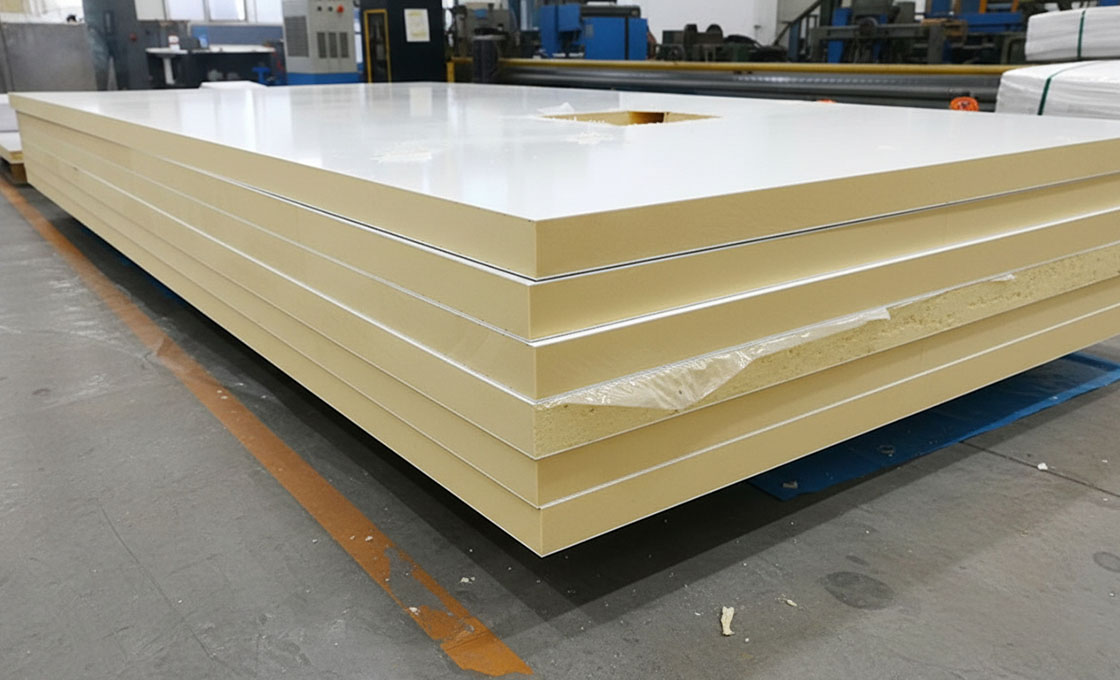
Composite sandwich panels (using cores such as XPS, PET, PU, PVC, or PMI foam) are defined by their structural cross-section rather than just their surface skin. Identifying these panels requires looking past the outer membrane to the panel’s thickness and rigidity. Because the internal foam core acts as a highly efficient thermal insulator, these roofs will consistently feel colder to the touch in summer and warmer in winter compared to non-insulated metal or simple fiberglass roofs.
- Physical Thickness & Rigidity: Sandwich panels are notably thicker than standard sheet metals. When inspecting roof edges or fastener points, look for a dense, solid composite block rather than hollow space or thin wood.
- Structural Integration: The bonding of the outer skin to the foam core creates exceptional stiffness. A genuine sandwich panel resists flexing even across wide spans, provided the underlying structural supports are adequate.
- Thermal Barrier Verification: If you perform a localized thermal assessment, sandwich panels effectively eliminate thermal bridging through the roof assembly itself. This high insulation value directly correlates to lower energy demands for climate control within the vehicle cabin.
Do not confuse foam-core sandwich panels with insulated stick-framed structures. While both offer thermal benefits, sandwich panels provide a continuous, unified building envelope. Stick-framed assemblies rely on discrete framing members that can act as thermal bridges, leading to higher operational energy costs and potential condensation issues at the framing joints.
| Roof Material System | Visual Identification | Structural & Weight Profile | Thermal Efficiency |
|---|---|---|---|
| EPDM / TPO Rubber Membrane | White (TPO) or Black (EPDM) rubber sheeting; flexible texture; chalky appearance when aged; folded or taped seams visible. | Low membrane weight; relies on heavy underlying wooden rafters for support; low overall structural rigidity; flexible nature. | Minimal insulation (R-value < 1); high thermal bridging occurs through underlying wooden framing; requires additional insulation layers. |
| Aluminum Sheet Metal | Metallic, corrugated or ribbed surface; visible screw-down fasteners; shiny reflective appearance. | Lightweight metal profile; susceptible to denting and oil-canning; requires frequent maintenance for expansion and contraction. | High thermal conductivity leading to condensation risks; poor inherent insulation; separate internal lining and insulation required. |
| Standard Fiberglass (FRP/GRP) | Smooth, glossy white gelcoat surface; hard shell; often shows hairline cracks or crazing near edges and seals. | Moderate weight with good impact resistance; heavier than composites; prone to flexing or oil-canning without adequate backing. | Moderate thermal resistance; requires internal foam blocks or insulation bats; thermal bridging common at structural supports. |
| Composite Sandwich Panel (FRP + Foam Core) | Thick, rigid, smooth-skinned panel; cross-section reveals bonded foam (XPS, PU, PET) or honeycomb core between face sheets. | High strength-to-weight ratio; integrates structural skin and core; exceptional stiffness and load-bearing capacity; lightweight. | Integrated insulation core provides high R-value; significantly reduces thermal bridging; superior air barrier properties. |
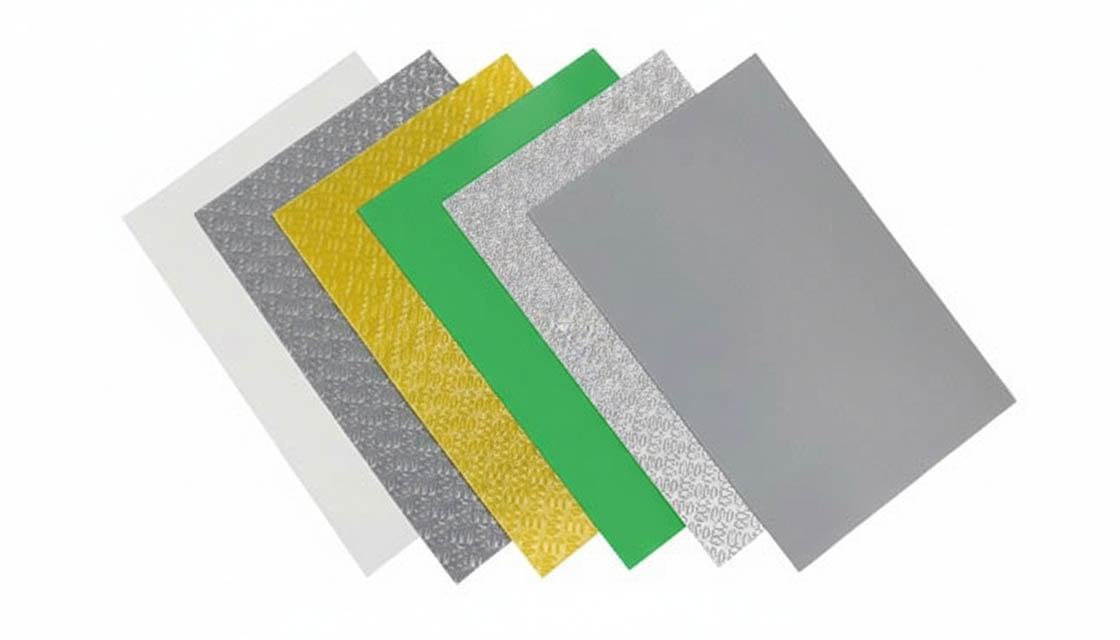
Everything About Thermoplastic Olefin Membrane Roofs
This factor has a direct bearing on project performance and long-term cost. Addressing it with specific data rather than general assumptions leads to better outcomes.
Thermal Performance and Climate Adaptability
The primary engineering advantage of Thermoplastic Olefin (TPO) membranes lies in their exceptional solar reflectivity, which directly mitigates heat gain in recreational vehicle envelopes. In hot climates, standard single-ply roofing materials often fail to reject sufficient ultraviolet radiation, leading to excessive interior thermal loads and accelerated degradation of the underlying core materials. TPO membranes, typically formulated with white pigmentation, achieve high Solar Reflectance Index (SRI) values that actively keep RV roof surfaces cooler than dark EPDM alternatives.
This reflective capability is not merely a comfort feature but a structural preservation tactic. By lowering the surface temperature of the roof, TPO reduces the thermal cycling stress placed on the panel seams and the insulation cores—such as XPS, PET, or PU foam—sandwiched beneath the membrane. For manufacturers and fleet operators operating in high-UV regions, choosing a thermally efficient membrane is a critical step in maintaining the R-value integrity of the entire wall and roof assembly over the vehicle’s lifespan.
Seam Integrity via Heat-Welding Technology
Unlike conventional roofing systems that rely heavily on adhesive tapes or liquid sealants, TPO roofing is defined by its heat-weldable nature. The material is designed to be fused together using hot air welding techniques, creating a continuous, monolithic membrane rather than a series of overlapping sheets held down by glue.
This smooth fusion process is vital for waterproofing because it eliminates the most common failure points in RV construction: the seams. When executed correctly, heat-welded joints become as strong as the parent material itself, providing superior resistance against wind uplift and water infiltration compared to mechanically fastened or adhesively bonded systems. This structural continuity is particularly valuable in modular RV construction where large composite panels are assembled from multiple segments.
Lifespan Expectations and Material Durability
Industry data indicates that a properly installed TPO membrane system typically offers a functional service life between 12 and 18 years. While this may be shorter than the 25+ year potential of premium fiberglass gelcoat roofs, TPO compensates with significantly lower maintenance requirements and higher resistance to punctures and chemical exposure during manufacturing and transit.
However, the longevity of a TPO roof is highly dependent on the thickness of the membrane and the quality of the installation. Thin, low-grade membranes are prone to brittleness and cracking under extreme cold or physical impact. Conversely, thicker, reinforced TPO membranes provide the strongness needed to withstand the rigors of modern RV travel and commercial fleet usage.
Chemical Resistance and Maintenance Protocols
A frequent cause of premature roof failure in the RV industry is the improper use of cleaning agents that chemically attack the membrane. Many traditional cleaners contain harsh solvents, petroleum distillates, or high concentrations of chlorine that can degrade the olefinic bonds in certain roofing materials.
TPO membranes excel in this regard due to their inherent chemical inertness. They are highly resistant to oils, greases, and common industrial pollutants, making them an ideal choice for dual-purpose vehicles or commercial units that may encounter harsh cleaning environments. Nevertheless, strictly adhering to manufacturer-recommended, non-abrasive cleaning protocols is essential. Using soft-bristled brushes and pH-neutral detergents ensures the reflective top coating remains intact, preserving both the aesthetic appeal and the thermal efficiency of the roof throughout its operational life.
How to Clean Each Roof Material
A short quarterly inspection catches most problems early. Check sealant joints, fastener tightness, and surface condition—small fixes now prevent panel replacement later.
Cleaning Protocols for Gel-Coated GRP Roofs
Gel-coated Glass Reinforced Plastic (GRP) roofs demand a maintenance approach that balances effective contaminant removal with the preservation of the glossy polymer surface. Unlike standard paint, gel coats rely on their smooth finish to shed dirt and prevent water infiltration; therefore, aggressive mechanical action is counterproductive. The industry consensus for preserving this finish involves a strict prohibition on stiff-bristle brushes or abrasive cleaning pads, which can microscratch the surface and accelerate UV degradation.
Effective cleaning requires a neutral pH detergent diluted in water and applied using a soft bristle brush or microfiber pad. The cleaning process should utilize circular motions to lift embedded grime without scoring the material. Following the application of the cleaning solution, thorough rinsing is mandatory to remove any chemical residue that could attract future dirt or cause spotting.
- Surface Compatibility: Gel-coated surfaces are sensitive to petroleum-based solvents and citrus-derived cleaners, which can chemically attack the resin matrix, leading to surface dulling or “blushing.”
- Maintenance Interval: Annual inspection during cleaning is critical. Operators should check for “crazing” (fine hairline cracks in the gel coat) which indicates substrate stress, and address sealant failures at roof penetrations immediately.
Maintenance Procedures for CFRT Composite Surfaces
Continuous Fiber Reinforced Thermoplastic (CFRT) surfaces present distinct maintenance challenges due to their thermoplastic nature. While highly resilient against impact and moisture, the outer skin—often using continuous mat or specific fiber architectures—is susceptible to damage from high-temperature sources and certain chemical interactions. Cleaning protocols must prioritize mechanical gentleness to preserve the integrity of the exposed fibers or the specific surface texture designed for grip or aesthetics.
Maintenance should strictly avoid pressure washers set above moderate psi levels, as excessive force can delaminate the surface layers or push contaminants into the fiber weave. Instead, manual cleaning with non-abrasive cloths and mild detergents is the standard. It is crucial to monitor for surface marring, as scratches on thermoplastic facings can compromise the panel’s aesthetic value and potentially provide entry points for moisture if left unaddressed.
- Chemical Restrictions: Avoid strong oxidizers, halogenated hydrocarbons, and high-pH alkaline cleaners that can degrade the thermoplastic binder or cause stress cracking in the composite matrix.
- Thermal Sensitivity: Never use hot water or steam cleaning equipment on CFRT surfaces, as the thermoplastic resin may soften, leading to permanent deformation or surface tackiness during the cleaning process.
Washing Guidelines for Foam Core Sandwich Panels
Foam core sandwich panels, whether using XPS, PET, PU, or PVC cores, require cleaning methods that protect both the outer facings (such as aluminum, GRP, or steel) and the delicate internal core structure. The primary risk in maintaining these panels is not just surface dirt, but the potential for water ingress through compromised edges or seams. Washing protocols must ensure that no moisture is forced into the panel interfaces during the cleaning process.
Cleaning should be conducted from the top down to manage runoff effectively, preventing dirty water from pooling at the base of vertical panels where seals are most vulnerable. Facings like aluminum require specific attention to prevent galvanic corrosion, meaning acidic or highly alkaline residues must be thoroughly neutralized and rinsed away. For foam-cored structures, any visible swelling, delamination, or edge bubbling during cleaning indicates a seal failure that requires immediate professional repair rather than further washing.
- Runoff Management: Clean in small sections and rinse immediately to prevent detergent drying. On vertical surfaces, always work from the top to the bottom to avoid streaking and cross-contamination.
- Edge Integrity: Pay close attention to the perimeter joints. If water seeps behind the facing during high-pressure rinsing, it can saturate hygroscopic foams like PU, leading to loss of thermal efficiency and structural weakening over time.
| Material | Cleaning Method | Critical Restriction | Identification Tip | Maintenance Focus |
|---|---|---|---|---|
| EPDM (Rubber) | Non-abrasive brush, mild detergent (e.g., Dawn), or specialized EPDM cleaner | Avoid petroleum solvents, citrus ingredients, and harsh abrasives to prevent surface degradation | Black on one side, white on the other; often shows black streaks on RV sides | Inspect sealants for cracks; rinse surrounding walls to prevent streaking |
| TPO (Thermoplastic Polyolefin) | Soft bristle brush, circular motion with cleaner, thorough rinsing | Avoid petroleum-based cleaners that weaken material bonds | Same color throughout (white); non-slick when wet; no black backing under vents | Check seams and seals; clean from front to back to manage runoff |
| Fiberglass | Mild soap and water; gentle scrubbing to remove sap/mold | Do not use abrasive pads that scratch the gel coat finish | Hard, smooth surface; resistant to rust/rot; lightweight composite structure | Low maintenance; inspect for UV damage or gel coat crazing over time |
| Aluminum | Standard automotive wash or mild detergent; soft cloth or brush | Avoid acidic or highly alkaline cleaners that cause corrosion | Metallic sheen; solid and sturdy construction; less common in modern RVs | Check for dents or punctures; ensure drainage paths are clear of debris |
Checklist for Inspecting Seals and Membranes
Regular inspection of sealant bonds and membrane edges is critical to prevent water ingress and structural delamination in composite panel systems.
Inspecting Sealant Integrity on GRP Roof Joints
GRP (Glass Reinforced Plastic) roof joints are highly susceptible to UV degradation and thermal cycling. Unlike rubber membranes, the gelcoat surface on GRP does not expand at the same rate as the underlying sealant, leading to stress fractures.
Inspectors must prioritize identifying the earliest signs of “crazing”—fine spider-web cracks that allow moisture migration beneath the sealant bead. It is imperative to verify that the sealant used is chemically compatible with the gelcoat finish; incompatible polymers can lead to adhesive failure, causing the seal to peel away completely during temperature fluctuations.
- Visual Crack Detection: Examine all lap joints and perimeter flashings for hairline fractures or loss of gloss in the sealant, indicating UV oxidation.
- Probing Adhesion: Use a non-metallic probe to gently lift the edge of the sealant; if it separates easily from the GRP gelcoat, the bond has failed and requires immediate remediation.
- Compatibility Verification: Review the sealant specifications to ensure it is formulated for fiberglass/gelcoat applications, avoiding generic silicones that may not bond to non-porous surfaces.
- Joint Movement Check: Look for signs of “tenting” where the sealant has pulled away from the center of the joint due to excessive thermal expansion.
Checking Adhesion Points for CFRT Panel Seams
CFRT (Continuous Fiber Reinforced Thermoplastic) panels present unique adhesion challenges due to their low surface energy and chemical resistance compared to traditional thermoset GRP. Sealants often struggle to grip the smooth, non-porous thermoplastic surface without proper surface preparation. Inspection of CFRT seams should focus on the interface line where the sealant meets the panel edge.
Because CFRT materials exhibit different thermal expansion coefficients than adjacent metal or wood structures, the bond line is subject to high shear stress. Early detection of “unzipping”—where the seam starts to separate from one end—is vital to preventing catastrophic water intrusion into the core.
- Bond Line Continuity: Visually inspect the full length of the seam for any gaps, bubbles, or areas where the sealant is not flush with the panel surface.
- Shear Stress Signs: Check for diagonal ripples or wrinkles in the sealant, which indicate movement between the CFRT panel and the adjoining substrate.
- Surface Preparation Audit: Verify that the bonding area was properly abraded or primed; smooth, shiny edges usually indicate poor adhesion potential.
- Fastener Inspection: Ensure that any mechanical fasteners securing the seams are tight and that the sealant encasement around the screw heads remains intact.
Evaluating Membrane Condition on Foam Core Edges
The edges of foam core sandwich panels (using XPS, PU, or PET cores) are the most critical failure points for water ingress. Once the protective membrane or facing is breached at the edge, capillary action can wick water deep into the core, causing significant structural damage that is invisible from the surface.
Inspectors must evaluate the condition of edge trims and the termination of the exterior membrane. Special attention should be paid to any discoloration or swelling at the panel perimeter, as these are reliable indicators of moisture saturation within the foam core. Addressing edge vulnerabilities before they penetrate the laminate is significantly more cost-effective than replacing entire panel sections.
- Edge Trim Security: Confirm that all plastic or metal edge trims are firmly attached with no gaps that could expose the foam core to runoff water.
- Discoloration Analysis: Look for dark streaks or “ghosting” stains radiating from the edges, which signal that water has already penetrated the facing and is affecting the core.
- Delamination Tapping: Lightly tap the panel edges with a hard tool; a hollow sound or lack of resistance compared to the center suggests the core has separated from the skin.
- Membrane Termination: Inspect where the roof membrane meets the sidewall or edge; ensure the sealant creates a continuous fillet that turns the corner, preventing water from rolling underneath the edge.
Key Takeaways
Visual inspection alone cannot predict roof failure in fleet operations. SIP structures are up to 15 times more airtight than traditional stick framing, and SIP walls have a whole-wall R-value 44% higher than traditional stick-framed walls.
We engineered our membrane lines to withstand the specific UV exposure patterns common in southern distribution routes. This precision prevents the delamination issues that plague generic wholesalers. You need materials that match your exact operational climate, not a one-size-fits-all catalog. Our engineering team tracks these micro-climate shifts daily.
- Request our thermal resistance chart for your specific latitude
- Verify sealant compatibility with your current deck substrate
- Confirm R-value stability under high-humidity conditions
Frequently Asked Questions
This factor has a direct bearing on project performance and long-term cost. Addressing it with specific data rather than general assumptions leads to better outcomes.
What are the best materials for RV roofs?
Manufacturers increasingly favor fiberglass and composite sandwich panels over traditional rubber membranes due to superior durability and thermal insulation. While EPDM and TPO are common, composites offer better resistance to punctures and environmental degradation. Advanced materials can significantly extend the service life of the vehicle roof.
Which materials withstand extreme climates best?
Fiberglass and thermoplastic composites offer superior UV resistance and thermal stability compared to single-ply rubber roofs. These materials maintain structural properties under significant temperature fluctuations and high UV exposure. Proper core selection, such as PET or XPS foams, further enhances insulation performance in diverse climates.
How does material choice impact maintenance?
Different substrates require specific sealants to prevent chemical degradation and ensure long-term adhesion. For example, fiberglass composites generally require less frequent maintenance cycles compared to thermoplastic olefin (TPO) membranes. Selecting compatible maintenance materials early in the design phase prevents costly repairs later.
Are composite roofs safe for foot traffic?
Structural composite sandwich panels are engineered to distribute point loads effectively, allowing for safe foot traffic during maintenance. Unlike rubber membranes that are prone to punctures, rigid composite facings resist damage from walking. However, specifying the correct core density is essential to meet load-bearing requirements.
What is the lifespan of composite roofs?
High-quality composite roof systems often outperform traditional membranes by decades when properly maintained. The lifecycle cost benefits stem from reduced repair frequency and superior energy retention properties. Manufacturers using these materials see lower total cost of ownership for the end-user.