
Specification errors in cleanroom panel procurement create long-term liabilities that extend far beyond initial installation costs. Selecting the wrong cleanroom panel material does not just risk a failed audit; it guarantees a budget overrun within the first three years due to maintenance or thermal inefficiency.
You need to navigate the cleanroom panel fire rating classification A1 A2 B1 comparison carefully because regional code differences will stop a project faster than particulate contamination. Many manufacturers claim airtight seals, but adhering to strict industry standards for joint tolerance is critical for maintaining ISO integrity and preventing leakage over a 10-year lifecycle.
We are going to break down the specific material science behind HPL, steel, and honeycomb cores to help you build a solid cleanroom sandwich panel quality inspection checklist SGS TUV certification strategy.
You will learn the technical distinctions required for an ISO 5 vs ISO 7 vs ISO 8 cleanroom panel material selection guide, ensuring you do not overpay for unnecessary specs or under-spec for critical zones. By the end, you will know exactly how to verify VHP compatibility and assess the true lifecycle cost of the wall systems you are sourcing.
What Are Cleanroom Panels?
A short quarterly inspection catches most problems early. Check sealant joints, fastener tightness, and surface condition—small fixes now prevent panel replacement later.
The Role of Panels in ISO Classification
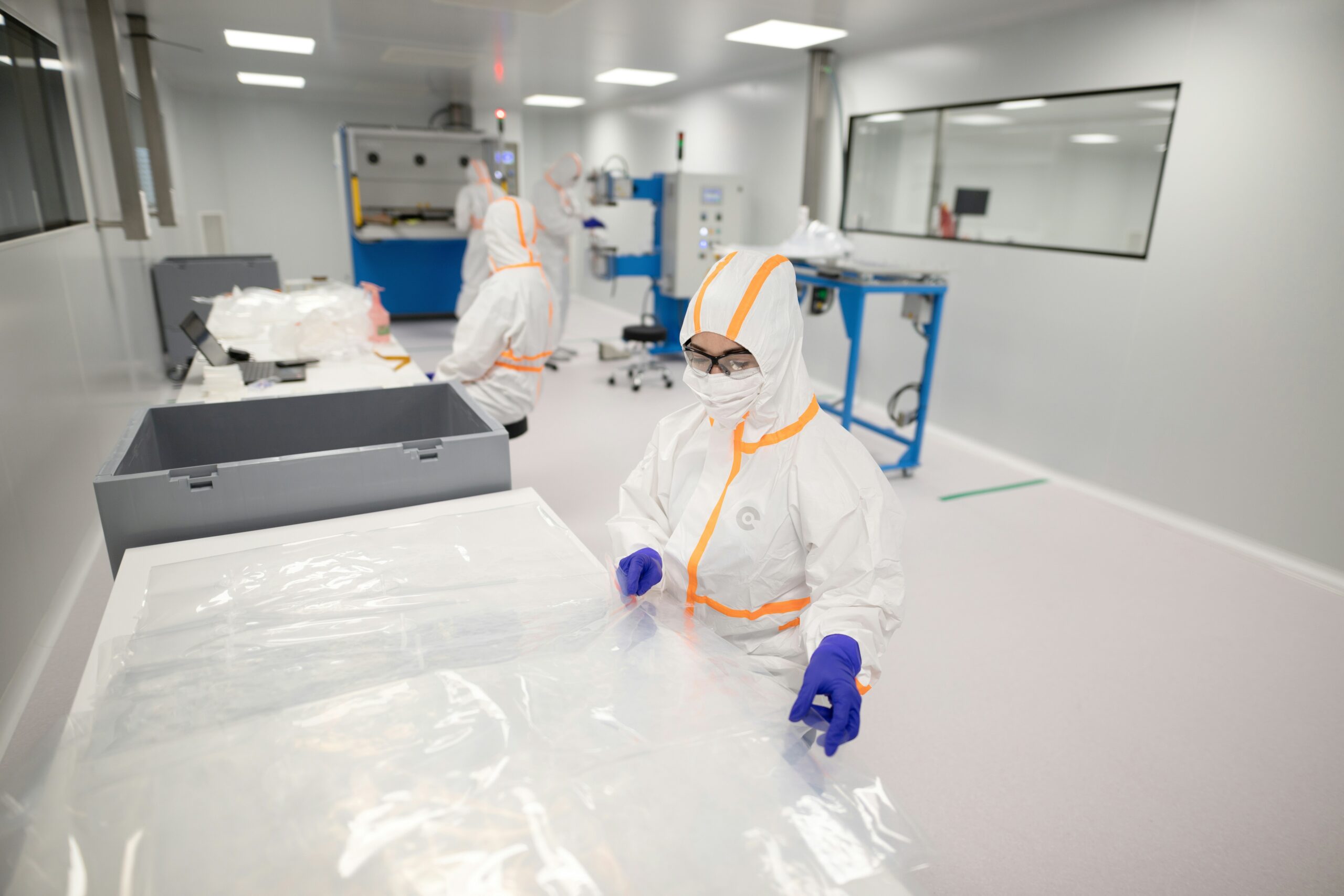
A cleanroom panel is the primary architectural barrier that maintains an environment’s specified ISO classification (such as ISO 5, ISO 7, or ISO 8). These panels achieve this by creating a smooth, non-porous envelope that prevents external particulates and microorganisms from infiltrating the sterile zone. The integrity of the entire ISO-rated room relies entirely on the material compatibility and surface smoothness of these components.
The surface roughness (Ra value) of the panel directly dictates how effectively the cleanroom can be cleaned and sterilized. For instance, high-velocity air flows will bypass rough surfaces, which otherwise trap dust and allow microbial growth. Consequently, manufacturers like Rax Panel design their composite wall systems specifically to meet the stringent air cleanliness standards of ISO 14644-1, ensuring that the physical boundary of the room itself does not become a source of contamination.
Core Functions in Contamination Control
Beyond forming a physical shell, these panels function as critical control mechanisms for temperature, pressure, and hygiene. They utilize specialized core materials—ranging from XPS, PET, PU, and PVC foams to PMI or honeycomb structures—to provide superior thermal insulation. This insulation minimizes energy loss while preventing condensation, which is a major driver of mold and bacterial proliferation.
For facilities undergoing rigorous chemical sterilization, such as those using Vaporized Hydrogen Peroxide (VHP), the panel skin must remain chemically inert. In our extensive testing of composite wall and ceiling systems, we have found that standard coatings often degrade under repeated VHP cycles. Therefore, we engineer non-porous, easy-to-clean finishes that withstand harsh chemical environments without flaking or losing their structural integrity, guaranteeing long-term sterility.
Common Applications in Medical and Electronics
In the medical and pharmaceutical sectors, panels are deployed in aseptic processing areas, isolators, and operating theaters where absolute sterility is mandatory. The lightweight nature of modern sandwich panels allows for rapid installation and the integration of complex HVAC interfaces without overburdening the building structure.
- Pharmaceutical Manufacturing: Walls and ceilings must support strict GMP compliance and survive aggressive chemical washdowns.
- Sterile Compounding: Surfaces require smooth joints and high-pressure resistance to maintain ISO Class 5 environments.
- Electronics and Semiconductors: Cleanrooms demand ESD-safe materials (conductive coatings) to protect sensitive microchips from static discharge during fabrication.
- Bio-Safety Laboratories (BSL): Panels must provide hermetic seals to contain hazardous pathogens while maintaining positive or negative pressure differentials.
Inside a Cleanroom Panel
A short quarterly inspection catches most problems early. Check sealant joints, fastener tightness, and surface condition—small fixes now prevent panel replacement later.
Anatomy of the Panel Face Material
The face material is the primary barrier of your cleanroom; it is the armor that stands between the controlled environment and external contamination. In the industry, we divide these “skins” into two categories: metallic and non-metallic. While standard painted steel (PPGI) is common for general ISO 8 environments, higher-class applications demand non-porous, chemically resistant surfaces.
You need to look beyond the color and understand the substrate. For instance, Stainless Steel (SS304 or SS316L) is the gold standard for pharmaceutical injectables due to its corrosion resistance, but it comes with a high price tag and thermal conductivity challenges. On the other hand, High-Pressure Laminate (HPL) offers excellent impact resistance and is widely used in electronics manufacturing, while Glass Fiber Reinforced Plastic (GRP/FRP) provides a unique balance of lightweight durability and chemical inertness.
Don’t just ask for “composite panels.” Be specific about the facing. In our experience manufacturing composite solutions, we’ve seen that panels using a continuous fiberglass reinforced thermoplastic (CFRT) skin or a high-quality gel-coated FRP surface significantly outperform traditional laminates in scenarios involving frequent wash-downs or high humidity, as they resist delamination far better than edge-bonded sheets.
What Is Insulation Core Composition?
The core is the engine room of the panel’s performance—it dictates the thermal insulation (R-value), structural rigidity, and fire rating. Think of it as a sandwich structure where two strong skins are bonded to a lightweight center. The material you choose here is a trade-off between fire safety, insulation efficiency, and cost.
- Polyurethane (PU) / Polyisocyanurate (PIR): These are the industry standards for thermal insulation. PIR offers superior fire resistance compared to standard PU, often achieving a B1 or even Class 1 fire rating. They are lightweight but require strict quality control during foaming to avoid voids.
- Mineral Wool (Rockwool): If your project demands an A1 non-combustible rating (common for high-risk pharmaceutical or chemical plants), mineral wool is the go-to core. It is heavy and offers lower insulation values per inch than foam, but it provides excellent acoustic dampening and zero fire propagation.
- Honeycomb (Paper or Aluminum): Used when stiffness-to-weight ratio is the priority rather than insulation. Honeycomb cores create a rigid panel that is incredibly light, ideal for large-span ceilings or mobile structures, though they require a perfect seal to prevent air leakage through the cells.
- Polystyrene (XPS/EPS): Cost-effective and water-resistant, XPS is often used in less critical applications or dry freight walls. However, it generally has a lower fire rating compared to PIR or mineral wool unless treated with flame retardants.
A common failure point we observe in the field is core shrinkage or settling over time, which creates gaps at the joints. This is why the density of the core (e.g., 40kg/m³ vs. 45kg/m³) is a critical spec you must verify before procurement.
Surface Finishes and Hygiene Properties
While core density ensures structural stability, the finish determines hygienic viability at a microscopic level. Because bacteria and particles cling to microscopic peaks and valleys, controlling texture is essential for minimizing retention. For ISO 5 (Class 100) environments, an Ra value of less than 0.8 µm is generally required, whereas ISO 7 or 8 environments may tolerate slightly higher values.
The finish isn’t just about texture; it’s about chemistry. If your facility uses Vaporized Hydrogen Peroxide (VHP) for bio-decontamination, you must ensure the topcoat is chemically compatible. VHP is highly oxidative and can cause chalking or degradation on polyester-based paints that aren’t specifically formulated for it. Stainless steel passivation or specialized FRP gel coats are typically required for VHP compatibility.
Beware of “reinforced coatings” that are only surface-deep. If a panel is scratched during installation, a sub-standard coating can flake, exposing the raw substrate and becoming a permanent particle source. We ensure our FRP sheet production integrates the color and resin into the bulk of the material rather than just painting the surface, ensuring the integrity remains even if micro-scratches occur.
Steel Panels: Durable and Cost-Effective
This risk of surface degradation highlights the need for a more strong solution when durability is critical. For environments where impact resistance and long-term integrity are non-negotiable, steel-based options offer a superior alternative.
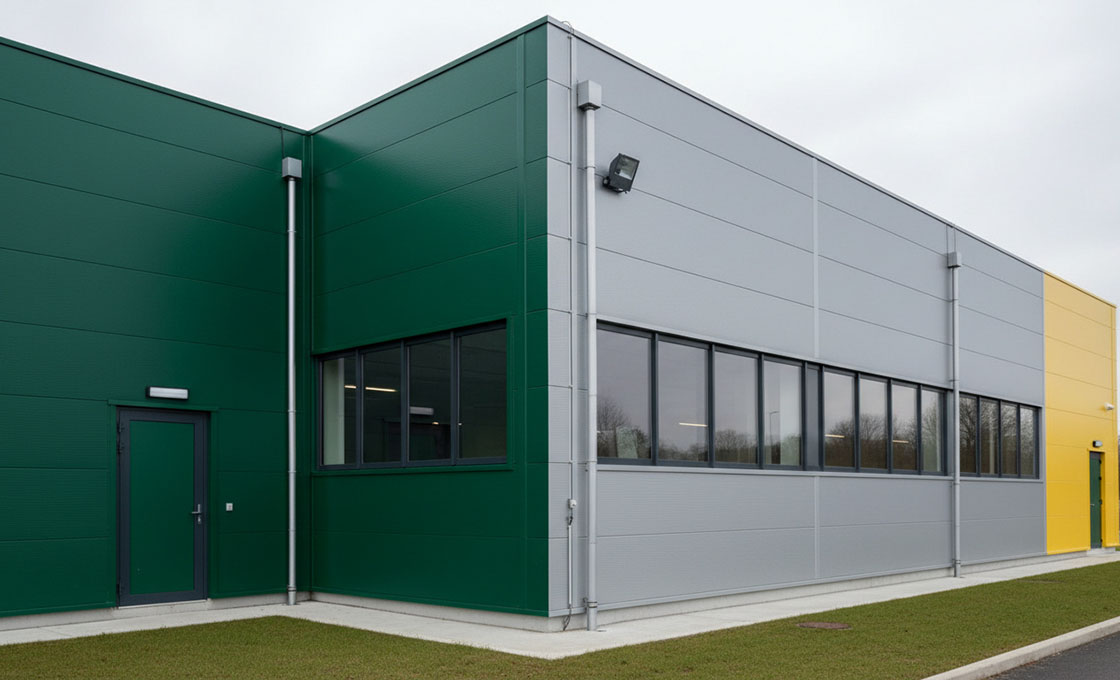
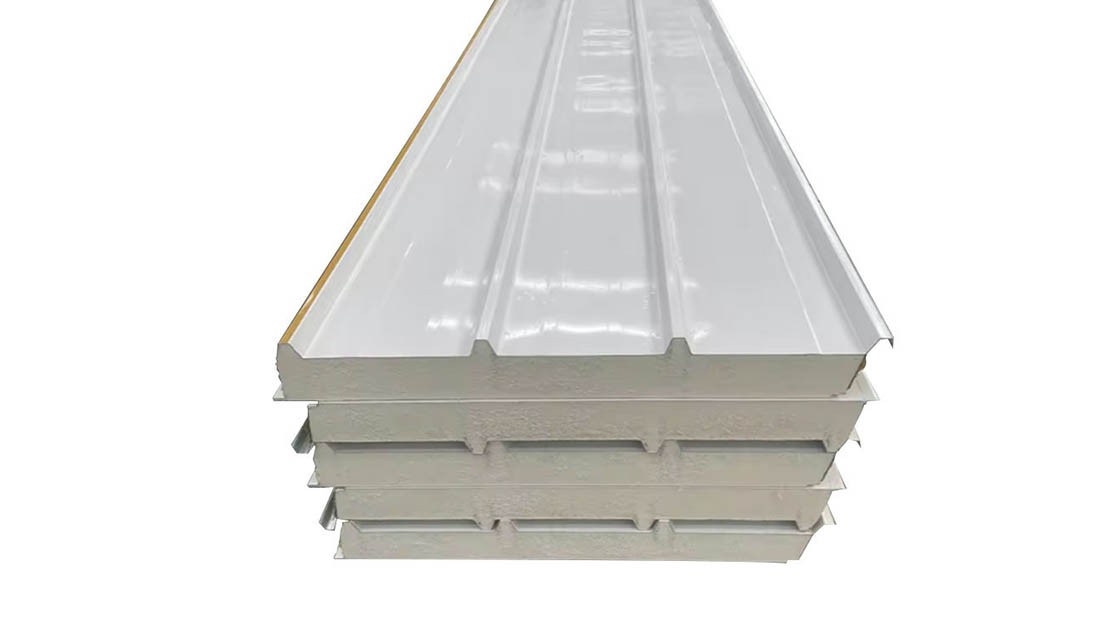
When balancing budget constraints against the physical demands of a manufacturing facility, galvanized steel sandwich panels serve as the industry’s most pragmatic workhorse. These panels provide exceptional structural integrity and impact resistance at a fraction of the cost associated with stainless steel or specialized composite alternatives. They are engineered to withstand the mechanical stress of moving heavy equipment, pallet jacks, and high-volume foot traffic without sustaining the cosmetic damage that softer materials often suffer.
The Protective Barrier: Why Galvanized Steel Works
The core advantage of galvanized steel lies in its zinc-coated surface, which acts as a sacrificial anode. This means the zinc layer corrodes slowly to protect the underlying steel from rust, providing a strong shield against humidity and general environmental wear. For buyers who are concerned about the total lifecycle cost rather than just the upfront purchase price, this material extends maintenance intervals significantly compared to standard, uncoated metals.
To further enhance durability, the outer skin is typically finished with Pre-Painted Galvanized Iron (PPGI). This coating process does much more than add color; it creates a chemically inert, smooth barrier that repels dust and resists common industrial chemicals. In layman’s terms, think of the PPGI finish like a clear, tough glass-like shell over the metal—it prevents scratches from turning into rust spots and makes wiping down walls quick and effective.
Strategic Applications in ISO Class 7 and 8
While these panels may not meet the strict decontamination requirements of an ISO Class 5 sterile environment, they are highly capable for broader controlled environments. They are ideally suited for ISO Class 7 and Class 8 spaces found in electronics assembly, medical device packaging, and dry goods food processing. The surface smoothness facilitates efficient cleaning protocols without requiring expensive VHP (Vaporized Hydrogen Peroxide) sterilization cycles that would degrade the paint finish.
- Mechanical Durability: High resistance to dents and scuffs from heavy machinery and frequent physical contact.
- Cost Efficiency: Provides up to 30-40% savings on raw materials compared to Grade 316L stainless steel panels.
- Surface Hygiene: The semi-gloss painted finish reflects light well and prevents particle adhesion, easing routine mop-downs.
Do not attempt to use galvanized steel panels in environments involving high-concentration acid washdowns or severe chemical vapor exposure. Over time, aggressive chemical vapors can penetrate the painted finish, causing “under-film corrosion” where the metal beneath the paint begins to rust. Always match the panel grade to the specific chemical exposure profile of your cleanroom.
Purchasing and Installation Considerations
Procuring steel panels requires careful attention to the coating thickness and the quality of the interlocking seams. High-quality panels utilize concealed clip systems and tight mechanical joints to ensure air-tightness, which is critical for maintaining positive pressure and preventing airborne particulate leakage. Buyers should verify that the steel core meets international manufacturing standards to guarantee uniform strength across large wall sections.
For facilities looking to maximize ROI, selecting galvanized steel allows budget reallocation toward higher-grade filtration and HVAC systems. By securing a highly durable and cost-effective enclosure using steel panels, organizations can invest more heavily in the active components that drive true ISO compliance and product purity.
| Panel Configuration | Fire Safety Class | Technical Parameters | ISO & Application | Durability & Cost |
|---|---|---|---|---|
| Stainless Steel Facing (Rockwool/PU/PIR Core) | Class A1 (Rockwool) / Class B1 (PU/PIR) | Thermal Conductivity: 0.022-0.039 W/m·K; Density: 40-150 kg/m³ | ISO Class 5-7 (Pharma/Bio); VHP Sterilization; Hospital Interiors | High Corrosion Resistance (Ra < 0.8µm); Higher Initial Cost / Lower Maintenance |
| Aluzinc/Galvanized Steel Facing (PU/PET/EPS Core) | Class B1 (PU/PET/XPS) / Class B2 (EPS) | Thermal Conductivity: 0.019-0.028 W/m·K; Core Density: 30-45 kg/m³ | ISO Class 8-9 (Electronics/Food); Commercial Cold Storage; Dry Freight Bodies | Zinc-Aluminum Anti-Rust Coating; Most Cost-Effective Solution |
| Painted Steel Facing (PP/Aluminum Honeycomb Core) | Class B1 (PP/Aluminum Honeycomb) | High Flexural Strength; Extremely Lightweight (Low Areal Density) | ISO Class 7-8 (Cleanroom Doors/Partitions); RV/Truck Walls; Mobile Facilities | Superior Flatness; Moderate Lifecycle Cost |
Aluminum Panels: Lightweight and Corrosion Resistant
Key Takeaway: Aluminum panels provide superior corrosion resistance through a self-healing oxide layer and excel in wash-down environments due to non-porous surface properties.
The Science of Corrosion Resistance
The primary advantage of aluminum in cleanroom and industrial environments is its inherent ability to resist corrosion. Unlike steel, which requires heavy galvanization or painting to prevent oxidation, aluminum forms a natural, microscopic oxide layer immediately upon exposure to air.
This layer acts as a shield, sealing the metal against environmental aggressors such as moisture and industrial chemicals. For project owners, this translates to a significantly lower total cost of ownership regarding maintenance, as the material does not rust, flake, or degrade over time in the same way ferrous metals might.
Enhanced Protection: Powder Coatings and Pre-Coating
While the natural oxide layer is strong, industrial applications often demand additional aesthetic and functional barriers. Advanced manufacturing processes apply specialized finishes to further enhance durability and hygiene. Industry-standard finishes often include a powder coating layer with a thickness between 60 to 80 microns, which provides a hard, abrasion-resistant shell.
Beneath this, a pre-coating layer of approximately 30 to 35 microns ensures optimal adhesion and color consistency. These coatings are critical for high-humidity or wash-down areas, as they prevent the aluminum from oxidizing under chemical stress while maintaining a smooth, cleanable surface.
Lightweight Solutions and Core Integration
Aluminum’s density is roughly one-third that of steel, offering a distinct advantage for structural load reduction. However, in high-performance applications like RV solutions, refrigerated truck bodies, and vessel solutions, aluminum is rarely used as a standalone sheet. Instead, it serves as the high-strength skin for advanced composite panels. Leading manufacturers, such as Rax Panel, engineer these by bonding aluminum facings with high-performance core materials including XPS, PET, PU, PVC, and PMI foams, as well as PP Honeycomb structures. This combination creates a sandwich panel that retains the corrosion resistance of aluminum while achieving superior rigidity and thermal insulation without adding weight. High-capacity production lines, such as those exceeding 1,700 square meters of daily output, are essential to delivering these consistent, custom-engineered panels to global markets.
Cleanability and Suitability for Wash-Down Areas
For environments requiring frequent sanitation—such as food processing zones or medical cleanrooms—aluminum panels offer a non-porous surface that is exceptionally easy to clean. The material does not harbor bacteria or support mold growth, making it compatible with rigorous sterilization methods including VHP (Vaporized Hydrogen Peroxide).
The smooth surface finish ensures that cleaning agents can be wiped away without residue, maintaining the strict particle counts required for ISO classifications. When combined with a strong core, aluminum panels provide a rigid, waterproof solution ideal for walls and ceilings in high-humidity zones where wash-downs are a daily necessity.
When specifying aluminum panels for sterile environments, verify that the alloy composition and coating are certified for low outgassing. Some lower-grade alloys or improper coatings can release particulates over time, compromising the cleanroom’s integrity.
HPL Panels: Hygienic and Impact Resistant
In food processing and biotech environments, high-pressure laminate (HPL) panels serve as a critical defense against biological contamination. These solid surface materials are specifically engineered for hygienic reliability, providing a non-porous, chemically resistant barrier that withstands rigorous sterilization cycles. Unlike porous alternatives, HPL prevents bacteria from colonizing within the panel substrate, ensuring that cleaning protocols actually eliminate pathogens rather than just surface debris.
The Chemical Resistance Factor
The primary advantage of HPL in sterile manufacturing is its extreme durability against harsh chemical agents. Biotech facilities frequently use aggressive sanitizers, including strong acids, bases, and organic solvents, to maintain sterility. Standard wall panels can degrade, discolor, or become porous when exposed to these chemicals over time, creating new hiding spots for microbes.
HPL maintains structural integrity and surface smoothness even after repeated exposure to corrosive compounds, effectively isolating the core material from chemical damage. This property makes it highly compatible with Vaporized Hydrogen Peroxide (VHP) and other advanced sterilization methods used in modern cleanrooms.
Hygiene Through Non-Porous Integration
Surface texture is a major factor in microbial retention. Regulatory standards, such as ISO 14644, emphasize the importance of smooth surfaces to minimize particle adhesion. HPL offers a dense, non-absorbent surface that inhibits the growth of mold and mildew.
When installed using appropriate food-grade sealants, the panel surface creates a continuous, smooth plane. This lack of porosity means that contaminants cannot penetrate the wall, allowing for rapid and effective cleaning without the risk of deep-seated bacterial reservoirs developing within the facility infrastructure.
- Chemical Resistance: The material remains stable when exposed to industrial acids, alkalis, and organic solvents, preventing surface degradation.
- Sterilization Compatibility: Suitable for harsh cleaning regimes, including Vaporized Hydrogen Peroxide (VHP), ensuring long-term hygiene.
- Non-Porous Barrier: A dense surface structure actively prevents the absorption of moisture and the colonization of bacteria.
Stainless Steel Panels for Sterile Environments
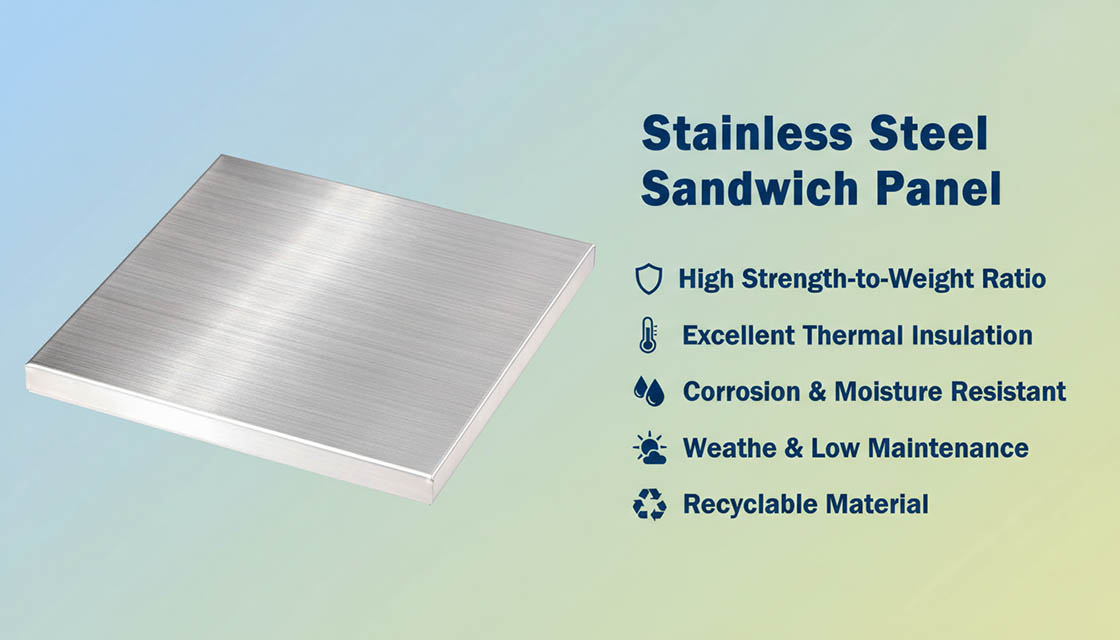
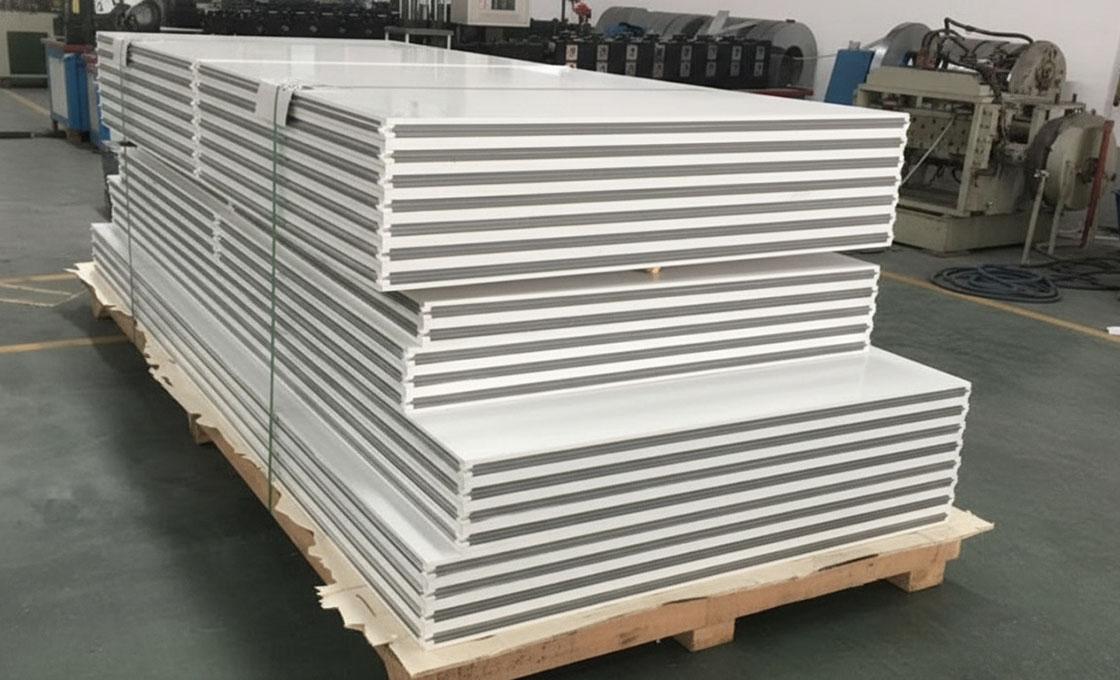
In sterile environments requiring frequent VHP sterilization, stainless steel sandwich panels are the only non-porous material capable of withstanding aggressive sporicides without structural degradation.
The primary pain point for procurement teams in pharmaceutical and biotech cleanrooms is maintaining long-term surface integrity when exposed to harsh bio-decontamination cycles. While standard wall systems might suffice for initial installation, they often fail when subjected to repeated Vaporized Hydrogen Peroxide (VHP) treatments. A true GMP-compliant cleanroom panel must prove its compatibility with these accelerated aging processes, ensuring that the material does not degrade, discolor, or lose its non-porous properties over time.
VHP Compatibility and Material Science
Vaporized Hydrogen Peroxide is a highly oxidative agent used to sterilize critical manufacturing spaces. During a cycle, it can wreak havoc on unsuitable materials, particularly if the surface finish contains microscopic pores or weak chemical bonds. This is why the choice between different grades of stainless steel is not merely aesthetic—it is a functional requirement driven by chemistry.
- 304 Grade Stainless Steel: Ideal for general sterile processing areas, food & beverage manufacturing, and standard pharmaceutical packaging. It offers Strong resistance to oxidation but is not recommended for environments where aggressive sporicides like VHP are used regularly.
- 316L Grade Stainless Steel: The definitive choice for high-containment facilities, bioreactors, and aseptic filling lines. Due to the addition of Molybdenum, 316L provides exceptional resistance to pitting and crevice corrosion caused by chlorides and aggressive cleaning solvents, directly aligning with strict ISO 14644 requirements.
Using 304-grade panels in a VHP-sterilized environment will lead to premature “tea-staining” (surface corrosion). This degradation creates microscopic roughness over time, providing harborage sites for microbes that routine cleaning cannot remove.
Installation Integrity and Sealing Protocols
Even the highest-grade stainless steel panel will compromise a cleanroom’s sterility if installed incorrectly. The physical interface between panels and the building structure is the most vulnerable point for air leakage and particulate shedding. To prevent this, installers must adhere to stringent sealing protocols that are far more rigorous than standard construction practices.
A critical aspect of this integration involves the use of food-grade, non-curing silicone sealants applied on both sides of the panel joints. This dual-sided sealing technique ensures an airtight barrier, preventing unfiltered air from entering the cleanroom envelope through microscopic gaps. Industry standards dictate that the maximum allowable gap between panels must be kept strictly under 4 mm to ensure a smooth, flush finish that is easy to clean and inspect.
additionally, the transition points where panels meet ceilings, floors, and HVAC diffusers require specialized coving or fillet sealing. These transitions eliminate sharp 90-degree corners where dust can accumulate and bacteria can thrive. For projects demanding the highest level of hygiene—such as ISO 5 or ISO 6 surgical theaters—investing in professional installation services is non-negotiable to maintain certification compliance and avoid costly retrofitting later.
| Feature | Specification | Advantage |
|---|---|---|
| Surface Integrity | Non-porous stainless steel finish with Ra ≤ 0.8 μm | Prevents microbial harborage and ensures highest hygiene standards for sterile environments |
| Chemical Resistance | High resistance to sporicides, solvents, and aggressive cleaning agents | Maintains structural integrity during frequent VHP sterilization and harsh chemical exposure |
| Durability & Maintenance | Scratch-resistant with consistent through-thickness protection | Minimizes particulate shedding from surface damage, reducing long-term contamination risks |
| Application Suitability | Specified for demanding pharmaceutical and biotech cleanrooms (ISO 5-8) | Aligns with strict ISO 14644 requirements for contamination control in critical manufacturing |
| Structural Composition | Stainless steel sandwich panel with foam or honeycomb core options | Provides lightweight yet strong barrier with thermal insulation and fire-rated performance |
Which Performance Metrics Matter Most?
This factor has a direct bearing on project performance and long-term cost. Addressing it with specific data rather than general assumptions leads to better outcomes.
Fire Safety Ratings and Standards
The fire rating of a cleanroom panel is the primary metric for occupational safety and regulatory compliance. In most jurisdictions, panels must meet strict non-combustibility classifications to ensure structural integrity during a heat event. The highest tier is often Class A1 (non-combustible), which typically utilizes mineral wool or metal cores. For environments requiring slightly more insulation, Class A2 represents a balance between fire safety and thermal performance.
Lower classifications, such as Class B or C, are generally restricted to specific industrial applications where the core material is thermoset or thermoplastic foam. While these materials offer superior insulation, they inherently carry higher combustible risks. To mitigate this, panels with combustible cores must undergo rigorous testing to limit smoke density and flame spread rates, ensuring that visibility is maintained even if the structure is compromised.
Thermal Insulation and Energy Efficiency
Thermal performance is measured by the U-value, which quantifies how well a panel resists the flow of heat. A lower U-value indicates superior insulation. In pharmaceutical and electronics manufacturing, maintaining a precise temperature differential is critical for both product stability and occupant comfort. High-performance panels use closed-cell foams like Polyurethane (PU), Polyisocyanurate (PIR), or extruded polystyrene (XPS) to achieve low thermal conductivity.
Beyond energy conservation, effective thermal insulation prevents surface condensation. If the panel surface temperature drops below the dew point, moisture accumulates, creating an ideal breeding ground for mold and bacteria. This compromises the sterile environment and can lead to rapid corrosion of the panel facings, necessitating expensive early replacements.
Air Tightness and Particle Control Standards
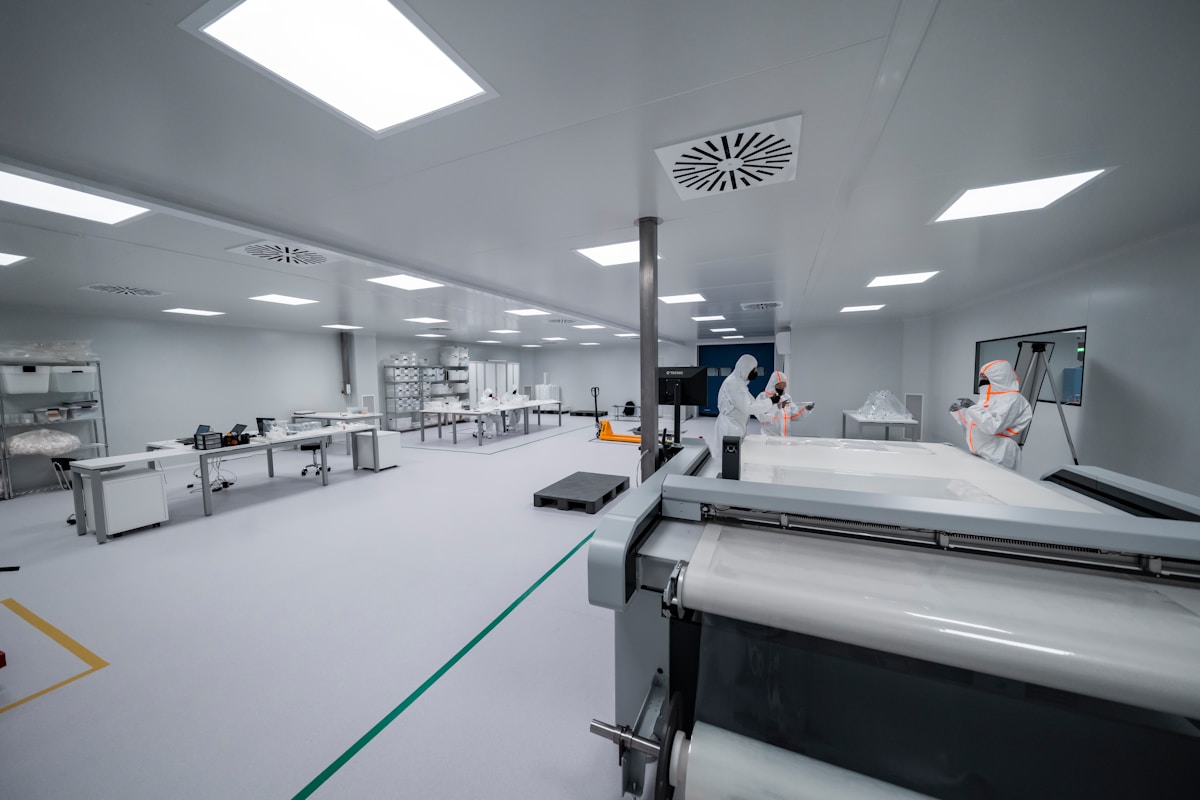
Air tightness is the most critical metric for particle control, directly impacting the ISO classification level of the cleanroom. Panels must prevent unfiltered air from leaking into the controlled zone. Industry standards often require that assembled panels pass a high-pressure leakage test. This ensures that the sealing mechanisms—such as silicone gaskets, pressure strips, or magnetic seals—function effectively under negative or positive pressure differentials.
To validate this, engineers typically perform a helium leak test on the assembled wall sections. This highly sensitive method detects minute leaks that could otherwise allow macro-particles or contaminants to bypass the HVAC filtration system. Furthermore, the surface roughness of the panel face (Ra value) is standardized to prevent particle accumulation, ensuring that surface cleaning protocols remain effective over the facility’s operational lifecycle.
How to Select the Right Specs
Three criteria drive the decision: thermal or structural performance for your specific use case, total project budget across the asset lifecycle, and the technical support your supplier provides after delivery.
Matching Panel Thickness to ISO Class
How to Choose the correct panel thickness is not merely a structural decision; it is a primary driver of cleanroom classification performance. The relationship between wall height, panel depth, and ISO classification (such as ISO 5, ISO 7, or ISO 8) relies on maintaining absolute structural rigidity. In higher-class facilities like ISO 5 (equivalent to the old Federal Standard 209E Class 100), even minor structural flexing can create micro-vibrations that disturb laminar airflow, leading to particle turbulence and cross-contamination.
Industry standards typically dictate that standard-height panels (often up to 12 feet or 3.6 meters) require a minimum core thickness of 6 inches (152mm) to prevent bowing under their own weight and to ensure airtight sealing at the joints.
For taller configurations exceeding 12 feet, structural reinforcements or increased thickness are mandatory to maintain the straightness required for HEPA/ULPA filter alignment. Thinner panels in high-traffic or tall-wall applications will inevitably compromise the smooth, flat surface finish needed to meet surface roughness requirements (Ra value) mandated by ISO 14644.
Standard Dimensions vs. Custom Sizing
While standard sandwich panel dimensions—typically 4 feet by 8 feet (1.2m x 2.4m)—offer significant cost efficiencies through mass production and standardized installation, custom sizing is often non-negotiable for complex facility geometries. Custom-sizing panels allows installers to minimize the number of vertical and horizontal seams on the walls and ceiling. Since every joint in a cleanroom represents a potential leak path for air and a trap for particulates, reducing the seam-to-surface ratio directly enhances air-tightness and simplifies the cleaning process.
- Mandatory Customization Scenarios: Facilities with existing architectural constraints, curved walls, or specialized HVAC interface points require custom-cut lengths and widths to ensure flush mounting without requiring extensive on-site fabrication.
- Height Optimization: Customizing panel heights to match the exact floor-to-ceiling distance eliminates the need for hazardous, time-consuming, and messy field cutting, which introduces metallic dust or fiberglass particles into the environment during construction.
Balancing Cost with Durability Requirements
Procurement teams often fall into the trap of optimizing solely for initial procurement costs, ignoring the Total Cost of Ownership (TCO) over a 5 to 10-year operational lifecycle. Durability in cleanrooms is defined by a panel’s ability to withstand aggressive chemical wash-downs and sterilization cycles. Panels constructed from inferior materials may succumb to degradation when exposed to Volatile Hydrogen Peroxide (VHP) or strong acids used for sanitization, resulting in pitting, surface cracking, and compromised hygiene.
Key Takeaways
To minimize the Total Cost of Ownership, technical specifications must align strictly with ISO requirements and operational demands. Material selection dictates cleanroom longevity. Galvanized steel suffices for ISO 8, but ISO 5 demands stainless or specialized coated surfaces.
Fire ratings like A1 or A2 are non-negotiable for compliance. Surface roughness of Ra <0.8 µm prevents particle trapping. Standard dimensions reduce waste, yet custom sizes minimize seams. Verify every batch against ISO 14644 before installation. Skipping this step invites costly retrofits and project delays later.
- Rax Panel engineers have spent 15 years optimizing composite foam cores including XPS and PU variants for demanding sterile environments. Our facility produces 1700m² daily to serve over 50 countries with consistent quality. Contact our technical team to discuss mounting systems, sealing technologies, and HVAC compatibility interfaces for your specific design constraints.
Frequently Asked Questions
This factor has a direct bearing on project performance and long-term cost. Addressing it with specific data rather than general assumptions leads to better outcomes.
Cleanroom panel surface roughness Ra value ISO 14644?
ISO 14644-1 emphasizes surface smoothness to minimize particle retention and facilitate cleaning. While no specific Ra value is mandated for all panels, smoother finishes (lower Ra) are preferred for higher cleanliness classes. Gel-coated FRP and stainless steel typically offer superior smoothness compared to standard painted metals. Verify surface texture during procurement to ensure compliance with sterility goals.
Can cleanroom panels resist VHP sterilization?
Standard panels may degrade under Vaporized Hydrogen Peroxide (VHP) exposure due to chemical sensitivity. Materials like specific FRP formulations, stainless steel, or specialized thermoplastics offer better resistance. Generic coatings can delaminate or discolor, compromising hygiene. Engineers must validate material compatibility with sterilization protocols before installation in biotech facilities.
Initial purchase price often excludes long-term maintenance, energy loss, and replacement costs. Poor insulation increases HVAC loads, raising operational expenses significantly over five to ten years. Additionally, frequent cleaning or premature degradation adds labor and material costs. Total Cost of Ownership (TCO) analysis is essential for accurate budgeting.
What causes cleanroom panel installation failures?
Common failures include thermal expansion mismatches, improper sealing, and inadequate structural support. These issues lead to warping, joint leakage, and compromised air tightness. Precise dimensional tolerances and professional installation techniques are critical. Ignoring environmental factors during installation often results in costly retrofits and system inefficiencies.
How to verify SGS TUV certification for panels?
Always request original test reports from accredited laboratories like SGS or TUV. Verify certificate numbers on the issuer’s official website to confirm validity and scope. Ensure the tested samples match the exact material composition and core density of your order. Be wary of expired certificates or those lacking specific cleanroom performance metrics.