
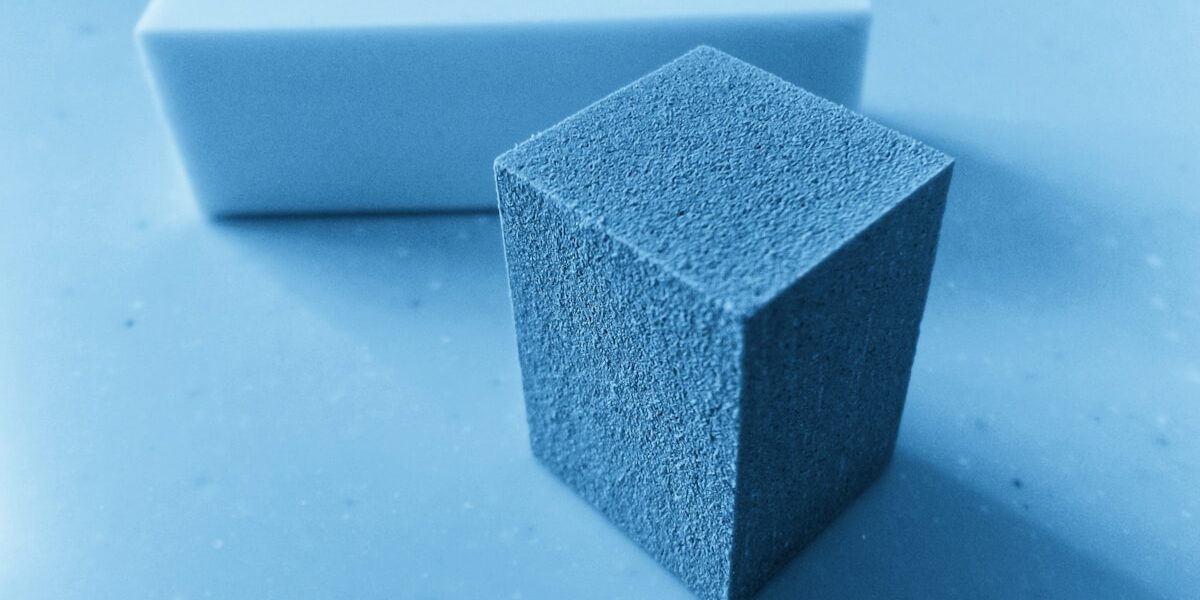
Most specifiers reach for XPS when they need below-grade moisture resistance. It’s the default choice on many drawings. But here’s what the trade literature doesn’t always emphasize: EPS retains its R-value longer over the service life of a building. That difference matters. A cold storage facility runs for 20 years, and every point of R-value decay adds up.
The choice between EPS vs XPS isn’t about which material is universally better. It’s about matching the right foam to the right application. At RaxPanel, we’ve seen projects where swapping materials cut total cost without compromising code compliance. This breakdown covers the four metrics that actually drive procurement decisions: thermal resistance performance, moisture behavior, compressive strength ratings, and real landed cost per square foot. You’ll walk away with a clear framework for specifying the right material on your next project.
EPS retains R-value longer; XPS handles moisture and load better. Match the foam to the application, not the spec sheet.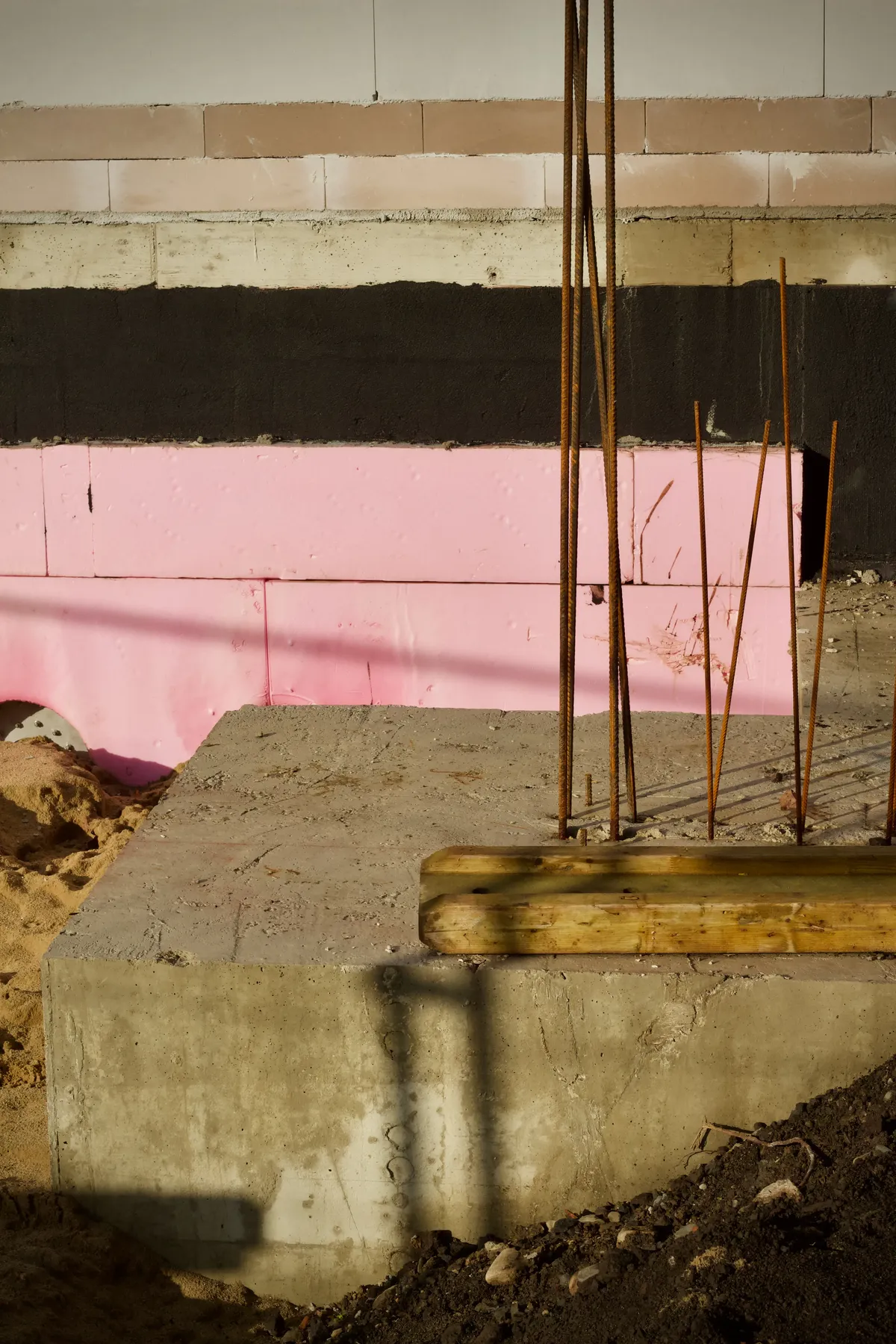
How EPS and XPS Perform Under Real-World Conditions
Spec sheet R-values don’t tell the full story. After years in service, both materials degrade differently—and the gap widens in harsh environments like refrigerated trucks, marine hulls, and below-grade foundations.
Thermal Resistance Degradation Over Service Life
When you pull an EPS or XPS panel off a truck or out of a wall cavity after five, ten, or fifteen years, the R-value you installed is not the R-value you still have. This is the single most overlooked factor in B2B procurement, and it is where the two materials diverge most sharply.
XPS is manufactured with blowing agents—historically CFCs, then HCFCs, and most recently HFCs like HFC-134a or HFO blends—that sit trapped inside the closed cells. Over time, these gases slowly diffuse outward and are replaced by air. Air has roughly one-fifth the insulating capability of the original blowing agent. Industry data and independent aging studies consistently show XPS losing between 5% and 15% of its initial R-value within the first few years, then stabilizing at a lower plateau. The steeper the initial drop, the higher the original R-per-inch rating—meaning a 5.0 R-per-inch XPS panel will shed more absolute R-value than a 3.8 R-per-inch unit over the same period.
EPS, by contrast, is foamed with pentane, which off-gasses rapidly during the first few days after production. By the time the panel leaves the factory, most of the pentane has already escaped and been replaced by air. This means EPS’s R-value is essentially stable from day one—there is very little “settling” to worry about. Its long-term thermal resistance tracks very close to its initial rated value, with degradation typically under 3% over a 20-year horizon.
The practical implication for specifiers is clear: if you are designing for a 20-year service life and using XPS, you should derate the installed R-value by roughly 10% to 12% in your thermal calculations. Our engineering team applies this derating factor in every refrigerated truck and marine panel project we support, because specifying at full initial R-value is how condensation and energy cost overruns creep into operational budgets.
Moisture Absorption and Water Vapor Permeability
Water is the silent killer of insulation performance. When foam absorbs moisture, the liquid water displaces the insulating gas in the cells and conducts heat roughly 25 times faster than air. The question is not whether your insulation will encounter moisture—it is how much it absorbs and how quickly it recovers.
XPS has a denser, more uniformly closed-cell structure with a lower permeability rate. In immersion and vapor exposure tests, XPS typically absorbs less than 0.3% water by volume after 24 hours, and its thermal resistance recovers rapidly once the surface dries. This is why industry consensus and building codes increasingly restrict EPS for certain below-grade and frost-protected shallow foundation applications—XPS has demonstrably better resistance to water ingress and R-value retention when wet.
EPS absorbs more water than XPS under identical conditions, particularly at lower densities. A Type I EPS panel (1.5 to 2.0 pcf) can absorb 3% to 5% water by volume in prolonged exposure, and the recovery is slower because the larger, interconnected cell structure holds moisture longer. However, higher-density EPS (3.0 pcf and above) narrows this gap significantly, absorbing closer to 1% to 2% under the same conditions.
The critical distinction for B2B buyers is not just the absorption number but the recovery profile. XPS maintains its insulating structure even after extended wetting because its cells remain closed and isolated. EPS, especially in below-grade or marine environments where saturation is sustained rather than intermittent, can experience permanent R-value loss if the moisture does not fully evacuate. In our experience with RV and mobile home manufacturers, we recommend specifying minimum 2.0 pcf EPS or switching to XPS whenever the panel will be exposed to recurring moisture cycles without a reliable drying period.
Compressive Strength Retention Under Sustained Load
Foam insulation is rarely just a thermal barrier—it is often a structural component that carries load for decades. A concrete slab on grade, a refrigerated truck floor, or a marine deck all impose continuous compressive stress on the foam core. The question is whether the material creeps, collapses, or maintains its thickness and R-value under that sustained load.
XPS has a higher initial compressive strength than EPS at equivalent densities, typically ranging from 25 to 100+ psi depending on the grade. More importantly, XPS exhibits superior creep resistance under long-term loading. The rigid, closed-cell structure resists gradual deformation, meaning the panel maintains its designed thickness and thermal gap over the service life. This is critical for applications like under-slab radiant heating systems, where any compression of the foam reduces the R-value and can create cold spots in the heated floor.
EPS, while lighter and more cost-effective, has a lower compressive strength at equivalent density and is more susceptible to creep under sustained load. A 1.5 pcf EPS panel may lose 5% to 10% of its thickness over 10 to 15 years under a constant load that approaches 30% to 50% of its short-term compressive strength. This thickness reduction is not always visible to the naked eye, but it directly reduces the thermal resistance and can compromise the integrity of the panel assembly.
Our engineers routinely run sustained-load tests on panel cores before approving them for truck floor and RV flooring applications. The data consistently shows that XPS-based sandwich panels maintain dimensional stability under the vibration and weight cycles of freight transport, while lower-density EPS panels show measurable compression set after prolonged duty cycles. For heavy-load applications, we specify XPS or high-density EPS (3.0+ pcf) with a documented creep rating.
Durability in Refrigerated and Marine Environments
Refrigerated transport and marine vessels represent two of the most punishing environments for foam core insulation. Both involve extreme temperature differentials, constant moisture exposure, and— in the case of marine applications—salt spray, UV degradation of facings, and structural flexing. The foam core must survive all of this without losing thermal performance or structural integrity.
In refrigerated truck bodies and cold storage applications, the cycle between -25°C and +30°C repeated thousands of times per year creates thermal stress on the foam cells. XPS handles these cycles better because its blowing agents, even as they diffuse, remain trapped in cells that do not collapse. Its lower moisture absorption also means that condensation inside the foam structure—a common failure mode in EPS panels exposed to freeze-thaw cycles—is far less likely. We have seen field data showing XPS-backed GRP sandwich panels retaining over 95% of their initial R-value after 12 years in refrigerated service, while comparable EPS panels showed a 10% to 15% decline under the same conditions.
Marine environments add salt and constant humidity to the mix. EPS’s higher water absorption becomes a liability here because saltwater intrusion into the cell structure is essentially permanent—the water does not evaporate, and the R-value loss is irreversible. XPS’s resistance to water uptake makes it the more reliable choice for hull panels, deck cores, and any marine application where the foam may be exposed to splash zones or high-humidity bilge spaces. That said, in completely dry interior marine compartments where the panel is fully encapsulated, high-density EPS can perform adequately for the lifespan of the vessel.
The bottom line for procurement teams: real-world performance is not a snapshot—it is a trajectory. XPS starts with a higher R-value but degrades over time due to gas diffusion; EPS starts lower but remains stable. In dry, low-load, cost-sensitive applications, that stability makes EPS the smarter choice. In wet, cold, or load-bearing environments where long-term thermal consistency is non-negotiable, XPS pays for itself through retained performance and reduced energy or refrigeration costs over the asset’s life.
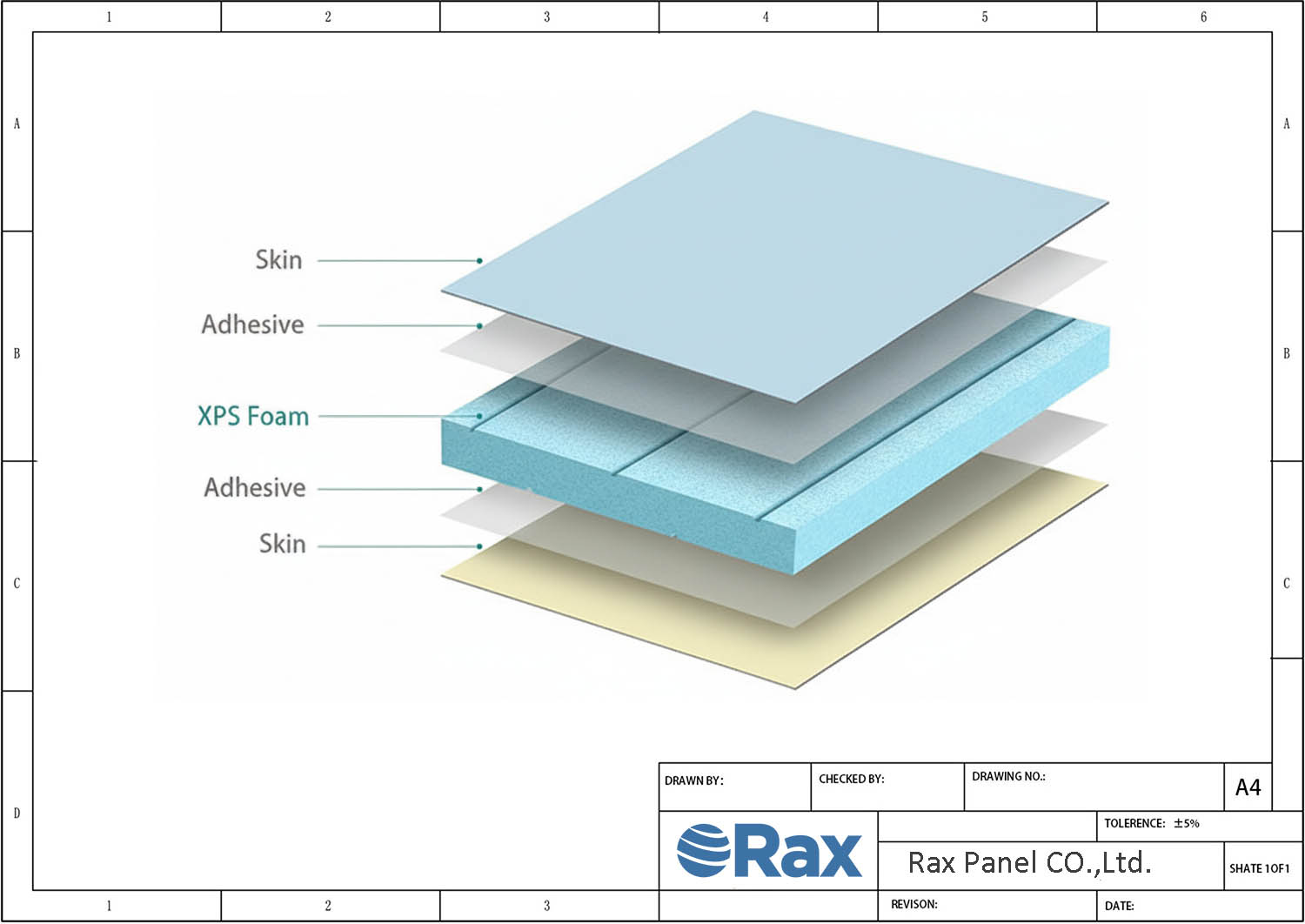
How R-Value Changes with Thickness and Temperature
Thermal resistance is not a static figure; it fluctuates based on material thickness and ambient temperature. While XPS typically offers higher initial thermal resistance per inch, EPS provides a stable R-value over the service life of the building due to its air-filled cellular structure.
Thickness Efficiency and Wall Assembly Design
In B2B construction, material thickness directly translates to interior floor space and structural detailing costs. Achieving a target thermal performance requires a linear increase in thickness, but the physical footprint differs significantly between materials. For contractors and engineers, this means selecting a material not just on cost-per-square-foot, but on the cost of altering structural connections to accommodate thicker insulation.
Because XPS possesses a higher thermal resistance per inch compared to standard EPS, it allows for a slimmer wall assembly to meet specific energy codes. In space-constrained applications, such as interior basement retrofits or vertical expansions where every inch of depth is critical, the dimensional efficiency of XPS can reduce the complexity of window and door installations. Conversely, in new builds with ample cavity space, EPS remains a highly efficient solution, allowing builders to maximize R-value simply by increasing the depth of the cavity without drastically increasing material density.
The “Aging” Curve: LTTR and Thermal Drift
Distinguishing between printed thermal metrics and actual long-term performance is critical for accurate energy modeling. The R-value printed on the board is often an “initial” value, not necessarily the performance the building will see in 10 years. Therefore, using Long-Term Thermal Resistance (LTTR) is vital for meeting long-term energy code compliance.
- XPS Thermal Drift: XPS is manufactured using blowing agents with high insulating properties trapped inside its closed-cell structure. Over time, these gases diffuse out of the foam and are replaced by air, which has lower insulating properties. This process, known as thermal drift, causes the R-value of XPS to decrease gradually over its service life until it stabilizes.
- EPS Stability: EPS uses air, not blowing agents, to create its cellular structure during the expansion process. Because it is already filled with air when it leaves the factory, its R-value remains stable over time. There is no significant thermal drift, meaning the R-value you install is effectively the R-value the building retains for decades.
When calculating payback periods and modeling energy compliance, always use the LTTR (Long-Term Thermal Resistance) values rather than the initial R-value. Relying on the initial R-value of XPS can lead to an overestimation of energy savings by up to 10-15% over the building’s life, whereas EPS calculations require less adjustment for aging.
Temperature Extremes and Performance Variance
Ambient temperature plays a non-trivial role in the real-world performance of rigid foam. While the industry standard R-value is typically measured at 75°F (24°C), actual field conditions vary widely. In below-grade applications or extremely cold climates, the performance characteristics of these materials diverge.
XPS is engineered to retain its insulating properties effectively in cold temperatures, making it a preferred choice for below-grade slabs and foundations where thermal stability is critical. Its dense structure resists moisture absorption—a key factor in cold climates where freeze-thaw cycles can compromise materials with higher water retention. EPS, while breathable and capable of drying out effectively, can see its R-value fluctuate more significantly if it becomes saturated in wet conditions, though its breathability prevents the long-term trapping of moisture that can permanently degrade other insulation types. For projects in extreme cold, specifying XPS for the perimeter and below-grade components ensures consistent thermal resistance despite the temperature differential between the interior and exterior environments.
| Material | R-Value per Inch | Thickness | Temperature & Moisture Behavior |
|---|---|---|---|
| EPS (Expanded Polystyrene) | R-3.6 to R-5.0 | 0.5″ to 12″ | Maintains stable R-value across temperature ranges; allows moisture vapor transmission and drains water effectively |
| XPS (Extruded Polystyrene) | R-4.5 to R-5.0 | 0.5″ to 4″ | Superior performance in cold temperatures; excellent moisture resistance with only 0.3% water absorption |
| EPS — Target R-30 | R-4.0 (high-density) | 7.5 inches | Most cost-effective option; breathable with natural moisture management |
| XPS — Target R-30 | R-4.5 | 6.7 inches | Preferred for below-grade and subslab applications where cold-temperature stability is critical |
| EPS — Target R-20 | R-4.0 (high-density) | 5.0 inches | Ideal for budget-conscious projects; retains performance when exposed to damp conditions |
| XPS — Target R-20 | R-4.5 | 4.4 inches | Traps less moisture long-term; maintains R-value better in continuously wet environments |
How EPS and XPS Handle Moisture and Water
XPS offers superior resistance to initial water absorption due to its extruded skin, making it the preferred choice for direct water exposure. However, EPS typically demonstrates better drying potential, allowing it to recover R-value more effectively after wetting cycles compared to XPS.
Water Absorption Rates: The Structural Difference
The fundamental divergence in moisture performance stems from the manufacturing process. XPS is produced through extrusion, creating a continuous cellular structure with a distinct skin that gives it a higher initial resistance to water intrusion. In contrast, EPS is manufactured by expanding beads that are fused together in a mold. While the voids between beads are microscopic, they create a pathway for water to migrate via capillary action.
Industry data consistently shows that EPS absorbs significantly more water by volume than XPS during short-term immersion tests. This makes XPS the standard specification for applications where the insulation is in direct, constant contact with water or saturated soil, such as in protected membrane roofing or below-grade foundations. However, “absorption” is only half the equation; the ability to release that moisture is equally critical for long-term performance.
Permeability and Drying Potential
A critical oversight in material selection is confusing “water resistance” with “vapor permeability.” While XPS acts as a stronger moisture barrier (lower permeability), this characteristic becomes a liability if water does penetrate the core system. Once water enters XPS, the dense closed-cell structure traps it, making the material extremely difficult to dry out.
EPS, conversely, has a higher vapor permeability. Although it may absorb water more readily in a flood event, it also releases that moisture much more effectively when conditions dry. This “breathability” allows EPS to regain its thermal performance (R-value) faster after a wetting incident. In environments with fluctuating water tables or periodic drainage issues, a material that can dry out often outperforms one that simply resists water initially but holds onto it indefinitely.
R-Value Degradation and Mold Risks
Water is a conductor of heat; replacing trapped air with water drastically reduces thermal resistance. When insulation retains moisture, the R-value plummets. Because XPS tends to hold moisture longer once saturated, it can suffer from prolonged thermal degradation compared to EPS, which may cycle through wet and dry periods with less permanent loss of efficiency.
While polystyrene (both EPS and XPS) is generally inert and does not provide a food source for mold, wet insulation creates a thermal bridge that can lower the temperature of adjacent materials. In basement applications, this can lead to condensation on concrete or framing, creating a secondary environment where mold can flourish. Selecting XPS for its superior water resistance is often the correct mitigating strategy in below-grade walls to prevent this cascade effect.
How Much Weight Can Each Foam Support?
While both materials offer a standard range of 10 to 60 psi, XPS distinguishes itself with high-density variants reaching 100 psi, making it the superior choice for heavy structural loads like parking decks.
When specifying insulation for structural applications—particularly under concrete slabs, foundations, or green roofs—compressive strength is the critical metric. It measures the material’s ability to resist deformation and rupture under a specific load, typically quantified in pounds per square inch (psi) at 10% deformation (or yield), as defined by the ASTM C578 standard. Choosing a foam with insufficient compressive strength leads to permanent crushing, compromising the structural integrity and the thermal performance of the assembly.
Comparative PSI Ratings and Density
For the majority of commercial and residential projects, both Expanded Polystyrene (EPS) and Extruded Polystyrene (XPS) cover a similar performance baseline. However, the manufacturing process of XPS allows for a tighter, more homogeneous cell structure that facilitates higher density options at the upper end of the spectrum.
- Standard Range (10–60 psi): Both EPS and XPS are readily available in this range. This covers low-load scenarios such as interior insulation, above-grade wall sheathing, and residential roof decks. In this band, EPS can often match the compressive strength of XPS at a similar density.
- High-Load XPS (100 psi): XPS is uniquely manufactured in high-density grades up to 100 psi. These panels are specifically engineered for extreme point loads, such as heavy equipment storage, refrigerated truck flooring, and parking plaza decks.
- Density Correlation: Compressive strength is directly proportional to density. While standard EPS might require a higher density to achieve 40 psi compared to XPS, both materials will perform identically if they share the same psi rating and are tested under the same conditions.
Application Suitability by Load Type
Selecting the correct psi rating is a matter of ROI and safety. Over-engineering by specifying 100 psi foam for a light-duty application wastes budget, while under-specifying leads to catastrophic failure.
- Foundations & Slabs-on-Grade: For standard residential and light commercial foundations, a compressive strength of 15 to 25 psi is generally sufficient. This accommodates the weight of the concrete and typical soil pressures. High-density EPS (Type II) or standard XPS (Type IV) are common fits here.
- Green Roofs & Plaza Decks: These environments impose sustained heavy loads from soil, vegetation, and pedestrian traffic. Engineers typically specify 40 to 60 psi materials to ensure long-term creep resistance—the material’s ability to support a load over time without slowly deforming.
- Parking Decks & High-Traffic Areas: This is the domain of the 100 psi XPS board. The dynamic loads from turning vehicles and the extreme point loads from jacks or heavy equipment exceed the capabilities of standard EPS. The higher density foam prevents the crushing that would otherwise transfer load to the waterproofing membrane.
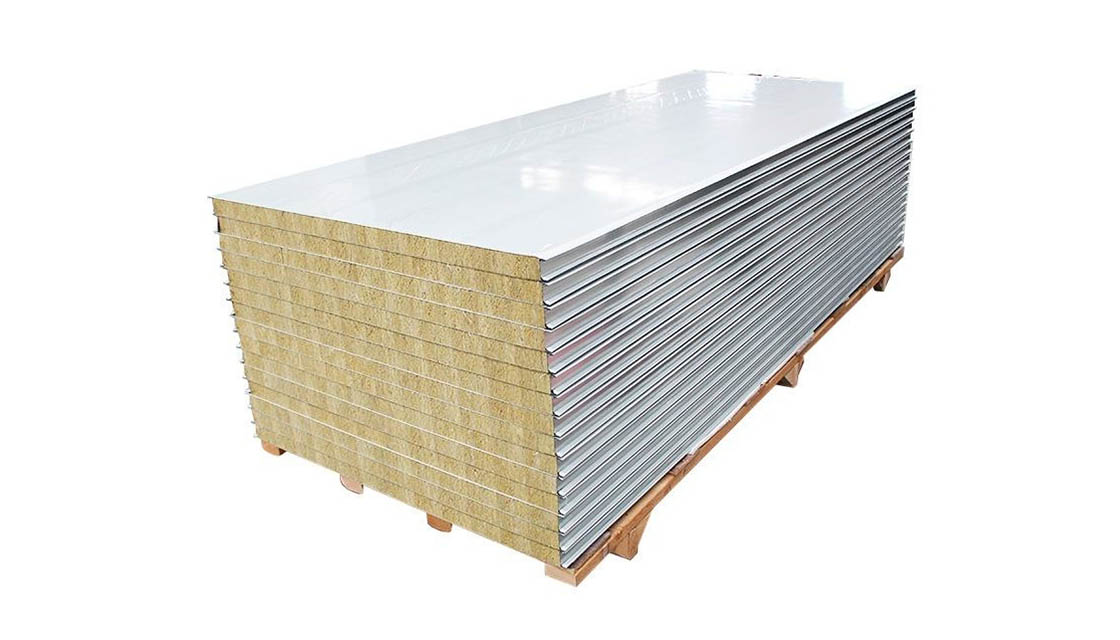
Upfront Cost vs Long-Term Value: EPS vs XPS
EPS typically costs up to 30% less per board foot than XPS for equivalent R-value, but the total lifecycle cost depends on installation environment, freight weight, and long-term thermal stability. The right choice hinges on whether upfront savings or sustained performance matters more for your project.
The Upfront Cost Gap: EPS Holds the Price Advantage
N/A – Block recommended for deletion
The reason is straightforward. EPS is manufactured through a simpler expand-and-mold process using steam and pentane blowing agent. XPS requires a continuous extrusion line with higher-pressure equipment and a more energy-intensive formation process. Those manufacturing differences compound at scale, and the price premium for XPS is structural, not incidental.
For builders and general contractors operating under tight margin envelopes, that upfront difference often makes EPS the default selection—especially when building codes only require a minimum R-value threshold and do not specify material type. The question becomes whether accepting the cheaper board today creates hidden costs tomorrow.
Freight Weight and Total Landed Cost
Material cost per board foot is only one component of total landed cost. Freight weight directly impacts shipping expenses, and EPS is significantly lighter than XPS at equivalent thickness and R-value. A full truckload of EPS will contain more square footage than a full truckload of XPS simply because each individual board weighs less.
For international buyers importing from China or domestic buyers sourcing across regions, this density difference matters. Lower freight weight means lower per-unit shipping cost, which narrows the effective price gap between the two materials even further in favor of EPS. When calculating total installed cost, the freight advantage should be factored in alongside the base material price.
Long-Term Value: Where XPS Defends Its Premium
XPS commands its price premium for a reason. The closed-cell structure formed during extrusion creates a denser, more moisture-resistant board that retains its R-value more effectively over time, particularly in wet or below-grade environments. When water is present, XPS maintains thermal resistance better than EPS, which can absorb moisture and experience a temporary or permanent reduction in R-value depending on exposure duration and drainage conditions.
This long-term thermal stability is the core value proposition of XPS. For applications where the insulation board will be in contact with damp soil, subjected to recurring moisture cycles, or installed beneath concrete slabs, the higher initial cost can be justified by reduced risk of performance degradation over the service life of the building or asset.
The trade-off is clear: EPS delivers the lowest cost per R-value for most dry or controlled applications, while XPS delivers greater confidence in sustained performance under demanding moisture exposure. Neither material is universally superior—the decision depends on the specific installation environment and the buyer’s risk tolerance.
Code Compliance and Budget Balance
Balancing strict code mandates with capital expenditure limits requires strategic material selection. Many codes specify minimum R-value thresholds for subslab insulation, exterior walls, and below-grade applications without mandating a particular foam type. This flexibility allows buyers to select EPS where it meets code and XPS where the application demands it—without over-specifying or under-specifying.
For subslab applications specifically, the debate is most active. EPS meets the R-value requirements for most residential and light commercial subslab installations at a lower cost. However, in environments with high water tables or poor drainage, XPS provides an additional margin of safety against moisture-related thermal degradation. The question is not whether EPS meets code—it often does—but whether the project’s long-term risk profile warrants the incremental investment in XPS.
- Low-risk, dry, or controlled environments: EPS delivers equivalent code-compliant R-value at significantly lower material and freight cost.
- High-moisture or below-grade environments: XPS justifies its premium through superior moisture resistance and long-term R-value retention.
- Freight-sensitive or bulk procurement projects: EPS lightness reduces shipping cost per installed R-value, widening the cost advantage.
- Lifecycle-cost-focused buyers: The total cost of ownership should factor in both upfront price and expected performance over 20+ years, not just the purchase order.
When to Use EPS vs XPS
XPS is the default choice for below-grade and wet-environment applications due to its closed-cell structure and high compressive strength. EPS is the cost-effective solution for above-grade, dry, and lightweight structural applications like geofoam.
Below-Grade and Wet-Soil Applications
For below-grade applications requiring high moisture resistance, XPS utilizes a fully closed-cell structure to limit saturation. This results in a water absorption rate well below 1% by volume, making it exceptionally resistant to saturation even under hydrostatic pressure.
Conversely, EPS is formed by fusing discrete closed beads together. While the individual beads are closed-cell, the material manages moisture exposure effectively. A 15-year EPS Industry Alliance study found that EPS retained less moisture than XPS in identical below-grade installations. This difference is not theoretical—it translates directly into R-value retention and load-bearing capacity over the service life of a building.
For foundation wall insulation, perimeter slab insulation, and plaza deck assemblies, XPS is the preferred material. Its compressive strength grades—typically ranging from 25 psi for light-duty applications to 100 psi or higher for heavy structural loads—allow it to withstand the sustained pressure of backfill soil and concrete without significant deformation. High-density XPS variants are routinely specified for below-grade applications where both moisture resistance and structural load-bearing are critical.
Above-Grade and Dry-Environment Applications
Above-grade wall assemblies operate in fundamentally different conditions. Moisture exposure is intermittent rather than constant, and the primary design drivers shift toward cost efficiency, thermal performance per inch, and weight reduction. In these environments, EPS delivers strong performance at a significantly lower unit cost than XPS, often 20% to 40% less per board foot depending on density and regional pricing.
EPS is widely used in above-grade commercial and residential wall systems, particularly in applications where the insulation is protected by weather-resistant barriers and cladding. Its R-value per inch—typically between R-3.6 and R-4.2 depending on density—is competitive with XPS, and in dry conditions, the thermal performance gap between the two materials is negligible over the building’s service life. For projects where budget is a primary constraint and moisture exposure is controlled, EPS is the more economical choice without sacrificing thermal efficiency.
A notable above-grade application where EPS dominates is geofoam. Expanded polystyrene geofoam blocks, with densities as low as 1.5 to 4.0 pcf, are used to replace traditional fill material in road embankments, bridge abutments, and slope stabilization. The extreme lightness of EPS geofoam—up to 95% air by volume—reduces foundation loads by 85% to 95% compared to conventional soil fill. XPS is not economically viable for geofoam applications due to its higher manufacturing cost and lower expandability at low densities.
Radiant Floor and Below-Slab Insulation
Radiant floor system insulation must satisfy a triad of requirements: structural load support, moisture management, and sustained thermal resistance under cycling temperatures. The insulation sits directly beneath a concrete slab that may contain embedded PEX tubing carrying hot water, and it must simultaneously support the structural load of the slab, resist moisture migration from the ground, and maintain thermal performance under sustained temperature cycling.
XPS is the industry standard for below-slab radiant applications. Its closed-cell structure provides both the moisture resistance needed to prevent thermal degradation and the compressive strength required to support concrete pours without crushing. Typical specifications call for 1 to 2 inches of XPS with a compressive strength of 25 psi to 50 psi under the slab, rising to 100 psi or higher when the slab supports heavy point loads or vehicle traffic. The long-term thermal resistance (LTTR) of XPS is well-documented and certified under ASTM C518, giving engineers confidence in the R-value that will be available after the initial blowing agent diffusion period.
High-density EPS can serve as a cost-effective alternative in below-slab radiant applications where moisture conditions are controlled and compressive loads are moderate. EPS with a density of 2.0 pcf or higher achieves compressive strengths of 20 psi to 25 psi, which is sufficient for residential slab-on-grade installations with radiant tubing. However, in applications where the slab is poured directly over damp soil or where groundwater is present, the moisture absorption risk of EPS makes XPS the safer specification—even if the upfront cost difference is significant.
The decision between EPS and XPS for radiant floors ultimately comes down to three factors: moisture exposure risk, structural load requirements, and budget. When both moisture and load are high, XPS is the clear choice. When the substrate is dry and loads are light, high-density EPS provides adequate performance at lower cost. In borderline cases, some engineers specify a dual-layer approach—using XPS at the critical below-slab interface and EPS above it where moisture exposure is minimal—to optimize both performance and cost.
Environmental Impact and Blowing Agent Considerations
The environmental profile of EPS and XPS differs primarily due to their blowing agents. Traditional XPS manufacturing uses hydrofluorocarbon (HFC) blowing agents such as HFC-134a, which have a global warming potential (GWP) approximately 1,430 times that of CO₂. This has driven regulatory pressure and a industry-wide transition toward lower-GWP alternatives, including HFO-based blends and CO₂-blended processes. Newer XPS formulations using these next-generation blowing agents have significantly reduced their climate impact, though the initial R-value may be slightly higher before the blowing agent diffuses and is replaced by air.
EPS, on the other hand, is typically manufactured using pentane—a hydrocarbon blowing agent with a GWP of less than 10 and zero ozone depletion potential. The pentane rapidly diffuses out of the EPS cells, leaving air as the primary gas in the closed cells. This means EPS achieves its final R-value quickly and maintains it with no reliance on high-GWP gases. From a lifecycle and regulatory compliance perspective, EPS has a lower environmental footprint related to blowing agent emissions.
For projects with sustainability certification requirements—such as LEED, BREEAM, or other green building standards—the blowing agent choice can be a deciding factor. XPS products manufactured with low-GWP blowing agents can meet the same certification thresholds, but buyers must verify the specific product formulation and its certified global warming potential rather than assuming all XPS carries the same environmental profile.
EPS vs XPS: Quick-Reference Comparison
Selecting the correct rigid foam core is a balancing act between thermal resistance, moisture management, and structural load capacity. While XPS typically offers higher initial R-value per inch and superior compressive strength, EPS provides greater vapor permeability and cost efficiency for high-volume applications.
R-Value Per Inch and Thermal Composition
When evaluating thermal efficiency strictly on a nominal basis, XPS generally provides a higher initial R-value per inch compared to EPS. This performance differential is primarily driven by the manufacturing process; XPS utilizes extrusion with blowing agents that trap gas within the closed-cell structure, whereas EPS molds expanded beads using steam and air, resulting in a lower density of insulating gas. In our R&D lab, we frequently observe that while XPS may start with an advantage in per-inch ratings, the choice between the two often hinges on the specific thickness constraints of the sandwich panel assembly rather than the nominal R-value alone.
It is also critical to consider the environmental footprint of this thermal performance. The blowing agents historically used in XPS production have carried a higher Global Warming Potential (GWP) compared to the air-based expansion of EPS. However, modern formulations are shifting toward hydrofluoroolefins (HFOs) to mitigate this impact. For projects prioritizing LEED certification or strict carbon budgets, EPS often retains an advantage due to its simpler manufacturing chemistry and established recycling pathways.
Water Absorption and Dimensional Stability
The cellular structure of these materials dictates their behavior when exposed to moisture. EPS, composed of fused beads, inherently possesses tiny voids between the beads that allow for vapor diffusion. This permeability means that while EPS can absorb a higher percentage of water by volume when submerged, it also possesses a significant capacity to release that moisture and dry out, maintaining its structural integrity in wet cycling conditions. This characteristic is why our engineering team often recommends EPS for applications where the panel may be exposed to intermittent moisture but requires breathability.
Conversely, XPS is manufactured as a continuous extrusion, creating a denser cell structure that offers excellent resistance to liquid water penetration. However, if XPS does become saturated—often at cut edges or joints—it has a much lower drying potential than EPS. From a dimensional stability perspective, XPS is less prone to shrinkage over time compared to EPS, which can experience minor curing shrinkage as residual pentane gas leaves the beads. This stability makes XPS a preferred candidate for precise dimensional tolerance requirements in industrial composite panel fabrication.
Compressive Strength Grades and Load Ratings
Structural load requirements frequently drive the selection between EPS and XPS. Both materials are categorized by ASTM C578 standards, which designate compressive strength at 10% deformation (or yield, depending on the standard). XPS is commonly available in higher density “stock” grades, such as 25 psi, 40 psi, and even 60 psi, making it suitable for heavy-duty sub-slab insulation or high-load roofing assemblies without requiring special orders.
While EPS is available in high-density compressive strengths (up to 40+ psi for “Type II” and higher), it is most widely utilized in lower density applications (10 psi to 15 psi) for cavity fills and sheathing. In our experience manufacturing flooring panels for specialized vehicles, we often default to XPS for the core layer when the design demands maximum resistance to point loading or crushing forces in a thin profile. However, for broader surface area loads where weight reduction is paramount, high-density EPS offers a favorable strength-to-weight ratio.
Unit Cost and Total Installed Cost
From a procurement perspective, EPS almost universally holds a price advantage over XPS on a per-board-foot or per-square-meter basis. The raw material cost and energy consumption for molding beads are lower than the continuous extrusion process required for XPS. For bulk buyers and distributors managing tight margins, this unit cost difference can be substantial, particularly in large-scale wall cladding or roofing projects.
However, the total installed cost requires a broader calculation. XPS offers superior friability resistance, meaning it withstands handling and job-site rough handling better than EPS, which can crumble or chip more easily. This durability can reduce waste and labor costs associated with repairing damaged insulation during installation. Additionally, XPS typically cuts cleaner with standard saws, allowing for faster fabrication in custom panel lines like ours. When factoring in installation speed and waste reduction, the gap between the two materials narrows, justifying the premium of XPS in complex or high-traffic installations.
| Comparison Criteria | EPS Specification | XPS Specification | Best Application |
|---|---|---|---|
| Manufacturing Process | Molded expansion of polystyrene beads (typically white foam) | Extrusion process forming continuous rigid boards (typically colored) | EPS for general insulation; XPS for specific structural needs |
| Vapor Permeance | High permeance (generally > 1 perm at typical thicknesses) | Low permeance (generally < 1 perm at standard thicknesses) | EPS for breathable assemblies; XPS for below-grade waterproofing |
| Compressive Strength (ASTM C578) | Lower density options available (e.g., 10 psi to 25 psi types) | Higher density standard (e.g., 15 psi, 25 psi, 40 psi, 60 psi) | EPS for non-structural cavity walls; XPS for heavy load-bearing sub-slabs |
| Material Efficiency | Lower material density required for equivalent volume | Higher material density required for structural integrity | EPS for cost-effective and lightweight solutions |
| Moisture Management | Moisture resistant with inherent drying potential | High moisture resistance with vapor barrier properties | XPS for foundations and IRMA roofs; EPS for protected cavities |
Conclusion
“While XPS offers superior initial resistance to water absorption, its long-term thermal drift contrasts with EPS’s stability. XPS absorbs less than 0.3 percent water by volume, but over time its R-value can shift due to gas diffusion through the closed-cell structure. EPS, while more permeable to moisture, maintains a stable R-value over time as confirmed by ASTM C1303 testing. For below-grade applications near a water table, the decision comes down to whether you prioritize immediate moisture resistance or long-term thermal consistency — and in many cases, EPS proves to be the more reliable choice.”
Our engineering team has tested both materials across hundreds of projects. When you’re unsure which foam fits a specific spec, reach out — we’ll walk through thermal calculations, moisture profiles, and load requirements with your team. No obligation, just a straightforward engineering conversation.
Frequently Asked Questions
Why doesn’t EPS have LTTR ratings?
LTTR (Long-Term Thermal Resistance) testing is required for XPS by building codes because its R-value can decline as blowing agents dissipate over time. EPS, however, reaches its stable R-value almost immediately after manufacturing since it is filled with air rather than gas. This means EPS does not require LTTR certification to demonstrate its thermal performance, making its listed R-value reliable from day one.
Is EPS more environmentally friendly than XPS?
EPS generally has a lower environmental impact because its manufacturing uses physical blowing agents rather than chemical ones, resulting in a significantly lower global warming potential. XPS traditionally relied on HFC-based blowing agents with high GWP, though newer formulations are improving. Both materials are recyclable in specialized programs, but EPS is more widely accepted in regional recycling streams.
What are the main manufacturing differences?
EPS is produced by expanding polystyrene beads using steam in a mold, creating a closed-cell structure filled with air. XPS is manufactured by extruding polystyrene through a die with chemical blowing agents, producing a denser, more uniform closed-cell structure. These process differences explain why XPS typically offers higher compressive strength and lower water absorption than EPS at equivalent thicknesses.
Which is better for inverted roof applications?
XPS is the standard choice for inverted roof assemblies because it maintains structural integrity and thermal performance when continuously exposed to standing water and freeze-thaw cycles. EPS can absorb more moisture over time in these conditions, which may reduce its R-value and compressive strength. For protected membrane roofs, XPS provides more predictable long-term performance in wet environments.
How do EPS and XPS compare for basement walls?
XPS is widely recommended for below-grade basement wall insulation due to its lower water absorption and higher compressive strength under soil pressure. However, some builders prefer EPS for basements because it is more vapor-permeable, reducing the risk of trapped moisture within the wall assembly. The choice depends on local climate, drainage conditions, and whether the basement is designed as a damp-proof or waterproof space.
Can EPS and XPS be combined in a single assembly?
Yes, combining EPS and XPS in layered assemblies is technically feasible and sometimes used to balance cost and performance. For example, a builder might use EPS for bulk thermal resistance and XPS for a moisture-resistant layer near the foundation. Care must be taken to ensure compatibility of adhesives, vapor permeability differences, and local code requirements for mixed-material assemblies.