
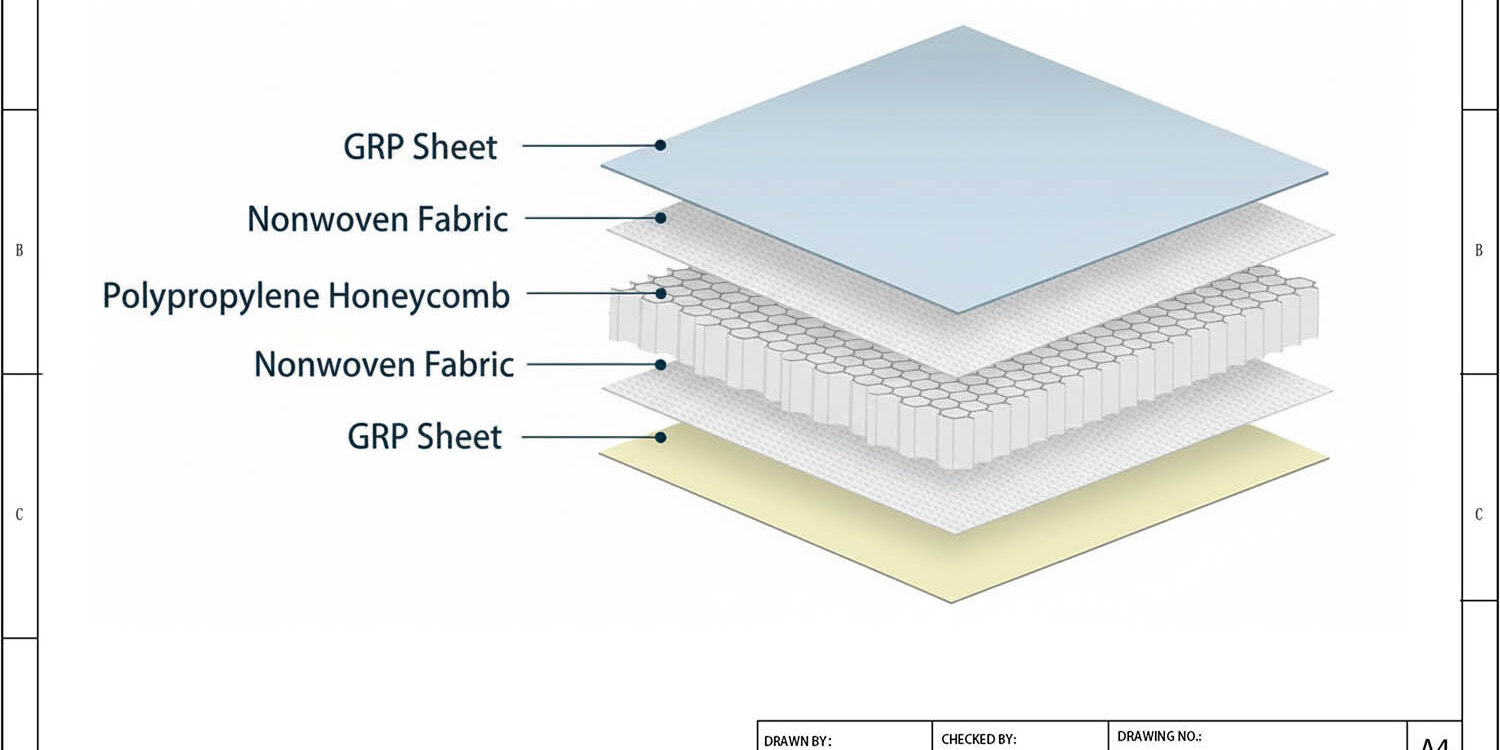
The hexagonal geometry inside an aluminum honeycomb panel isn’t just a manufacturing detail—it is a physics equation that converts minimal material into maximum rigidity. This sandwich structure uses two aluminum face sheets bonded to an expanded core to defy standard weight-to-strength expectations. A standard 20mm panel configuration supports a distributed load of up to 3,000 kg/m². That capability changes how you approach structural design.
We are cutting through the marketing fluff to dissect the mechanical properties, fire ratings, and acoustic metrics that actually matter for your project specs. You will see how the shear modulus and thermal conductivity stack up against rigid foam or plywood in real-world conditions. Use this data to justify your procurement decision based on code compliance and long-term durability, rather than just the upfront price tag.
How Strong Is the Panel?
Flatwise Compressive Strength Data
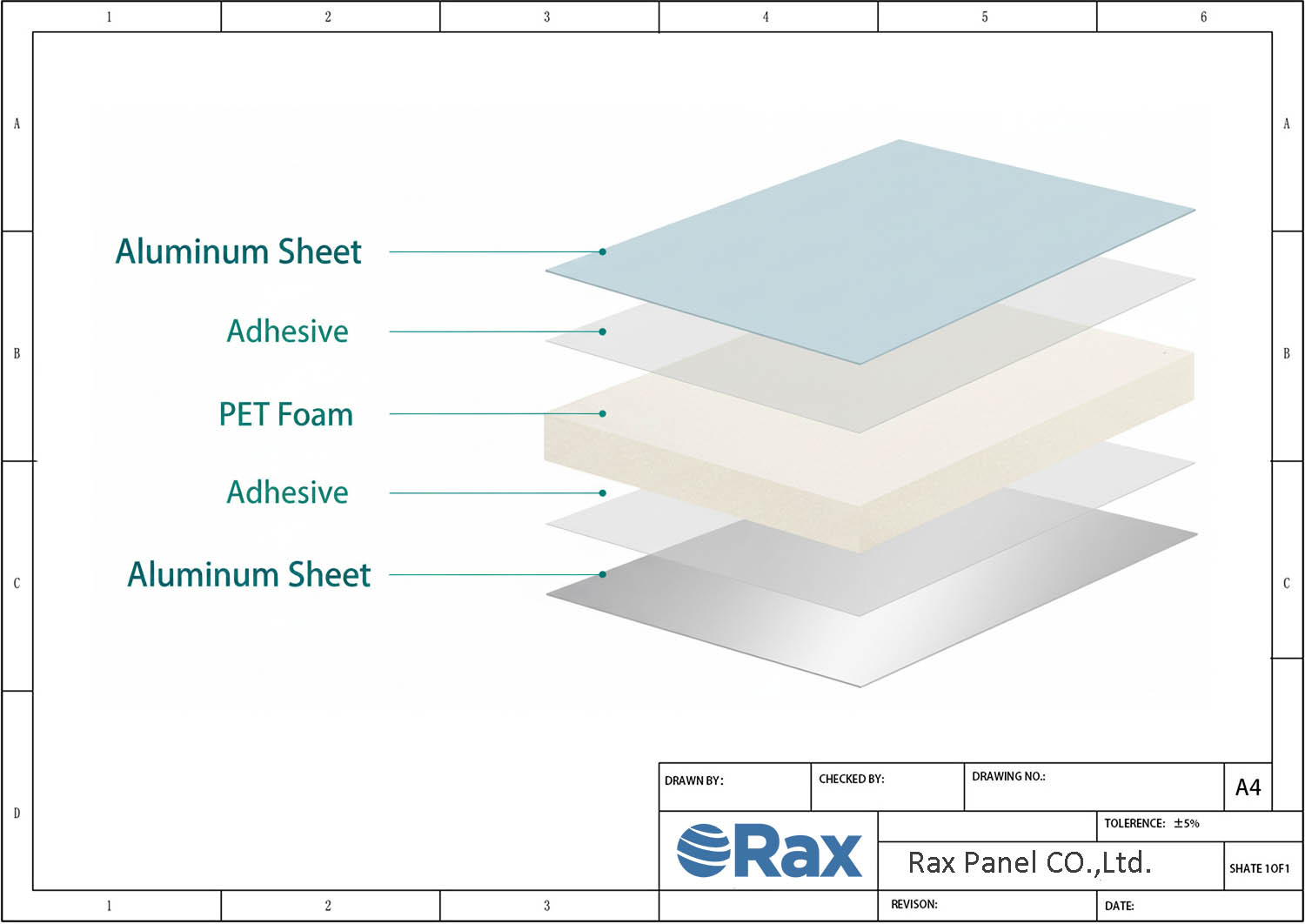
In structural applications, flatwise compressive strength defines a panel’s ability to resist crushing forces applied perpendicular to its face sheets. Our engineering team has extensively validated the compressive performance of our aluminum honeycomb and foam core sandwich panels under standardized loading conditions.
Unlike solid metal counterparts, composite panels distribute loads through the hexagonal honeycomb geometry or closed-cell foam matrices, achieving high resistance-to-weight ratios. For marine and transportation sectors specifically, we rigorously test these parameters to ensure panels can withstand significant point loads without core collapse or skin deformation. This metric is particularly critical for flooring and roof sections where concentrated equipment weights must be supported over large spans.
Shear Modulus and Rigidity Metrics
Shear modulus—often referred to as rigidity in practical terms—measures how well a panel resists shape distortion when subjected to lateral forces. In sandwich panel construction, this property is dominated by the core material’s ability to transfer shear stresses between the two facing skins.
Our production facility employs real-time monitoring during extrusion and bonding processes to maintain consistent core integrity, directly influencing shear performance. For applications requiring high torsional stiffness—such as mobile home walls or vessel hulls—we recommend configurations that pair high-modulus facings (like GRP or aluminum) with PMI or aramid honeycomb cores. These combinations minimize deflection while keeping overall mass low.
We’ve observed that improper adhesive selection or curing can significantly reduce effective shear capacity, even with premium core materials. That’s why our technical support team always reviews project-specific environmental conditions before finalizing bonding recommendations. In extreme temperature zones, for instance, we often specify epoxies with enhanced thermal stability to preserve rigidity over time.
Skin-Core Bonding Strength Standards
The interface between facing skins and core material is arguably the most critical junction in any sandwich panel structure. Failure at this bond—even minor delamination—can compromise entire structural integrity under dynamic loading. To prevent this, Rax Panel adheres to strict adhesion protocols across all product lines.
Our manufacturing process utilizes precision surface treatments on both facings and cores immediately prior to bonding, ensuring optimal chemical compatibility. We employ autoclave curing for high-performance variants where maximum bond strength is non-negotiable, especially in aerospace-grade components or offshore marine structures.
For standard commercial applications like building cladding or recreational vehicles, our hot-press lamination delivers consistent results meeting industry benchmarks. All bonded assemblies undergo peel testing per ASTM D1781 guidelines to validate cohesive failure modes versus adhesive separation—a key indicator of long-term durability in field conditions.
| Performance Metric | Technical Specification | Core Advantage |
|---|---|---|
| Weight-to-Strength Ratio | 11% of steel weight; 23% of aluminum weight | Delivers superior stiffness with minimal mass load |
| Fire Safety Compliance | ASTM/EN Compliant (Test Data Available) | Meets strict transportation and building codes |
| Moisture & Marine Resistance | Closed-cell Cores (PVC/XPS) | Superior moisture resistance is achieved through both closed-cell PVC/XPS foams and the hydrophobic nature of PP honeycomb. |
| Structural Consistency | ISO-Certified Production (Real-time Monitoring) | Prevents extrusion defects for uniform panel strength |
| Energy Efficiency Impact | Up to 20% cooling savings / 15% heating reduction | Reduces operational load on HVAC systems |
Does It Insulate and Dampen Sound?
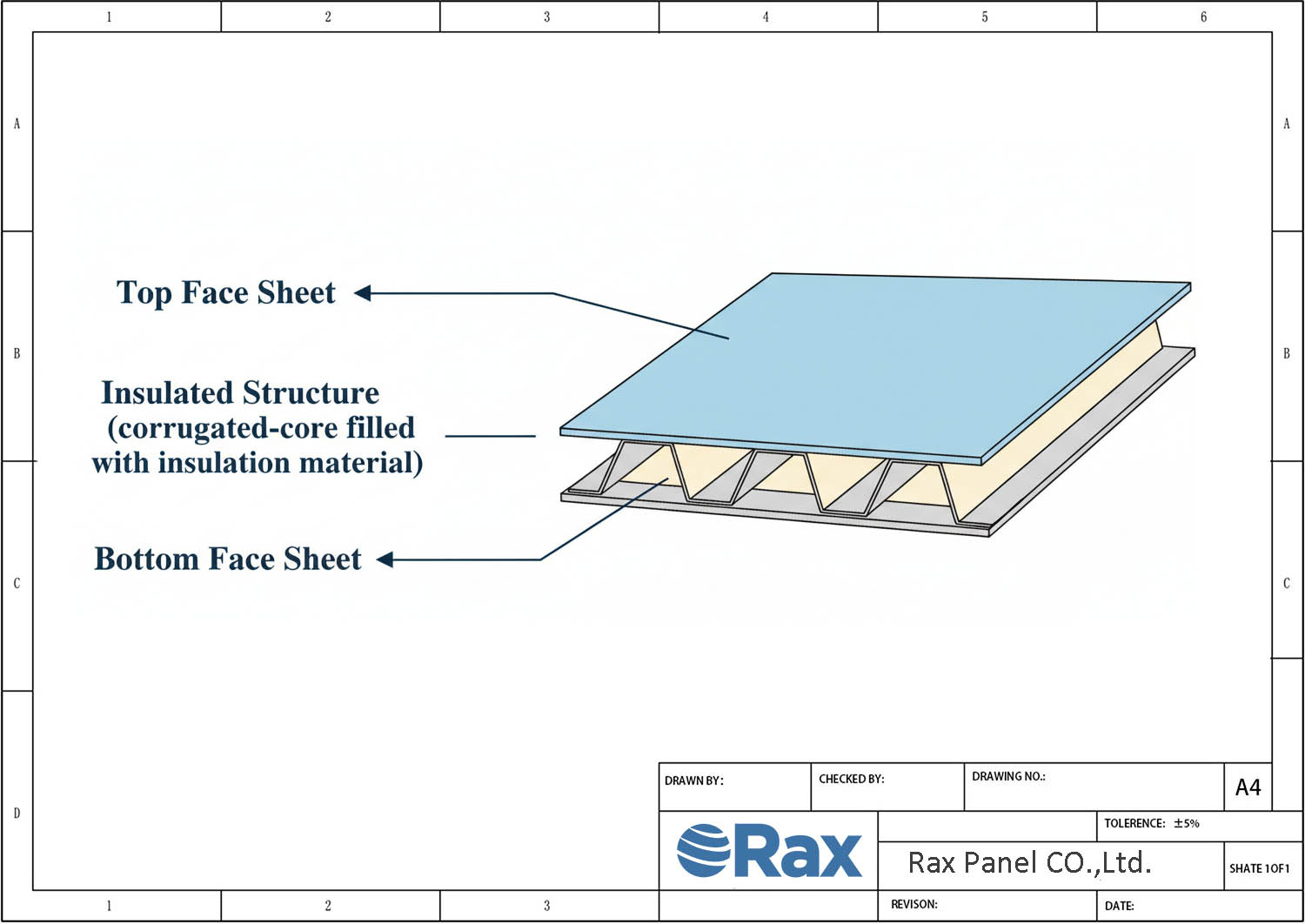
Composite panels utilize core density, skin mass, and air cavities to achieve thermal resistance and sound transmission reduction. Performance is heavily dependent on the specific sandwich configuration chosen.
Thermal Conductivity and R-Values
The thermal performance of composite panels is determined by the core material’s inherent conductivity and the overall assembly thickness. For instance, rigid foam cores like XPS (Extruded Polystyrene), PU (Polyurethane), and PET provide significantly higher insulation values compared to solid metal or honeycomb structures. Because these materials trap inert gases within their closed-cell structure, they effectively resist heat flow.
In construction and transport applications, achieving a high R-value typically requires increasing the panel thickness or selecting a core with lower thermal conductivity, such as PMI (Polymethacimide) foam. Unlike loose-fill insulation which can settle over time, sandwich panels maintain consistent thermal barriers throughout the service life of the structure due to the rigid bonding between skins and core.
Sound Transmission Class Ratings
Sound reduction in sandwich panels relies on the mass law principle and damping mechanisms provided by the core. High-density facings, such as thick aluminum or GRP sheets, reflect sound waves, while the core layer absorbs vibrational energy. The resulting Sound Transmission Class (STC) rating varies based on this mass-core-mass configuration.
- Honeycomb Cores: While lightweight, standard PP or aluminum honeycomb offers limited sound blocking at low frequencies unless paired with heavy skins or acoustic fillers.
- Foam Cores: XPS, PU, and PVC foam cores generally offer better mid-to-high frequency absorption due to their porous nature.
- Plywood/Balsa: Natural wood cores provide balanced damping characteristics often preferred in marine and RV applications for noise control.
Acoustic Dampening Coefficients
To evaluate true dampening capability, engineers look at the NRC (Noise Reduction Coefficient) and loss factor. Sandwich panels act differently than single-layer materials because the decoupling effect between the two facing skins prevents direct vibration transfer. This “mass-spring-mass” system creates an air cavity resonance that can be tuned to specific frequency ranges.
For critical environments where low-frequency rumble—such as from engines or HVAC systems—is a concern, simply adding mass is less effective than introducing constrained layer damping treatments. Some advanced composite solutions utilize viscoelastic adhesives between the layers to convert mechanical wave energy into negligible heat, thereby reducing audible noise transmission without excessively increasing weight.
Lightweight but Strong?
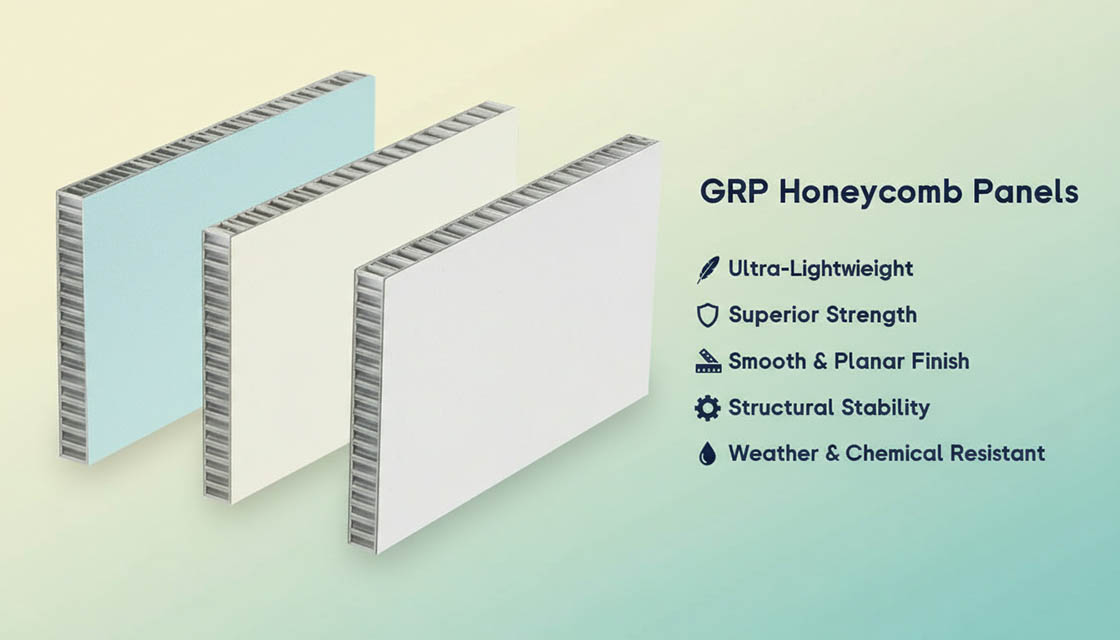
Aluminum honeycomb panels deliver strength-to-weight ratios significantly higher than solid aluminum sheets while reducing structural load by over 70%, making them ideal for weight-sensitive applications like transport and marine construction.
The Mechanics of Structural Efficiency
The paradox of being lightweight yet strong is resolved through geometry rather than just material chemistry. In a sandwich panel, the core material—whether aluminum honeycomb, PP honeycomb, or foam—acts as the web of an I-beam, maintaining the distance between the two facings. This separation dramatically increases the panel’s moment of inertia, allowing thin, high-strength skins to resist bending and buckling far more efficiently than a solid sheet of equal weight.
For B2B applications, this means structural integrity does not require mass. Manufacturers utilize advanced cores such as PMI foam or PET foam, combined with high-modulus facings like GRP (Glass Reinforced Plastic) or CFRT (Continuous Fiberglass Reinforced Thermoplastic), to achieve specific rigidity targets. The choice of facing dictates the tensile and compressive strength, while the core density dictates the shear modulus and overall weight.
Material Efficiency Comparison
When evaluating materials for high-volume projects like truck bodies or RV walls, understanding the efficiency gap between solid materials and composite sandwiches is critical. The data below illustrates the performance delta relative to solid aluminum, a common benchmark in the industry.
| Material Configuration | Weight Reduction vs. Solid Aluminum | Key Performance Characteristic |
|---|---|---|
| Solid Aluminum Sheet | Baseline (0%) | High density, isotropic strength, heavy structural load. |
| Aluminum Honeycomb Panel | > 70% Lighter | Exceptional stiffness-to-weight; maintains flatness over large spans. |
| PP Honeycomb + Fiberglass Facings | > 75% Lighter | High impact resistance, corrosion resistant, cost-effective for flooring. |
| CFRT Sandwich Panel | Variable (up to 60%) | Thermoplastic resilience; thinner profiles with high toughness. |
Engineering for Specific Load Cases
Not all “lightweight” solutions offer the same type of strength. For example, in marine and vessel solutions, water resistance and impact absorption are prioritized. Here, a PP honeycomb core composited with fiberglass sheet provides high strength and light weight while resisting moisture ingress that would compromise metallic cores. Conversely, for industrial flooring requiring high point-loads, a denser core like XPS or PU foam bonded with stainless steel or heavy-duty GRP facings is utilized to prevent denting under concentrated weight.
Advanced manufacturing capabilities allow for the customization of these variables. By adjusting the density of the foam core (e.g., switching from standard PU to high-density PET) or altering the thickness of the GRP skin, engineers can tailor the panel’s flexural strength to meet exact load-bearing requirements without incurring unnecessary weight penalties. This precision is vital for applications like refrigerated truck bodies, where every kilogram of panel weight directly reduces the vehicle’s payload capacity.
Verifying the flatwise compression strength of the core is non-negotiable for high-load applications. High-quality aluminum honeycomb cores can exceed 2.0 MPa, whereas cheaper foam cores may collapse under 0.5 MPa, causing the skins to wrinkle and fail structurally.
Will It Last in Harsh Conditions?
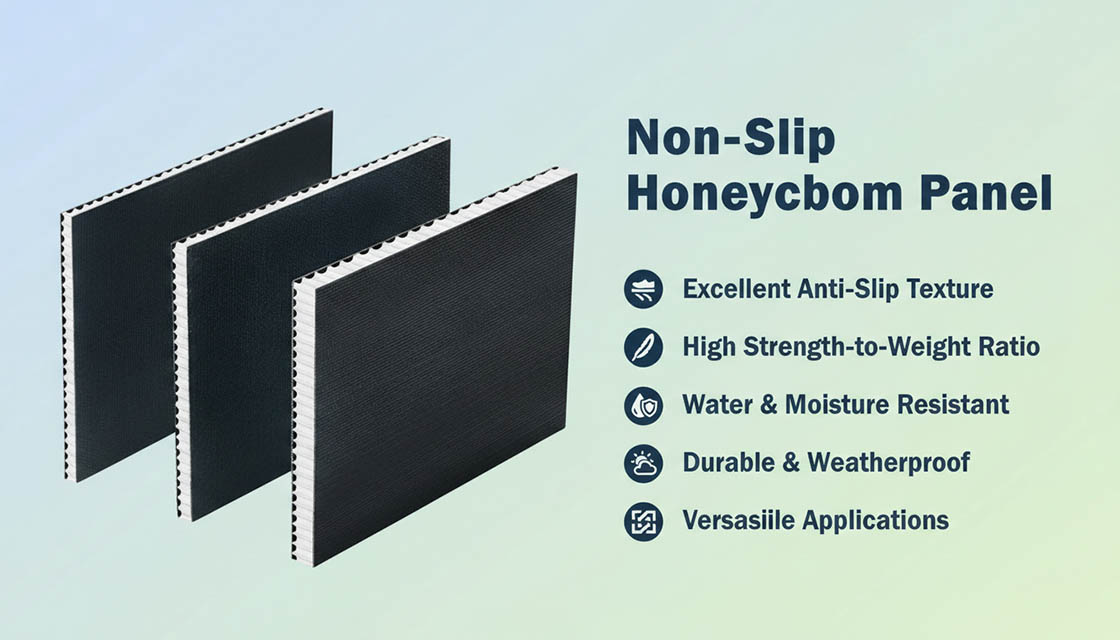
Durability under environmental stress is determined by core-skin chemistry and protective treatments, not just structural geometry.
Core Material Vulnerabilities in Extreme Environments
The longevity of sandwich panels in demanding conditions hinges on the fundamental resistance of the core matrix to moisture absorption, thermal cycling, and chemical degradation. Paper-based honeycomb cores lack dimensional stability when exposed to humidity above 65% relative humidity, leading to mold growth and loss of compressive strength within months. Thermoplastic cores like PET or PP exhibit acceptable water resistance but undergo embrittlement at temperatures exceeding 80°C for prolonged periods, causing micro-cracking in the adhesive bonds that separate the skin from the core.
Facing Material Limitations Against UV and Salts
Standard polyester gelcoat facings degrade under continuous UV exposure, losing gloss and developing surface cracks after 2-3 years in direct sunlight without stabilizers. In marine environments, untreated aluminum facings suffer from galvanic corrosion when in contact with dissimilar metals or saltwater spray, while unprotected GRP skins can experience resin leaching in acidic conditions (pH < 5). Industry best practices require either anodizing for aluminum or UV-stabilized topcoats for polymer-based facings to maintain integrity beyond 5-year service life expectations.
Bonding Failure Modes Under Thermal Shock
Thermal shock—rapid temperature changes between -40°C and +80°C—creates differential expansion stresses at the skin-core interface. Epoxy adhesives typically withstand these cycles better than phenolic resins, but all organic bonding systems risk delamination if the core material has high moisture content (>0.5%) during manufacturing. Field failures most frequently occur at panel edges where water ingress accelerates corrosion of metal facings and swells foam cores, compromising the entire assembly’s load-bearing capacity over time.
Honeycomb vs. Other Core Materials
The “Honeycomb” Hierarchy: Distinguishing Structural Grades from Cheap Fillers
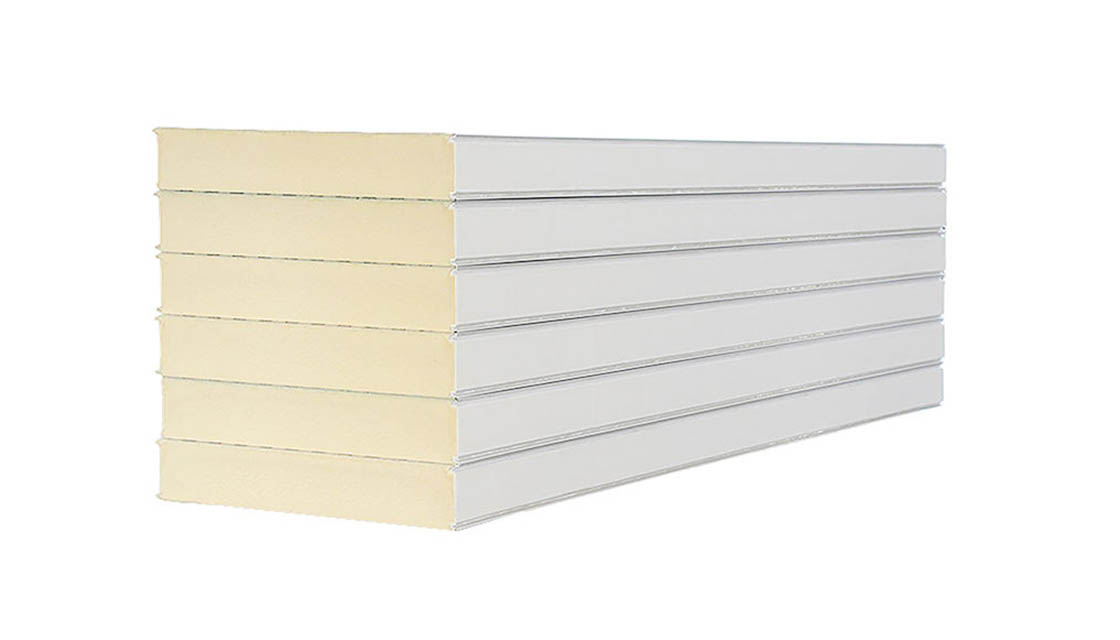
A common misconception in the market is that all honeycomb cores are essentially the same—often assumed to be paper or low-grade plastic intended solely for lightweight doors or interior furniture. In reality, the performance gap between a kraft paper honeycomb and a structural Aluminum or PP (Polypropylene) honeycomb is massive. For B2B applications like RV sidewalls, truck bodies, or marine flooring, assuming “honeycomb” implies uniform structural integrity is a critical error. While paper cores offer low initial cost, they possess minimal moisture resistance and compressive strength. Conversely, PP and Aluminum honeycomb cores are engineered for high-load scenarios where durability is non-negotiable.
Material specifications for humid environments should explicitly prioritize dimensionally stable cores over hygroscopic alternatives. To prevent procurement errors, technical documentation and Bill of Materials (BOM) must clearly specify non-paper materials such as Polypropylene (PP) or Aluminum honeycomb cores when designing panels for applications involving humidity exposure or point-load requirements.
In the composite panel industry, “lightweight” must never come at the expense of structural stability. When evaluating supply chains, buyers must specify the core material explicitly. A “Honeycomb Panel” quote that seems too good to be true is often utilizing low-density paper or unrecycled plastics that will fail under thermal cycling or vibration.
Moisture Resistance: The Deciding Factor for Long-Term ROI
When comparing honeycomb cores to traditional materials like Balsa wood or Foam cores (XPS, PU, PET), the mechanism of water absorption is the primary technical differentiator. Balsa, being an organic material, is hygroscopic and prone to rot if the skin barrier is compromised. Foam cores, while generally water-resistant, can suffer from wicking if the cell structure is open or damaged, leading to internal saturation that adds significant weight and destroys thermal efficiency.
This is where engineered honeycombs, specifically PP and Aluminum, demonstrate superior lifecycle economics. PP honeycomb is virtually impermeable to water due to its closed-cell polymer structure. It does not absorb moisture, which effectively eliminates the risk of core rot, swelling, or weight increase during vehicle operation in humid or wet environments. Similarly, aluminum honeycomb offers excellent resistance to moisture and temperature variations, maintaining its geometry even in corrosive atmospheres where steel or organic cores would degrade.
Executive Insight: Risk mitigation in marine and high-humidity RV sectors heavily favors PP honeycomb composites with fiberglass facings. By guaranteeing weight stability throughout the product lifecycle, this solution prevents the performance degradation that drives up service costs. As a result, manufacturers see a significant reduction in warranty claims compared to wood or paper cores.
Structural Logic: Continuous Foam vs. Discrete Honeycomb
Understanding the physical behavior of the core under load is essential for specifying the correct panel. Foam cores (such as PU, PET, or PVC) are continuous materials. They provide good shear strength and are easier to contour in three dimensions, making them suitable for complex curved shapes. However, foams can exhibit creep (permanent deformation) under sustained high loads.
Honeycomb cores, by contrast, function as a series of discrete I-beams. The vertical walls of the honeycomb cells provide exceptional compressive strength and rigidity relative to their weight. This structure results in a superior stiffness-to-weight ratio compared to most foam densities of equal thickness. When bonded with high-performance facings like GRP (Glass Reinforced Plastic) or Aluminum skins, the sandwich panel achieves incredible rigidity without the mass of solid materials or solid wood cores like plywood.
- PP Honeycomb: Best suited for impact-prone areas. The thermoplastic nature allows it to absorb energy without fracturing, making it ideal for flooring and truck sidewalls.
- Aluminum Honeycomb: The premium choice for maximum rigidity and flatness. Often specified in architectural or high-end aerospace applications where dimension stability under temperature fluctuation is critical.
- Nomex/Aramid Honeycomb: While not a standard stock item for all general fabricators, this specialized material offers high fire resistance and is often used in rail or aerospace interiors, though typically at a significantly higher cost point than PP or Aluminum.
Cost-Performance Analysis: Total Cost of Ownership
While foam cores and Balsa wood often present a lower upfront material cost per square meter, the total cost of ownership must be evaluated. Honeycomb cores (PP and Aluminum) are often more expensive to manufacture due to the expansion process and the requirement for precision adhesive bonding. However, the reduction in weight directly translates to fuel savings in transportation vehicles and increased payload capacity.
Furthermore, the repairability of honeycomb panels is a distinct advantage. In the event of localized damage, honeycomb cores allow for “core potting”—injecting filler into specific cells to restore strength—whereas a foam core often requires large section replacement. For B2B buyers focused on long-term fleet durability and operational efficiency, the higher initial investment in a high-quality honeycomb core typically yields a higher ROI than cheaper, heavier alternatives.
How Does It Handle Weight and Pressure?
Leveraging an 11% weight reduction relative to steel, these panels efficiently convert point loads into distributed shear forces.
Hexagonal Core Pressure Distribution
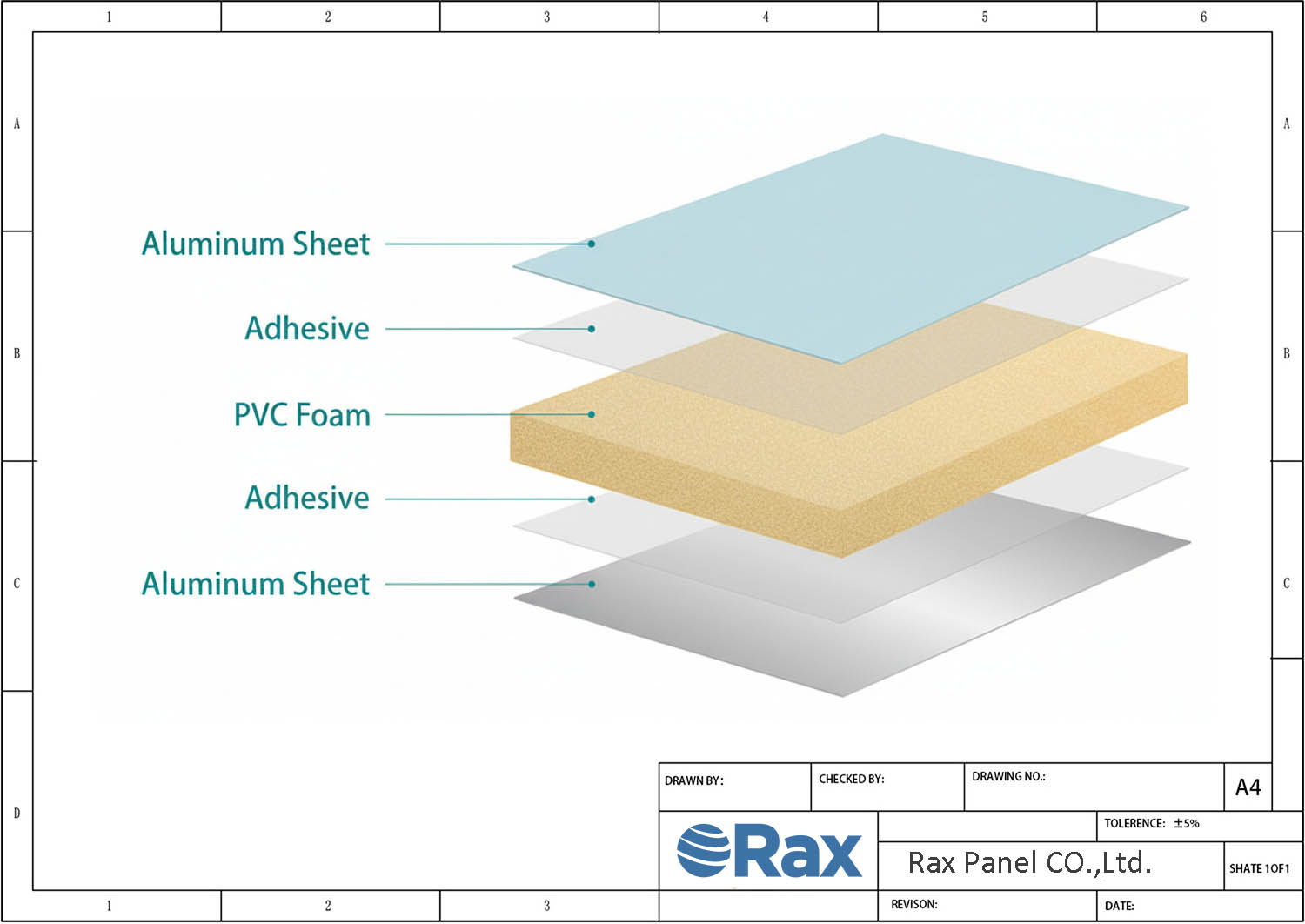
The structural integrity of a honeycomb panel relies on the geometry of its core rather than just the density of its material. The hexagonal honeycomb structure is nature’s optimal solution for energy absorption and load distribution. When pressure is applied to the surface of the panel, the force is not absorbed by a single vertical column; instead, it is dispersed radially through the cell walls. This “I-beam” effect occurs at a microscopic level across the entire panel, where vertical walls handle compressive stress and the oblique walls handle shear stress.
For B2B applications, this means the panel resists denting and indentation significantly better than foam cores or flat sheets. However, the efficiency of this distribution depends entirely on manufacturing consistency. In our production lines, we utilize real-time monitoring to ensure the expansion of the core is uniform. Even a minor variance in cell size can create a “weak axis” where pressure accumulates rather than dispersing, leading to premature local buckling.
Stiffness-to-Weight Ratio Analysis
The primary value proposition of specifying aluminum honeycomb panels is the exponential increase in stiffness (Moment of Inertia) achieved by separating two high-modulus face sheets with a lightweight core. The further apart the skins are, the stiffer the panel becomes, without adding significant weight. According to our internal testing data, a standard honeycomb configuration typically weighs just 11% of a steel panel of equal rigidity and approximately 23% of a solid aluminum panel.
- Steel Equivalent: Replaces heavy gauge steel with minimal loss in rigidity, drastically reducing dead load in structures.
- Solid Aluminum Savings: Offers nearly identical flexural strength to solid plate but at a fraction of the mass, optimizing fuel efficiency in transport applications.
- Core Influence: Selecting between PP or aluminum cores allows engineers to tune the specific stiffness (E/p) to match the vibration and load frequency of the application.
We have found that for RV and truck body applications, switching to this composite structure directly translates to higher payload capacity and lower operational costs. The stiffness-to-weight ratio is not a marginal improvement; it is a structural paradigm shift that allows for longer spans without supporting intermediate ribs.
Deflection Limits Under Uniform Load
Under uniform load scenarios—such as snow on a roof or stacked cargo in a truck—the panel’s performance is defined by its resistance to bending (deflection). The sandwich structure performs distinct roles: the face skins carry the tensile and compressive stresses (trying to pull apart or crush the top/bottom), while the honeycomb core resists shear (preventing the skins from sliding past one another). If the core crushes or shears, the skins delaminate, and deflection occurs catastrophically.
To maintain serviceability, we engineer our panels to strict deflection limits, often adhering to architectural standards like L/180 or L/240 depending on the project. Our laboratory conducts experimental three-point bending tests to verify that the skin-to-core bond strength exceeds the shear stress of the core material itself. This ensures that under heavy uniform loads, the panel acts as a monolithic unit rather than separating into layers. For marine and industrial clients, we provide specific calculation sheets detailing the maximum allowable load per square meter before deflection exceeds the safety threshold, ensuring full compliance with structural engineering requirements.
Is It Fire-Safe?
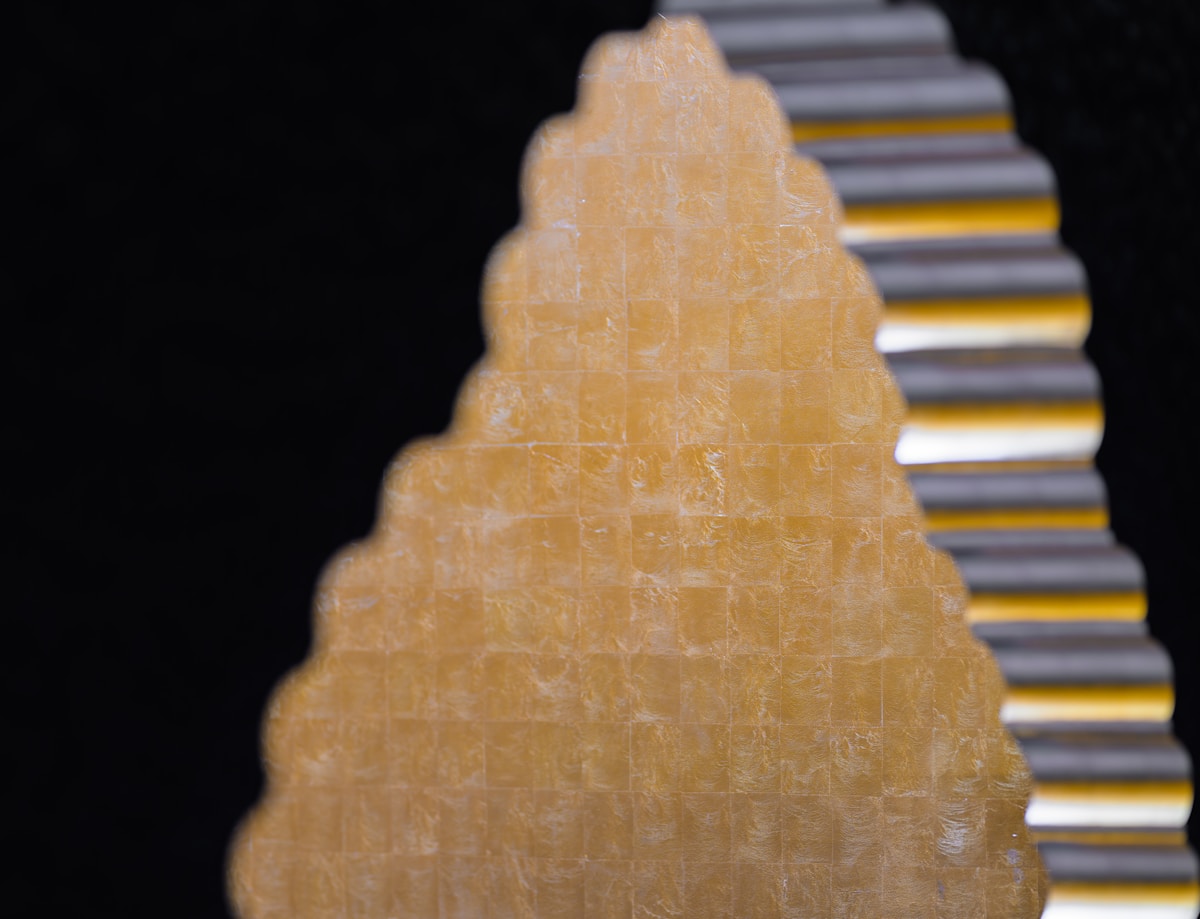
Fire safety is a non-negotiable specification in high-performance composite panel design, particularly for applications in marine environments, public transit, and commercial buildings where regulatory compliance can determine project viability. When evaluating sandwich panels—specifically aluminum honeycomb constructions—the critical metric isn’t just resistance to ignition but the material’s behavior under extreme thermal stress, including smoke evolution and toxic gas emissions. Our engineering teams have observed that many suppliers claim “fire-safe” performance without providing test data aligned with industry benchmarks, creating significant risk for specifiers relying on incomplete certifications.
EN 13501-1 Fire Classification Ratings
The EN 13501-1 standard provides Europe’s most widely accepted classification system for reaction-to-fire performance of construction products, with ratings ranging from A2 (limited combustibility) down to E (high flammability). For aluminum honeycomb panels used in sensitive installations, achieving an A2-s1,d0 rating is essential—this denotes minimal contribution to fire growth, very low smoke production, and no flaming droplets or particles. We’ve verified through third-party lab reports that our stainless steel-faced variants consistently meet this threshold due to their inherent non-combustibility; however, aluminum-faced units require careful core selection to avoid degradation at higher temperatures. The choice between materials directly impacts whether you qualify for use in confined spaces such as train carriages or offshore platforms where even minor flame spread could trigger catastrophic outcomes.
EN 45545-HL3 Railway Compliance Verification
Railway applications demand adherence to EN 45545-2, specifically hazard level HL3—the highest tier covering passenger compartments and crew areas. This regulation mandates rigorous testing across multiple parameters: heat release rate (HRR), smoke density (SD), and toxicity index (TI), all measured during controlled exposure scenarios simulating real-world fire events. In our experience working with European rail OEMs, we found that only certain combinations of core materials and face sheets pass these tests without requiring additional intumescent coatings. For instance, PMI foam cores paired with galvanized iron facings demonstrate superior stability compared to polyurethane-based alternatives under prolonged heat exposure. Importantly, certification must be documented per vehicle type and installation location—not assumed based solely on general product labeling.
Smoke Density and Toxicity Performance
Beyond mere flame retardance, modern safety regulations prioritize minimizing visibility obstruction and inhalation hazards during evacuation—a concern often overlooked in favor of superficial “fireproof” marketing claims. Smoke density (often expressed via specific optical density, SD) quantifies how quickly ambient light is obscured by particulates released when materials burn. Similarly, toxicity assessments measure concentrations of harmful gases like carbon monoxide (CO), hydrogen cyanide (HCN), and nitrogen oxides (NOx) emitted within defined timeframes post-ignition. At Rax Panel, our proprietary closed-cell PVC and PET foam cores significantly reduce both metrics relative to open-cell counterparts while maintaining structural integrity. These improvements are especially vital in enclosed vessels or underground tunnels where ventilation systems may struggle to disperse hazardous fumes rapidly enough.
| Feature | Specification | Advantage |
|---|---|---|
| Face Sheet Material | Aluminum (m.p. ~660°C) or Stainless Steel/GI (m.p. ~1450-1500°C) | Stainless steel/GI skins maintain structural integrity in SOLAS B-15 tests; aluminum requires specific core configurations to mitigate lower melting points. |
| Core Material Type | Aluminum honeycomb, PP honeycomb, PMI/XPS/PET foam, or mineral fiber fill | Metal cores naturally achieve Class A/A2 ratings; plastic cores require retardant treatment or closed-cell variants (XPS/PET) to meet rigorous fire resistance standards. |
| Adhesive System | High-temperature resistant bonding agents (tested >100°C stability) | Prevents delamination during fire exposure, critical for maintaining sandwich structure integrity per IMO FTP Code. |
| Panel Thickness Options | 15mm to 50mm+ (minimum 25mm recommended for B-15 rating) | Thicker profiles provide greater air-gap insulation buffer to effectively limit temperature rise on the unexposed side. |
| Fire Certification Standards | EN 13501-1 (A2-s1,d0), ASTM E84 (Class A), BS 476 Part 7, SOLAS B-15/B-0/C-Class | Third-party compliant data available for verification against marine, rail, and building code regulations. |
Conclusion
Aluminum honeycomb panels dominate where stiffness-to-weight ratios matter. The hexagonal core handles uniform pressure better than foam, drastically cutting deflection under heavy loads. Fire safety remains the real deal-breaker. With B1 ratings and low smoke density, these panels are the smart call for railway or marine transport. You simply cannot compromise on fire compliance just to save mass.
Use our engineering team as a technical resource before you lock in architectural specs. We can help verify shear modulus requirements or acoustic dampening coefficients for your installation environment. Send over your load calculations. Our engineers will review the panel configuration to ensure it meets safety standards, even if you decide to source elsewhere.
Frequently Asked Questions
What finishes are available on aluminum skins?
Raxpanel offers multiple aluminum skin finishes including powder coating, anodizing, and PVDF fluoropolymer coatings. These provide enhanced corrosion resistance, color stability, and aesthetic customization for architectural or industrial applications.
Are custom sizes available for honeycomb panels?
Yes, Raxpanel provides full customization of panel dimensions to meet project-specific requirements. Their engineering team works with clients to produce tailored sizes while maintaining structural integrity and performance standards.
Can aluminum honeycomb panels be used outdoors?
Absolutely. With UV-resistant coatings and weather-sealed cores, these panels are designed for exterior use in demanding environments. They resist moisture, temperature fluctuations, and long-term sun exposure without degradation.
How do you transport aluminum honeycomb panels safely?
Panels should be transported upright with protective edge padding and secured to prevent bending or impact damage. Raxpanel recommends using cradles and avoiding stacking beyond recommended load limits to maintain flatness during transit.
What is the density range of aluminum honeycomb panels?
Density typically ranges from 15 to 80 kg/m³ depending on core thickness, cell size, and skin gauge. Lighter variants suit aerospace or mobile applications, while denser options offer higher load-bearing capacity for structural uses.
Is there a risk of warping during installation?
Warping can occur if panels are improperly supported or exposed to uneven thermal stress. Raxpanel advises following recommended mounting practices, allowing for expansion joints, and ensuring uniform substrate support across large spans.
Do aluminum honeycomb cores resist moisture better than others?
Yes, closed-cell aluminum cores are inherently non-absorbent and immune to rot or mold—unlike paper or some polymer cores. This makes them ideal for marine, humid, or washdown environments where durability is critical.